The global surge in electronic waste has created both an environmental challenge and a significant business opportunity. With millions of tons of discarded electronics, batteries, and cables accumulating annually, investing in reliable recycling equipment is no longer optional for forward-thinking companies. Whether you are entering the recycling industry or scaling up existing operations, selecting the right machinery from a trusted recycling equipment supplier can determine your long-term profitability and compliance with environmental regulations.
Understanding the E-Waste Recycling Landscape
Electronic waste encompasses a wide range of materials, from spent lead acid batteries and lithium-ion power cells to printed circuit boards, scrap cables, and end-of-life appliances. Each category requires specialized processing technology to extract valuable metals like copper, lead, aluminum, and precious materials while minimizing environmental impact. A comprehensive recycling operation often integrates multiple processing lines, including breaking and separation systems, smelting furnaces, and pollution control equipment.
For businesses targeting battery recycling, lead acid battery recycling equipment remains one of the most established and profitable segments. Lead acid batteries contain highly recoverable materials, with modern plants achieving recovery rates exceeding 95% for lead content. Similarly, the explosive growth of electric vehicles and portable electronics has made lithium battery recycling one of the fastest-growing sectors in the industry.
Key Equipment Categories for a Complete Recycling Plant
Building an efficient recycling facility requires careful selection of machinery tailored to your feedstock. Here are the core equipment categories that leading operators prioritize:
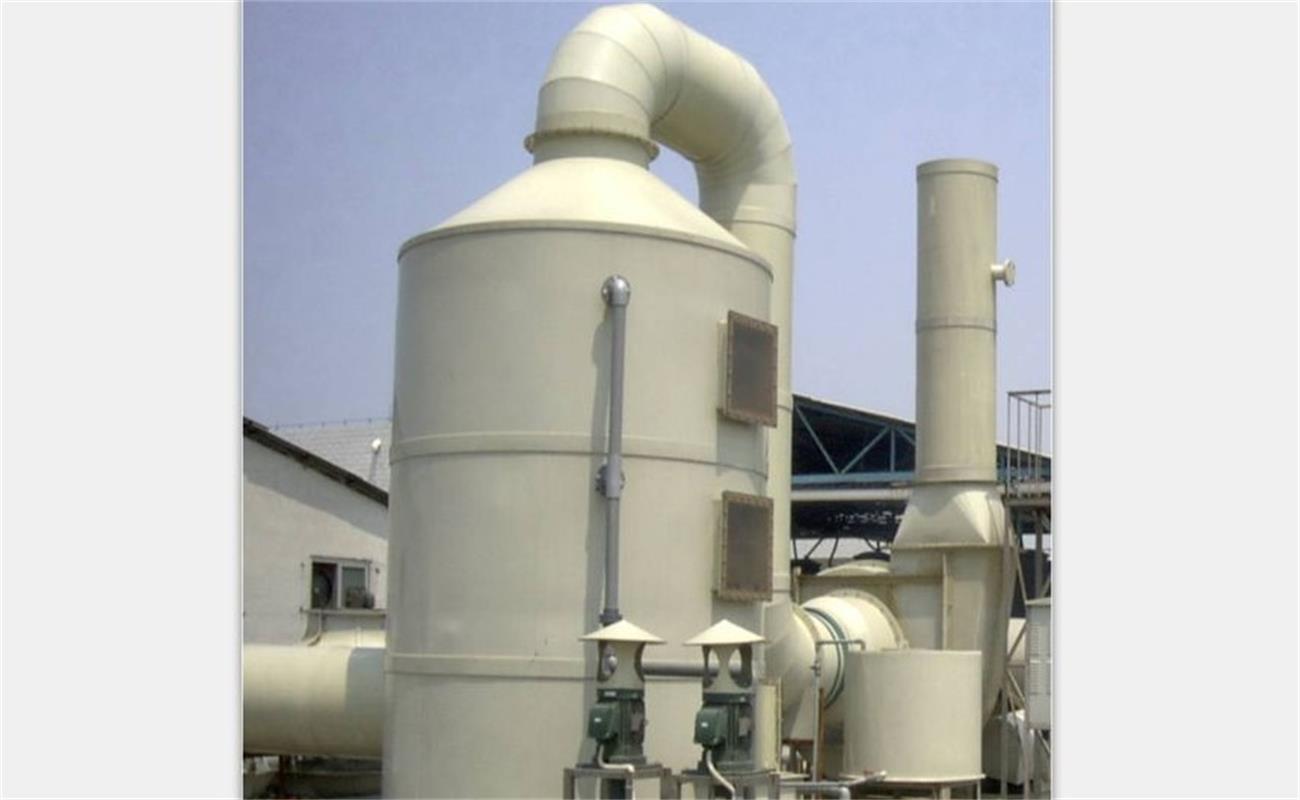
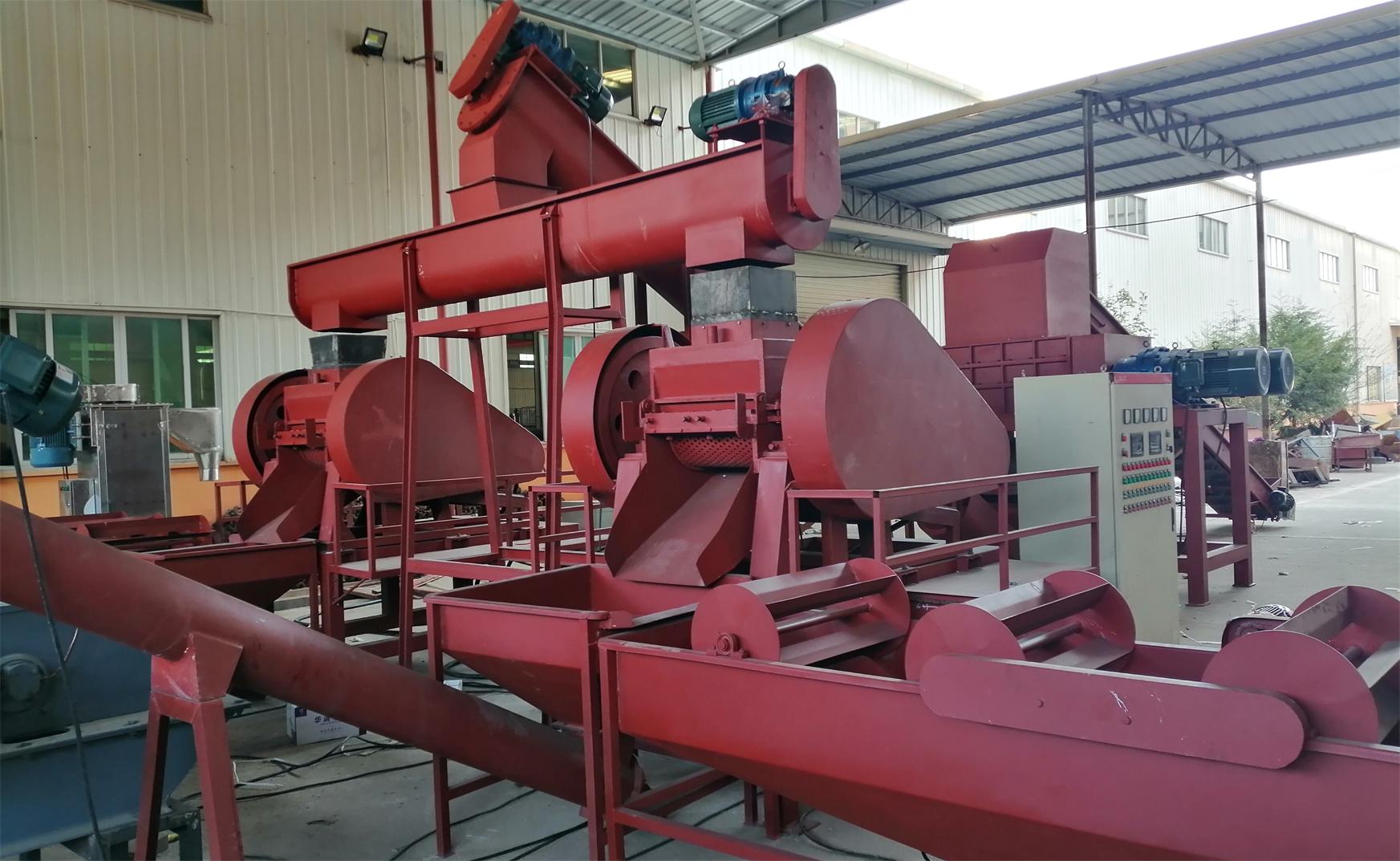
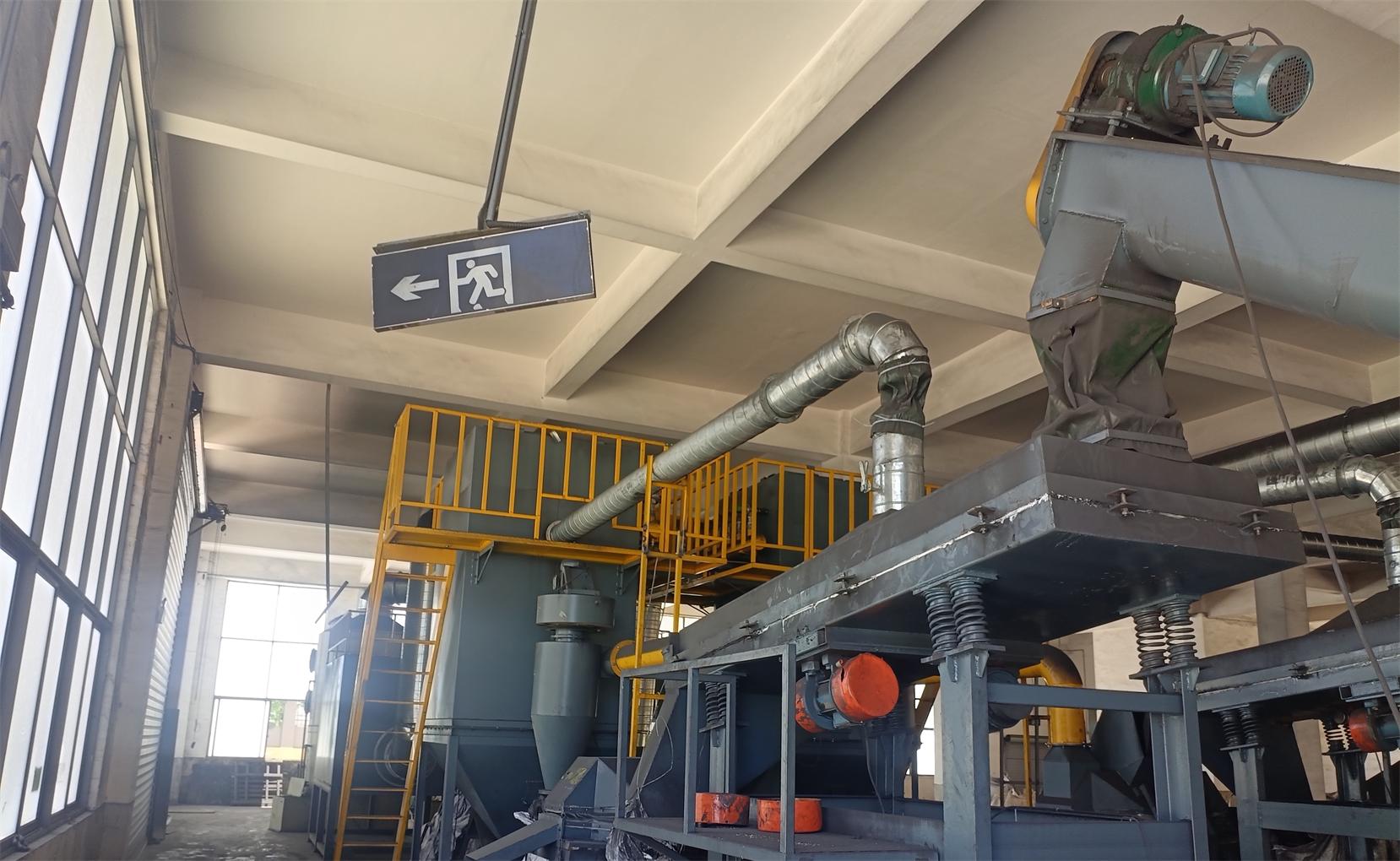
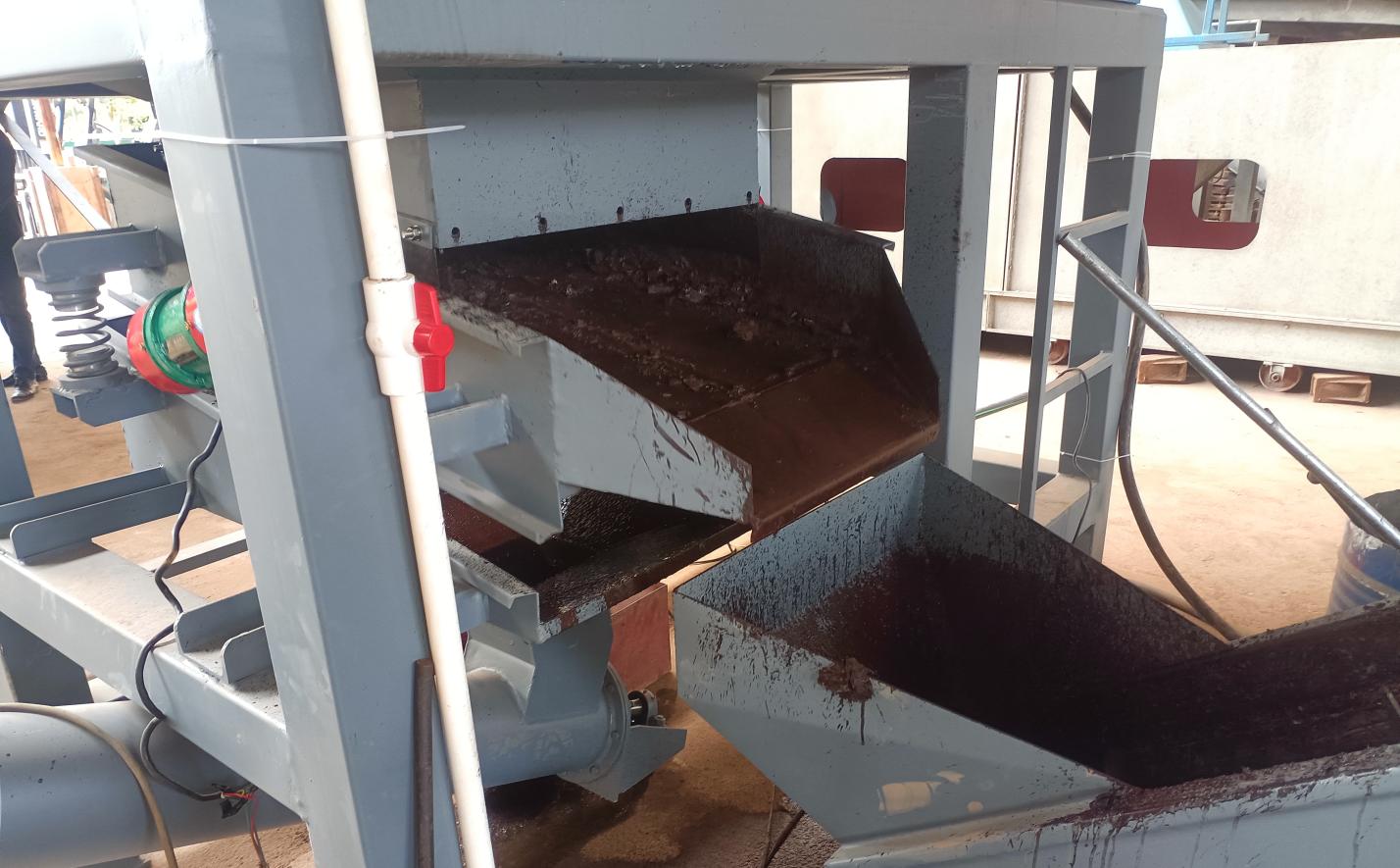
Battery Recycling Systems: Modern battery recycling plants integrate breaking and separation units, desulfurization systems, rotary furnaces or blast furnaces for smelting, refinery kettles for purification, and air pollution control systems. These systems can process lead acid batteries at capacities ranging from 1 to 10 metric tons per hour, recovering acid, plastic shells, lead grids, and lead paste for resale or further refining.
Cable and Wire Processing: Cable recycling equipment separates copper or aluminum from plastic insulation through granulation and dry or wet separation methods. Advanced cable granulators can handle capacities from 100 kg to 1,200 kg per hour, producing high-purity copper rice that commands premium market prices.
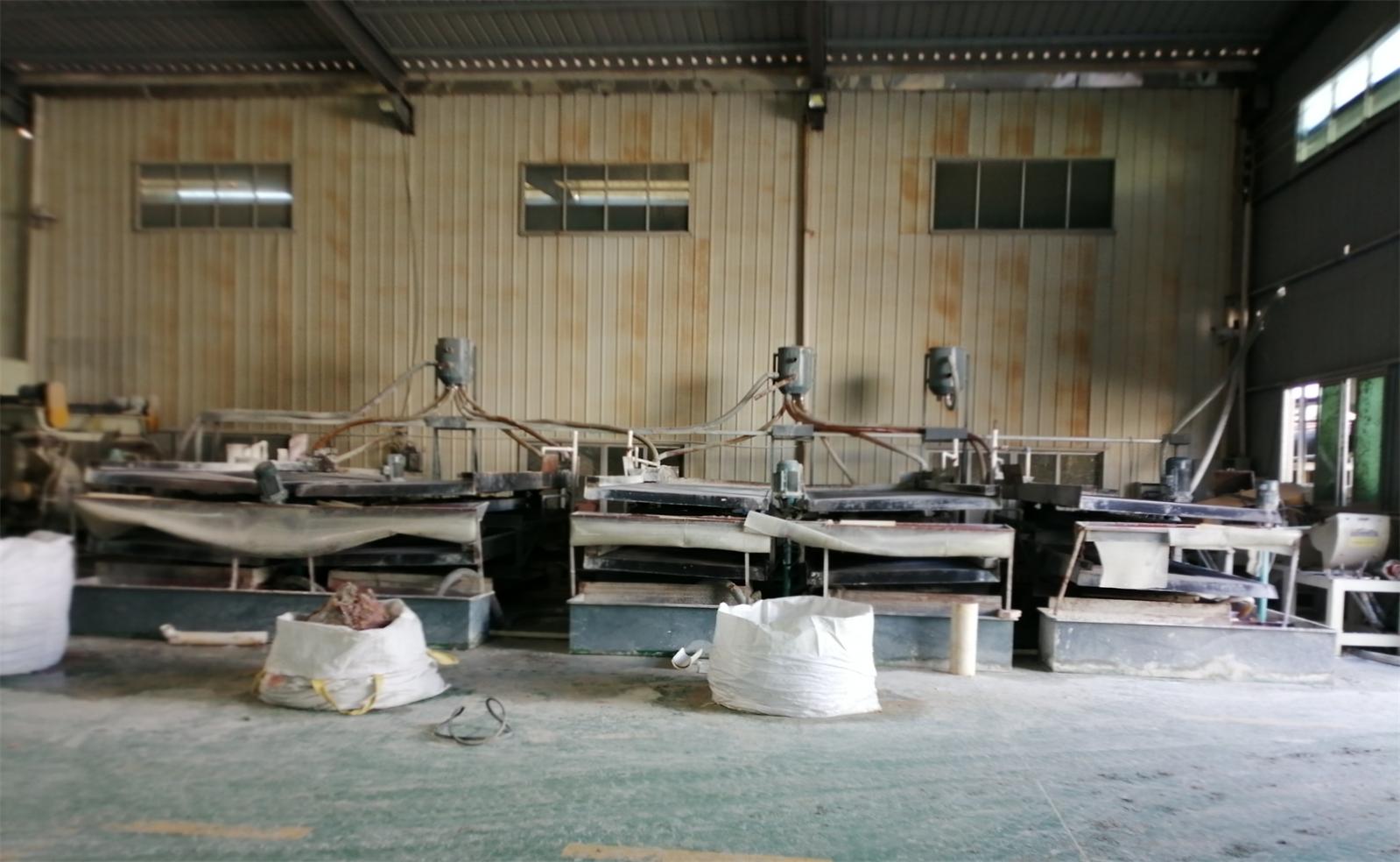
Circuit Board Recovery: Circuit board recycling equipment uses mechanical crushing combined with air or water separation to recover copper powder and precious metals from discarded PCBs. State-of-the-art plants achieve copper powder purity levels of 96-98% with recovery rates around 95%, all while maintaining dust-free operation through integrated pulse bag dust collectors.
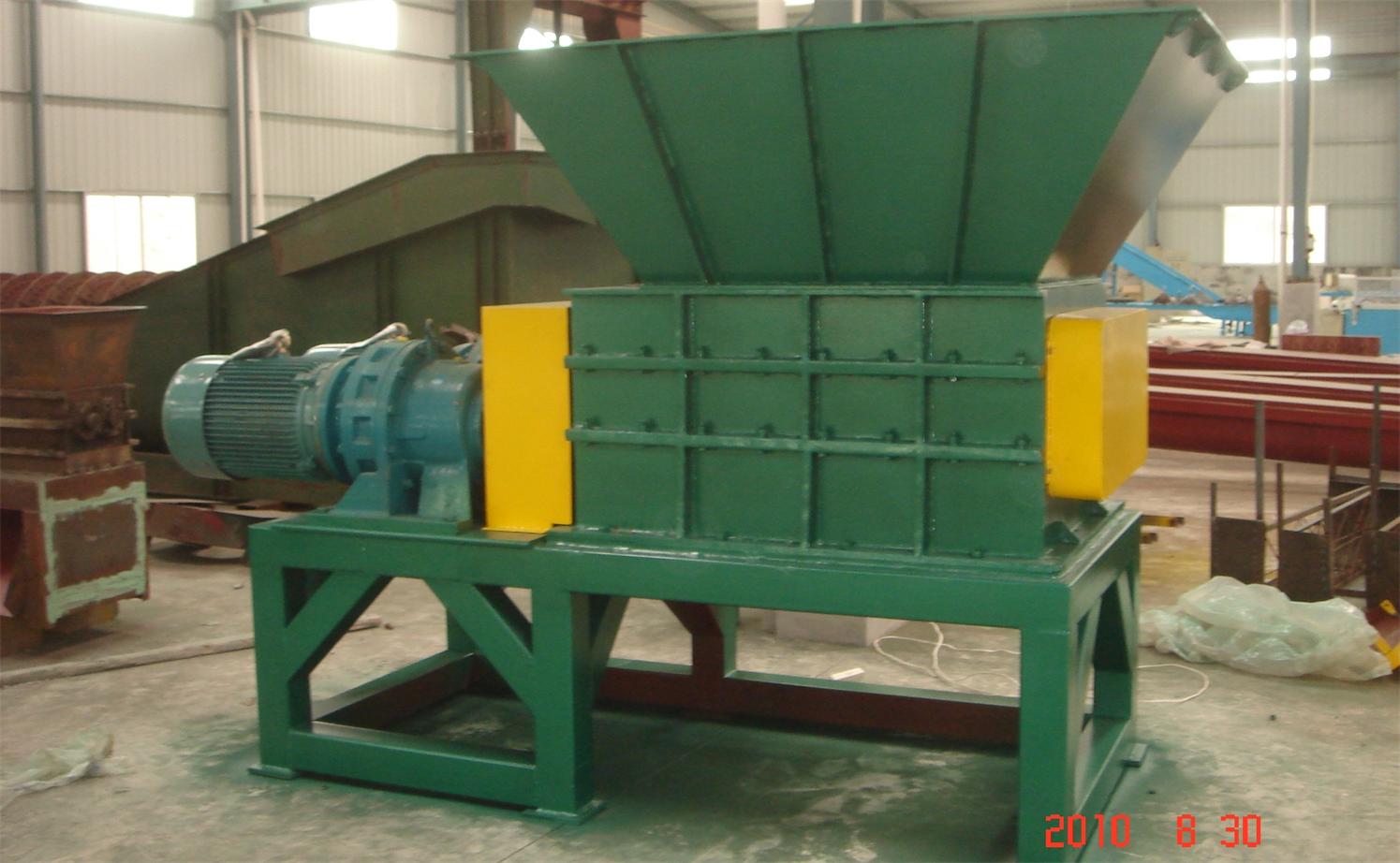
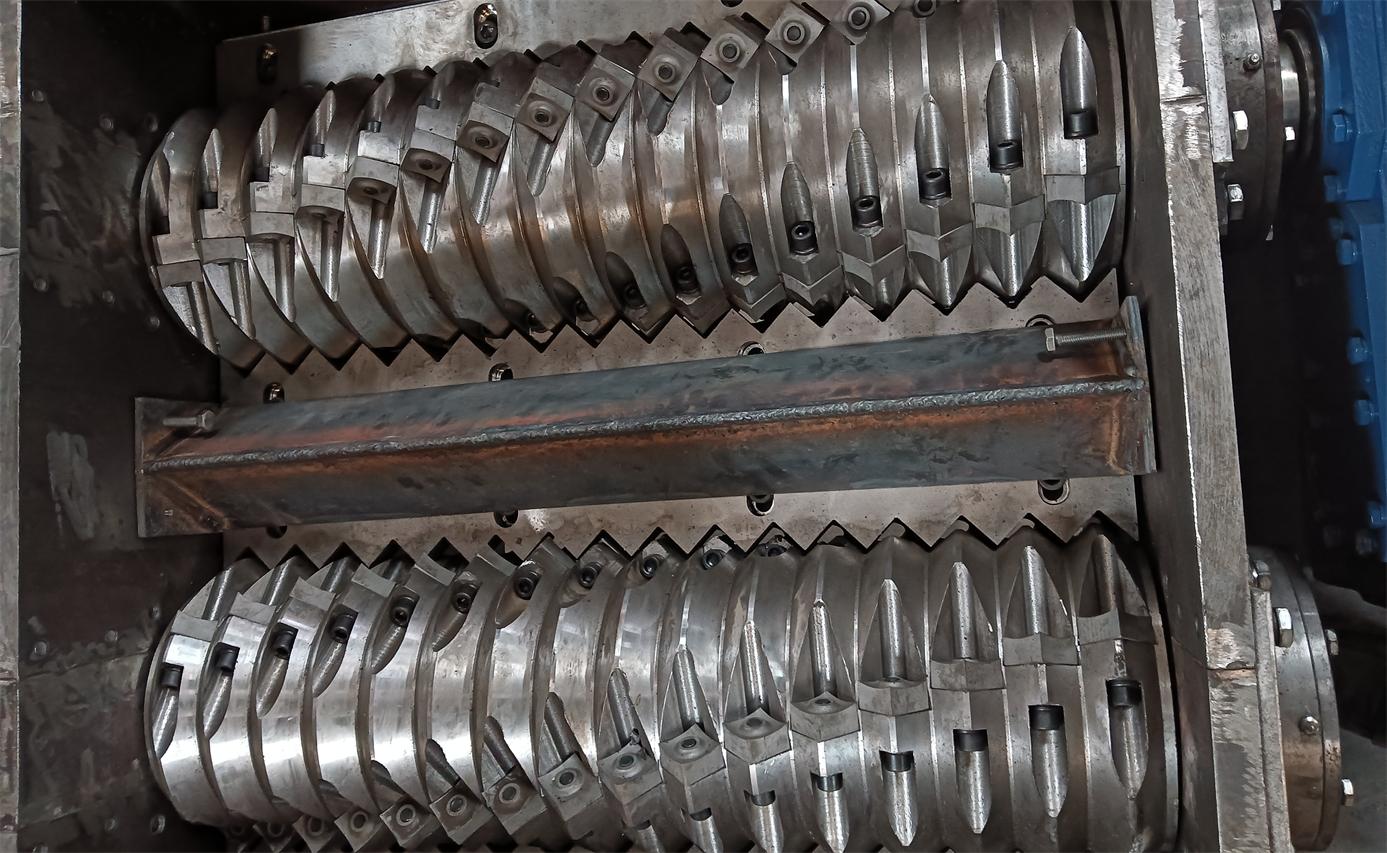
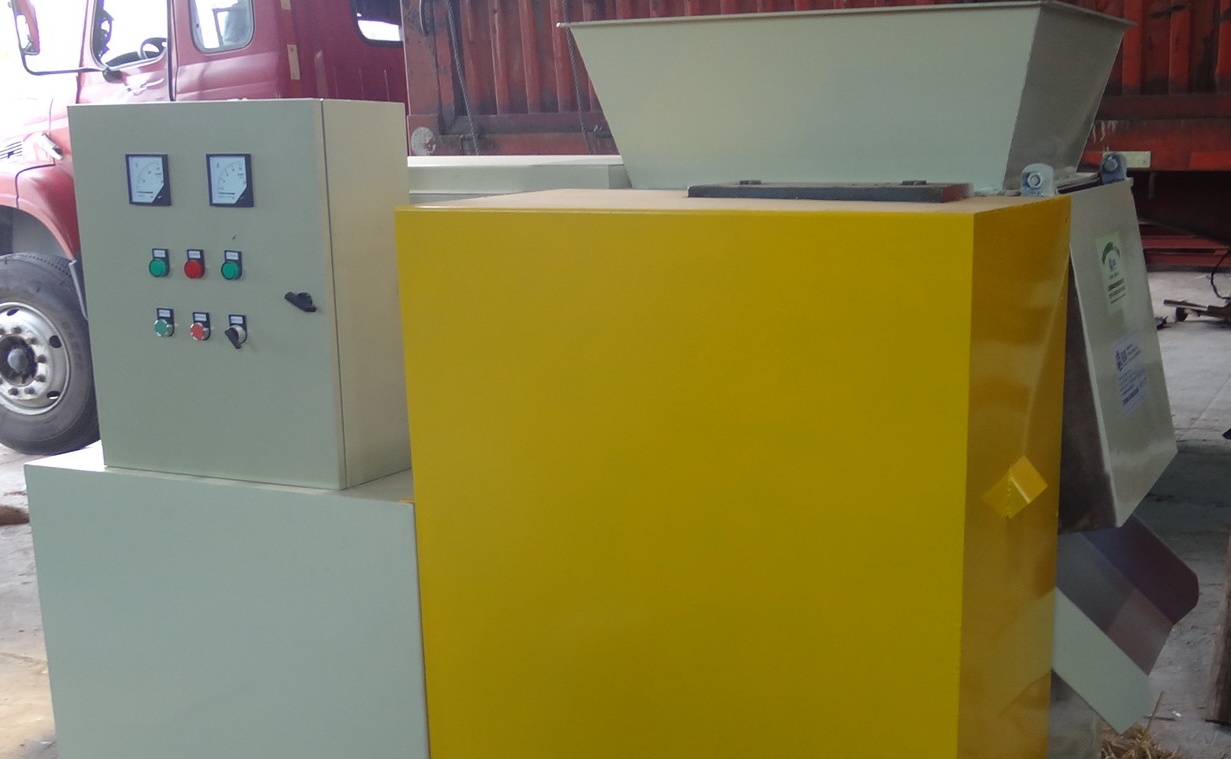
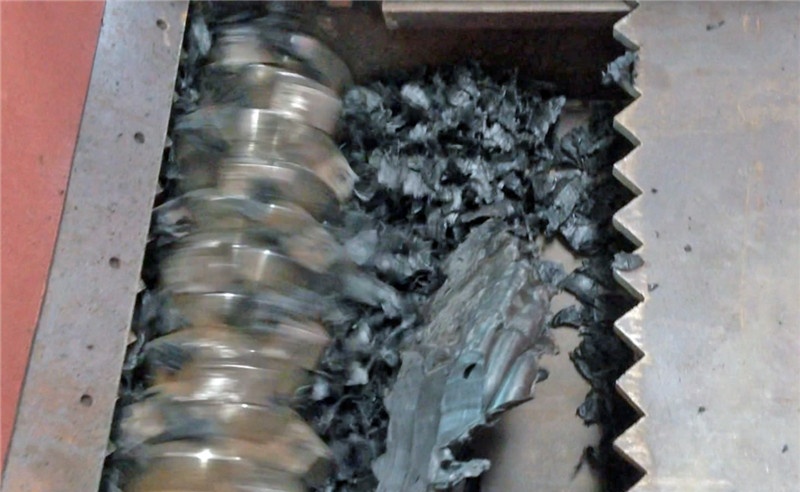
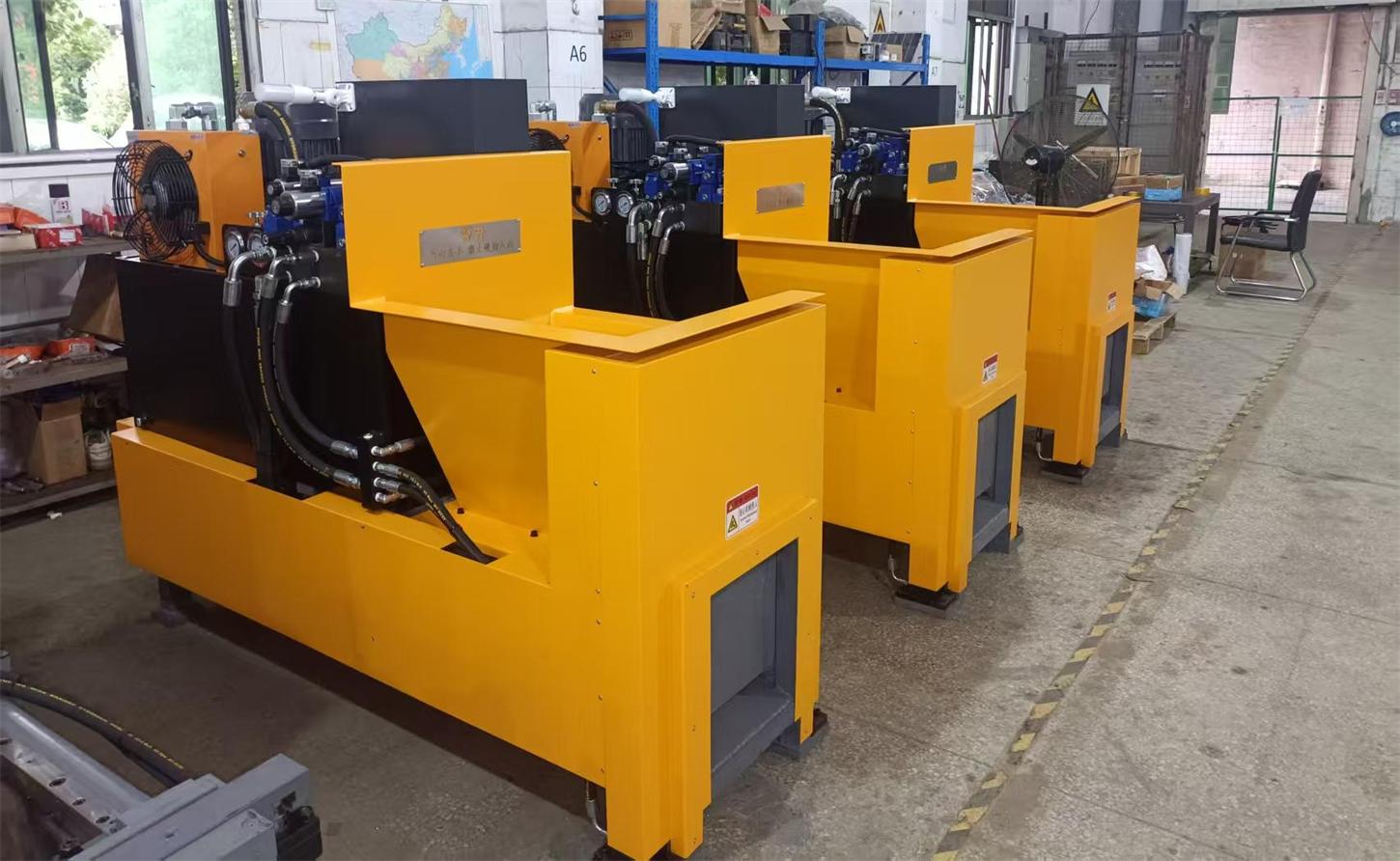
Additional essential equipment includes shredders and pre-choppers for size reduction, hydraulic presses for briquetting metal chips, refrigerant recovery machines for appliance recycling, and medium-frequency induction furnaces for melting recovered metals into ingots.
Why Experience Matters in Equipment Selection
Choosing recycling machinery is not merely a product purchase; it is a long-term partnership. Equipment reliability, process efficiency, after-sales support, and the ability to customize solutions for specific operational conditions all depend heavily on the manufacturer's expertise. Companies with deep industry experience understand the nuances of different feedstocks, regional regulatory requirements, and the economic factors that drive recycling profitability.
San Lan Technologies Co., Ltd, established in 2007 and headquartered in Ganzhou, Jiangxi Province, China, brings over 15 years of specialized experience in WEEE recycling machinery and mining equipment manufacturing. The company's technical team includes mechanical engineering professionals with master's degrees and extensive hands-on experience in designing, building, and commissioning recycling plants across diverse international markets.
Beyond Machinery: The Value of Turnkey Solutions
One of the most significant challenges for new entrants in the recycling industry is navigating the complexity of plant design, installation, and commissioning. A supplier that offers comprehensive Engineering, Procurement, and Construction (EPC) services can dramatically reduce project risk and accelerate time-to-revenue.
San Lan Technologies distinguishes itself by providing end-to-end project support that extends far beyond equipment delivery. The company assists clients with customized plant design, waste material sourcing, installation and commissioning, and even market development for recycled outputs such as copper rice, lead ingots, and aluminum fractions. This integrated approach ensures that customers not only receive high-quality machinery but also gain the operational knowledge and supply chain connections needed to build a sustainable business.
With installations serving customers in more than 21 countries, including Singapore, Colombia, Vietnam, Mexico, Argentina, Korea, Malaysia, Indonesia, South Africa, India, and Saudi Arabia, San Lan has demonstrated its ability to adapt solutions to varying climatic conditions, regulatory frameworks, and feedstock characteristics.
Environmental Compliance as a Competitive Advantage
Environmental regulations governing e-waste processing are tightening worldwide. Plants must control air emissions, treat wastewater, and safely handle hazardous materials such as lead dust, mercury from lamps, and refrigerants from appliances. Investing in equipment with integrated environmental controls is not just about compliance; it is about protecting your license to operate and your reputation in the community.
Modern recycling systems from leading manufacturers incorporate air pollution control units with multi-stage filtration, water treatment plants for neutralizing acidic effluents, and specialized capture systems for mercury and other toxic substances. These features help operators meet stringent environmental standards while maintaining high process efficiency.
Making the Right Investment Decision
When evaluating recycling equipment suppliers, consider the following factors:
1. Technical depth: Does the manufacturer have in-house engineering expertise to customize solutions?
2. Proven track record: Can they demonstrate successful installations in markets similar to yours?
3. After-sales support: Do they offer installation, training, spare parts, and ongoing technical assistance?
4. Environmental integration: Is pollution control equipment included and optimized for the process?
5. Business ecosystem: Can they help with raw material sourcing or product offtake?
San Lan Technologies addresses all these dimensions through its combination of technical expertise, international project experience, and value-added services that support customers from initial concept through to profitable operation.
Ready to Build Your Recycling Business?
Whether you are planning a lead acid battery recycling plant, a lithium battery recovery facility, a cable granulation line, or a multi-stream e-waste processing center, partnering with an experienced manufacturer is the foundation of success. Explore San Lan Technologies' comprehensive range of recycling solutions and discover how over 15 years of industry expertise can accelerate your project from vision to reality.
Visit www.san-lan.com to view the full product catalog, request a customized quotation, or speak directly with a technical specialist about your specific recycling requirements.