A practical guide to battery, cable, and circuit board recycling systems for profitable and sustainable operations
The global surge in electronic waste has created both an environmental challenge and a significant business opportunity. With millions of tons of batteries, cables, printed circuit boards, and appliances discarded every year, the demand for efficient recycling equipment has never been higher. For entrepreneurs and established companies looking to enter this growing market, selecting the right machinery is the most critical decision you will make.
This guide walks through the major categories of e-waste recycling equipment, the key factors to consider when choosing a supplier, and why turnkey solutions are often the smartest path to profitable operations.
Understanding the Main Types of Recycling Equipment
Not all e-waste is processed the same way. Batteries require safe dismantling and chemical separation, cables need granulation and copper recovery, and circuit boards demand specialized crushing and precious metal extraction. Here are the four core categories that drive most recycling businesses today:
Lead Acid Battery Recycling Equipment
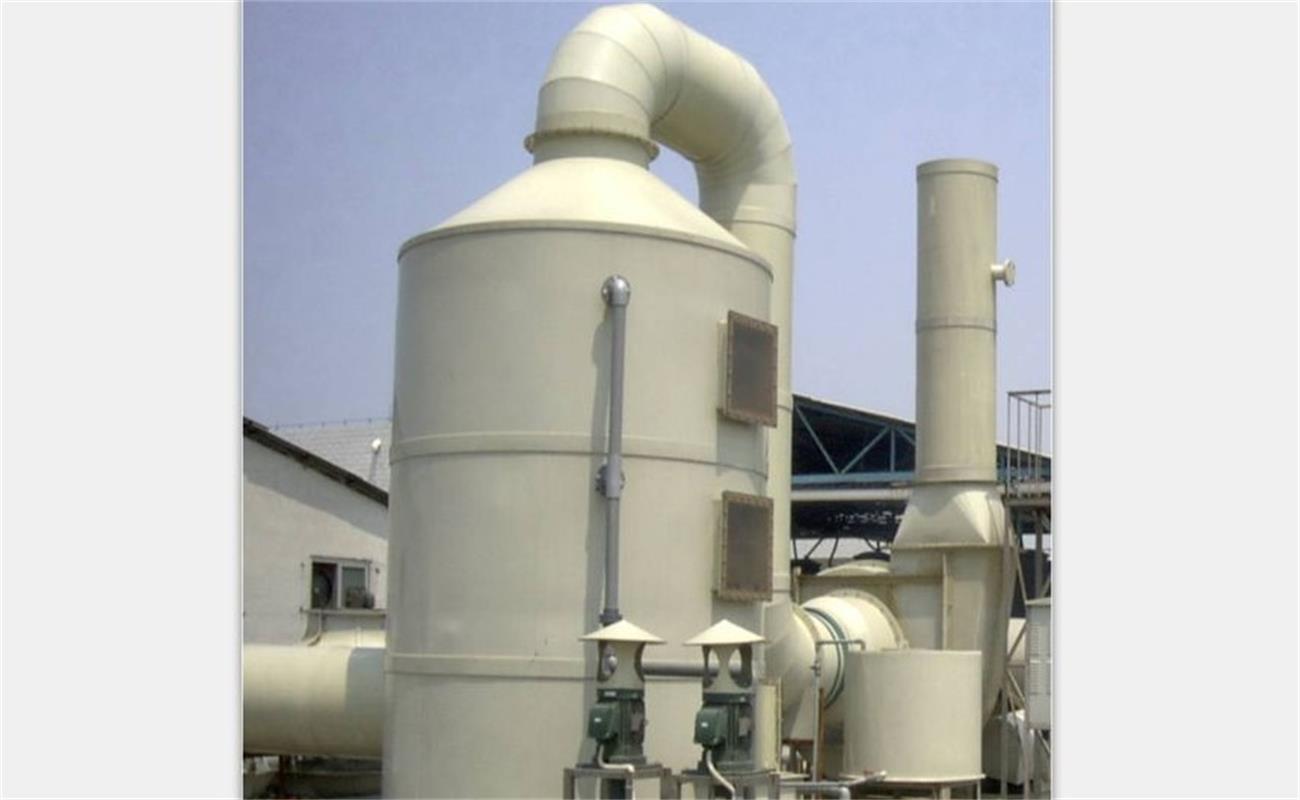
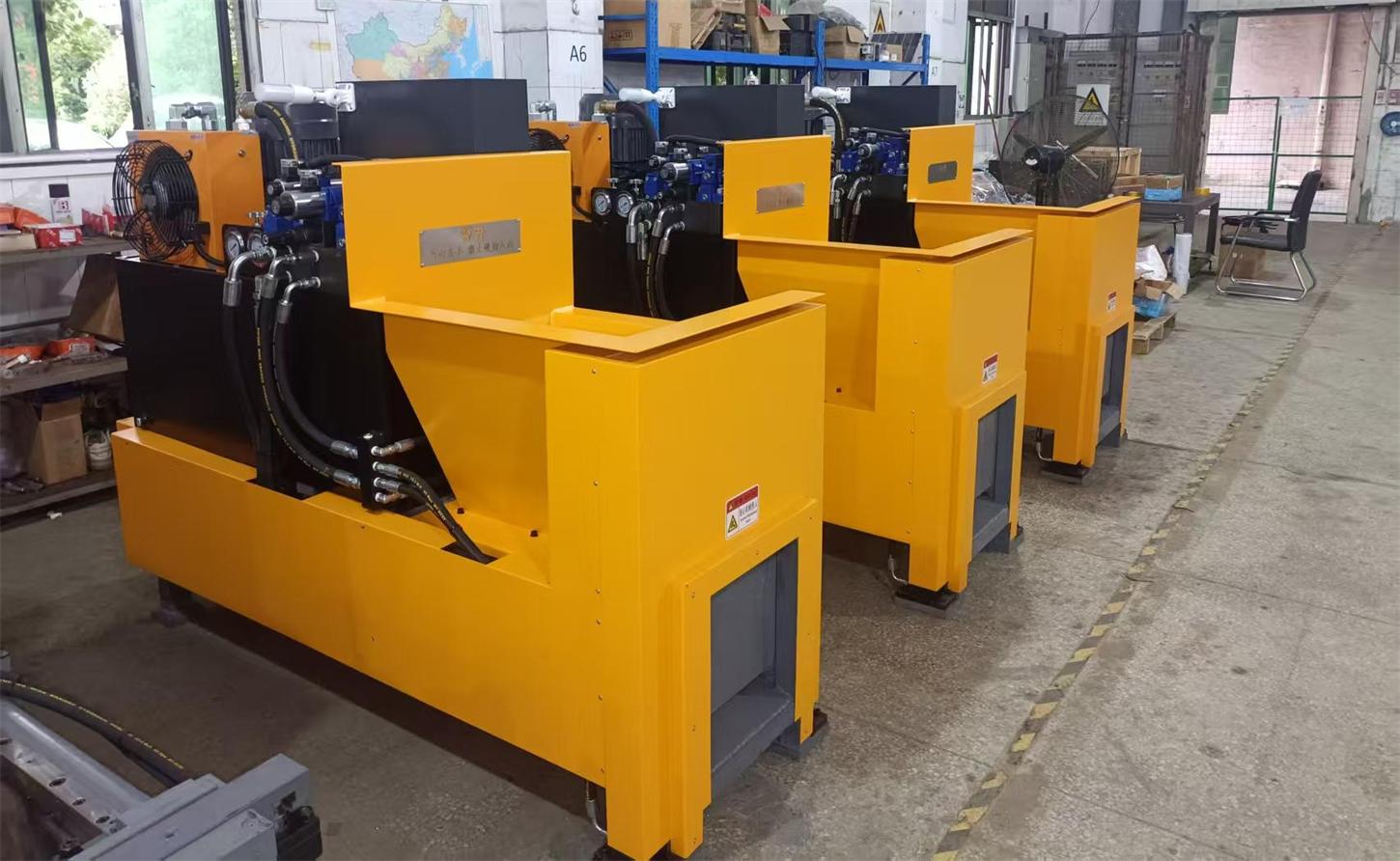
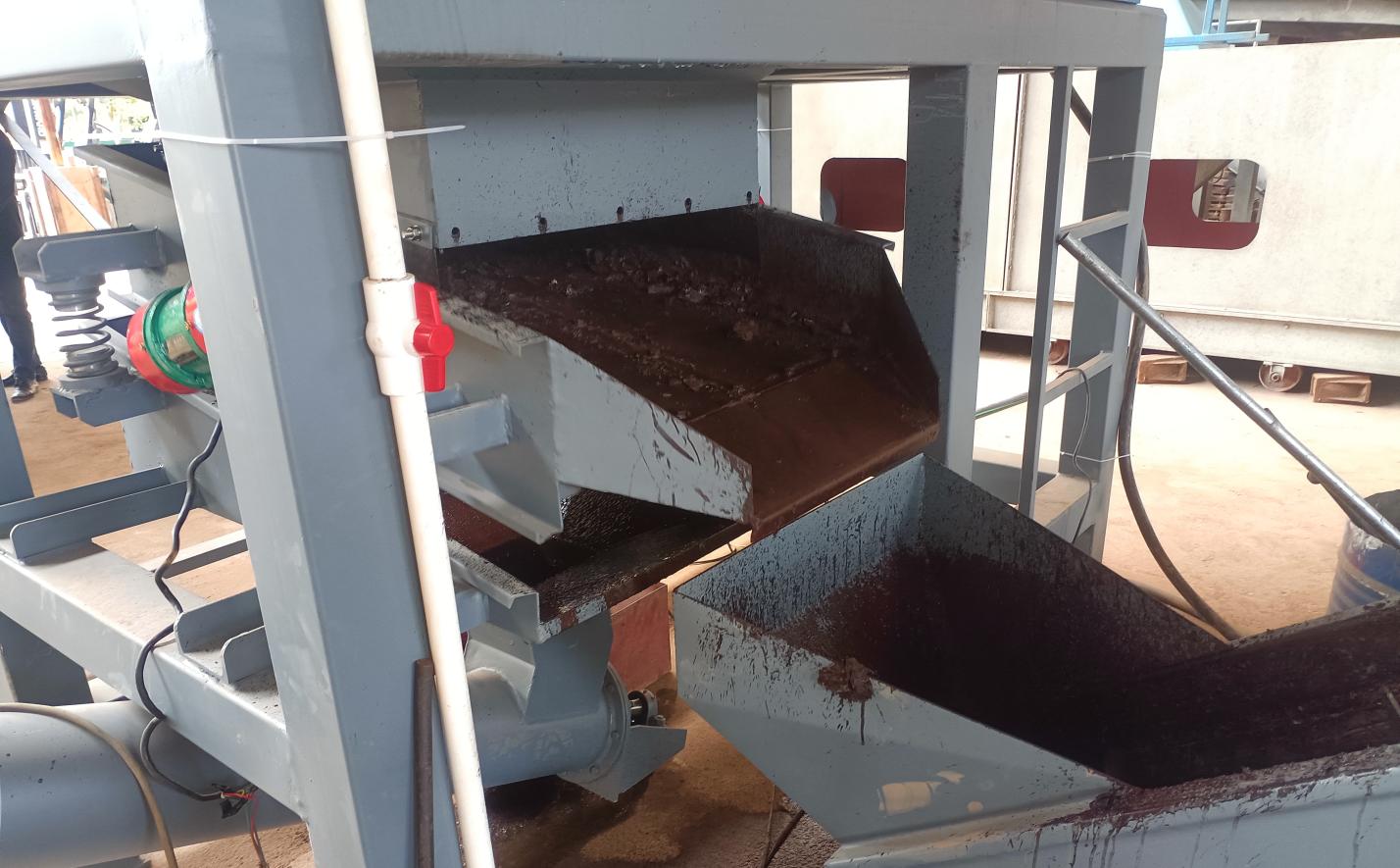
Used lead acid batteries represent one of the most recycled consumer products in the world. A complete lead acid battery recycling equipment line typically includes a battery cutter, breaking and separation system, filter press, de-sulfurization unit, smelting furnace, refinery kettle, and air pollution control system. Modern plants can process 1 to 10 metric tons per hour, recovering lead paste, lead grids, plastic shells, and acid with high efficiency. Look for systems that meet environmental emission standards and offer electric-heated refinery options to reduce energy consumption by 30 to 50 percent.
Lithium Battery Recycling Plant
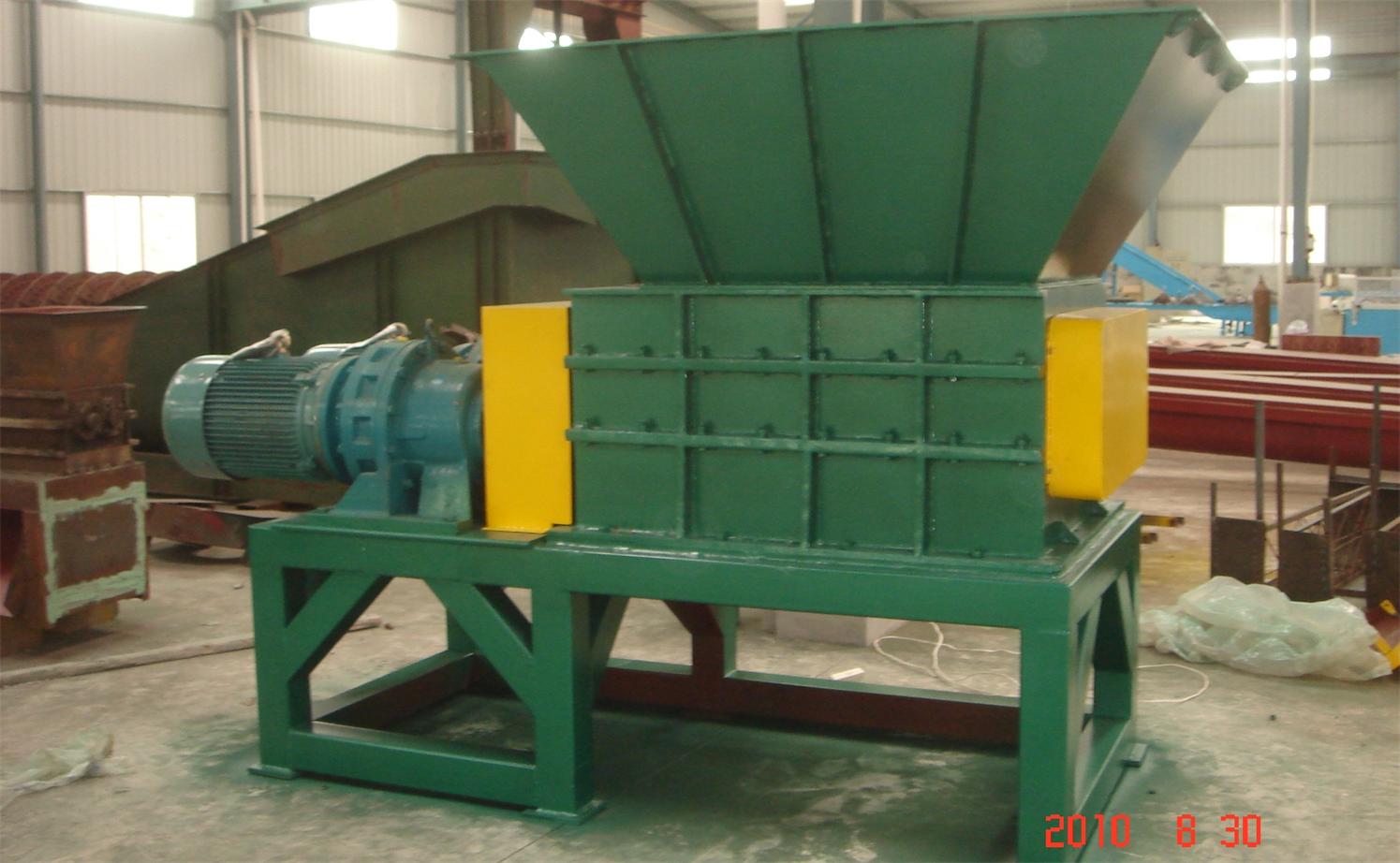
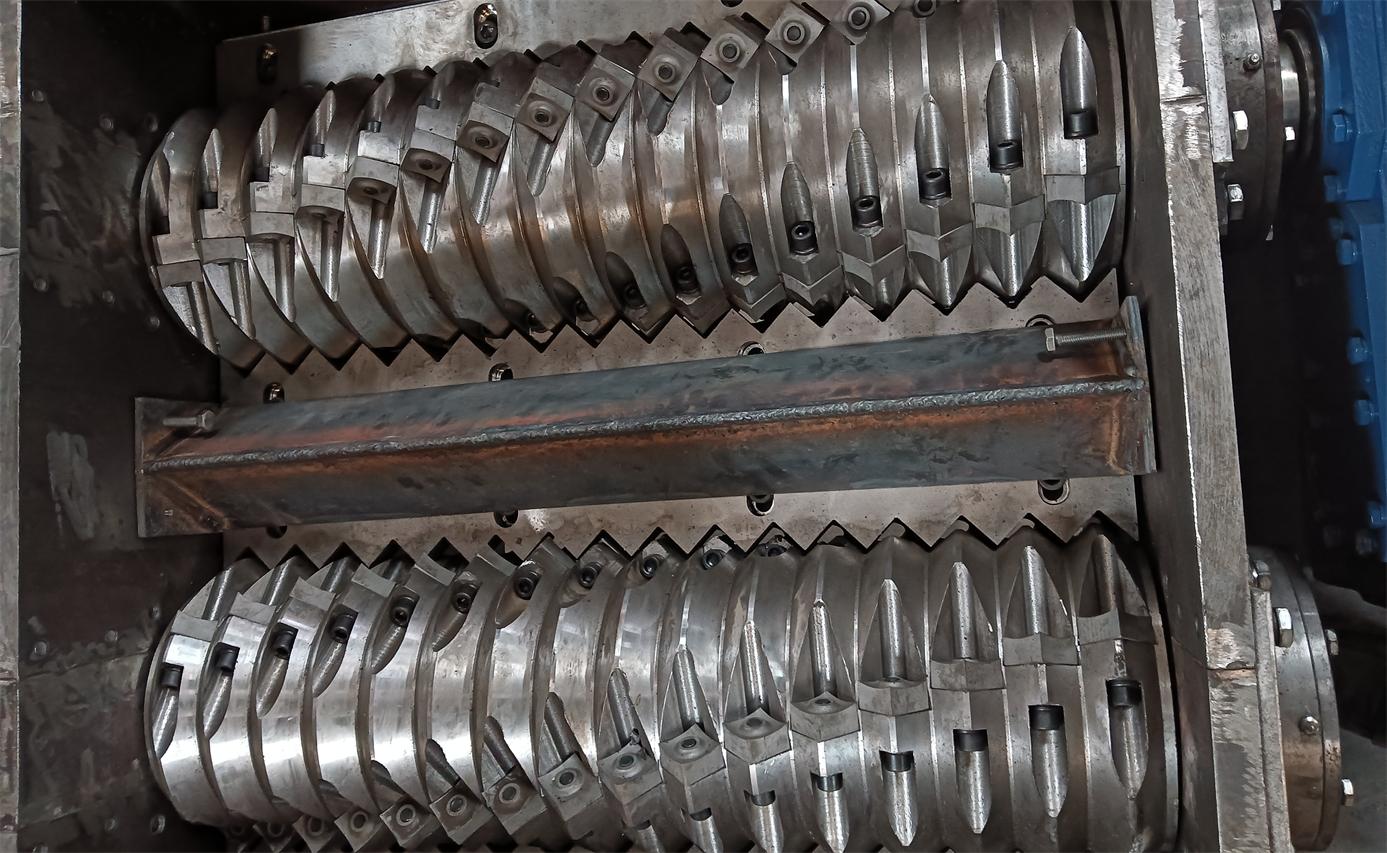
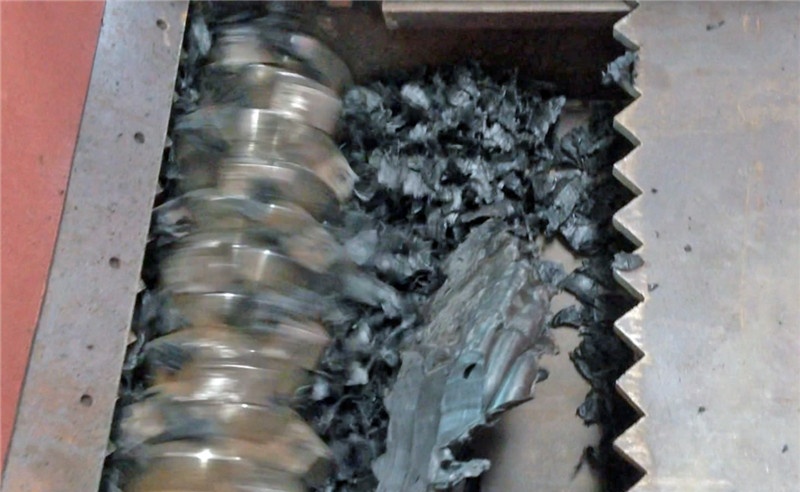
As electric vehicles and portable electronics proliferate, spent lithium-ion batteries are becoming a major feedstock. A complete lithium battery recycling plant handles discharging, pre-crushing, secondary granulation, and separation to recover black mass containing nickel, cobalt, and graphite, along with copper, aluminum, and plastic. Capacities typically range from 500 to 2,500 kilograms per hour. Because lithium batteries can pose fire risks, integrated air pollution control and safe discharging systems are essential.
Cable Recycling Equipment
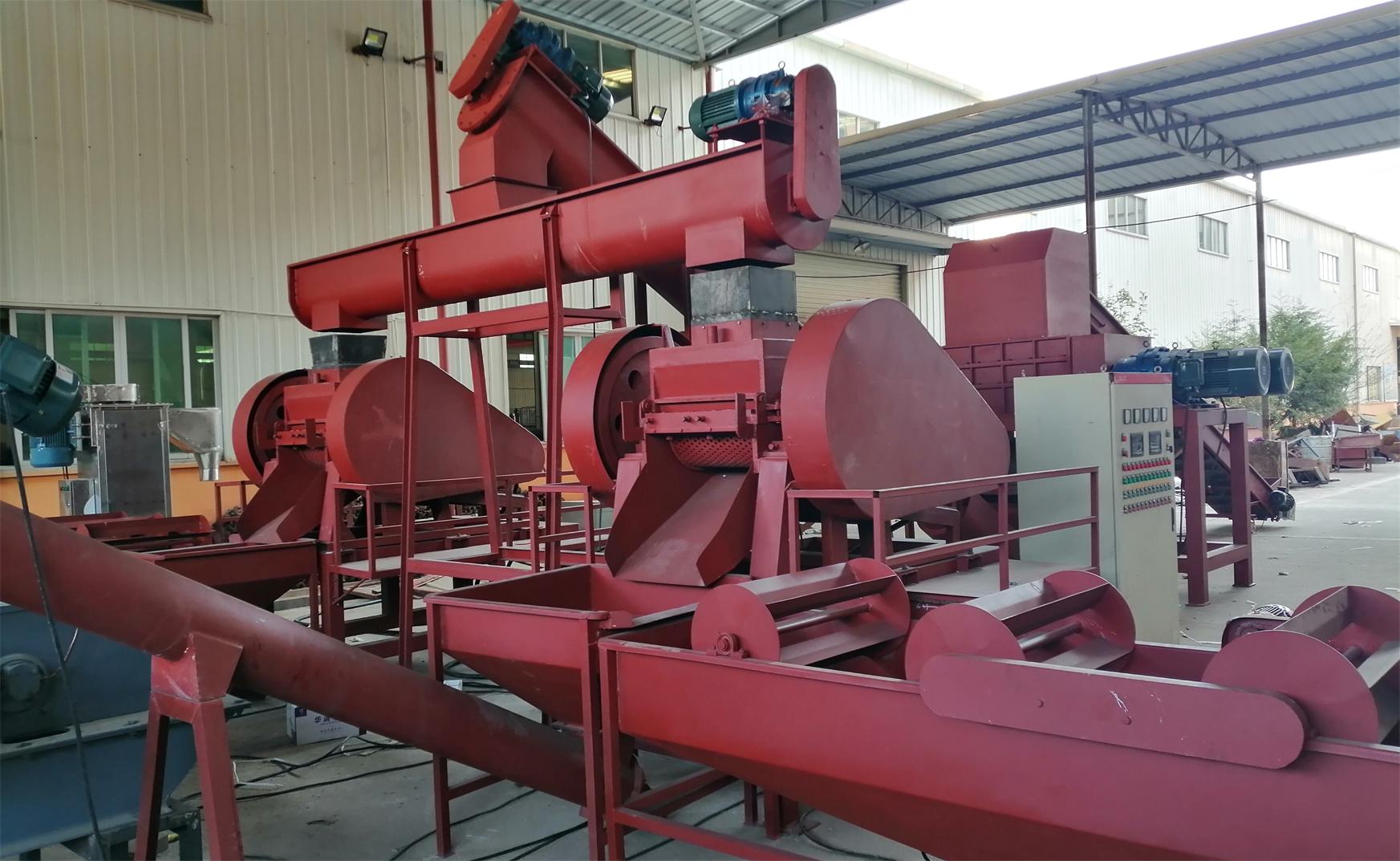
Scrap cables and wires contain valuable copper and aluminum that can be separated from plastic insulation through mechanical processes. Cable recycling equipment includes scrap cable strippers for large-diameter wire and cable granulators with dry or wet separators for finer material. Granulators can process anywhere from 100 to 1,200 kilograms per hour, producing pure copper particles with purity levels reaching 96 to 98 percent. The choice between dry and wet separation depends on local environmental regulations and the types of cable being processed.
Circuit Board Recycling Plant
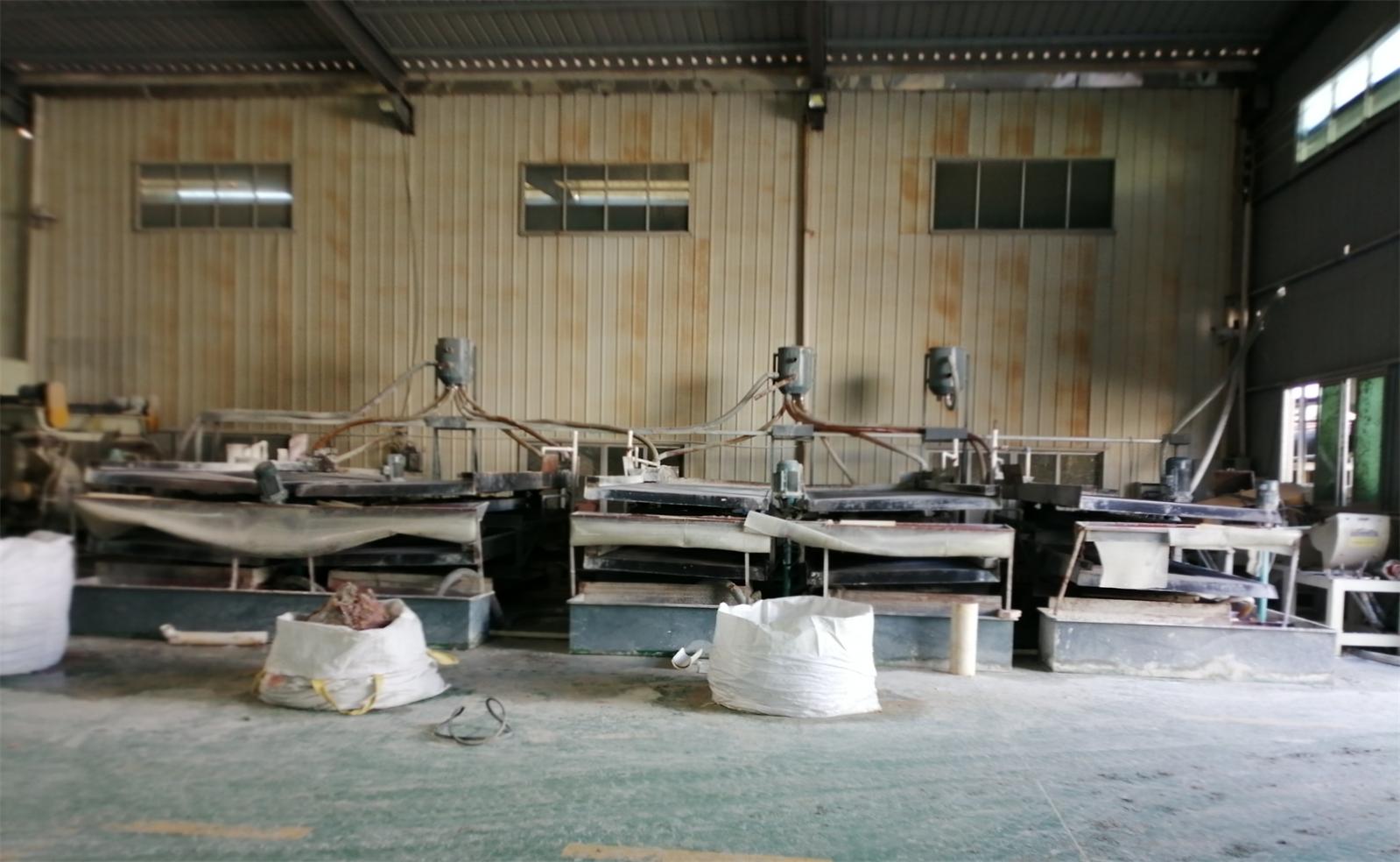
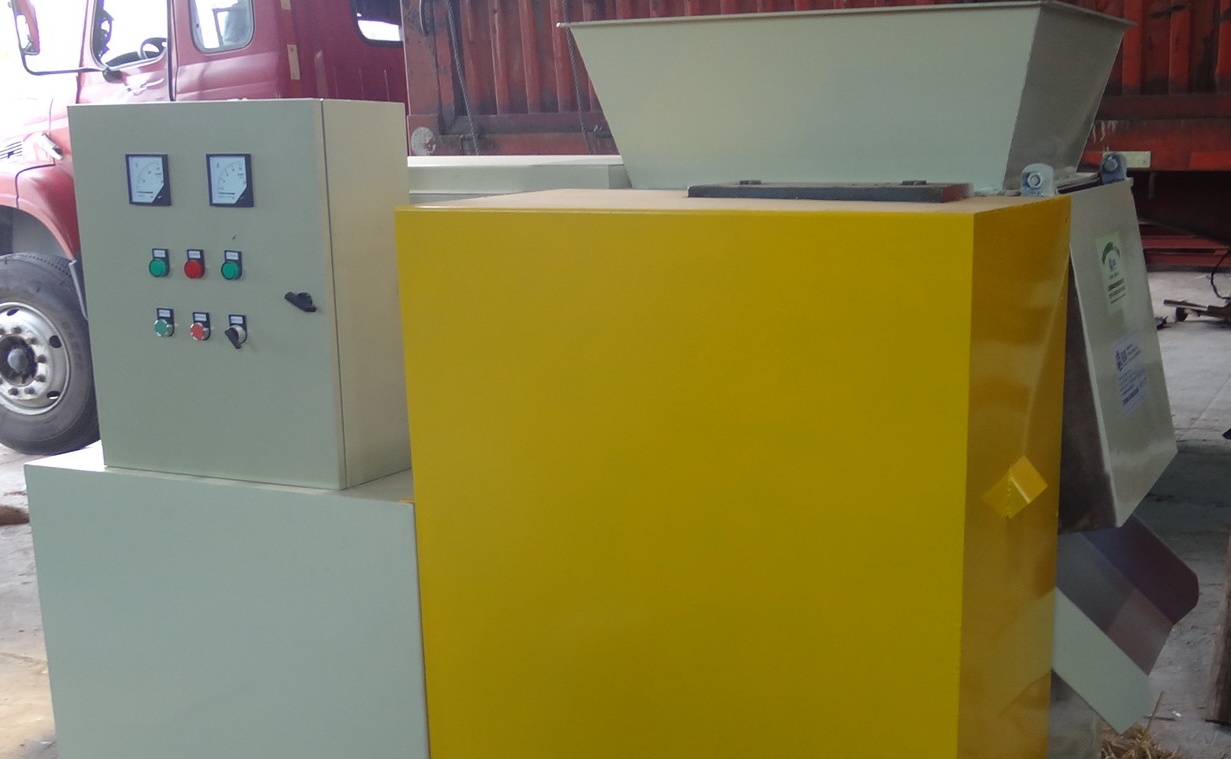
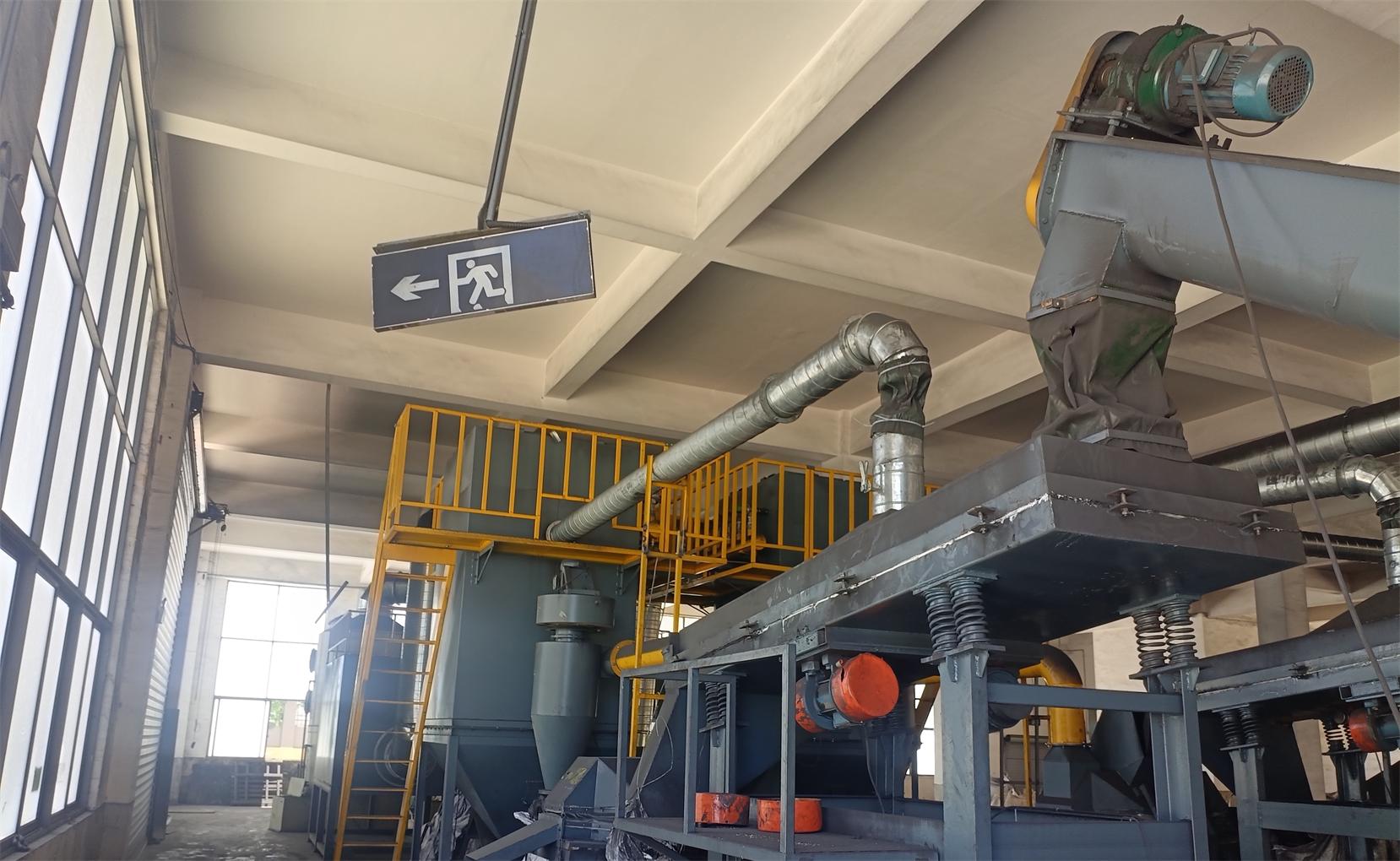
Printed circuit boards contain copper, gold, silver, and other precious metals. Recycling plants use a combination of crushing, air separation, electrostatic separation, and sometimes wet separation to recover metal powder. Depending on the model, capacities range from 300 to 2,000 kilograms per hour, with recovery rates around 95 percent. Pulse bag dust collectors and cyclone separators are critical for capturing fine particles and maintaining a clean workplace.
What to Look for in a Recycling Equipment Supplier
Buying machinery is only the beginning. The difference between a struggling startup and a thriving recycling operation often comes down to the quality of support you receive from your equipment supplier. Here are the criteria that separate reliable partners from mere vendors:
- Turnkey project experience: A supplier that has delivered complete Engineering, Procurement, and Construction projects can save you months of trial and error by handling plant design, installation, and commissioning.
- Technical depth: Look for manufacturers with in-house mechanical engineering expertise and over a decade of hands-on experience in e-waste processing.
- Environmental compliance: Ensure the supplier offers integrated pollution control systems, water treatment plants, and air filtration that meet your local regulations.
- After-sales support: Training for your operators, spare parts availability, and remote technical assistance are vital for minimizing downtime.
- Customization capability: Every market has different feedstock and regulatory requirements. The ability to customize capacity, layout, and auxiliary systems is a major advantage.
San Lan Technologies: A Proven Partner in Recycling
Founded in 2007 and based in Jiangxi Province, China, San Lan Technologies Co., Ltd has grown into a professional manufacturer serving customers across more than 21 countries. The company specializes in WEEE recycling machines and mining equipment, offering comprehensive solutions for lead acid battery recycling, lithium battery recycling, circuit board recovery, cable granulation, and refrigerator dismantling.
What sets San Lan apart is its end-to-end service model. Beyond manufacturing equipment, the company assists customers with purchasing raw waste materials such as cable scrap, used lead acid batteries, and PCB scrap. It also helps clients find buyers for recovered outputs like copper rice, lead ingots, and copper powder. For investors seeking to build recycling plants from the ground up, San Lan offers partnership and investment support.
Core strengths include: a professional technical team with master's degrees in mechanical engineering, deep experience in EPC projects, customized plant design, bilingual English and Chinese support, and strong understanding of intercultural business environments. Whether you need a single cable granulator or a complete battery recycling plant with smelting and refining lines, San Lan can deliver a tailored solution.
Getting Started with Your Recycling Project
Entering the recycling industry does not have to be overwhelming. Start by identifying your primary feedstock, whether it is used automotive batteries, industrial cable scrap, or end-of-life electronics. Next, define your target capacity and budget. Then, partner with a supplier that can guide you through equipment selection, plant layout, installation, and operator training.
Remember that the lowest purchase price does not always lead to the best return on investment. Equipment reliability, energy efficiency, recovery rates, and after-sales support have a far greater impact on long-term profitability. A well-designed recycling plant with quality machinery can generate consistent revenue while contributing to environmental sustainability.
Ready to build your recycling business? Explore San Lan Technologies' full range of recycling equipment or contact their team directly via WhatsApp at +86 139 2377 4083 or email at info@san-lan.com for a customized project proposal. With the right equipment and a trusted partner, your recycling venture can turn waste into profitable resources from day one.