A comprehensive guide to selecting the best recycling machinery for batteries, circuit boards, and cables
The global electronics industry continues to expand at an unprecedented pace, and with it comes a mounting challenge: what happens when all these devices reach end of life? E-waste has become one of the fastest-growing waste streams worldwide, yet it also represents one of the most valuable urban mining opportunities. One tonne of mobile phone circuit boards contains more gold than a tonne of high-grade mined ore. The question is no longer whether recycling is viable, but rather how to do it efficiently, profitably, and compliantly.
For entrepreneurs and established recyclers looking to enter or expand in this market, selecting the right e-waste recycling equipment is the single most important decision that will determine recovery rates, operational costs, and long-term profitability. This guide walks you through the essential equipment categories, key selection criteria, and what to look for in a manufacturing partner.
Why E-Waste Recycling is a Growth Industry
Understanding the Core E-Waste Recycling Equipment Categories
E-waste recycling is not a single process but a series of specialized operations, each requiring purpose-built machinery. The four most commercially significant categories are lead acid batteries, lithium-ion batteries, printed circuit boards (PCBs), and scrap cables. Each feedstock demands different processing technology, and understanding these distinctions is critical when building your plant.
Lead Acid Battery Recycling Equipment
Used lead acid batteries (ULAB) remain one of the most recycled consumer products globally, with well-established collection networks and consistently strong demand for recovered lead. A complete lead acid battery recycling equipment line typically includes several integrated units working in sequence.
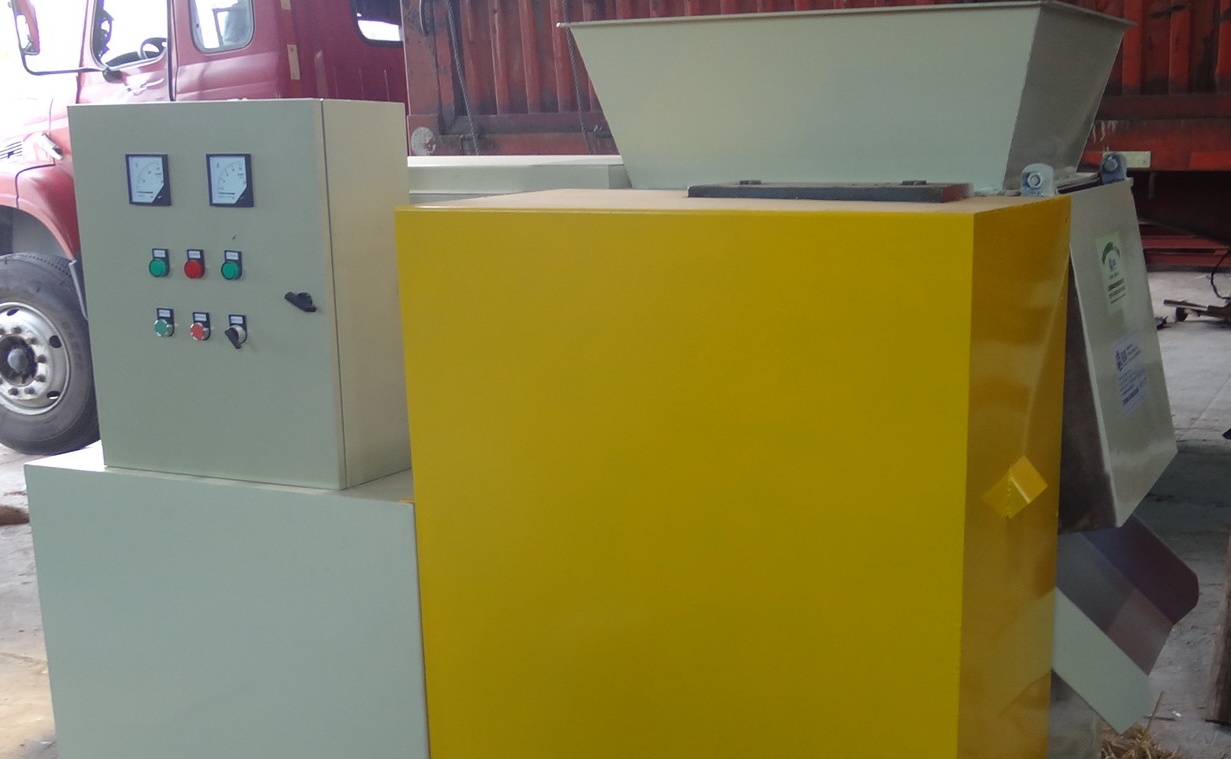
The process begins with a battery cutter that safely opens the battery and drains the acid. The broken batteries then feed into a separation system that classifies the material into four main fractions: lead paste, lead grids, plastic shells (PVC/PP), and hard rubber. The lead paste undergoes desulfurization to reduce sulfur content before smelting, which significantly lowers energy consumption and SO2 emissions.
For smelting, operators can choose between blast furnaces (capacity 40-100 MT per day, lead recovery rate 95%) and rotary furnaces (batch capacity 2-20 MT, higher recovery than blast furnaces). The crude lead then refines in a kettle furnace to reach 99.999% purity. Modern electric heated refinery kettles using near-infrared technology can reduce energy consumption by 30-50% compared to conventional fuel heating.
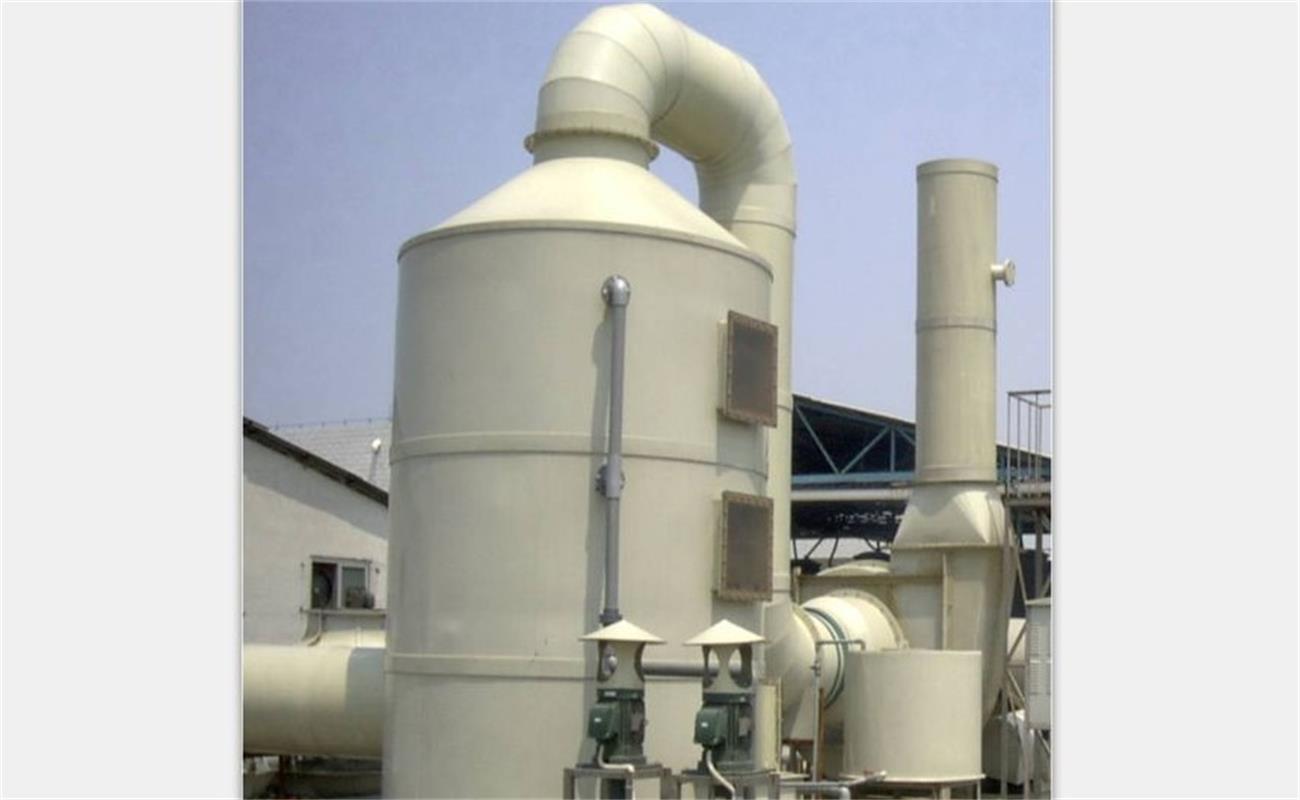
Key consideration: Lead acid battery recycling involves acidic wastewater and potential lead dust emissions. Your equipment package must include a water treatment plant and air pollution control system to meet environmental standards. Plants without proper pollution control face shutdown risks regardless of processing efficiency.
Lithium Battery Recycling Equipment
The explosive growth of electric vehicles and portable electronics has created urgent demand for lithium battery recycling equipment. Unlike lead acid batteries, lithium-ion units contain multiple valuable fractions: black mass (containing nickel, cobalt, and graphite), copper, aluminum, and plastic separators.
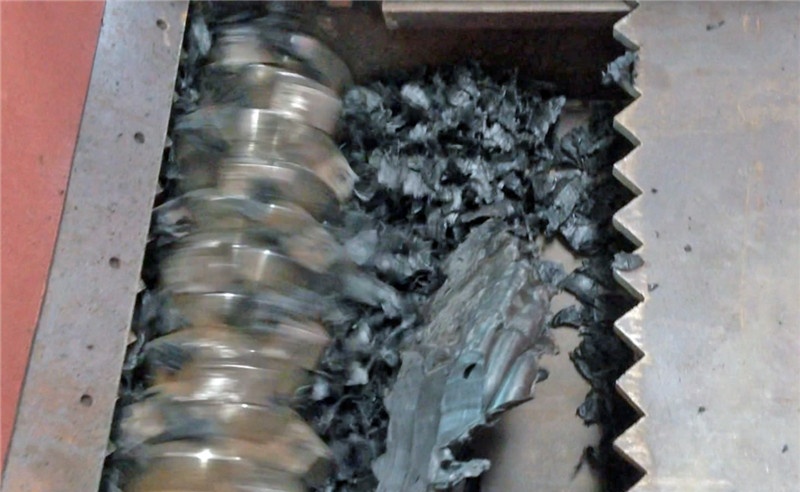
A standard lithium battery recycling plant operates at 500-2,500 kg per hour and includes discharging stations, pre-crushing units, secondary granulation, magnetic separation for ferrous metals, and fine separation systems for black powder recovery. Due to the flammable electrolytes and toxic gases released during crushing, these plants require specialized air pollution control systems with absorption and neutralization capabilities.
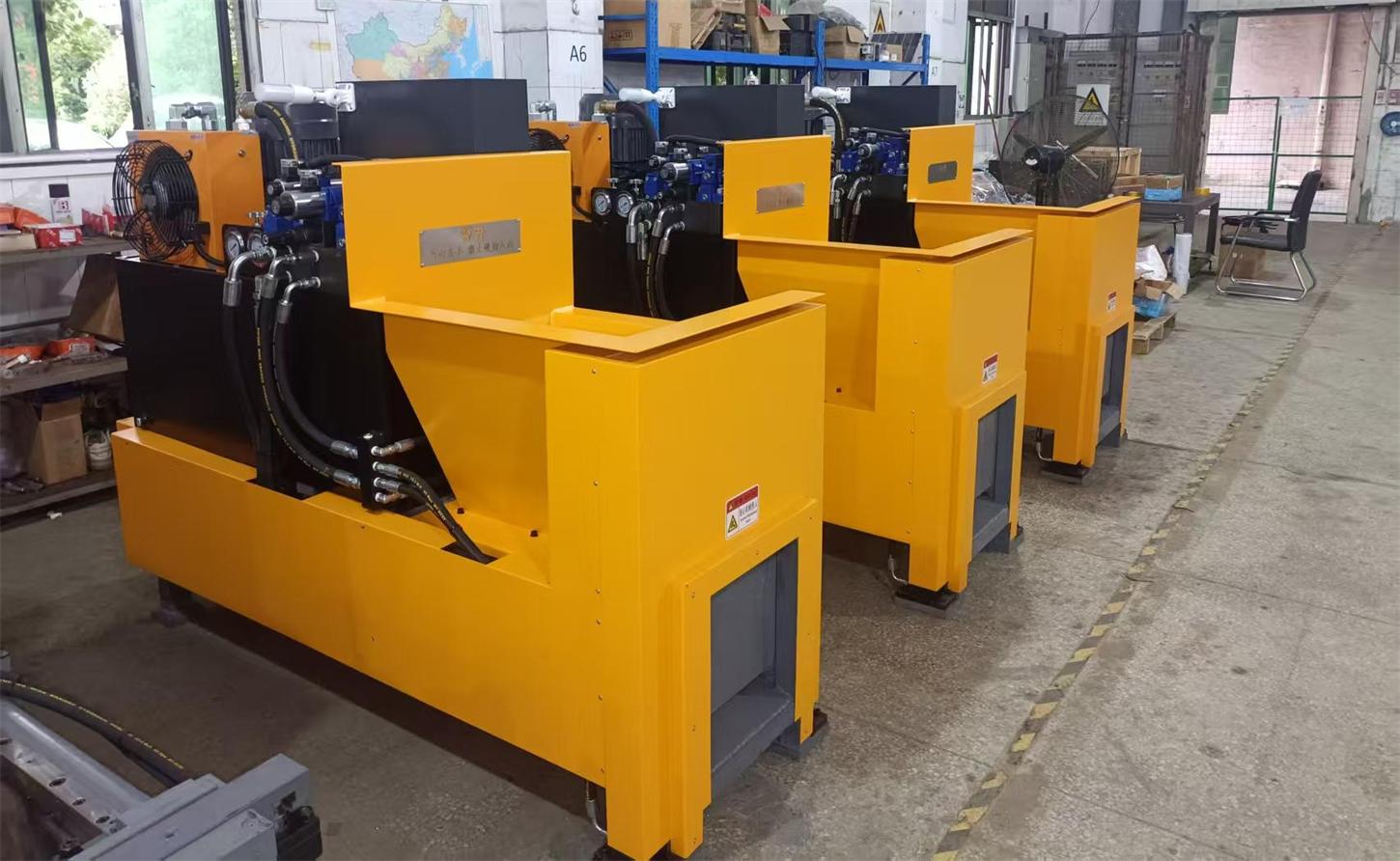
The plastic film separated during processing can be pneumatically conveyed to a hydraulic briquetter, achieving a volume compression ratio of 10:1. This reduces storage and transportation costs while creating a sellable plastic block product.
Circuit Board Recycling Equipment
Printed circuit boards represent the highest value-per-kilogram fraction of e-waste due to their copper content and trace precious metals. Circuit board recycling equipment generally follows either dry or wet separation routes, with capacities ranging from 300 kg/hour to 2,000 kg/hour.
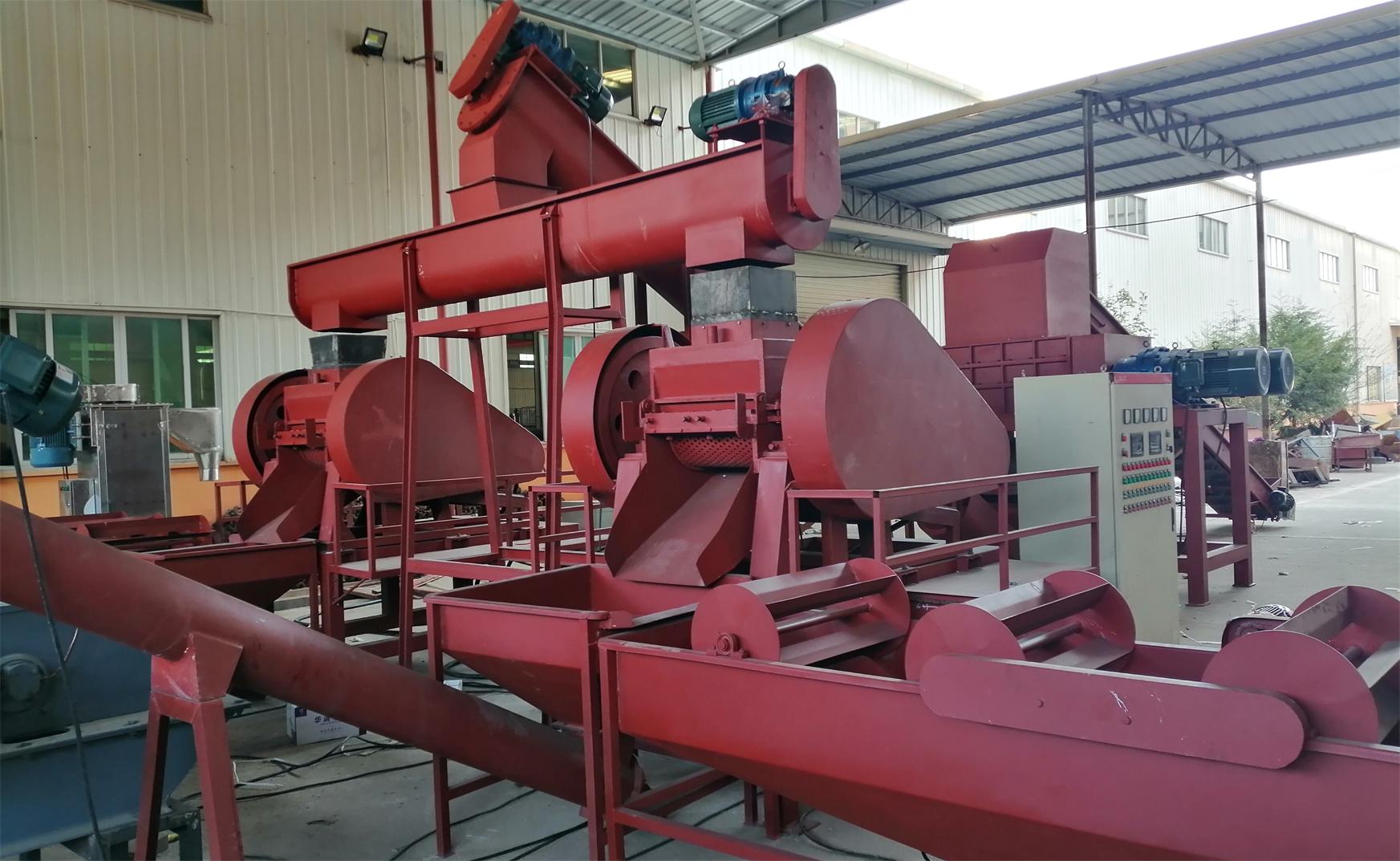
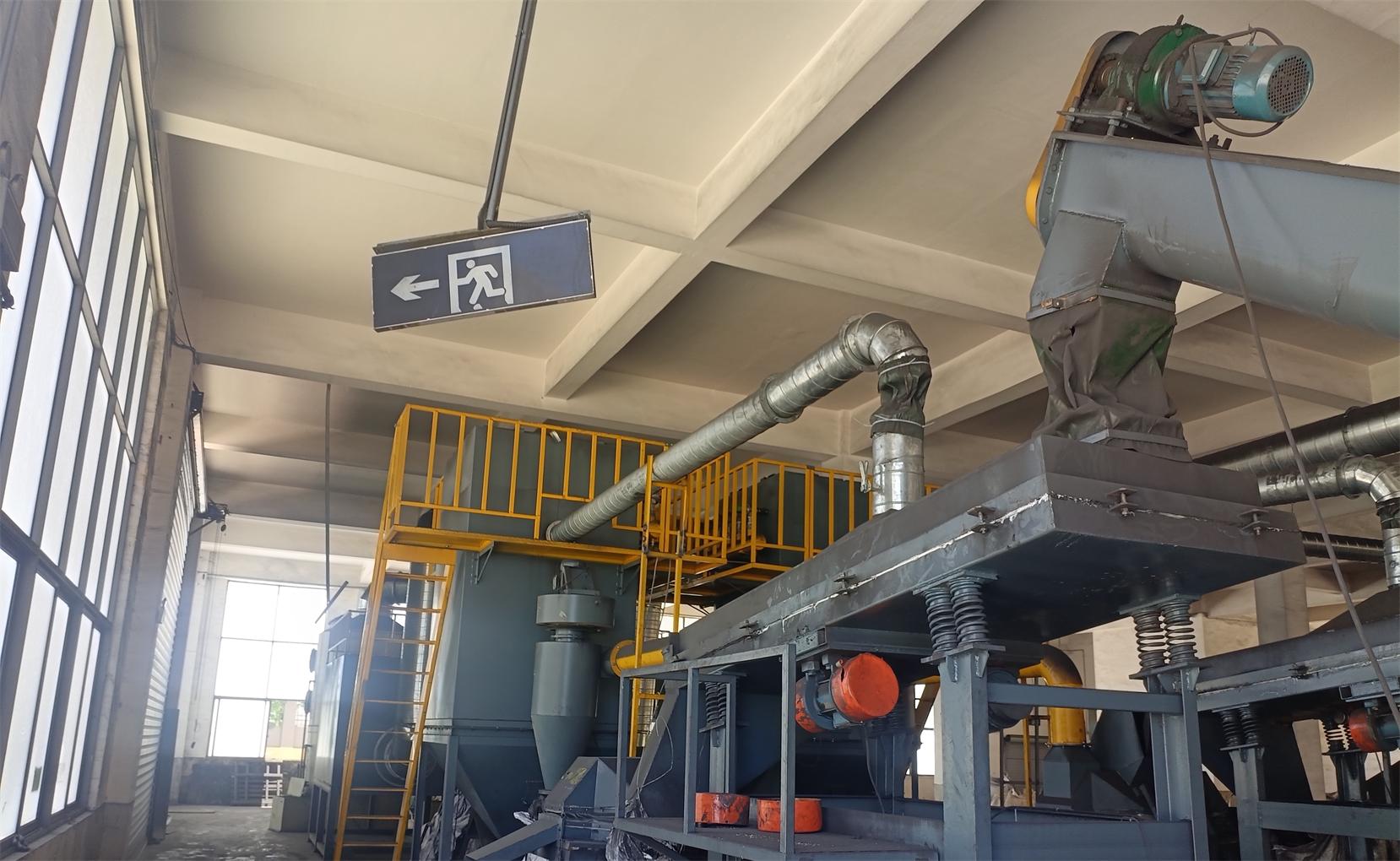
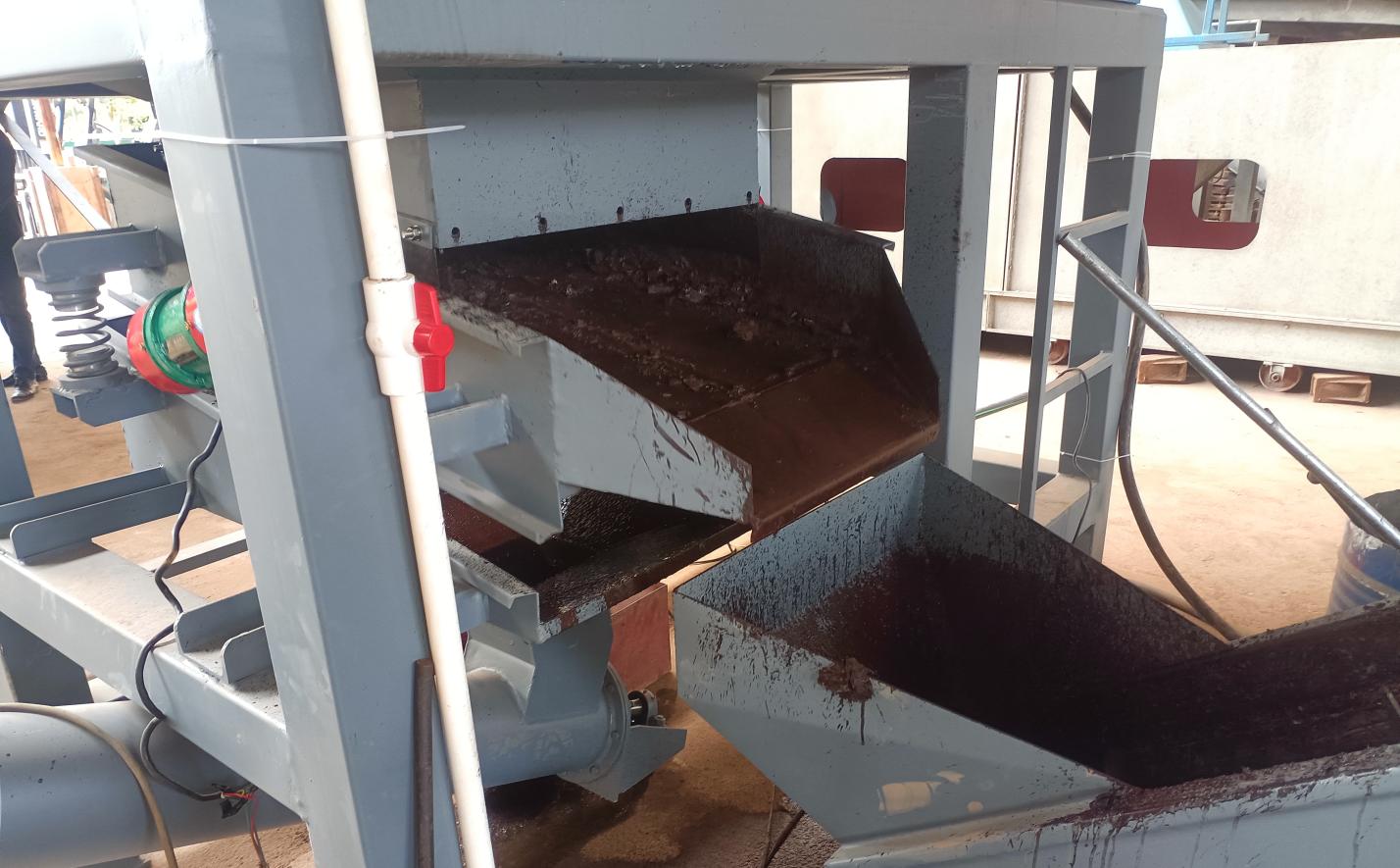
Dry separation plants use air separators, vibrating screens, electrostatic separators, cyclones, and pulse bag dust collectors. Advanced third-generation dry separation technology achieves copper powder purity of 96-98% with recovery rates around 95%. The main advantage of dry processes is that they generate no wastewater and can operate in areas with water scarcity or strict discharge regulations.
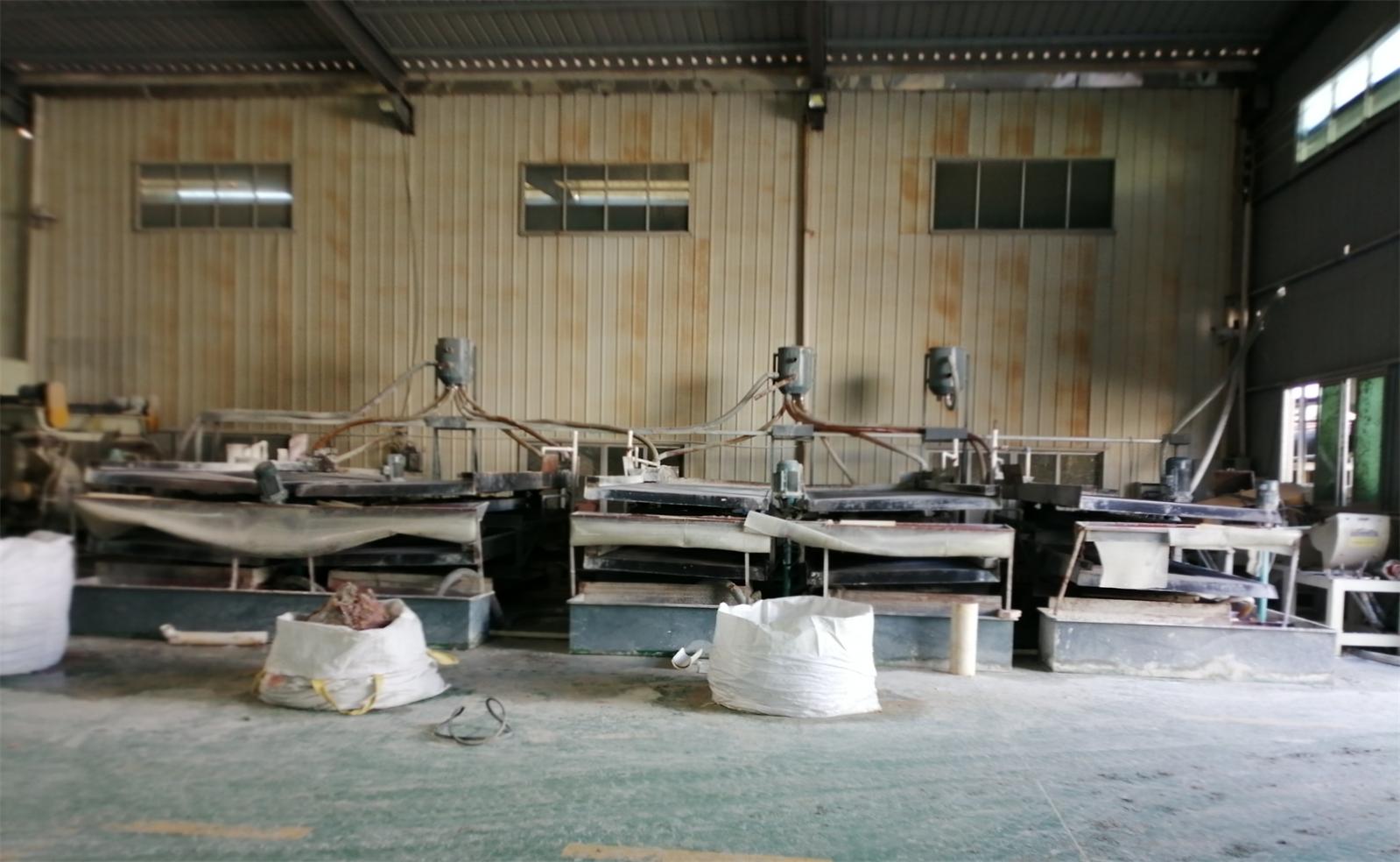
Wet separation systems use water-based metal separation and are particularly effective for PCB waste that still contains electronic components. These systems typically process 500-2,000 kg/hour and require water treatment infrastructure, but they can handle more complex feedstock and achieve high purity levels.
Cable Recycling Equipment
Scrap cable recycling is often the most accessible entry point into e-waste processing because it requires less regulatory permitting than battery or PCB operations and has straightforward, proven technology. Cable recycling equipment ranges from simple stripping machines to fully automated granulation plants.
For thick industrial cables, hydraulic or electric scrap cable strippers separate the copper or aluminum core from plastic insulation. These machines handle diameters from 1.5mm to 150mm and process up to 15,000 kg per 10-hour shift. For mixed cable waste, granulators with dry separators crush the material and separate metal from plastic through a combination of airflow and vibration.
Compact granulator systems like the WCD-200C series are ideal for smaller operations or as supplementary equipment in larger facilities. Higher-capacity plants such as the WCD-1200S process larger volumes with consistent separation efficiency.
Key Factors to Consider When Selecting Equipment
With multiple manufacturers offering similar-sounding products, how do you distinguish quality equipment from inadequate solutions? Focus on these five criteria:
1. Processing Capacity vs. Feedstock Availability
Equipment is available across a wide capacity spectrum, from 300 kg/hour compact units to 6 MT/hour industrial shredders. The right capacity depends not on your ambitions but on your verified feedstock supply. Overbuilding capacity strains working capital; underbuilding leaves profitable material unprocessed. Conduct a realistic assessment of your local waste generation, collection logistics, and competitive landscape before finalizing capacity.
2. Recovery Rate and Product Purity
Recovery rate directly impacts profitability. A circuit board plant achieving 95% copper recovery versus one achieving 85% represents a significant revenue difference over time. Request specific performance guarantees for recovery rates and product purity, and ask for references from operating plants with similar feedstock to verify these claims.
3. Environmental Compliance Integration
Modern recycling plants cannot treat pollution control as an afterthought. Whether you are processing lead acid batteries, lithium batteries, or circuit boards, environmental regulations are tightening globally. Ensure your equipment package includes integrated air pollution control, wastewater treatment (where applicable), and dust collection systems. Plants that meet environmental standards from day one avoid costly retrofits and regulatory shutdowns.
4. Technical Support and Spare Parts Availability
Recycling equipment operates in harsh conditions with significant wear on cutting blades, screens, and separation components. A manufacturer with strong technical support and readily available spare parts minimizes downtime. Look for suppliers who offer installation supervision, commissioning assistance, operator training, and responsive after-sales service.
5. Total Cost of Ownership
The purchase price is only one component of total cost. Consider energy consumption (electric heated furnaces save 30-50% versus fuel heating), spare parts lifecycle, labor requirements, and maintenance complexity. A lower upfront price with higher operating costs often proves more expensive over a five-year period.
Why Experience Matters in Equipment Manufacturing
E-waste recycling equipment is not generic industrial machinery. Each plant must handle variable feedstock, comply with local environmental standards, and integrate multiple process steps into an efficient workflow. This complexity favors manufacturers with deep domain expertise.
San Lan Technologies Co., Ltd has specialized in WEEE recycling machinery and mining equipment since 2007. With a technical team holding master's degrees in mechanical engineering and over 15 years of hands-on experience in e-waste recycling machine design, the company has delivered complete plant solutions to customers across 21 countries including Singapore, Colombia, Vietnam, Mexico, Argentina, Korea, Malaysia, Indonesia, South Africa, India, and Saudi Arabia.
Beyond equipment manufacturing, San Lan provides integrated EPC (Engineering, Procurement, Construction) project services including customized plant design, installation and commissioning, and operator training. The company also assists customers with practical business needs that many equipment suppliers ignore: sourcing waste material feedstock (cable scrap, PCB scrap, used lead acid batteries), connecting investors for plant construction, and helping sell recovered products (copper rice, copper powder, lead ingots) to downstream buyers.
This full-service approach recognizes that equipment is only one component of a successful recycling operation. Customers need reliable machinery, but they also need viable supply chains, market outlets for recovered materials, and technical expertise to optimize plant performance over time.
Building a Complete Recycling Operation
Successful recyclers typically start with one core feedstock and expand as they gain operational experience and market knowledge. A common progression begins with cable recycling, which has lower capital requirements and simpler permitting, then expands into circuit boards, lead acid batteries, or lithium batteries as volume and expertise grow.
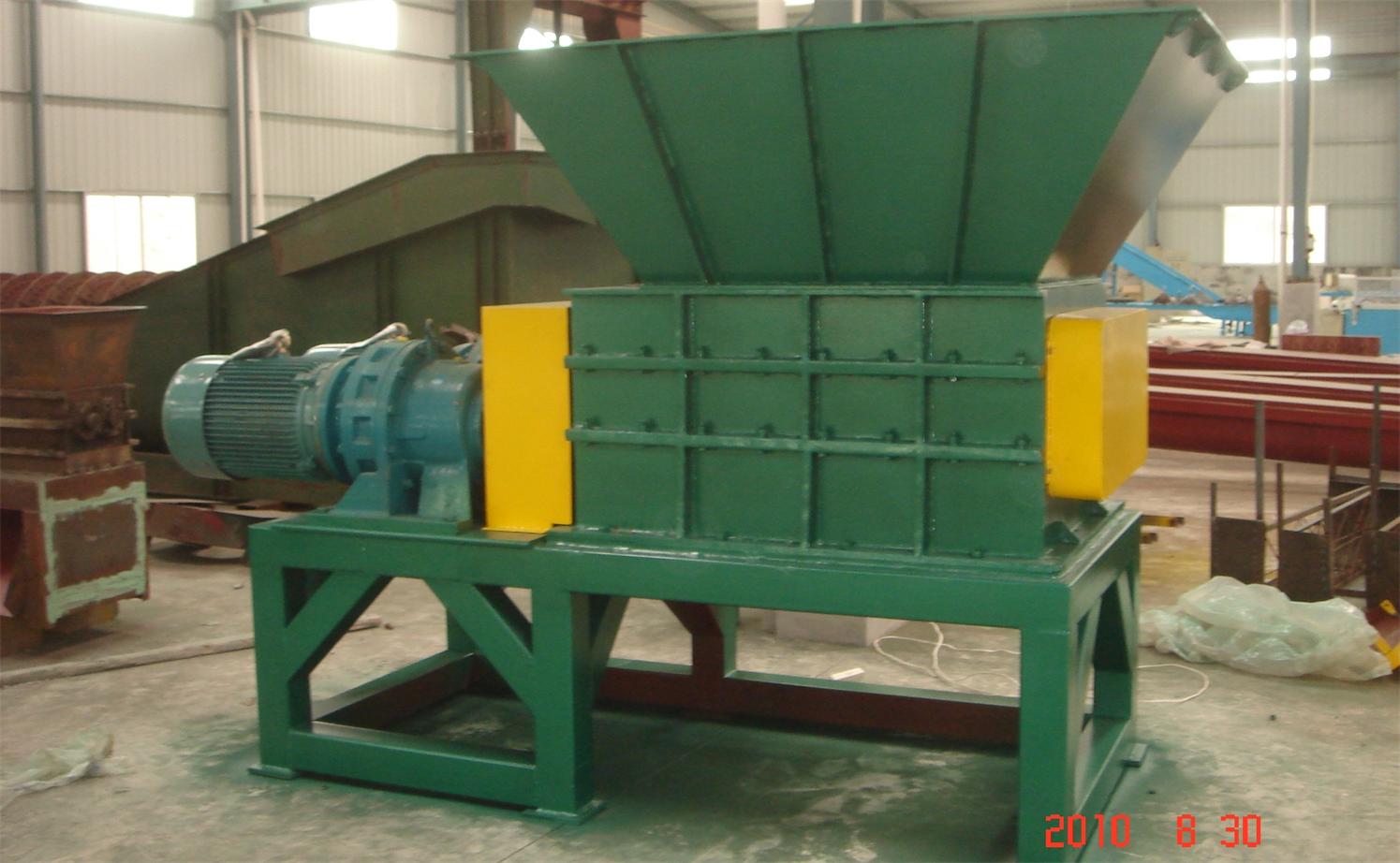
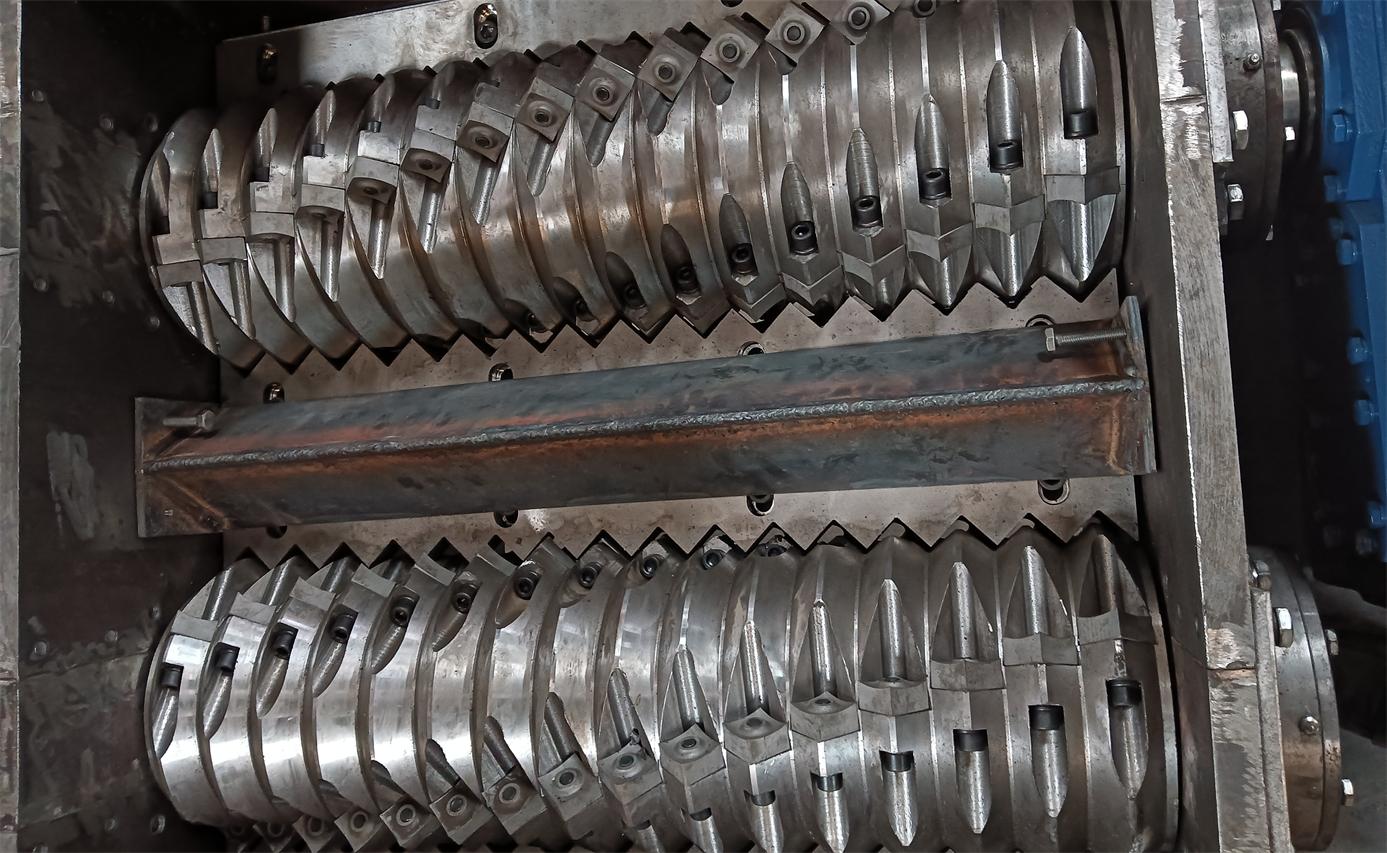
Regardless of your starting point, plan your layout and workflow for future expansion. Pre-shredding equipment such as single-shaft, twin-shaft, or four-shaft shredders can process multiple feedstocks and serve as the front end for various recycling lines. Hydraulic presses and briquetting machines add value by densifying metal powders and plastic fractions for easier transport and sale.
For operations recovering lead, copper, or aluminum, a medium frequency induction furnace provides flexible melting capability across multiple metal types, converting recovered materials into standardized ingots that command premium prices from smelters and metal traders.
Conclusion: Making the Right Investment
The e-waste recycling industry offers genuine commercial opportunity for operators who combine the right equipment with sound business planning. Market demand for recovered metals continues to grow, regulatory pressure on informal recycling increases, and technology has matured to the point where automated plants can achieve consistent, profitable recovery rates.
Your equipment selection will shape your operational capabilities, environmental compliance, and financial returns for years to come. Invest time in understanding your feedstock, comparing recovery performance, evaluating total cost of ownership, and selecting a manufacturing partner with proven expertise and comprehensive support capabilities.
Ready to Build Your Recycling Plant?
San Lan Technologies offers complete recycling plant solutions from initial design through installation and commissioning. With 15+ years of experience and customers in 21+ countries, we provide the equipment, technical support, and industry connections to help your recycling business succeed.
Contact Us for a Free Consultation