The world generates more electronic waste than ever before. Old smartphones, discarded laptops, used batteries, and obsolete household appliances pile up in landfills, releasing hazardous substances while locking away valuable metals. For entrepreneurs and established companies alike, this growing waste stream represents a significant business opportunity. Starting an e-waste recycling plant is not just environmentally responsible—it can be highly profitable when you have the right equipment and process knowledge.
Understanding the E-Waste Recycling Value Chain
A successful recycling operation typically follows a clear sequence: collection, pre-processing, mechanical separation, and refining. The pre-processing stage often involves shredding and dismantling, which prepares materials for specialized recovery lines. Depending on your feedstock, you may focus on one material stream or operate multiple processing lines under one roof.
The most profitable segments in e-waste recycling include battery recovery, cable processing, and printed circuit board reclamation. Each requires specific machinery designed to maximize metal recovery while meeting environmental standards.
Key Recycling Lines and Equipment Selection
Lead Acid Battery Recycling
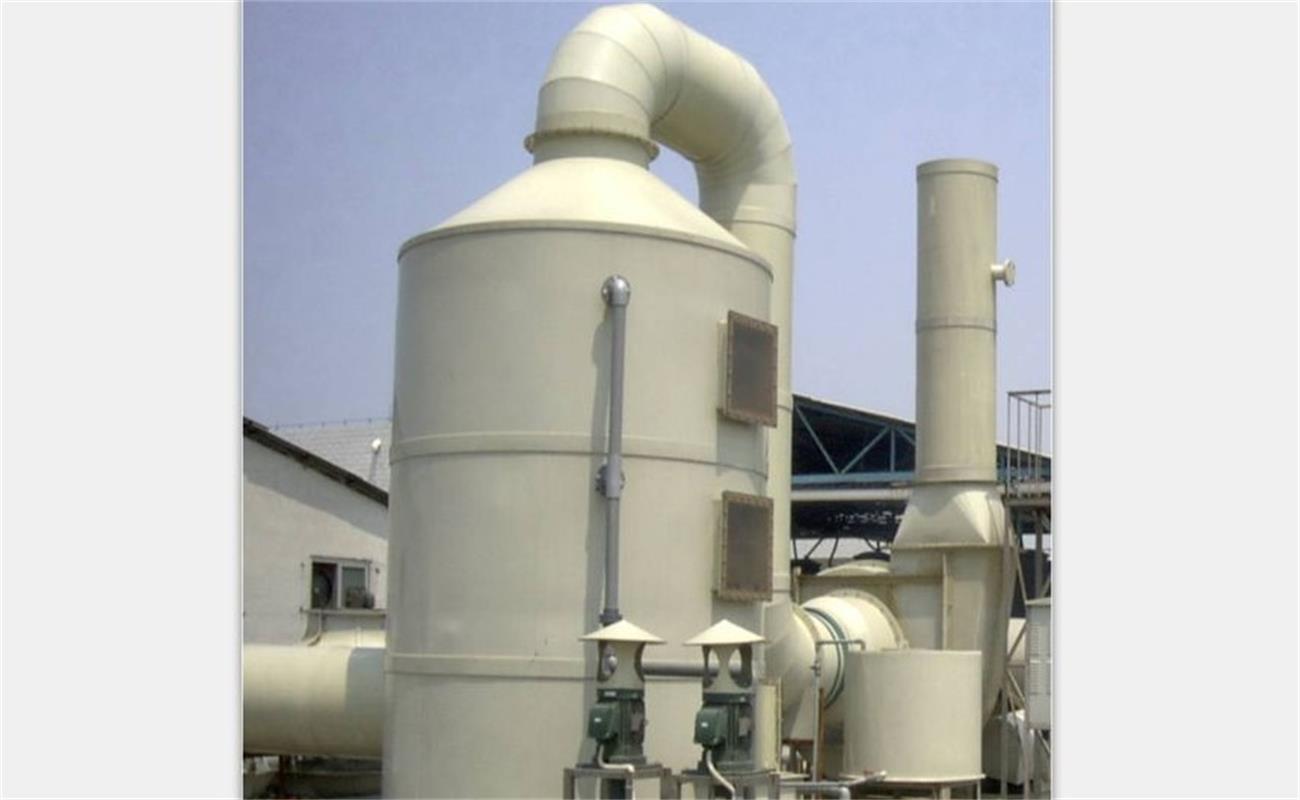
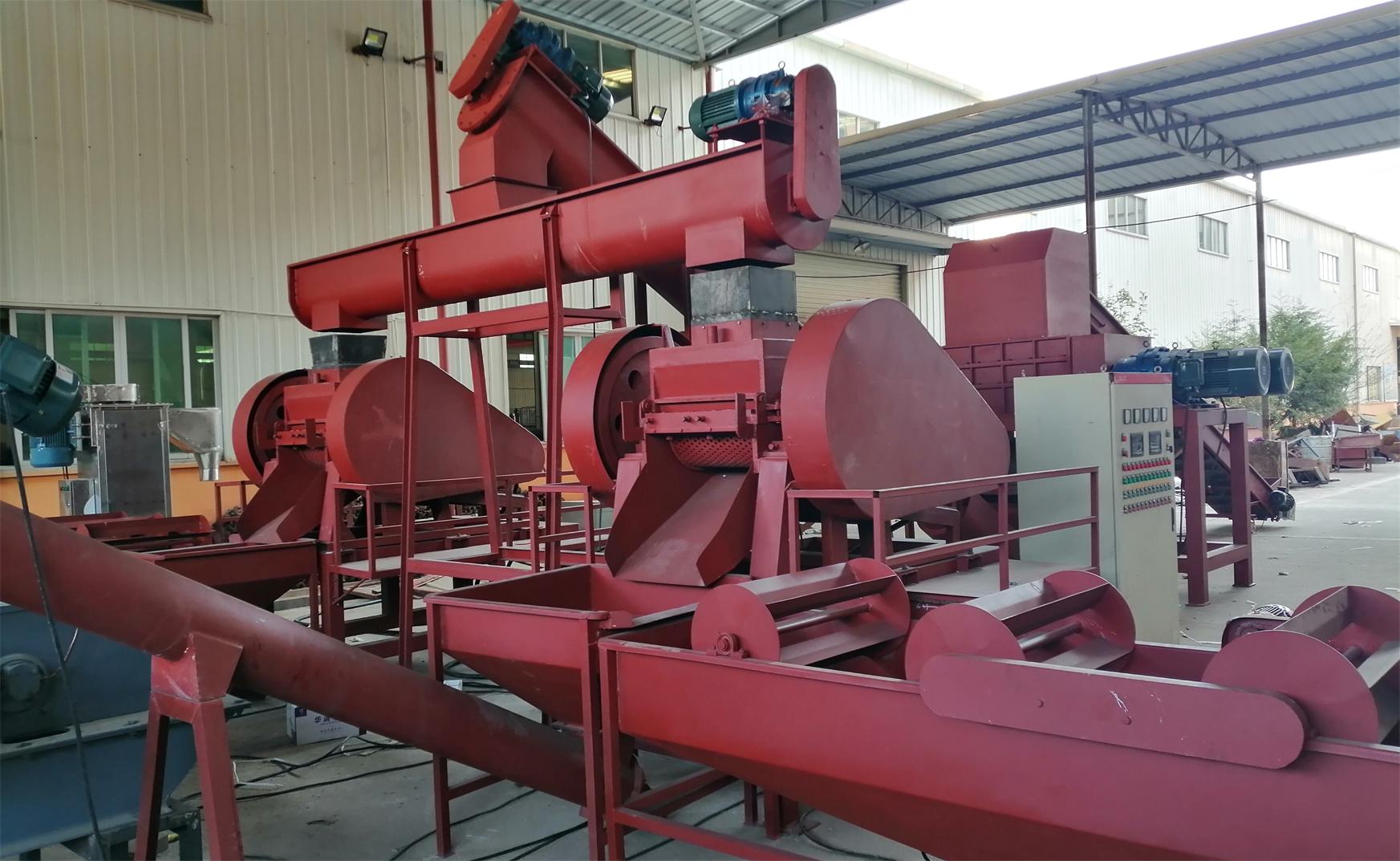
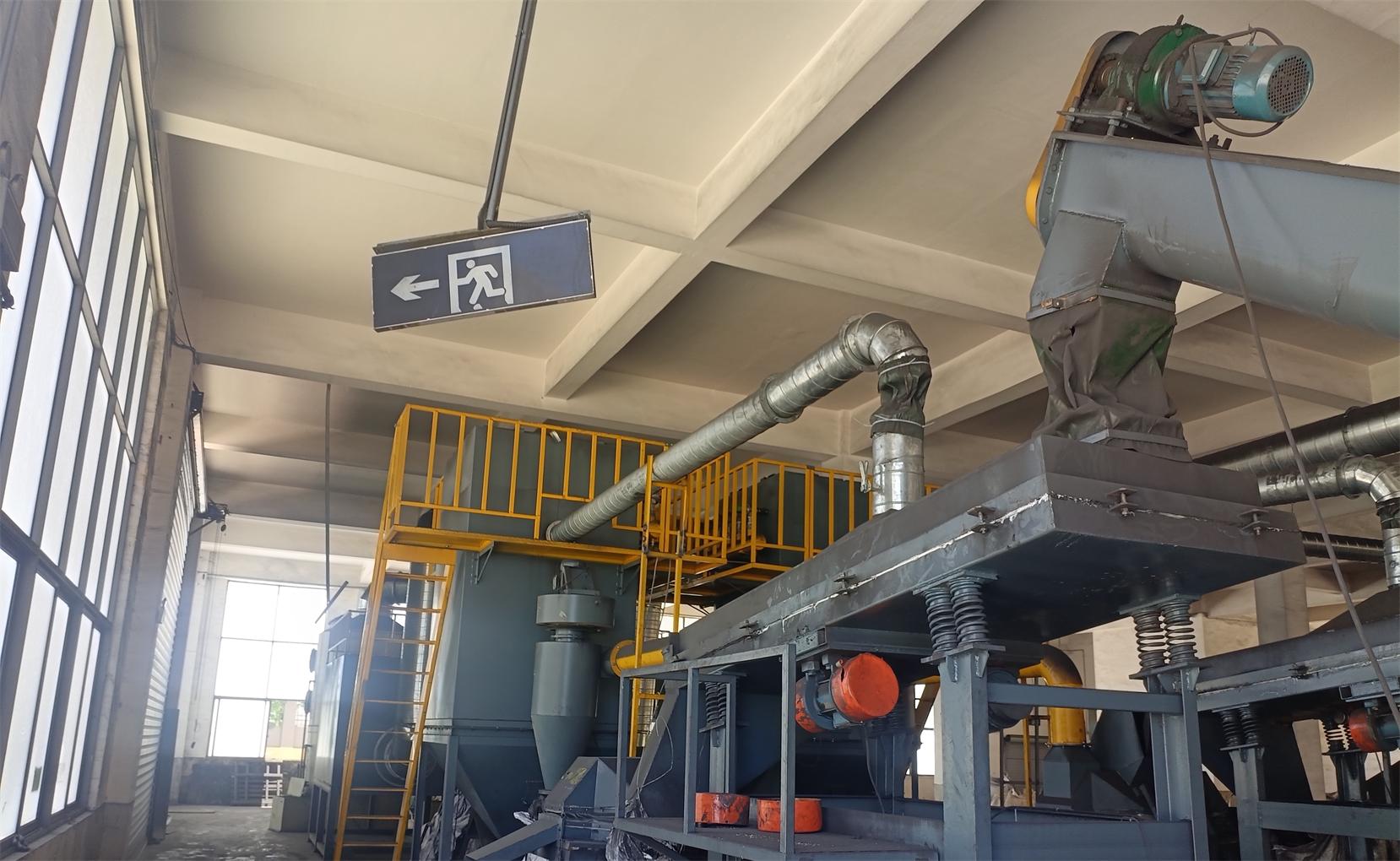
Used lead acid batteries remain one of the most recycled consumer products globally. A complete lead acid battery recycling equipment line typically includes a battery breaking and separation system, a de-sulfurization unit, smelting furnaces, and air pollution control systems. The breaking system separates plastic casings, lead grids, and lead paste. Rotary furnaces or blast furnaces then reduce the paste into crude lead, which can be refined to high purity in a kettle furnace. Modern plants also integrate water treatment systems to handle acidic effluent, ensuring full environmental compliance.
Cable and Wire Processing
Scrap cables contain copper and aluminum that command strong market prices. Cable recycling equipment ranges from simple scrap cable strippers for thick wires to advanced cable granulators with dry or wet separation. A granulator crushes cables into small pieces, then uses air or water separation to isolate copper particles from plastic insulation. Choosing between dry and wet separation depends on your local regulations, water availability, and the desired purity level of the output copper.
Circuit Board Recovery
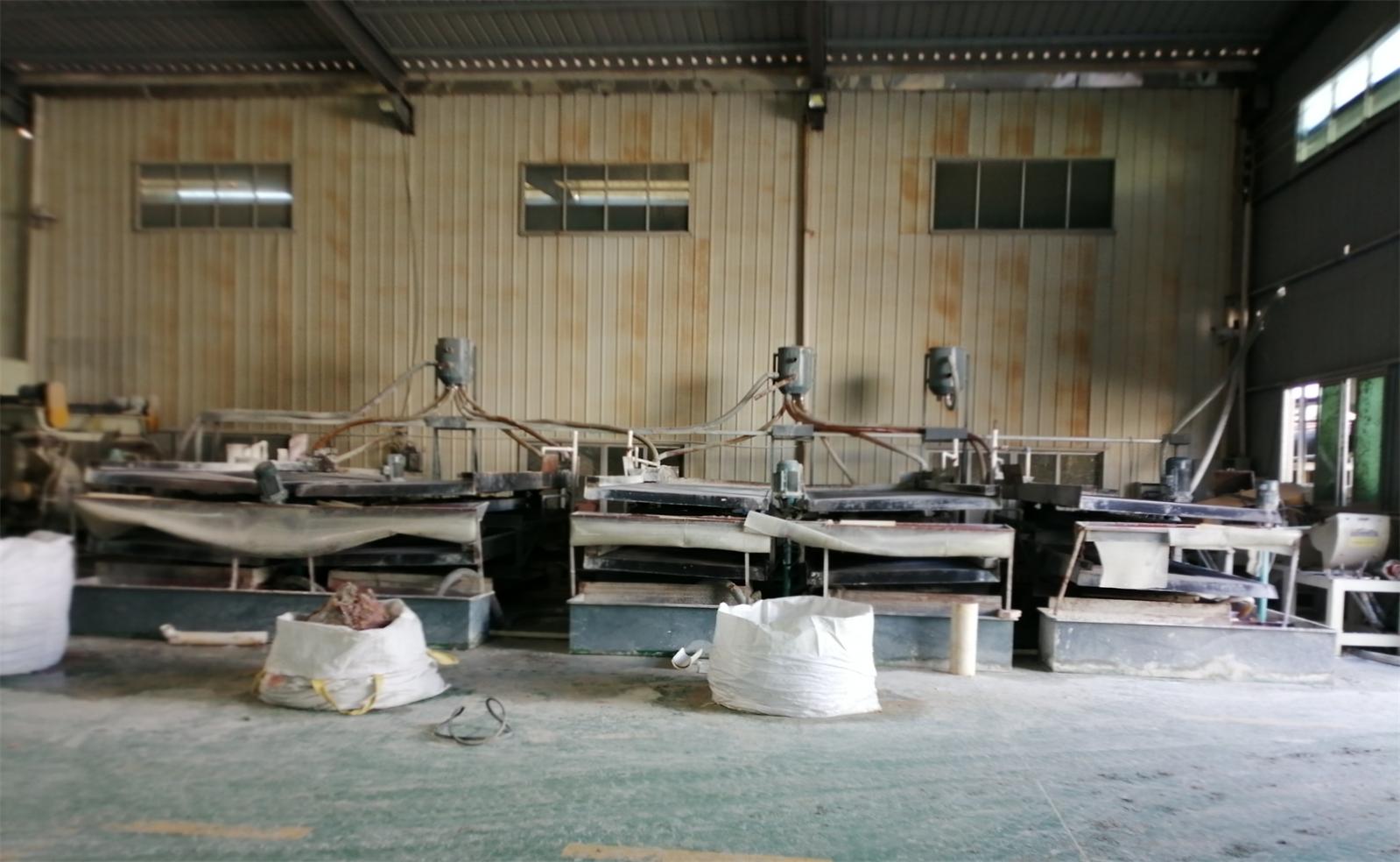
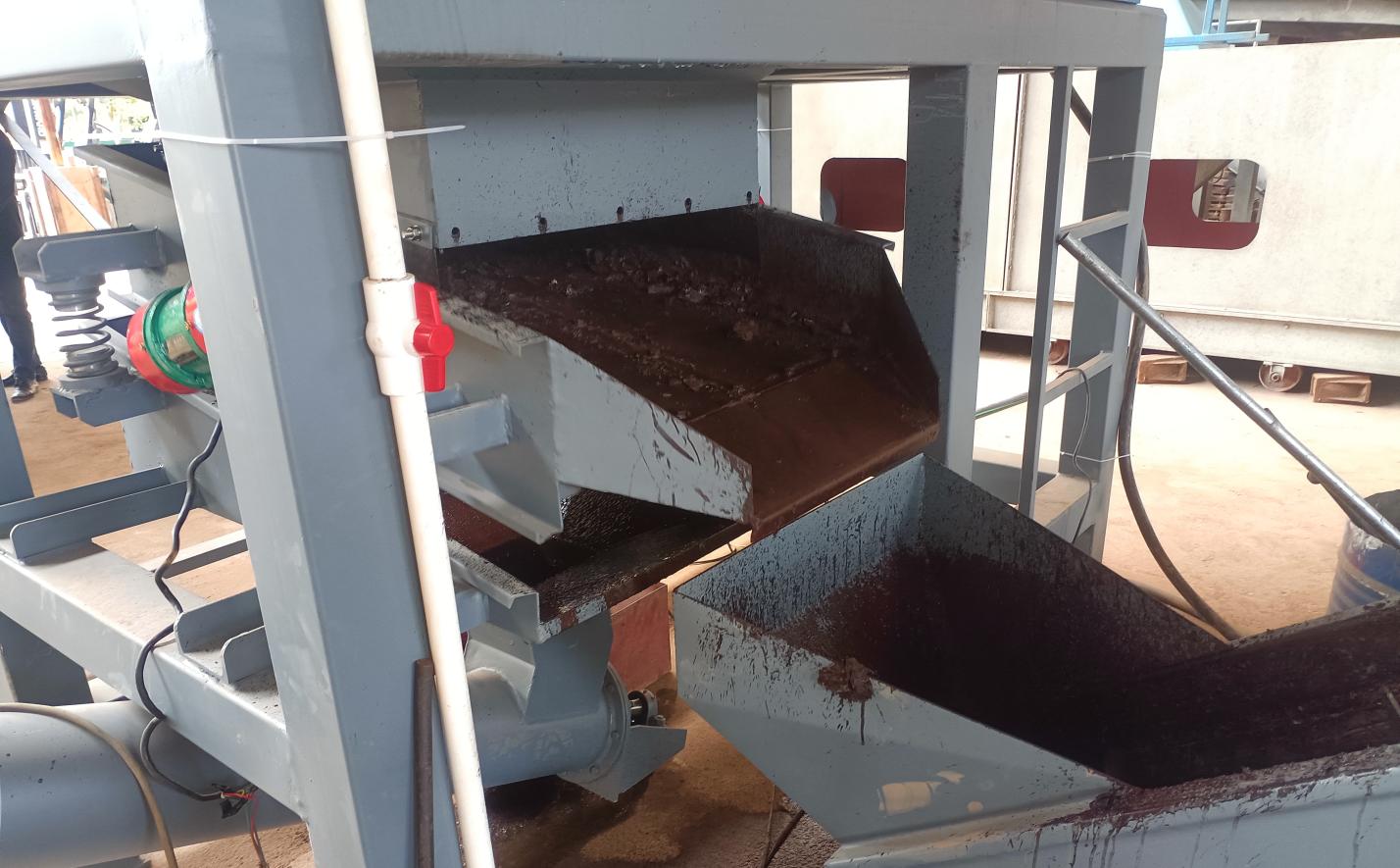
Printed circuit boards carry precious metals and high-grade copper. Specialized circuit board recycling equipment uses crushing, air separation, and electrostatic separation to recover copper powder with purity levels reaching 96–98%. Wet separation systems offer an alternative for operations that need to process PCB waste with electronic components still attached. The right configuration depends on your daily throughput targets and feedstock characteristics.
Beyond Single Machines: Turnkey Solutions Matter
Buying individual machines from different suppliers often leads to integration headaches, incompatible controls, and delayed commissioning. Working with a single-source provider that offers turnkey EPC (Engineering, Procurement, Construction) solutions simplifies project execution significantly. A full-service supplier handles plant layout design, equipment manufacturing, installation, commissioning, and even operator training.
This approach reduces project risk and accelerates your path to production. It also ensures that pollution control systems, material handling equipment, and processing lines are designed to work together from day one.
Experience That Translates Into Results
San Lan Technologies Co., Ltd has manufactured e-waste recycling machinery since 2007. Based in Ganzhou, Jiangxi Province, China, the company serves customers across more than 21 countries, including Singapore, Colombia, Vietnam, Mexico, Argentina, South Africa, India, and Saudi Arabia.
The company's technical team combines advanced mechanical engineering expertise with over 15 years of hands-on experience in WEEE recycling plant design. Beyond equipment supply, San Lan assists clients with feedstock sourcing, product off-take for recovered metals, and investor matchmaking for greenfield projects.
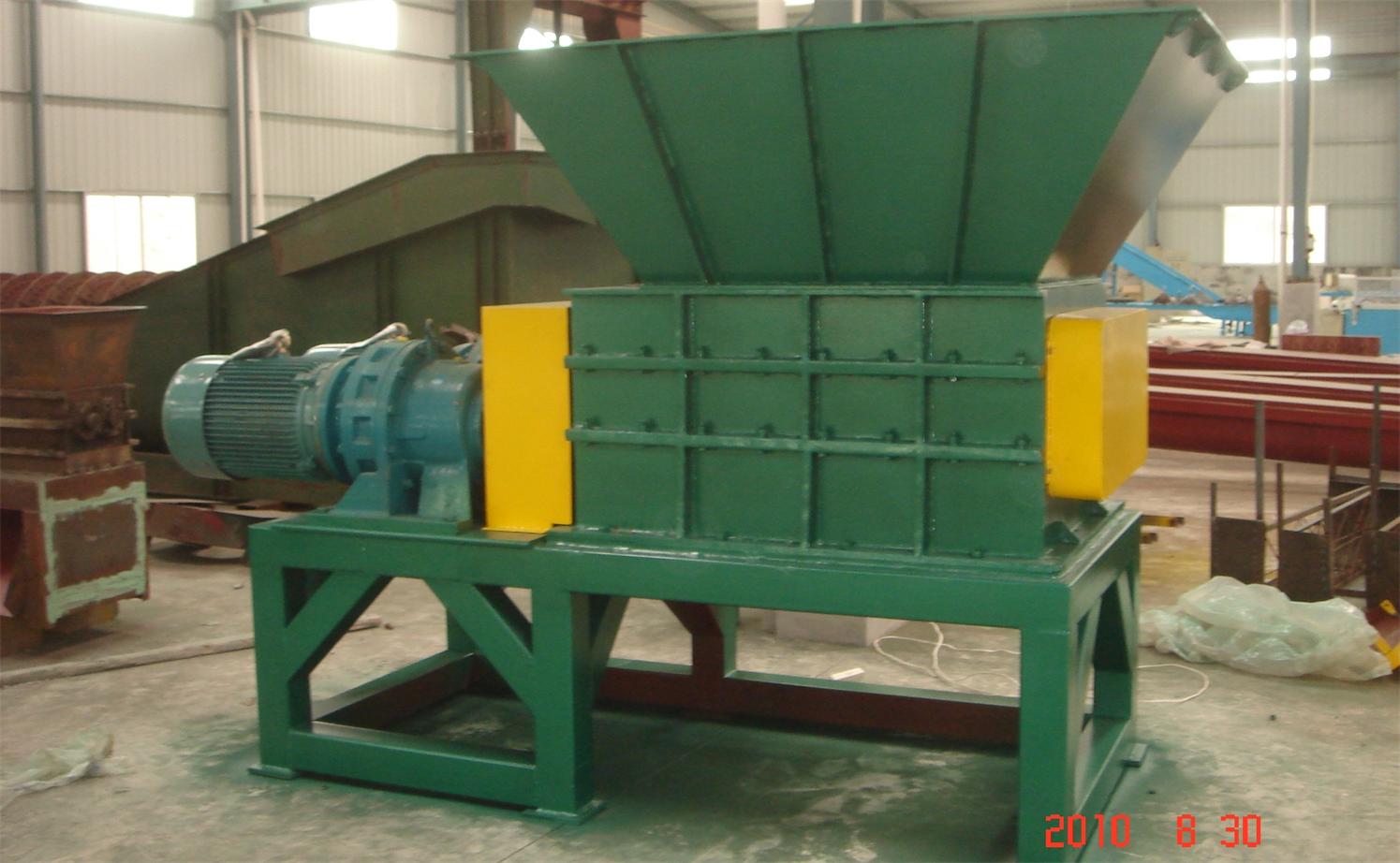
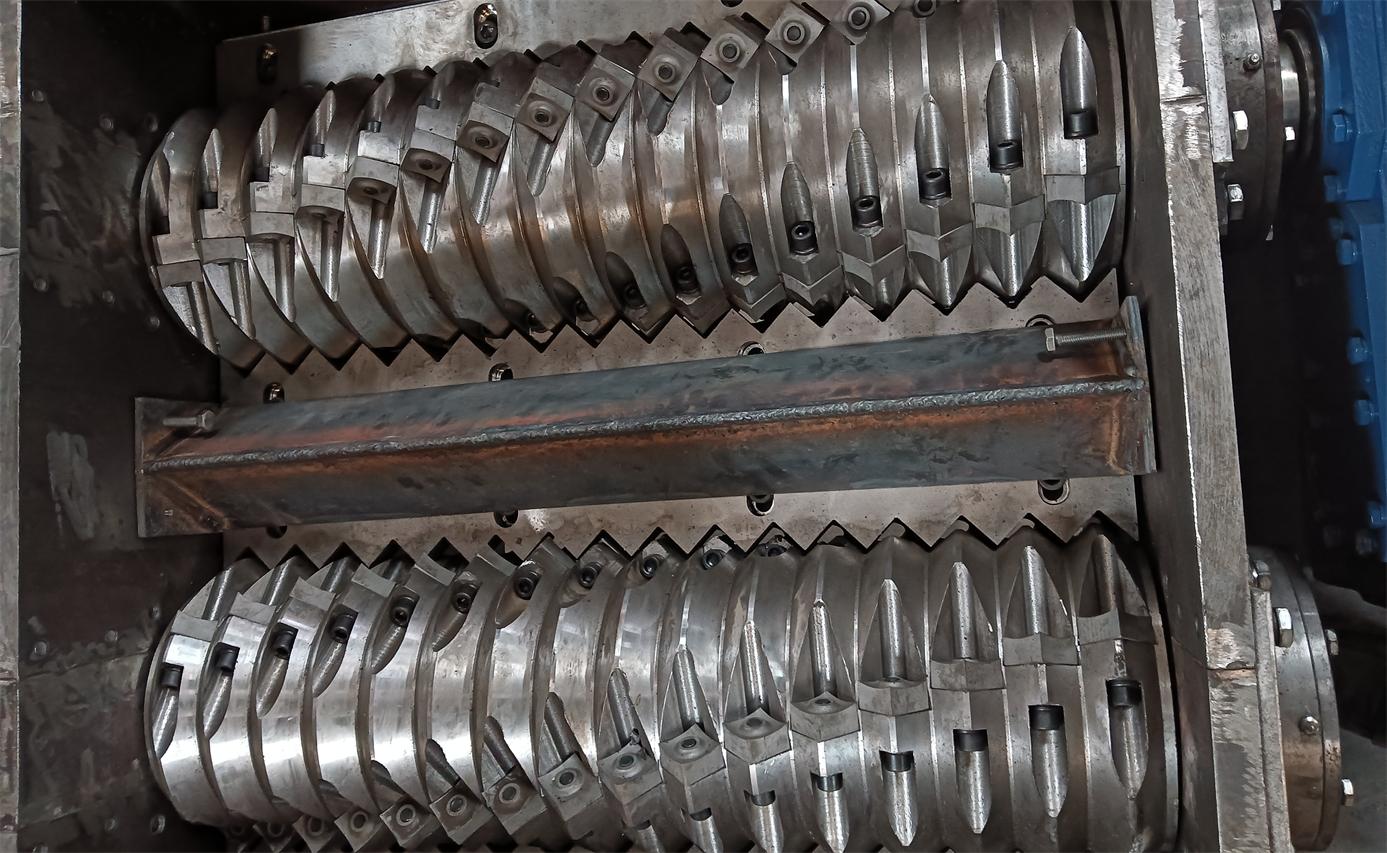
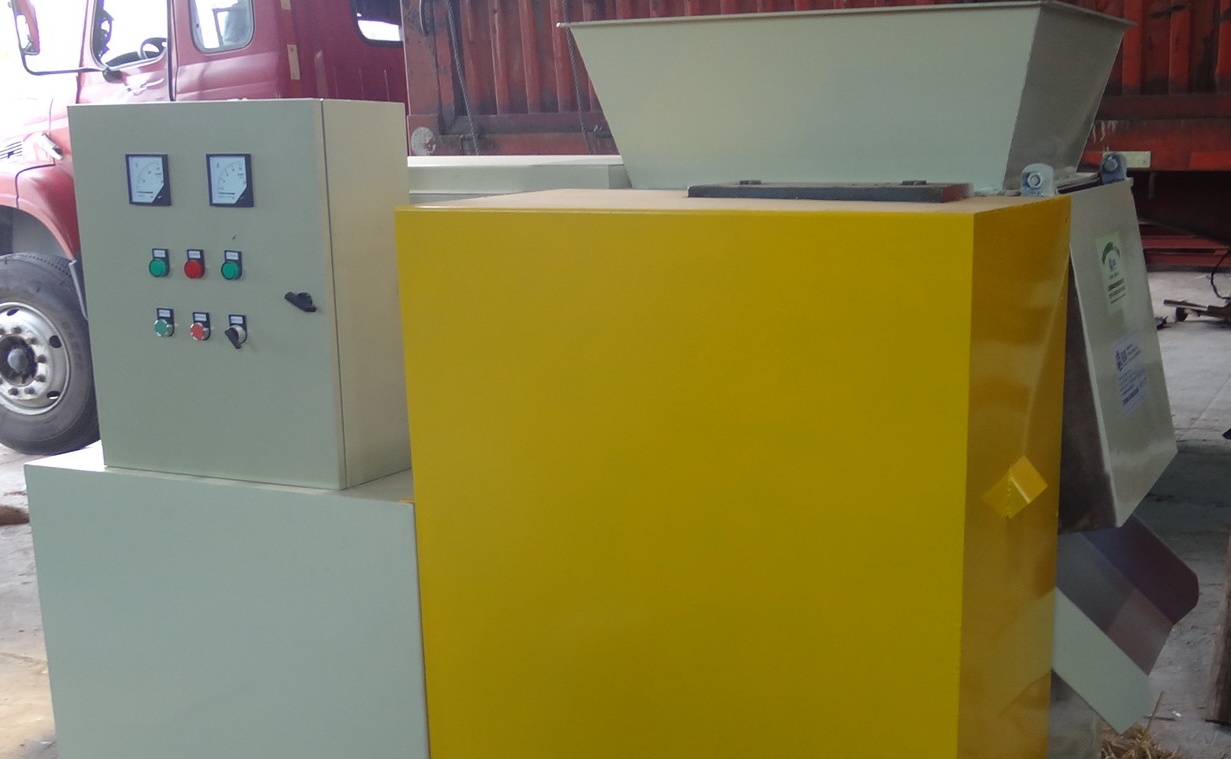
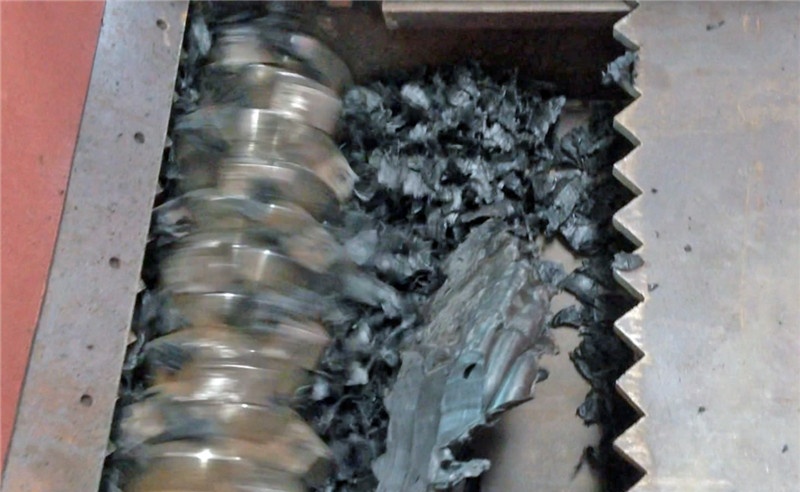
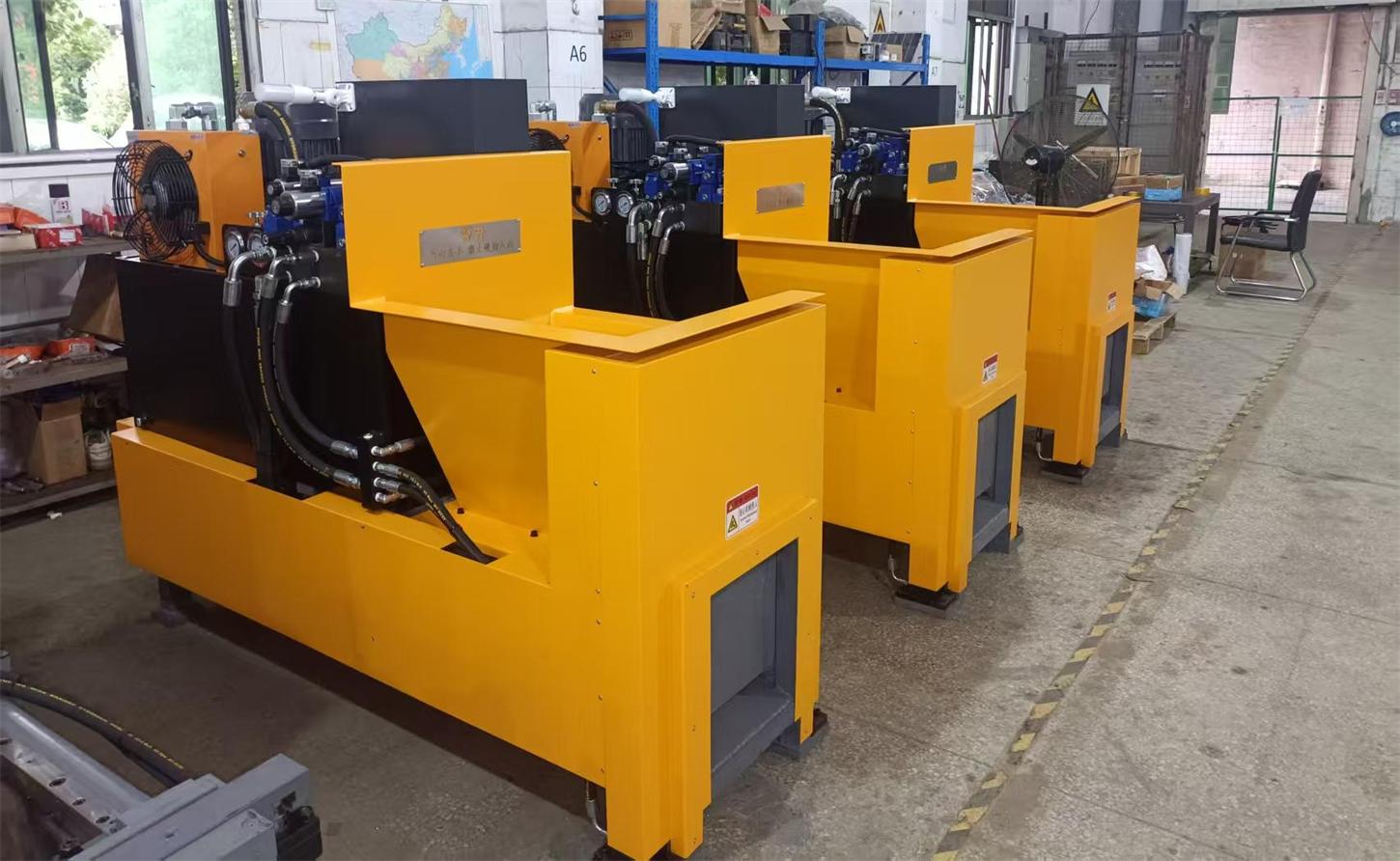
The product portfolio spans lead acid battery recycling plants, lithium-ion battery recycling lines, cable granulators, PCB recovery systems, refrigerator and AC recycling machines, shredders, hydraulic presses, and metal melting furnaces. Capacities range from compact 300 kg/hour units to industrial-scale 2000 kg/hour plants, with custom engineering available for unique requirements.
Getting Started
Building a recycling plant starts with understanding your local feedstock availability and regulatory framework. Once you know what materials you will process and at what scale, selecting the right equipment becomes straightforward. Request a detailed technical consultation to review process flows, layout drawings, and investment estimates tailored to your situation.
Contact San Lan Technologies today to discuss your project requirements and receive a customized equipment proposal.