How to Choose the Right E-Waste Recycling Equipment: A Complete Buyer's Guide
The global e-waste recycling market is experiencing unprecedented growth. With increasing environmental regulations and rising demand for recovered metals, businesses worldwide are investing in advanced recycling infrastructure. Choosing the right equipment supplier can mean the difference between a profitable, compliant operation and costly operational headaches. This guide outlines the essential factors every buyer should evaluate before making this critical investment.
1. Technology and Recovery Efficiency
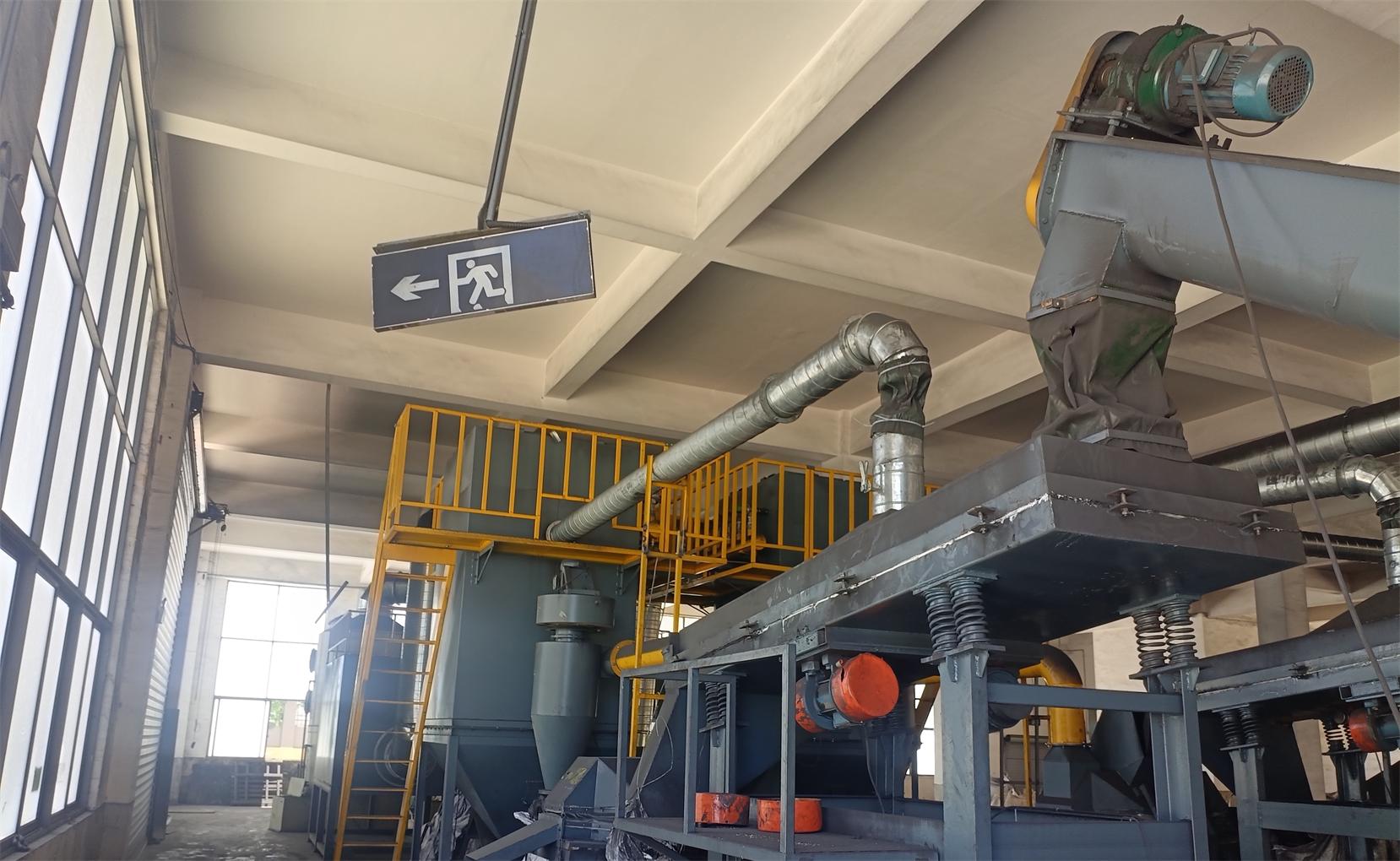
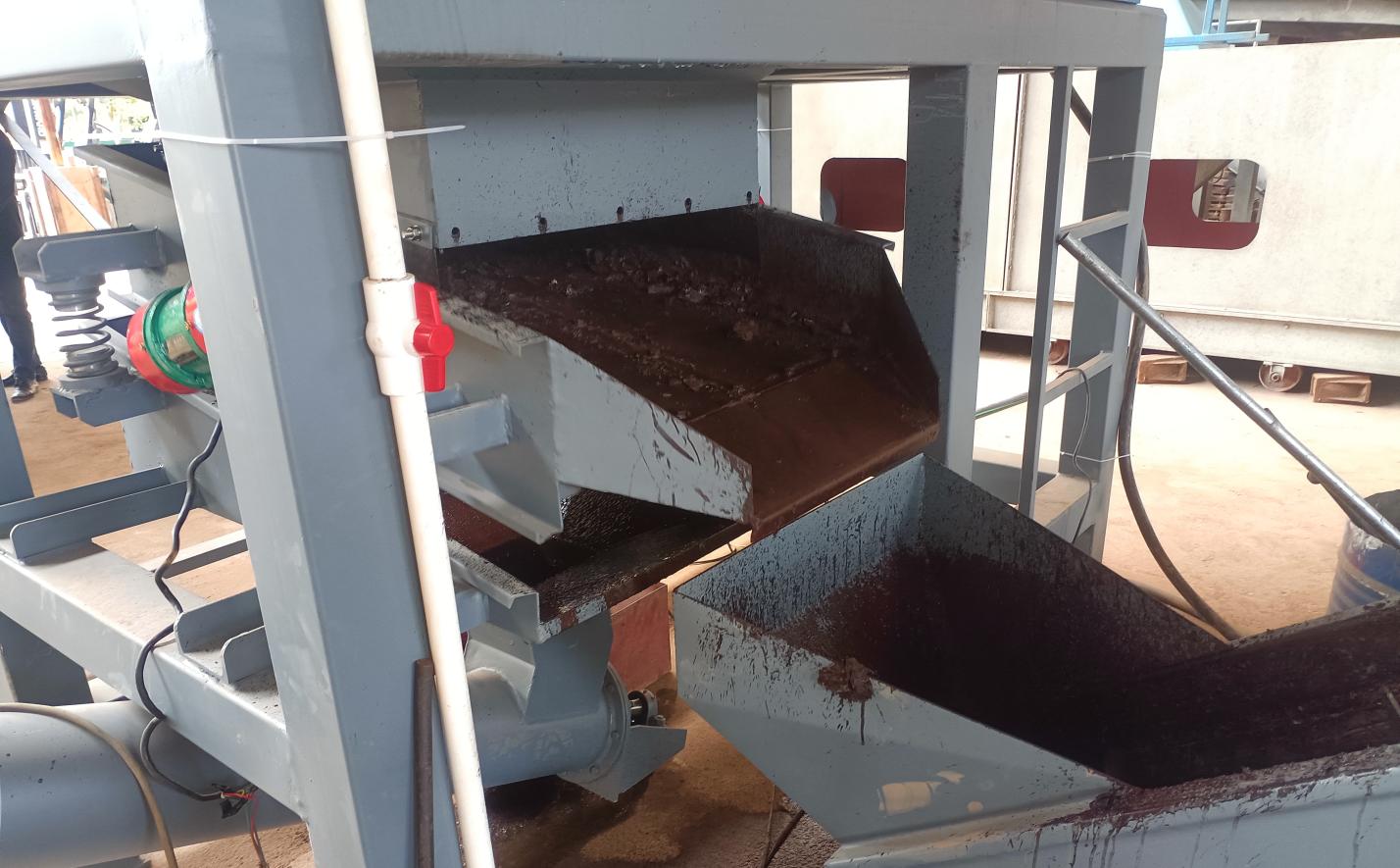
The primary purpose of any recycling plant is to maximize material recovery while minimizing losses. When evaluating circuit board recycling equipment, pay close attention to the separation technology employed. Advanced systems should achieve metal recovery rates of 95% or higher, with copper purity reaching 96-98%.
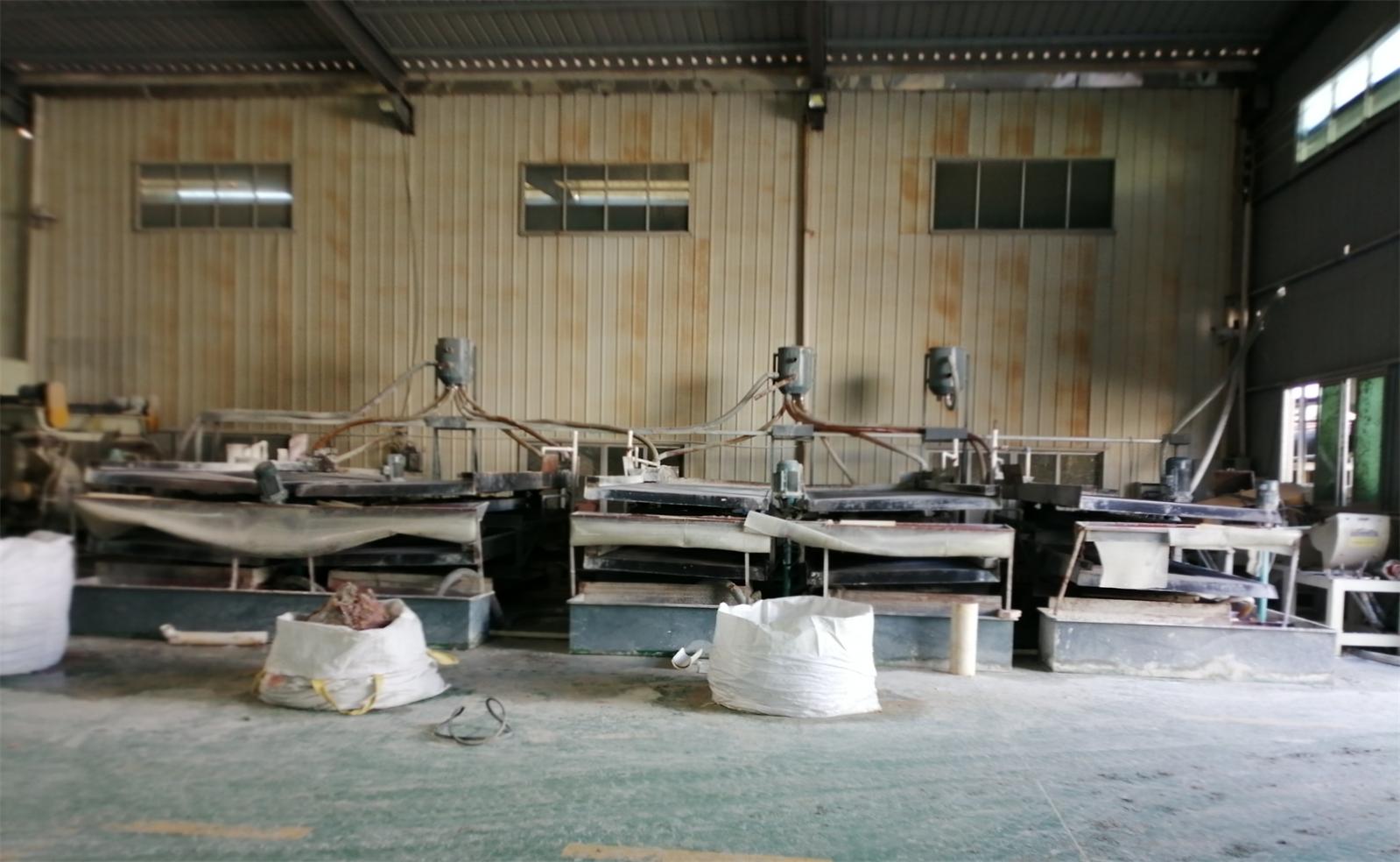
Key technological indicators include processing capacity (measured in kg/hour or MT/hour), power efficiency, and the sophistication of separation mechanisms. Wet separation systems, for instance, offer excellent recovery rates for complex materials like populated circuit boards, while dry air separation systems provide cost-effective solutions for specific material streams. The best suppliers offer both options and can recommend the optimal configuration for your specific feedstock.
Pro Tip: Always request test results with your actual material samples before committing to a purchase. Reputable manufacturers welcome material testing and provide detailed performance reports.
2. Environmental Compliance and Safety Standards
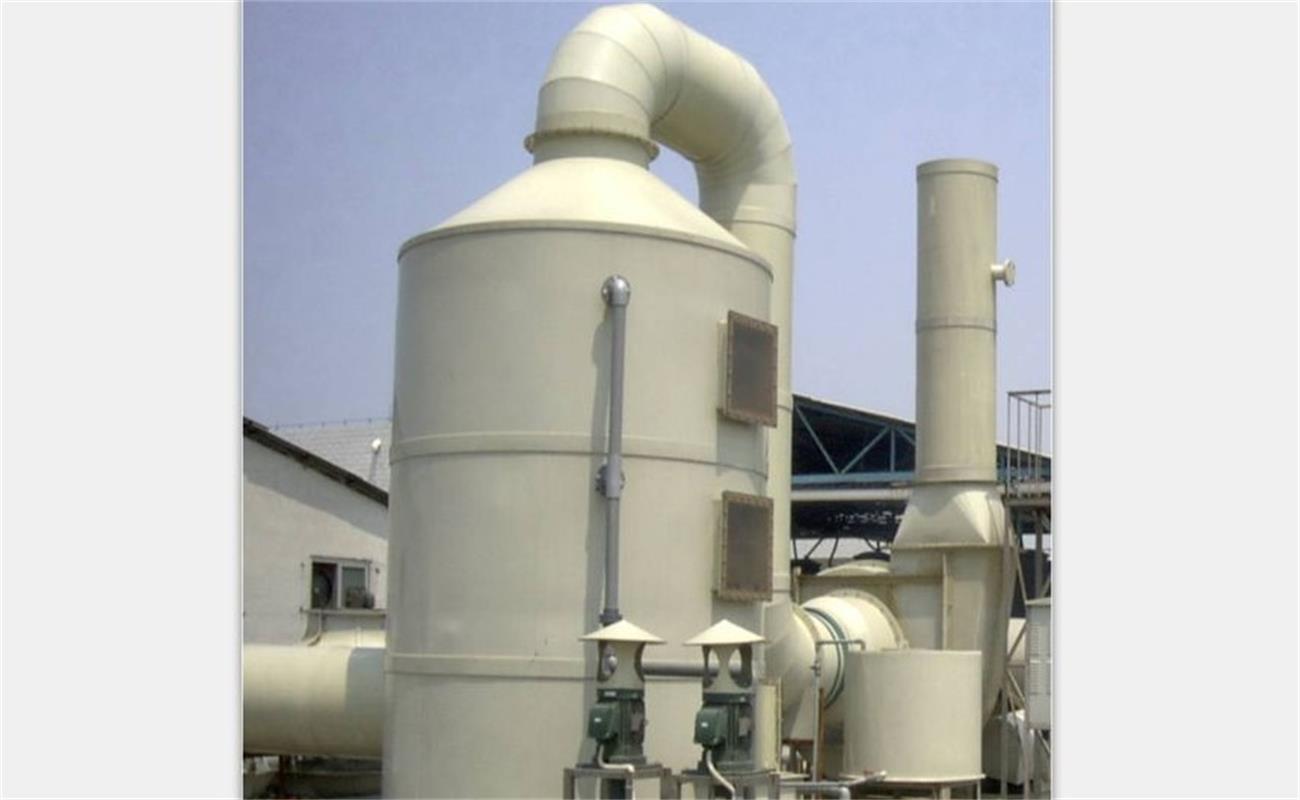
Modern recycling operations must meet increasingly strict environmental standards. Your equipment should incorporate comprehensive dust collection systems, noise reduction features, and waste water treatment capabilities where applicable. For lead acid battery recycling equipment, air pollution control systems are particularly critical due to the potential for lead emissions and acid handling.
Look for equipment that complies with international standards such as ISO 9001 quality management and CE safety certifications. These certifications indicate that the manufacturer follows rigorous design, production, and testing protocols. Additionally, verify that the equipment design aligns with local environmental regulations in your target market, whether that means WEEE compliance in Europe, EPA standards in the United States, or equivalent frameworks elsewhere.
3. Complete Service and Technical Support
Recycling equipment represents a significant capital investment, and the quality of after-sales support directly impacts your long-term operational success. A reliable supplier should offer comprehensive services including installation supervision, commissioning assistance, operator training, and ongoing technical support.
Consider suppliers with proven experience in turnkey EPC (Engineering, Procurement, Construction) projects. These providers can handle everything from initial site planning and equipment layout to full installation and operational handover. This approach significantly reduces project risk and accelerates your time to production. Furthermore, evaluate the availability of spare parts and the supplier's response time for technical inquiries. Equipment downtime in recycling operations translates directly to lost revenue.
4. Total Cost of Ownership and Return on Investment
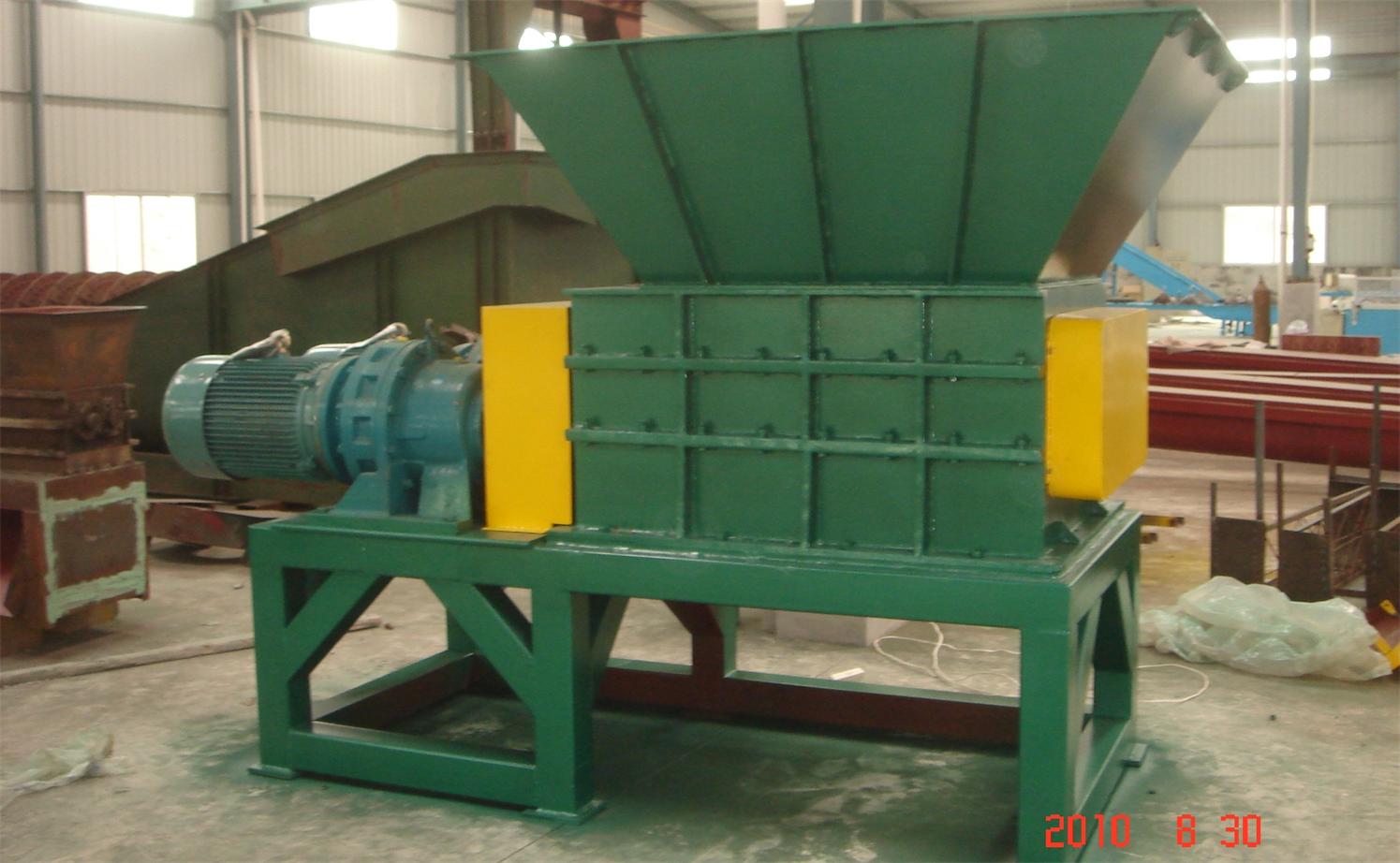
While initial purchase price is important, savvy buyers focus on total cost of ownership over the equipment's operational lifespan. Factors to consider include energy consumption, maintenance requirements, spare parts costs, and operational labor needs. A cable recycling machine with higher upfront costs but lower energy consumption and minimal maintenance may deliver superior returns over a five-year period compared to a cheaper alternative with hidden operational costs.
Calculate your projected return on investment by factoring in current and forecasted commodity prices for recovered materials such as copper, aluminum, lead, and precious metals. High-efficiency equipment that achieves superior separation purity commands premium prices in downstream markets, directly improving your profit margins. Request detailed ROI calculations from potential suppliers based on your specific operating parameters.
What Sets Leading Manufacturers Apart
Established manufacturers with extensive international experience bring distinct advantages to your project. Companies serving customers across 20+ countries have refined their equipment designs to handle diverse material specifications and operating conditions. They understand the nuances of different regulatory environments and can advise on compliance strategies for your specific market.
Look for manufacturers offering integrated solutions spanning multiple recycling streams. Rather than sourcing circuit board equipment from one supplier and battery recycling systems from another, a comprehensive provider can ensure system compatibility, unified control interfaces, and streamlined maintenance protocols. This integration reduces operational complexity and improves overall plant efficiency.
Additional value-added services distinguish top-tier suppliers. These may include assistance sourcing raw material feedstock, support marketing recovered commodities, and ongoing operational consulting. Such partnerships extend beyond a simple equipment transaction, positioning the supplier as a long-term business ally invested in your success.
Frequently Asked Questions
Q: How do I determine the right capacity for my recycling plant?
A: Capacity planning should consider your available feedstock supply, market demand for recovered materials, and capital budget. Start by analyzing your monthly material intake and desired processing turnaround time. It's generally advisable to select equipment with 20-30% excess capacity to accommodate future growth without requiring immediate additional investment.
Q: Should I choose dry separation or wet separation for circuit board recycling?
A: Dry separation systems offer lower operational costs and simpler maintenance, making them suitable for consistent, clean feedstock. Wet separation excels when processing complex boards with components, delivering higher recovery rates for challenging materials. Your choice should depend on your specific feedstock characteristics and local water treatment regulations.
Q: What training is typically provided for equipment operators?
A: Comprehensive training programs should cover equipment operation, routine maintenance procedures, safety protocols, troubleshooting common issues, and quality control testing. Expect a minimum of one to two weeks of on-site training during commissioning, supplemented by detailed operation manuals and remote support access.
Q: How long does it typically take to commission a complete recycling plant?
A: Commissioning timelines vary based on plant complexity and size. A single machine might be operational within days, while a complete multi-line facility could require several weeks. Proper planning, site preparation, and coordination with your supplier's technical team ensure efficient commissioning and faster achievement of design capacity.
Ready to Build Your Recycling Operation?
Selecting the right equipment partner is the foundation of a successful recycling business. With nearly two decades of manufacturing experience and installations across more than 21 countries, San Lan Technologies delivers proven recycling solutions backed by comprehensive technical support and turnkey project capabilities.
Contact our engineering team today to discuss your specific requirements, request material testing, or arrange a facility visit. Email us at info@san-lan.com or reach us via WhatsApp at +86 139 2377 4083.
Selecting the right equipment partner is the foundation of a successful recycling business. With nearly two decades of manufacturing experience and installations across more than 21 countries, San Lan Technologies delivers proven recycling solutions backed by comprehensive technical support and turnkey project capabilities.
Contact our engineering team today to discuss your specific requirements, request material testing, or arrange a facility visit. Email us at info@san-lan.com or reach us via WhatsApp at +86 139 2377 4083.