Two recycling plant owners in Southeast Asia received the same government permit within the same month. Both had $400,000 to invest. One bought the cheapest cable granulator and lead acid battery breaker he could find online. Within eight months, his copper purity was too low for smelter acceptance, his acid-leakage fines exceeded his profit, and he was shopping for replacements.
The other owner spent three weeks comparing separation rates, asking for video proof of continuous runs, and checking whether the supplier had ever commissioned a full plant. Four years later, his facility processes four waste streams, sells copper powder at 96 percent purity, and has already paid back the original investment.
The difference was not luck. It was the framework used to evaluate the equipment.
Why the Right Recycling Equipment Is a Balance-Sheet Decision
E-waste recycling is not a volume game. It is a purity game. A machine that runs fast but leaves 15 percent of the copper in the plastic fraction does not save money; it burns it. Every percentage point of recovery rate that falls below industry benchmarks translates directly into lost revenue, and every hour of unplanned downtime turns fixed costs into losses.
Buyers who treat recycling equipment as a commodity purchase tend to optimize only the invoice price. Buyers who treat it as a production asset optimize total cost of ownership: recovery rate, energy consumption, spare-part availability, and the supplier's ability to deliver turnkey commissioning.
Four Equipment Categories That Drive ROI
Lead Acid Battery Recycling
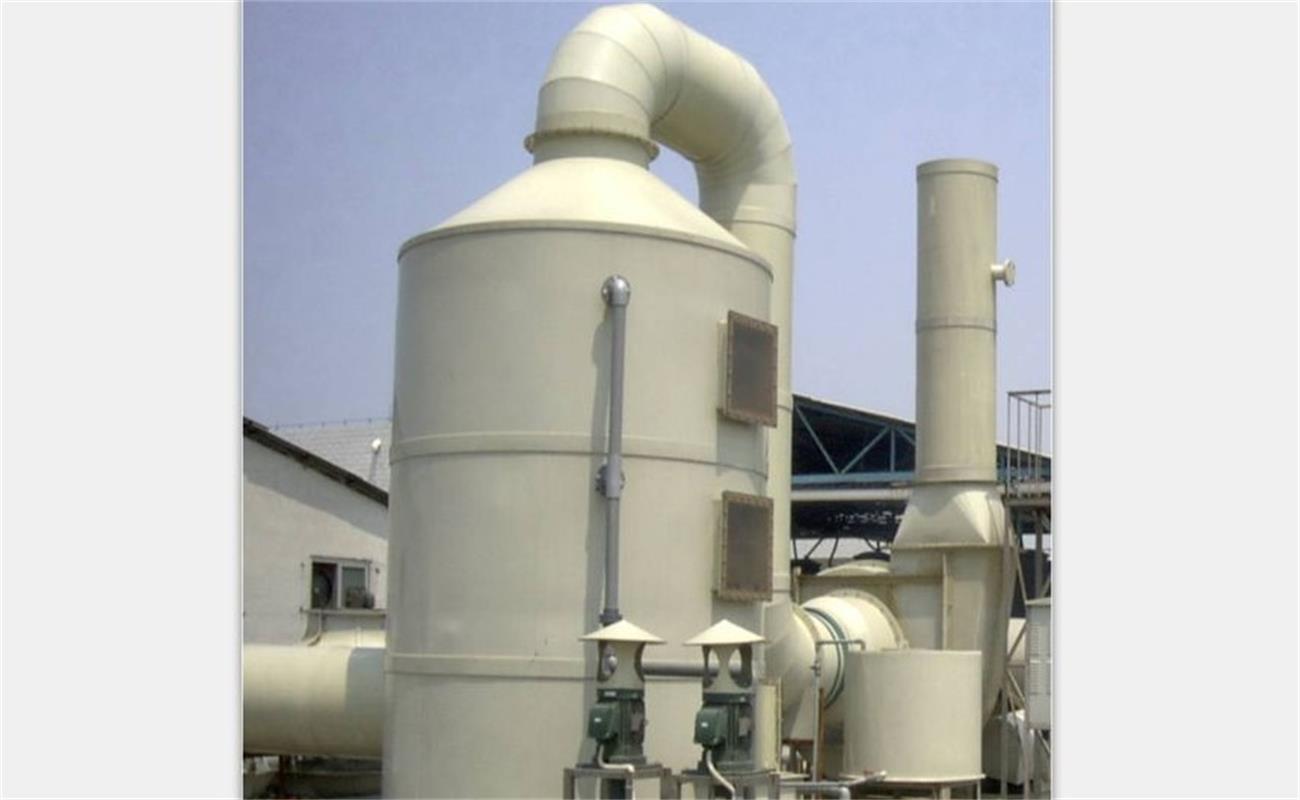
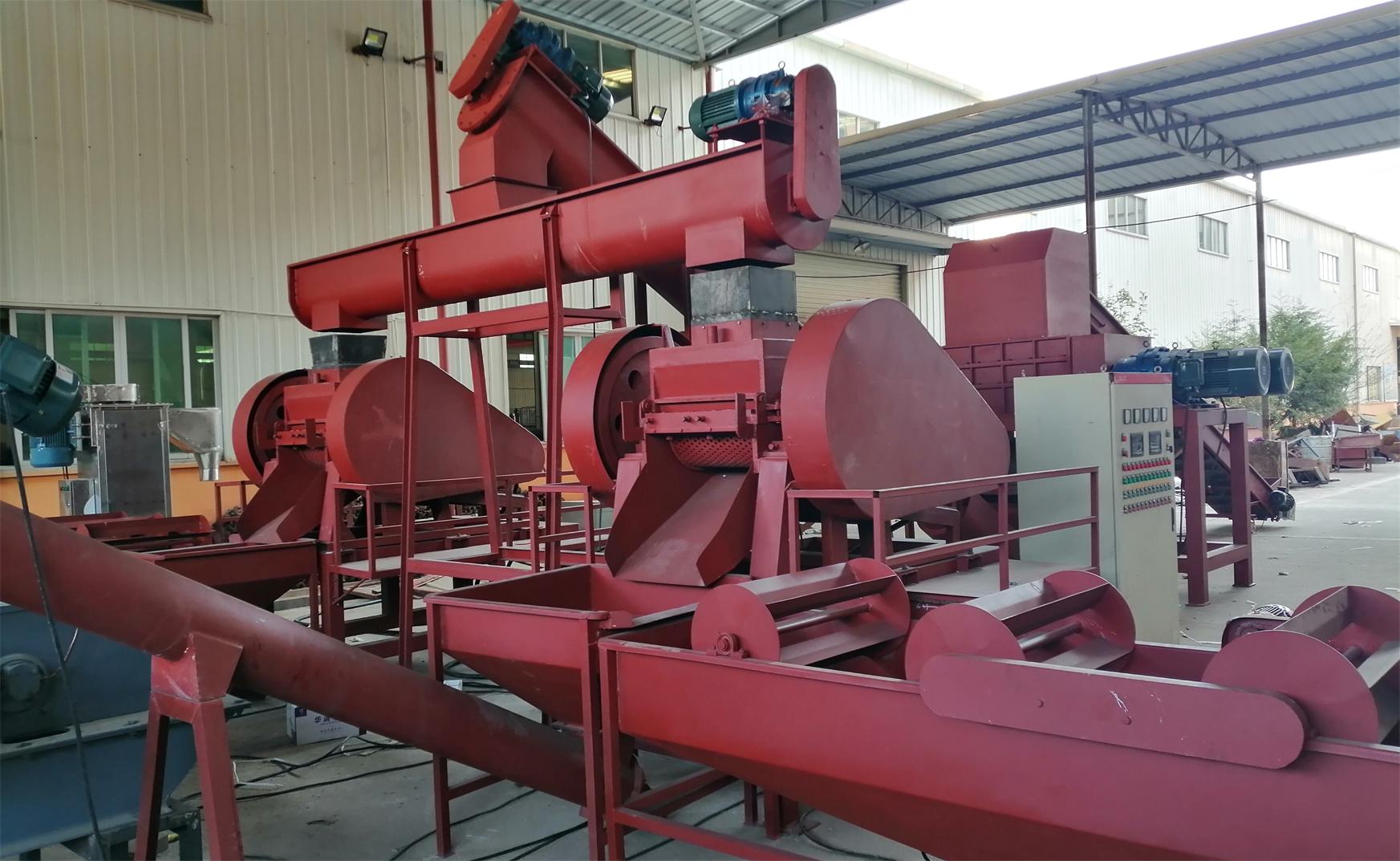
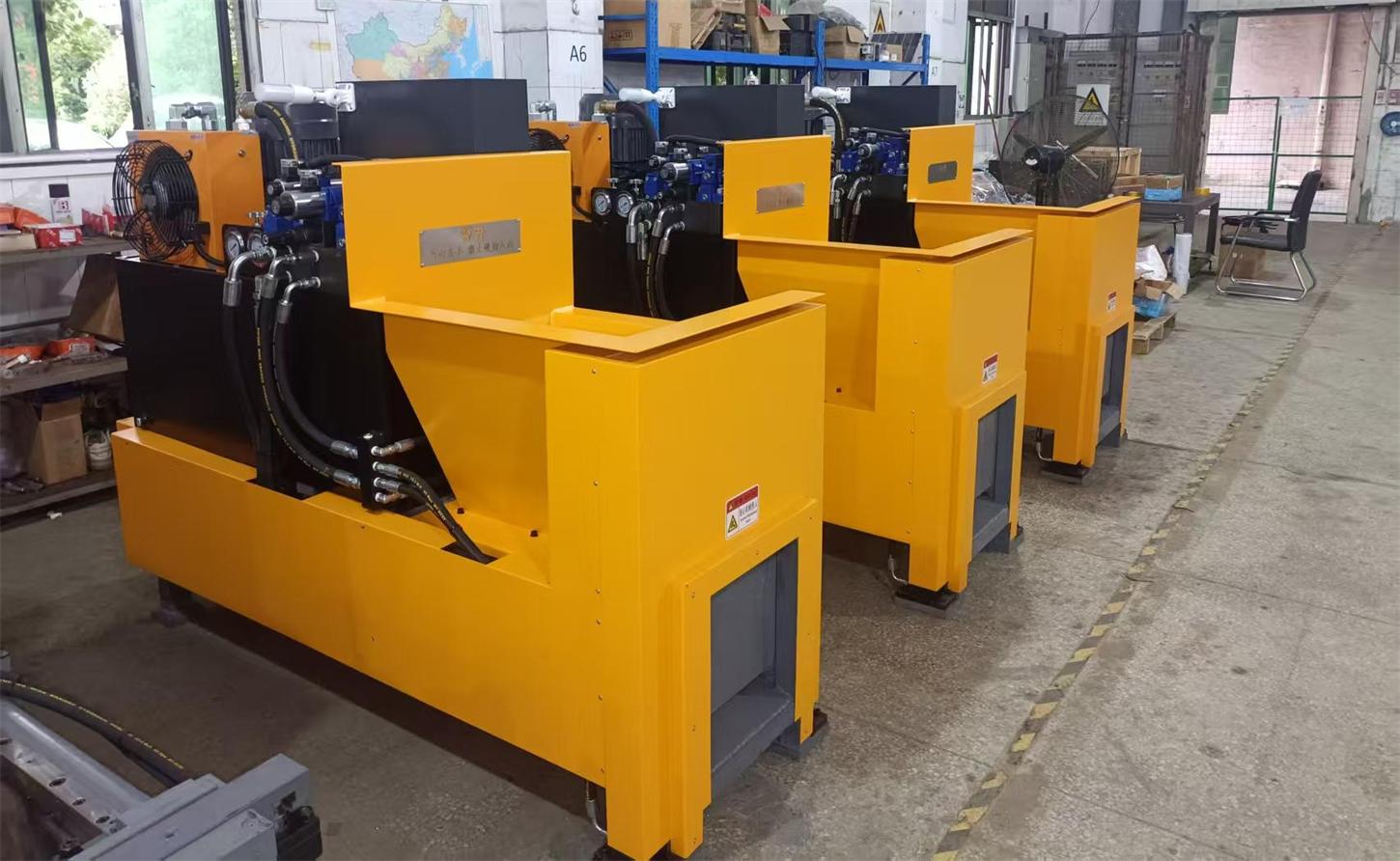
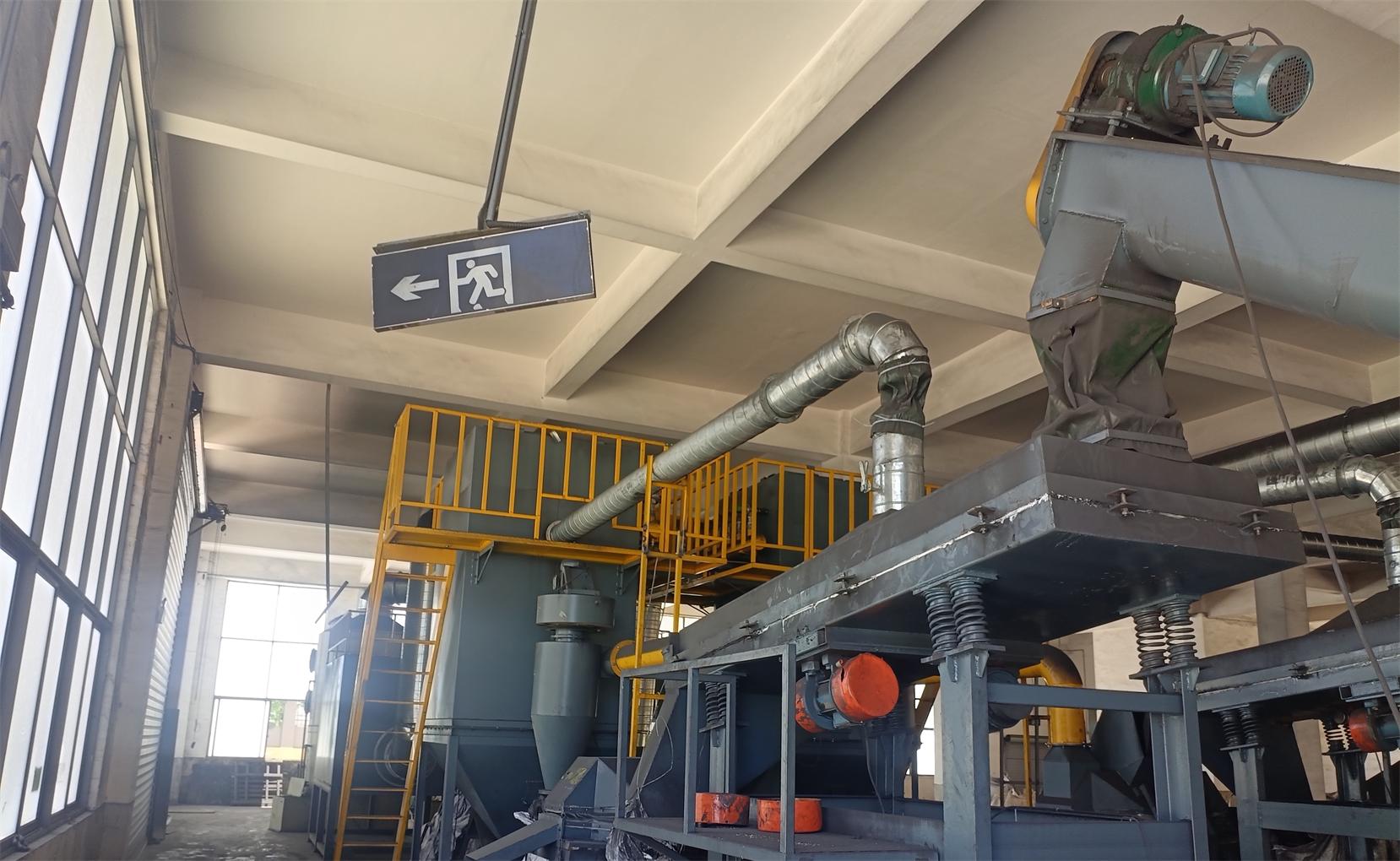
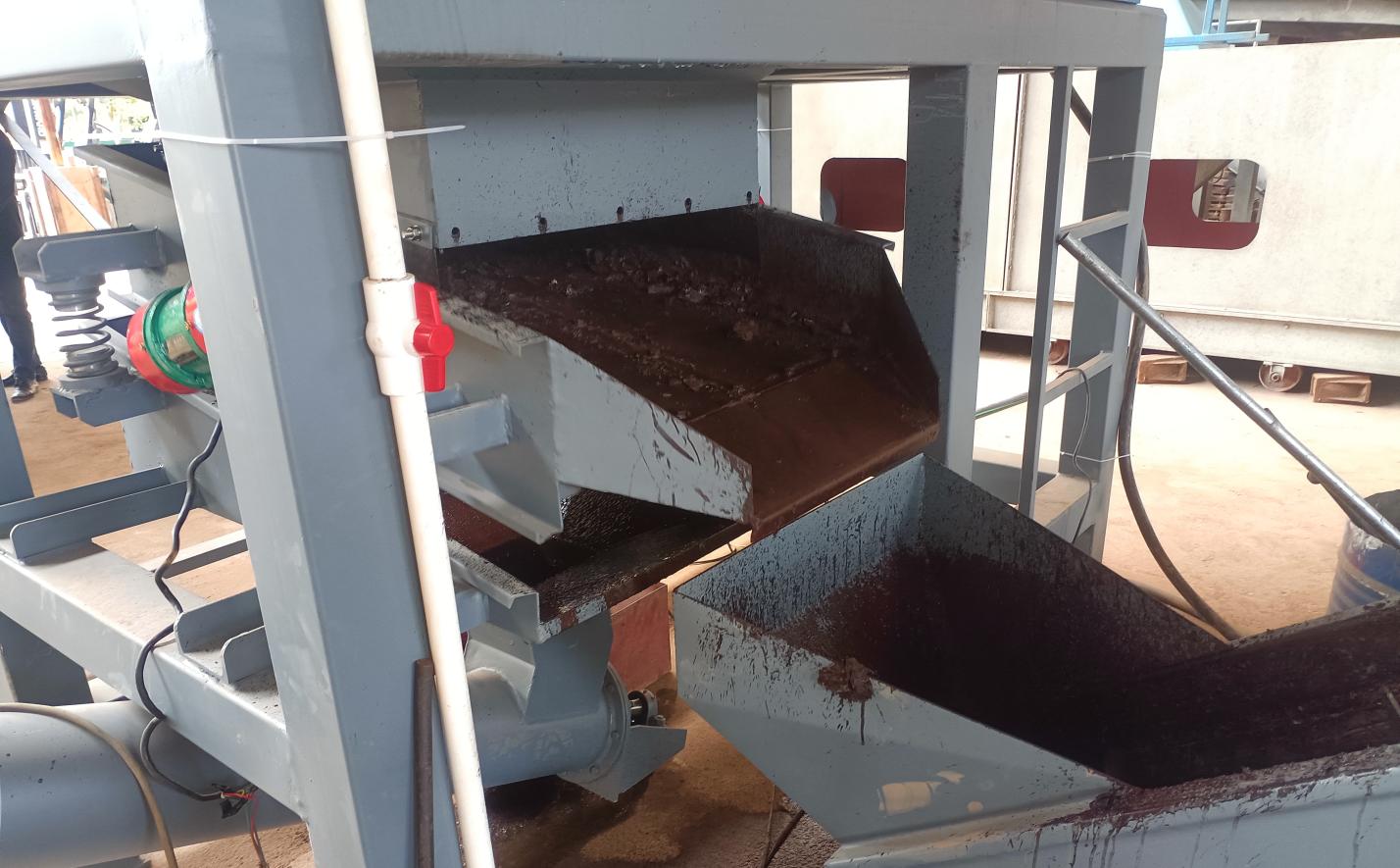
Used lead acid batteries represent one of the most regulated and profitable recycling streams, provided the separation and smelting stages are engineered as a system rather than isolated machines. A complete lead acid battery recycling equipment line should break and classify batteries into acid, lead paste, lead grid, and plastic with minimal manual handling. Look for de-sulfurization units that pre-treat lead paste before it reaches the furnace; this step lowers melting temperature, reduces sulfur dioxide emissions, and extends refractory life. Recovery rates for well-integrated lines reach 95 percent, and refinery kettles can push crude lead to 99.999 percent purity.
Lithium Battery Recycling
Spent lithium-ion batteries require a different approach. Safety starts with controlled discharge, followed by pre-crushing under inert conditions. The goal is black mass recovery: the nickel, cobalt, and graphite mixture that holds the majority of the material value. A properly designed line also separates plastic film, copper, and aluminum for individual resale. Capacity typically ranges from 500 to 2,500 kg per hour, and air pollution control is not optional; it is a legal prerequisite in most jurisdictions.
Circuit Board Recycling
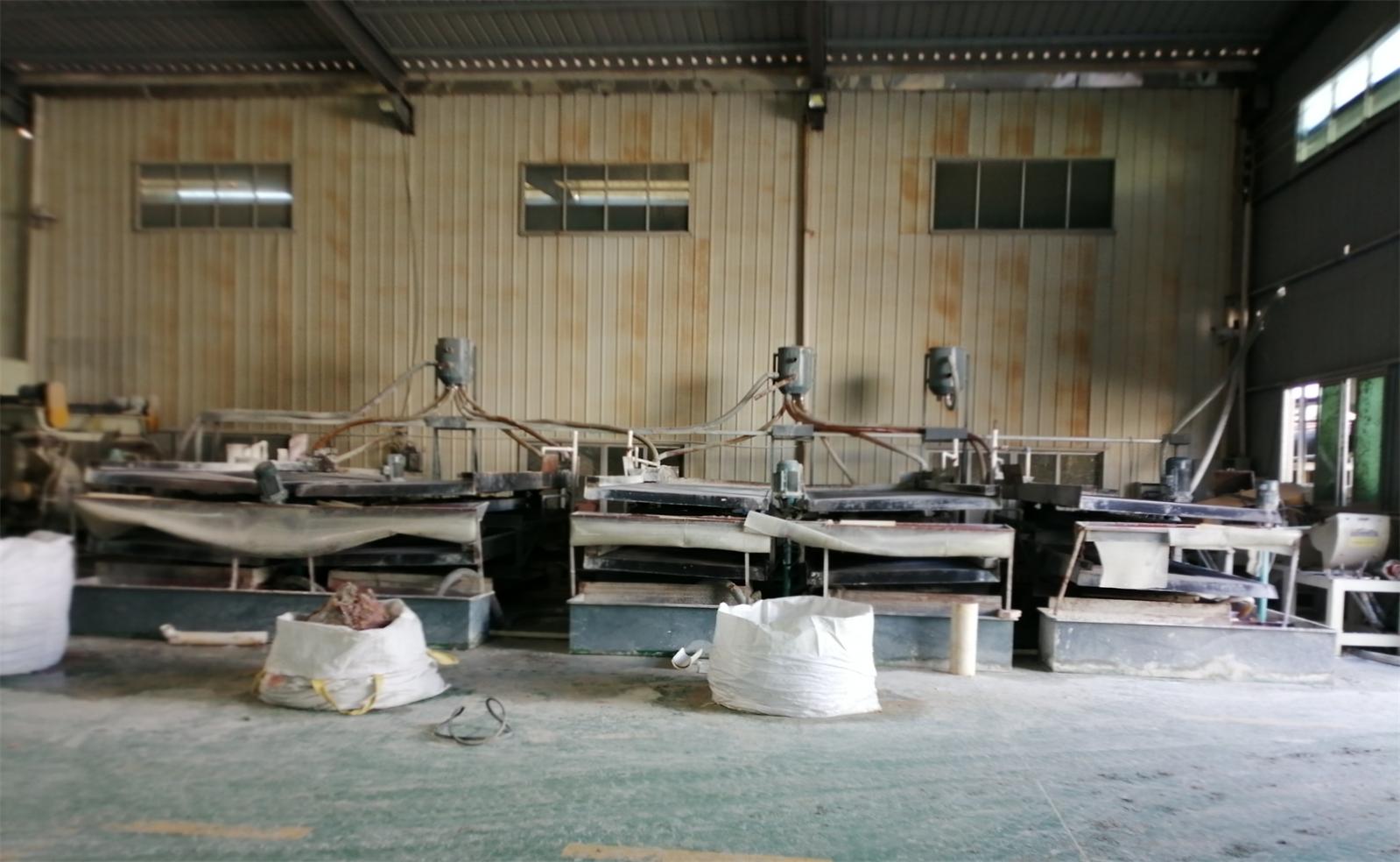
Printed circuit boards contain copper powder and trace precious metals, but they also carry fiberglass, resin, and electronic components that complicate mechanical separation. The choice between wet and dry separation depends on local water permits and downstream buyer requirements. Dry systems with air separators and electrostatic refinement can achieve copper powder purity of 96 to 98 percent with recovery rates around 95 percent. Wet systems often handle a wider feed mix, including boards still loaded with components. When evaluating circuit board recycling equipment, ask for independent assay reports on the copper powder, not just the manufacturer's claim.
Cable Recycling
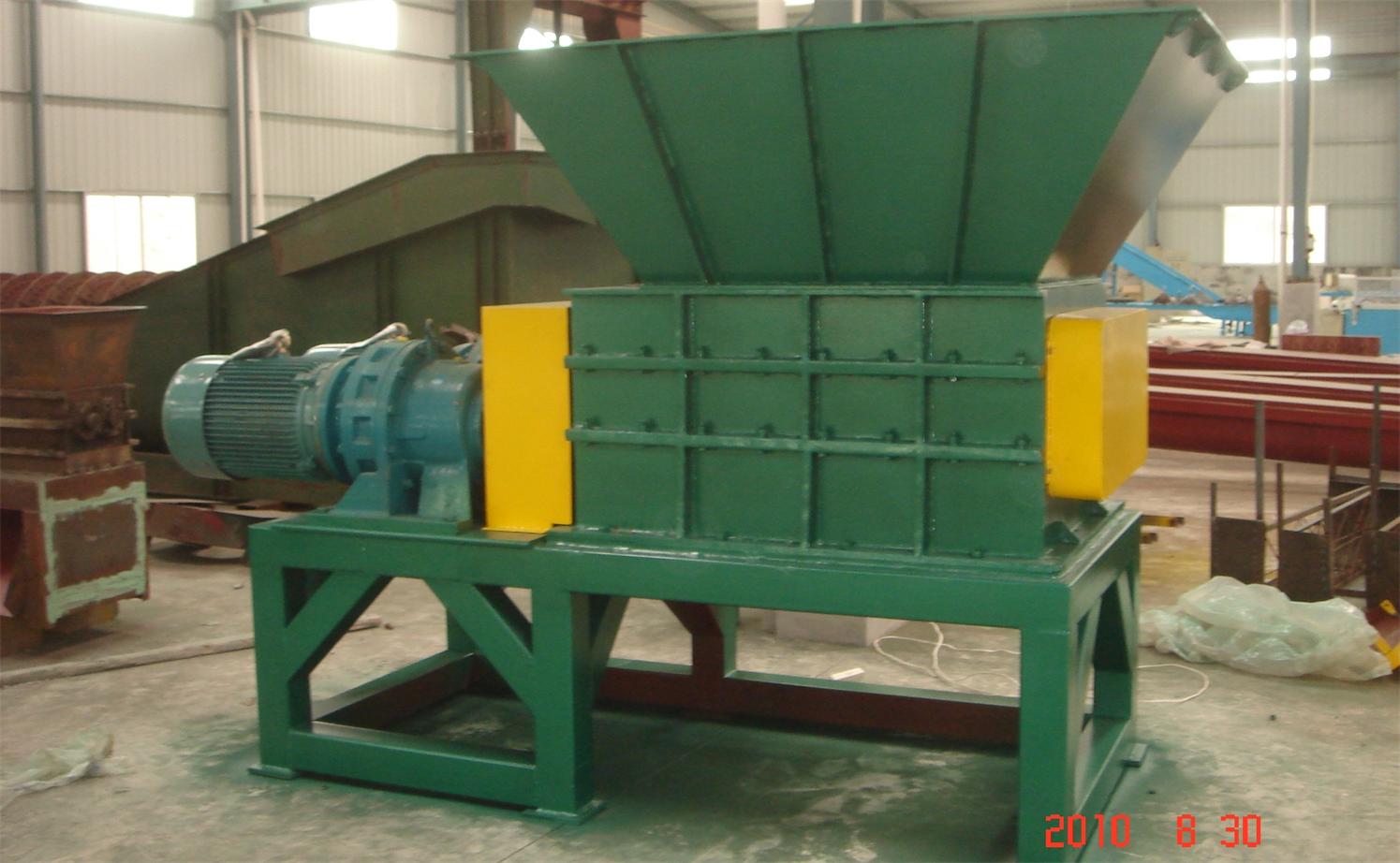
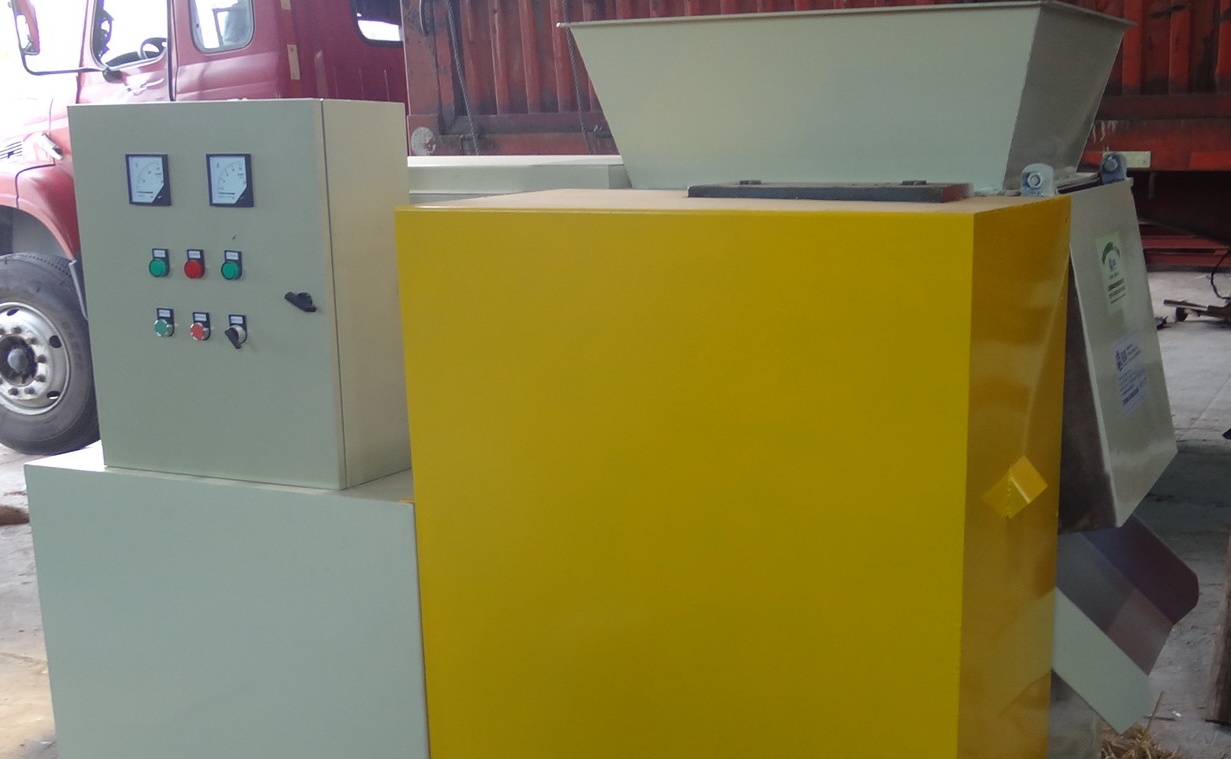
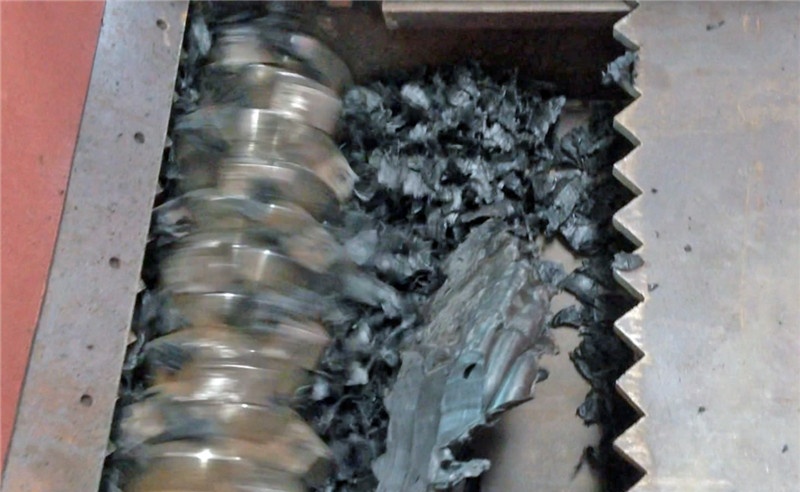
Scrap cable is the entry point for many new recyclers because the physics are straightforward: crush, separate copper or aluminum from plastic, and sell. The economics, however, are sensitive to granulator knife design, screen size, and the efficiency of the air or water separator. A compact granulator with dry separation can be profitable at small scale, but as volume grows, pre-stripping large-diameter cable and integrating a shredder upstream improves throughput and protects the granulator from damage. Quality cable recycling equipment should deliver clean copper or aluminum fractions with minimal plastic contamination, because smelters and refiners discount mixed loads heavily.
Five Checks Before You Sign
1. Demand Video Evidence of a Continuous Run
Catalog photos prove nothing. Ask for time-stamped video of the exact model running your target material for at least two hours. Watch for vibration, dust leakage, and temperature gauges. If the supplier cannot provide this, they have not fully commissioned the machine.
2. Verify Recovery Rates with Third-Party Data
A supplier claiming 98 percent copper recovery should be able to show an independent laboratory assay of the output fractions, not an internal spreadsheet. If they quote a number but hesitate to document it, treat the claim as marketing rather than engineering.
3. Inspect the Wear-Part Strategy
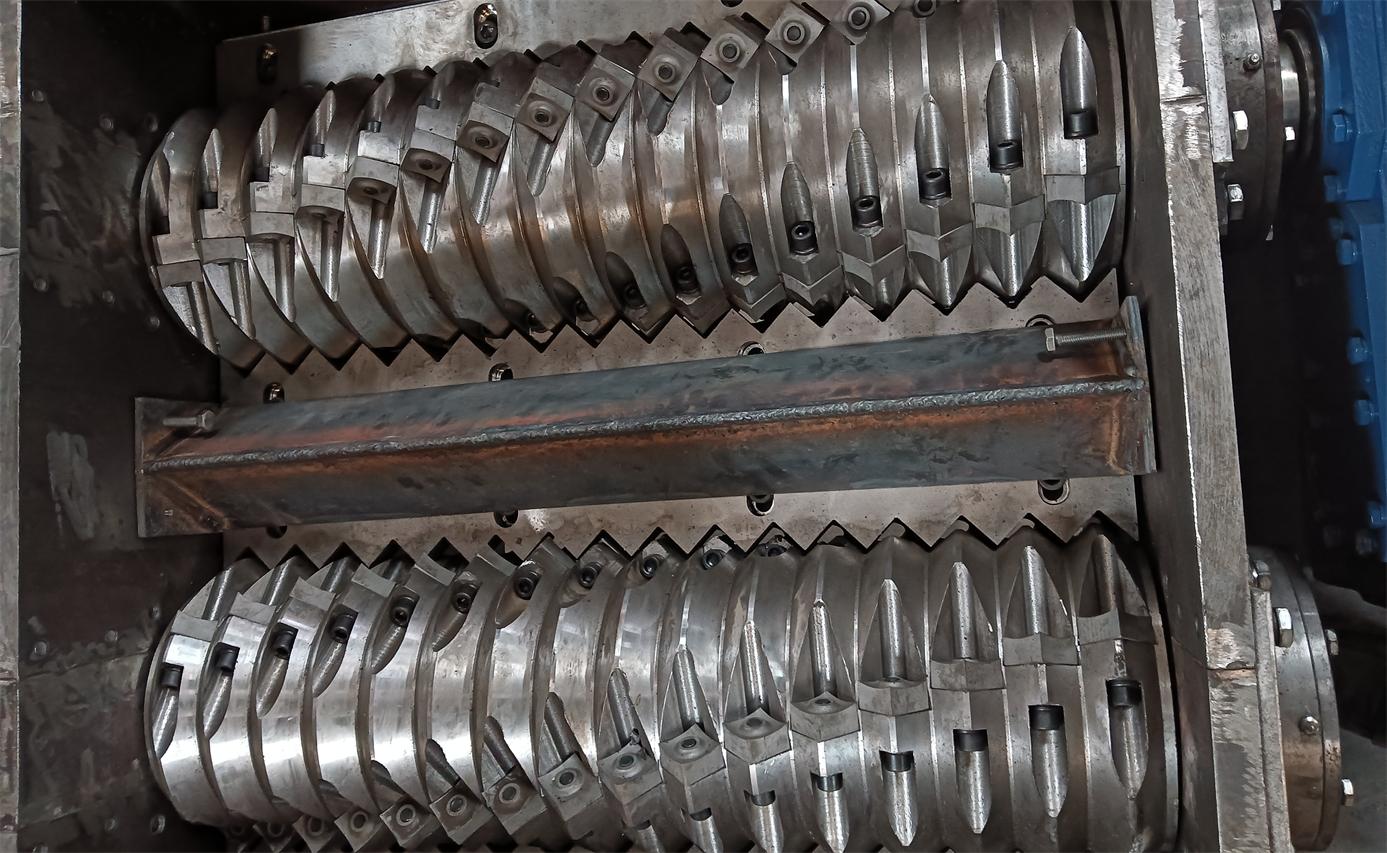
Granulator blades, magnetic drum covers, and shredder teeth wear predictably. Ask for a written list of wear parts, their expected lifespans in your material, and the price and availability of replacements. A machine with a low upfront cost and six-week lead times on critical spares is an expensive machine.
4. Confirm Environmental Compliance Documentation
Air pollution control systems, effluent treatment plants, and noise suppression are not afterthoughts; they are often the items that delay permitting. Ask whether the supplier has delivered plants that passed environmental inspection in your target region. Documentation beats promises.
5. Evaluate the Supplier's Commissioning Record
Installing a machine and commissioning a plant are different skills. A supplier with deep experience will handle foundation drawings, utility mapping, operator training, and acceptance testing. Ask for references from buyers who have run the equipment for more than two years, and contact them directly.
Red Flags That Should Stop the Conversation
- Vague capacity claims. "Up to 1,000 kg per hour" often means the motor can spin that fast under ideal conditions. Ask for the guaranteed throughput on your specific material mix.
- No local service presence. If the supplier's technician needs a visa and a week of travel to reach your site, minor failures become major shutdowns.
- Refusal to provide a performance guarantee. A supplier who trusts their engineering will write recovery-rate and availability clauses into the contract. One who refuses is transferring all risk to you.
- Missing safety interlocks. Battery recycling lines, shredders, and furnaces all carry serious hazards. If the quoted system lacks emergency stops, overload sensors, or fire suppression, the price is not low; it is incomplete.
Why Plant Owners in 21 Countries Work With San Lan
San Lan Technologies has manufactured e-waste recycling machinery and mining equipment since 2007. The engineering team holds master's degrees in mechanical engineering and averages more than 15 years of direct experience in recycling plant design. That depth matters when a customer needs a customized line for a feed mix that does not match any standard catalog entry.
San Lan's product range covers the full recycling cycle: lead acid battery breaking and separation systems, lithium battery recycling plants, circuit board recycling lines with wet or dry separation, cable granulators and strippers, refrigerator shredding plants, CRT cutters, motor stator dismantlers, shredders, and downstream melting furnaces. The company also provides EPC services, from customized design and procurement to installation and commissioning.
Beyond equipment, San Lan assists customers with waste material sourcing, investor partnership for plant construction, and offtake connections for recovered metals such as copper rice, copper powder, and lead ingots. The company has shipped to more than 21 countries, including Singapore, Colombia, Vietnam, Mexico, Argentina, Korea, Malaysia, Indonesia, South Africa, Tunisia, India, Kenya, Saudi Arabia, the Philippines, and Zambia.
A Final Checklist
Before releasing payment on any major recycling system, confirm the following:
- Independent assay data supports the quoted recovery rate.
- Wear-part prices and delivery times are documented in writing.
- Environmental compliance has been demonstrated in at least one installation similar to yours.
- The supplier has commissioned full plants, not just shipped containers.
- Operator training and a minimum warranty period are included in the contract.
Recycling equipment is a long-term production asset. The right framework does not minimize purchase price; it maximizes the margin on every ton you process.
Ready to evaluate a recycling line for your material? Contact San Lan Technologies at info@san-lan.com or via WhatsApp at +86 139 2377 4083. The engineering team reviews feed specifications, capacity targets, and local environmental requirements before recommending a configuration.