Two plant owners started e-waste recycling businesses in the same year. Both bought crushers, separators, and conveyors. Two years later, one was expanding capacity and adding a second production line. The other was searching for a new supplier to replace machines that had never reached nameplate capacity and a technical team that stopped answering emails after commissioning.
The difference was not the price tag. It was the supplier.
Machines Are a Commodity. Support Is Not.
Anyone can cut steel, weld frames, and bolt motors together. The hard part is building a system that actually works for your specific scrap stream, your local environmental rules, and your target output quality. That requires engineering depth, process understanding, and a willingness to stay involved after the invoice is paid.
A true recycling equipment supplier does not just ship hardware. It designs the flow sheet, sizes the equipment, integrates pollution control, trains your operators, and returns when your feedstock changes. If your vendor treats installation as the finish line, you will be the one running the marathon.
Five Checks Before You Sign
1. Can They Design the Full Plant, Not Just Sell Units?
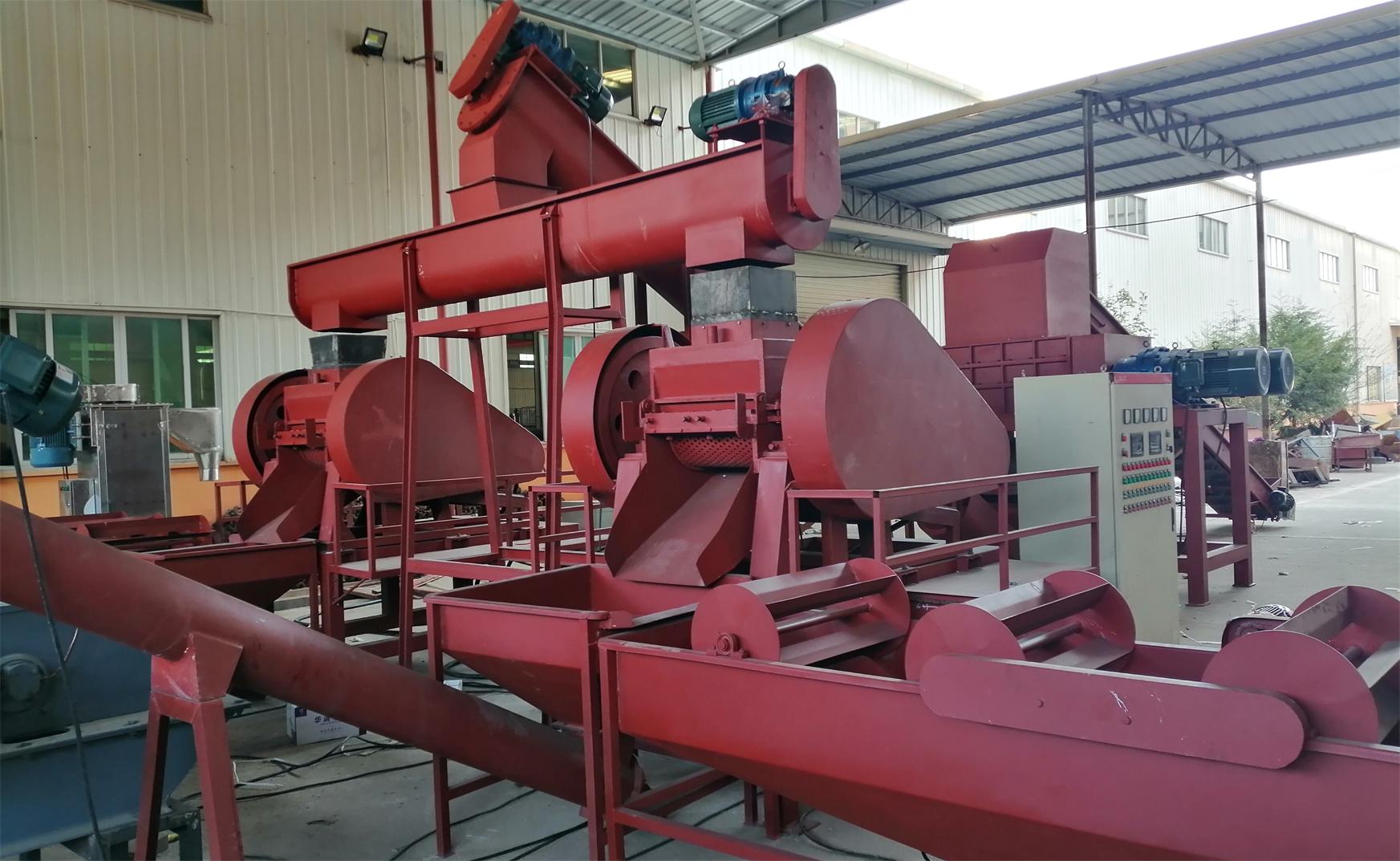
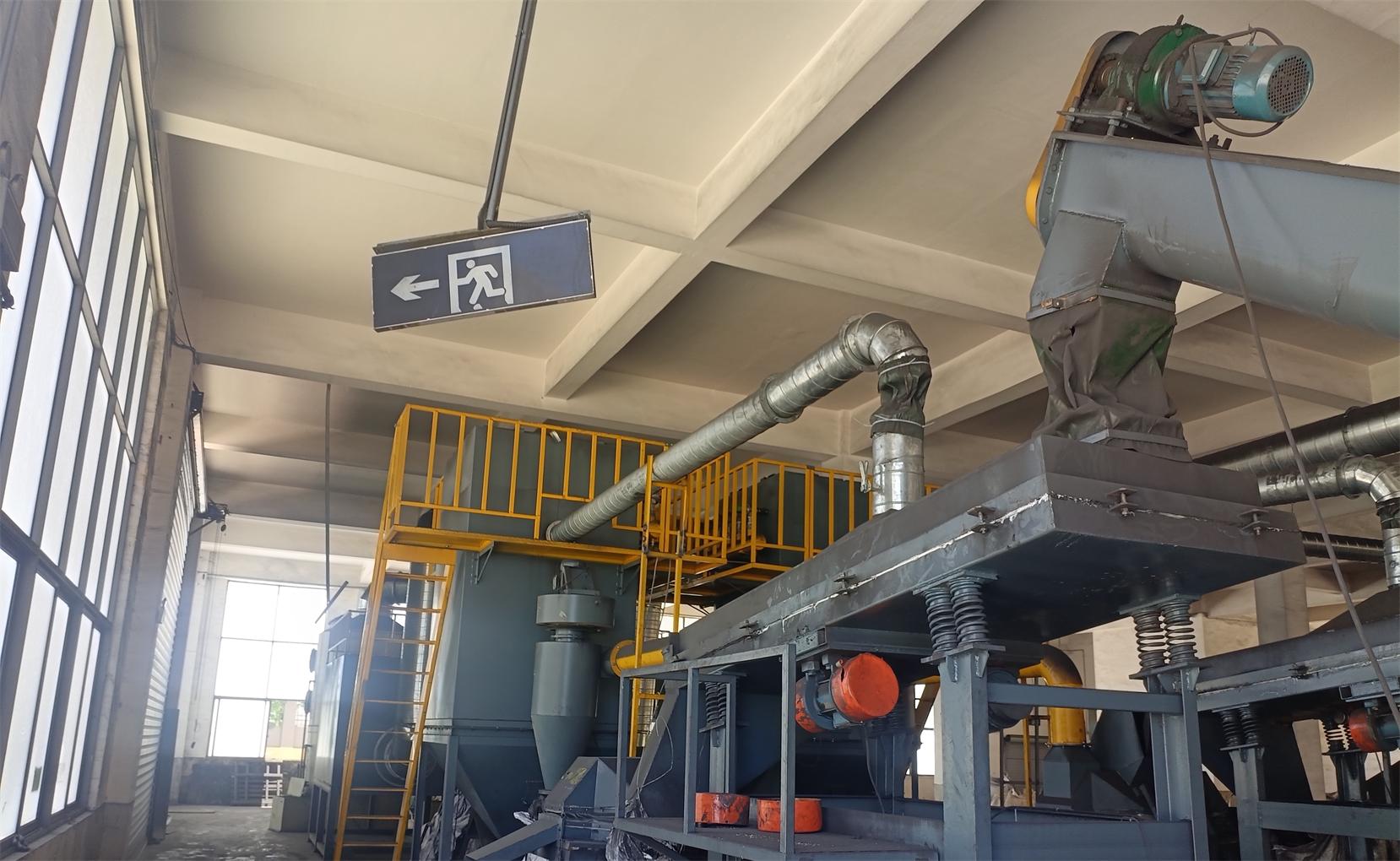
Buying a standalone shredder or granulator is straightforward. Building a complete recycling line that moves material from feed hopper to finished product without bottlenecks is not. Ask whether the supplier has delivered full engineering, procurement, and construction (EPC) projects. Ask for layout drawings, mass balances, and commissioning reports. If they only have product brochures, you are buying from a catalog, not a partner.
2. Do They Understand Your Scrap?
Cable scrap, printed circuit boards, used lead acid batteries, and lithium-ion cells each behave differently under crushing, separation, and thermal processing. A vendor who sells the same configuration to everyone is saving money at your expense. Look for a supplier who asks about your feedstock composition, particle size distribution, and desired recovery rate before quoting equipment.
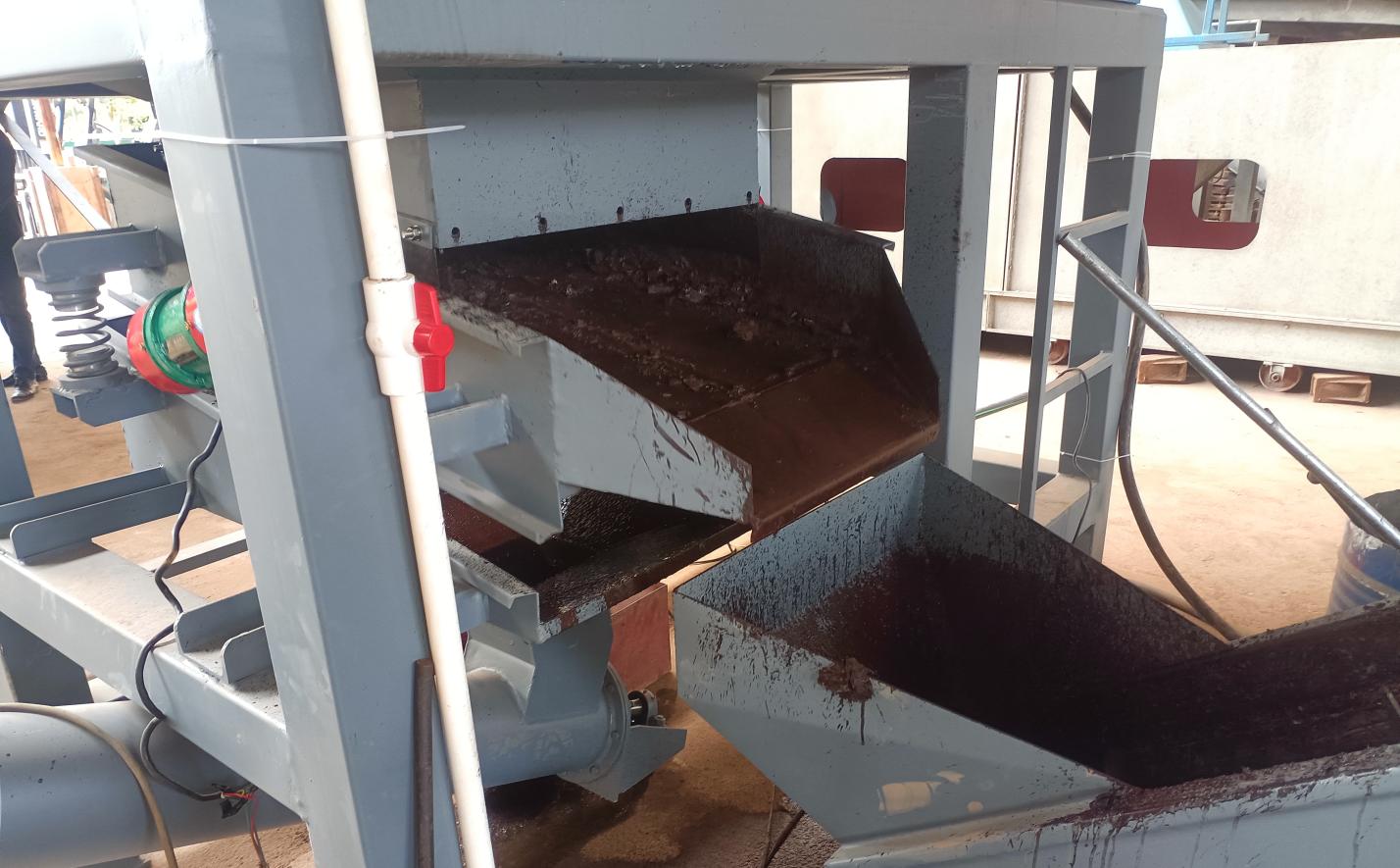
For example, lead acid battery recycling equipment must handle acid drainage, plastic separation, lead paste recovery, and smelting off-gas treatment in a single coordinated line. If the supplier cannot explain how the breaking system connects to the desulfurization unit and the rotary furnace, they do not understand the process.
3. What Happens After Startup?
The most expensive machine is the one that sits idle because no one trained your staff or because a wearing part failed and the supplier has no inventory. Ask specific questions: Who installs the equipment? Who commissions it? How long is the training? Where is the spare parts warehouse? Is there a technical hotline? If the answers are vague, expect downtime.
4. Is Environmental Compliance Built In or Bolted On?
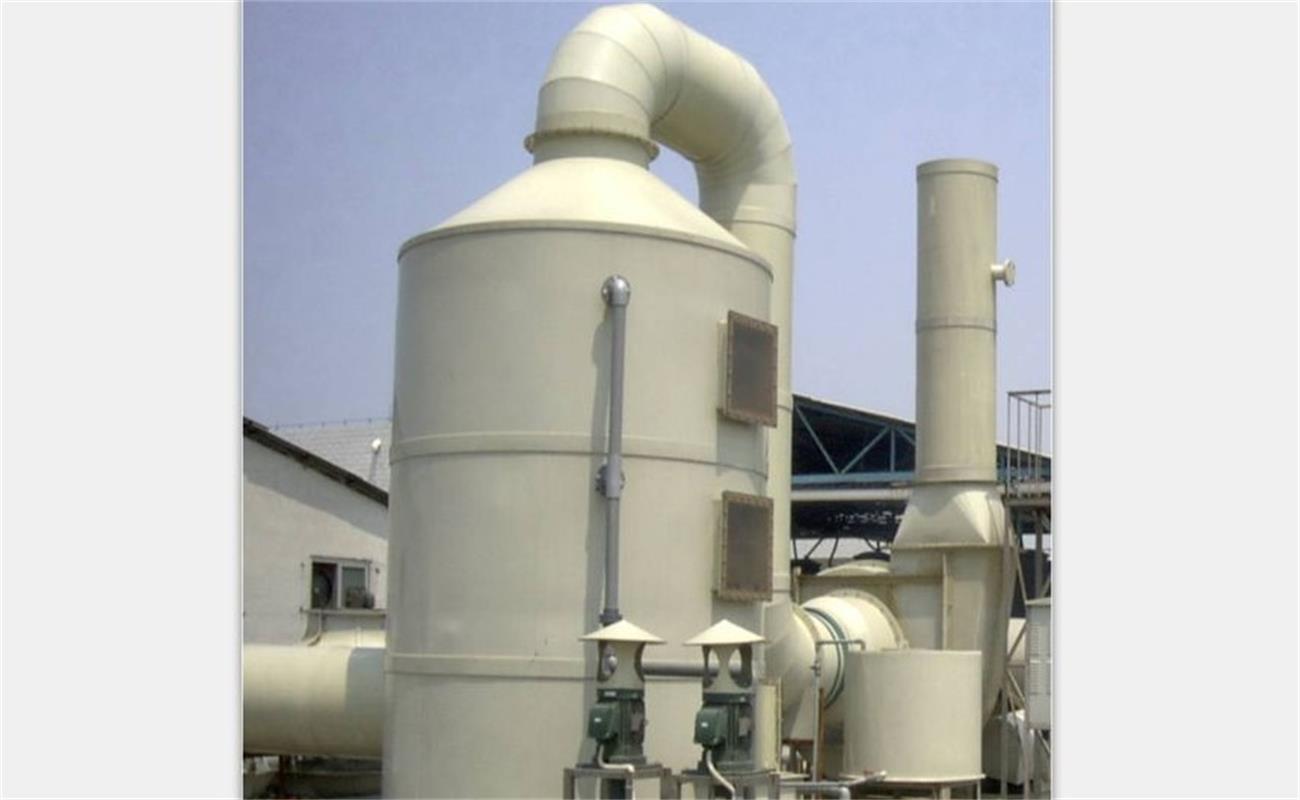
Air pollution control, effluent treatment, and dust collection are not optional accessories. They are integral to the process. In many jurisdictions, you cannot get an operating permit without proven emission control. A responsible supplier designs these systems into the plant from day one, not as an afterthought sold separately.
5. Can They Help With the Business Around the Machines?
Some suppliers stop at the loading dock. Others help you source scrap material, refine your recovered metals, and find buyers for your output. That ecosystem support matters, especially for first-time plant owners who know the technology but lack trading relationships. A supplier with operational experience can shorten your path to positive cash flow by months.
What a Full-Line Portfolio Looks Like
E-waste is not one material. It is a portfolio. Your supplier should cover the categories you plan to process now and the ones you may add later. At minimum, a comprehensive recycling equipment supplier should offer proven lines for:
- Lead acid battery recycling – breaking and separation systems, desulfurization units, rotary and blast furnaces, refinery kettles, air and water pollution control
- Lithium battery recycling – discharging, pre-crushing, secondary granulation, black powder separation, magnetic separation, and plastic briquetting
- Cable recycling – scrap cable strippers, wet and dry granulators, and complete separation plants for copper and aluminum recovery
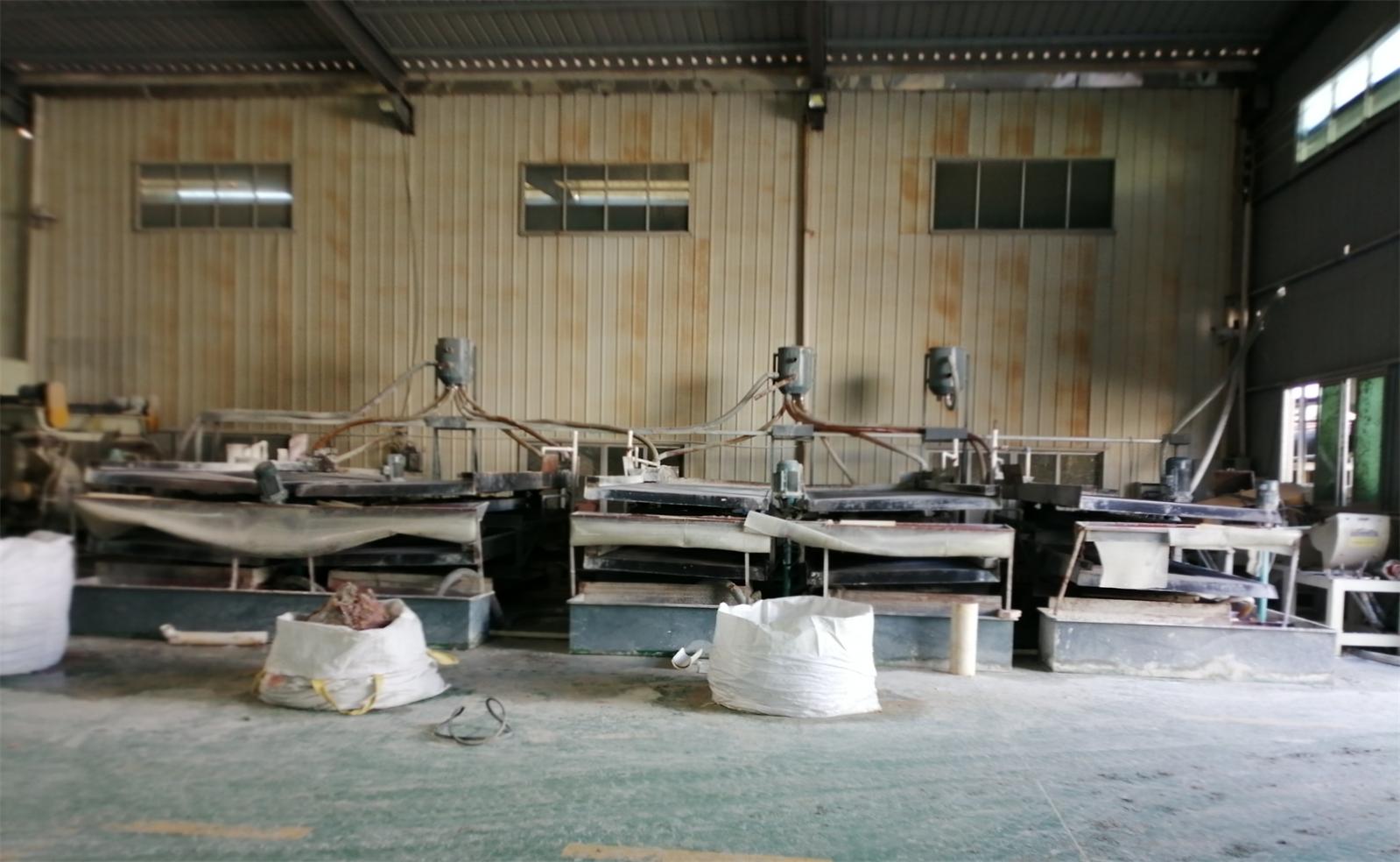
- Circuit board recycling – wet and dry separation plants with air separators, electrostatic separators, and pulse dust collectors
- Refrigerator and AC recycling – refrigerant extraction, compressor cutting, shredding, and multi-material separation
- Motor recycling – stator cutters and copper winding extraction equipment
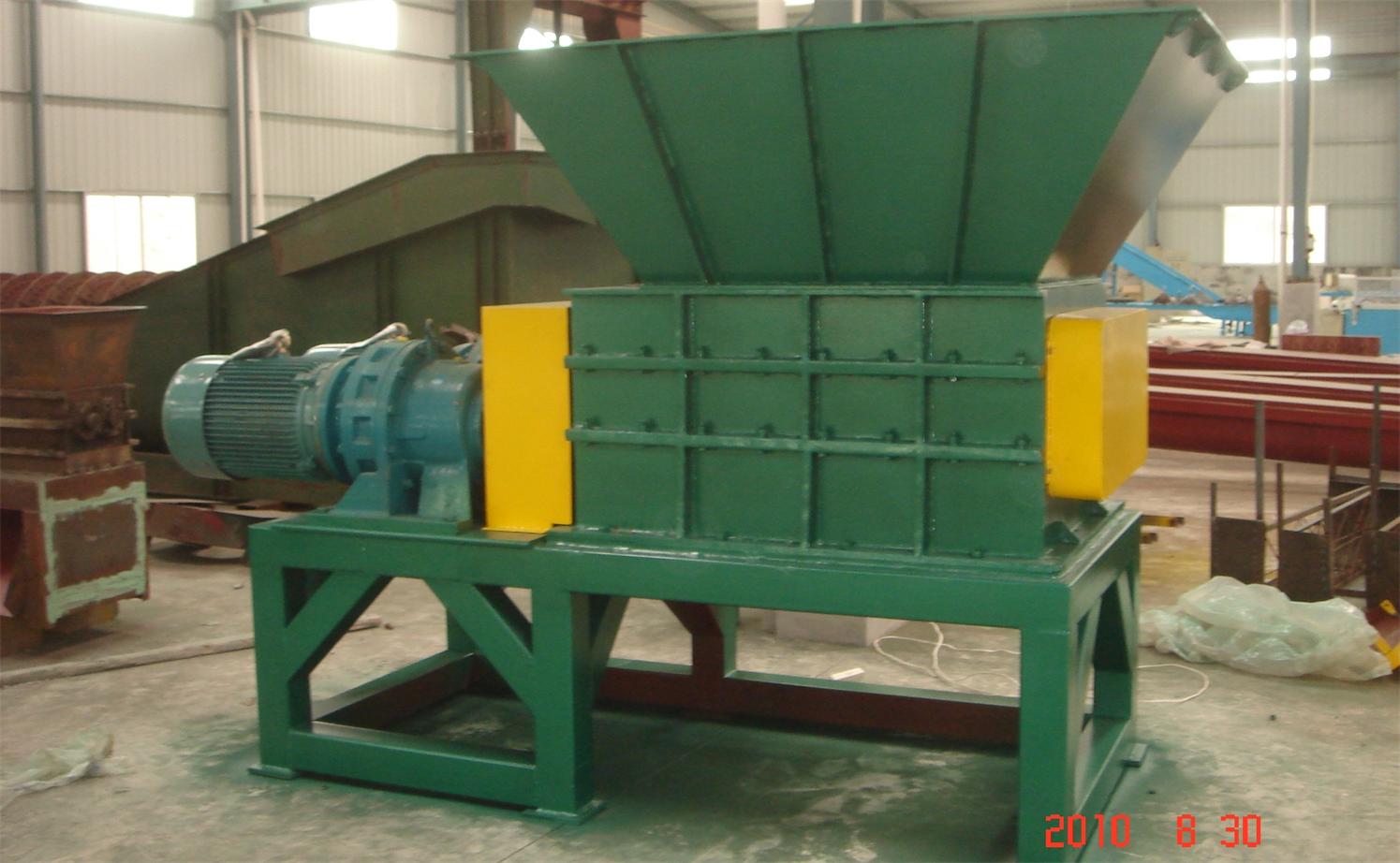
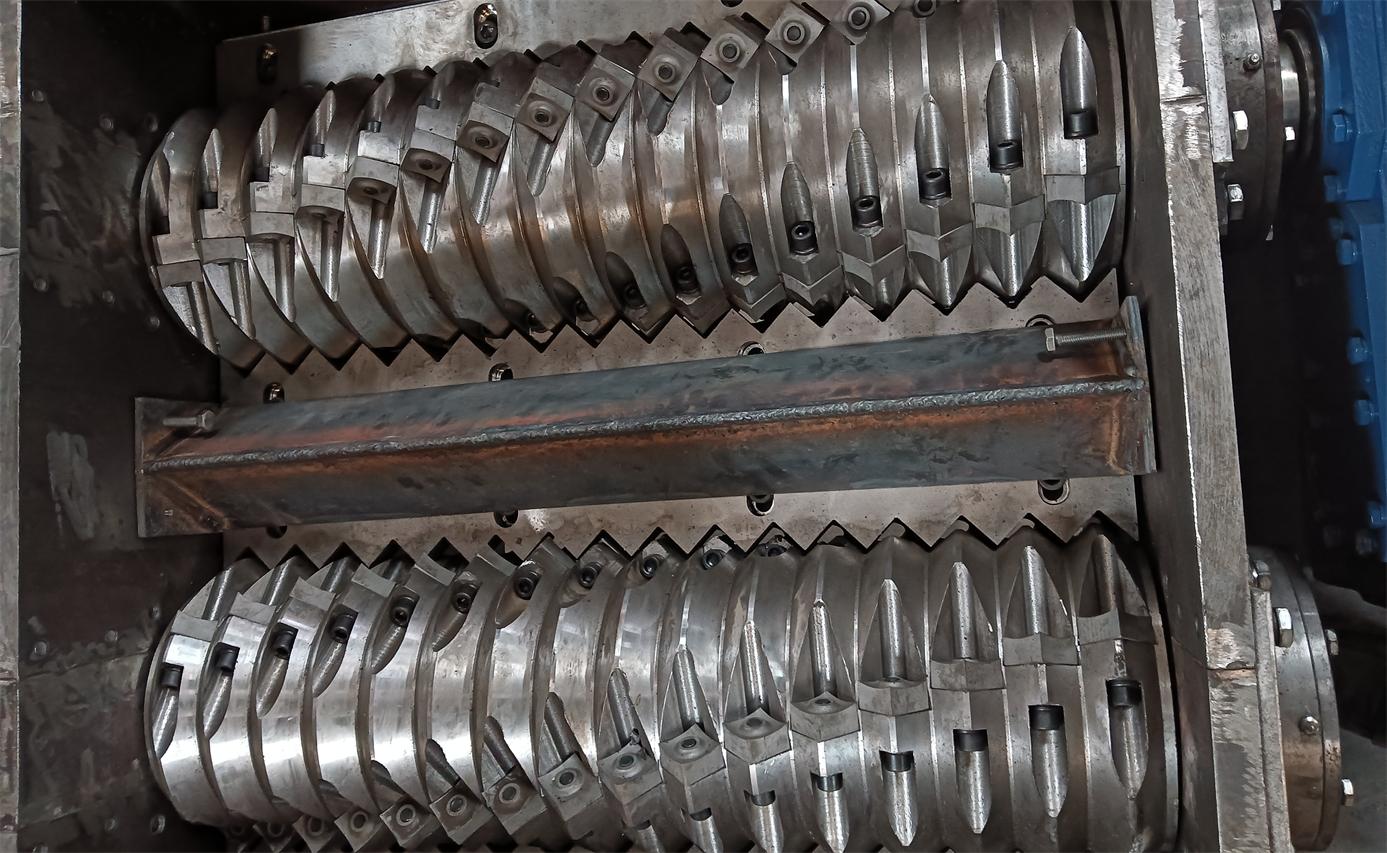
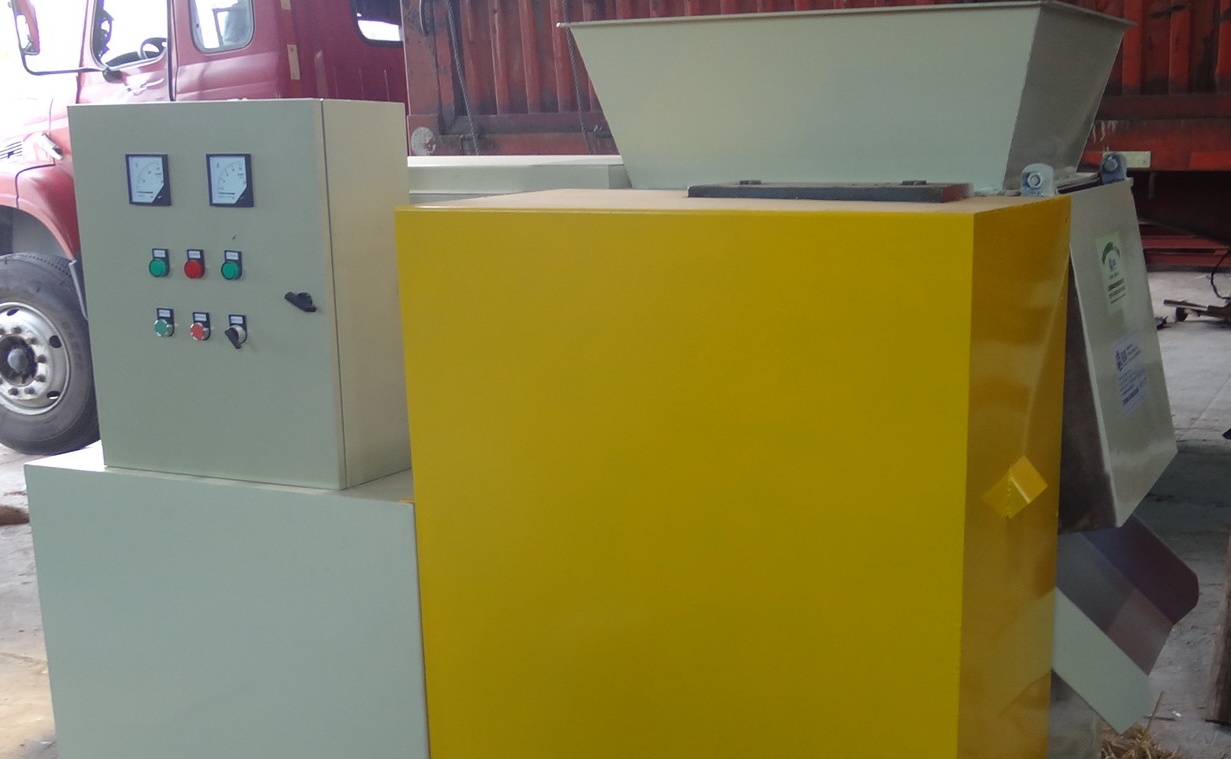
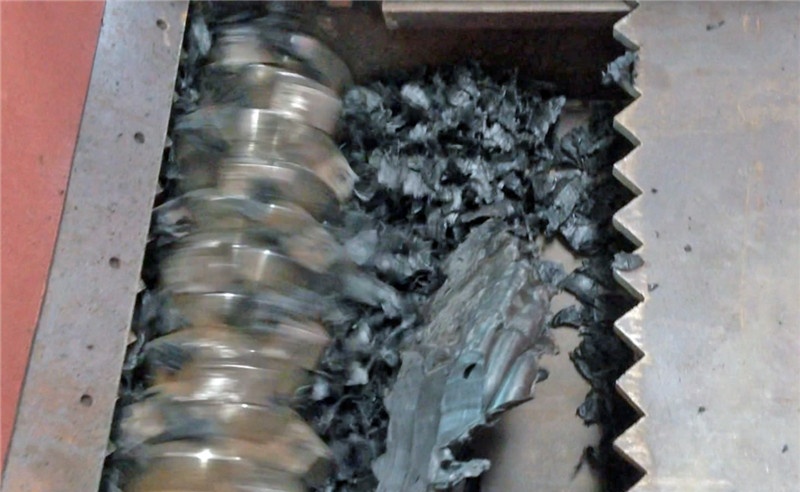
- Pre-processing – single, twin, and four-shaft shredders for size reduction before downstream separation
If a supplier only covers one or two categories, you will eventually need a second vendor. That means incompatible layouts, duplicated spare parts inventories, and conflicting technical advice.
Red Flags That Should Make You Walk Away
No reference installations you can visit. A supplier with zero running plants is an experiment, not a partner.
No engineering drawings before purchase. If they cannot show you a layout, they have not designed your plant.
Commissioning is "your responsibility." Installing industrial recycling equipment without factory supervision is a recipe for misalignment and safety hazards.
Pollution control is "optional." In most regions, it is legally mandatory. A vendor who treats it as optional is either inexperienced or dishonest.
Price is the only selling point. A 20% cheaper machine that runs at 60% capacity and needs a rebuild in eighteen months is not a bargain.
The Long Game
Recycling plant equipment should last ten to fifteen years. The relationship with your supplier should last just as long. Choose a vendor who treats your plant as a project, not a transaction. The right partner will ask about your business goals, your local regulations, and your operational constraints before quoting a single motor. They will deliver drawings, not just catalogs. They will supervise installation, not just drop-ship crates. And they will answer the phone when you call two years later with a process question.
San Lan Technologies Co., Ltd has been designing and manufacturing WEEE recycling machinery since 2007. With a technical team led by mechanical engineering masters and more than fifteen years of field experience, the company delivers EPC projects across cable recycling equipment, battery recycling lines, circuit board separation systems, and complete e-waste shredding and sorting plants. From customized design and one-stop procurement to installation, commissioning, and ongoing support, the focus is on making the plant work in the real world—not just on paper.
If you are planning a recycling plant or upgrading an existing line, start with a conversation about your feedstock and your targets. The right supplier will know what questions to ask.