Understanding the Lead Acid Battery Recycling Process
A complete lead acid battery recycling plant typically involves several key stages, each requiring specialized machinery to ensure maximum recovery rates and environmental compliance.
Step 1: Battery Breaking and Separation
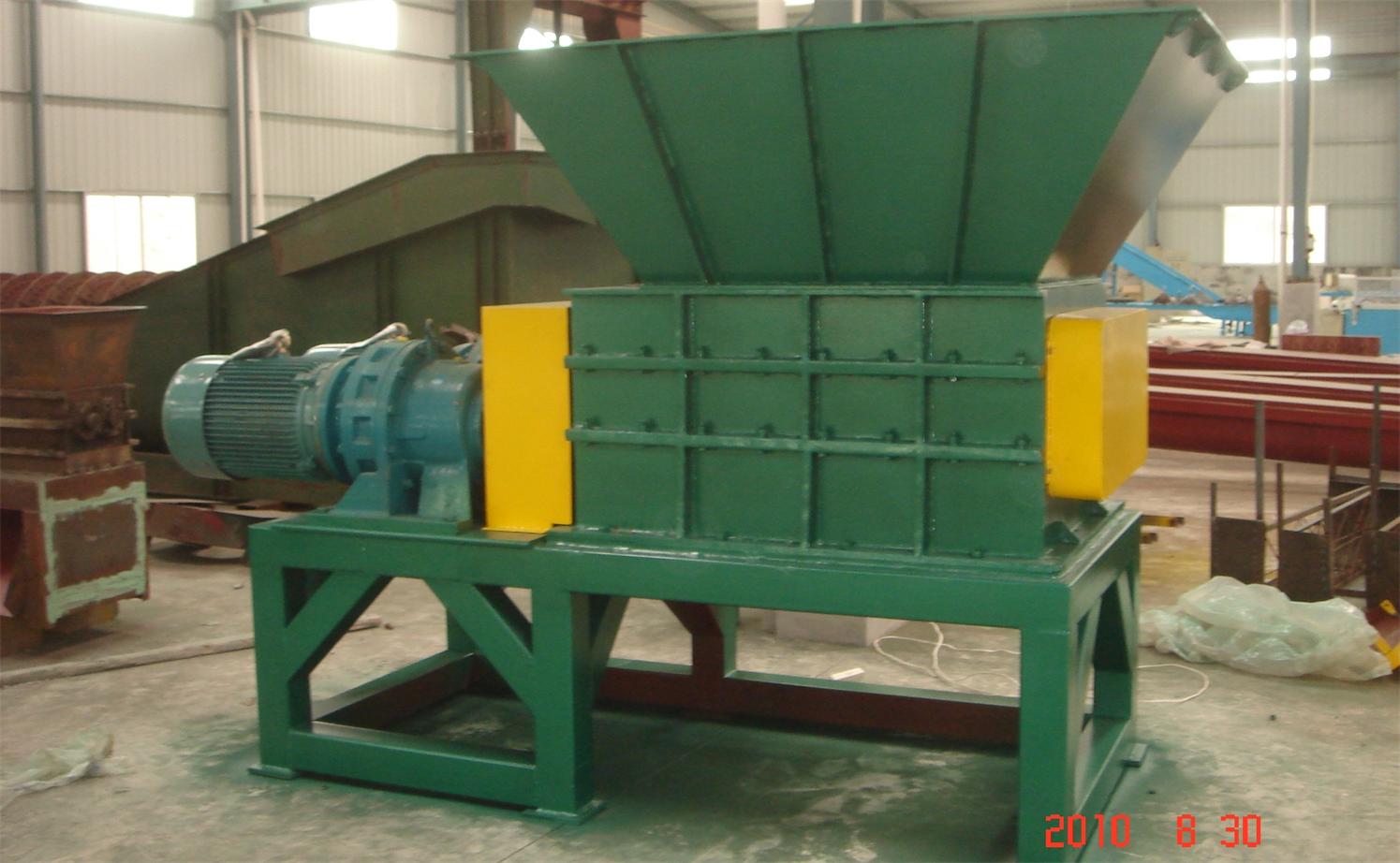
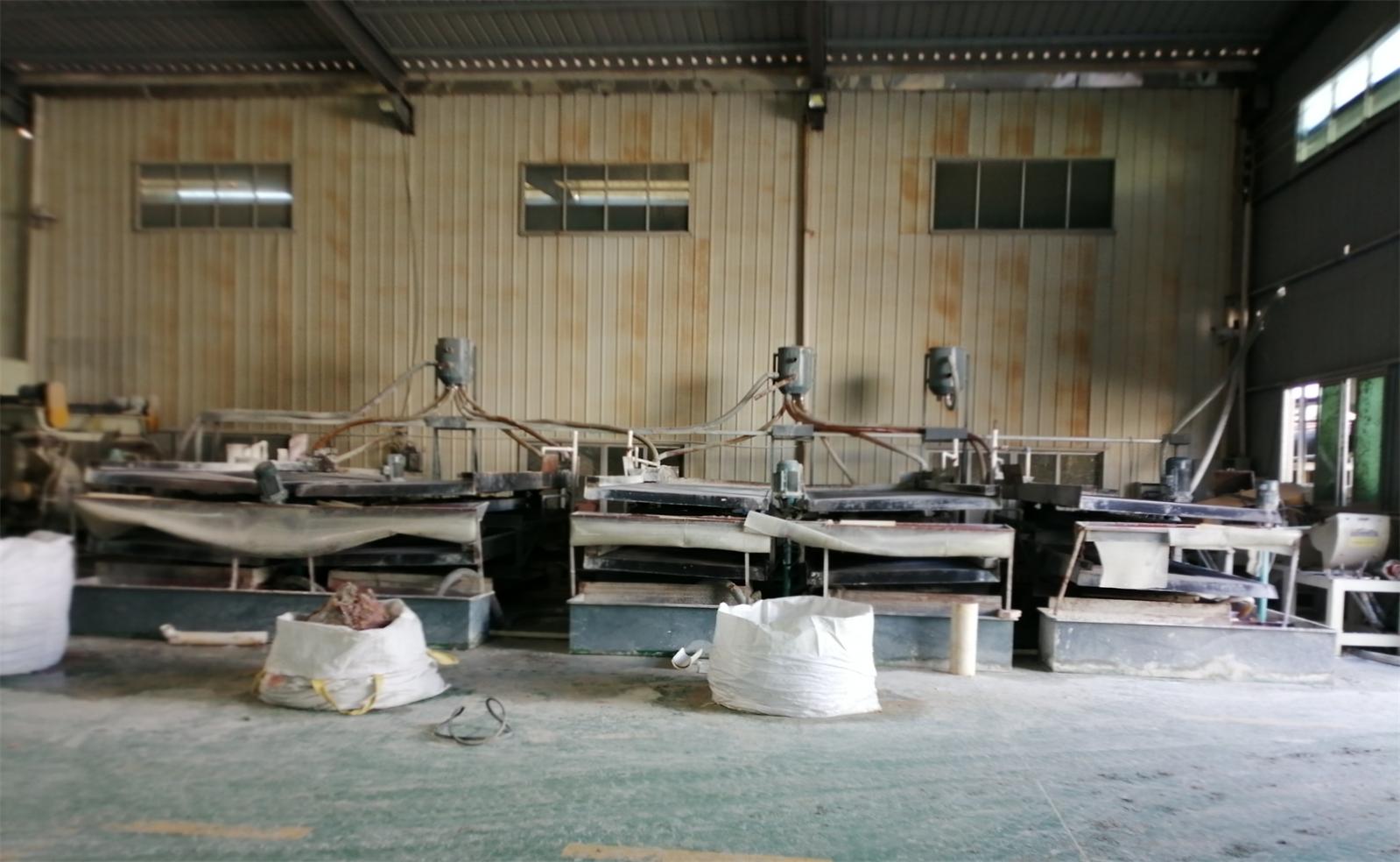
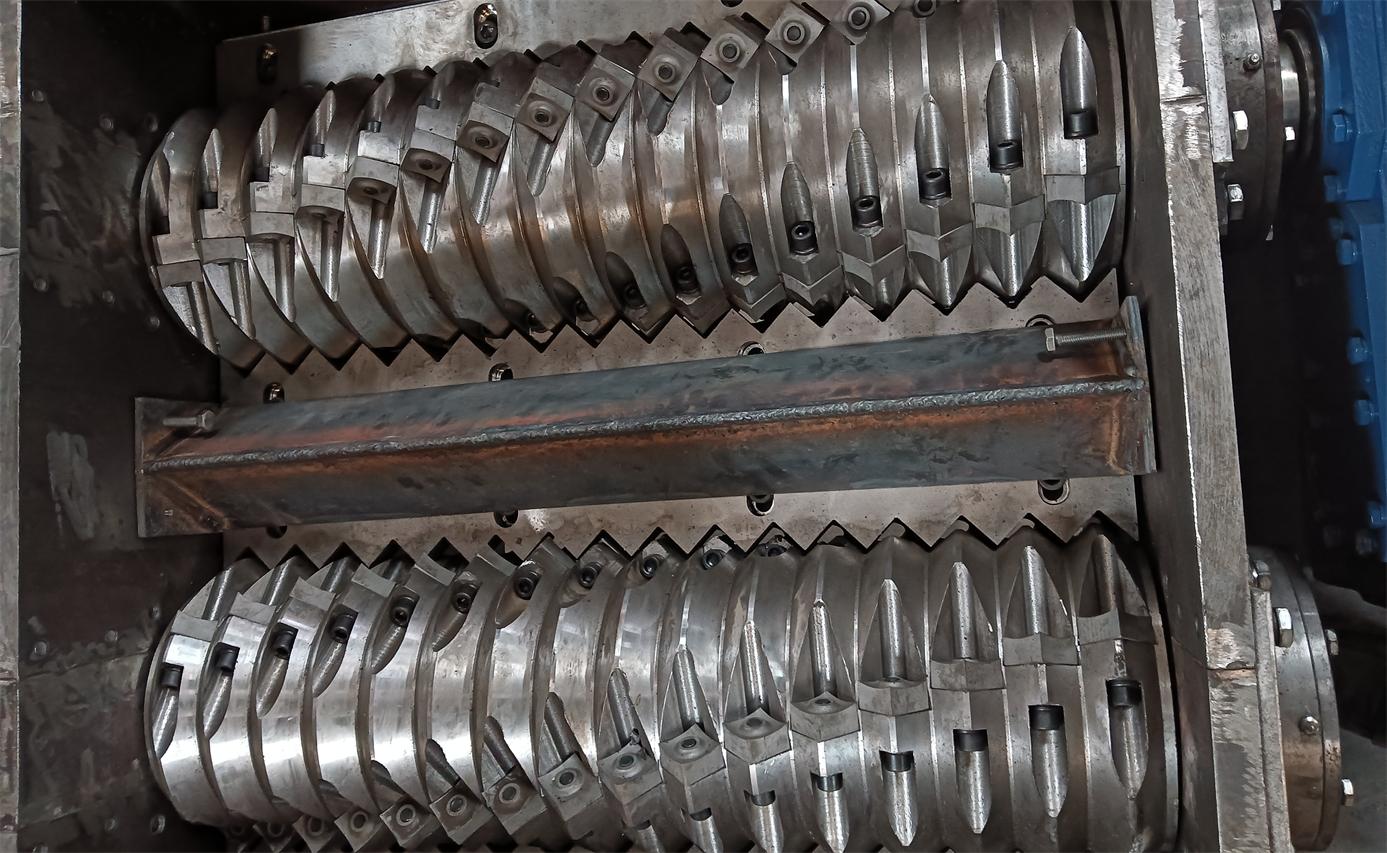
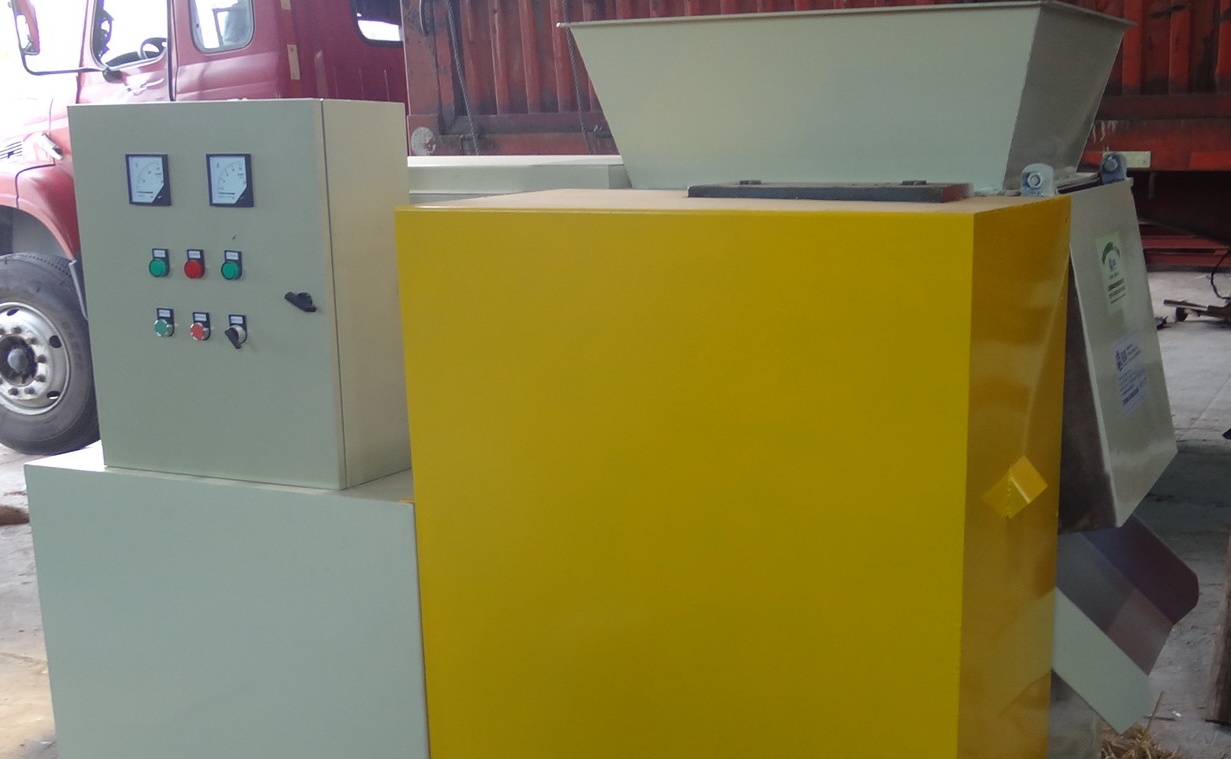
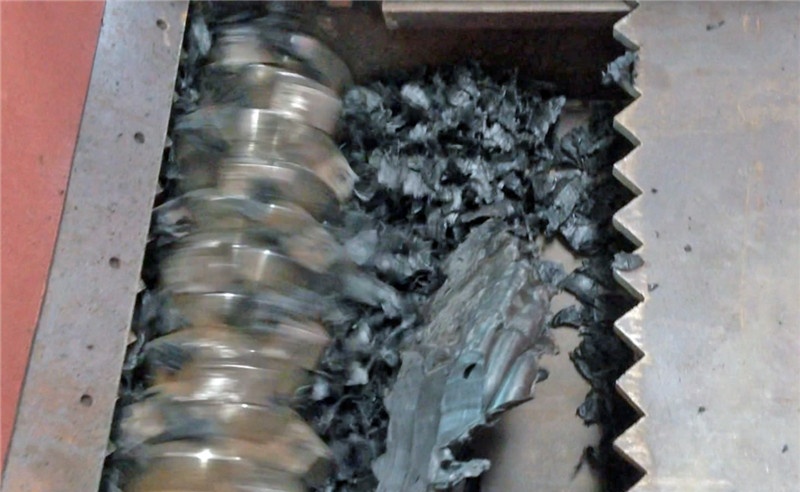
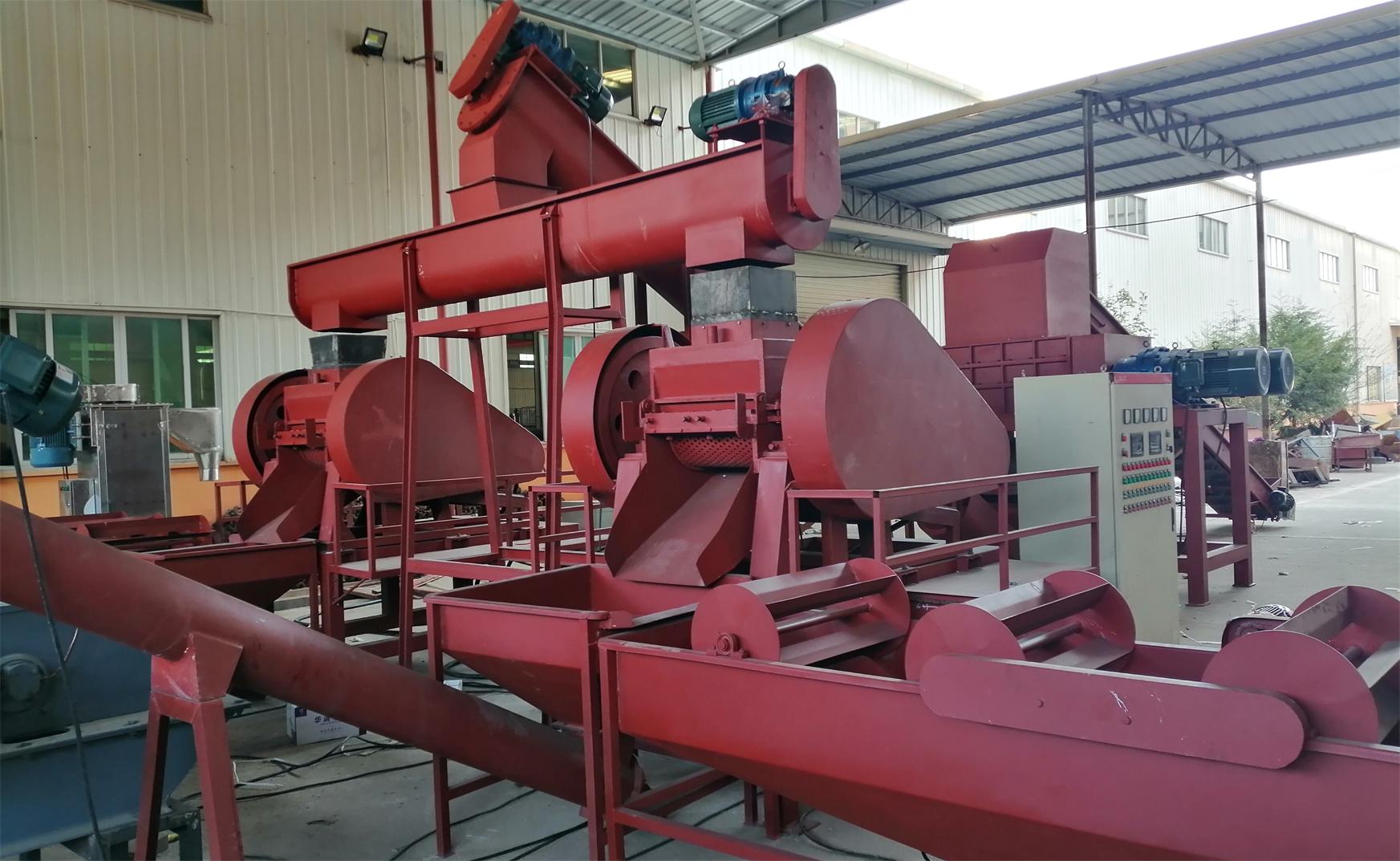
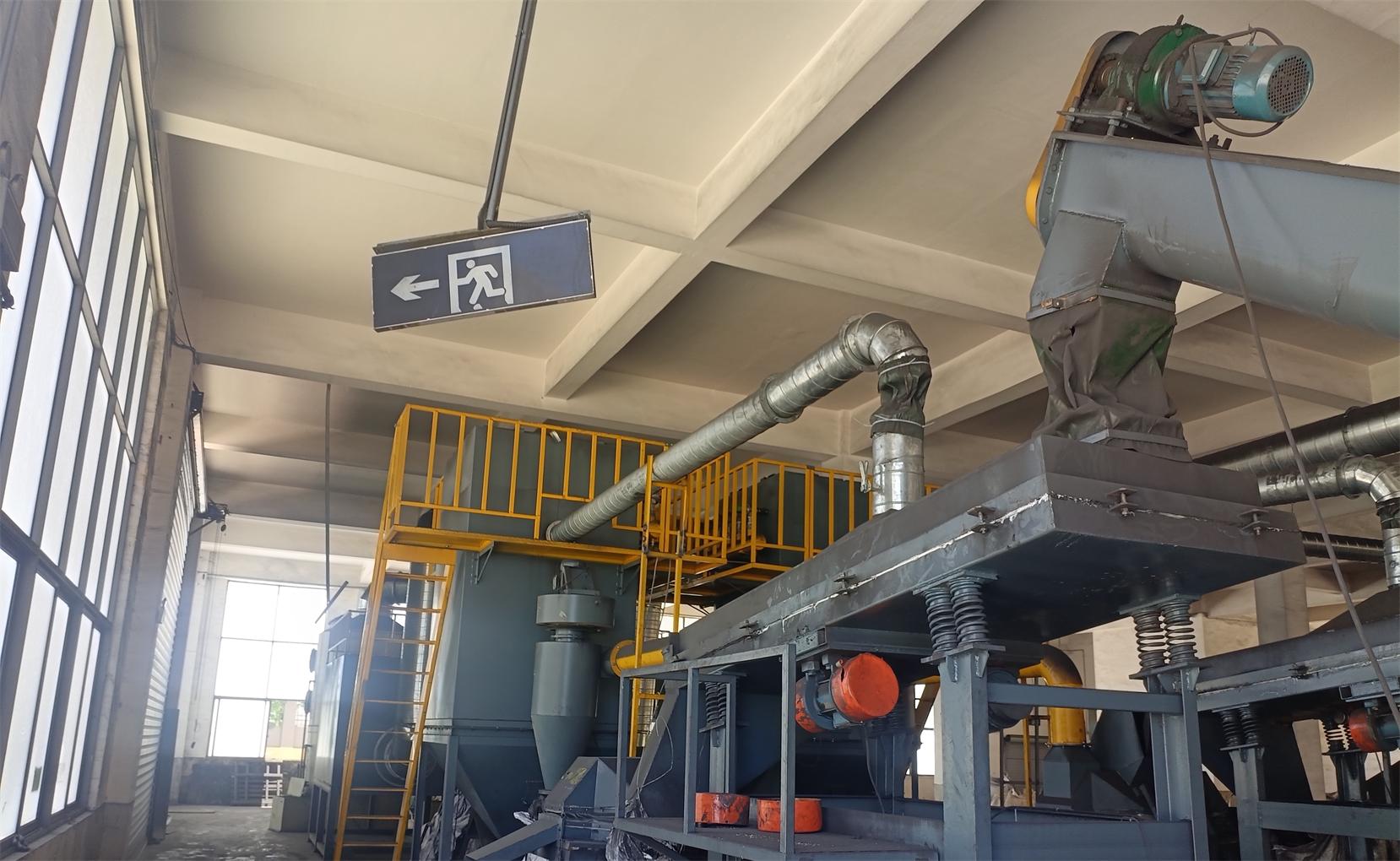
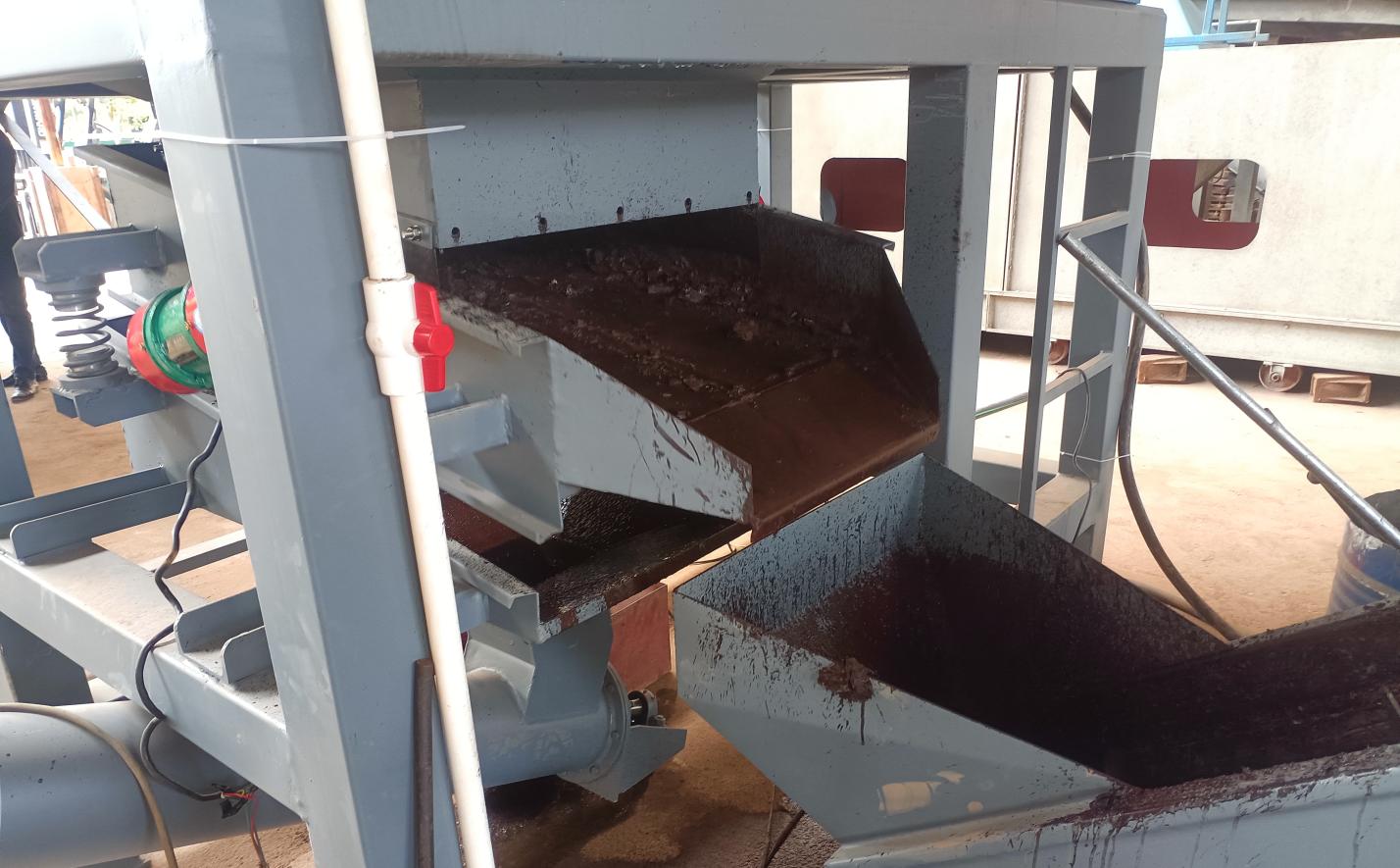
The process begins with breaking and separating used lead acid batteries. A high-efficiency lead acid battery breaking and separation system crushes the batteries and classifies the materials into four main fractions: lead paste, lead grids, plastic (PVC/PP), and hard rubber. Modern systems can handle capacities from 1 to 10 MT per hour, ensuring consistent throughput for both small and large-scale operations.
Step 2: Desulfurization
Before smelting, lead paste containing PbSO4 undergoes desulfurization. This critical step removes sulfur from the paste, reduces melting temperature, decreases SO2 emissions, and significantly saves energy and additives during the downstream smelting process.
Step 3: Smelting and Reduction
The treated lead paste is then fed into smelting furnaces. Rotary furnaces and blast (cupola) furnaces are commonly used for paste reduction. Rotary furnaces offer lead recovery rates higher than traditional blast furnaces, with batch capacities ranging from 2 to 20 MT. Blast furnaces can achieve a lead recovery rate of 95% with daily capacities of 40 to 100 MT.
Step 4: Lead Refining
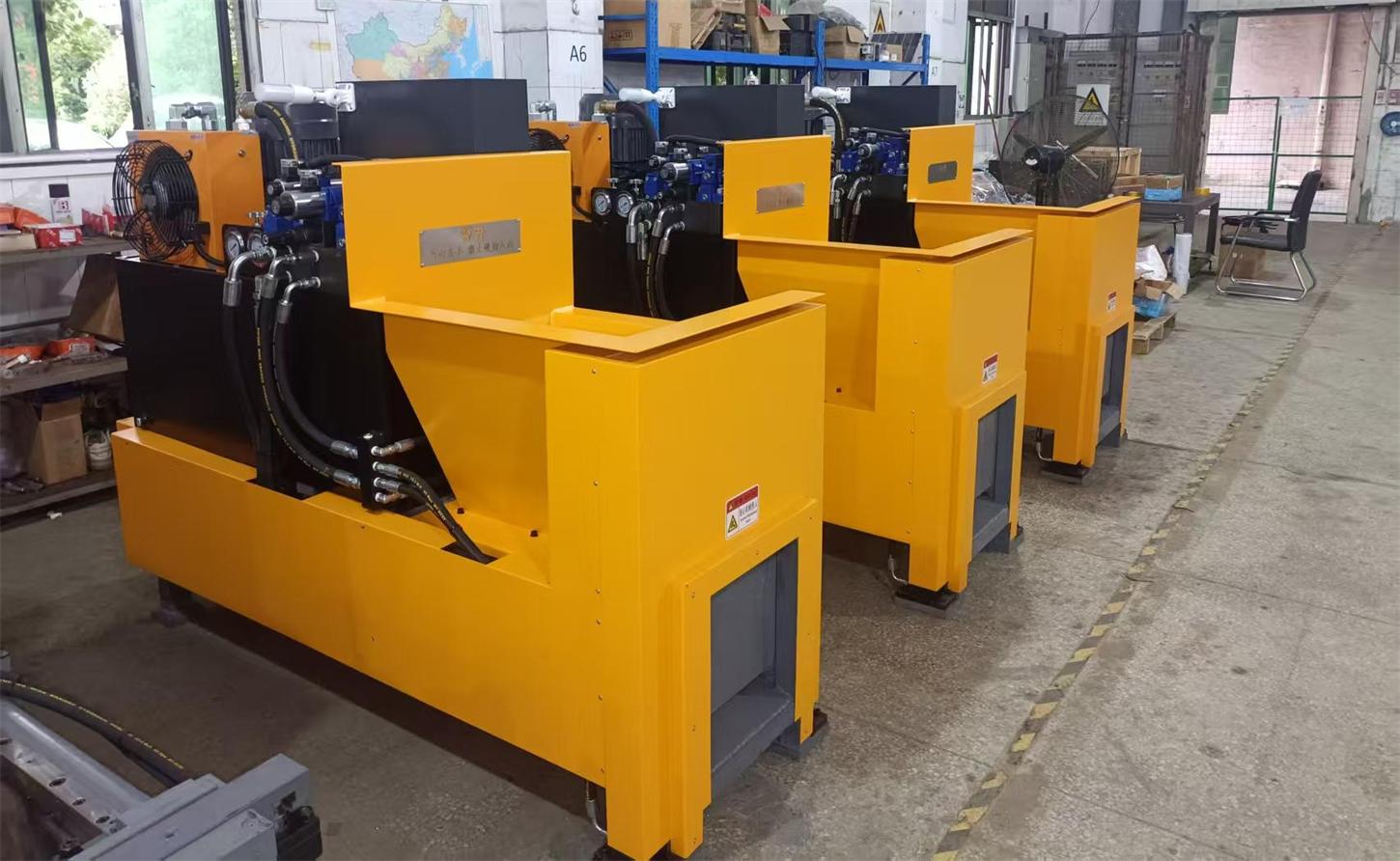
Crude lead from smelting requires further refining to reach commercial purity. A lead refinery machine such as a kettle furnace can refine crude lead to 99.999% purity. Advanced electric-heated refinery kettles use near-infrared heating technology, delivering energy savings of 30% to 50% compared to conventional fuel-heated systems.
Step 5: Environmental Protection
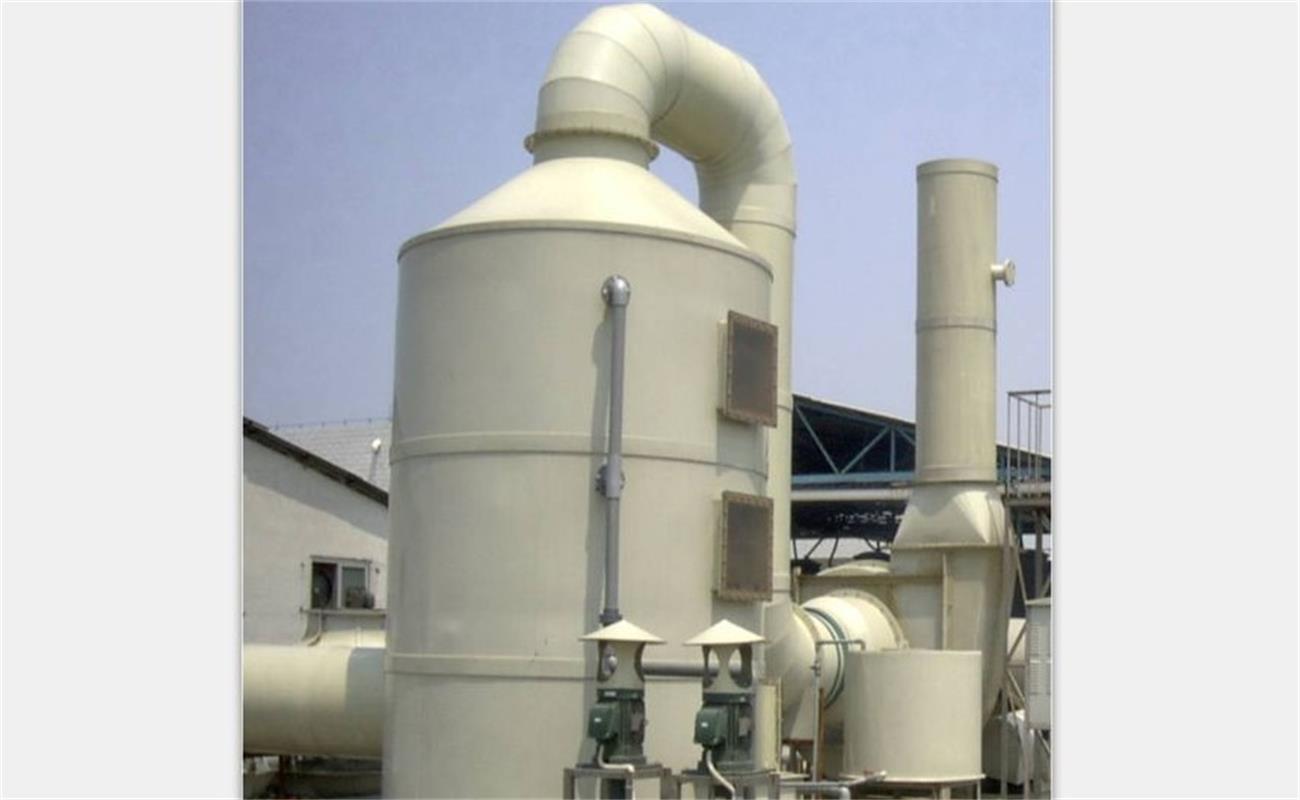
Comprehensive pollution control is essential for any modern recycling plant. This includes air pollution control machines to purify exhaust gases from furnaces and refinery kettles, as well as water treatment plants to neutralize acidic wastewater generated during the breaking and separation process. These systems ensure the facility meets local and international environmental standards.
Key Equipment Specifications at a Glance
| Equipment | Capacity | Key Feature |
|---|---|---|
| Battery Breaking and Separation System | 1–10 MT/hour | Separates acid, lead paste, grids, and plastic |
| Rotary Furnace for Paste Reduction | 2–20 MT/batch | Higher recovery rate than blast furnace |
| Blast (Cupola) Furnace | 40–100 MT/24h | 95% lead recovery rate, max 1800°C |
| Lead Refinery Kettle Furnace | Variable | Refines to 99.999% purity |
| Air Pollution Control System | Custom | Meets environmental emission requirements |
Why Partner with an Experienced Equipment Manufacturer
Selecting a reliable equipment supplier goes beyond purchasing machines. An experienced manufacturer provides end-to-end support that significantly reduces project risk and accelerates return on investment.
- Turnkey EPC Solutions: Engineering, procurement, and construction services with customized plant design and one-stop purchasing.
- Installation and Commissioning: Professional supervision during plant erection and startup to ensure smooth operation from day one.
- Raw Material Sourcing Assistance: Help with purchasing waste materials such as cable scrap, PCB scrap, and used lead acid batteries.
- Product Sales Support: Assistance in selling recycled outputs including copper rice, copper powder, and lead ingots.
- Investor and Partnership Matching: Support in finding investors and construction partners for recycling plant projects.
- Operational Training: Comprehensive training for personnel on equipment operation, maintenance, and safety protocols.
Global Experience That Builds Trust
Established in 2007, San Lan Technologies Co., Ltd has built a solid reputation as a professional manufacturer of WEEE recycling machines and mining equipment. With customers spanning more than 21 countries including Singapore, Colombia, Vietnam, Mexico, Argentina, Korea, Malaysia, Indonesia, South Africa, Tunisia, India, Kenya, Saudi Arabia, Philippines, Zambia, and Israel, the company brings extensive international project experience to every engagement.
The technical team holds master's degrees in mechanical engineering and possesses over 15 years of hands-on experience in e-waste recycling machine design and application. This deep expertise ensures that every plant is engineered for reliability, efficiency, and long-term profitability.
Conclusion
Building a profitable lead acid battery recycling plant requires more than individual machines. It demands an integrated system designed for high recovery rates, strict environmental compliance, and scalable production. By partnering with an established equipment manufacturer that offers turnkey solutions, technical consultancy, and ongoing operational support, recyclers can minimize risk, accelerate project timelines, and maximize returns in the growing circular economy.
Ready to start your lead acid battery recycling project? Contact San Lan Technologies Co., Ltd today to discuss your requirements. Email us at info@san-lan.com or reach us via WhatsApp at +86 139 2377 4083. Our team is ready to provide customized solutions tailored to your capacity, budget, and local regulatory environment.