How to Build a Profitable E-Waste Recycling Plant with Turnkey Equipment Solutions
Electronic waste is one of the fastest-growing waste streams globally, yet a significant portion still lacks formal recycling channels. This gap represents both an environmental crisis and a significant business opportunity. For investors and entrepreneurs looking to enter the circular economy, establishing a professional e-waste recycling facility offers long-term profitability while addressing a critical global need. The key to success lies in choosing the right equipment partner—one who delivers not just machines, but complete, customized solutions.
Why the Right Equipment Matters
E-waste contains valuable materials including copper, aluminum, lead, lithium, and precious metals. However, extracting these resources safely and efficiently requires specialized machinery. Traditional manual dismantling is slow, hazardous, and increasingly restricted by environmental regulations. Automated recycling lines, by contrast, can process tons of material per hour while meeting strict emission and safety standards.
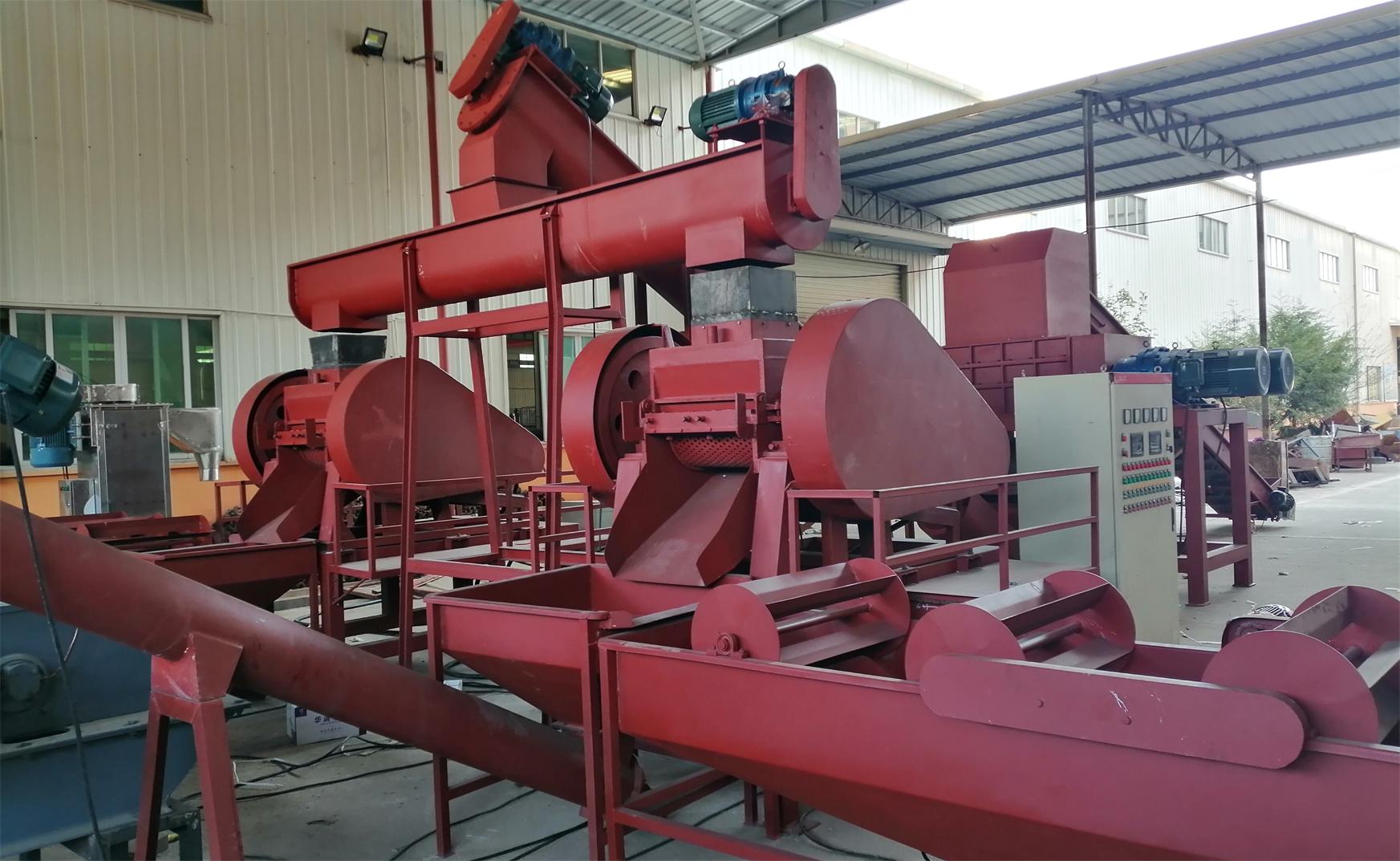
A well-designed recycling plant must handle diverse feedstock—from used batteries and scrap cables to discarded circuit boards and refrigerator components. Each material stream demands specific breaking, separating, and refining technologies. Investing in integrated, modular systems allows operators to start with core capabilities and expand as market demand grows.
Core Recycling Solutions for Modern Facilities
Lead Acid Battery Recycling
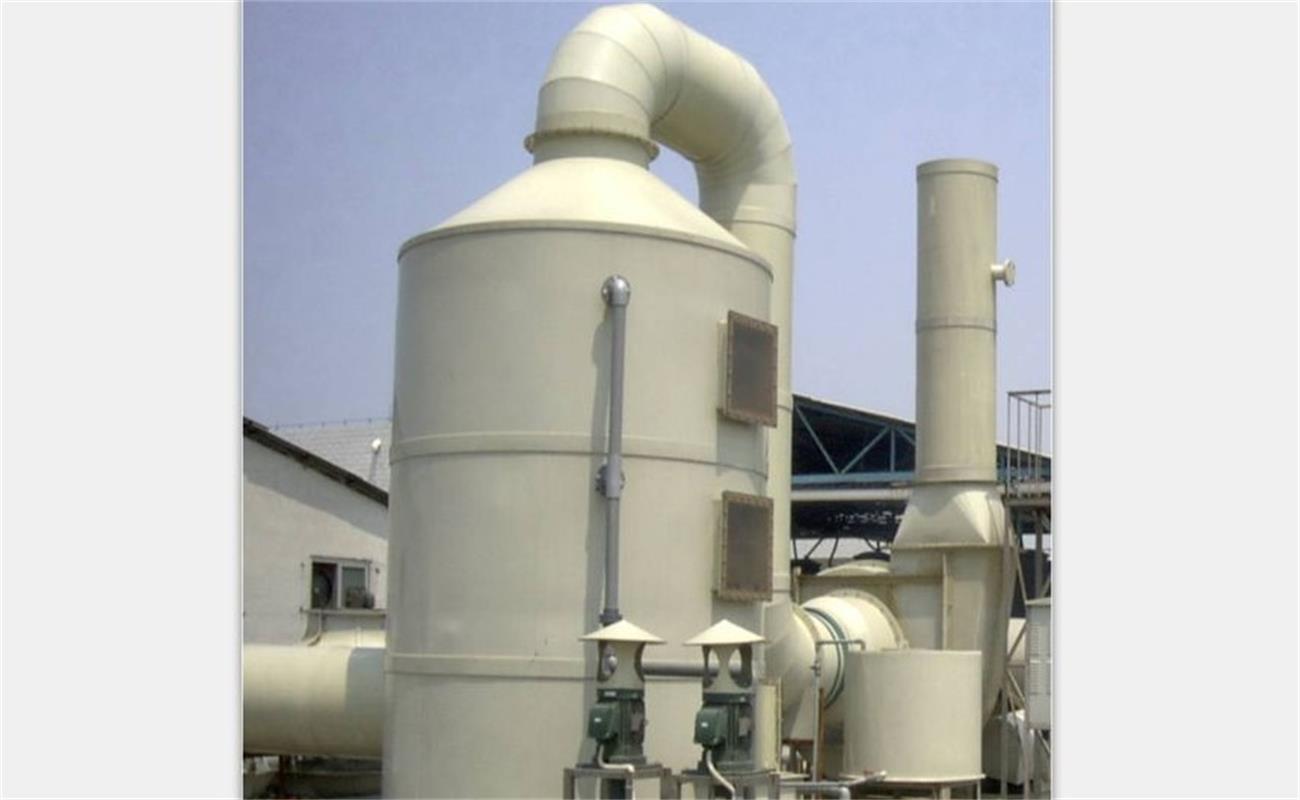
Used lead acid batteries remain one of the most recycled consumer products globally, with recovery rates exceeding 95% in well-managed systems. A complete lead acid battery recycling equipment line typically includes battery breaking and separation systems, paste desulfurization units, rotary furnaces or blast furnaces for smelting, lead refinery kettles, and air pollution control systems.
Modern plants can achieve capacities of 1–10 metric tons per hour. Advanced de-sulfurization technology reduces melting temperatures, cuts SO₂ emissions, and lowers energy consumption. Near-infrared electric heating refinery kettles can save 30–50% energy compared with conventional fuel-heated models. The result is high-purity lead ingots (up to 99.999%) ready for resale to battery manufacturers.
Lithium Battery Recycling
As electric vehicles and portable electronics proliferate, spent lithium-ion batteries have become the fastest-growing waste stream in the recycling sector. A standard lithium battery recycling plant handles discharging, pre-crushing, secondary granulation, magnetic separation, and fine separation of black mass containing nickel, cobalt, and graphite.
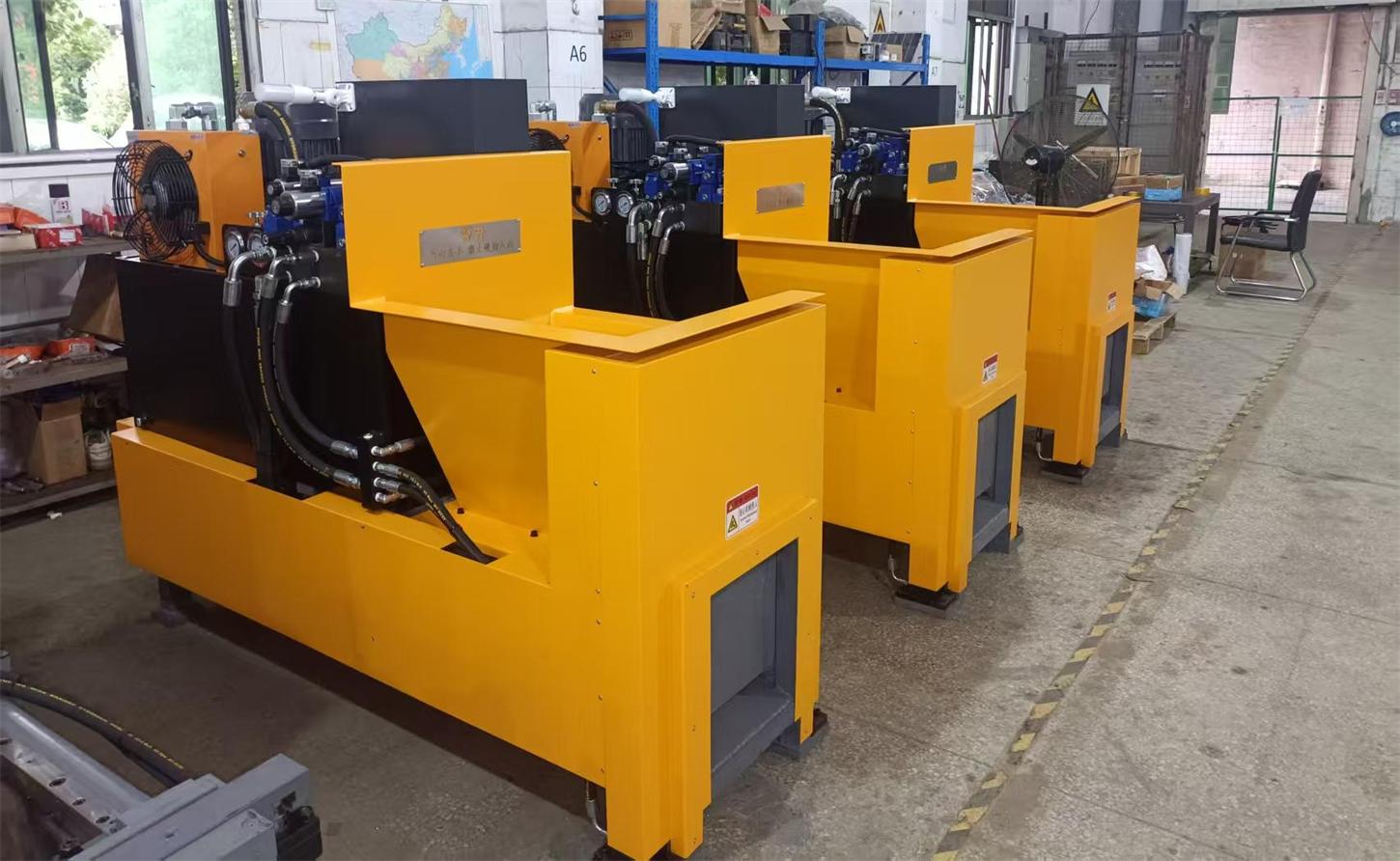
Capacities range from 500 to 2,500 kg per hour. Integrated air pollution control systems neutralize harmful gases before emission, while pneumatic conveying and hydraulic briquetting systems compact plastic separator film into transportable blocks. With proper configuration, operators recover copper, aluminum, plastic, and critical battery-grade black mass for resale or further refining.
Cable and Wire Recycling
Scrap cables represent a high-value feedstock because copper and aluminum content is concentrated and easy to separate from plastic insulation. Cable recycling equipment includes scrap cable strippers for large-diameter wire, compact granulators with dry separators for mixed cable scrap, and wet separation plants for jelly-filled or complex cables.
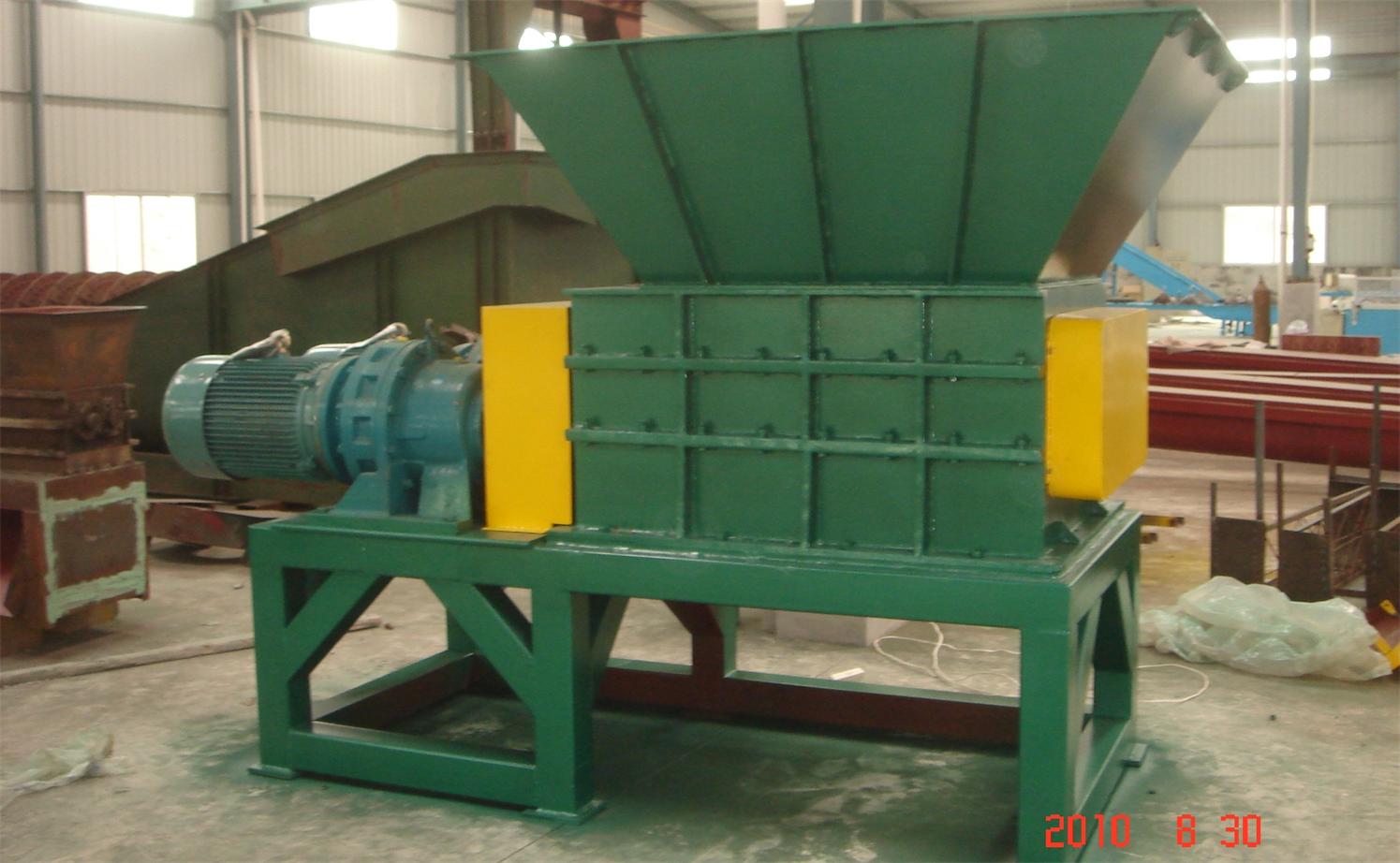
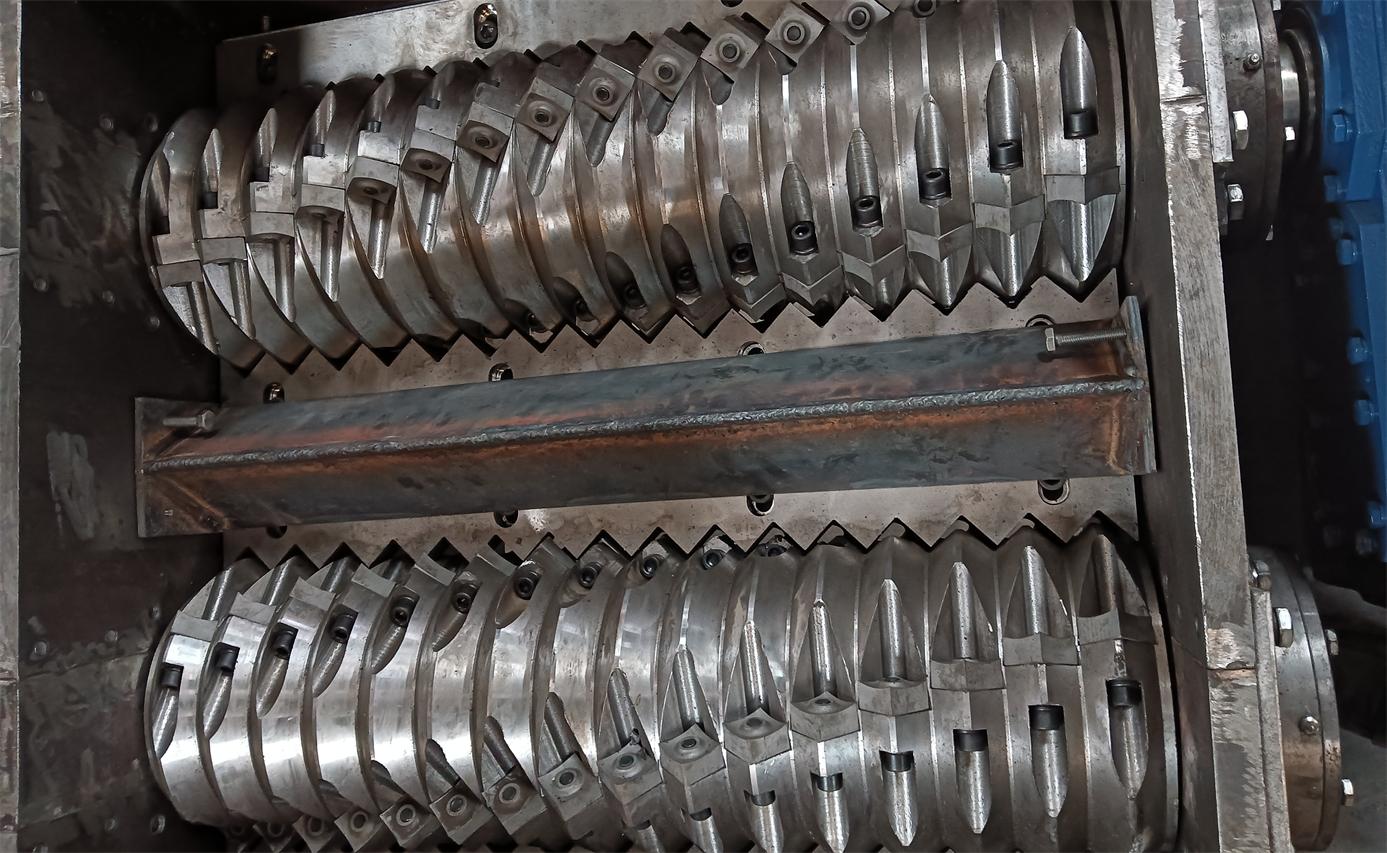
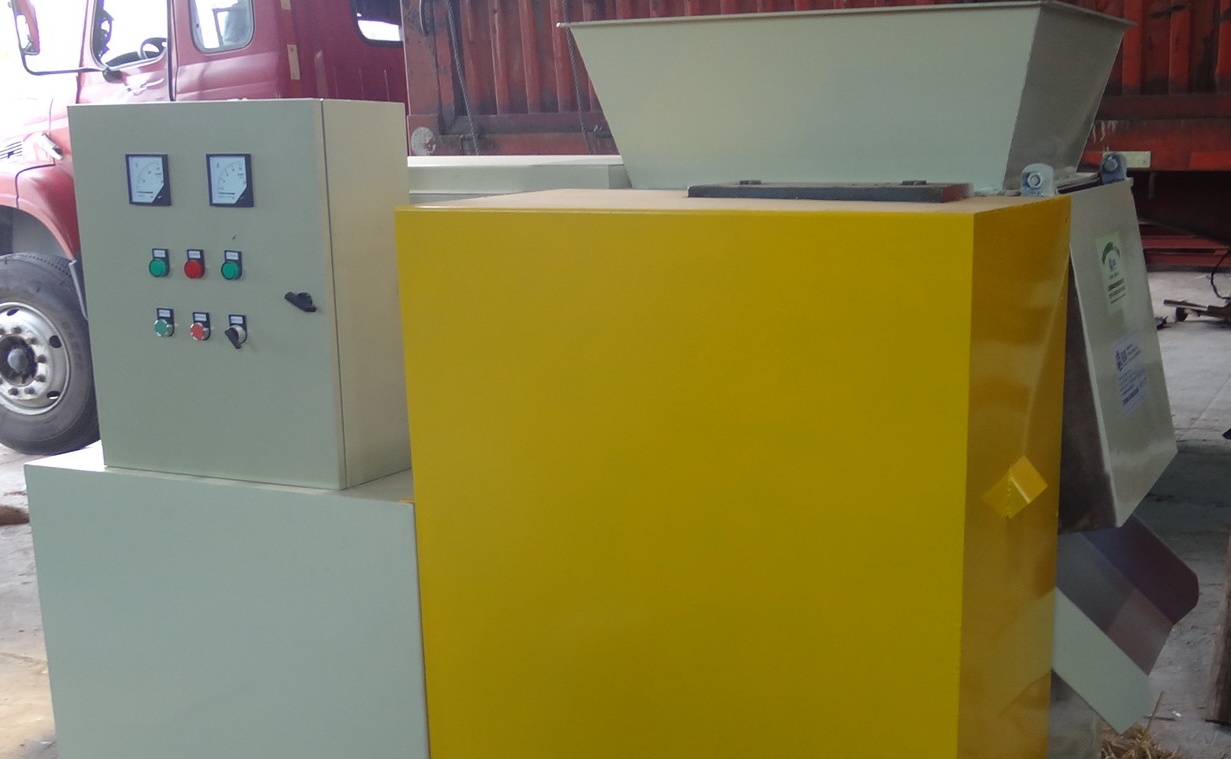
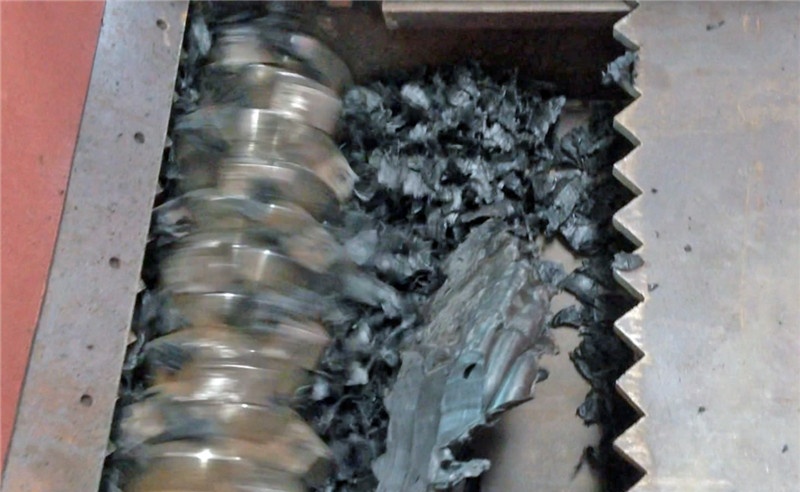
Dry separation systems using air classifiers and electrostatic separators achieve copper powder purity of 96–98% with recovery rates around 95%. Compact granulators process 100–1,200 kg per hour, making them suitable for both small workshops and industrial-scale operations. Pre-shredding with single or twin-shaft shredders improves downstream separation efficiency and protects granulator blades from damage.
Circuit Board Recycling
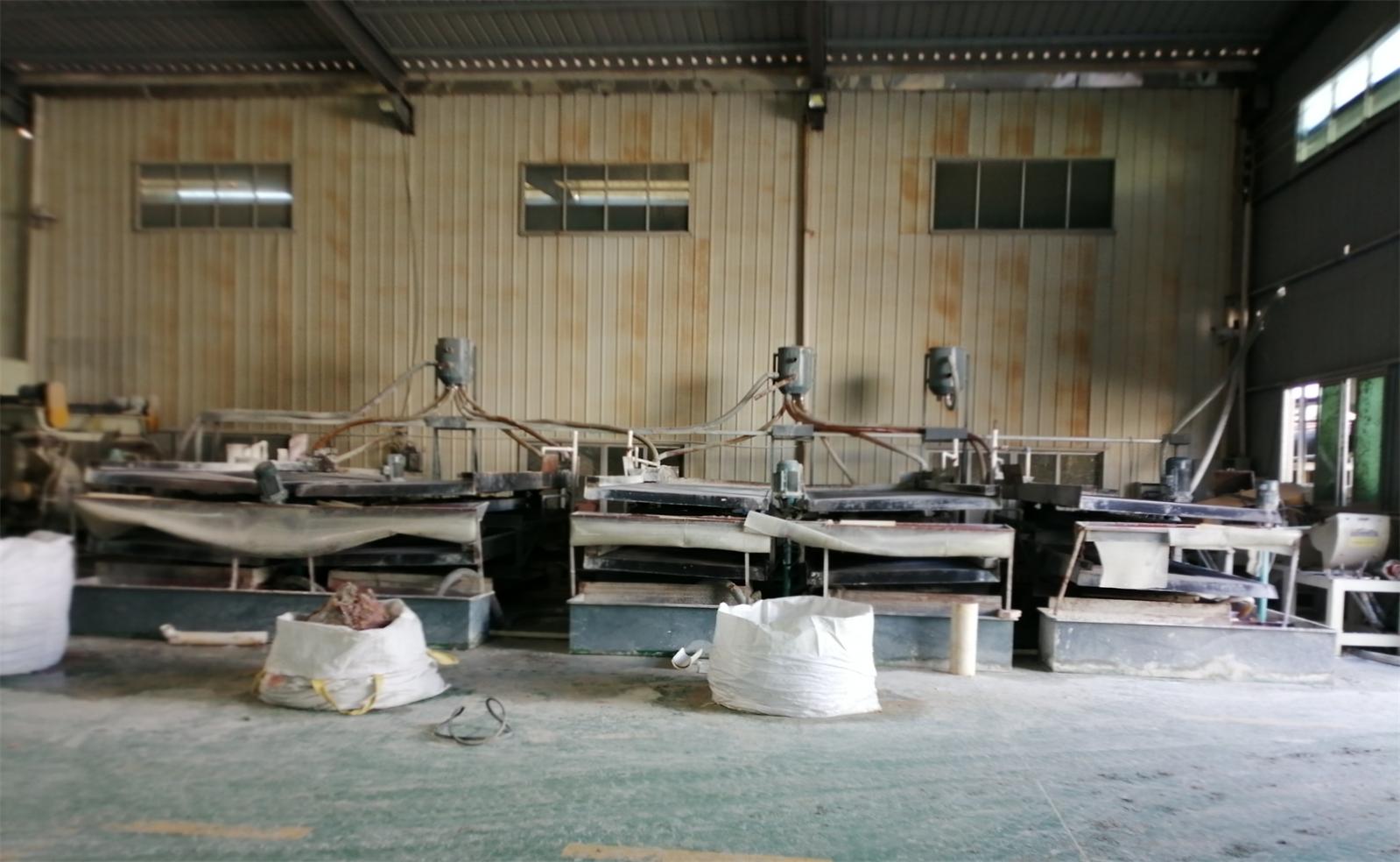
Printed circuit boards contain copper, precious metals, and reusable non-metal resin. Circuit board recycling equipment uses mechanical crushing combined with air or wet separation to recover metal powder without chemical pollution. Wet separation systems can even process boards still carrying electronic components, offering flexibility for varied feedstock.
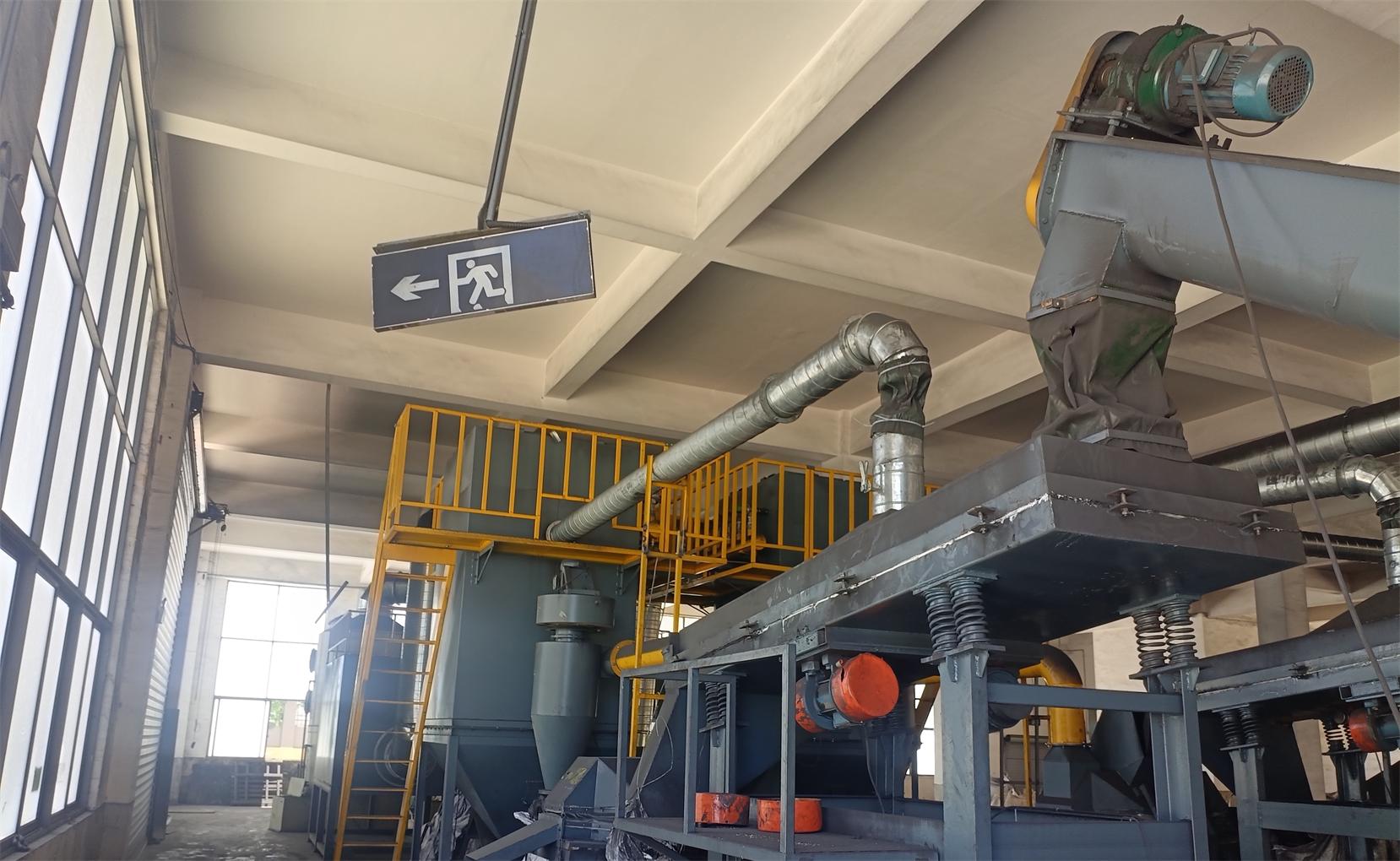
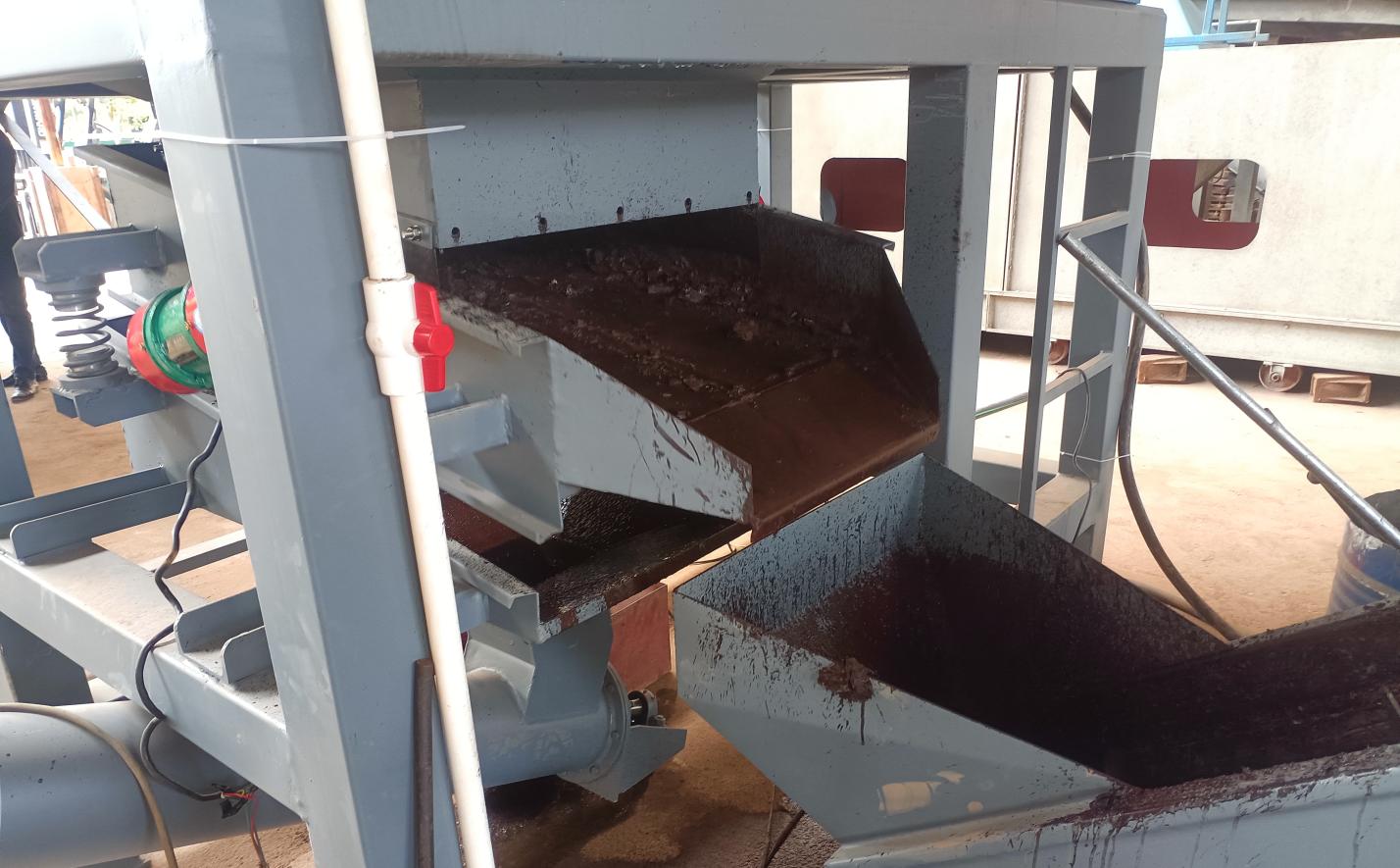
Plants range from 300 kg/hour bench-top units to 2,000 kg/hour industrial lines. Multi-stage separation—including air classifiers, vibrating screens, cyclone separators, and pulse-bag dust collectors—ensures high recovery rates and clean working environments. Daily throughputs of 4–6 metric tons per eight-hour shift are common for mid-size installations.
Beyond Single Machines: Turnkey EPC Services
Selecting individual machines is only the first step. Building a profitable recycling plant requires engineering design, procurement coordination, installation, commissioning, and ongoing technical support. Experienced manufacturers offer EPC (Engineering, Procurement, Construction) project services that streamline this complex process.
A strong equipment partner should also provide value-added services such as:
- Customized plant layout design based on local site conditions and raw material supply
- Assistance sourcing waste feedstock (cable scrap, PCB scrap, used batteries)
- Support selling recovered products (copper rice, lead ingots, aluminum granules)
- Operator training and maintenance guidance
- Expansion planning as production scales
Bilingual technical teams with deep mechanical engineering expertise and over 15 years of field experience can bridge cultural and technical gaps, ensuring projects run smoothly from concept to full operation.
Proven Global Track Record
Reliability is best demonstrated through real-world performance. Established recycling equipment suppliers have installed plants across more than 20 countries, serving markets in Southeast Asia, Latin America, Africa, the Middle East, and Eastern Europe. These installations cover diverse regulatory environments, power standards, and raw material types, proving the adaptability of modern recycling systems.
Customers range from small entrepreneurs launching their first cable granulation line to large industrial groups building integrated battery recycling complexes. Case studies and factory visit records show that successful projects share common traits: robust equipment, thorough operator training, and responsive after-sales support.
Making the Investment Decision
Entering the recycling industry requires capital, planning, and the right partnerships. When evaluating equipment suppliers, consider:
- Technical depth: Does the manufacturer offer complete lines or only isolated machines?
- Customization: Can power supply, capacity, control language, and layout be adapted to local needs?
- Environmental compliance: Do systems include dust collection, effluent treatment, and exhaust gas purification?
- Service network: Is on-site installation, commissioning, and spare parts support available?
The shift toward circular resource management is irreversible. Governments are tightening e-waste regulations, raw material prices remain volatile, and public awareness of environmental responsibility continues to rise. Companies that establish efficient, compliant recycling capacity now will be positioned to capture market share for decades.
Start Your Recycling Project Today
San Lan Technologies Co., Ltd. has specialized in WEEE recycling machinery and mining equipment since 2007. With a comprehensive product portfolio covering lead acid battery recycling lines, lithium battery recovery plants, cable granulation systems, circuit board separation equipment, shredders, and auxiliary machinery, San Lan delivers turnkey solutions tailored to each client's feedstock, capacity targets, and budget.
Contact the technical team today to discuss your project requirements, request a detailed quotation, or schedule a virtual factory tour. With the right equipment partner, turning waste into valuable resources is not just environmentally responsible—it is genuinely profitable.