The global e-waste recycling market is projected to reach $145 billion by 2030, driven by the explosive growth of electronic devices and increasingly strict environmental regulations worldwide. Yet, despite this massive opportunity, many entrepreneurs and investors struggle to identify the right equipment and partners to build a profitable recycling operation. The difference between success and failure often comes down to one critical decision: choosing a reliable equipment supplier that offers complete, integrated solutions.
Why E-Waste Recycling Represents a High-Growth Opportunity
Electronic waste is now the fastest-growing waste stream globally. From discarded smartphones and laptops to end-of-life batteries and industrial cables, the volume of recoverable materials continues to surge. What many overlook is that e-waste is not merely waste—it is a concentrated source of valuable metals including copper, gold, silver, lead, and lithium. One tonne of mobile phone circuit boards contains more gold than a tonne of high-grade mined ore.
For business owners, this translates into a dual opportunity: addressing an urgent environmental challenge while extracting substantial economic value. However, realizing this potential requires more than basic machinery. It demands a comprehensive recycling system tailored to specific feedstock types.
Three Core Recycling Lines Every Plant Should Consider
When planning an e-waste recycling facility, focusing on the right equipment categories is essential. Based on global market demand and metal recovery economics, three segments stand out as the most profitable entry points.
Lead Acid Battery Recycling Equipment
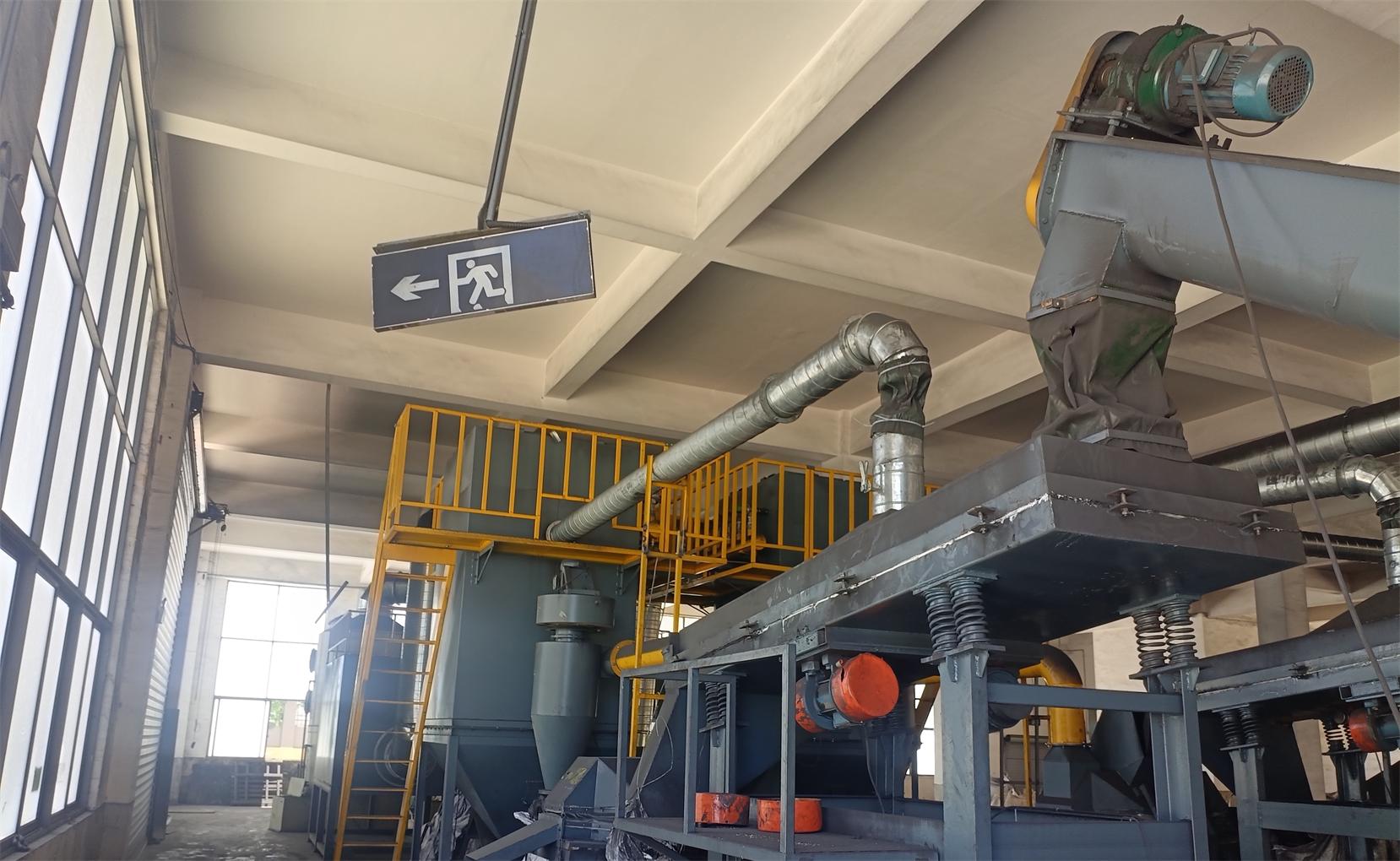
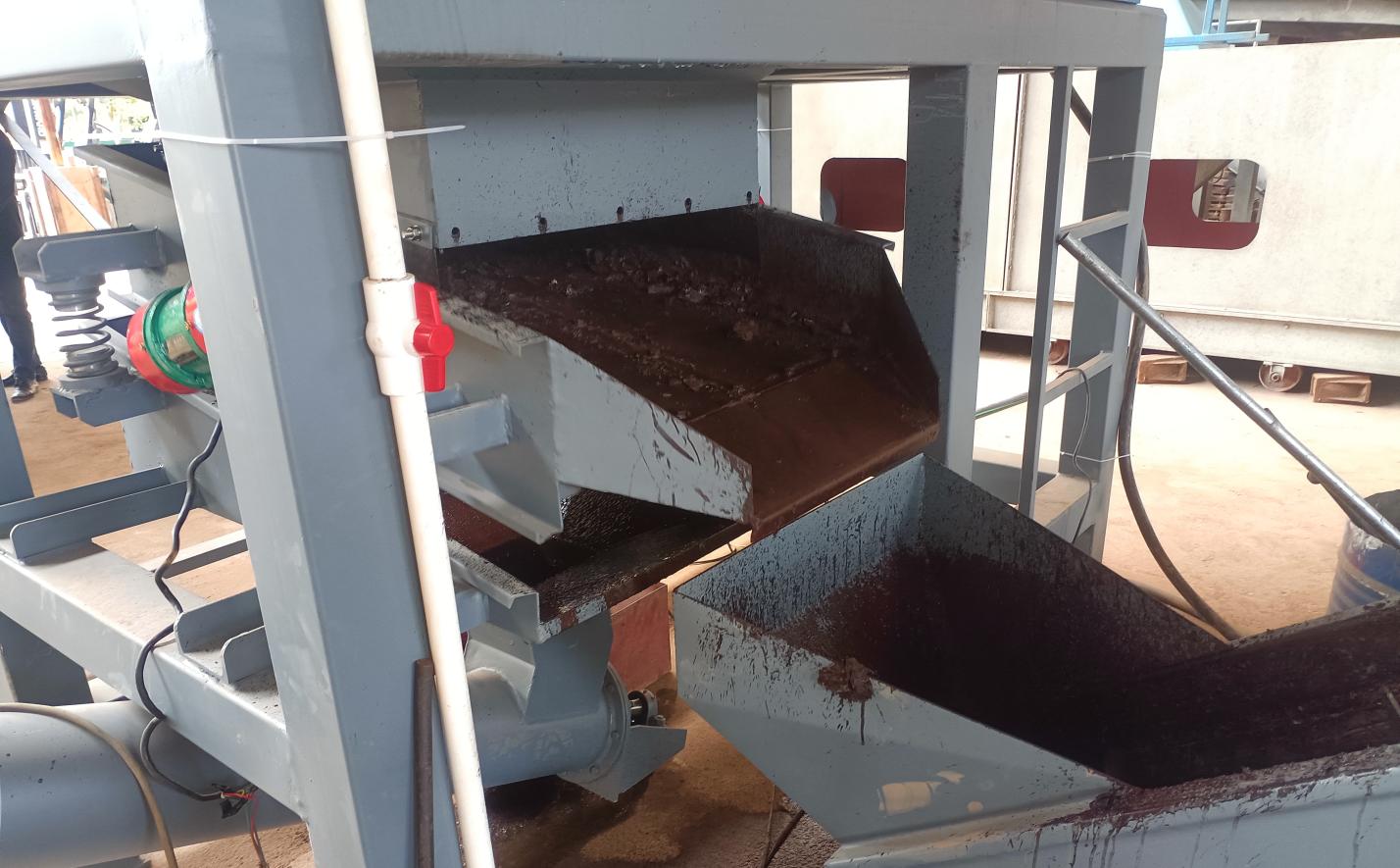
Used lead acid batteries represent one of the most recycled consumer products in the world. A complete lead acid battery recycling plant breaks and separates batteries to recover acid, plastic shells, lead grids, and lead paste. Modern systems can process 1–10 metric tonnes per hour, with lead recovery rates exceeding 95% through advanced smelting technologies such as rotary furnaces and blast furnaces. For operators looking to enter this market, investing in reliable lead acid battery recycling equipment is the foundation of a sustainable operation.
Cable Recycling Equipment
Scrap cables and wires are abundant across construction, telecommunications, and automotive sectors. Cable recycling machines, particularly dry-separation granulators, crush and separate copper or aluminum from plastic insulation without using water. Depending on the model, these machines can process 200–1,500 kg per hour, delivering copper purity levels of 96–98%. The compact footprint and high automation of modern cable recycling equipment make it ideal for both newcomers and expanding operators.
Circuit Board Recycling Equipment
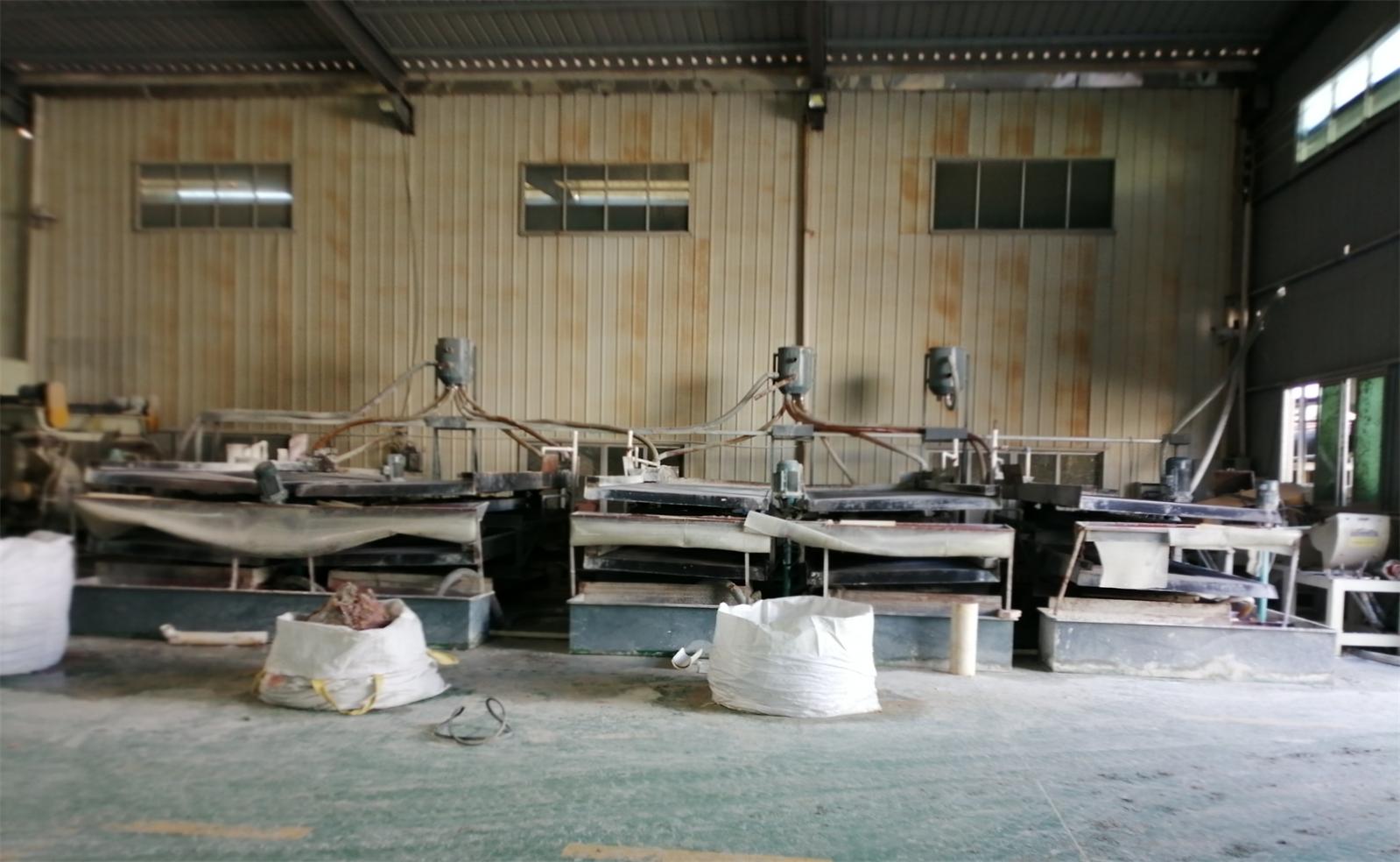
Printed circuit boards (PCBs) are among the most valuable e-waste fractions due to their high copper and precious metal content. Advanced circuit board recycling plants use either dry air separation or wet water-based separation to recover copper powder and precious metals. Capacities range from 300 kg/hour to 2,000 kg/hour, with recovery rates up to 95%. The choice between dry and wet processes depends on local environmental regulations and target output purity. Selecting the right circuit board recycling equipment ensures maximum metal recovery with minimal environmental impact.
The Advantage of Turnkey Solutions Over Piecemeal Purchasing
One of the most common mistakes new recycling entrepreneurs make is sourcing equipment from multiple vendors. This approach often leads to incompatible components, installation delays, and fragmented technical support. In contrast, a turnkey solution provider delivers a fully integrated plant—from initial design and machinery supply to installation, commissioning, and after-sales service.
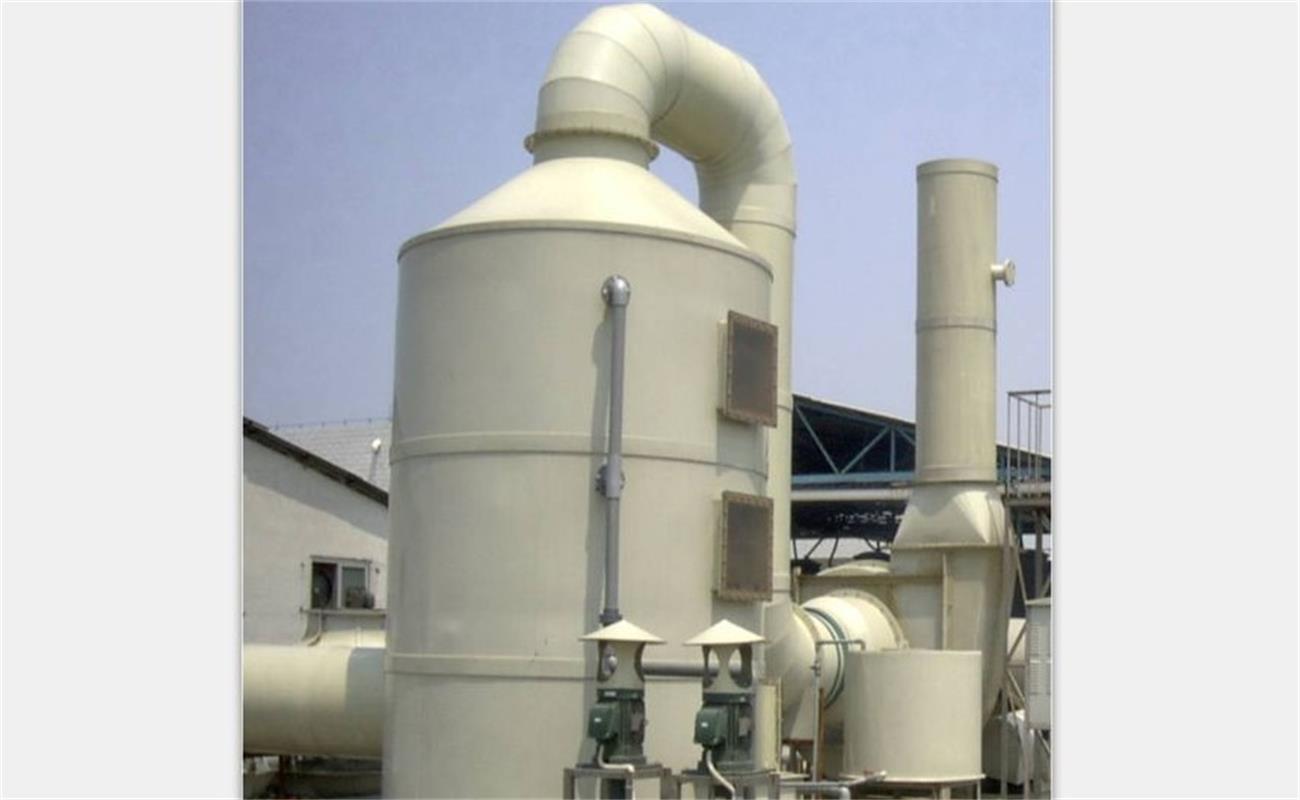
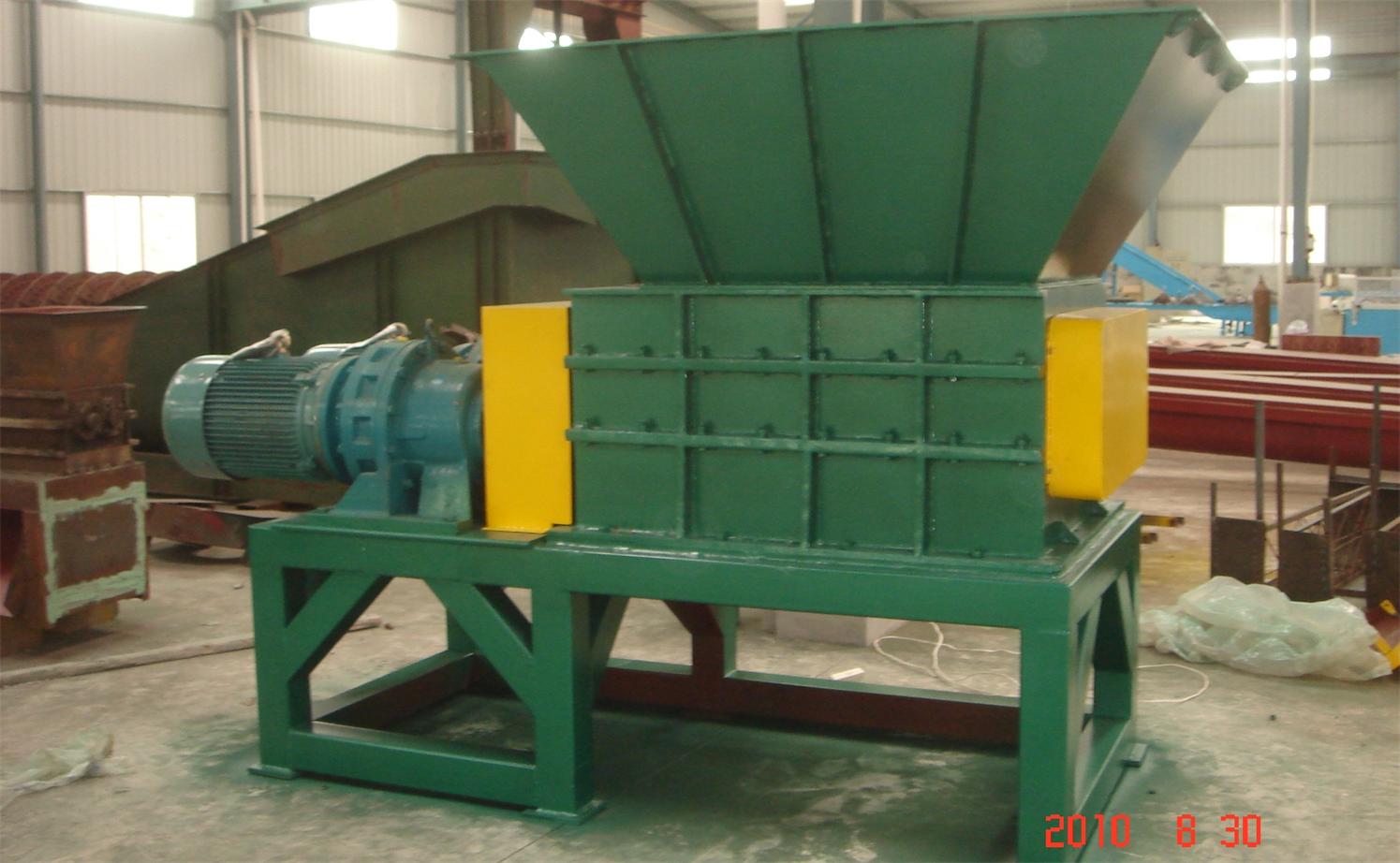
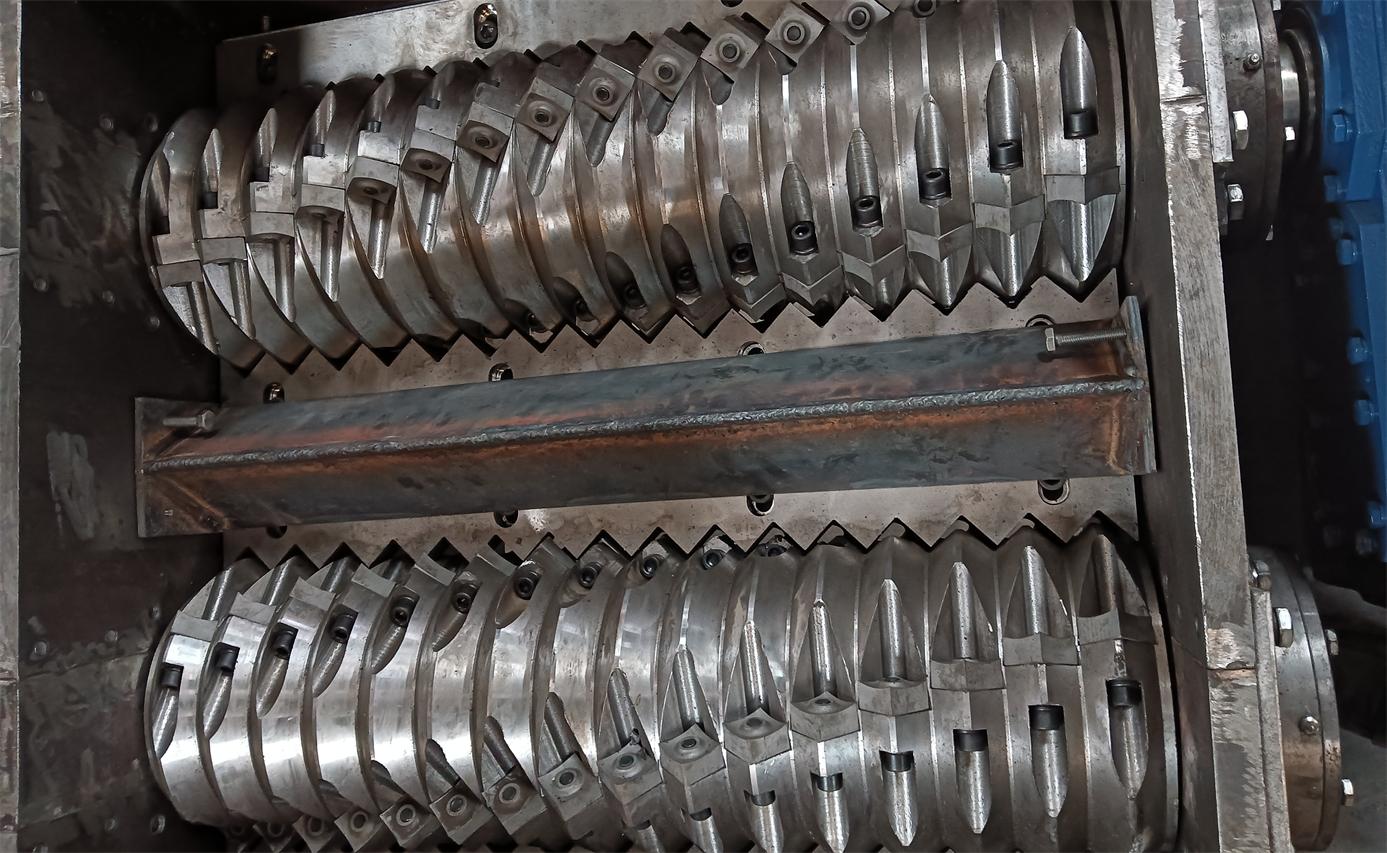
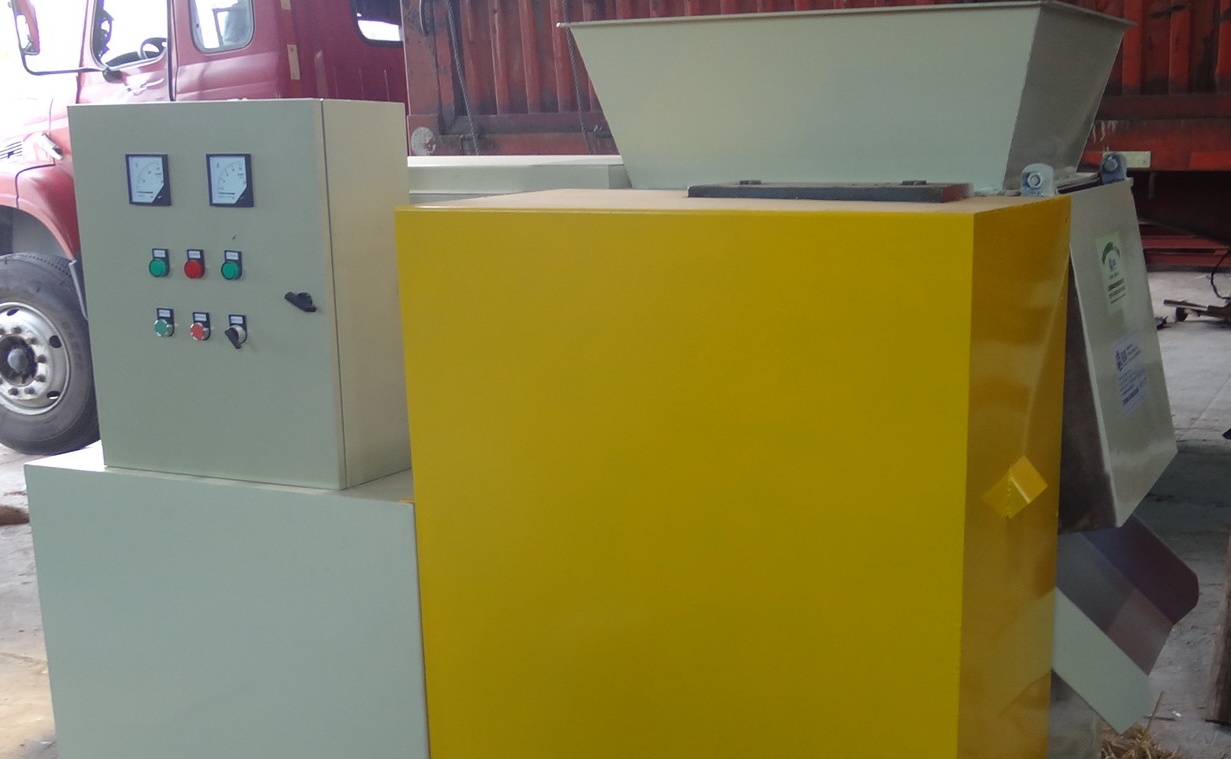
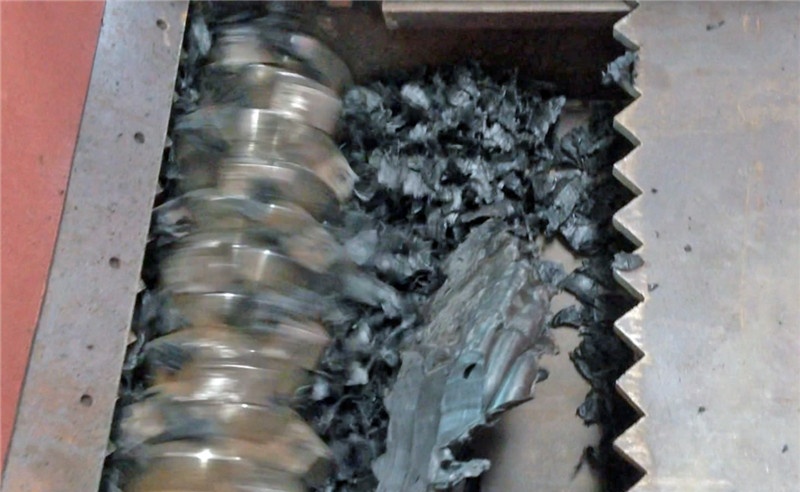
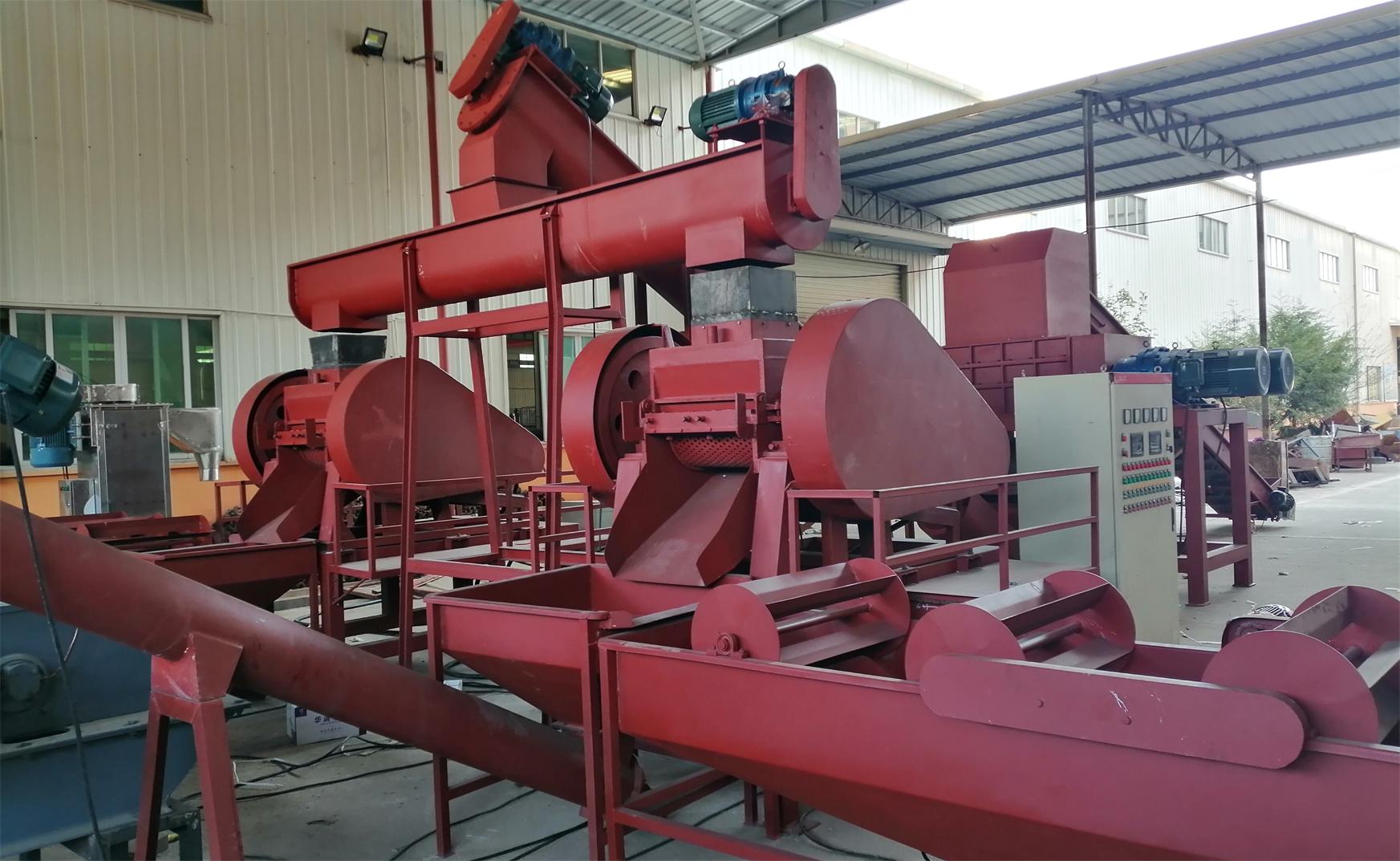
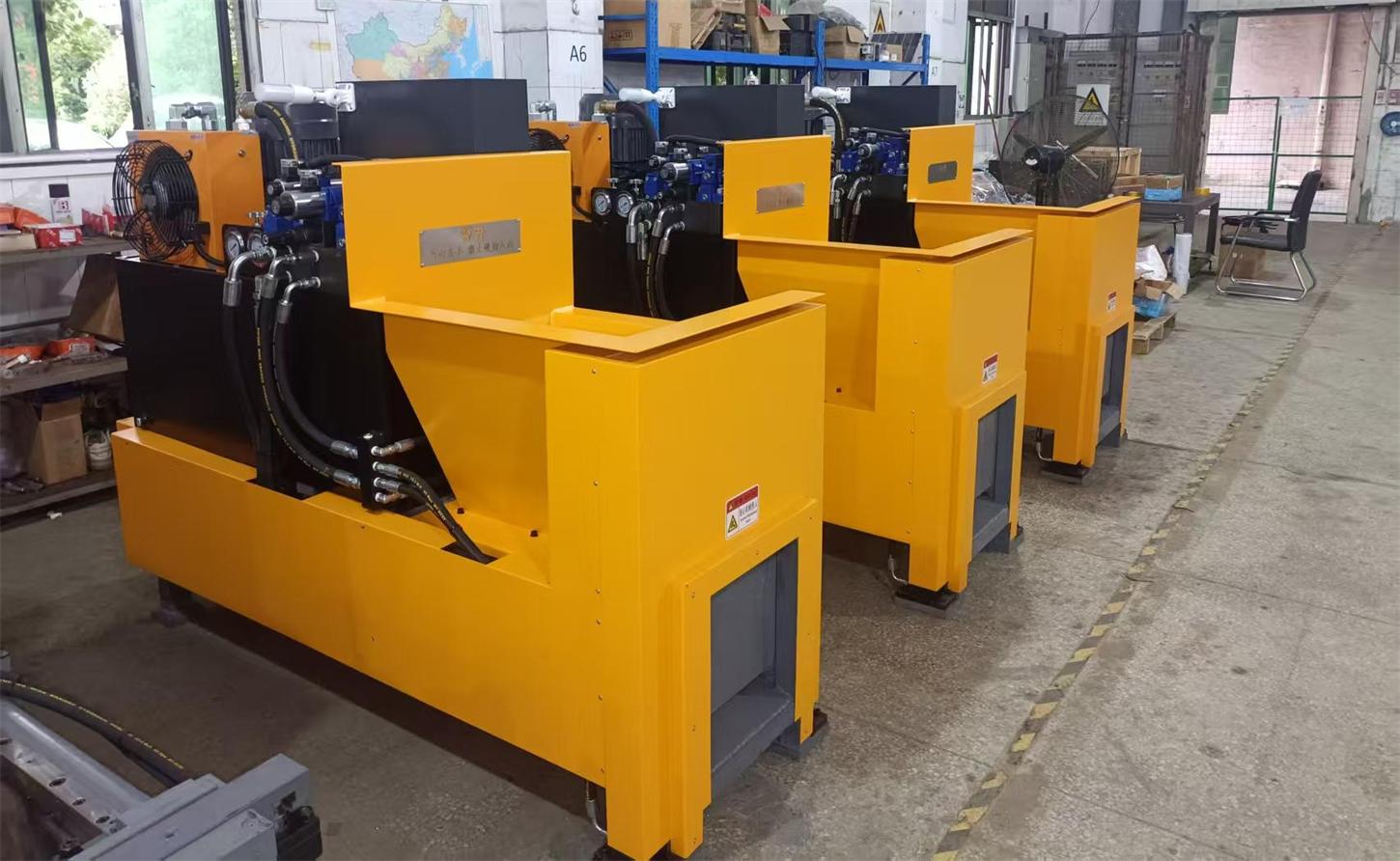
San Lan Technologies Co., Ltd., established in 2007, specializes in exactly this type of integrated approach. With over 15 years of experience in WEEE recycling machinery and mining equipment, the company manufactures complete recycling lines including lead acid battery recycling plants, lithium battery recycling systems, cable recycling plants, and circuit board recycling facilities. Their product portfolio extends beyond core machinery to encompass shredders, hydraulic presses, air pollution control systems, and water treatment plants—ensuring every environmental and operational requirement is covered.
What Sets an Experienced Manufacturer Apart
Not all equipment suppliers offer the same level of value. When evaluating partners for a recycling project, several factors distinguish industry leaders:
Technical depth: A supplier with an in-house engineering team holding master's degrees in mechanical engineering and over 15 years of field experience can customize solutions for unique feedstock characteristics and local regulatory requirements.
EPC project capability: Engineering, Procurement, and Construction (EPC) expertise means the supplier manages the entire project lifecycle, reducing coordination overhead for the investor.
Global reach and local understanding: Having supplied customers across 21+ countries—including Singapore, Colombia, Vietnam, Mexico, Argentina, Korea, Malaysia, and South Africa—demonstrates adaptability to diverse operational environments and compliance frameworks.
Value-added services: Beyond equipment, leading suppliers assist with waste material sourcing, product offtake agreements, and even investor introductions—effectively de-risking the venture for new entrants.
Making the Right Investment Decision
Building a profitable e-waste recycling plant begins with selecting the right equipment partner. The ideal supplier does not merely sell machines; they deliver a comprehensive solution aligned with your feedstock, capacity targets, and budget. Whether your focus is on lead acid batteries, copper cables, or precious metal-bearing circuit boards, working with a manufacturer that offers proven technology, turnkey project delivery, and long-term technical support dramatically increases your probability of success.
If you are evaluating equipment for a new recycling venture or expanding an existing operation, start by mapping your target feedstock to the appropriate processing line. Then, seek a supplier with demonstrated experience across the full recycling value chain—from mechanical pre-processing to final metal recovery and environmental compliance. With the right partner and equipment, your recycling plant can capture real value from the world's fastest-growing waste stream while contributing to a cleaner, more sustainable future.