Discarded electronics are piling up worldwide. Old smartphones, laptops, automotive batteries, and industrial cables fill landfills by the millions of tons each year. For business owners and investors in the waste management sector, this growing waste stream represents a clear opportunity. The right e-waste recycling equipment turns these discarded materials into recoverable copper, aluminum, lead, lithium, and precious metals.
The Market Opportunity Behind E-Waste Recycling
Governments worldwide are tightening regulations on electronic waste disposal. Traditional manual dismantling and open-air burning are being phased out due to strict emission standards and worker safety concerns. This regulatory shift directly drives demand for automated, environmentally compliant recycling plants.
Old mobile phones, obsolete computers, discarded PCB boards, scrap cables, and end-of-life batteries create a steady inflow of recyclable materials. Buyers across Southeast Asia, Eastern Europe, the Middle East, Africa, and Latin America are actively seeking reliable equipment suppliers to establish or upgrade their recycling operations. From compact workshops to large industrial facilities, demand for compliant recycling plants continues to grow as the circular economy expands.
Core Recycling Technologies Explained
Modern e-waste recycling relies on physical separation technologies that maximize metal recovery while minimizing environmental impact. The typical process flow includes:
Pre-processing and Dismantling: Large appliances and battery packs are first cut or broken into manageable pieces. Specialized cutters and breakers handle everything from lead acid batteries to refrigerator compressors.
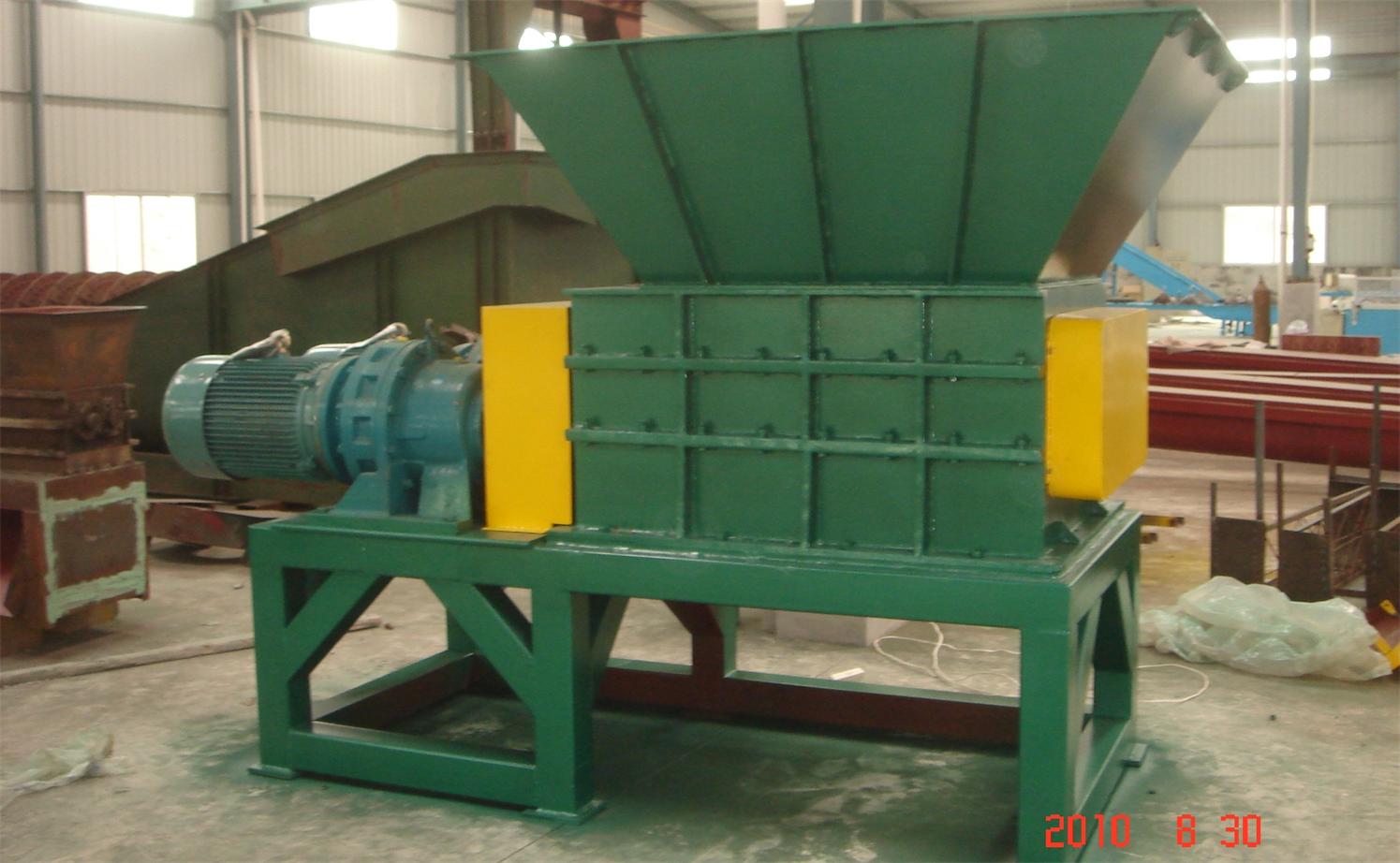
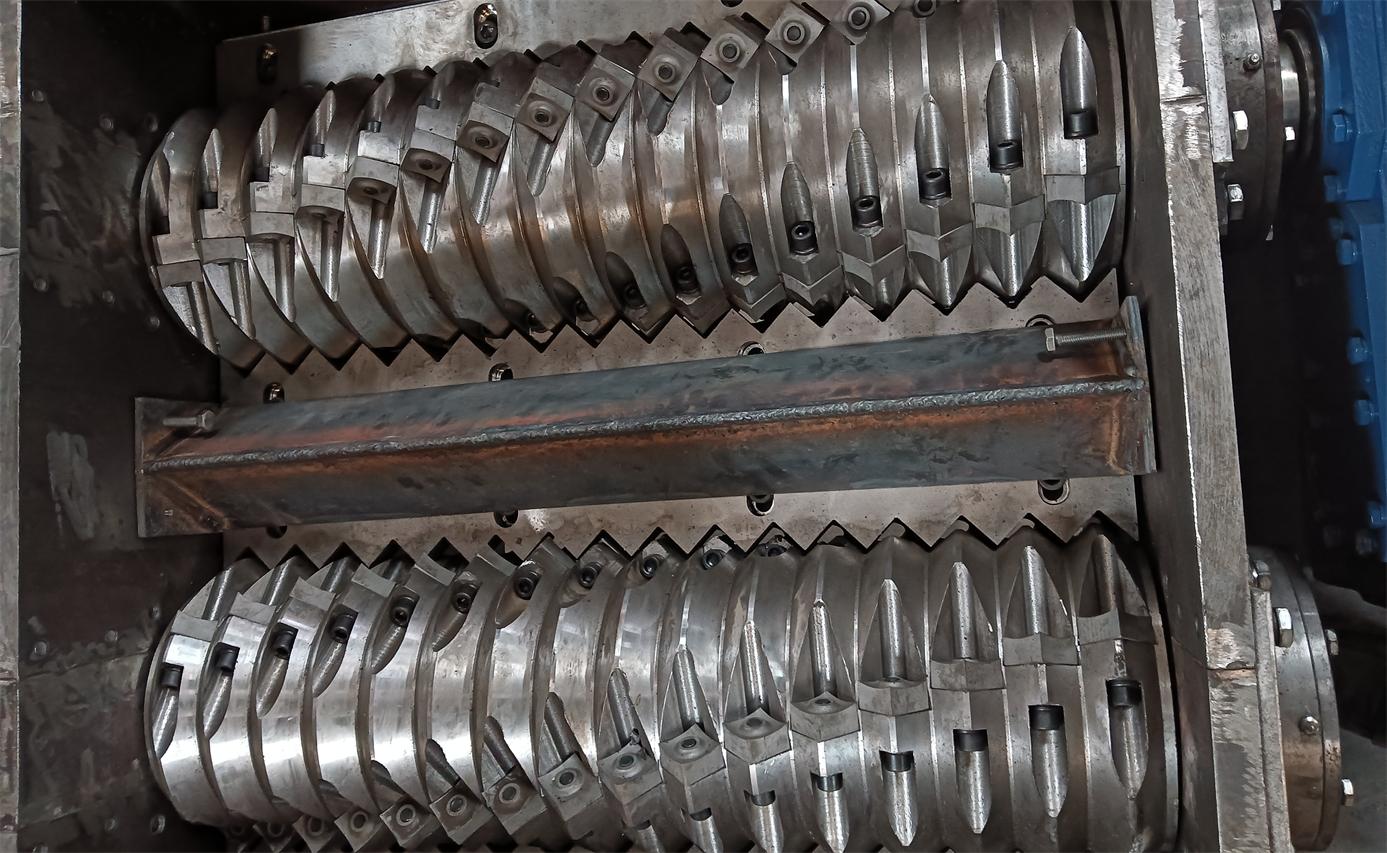
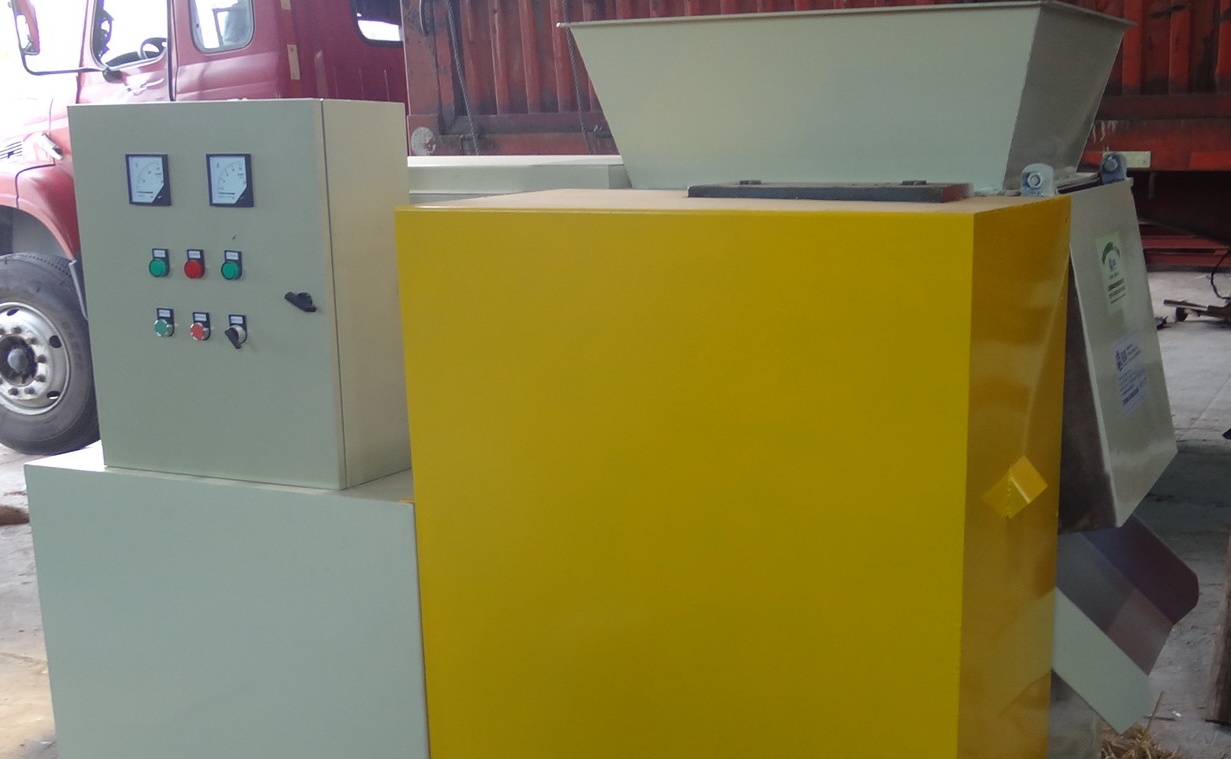
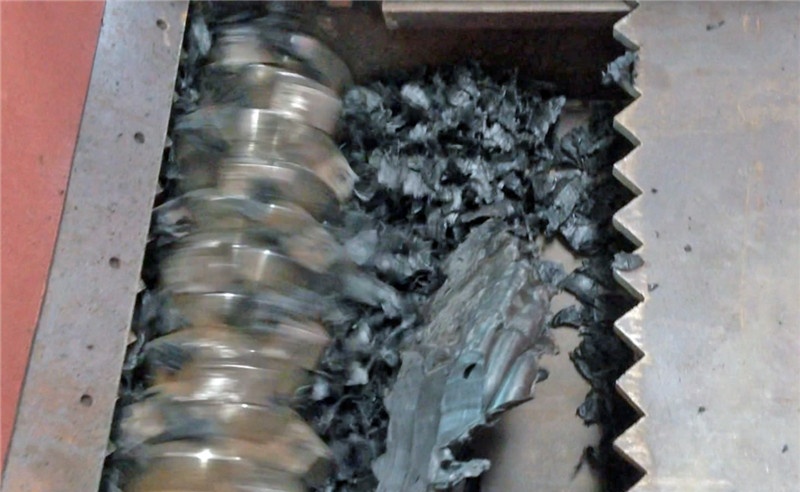
Shredding and Crushing: Multi-shaft shredders reduce mixed e-waste into uniform fragments. Four-shaft and twin-shaft shredders handle aggressive feedstocks like PCB boards, cables, and refrigerators at capacities ranging from 200 kg/hour to 6 MT/hour.
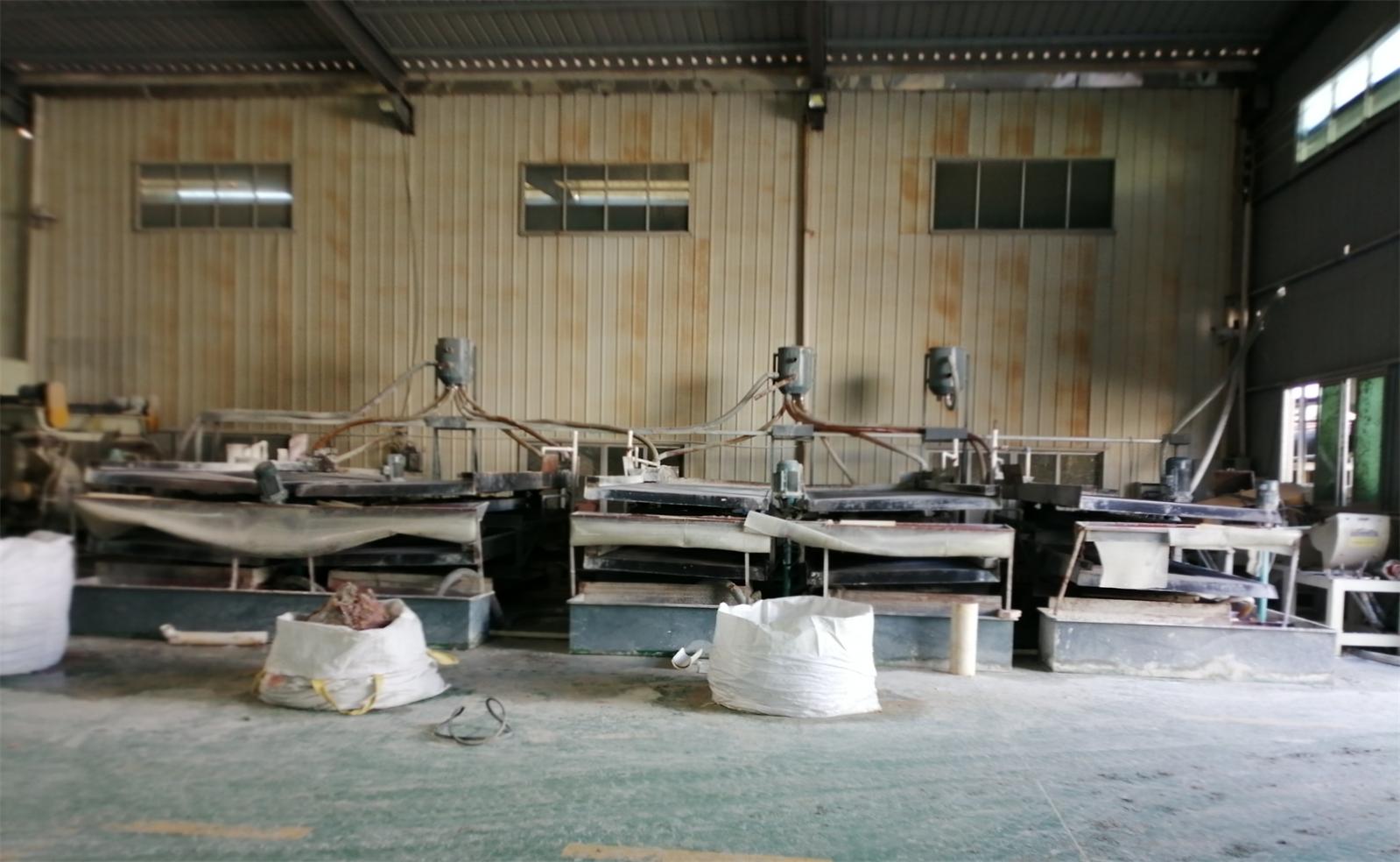
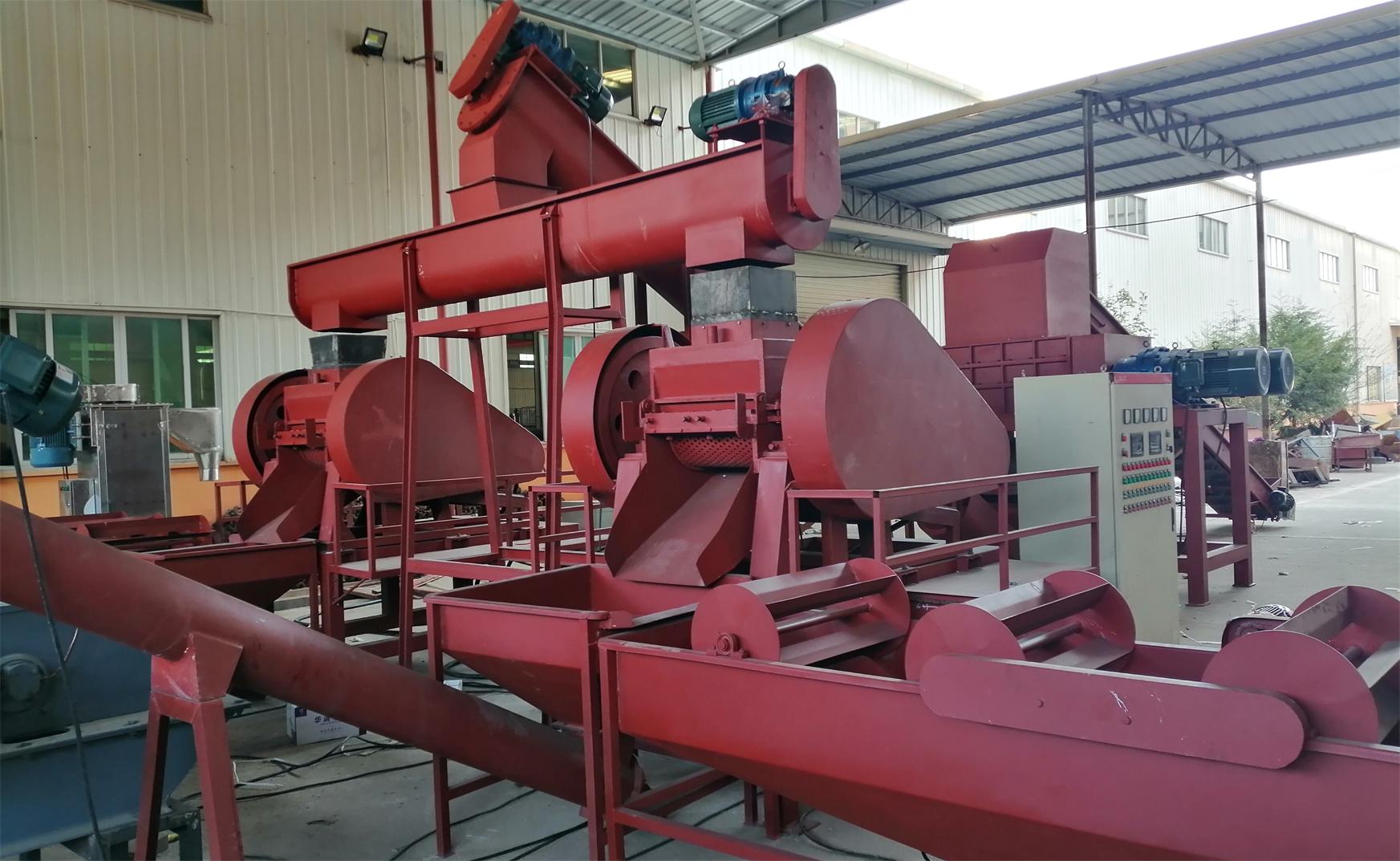
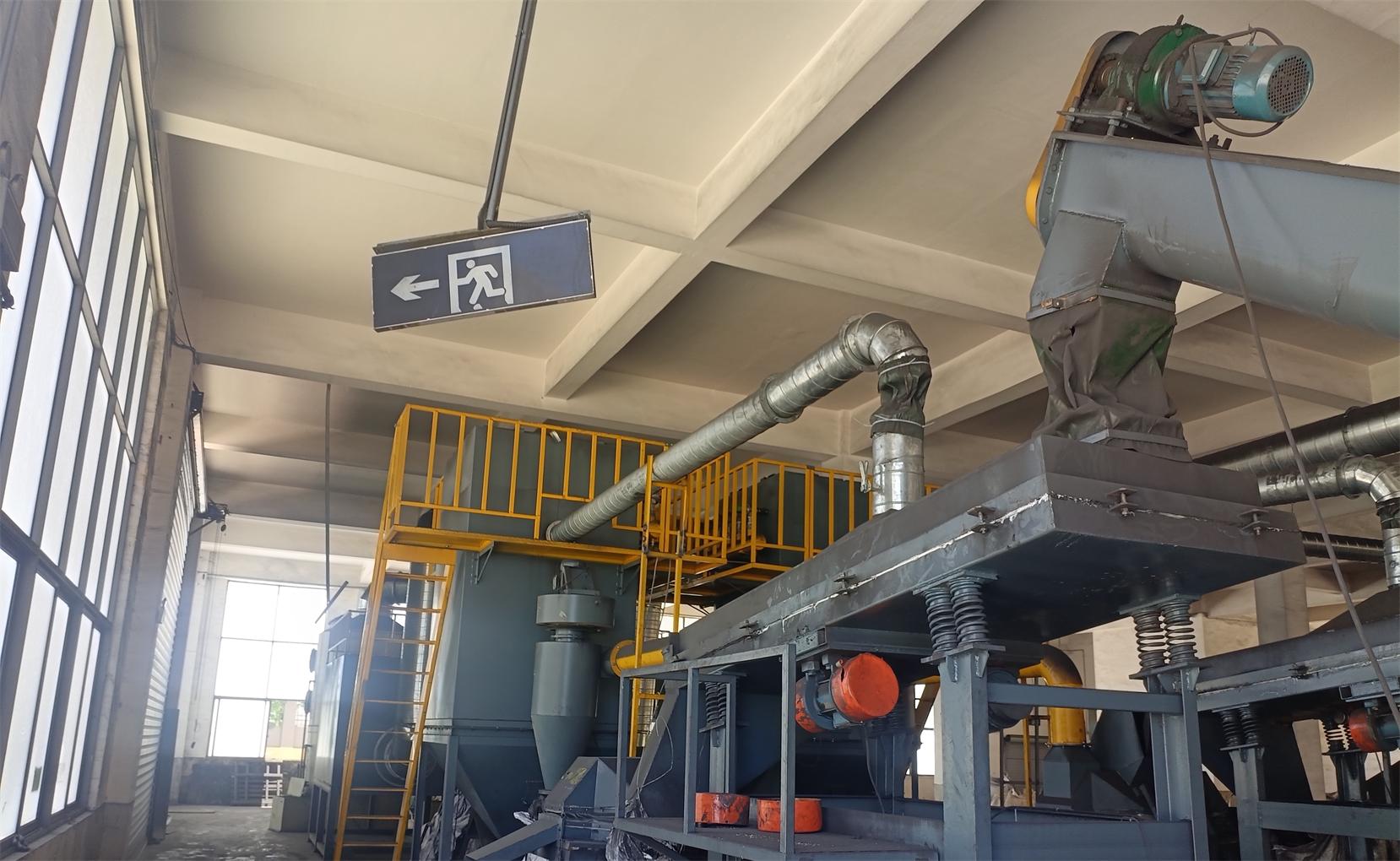
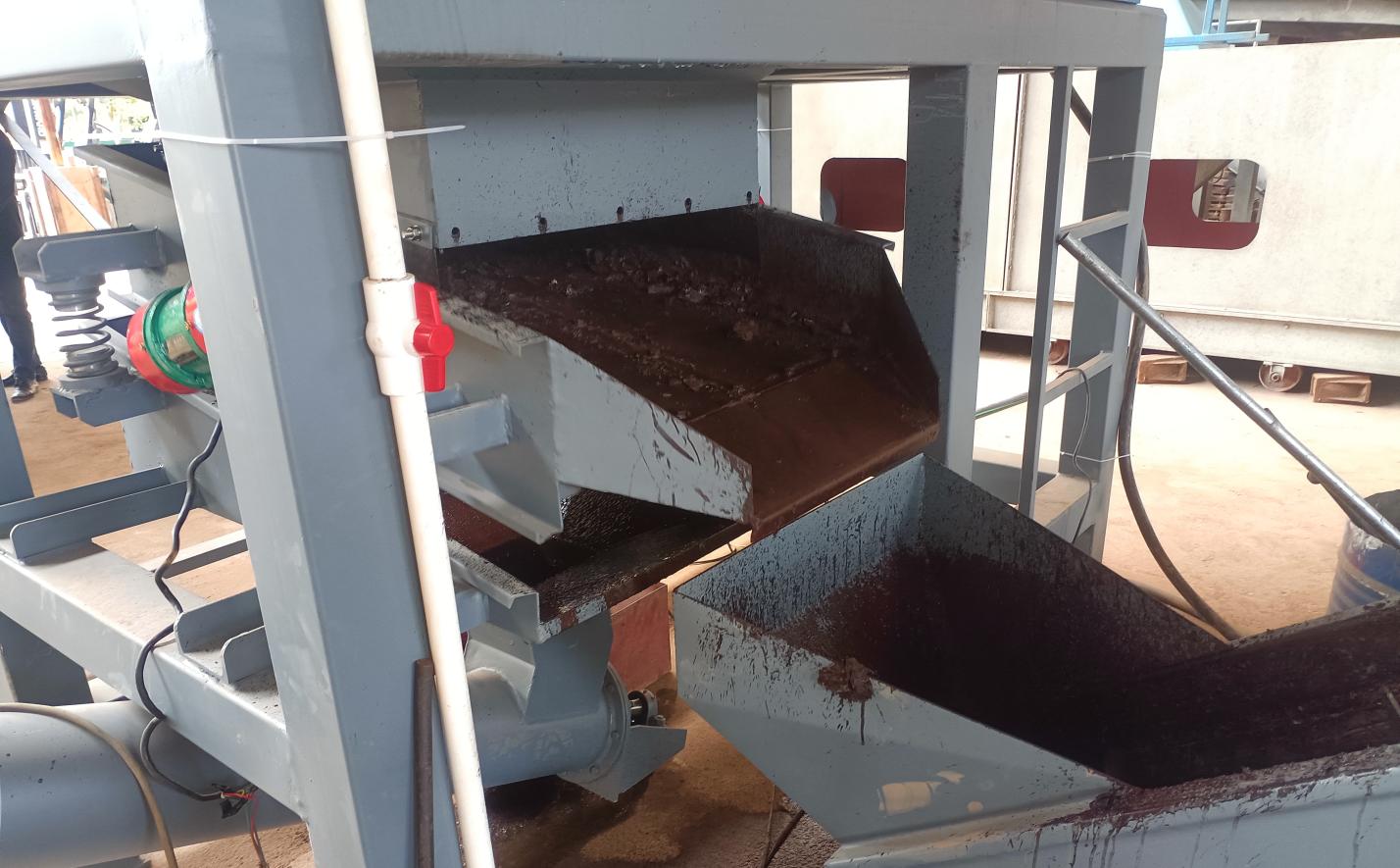
Separation and Classification: Air separators, electrostatic separators, wet separators, and magnetic sorting systems isolate metals from plastics and non-metallic residues. Advanced circuit board recycling plants achieve copper powder purity levels of 96–98% with recovery rates up to 95%.
Smelting and Refining: For battery recycling, rotary furnaces and refinery kettles convert lead paste into crude metallic lead and then refine it to 99.999% purity. Medium-frequency induction furnaces melt recovered copper, aluminum, and other metals into ingots ready for resale.
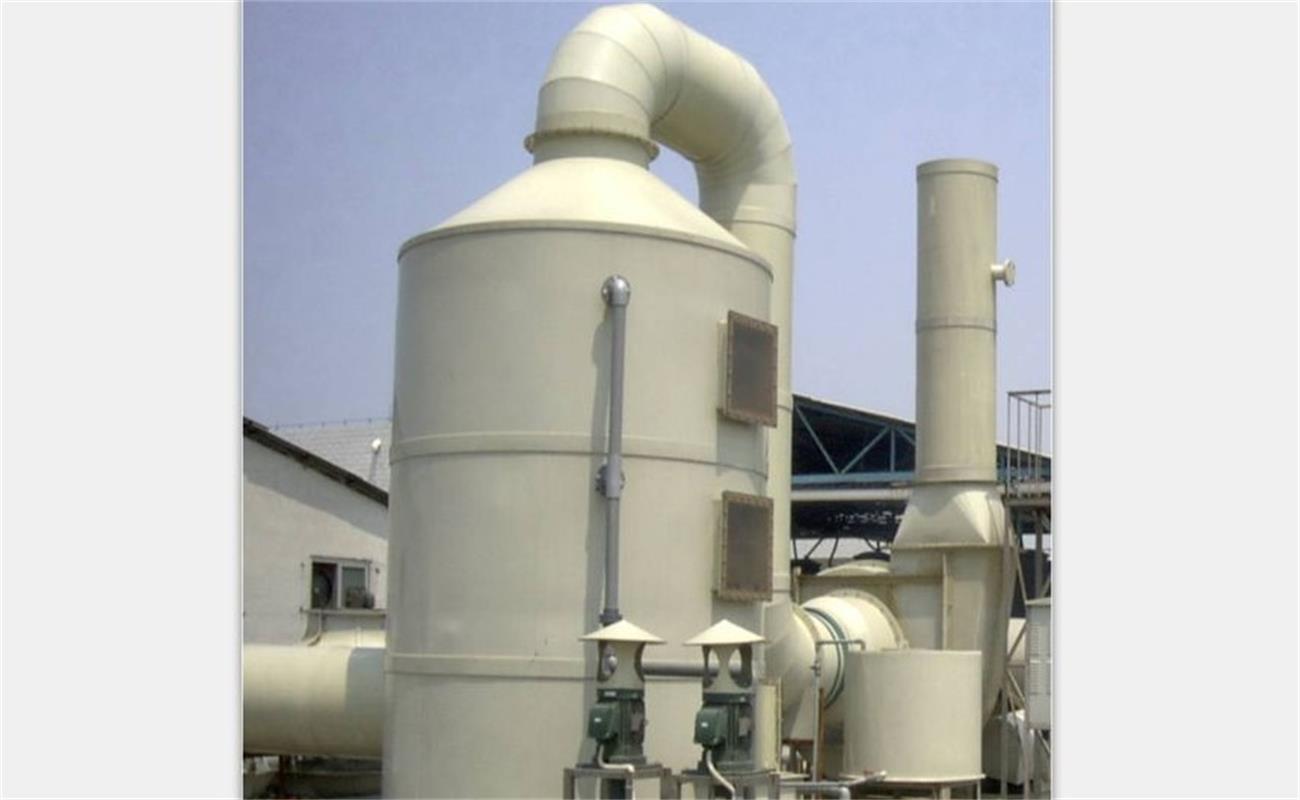
Environmental Control: Sealed dust-proof structures, pulse bag dust collectors, air pollution control systems, and water treatment plants ensure full compliance with local environmental standards.
Matching Equipment to Your Material Stream
Circuit Board Recycling
Printed circuit boards (PCBs) contain rich concentrations of copper and precious metals. Professional circuit board recycling equipment uses dry or wet separation methods to grind PCBs into powder and extract valuable metals. Capacities range from 300 kg/hour to 2000 kg/hour, with options for air separation or wet metal separation depending on your local environmental requirements and target purity levels.
Cable and Wire Recycling
Scrap cables represent one of the most accessible entry points into the recycling business. Cable recycling equipment—including scrap cable strippers and cable granulators—separates copper or aluminum from plastic insulation. Compact granulators process 100–1200 kg/hour, while larger plants handle industrial-scale volumes. The resulting copper rice and plastic granules both command strong resale prices.
Lead Acid Battery Recycling
Used lead acid batteries (ULAB) are a high-value feedstock when processed correctly. Complete lead acid battery recycling equipment breaks and separates batteries to recover acid, plastic shells, lead grids, and lead paste. Breaking systems operate at 1–10 MT/hour, while rotary furnaces for paste reduction produce crude metallic lead at 2–20 MT/batch. Lead recovery rates exceed those of traditional blast furnaces, and refinery kettles achieve 99.999% pure lead using energy-saving electric heating.
Lithium Battery Recycling
As electric vehicle adoption rises, spent lithium-ion batteries are becoming an increasingly important raw material source. Lithium battery recycling equipment breaks and separates waste Li-ion batteries to recover black mass (containing nickel, cobalt, and graphite), plastic film, copper, and aluminum. Processing capacities range from 500–2500 kg/hour, with custom designs available for specific battery chemistries and form factors.
What to Look for in a Recycling Equipment Supplier
Choosing the right partner is as important as selecting the right machines. Here are key factors to evaluate:
Technical Expertise: Look for manufacturers with deep experience in mechanical engineering and e-waste recycling. A team with master's degrees in mechanical engineering and over 15 years of hands-on experience can troubleshoot complex separation challenges and optimize your process flow.
EPC Project Capability: Engineering, Procurement, and Construction (EPC) experience means your supplier can deliver turnkey solutions—from customized design and equipment manufacturing to installation, commissioning, and operator training.
Global Support Network: International customers need reliable after-sales service. A supplier with installations across 21+ countries understands diverse regulatory environments, voltage standards, and material variations.
Value-Added Services: Beyond equipment, the best suppliers help customers source waste materials (cable scrap, PCB scrap, used batteries), connect with investors for plant construction, and even assist in selling finished products (copper rice, lead ingots, aluminum granules).
Environmental Compliance: Ensure the supplier provides complete pollution control systems—air pollution control units, water treatment plants, and dust collection systems—to keep your operation fully compliant.
Why San Lan Technologies Stands Out
San Lan Technologies Co., Ltd, established in 2007 and based in Ganzhou, Jiangxi Province, China, has built a reputation as a professional manufacturer of WEEE recycling machines and mining equipment. With customers in Singapore, Colombia, Vietnam, Mexico, Argentina, Korea, Malaysia, Indonesia, South Africa, Tunisia, India, Kenya, Saudi Arabia, Philippines, Zambia, Israel, and beyond, San Lan delivers equipment that performs in real-world conditions.
The company's product portfolio covers the full spectrum of e-waste recycling needs:
- Circuit board recycling plants with wet and dry separation options
- Cable recycling machines and granulators for copper and aluminum recovery
- Complete lead acid battery recycling plants with breaking, separation, smelting, and refining systems
- Lithium battery recycling plants recovering black mass, copper, aluminum, and plastic
- Refrigerator and AC recycling lines with refrigerant extraction and shredding
- CRT cutters, motor recycling machines, lamp recycling systems, and multi-purpose shredders
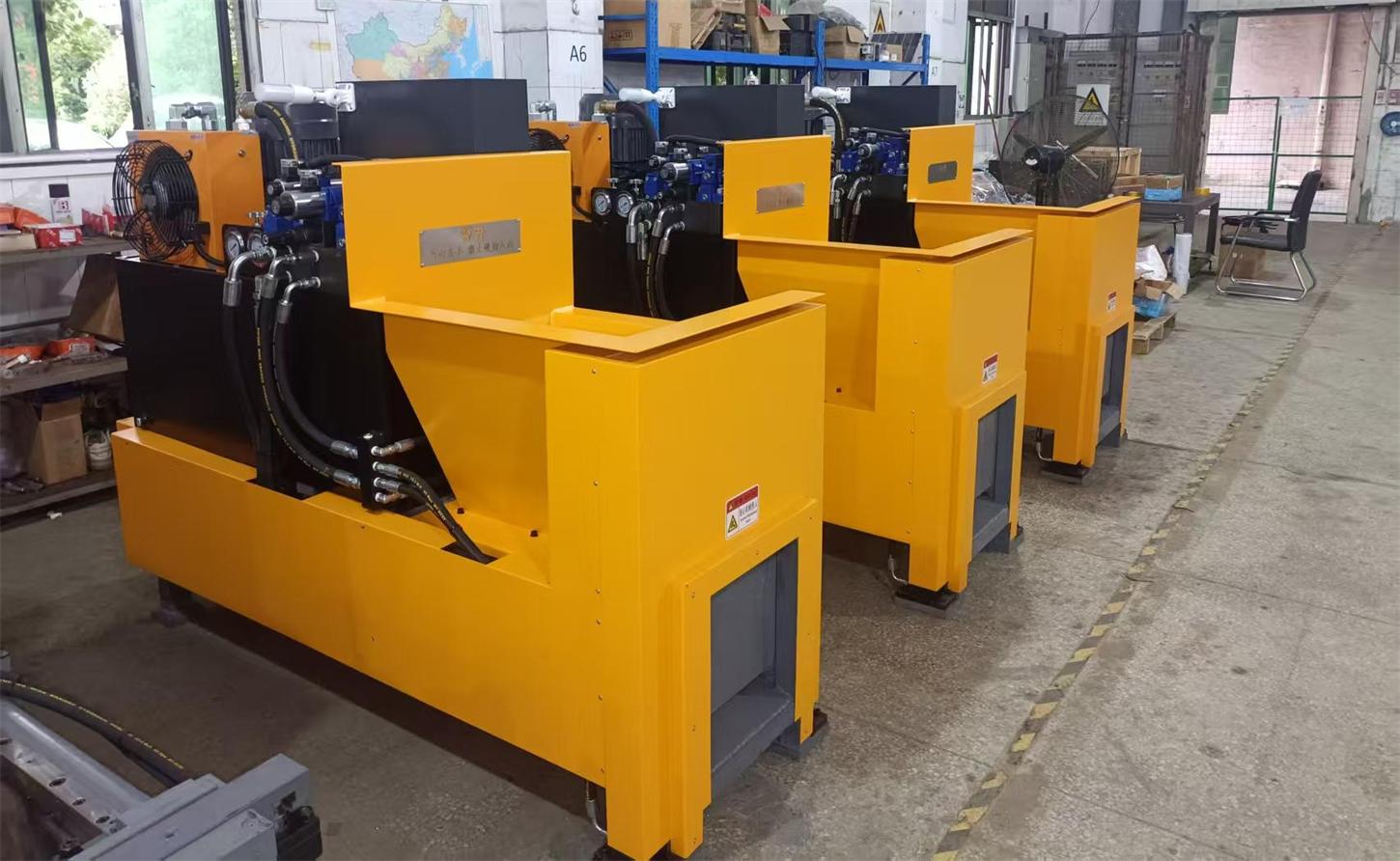
- Supporting equipment including hydraulic presses, balers, and metal melting furnaces
San Lan's technical team provides professional support throughout the project lifecycle—from initial consultation and customized design to installation, commissioning, and ongoing maintenance. The company also offers bilingual communication in English and Chinese, ensuring smooth collaboration with international clients.
Getting Started with Your Recycling Project
Building a profitable e-waste recycling plant starts with understanding your local material availability, regulatory requirements, and target output specifications. Begin by assessing which waste streams are most abundant in your region—PCB boards from local electronics manufacturers, scrap cables from construction sites, or used batteries from automotive workshops.
Next, define your target capacity and product specifications. Do you need a compact 300 kg/hour circuit board line for a small workshop, or a 10 MT/hour battery recycling plant serving an entire region? These decisions determine your equipment configuration, plant layout, and investment scale.
Finally, partner with an experienced equipment manufacturer who can guide you through feasibility analysis, custom design, installation, and commissioning. The right supplier does more than sell machines—they help you build a sustainable, compliant, and profitable recycling business from the ground up.
Ready to turn e-waste into valuable resources? Contact San Lan Technologies today to discuss your project requirements and receive a customized equipment proposal tailored to your material stream, capacity goals, and budget.