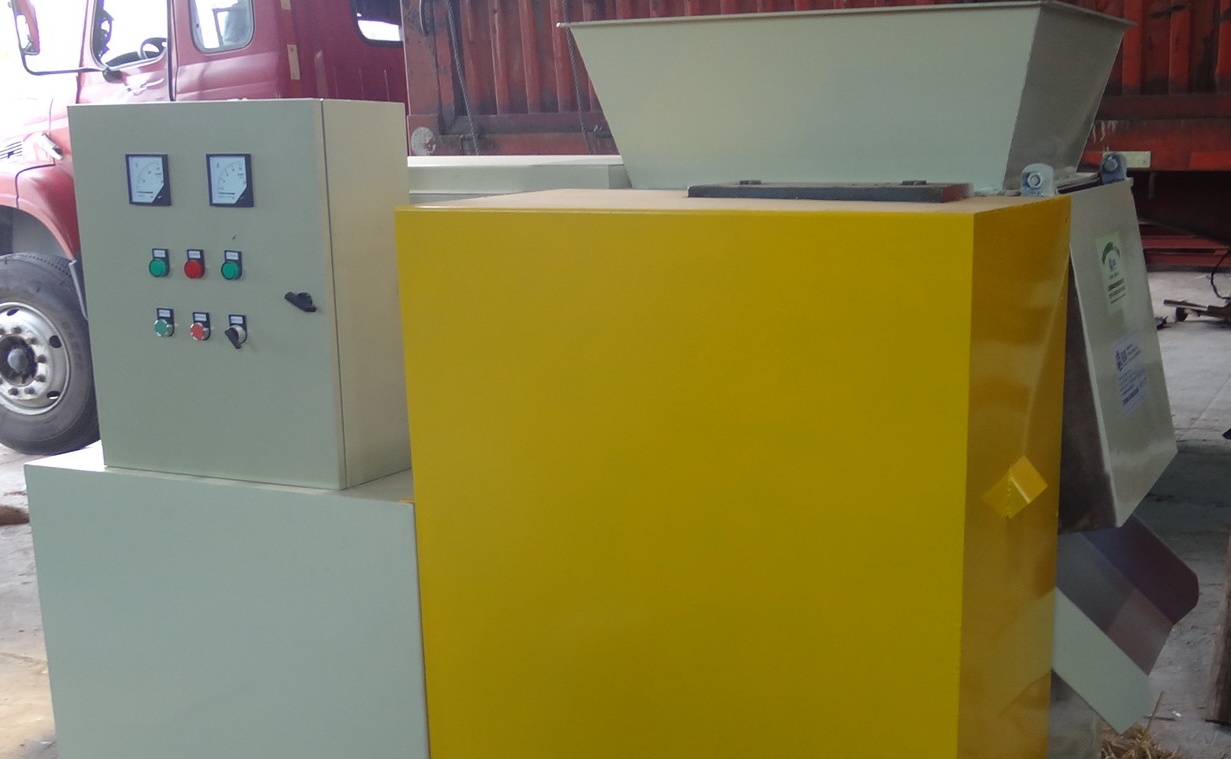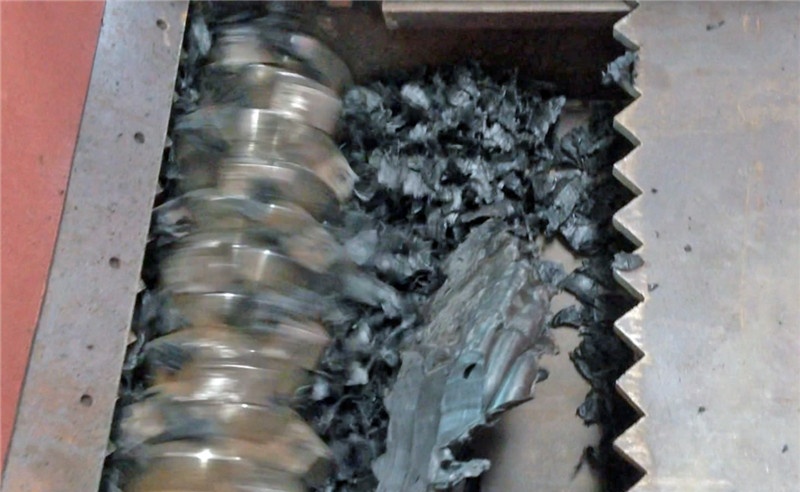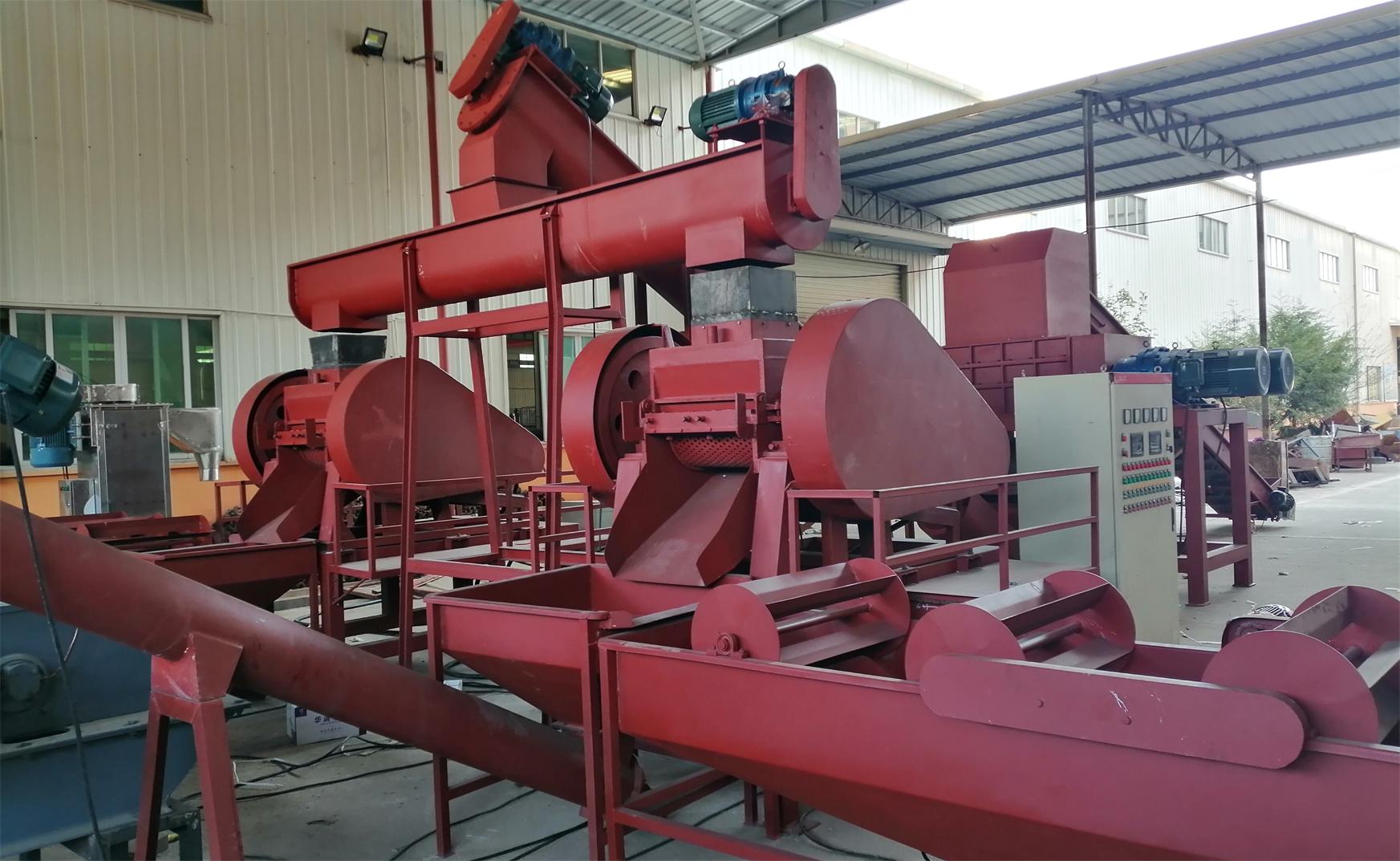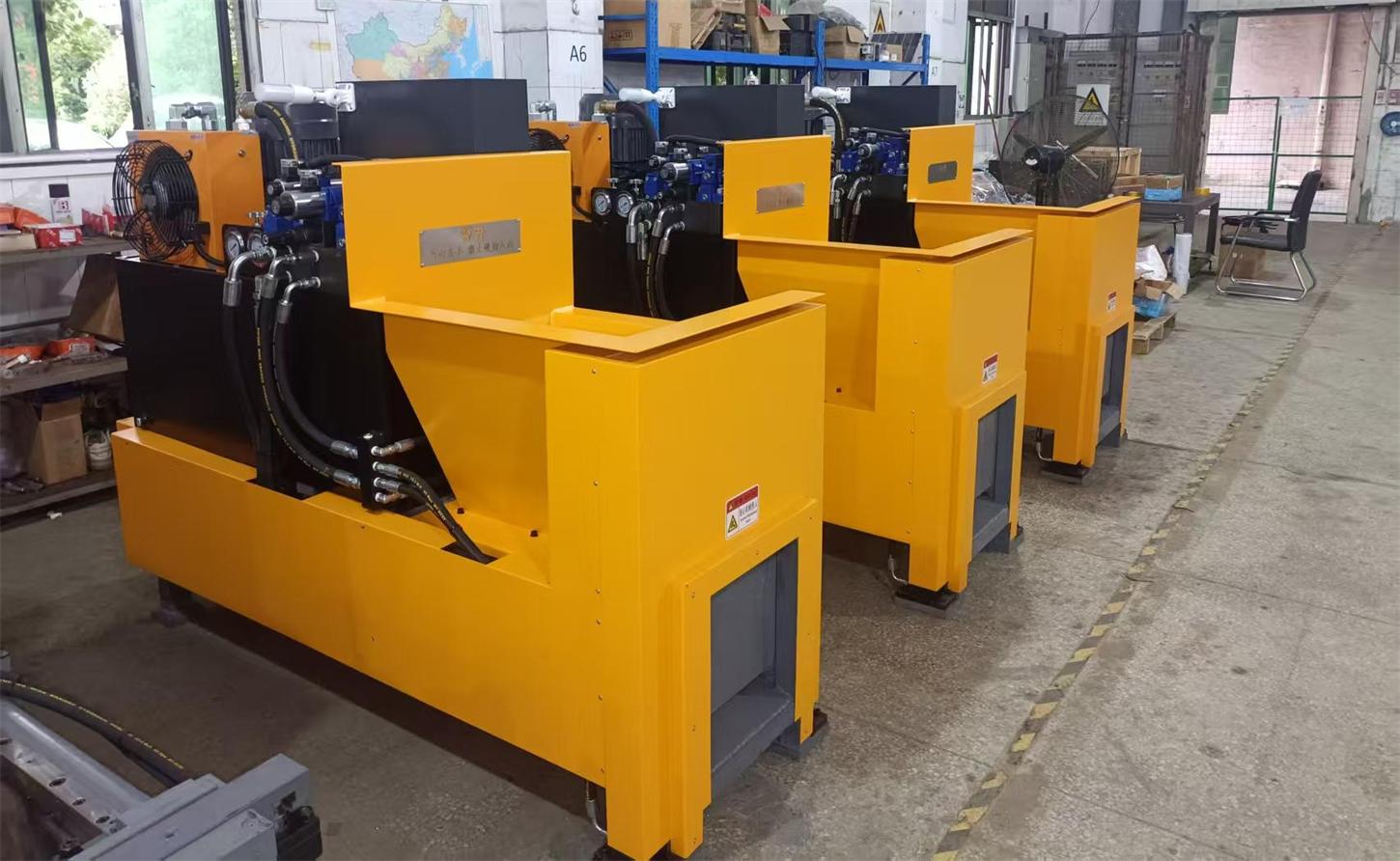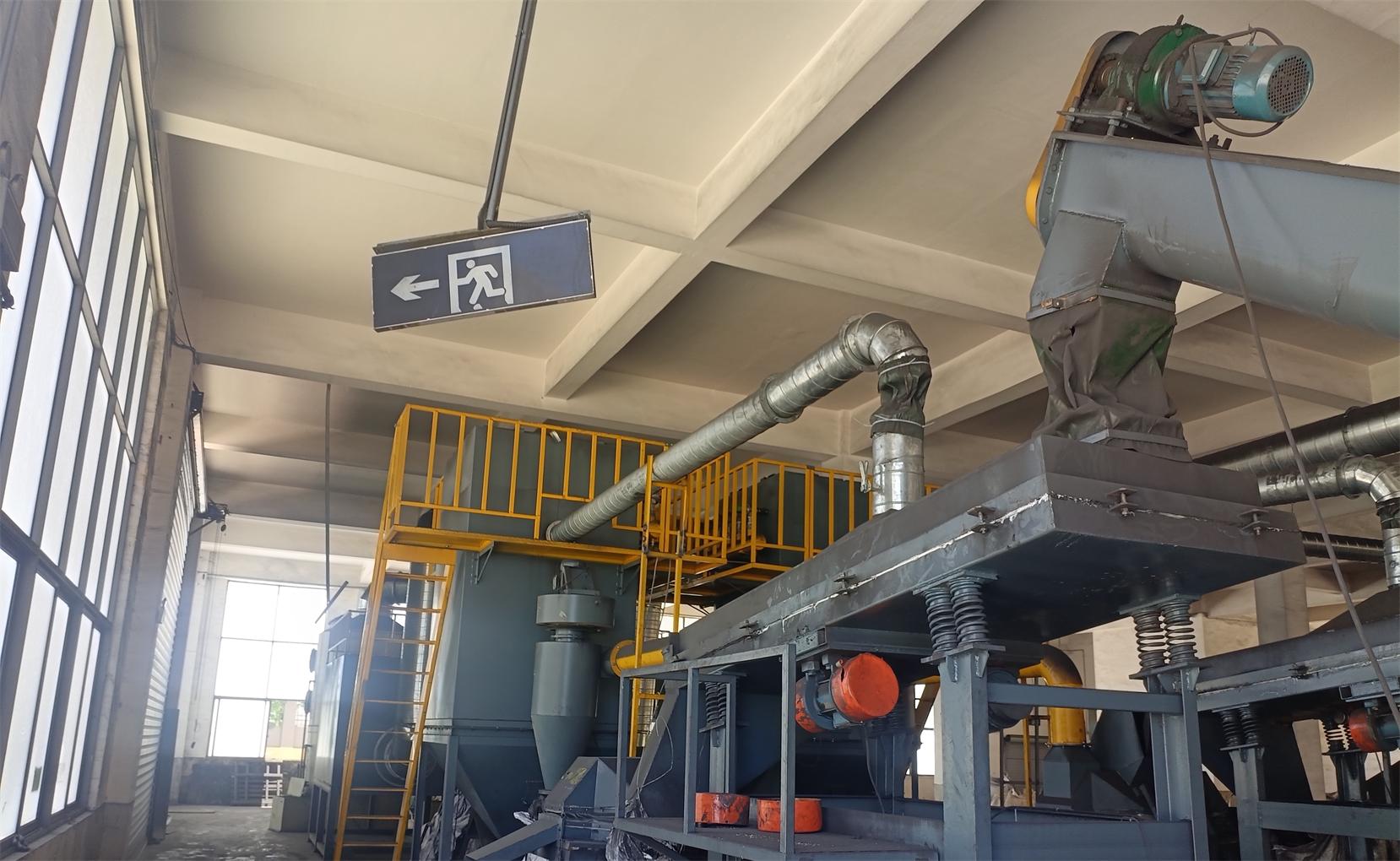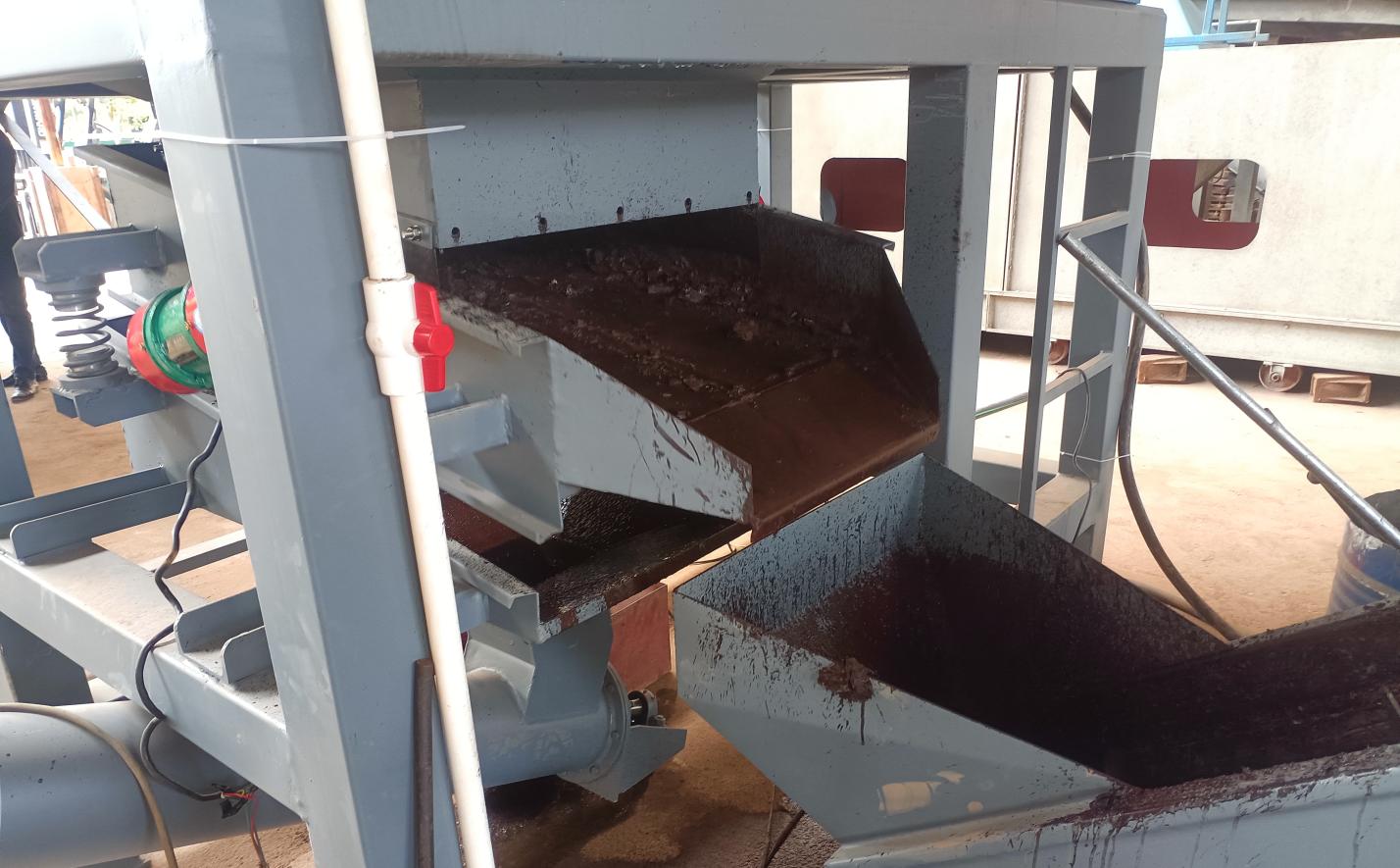
Two entrepreneurs in the same industrial zone looked at the same pile of discarded lead-acid batteries and saw different things. One saw hazardous waste and a compliance headache. The other saw acid, plastic, lead grid, and lead paste — four revenue streams waiting to be separated. Five years later, the first entrepreneur was still writing checks to a waste disposal contractor. The second had built a processing line running at 10 metric tonnes per hour and was sourcing scrap from three provinces. The difference was not capital. It was understanding what a complete lead acid battery recycling equipment setup actually involves, and what separates a turnkey partner from a catalog merchant.
The Market Reality: Why Now, Not Later
The global push for electrification has created a dual opportunity. On one side, lithium-ion batteries from electric vehicles and consumer electronics are reaching end-of-life in growing volumes. On the other side, lead-acid batteries — still the backbone of automotive starting, lighting, and ignition systems worldwide — continue to generate a steady, predictable scrap stream. Both require specialized processing, and both reward operators who invest in the right equipment upfront rather than patching together generic machinery.
The operators who win in this space are not the ones with the largest warehouses. They are the ones with the cleanest separation, the highest recovery rates, and the lowest downtime. A lead smelting rotary furnace with poor temperature control will cost you more in rejected lead ingots than it saved on the purchase price. A cable granulator with inadequate airflow separation will blow copper particles into your plastic stream, turning a profitable line into a mixed-waste liability. The equipment decisions you make on day one compound for years.
Understanding the Core Recycling Lines
Before you can evaluate suppliers, you need to map the process. E-waste recycling is not a single activity. It is a portfolio of distinct physical and metallurgical processes, each with its own feedstock, equipment set, and output specifications. Here are the four lines that form the commercial core for most successful plants.
| Recycling Line | Feedstock | Key Output | Core Equipment |
|---|---|---|---|
| Lead-acid battery | Used automotive/industrial batteries | Lead ingot, plastic, acid | Breaking system, rotary furnace, refinery kettle |
| Lithium-ion battery | EV, phone, laptop batteries | Black mass, copper, aluminum, plastic | Discharging unit, crusher, separator |
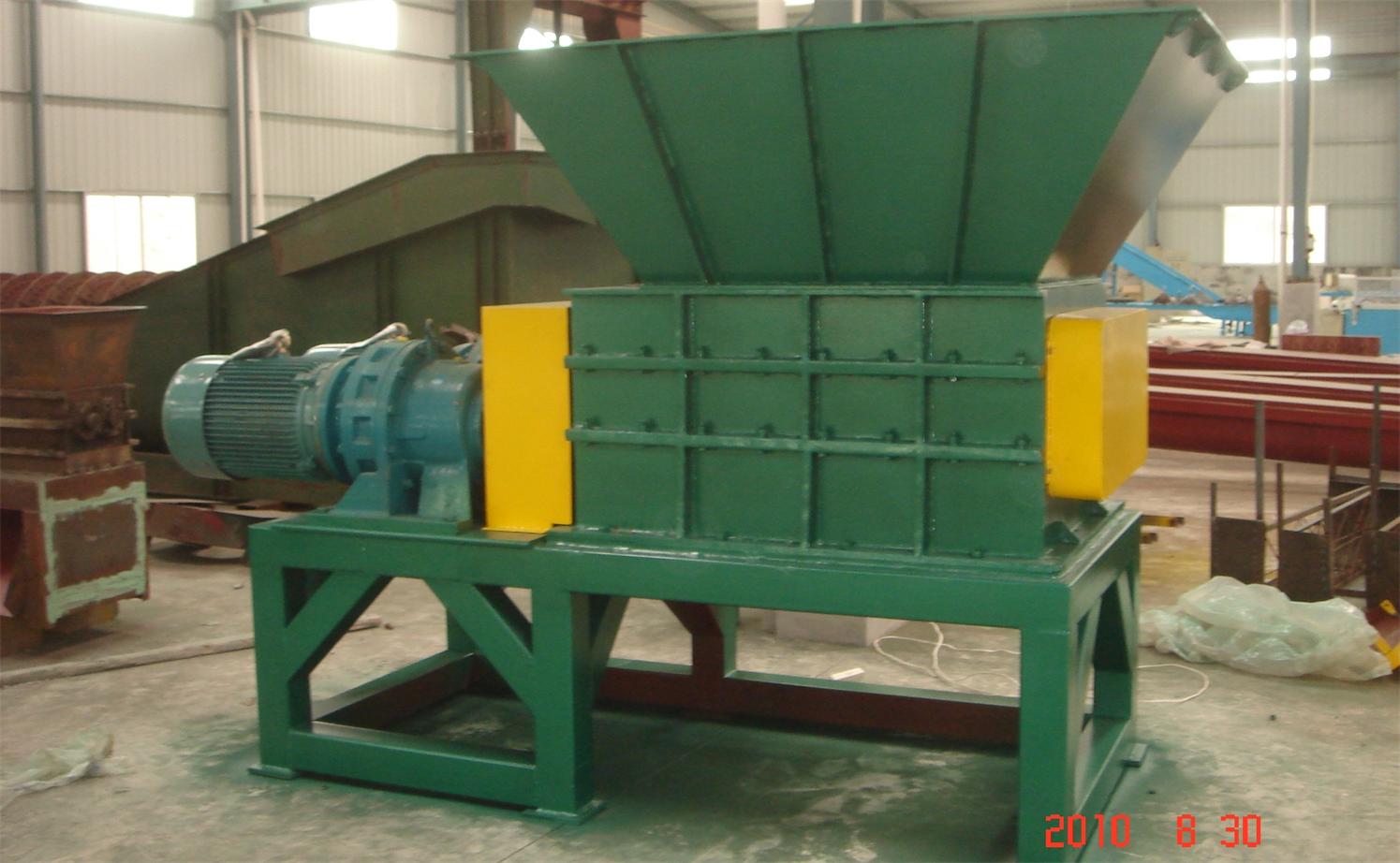
| Printed circuit board | PCB from electronics | Copper powder, precious metal concentrate | Shredder, separator, dust collector |
| Scrap cable | Copper/aluminum wire scrap | Copper rice, aluminum, plastic granules | Stripper, granulator, dry/wet separator |
Each of these lines can operate as a standalone profit center or as part of an integrated plant. The choice depends on your local scrap availability, your capital budget, and your technical team's expertise. A plant in a region with abundant cable demolition waste might start with cable recycling equipment and expand into batteries later. A plant near an electronics manufacturing hub might begin with circuit board recycling equipment and add cable processing to absorb seasonal fluctuations in PCB supply.
What to Demand From Your Equipment Supplier
The recycling machinery industry has two kinds of suppliers: those who sell machines, and those who deliver production lines. The difference shows up in five places. If your supplier cannot give you clear answers in all five, you are buying parts, not a solution.
Process integration. A breaking and separation system for lead-acid batteries must feed cleanly into the smelting furnace. A cable granulator must match the output particle size to what your separator can handle. Ask your supplier to show you the material flow diagram for the full line, not just the individual machine specs.
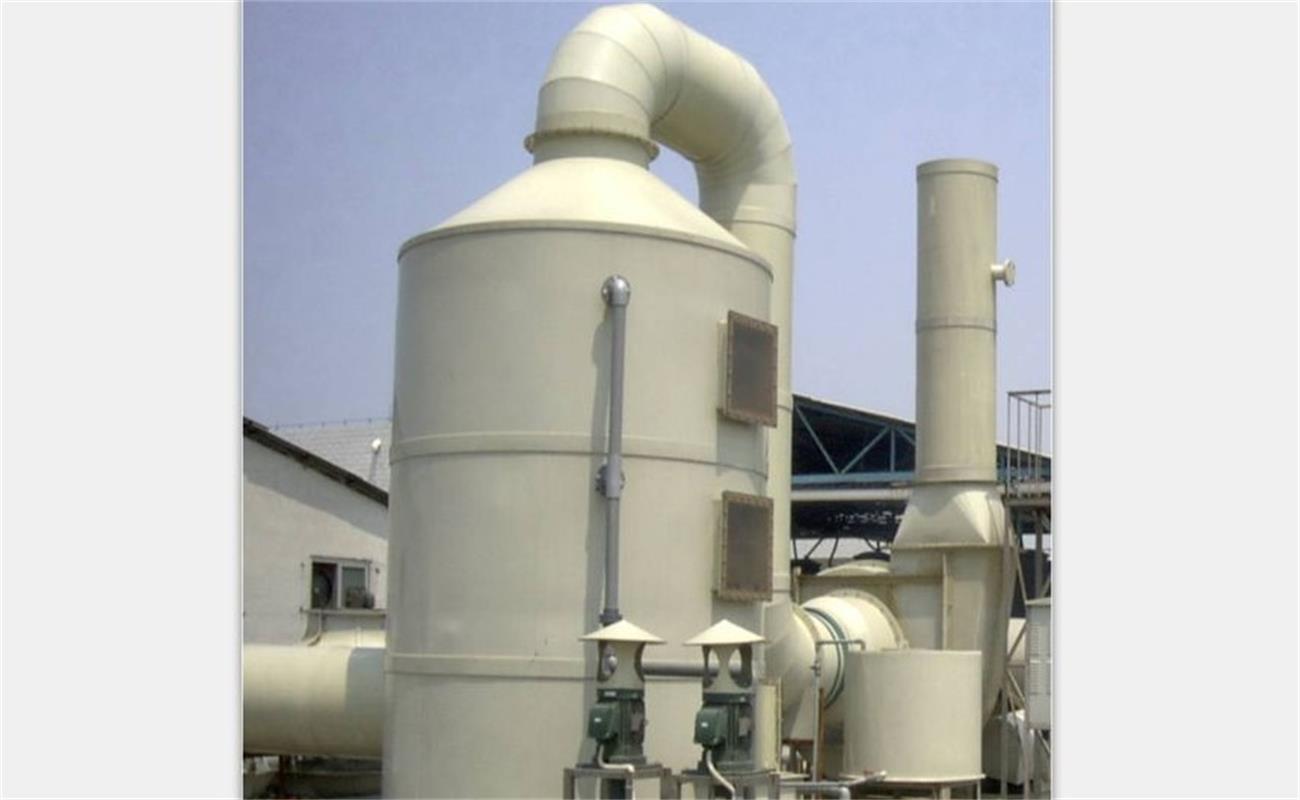
Pollution control. Battery recycling generates acidic wastewater, lead dust, and sulfur dioxide. Cable and PCB processing generate fine dust and noise. Your supplier should include air pollution control systems, water treatment plants, and dust collectors as standard line components, not optional extras.
Recovery rate documentation. A blast furnace for lead paste should quote a recovery rate — 95% is achievable with modern designs. A circuit board recycling plant should quote copper powder purity — 96% to 98% is the benchmark for dry separation systems. Ask for test data from operating plants, not laboratory samples.
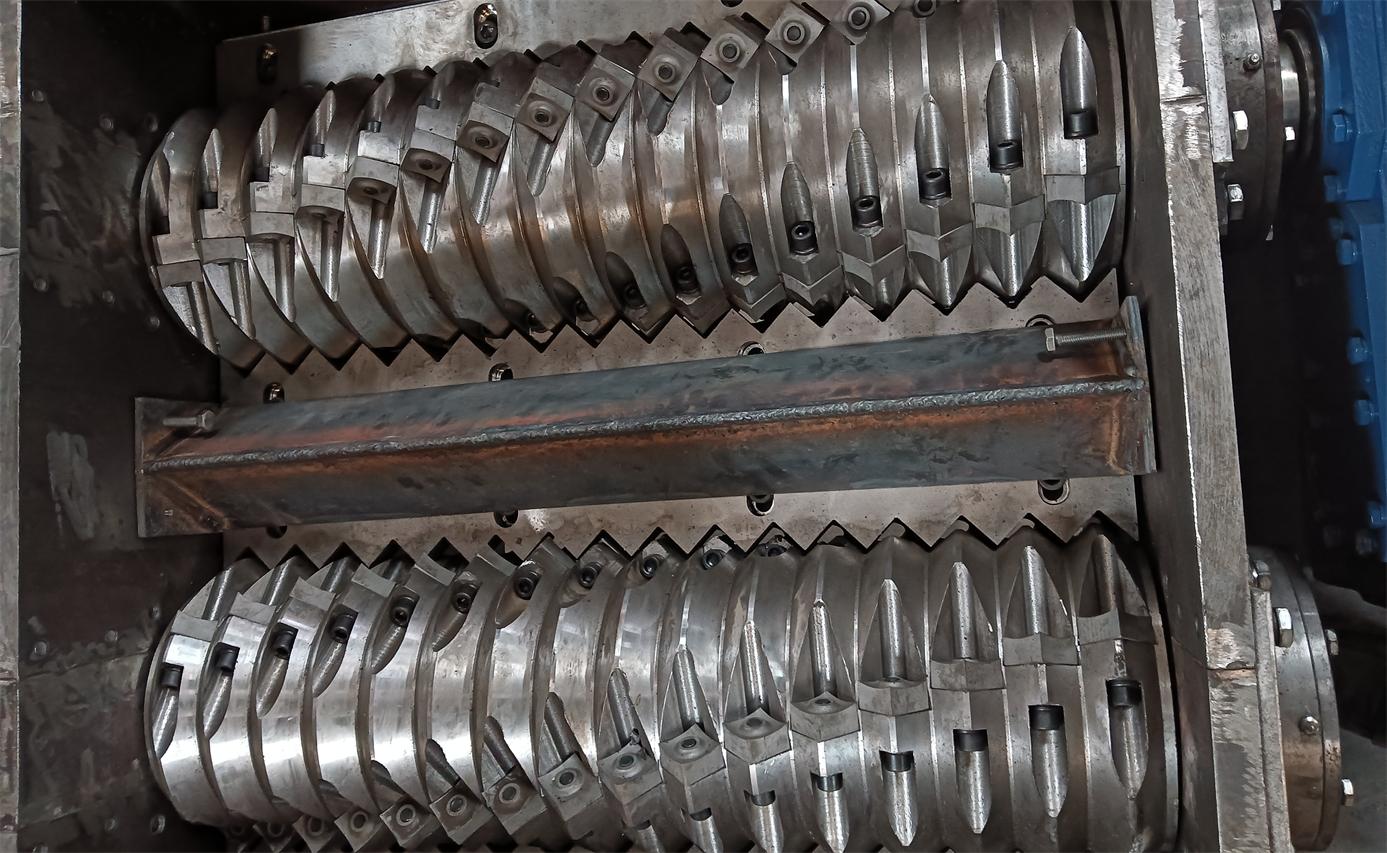
Mechanical engineering depth. Recycling equipment operates in abrasive, corrosive, high-vibration environments. Blades wear out, screens clog, bearings fail. A supplier with a master's-level mechanical engineering team and 15-plus years in e-waste machinery will design for maintenance access and component longevity that a general fabricator simply will not consider.
After-sales reality. Installation, commissioning, and operator training are where projects live or die. A supplier who ships a container and disappears leaves you with a warehouse full of steel and no product. A true turnkey partner sends engineers to your site, stays through the first production runs, and trains your team until the line hits its nameplate capacity.
The Hidden Cost of Partial Solutions
The most expensive recycling plant is the one that runs at 60% of design capacity because the upstream shredder was sized for a different material than the downstream separator can process. Or the one that passes environmental inspection in month three but fails in month twelve because the dust collection system was undersized for summer humidity. Or the one that produces lead ingots at 98.5% purity when the battery manufacturer across town will only buy at 99.999% — and your refinery kettle lacks the temperature precision to close that gap.
These are not theoretical problems. They are the reasons experienced operators prefer to work with suppliers who offer EPC project capability — engineering, procurement, and construction as a single contract. When one team designs the breaking system, the separation line, the pollution control, and the utilities, the interfaces work. When you assemble four vendors and hope they coordinate, the interfaces become your full-time job.
Key insight: The cheapest quote is rarely the lowest total cost. A lead refinery kettle with near-infrared electric heating may cost more upfront than a gas-fired alternative, but an energy saving of 30% to 50% over a five-year operation will repay the difference several times over.
From Scrap Sourcing to Product Sales: The Full Value Chain
Equipment is only half the business model. The other half is moving material in and out at profitable prices. First-time investors often focus entirely on the machinery and forget that a recycling plant with no scrap supply is just an empty building, and a plant with no buyer for its copper rice or lead ingot is a very expensive storage warehouse.
Established recycling equipment manufacturers with deep industry experience often provide value beyond the machines themselves. They can introduce you to scrap traders in their network. They can advise on the specifications that copper refineries and battery manufacturers actually demand. Some can even help you identify investors or joint-venture partners for plant construction if your capital is better deployed in operations than in full ownership. This kind of strategic support does not appear in a standard quotation, but it separates suppliers who understand the recycling business from those who merely build metal boxes.
A Practical Starting Point
If you are evaluating your first recycling investment, start with one line that matches your local scrap availability, and scale deliberately. A lead-acid battery recycling plant with 1 to 10 metric tonnes per hour capacity can serve a regional market and generate cash flow while you evaluate expansion. A cable recycling granulator processing 500 to 2,000 kilograms per hour can pay back in 18 to 24 months with stable scrap supply. The key is not to build the largest plant on day one. It is to build a plant that runs reliably, meets environmental standards, and produces outputs that buyers will pay for.
Look for a partner who has installed plants in diverse regulatory environments — from Southeast Asia to Latin America to Africa — because that breadth of experience means they have solved problems you have not yet imagined. A supplier with customers in 21-plus countries has encountered cable insulation compositions, battery casing variants, and local environmental regulations that a domestic-only manufacturer has never seen. That experience becomes your insurance policy.
San Lan Technologies Co., Ltd. has been manufacturing recycling equipment since 2007. The company designs and delivers complete plants for lead-acid battery recycling, lithium-ion battery recycling, circuit board recycling, cable recycling, and related e-waste processing lines — from single machines to full EPC turnkey projects with installation, commissioning, and operator training. With a technical team holding master's degrees in mechanical engineering and over 15 years of direct experience in e-waste recycling machinery, San Lan supports customers in 21-plus countries with customized design, scrap sourcing guidance, and product-offtake introductions. To discuss your project specifications or request a process flow proposal, visit san-lan.com or contact the team directly.