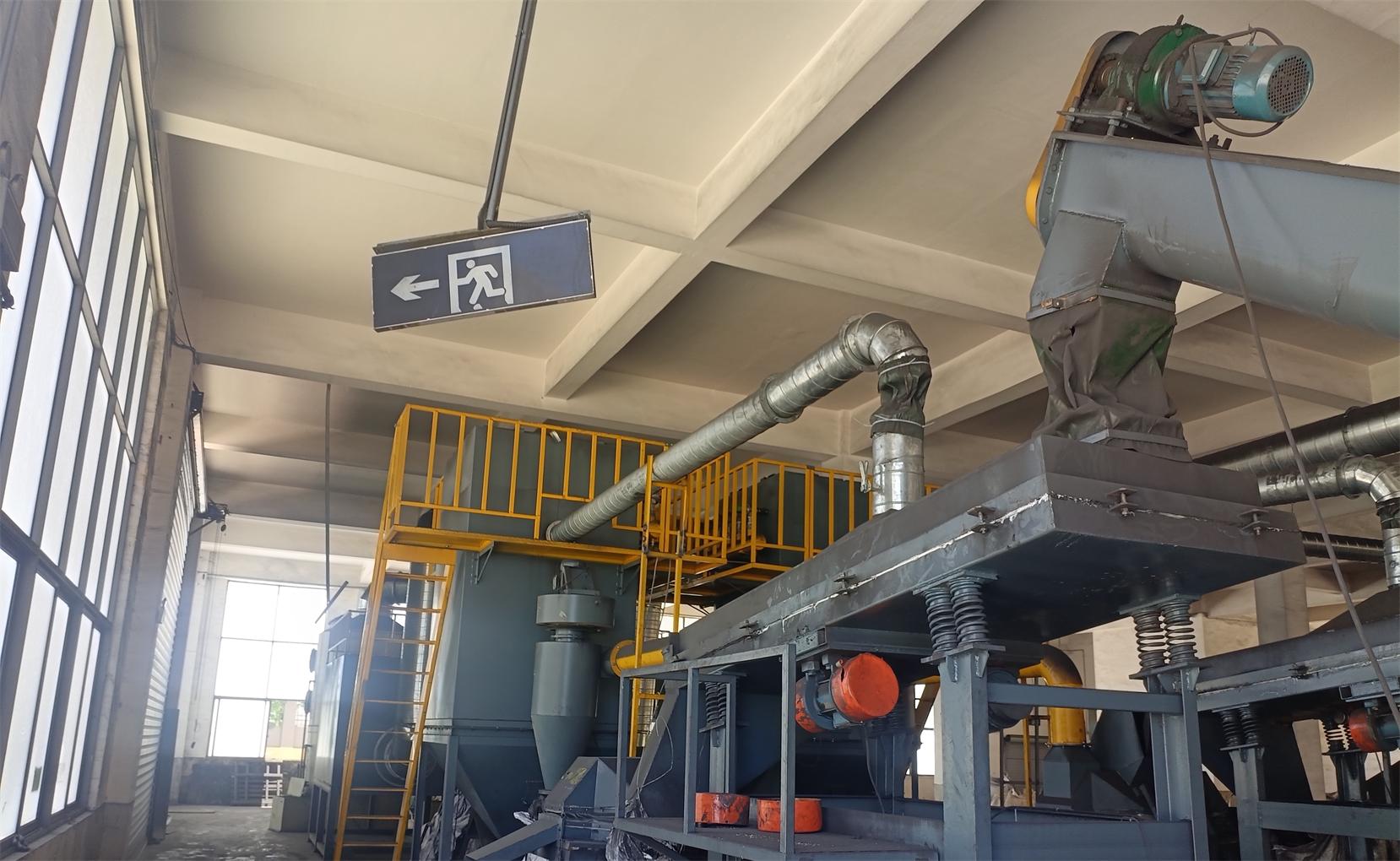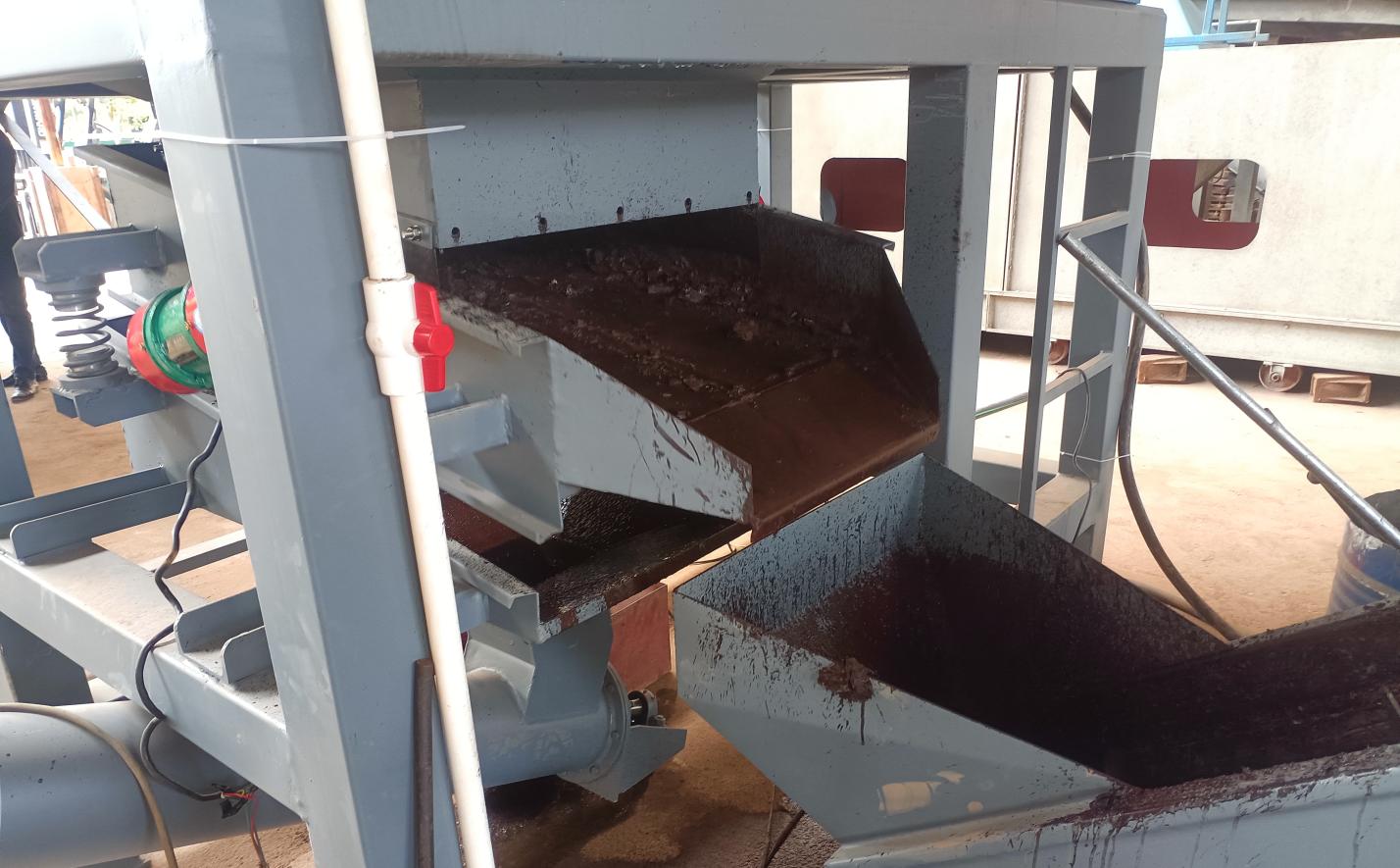
The global e-waste stream is growing at an unprecedented rate. According to the Global E-waste Monitor, the world generated over 60 million metric tons of electronic waste in recent years, and this figure continues to climb. For entrepreneurs and established businesses alike, this presents both an environmental challenge and a significant commercial opportunity. Building a profitable e-waste recycling plant starts with choosing the right equipment from a reliable partner who understands the complexities of WEEE processing.
Why Invest in E-Waste Recycling Now?
Electronic waste contains valuable metals including copper, gold, silver, lead, and lithium. A single ton of discarded circuit boards can contain more gold than 17 tons of gold ore. Beyond the economic incentive, governments worldwide are tightening regulations on e-waste disposal, creating mandatory recycling targets and penalties for improper handling. This regulatory pressure, combined with rising raw material costs, makes e-waste recycling one of the most resilient growth sectors in the green economy.
However, success in this industry depends heavily on the quality and efficiency of your recycling equipment. The wrong machinery leads to low recovery rates, high operational costs, and environmental compliance issues that can shut down operations.
Core Equipment for a Complete Recycling Operation
A comprehensive e-waste recycling plant typically handles multiple waste streams. Here are the essential equipment categories that define a world-class facility:
Lead Acid Battery Recycling Systems
Used lead acid batteries represent one of the most recycled consumer products globally. A complete lead acid battery recycling equipment setup includes breaking and separation systems, paste reduction furnaces, refinery kettles, and air pollution control systems. Modern plants can process 1-10 MT per hour, recovering lead grid, lead paste, plastic shells, and acid with recovery rates exceeding 95%. The key is selecting equipment that meets strict environmental standards while maximizing metal recovery.
Lithium-Ion Battery Recycling Lines
With the electric vehicle revolution accelerating, spent lithium batteries are becoming a critical secondary resource. Advanced lithium battery recycling plants use mechanical crushing combined with separation technology to recover black mass containing nickel, cobalt, and graphite, alongside copper, aluminum, and plastic. Capacities typically range from 500 to 2,500 kg per hour. Given the fire and chemical hazards associated with lithium batteries, integrated air pollution control and safety systems are non-negotiable.
Circuit Board Processing Plants
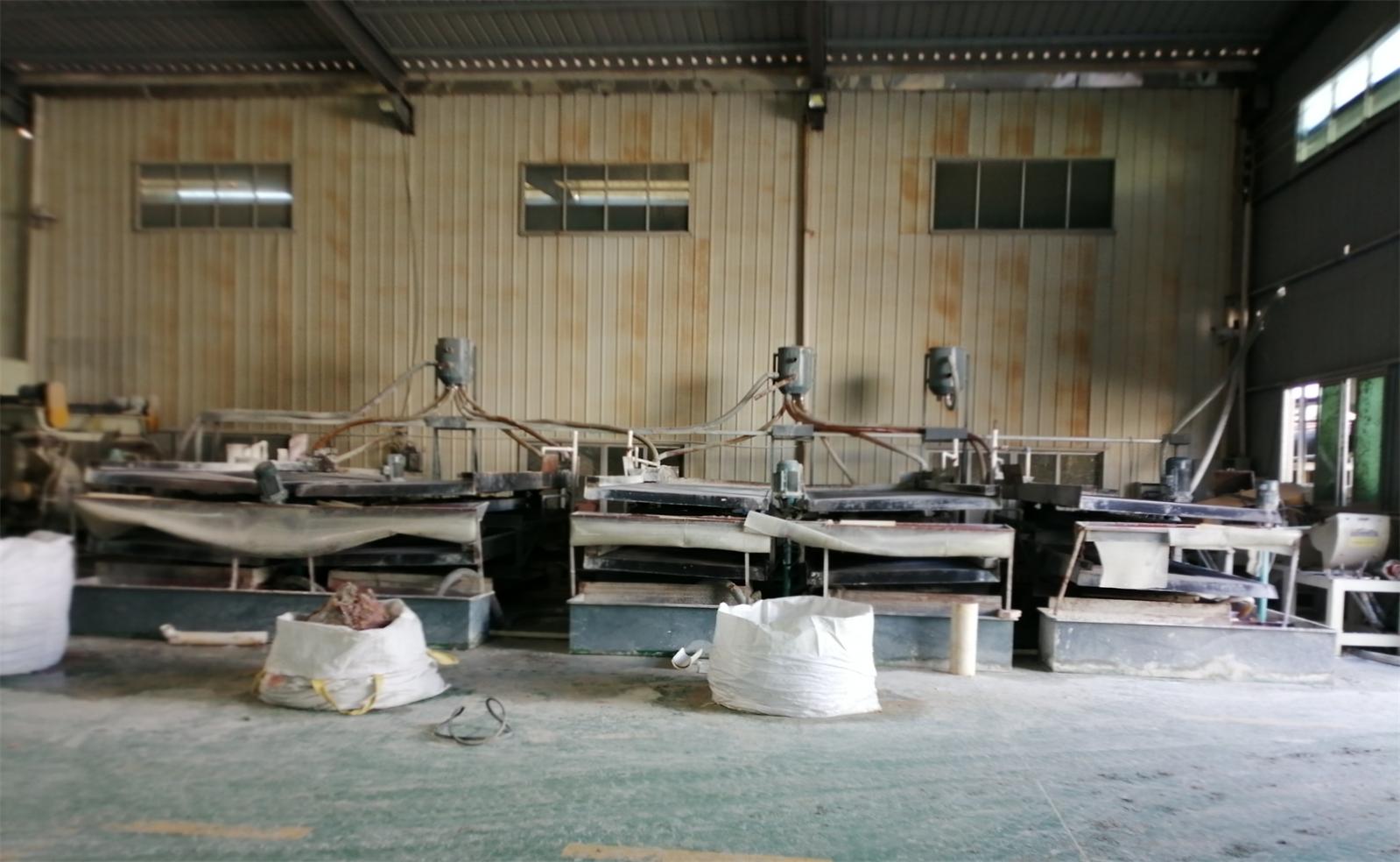
Printed circuit boards are among the most valuable e-waste components due to their copper and precious metal content. A professional circuit board recycling equipment line uses either dry separation with air classifiers and electrostatic separators, or wet separation with water-based metal recovery. Throughput options range from 300 kg/hour to 2,000 kg/hour, with copper powder purity reaching 96-98%. The choice between wet and dry processes depends on local environmental regulations and downstream metal refining capabilities.
Cable and Wire Recycling Machinery
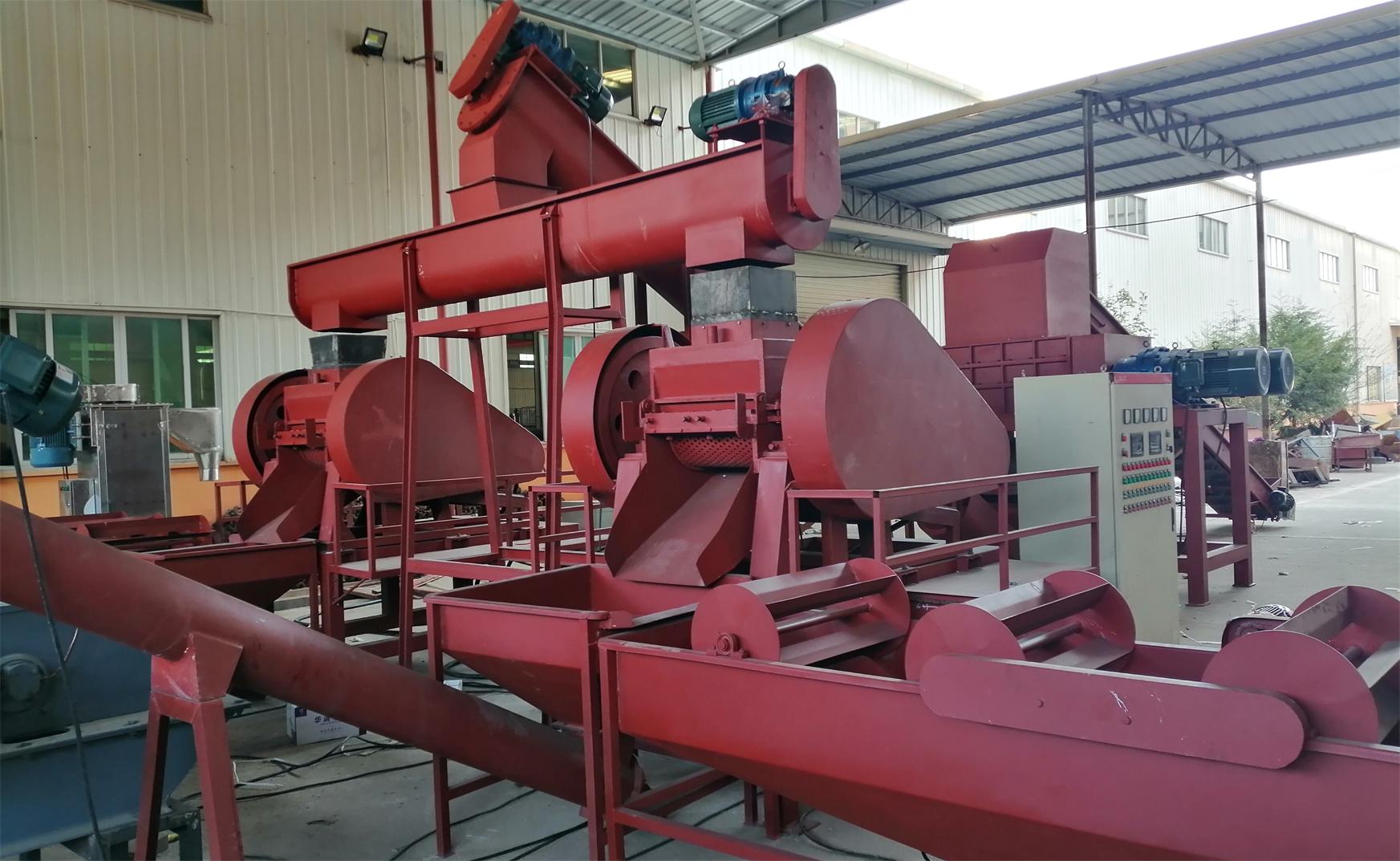
Scrap cables are a high-volume, high-value recycling stream. Modern cable recycling equipment uses granulators with dry separators to cleanly separate copper or aluminum from plastic insulation. Depending on cable diameter and type, plants may also deploy scrap cable strippers as pre-processing equipment. A well-configured cable recycling line can process from 100 kg/hour to over 1,200 kg/hour, producing clean copper granules ready for direct smelting.
Supporting Equipment That Makes the Difference
Beyond the core processing lines, several auxiliary systems determine whether a recycling plant operates profitably and compliantly:
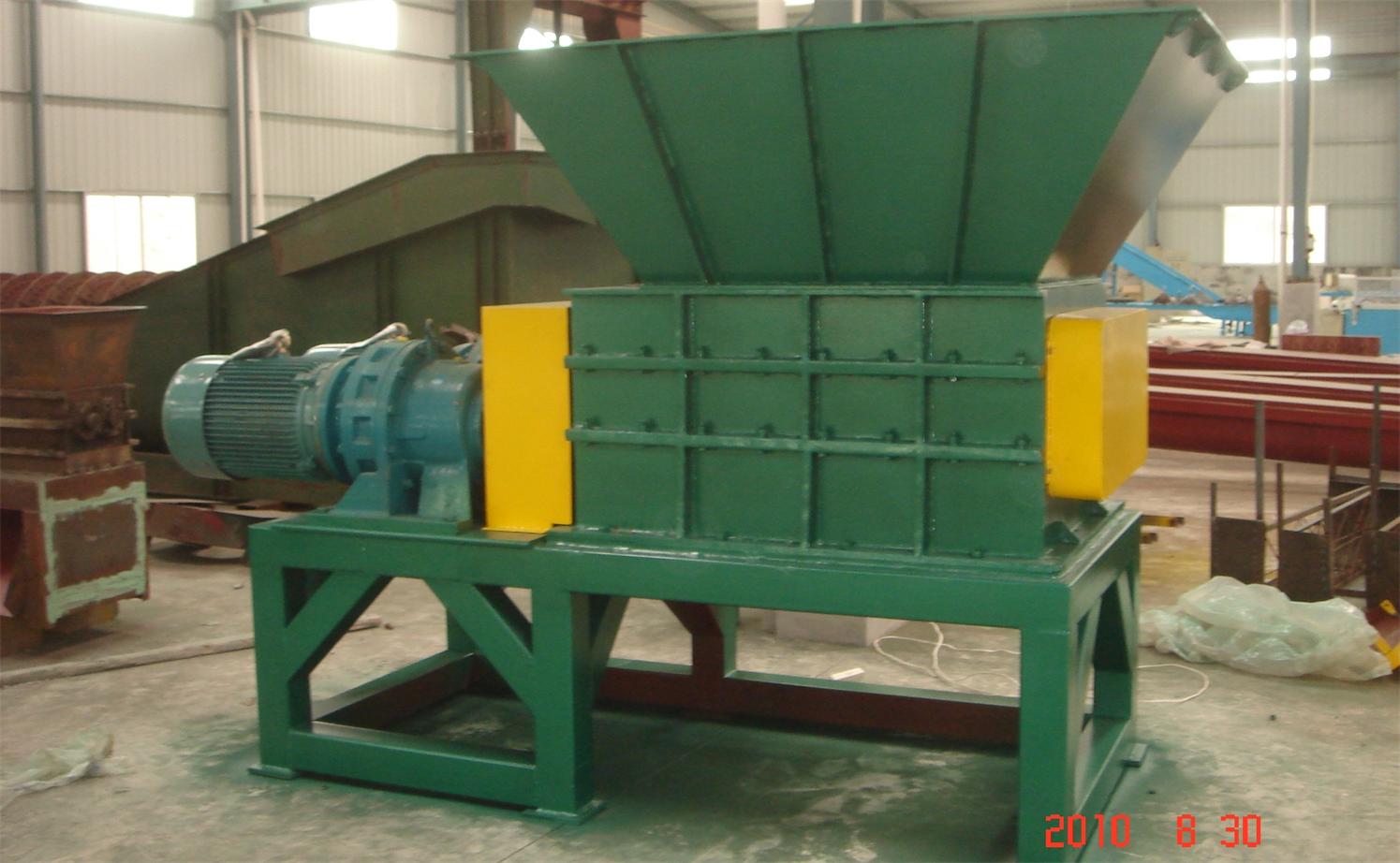
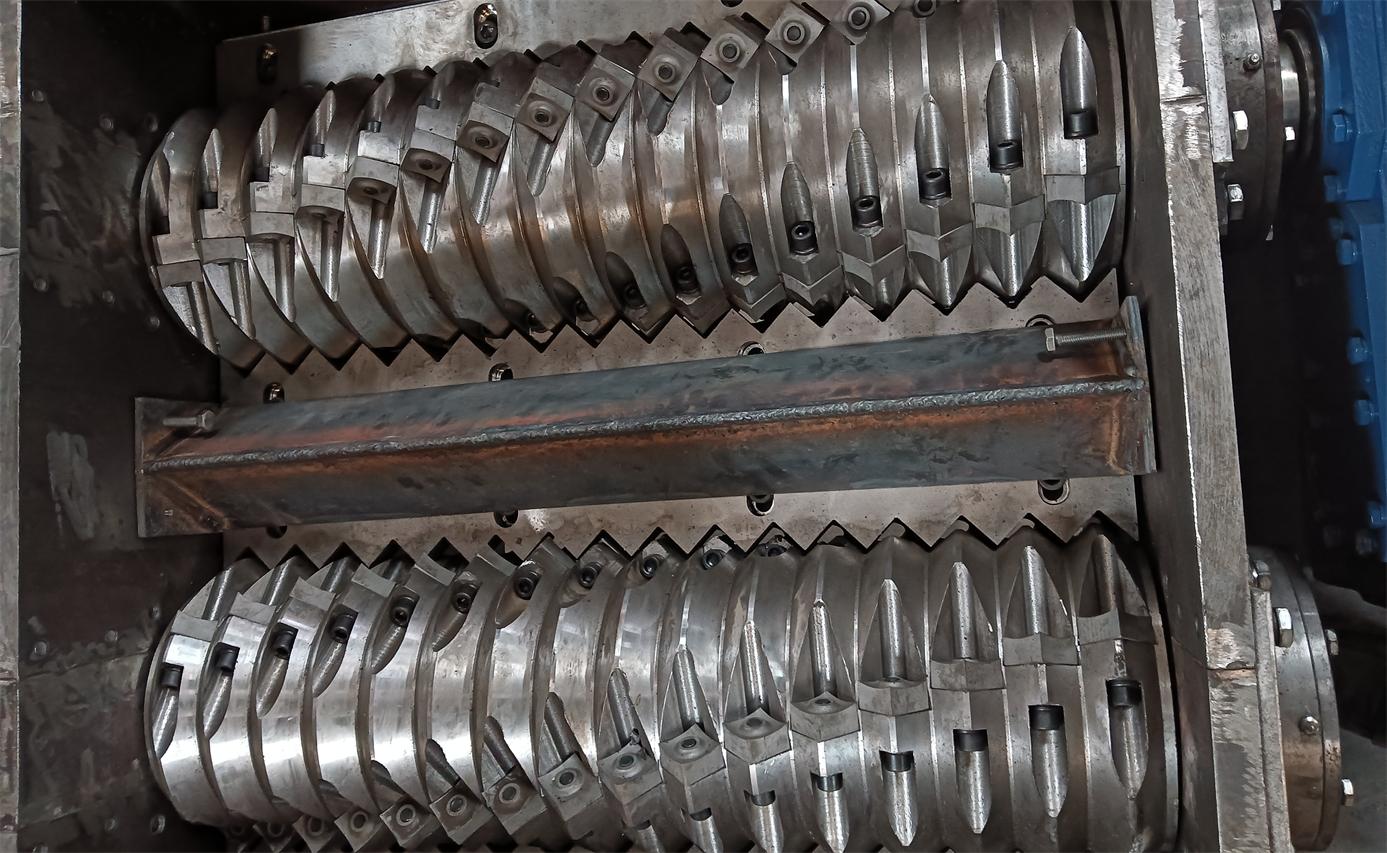
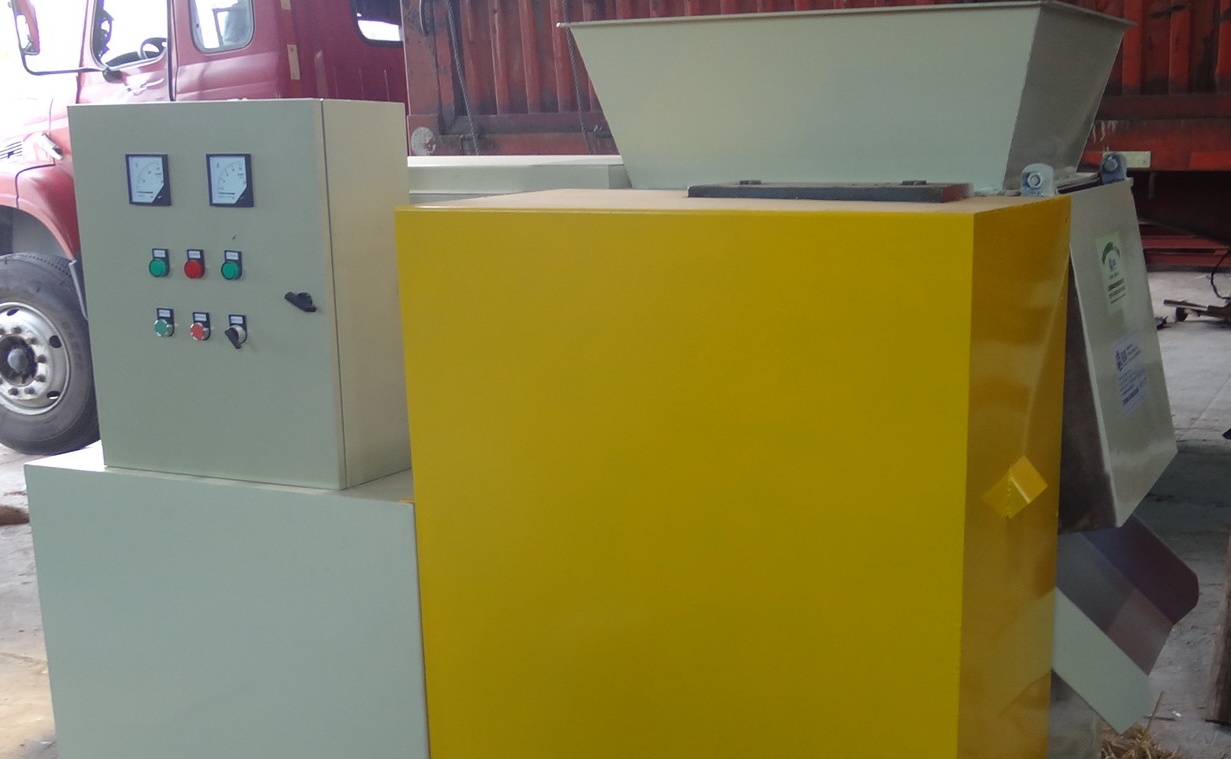
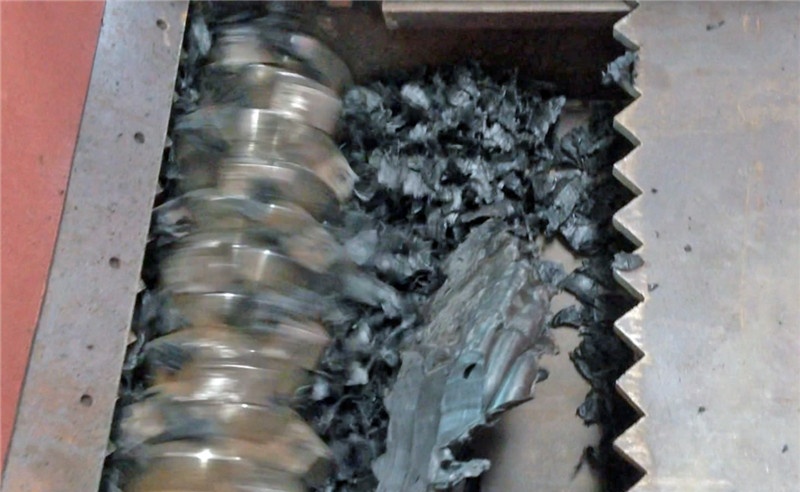
Shredders and Pre-choppers: Multi-purpose shredders handle everything from refrigerators and CRT monitors to large cable bundles and lithium batteries. Four-shaft shredders with capacities of 2-6 MT/hour provide the robust primary size reduction needed for mixed e-waste streams.
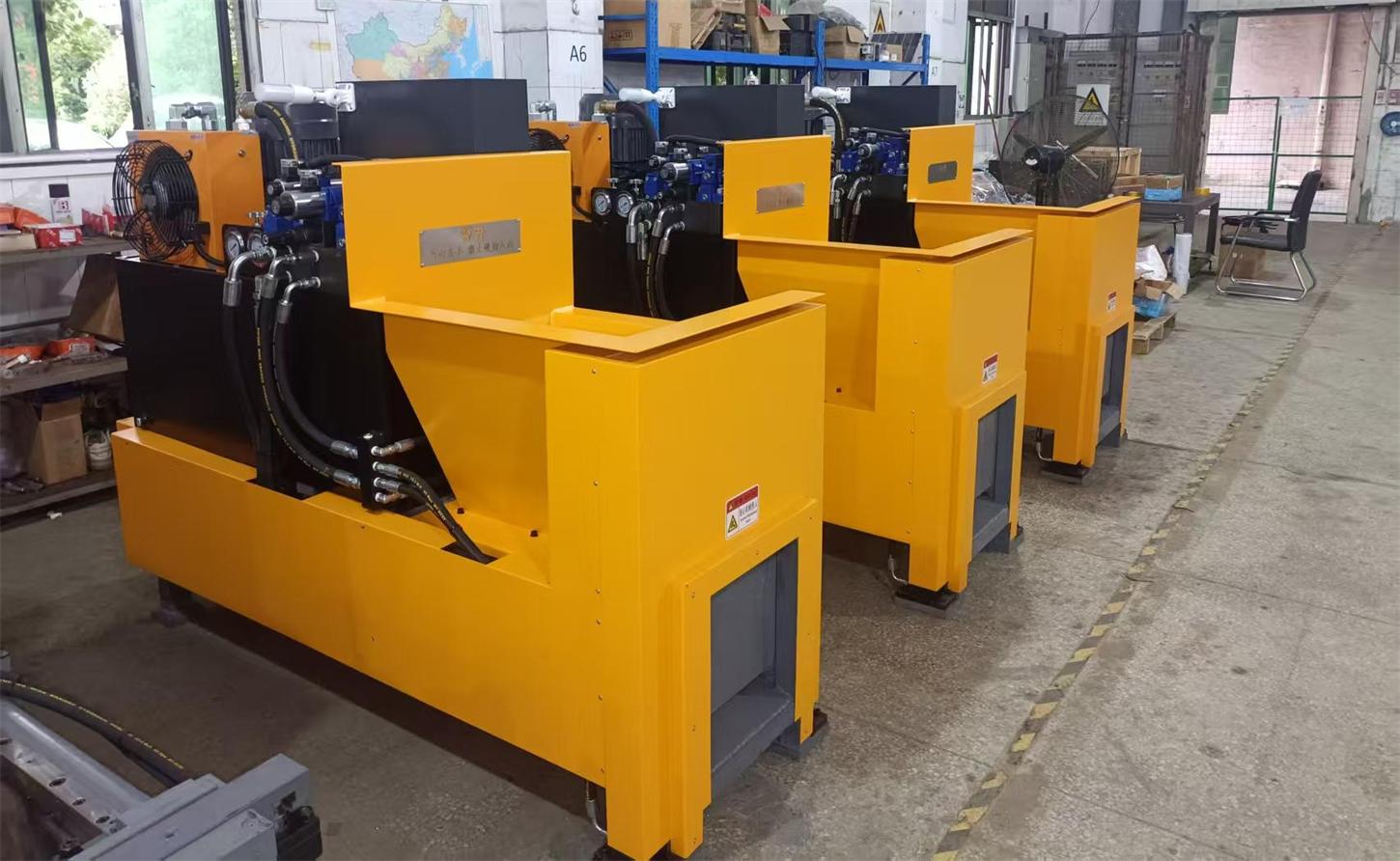
Hydraulic Press Machines: Metal chip compactors and hydraulic balers densify loose materials for efficient transport and furnace feeding. Compression ratios of 8:1 to 30:1 significantly reduce logistics costs.
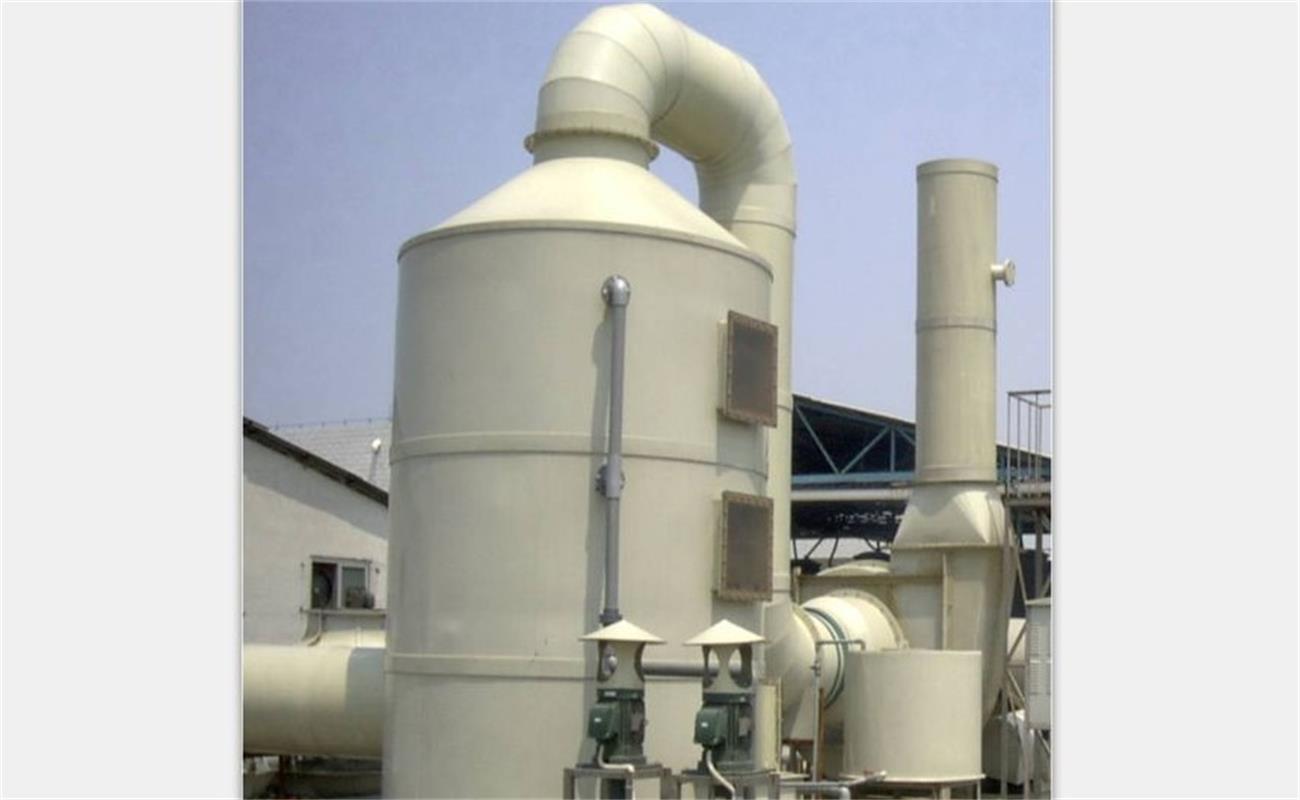
Environmental Control Systems: Air pollution control units, water treatment plants, and dust collection systems are not optional add-ons. They are essential for meeting emission standards and protecting worker health.
Melting and Refining Furnaces: Medium frequency induction furnaces and specialized lead refinery kettles transform recovered metals into marketable ingots with purity levels up to 99.999%.
What to Look for in an Equipment Supplier
Choosing a machinery partner is as critical as selecting the equipment itself. Here are the criteria that separate reliable suppliers from risky choices:
Technical Depth and Experience: Look for manufacturers with engineering teams holding advanced degrees and over 15 years of hands-on experience in e-waste recycling machinery. Theoretical knowledge is not enough. Recycling equipment must be designed by people who understand the real-world variability of waste feedstocks.
EPC Project Capability: A supplier who can deliver Engineering, Procurement, and Construction services provides far more value than a simple equipment vendor. Customized plant design, one-stop purchasing, installation, and commissioning from a single source reduces project risk and accelerates time to production.
Proven International Track Record: Recycling regulations, material specifications, and operational conditions vary dramatically across countries. A supplier with installations in 20+ nations has encountered and solved the problems you are likely to face.
Post-Sale Support: The best suppliers help customers source waste feedstock, optimize processes, and even find buyers for recovered materials like copper rice, lead ingots, and aluminum fractions. This end-to-end partnership model dramatically improves return on investment.
Language and Cultural Fluency: Clear communication prevents costly misunderstandings during project execution. Suppliers fluent in both English and the local language of your operation, with experience in cross-cultural business environments, deliver smoother projects.
Planning Your Recycling Plant: Practical Steps
Before committing to equipment purchases, follow a structured planning process:
1. Define Your Feedstock: Will you focus on lead acid batteries, lithium batteries, circuit boards, cables, or a mixed stream? Your answer determines the core equipment configuration.
2. Assess Local Regulations: Environmental permits, emission limits, and waste handling rules vary by jurisdiction. Ensure your chosen equipment meets or exceeds local standards.
3. Calculate Throughput Requirements: Match equipment capacity to realistic feedstock availability. Overbuilding capacity strains capital without improving returns.
4. Evaluate Total Cost of Ownership: Consider energy consumption, spare parts availability, maintenance requirements, and operator training needs alongside purchase price.
5. Request a Pilot Test: Reputable suppliers can test your actual materials on their equipment and provide recovery rate data before you invest.
Ready to Start Your Recycling Project?
Building a profitable e-waste recycling plant requires more than machinery. It demands a partner who brings technical expertise, international project experience, and a commitment to your long-term success. With over 15 years in the industry and installations across more than 21 countries, San Lan Technologies Co., Ltd. offers comprehensive WEEE recycling solutions from initial design through commissioning and beyond.
Whether you need a complete lead acid battery recycling line, a lithium battery breaking and separation plant, or an integrated multi-stream e-waste facility, our engineering team delivers customized solutions optimized for your local conditions and business goals.
Contact us today to discuss your project requirements and receive a tailored equipment proposal.