The Growing Opportunity in E-Waste Recycling
Electronic waste has become the world's fastest-growing waste stream, driven by shorter product lifecycles and increasing consumption of electronic devices. This surge creates both environmental urgency and commercial potential. Modern recycling plants can recover valuable metals including copper, gold, silver, lead, and lithium from discarded electronics, transforming waste liabilities into profit centers.
For entrepreneurs and established industrial operators alike, the key question is not whether to enter this market, but how to configure operations for maximum recovery rates, regulatory compliance, and long-term profitability. The answer lies in choosing specialized equipment engineered for your specific feedstock and output requirements.
Core Recycling Equipment Categories
A comprehensive e-waste recycling operation requires different processing lines depending on target materials. Each category demands specialized machinery designed to handle unique physical and chemical characteristics while maximizing recovery purity.
Lead Acid Battery Recycling Equipment
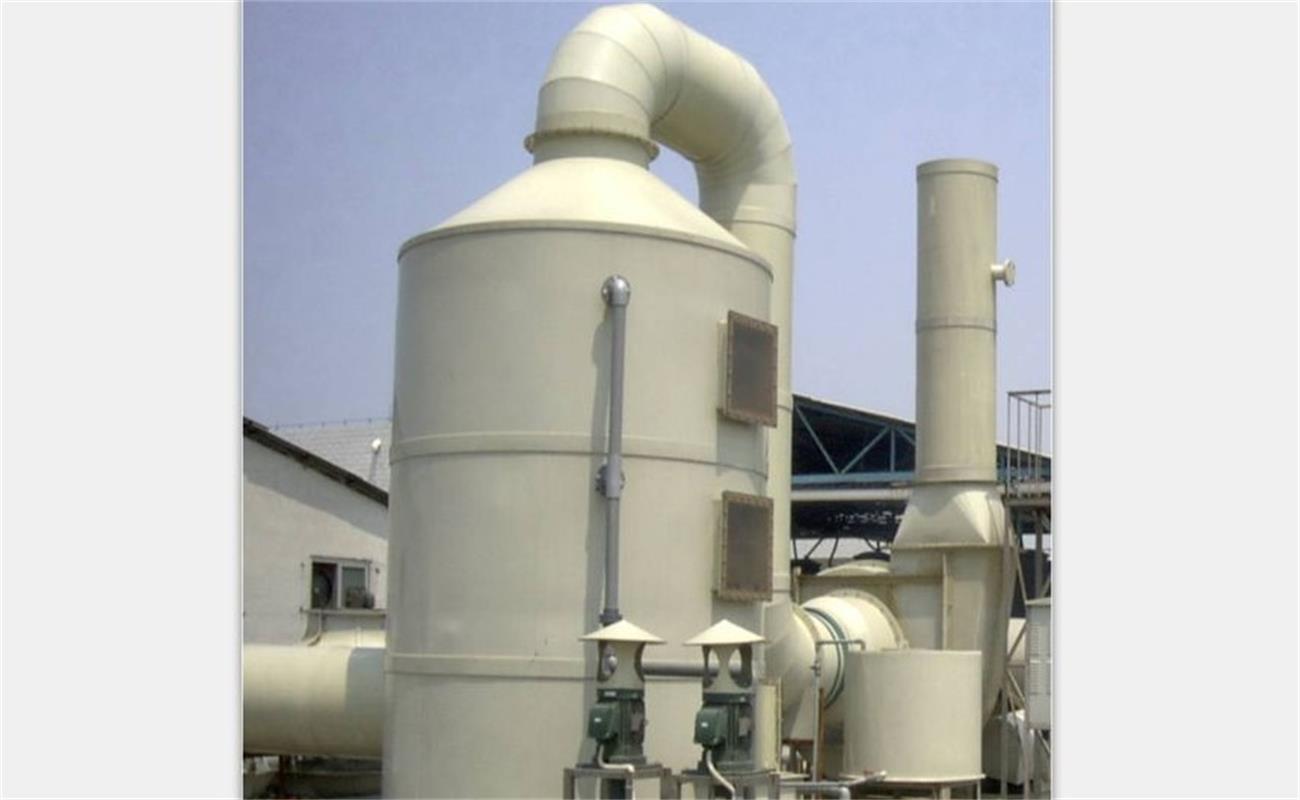
Used lead acid batteries represent one of the most recycled consumer products globally, with well-established recovery economics. A complete lead acid battery recycling equipment line typically includes battery breaking and separation systems, paste desulfurization units, rotary furnaces or blast furnaces for smelting, lead refinery kettles, and air pollution control systems. Modern plants achieve lead recovery rates exceeding 95% while meeting stringent environmental standards for acid neutralization and emissions control.
The process begins with cutting and draining batteries, followed by mechanical separation of plastic cases, lead grids, and lead paste. Subsequent smelting and refining stages produce high-purity lead ingots suitable for battery manufacturing or other industrial applications. Water treatment systems complete the cycle by neutralizing acidic effluent before discharge.
Cable Recycling Equipment
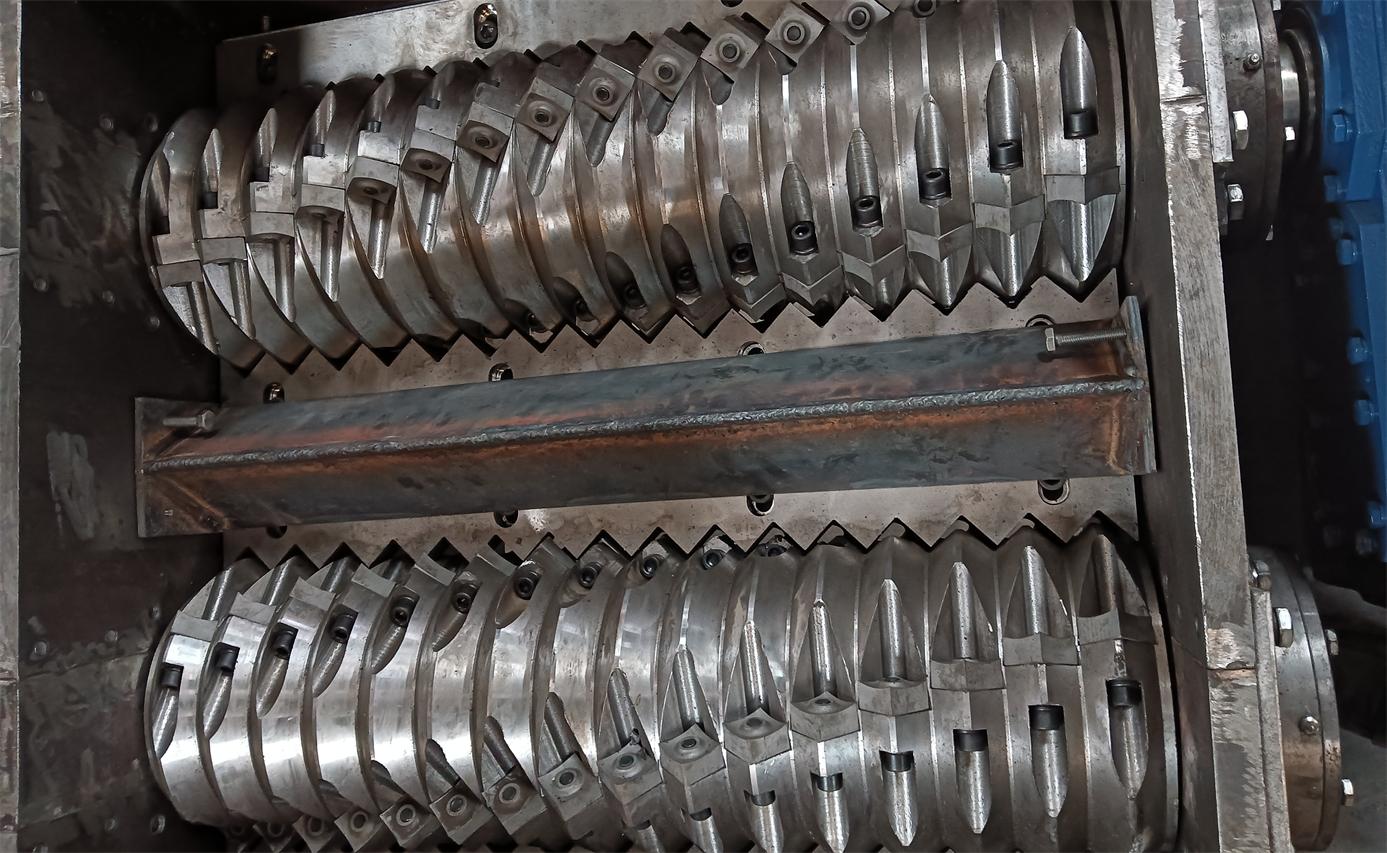
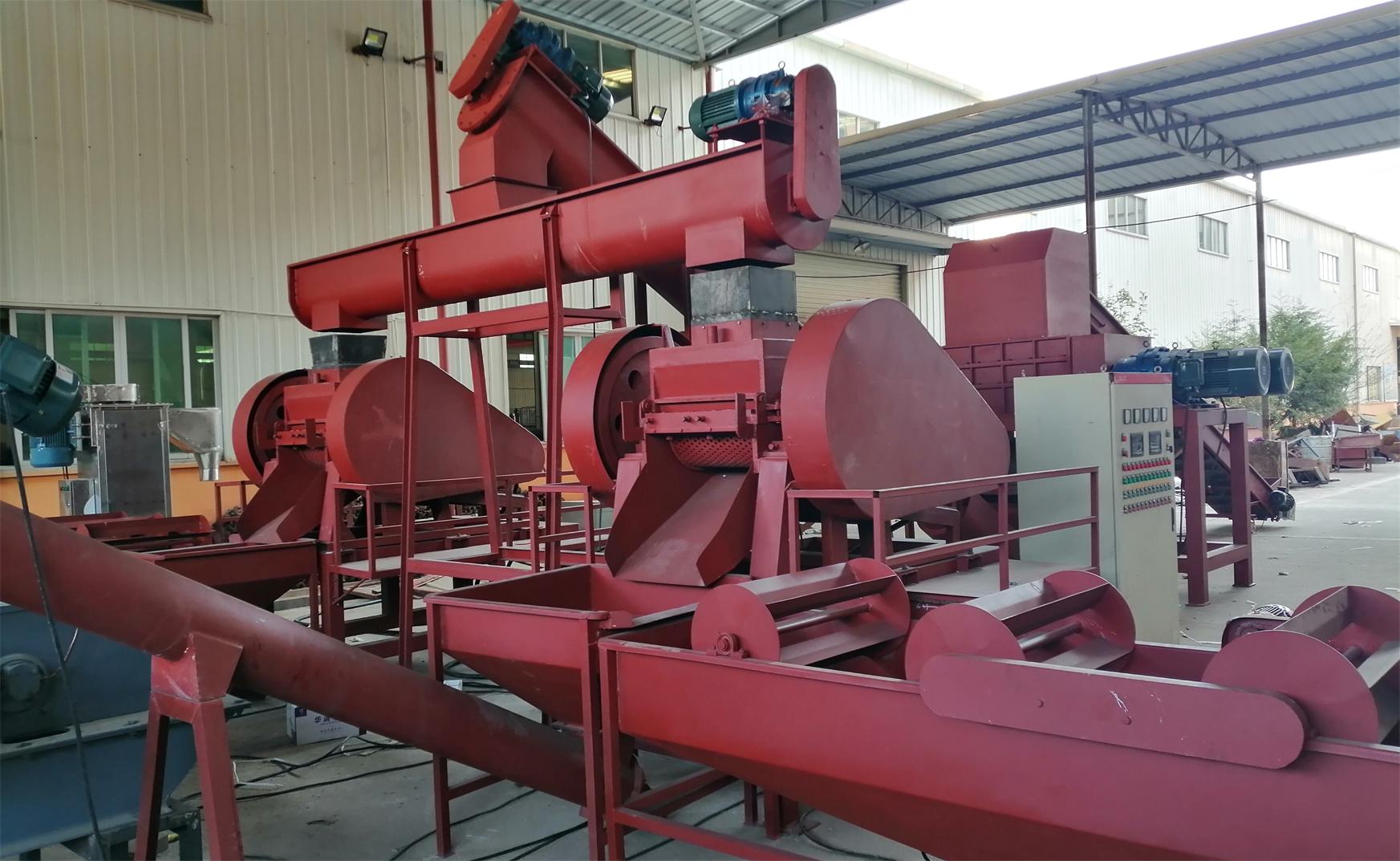
Scrap cables and wires contain valuable copper and aluminum conductors insulated with various plastic materials. Specialized cable recycling equipment uses granulation and separation technology to recover these metals with purity levels reaching 96-98%. The process involves pre-shredding, granulation into small particles, and then separating metal from insulation using air classification, water separation, or electrostatic methods.
Cable recycling lines range from compact units processing 100 kg per hour to industrial systems handling 1,200 kg per hour or more. Pre-stripping machines for large-diameter cables improve overall efficiency, while dry separation systems eliminate water discharge concerns. The recovered copper rice commands premium prices in metal markets, while plastic fractions can be further processed or sold to specialized recyclers.
Circuit Board Recycling Equipment
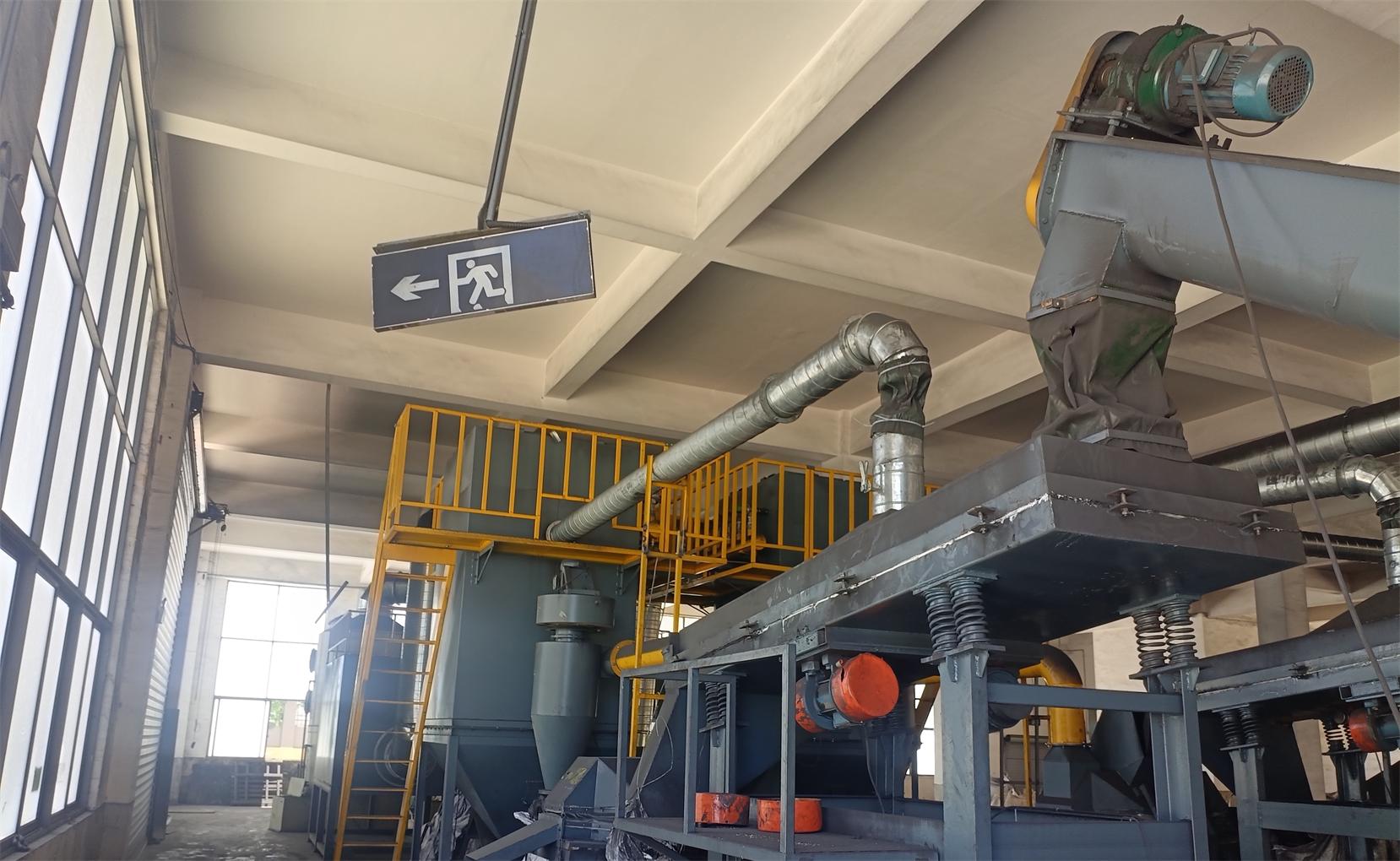
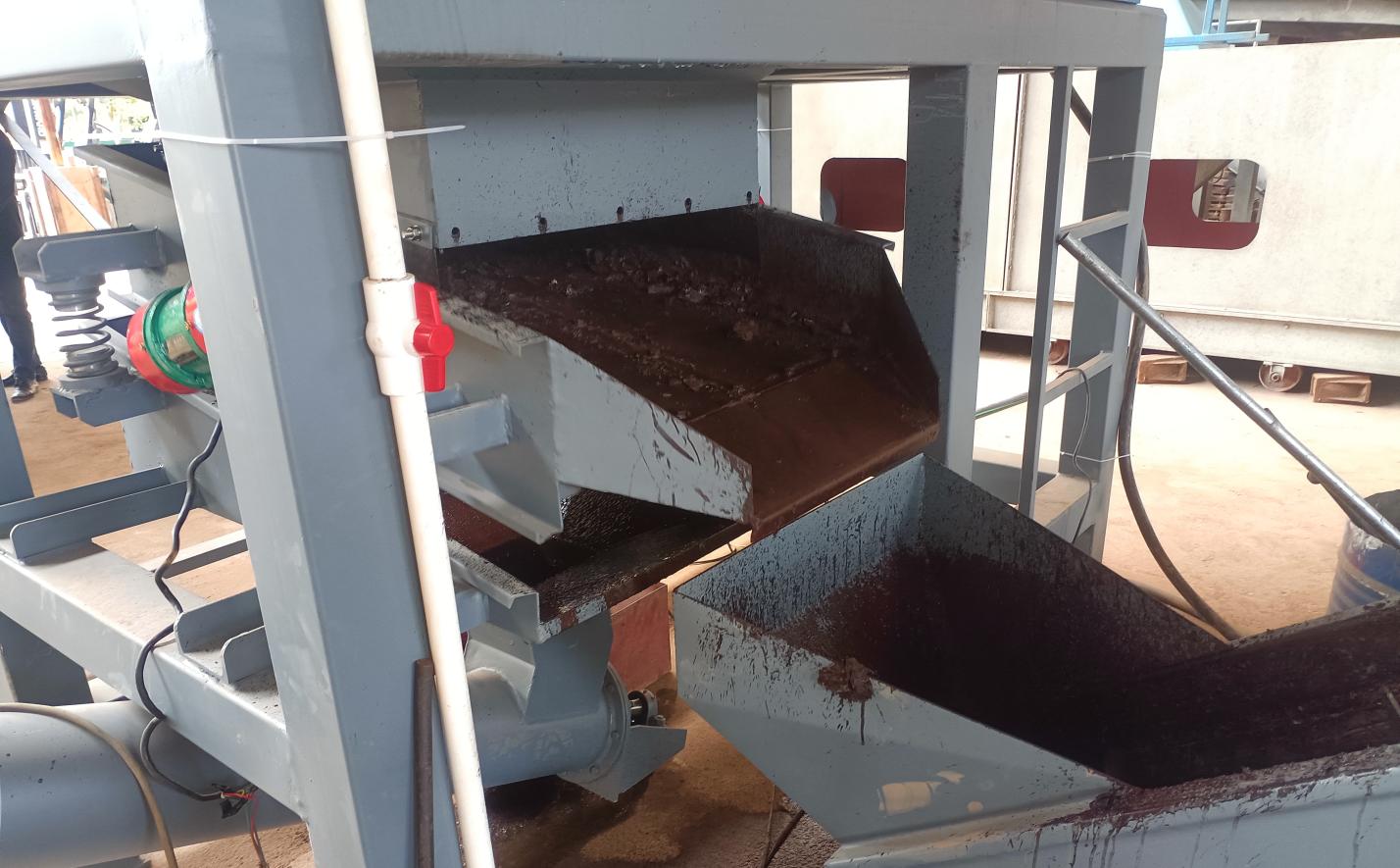
Printed circuit boards contain the highest concentration of precious metals in e-waste, including gold, silver, palladium, and copper. Circuit board recycling equipment employs mechanical crushing combined with wet or dry separation to recover copper powder and precious metal concentrates. Advanced plants combine air separators, electrostatic separators, and pulse dust collectors to achieve recovery rates up to 98% with copper purity of 96-98%.
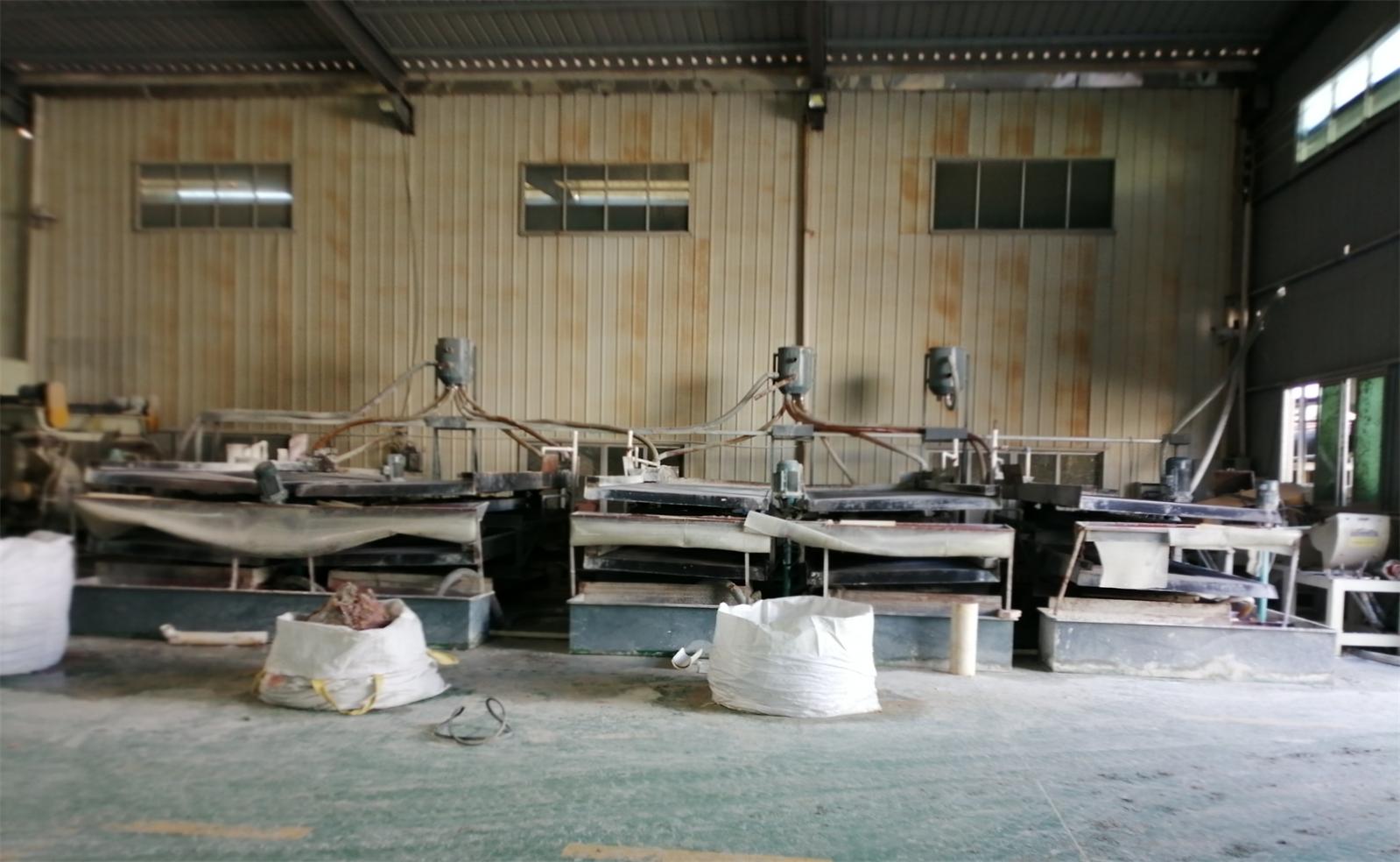
The choice between wet and dry separation depends on local environmental regulations and downstream processing capabilities. Wet systems use water-based metal separation and require wastewater treatment, while dry systems use air classification and vibrating screens with dust collection. Both approaches effectively liberate metals from fiberglass and resin substrates, creating valuable feedstock for precious metal refiners or copper smelters.
Lithium Battery Recycling Solutions
The explosive growth of electric vehicles and portable electronics has created urgent demand for lithium battery recycling infrastructure. Unlike lead acid systems, lithium battery recycling requires specialized handling for safety, including discharge systems and inert atmosphere processing. Complete plants recover black mass containing nickel, cobalt, and graphite, plus separated copper, aluminum, and plastic fractions. Capacity typically ranges from 500 to 2,500 kg per hour depending on configuration.
What to Look for in an Equipment Partner
Selecting a recycling equipment supplier extends far beyond comparing specifications and prices. The ideal partner brings deep technical expertise, proven international experience, and comprehensive support capabilities that span the entire project lifecycle.
Technical Expertise: Look for engineering teams with advanced degrees in mechanical engineering and demonstrated experience in e-waste recycling machinery design. The complexity of material separation, pollution control, and process optimization requires specialized knowledge that general industrial equipment manufacturers rarely possess.
-
✓
EPC Project Capability: End-to-end engineering, procurement, and construction services ensure seamless integration of all plant components, from raw material handling through final product packaging.
-
✓
Customization Experience: Every recycling operation faces unique feedstock characteristics, capacity requirements, and regulatory environments. Standard catalogs rarely provide optimal solutions.
-
✓
Installation and Commissioning: Proper setup and calibration directly impact recovery rates, operational efficiency, and equipment lifespan. Expert supervision during startup prevents costly mistakes.
-
✓
Supply Chain Support: Experienced partners assist with sourcing waste materials and marketing recovered products, accelerating path to profitability.
-
✓
International Experience: Export capabilities and understanding of diverse regulatory frameworks indicate manufacturing quality and logistical competence.
San Lan Technologies: Your Complete Recycling Partner
San Lan Technologies Co., Ltd has manufactured professional WEEE recycling machinery and mining equipment since 2007. With customers across more than 21 countries including Singapore, Colombia, Vietnam, Mexico, Argentina, Korea, Malaysia, Indonesia, South Africa, Tunisia, India, Kenya, Saudi Arabia, Philippines, and Zambia, the company has demonstrated consistent capability to deliver reliable equipment worldwide.
The company's technical team holds master's degrees in mechanical engineering with over 15 years of specialized experience in e-waste recycling equipment design and optimization. This depth of expertise translates into machinery engineered for durability, efficiency, and ease of maintenance in demanding industrial environments.
Comprehensive Product Portfolio
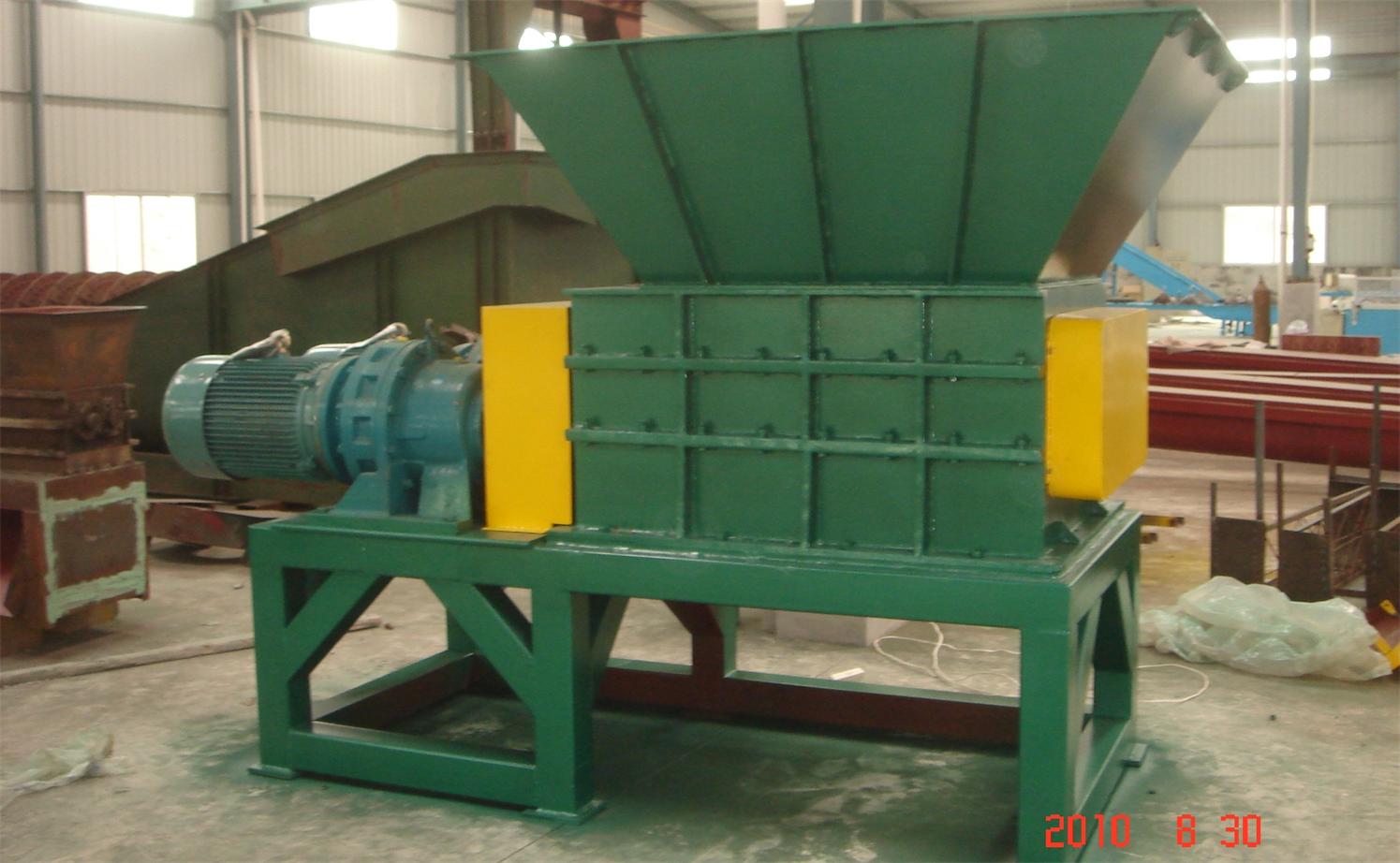
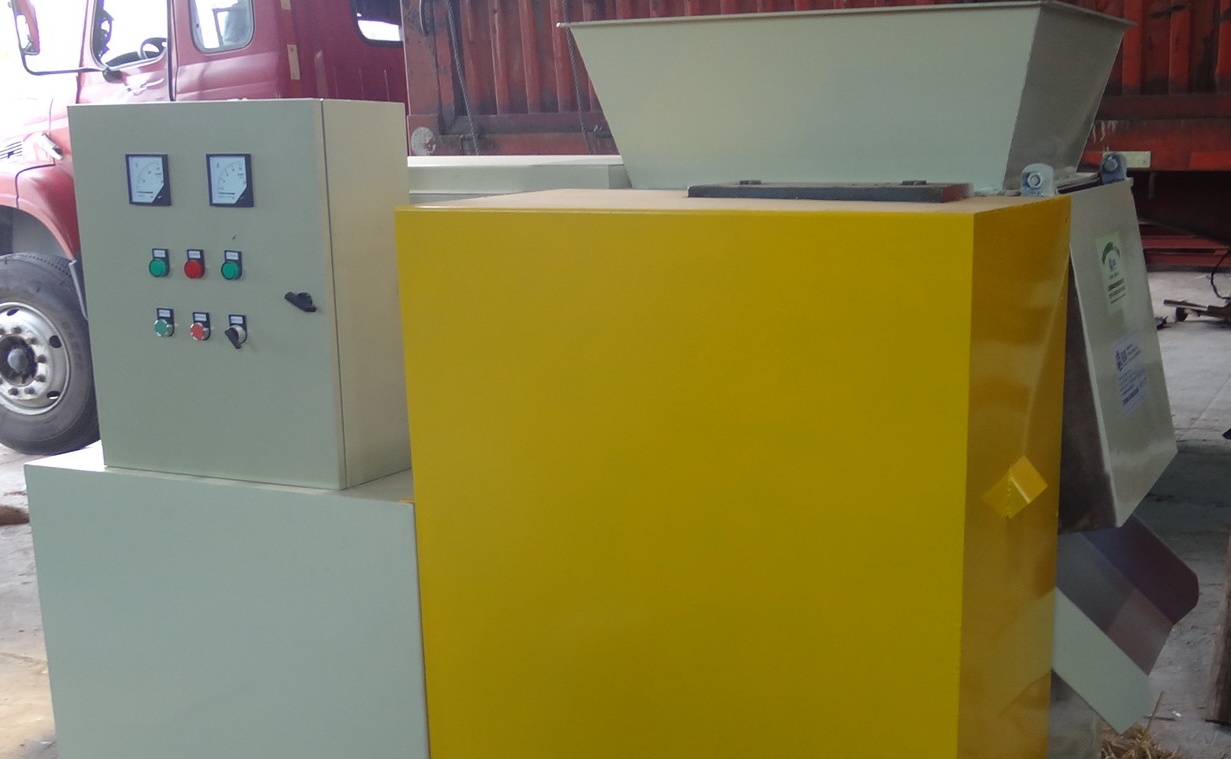
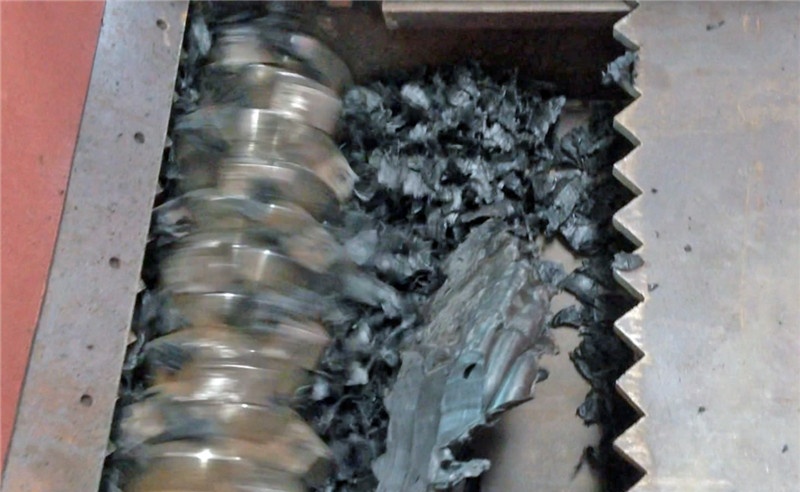
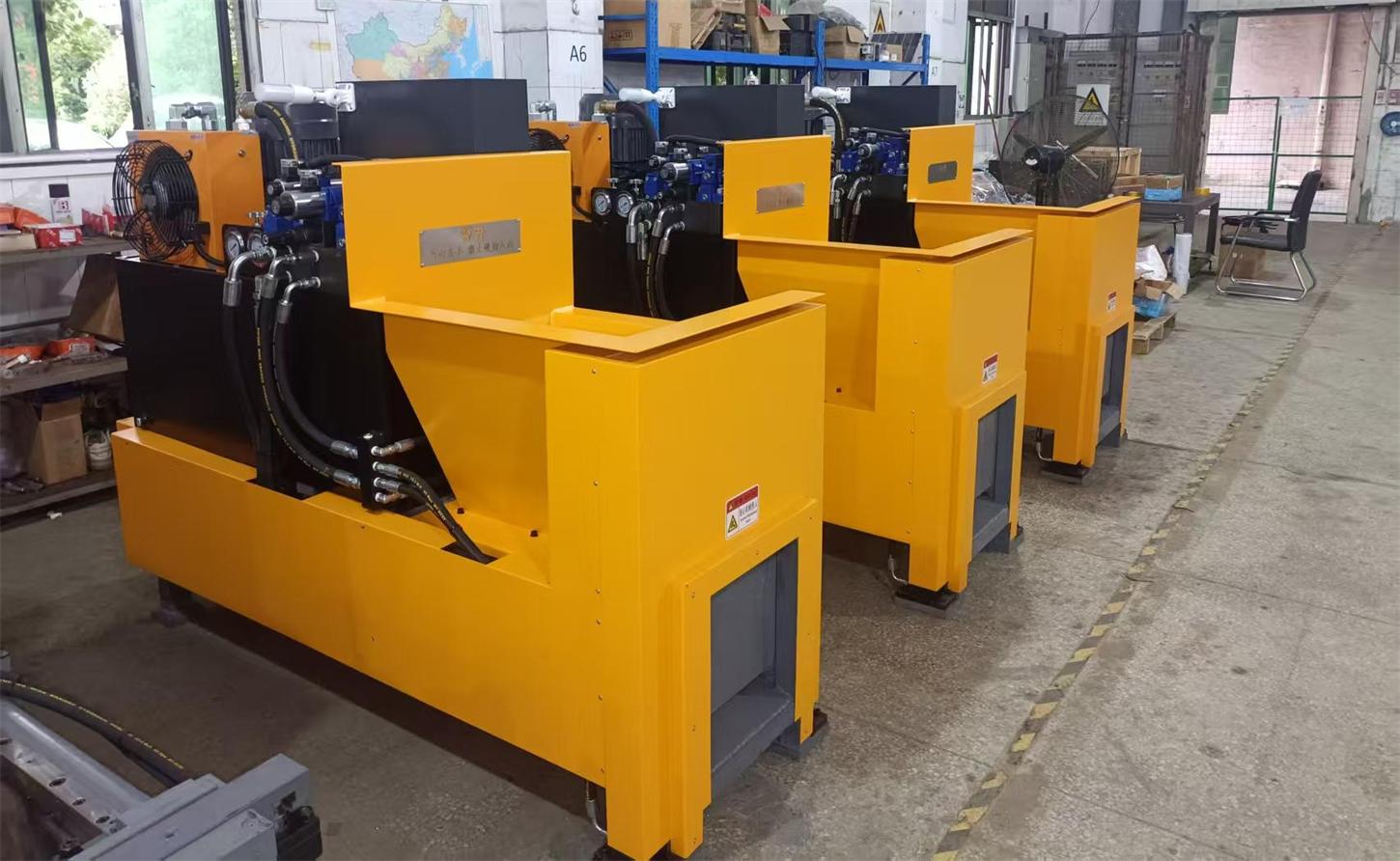
San Lan offers complete processing lines across all major e-waste categories: lead acid battery recycling plants with capacity from 1-10 MT per hour; lithium battery recycling systems processing 500-2,500 kg per hour; circuit board recycling plants in wet and dry configurations; cable recycling granulators and strippers; refrigerator and AC recycling lines; CRT cutting and separation equipment; motor dismantling machines; and auxiliary equipment including shredders, hydraulic presses, and metal melting furnaces.
Value-Added Services Beyond Equipment
San Lan differentiates through comprehensive project support that extends far beyond machinery delivery. The company provides customized plant design based on specific feedstock and capacity requirements, one-stop procurement for complete recycling lines, installation supervision and commissioning assistance, operator training, and ongoing technical support. Additionally, San Lan assists clients with waste material sourcing, product offtake arrangements for recovered metals, and investor partnership development for greenfield projects.
Language and Cultural Accessibility: Operating effectively in international markets requires more than quality manufacturing. San Lan's essentially bilingual English and Chinese capabilities, combined with deep understanding of intercultural business environments, facilitate smooth communication and project execution across diverse global markets.
Planning Your Recycling Investment
Successful recycling plant development follows a structured approach: define target feedstock and desired outputs, conduct regulatory and market analysis for your jurisdiction, select appropriate processing technology, engineer plant layout and material flows, procure and install equipment, commission and optimize operations, and establish supply chain and offtake partnerships.
Each stage benefits from experienced guidance. Premature equipment purchases without clear process engineering frequently result in capacity mismatches, recovery shortfalls, or regulatory non-compliance. Partnering with a full-service provider from initial concept through commercial operation reduces execution risk and accelerates return on investment.
Ready to Develop Your Recycling Operation?
Whether you are evaluating your first recycling investment or expanding existing capacity, San Lan Technologies provides the equipment expertise and project support to achieve your goals. Contact our team to discuss your specific requirements and discover how our integrated solutions can transform your e-waste recycling vision into profitable reality.
Contact San Lan Technologies