A practical roadmap for selecting the right recycling machinery, from lead acid batteries to lithium-ion cells and circuit boards.
The global surge in electronic consumption has created an unprecedented waste challenge — and a massive business opportunity. Every year, millions of tonnes of used batteries, discarded cables, and obsolete circuit boards pile up in landfills, yet these materials contain recoverable metals worth billions of dollars. For entrepreneurs and established industrial operators alike, entering the e-waste recycling sector is no longer just an environmental choice; it is a strategically sound investment.
However, success in this field depends heavily on one critical decision: choosing the right recycling equipment. The machinery you install determines your recovery rates, operational efficiency, compliance with environmental regulations, and ultimately your bottom line. This guide walks you through the core recycling streams, the essential machines for each, and what to look for in a reliable equipment partner.
The Scale of the Opportunity
These figures underscore a simple truth: the supply of recyclable material is vast, and the technology to process it profitably already exists. The key is matching the right equipment to your target feedstock and local market conditions.
Lead Acid Battery Recycling: A Proven Revenue Stream
Used lead acid batteries (ULAB) remain one of the most recycled consumer products globally. Their dense metal content — lead grids, lead paste, and plastic casings — makes them exceptionally valuable when processed correctly. A complete lead acid battery recycling plant typically includes several integrated stages:
- Battery Breaking and Separation System: Automatically cuts and empties batteries, then separates acid, lead paste, lead grids, and plastic. Capacity ranges from 1 to 10 MT per hour.
- Desulfurization Unit: Removes sulfur from lead paste (PbSO4), which lowers melting temperatures, reduces SO2 emissions, and saves energy and chemical additives.
- Smelting Furnace: Rotary or blast furnaces reduce lead paste to crude metallic lead. Modern rotary furnaces achieve higher recovery rates than traditional blast furnaces, with capacities from 2 to 20 MT per batch.
- Lead Refinery Kettle: Refines crude lead to 99.999% purity. Electric-heated models using near-infrared technology can reduce energy consumption by 30–50%.
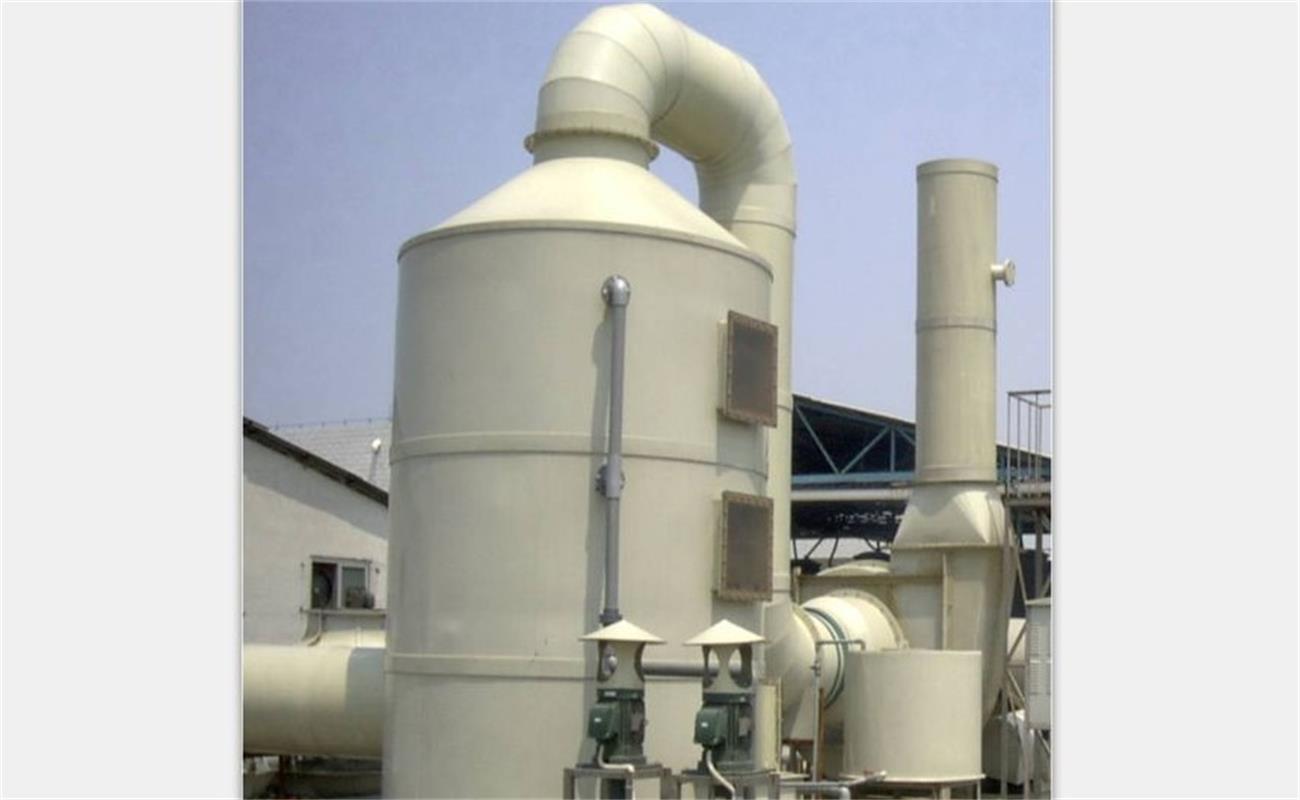
- Pollution Control and Water Treatment: Air scrubbers neutralize exhaust gases, while effluent treatment systems handle acidic wastewater — both essential for regulatory compliance.
Key Insight: Plants that integrate desulfurization before smelting not only cut emissions but also reduce furnace fuel costs. This single upgrade can improve margins significantly over a plant's operating life.
Cable Recycling: Turning Copper Scrap into Cash
Scrap cables and wires are among the most accessible feedstocks for new recycling ventures. Whether sourced from construction demolition, automotive dismantling, or telecom infrastructure upgrades, these materials contain high-purity copper and aluminum that command strong market prices. A professional cable recycling plant generally combines stripping and granulation equipment:
- Scrap Cable Strippers: For thick, armored cables, hydraulic or electric strippers remove insulation before granulation. Models handle diameters from 1.5 mm to 150 mm, with throughputs up to 15,000 kg per 10-hour shift.
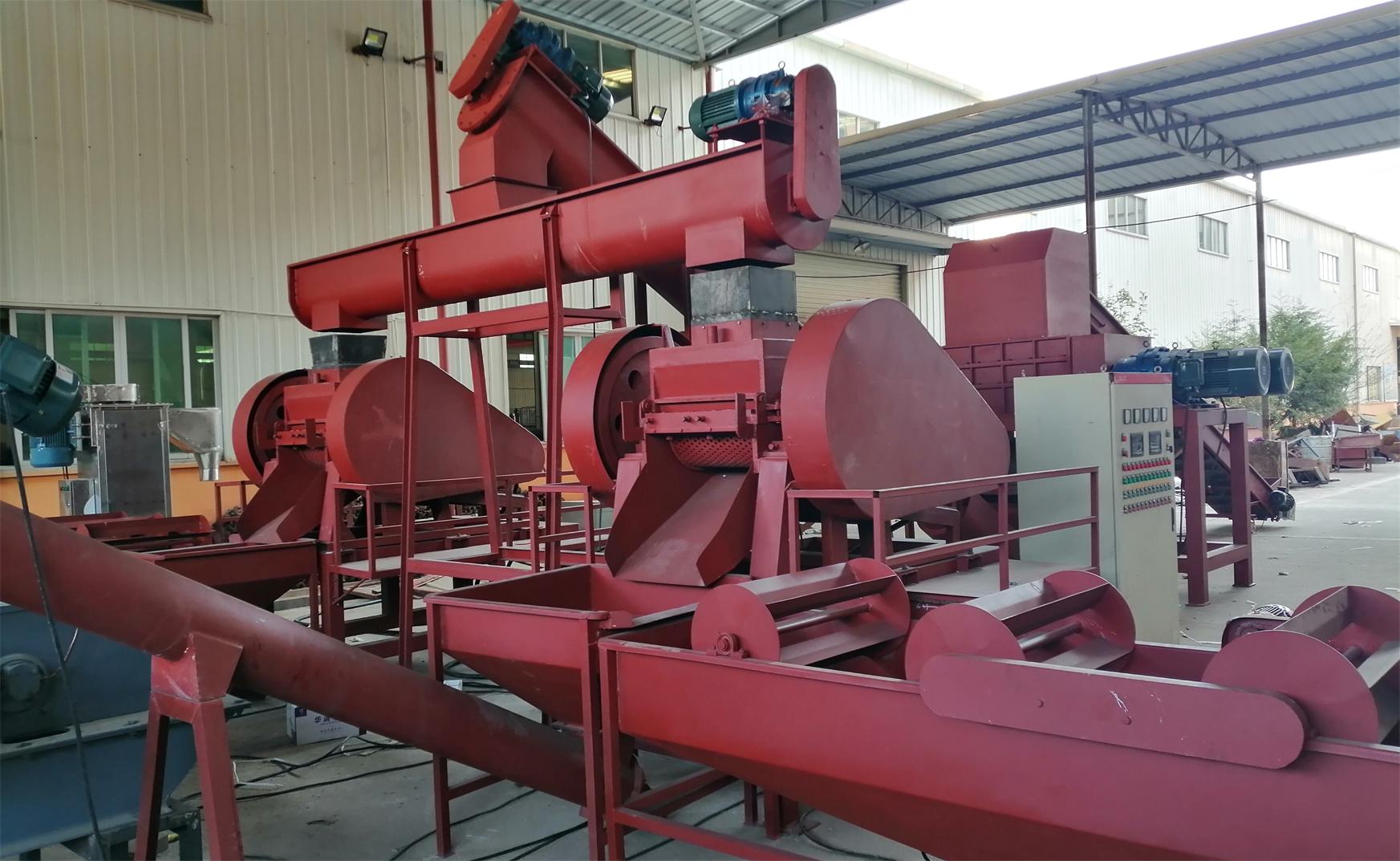
- Cable Granulators with Dry Separation: These machines shred and granulate mixed cables, then use air or vibrating separation to isolate copper or aluminum granules from plastic insulation. Compact units process 100–1,200 kg/hour, while industrial lines reach 2,000 kg/hour or more.
- Wet Separation Systems: For finer materials or higher purity requirements, water-based metal separators achieve exceptional separation quality without dust emissions.
The choice between dry and wet separation depends on your local environmental regulations, available water supply, and target purity levels. Dry systems are simpler to operate and require less infrastructure; wet systems deliver higher copper purity and eliminate airborne dust.
Circuit Board Recycling: Unlocking Precious and Base Metals
Printed circuit boards (PCBs) are arguably the most complex e-waste stream, containing copper, gold, silver, palladium, and rare earth elements alongside fiberglass and resin. One tonne of mobile phone circuit boards can contain more gold than a tonne of high-grade mined ore. Processing PCBs requires specialized circuit board recycling equipment capable of handling both populated and bare boards:
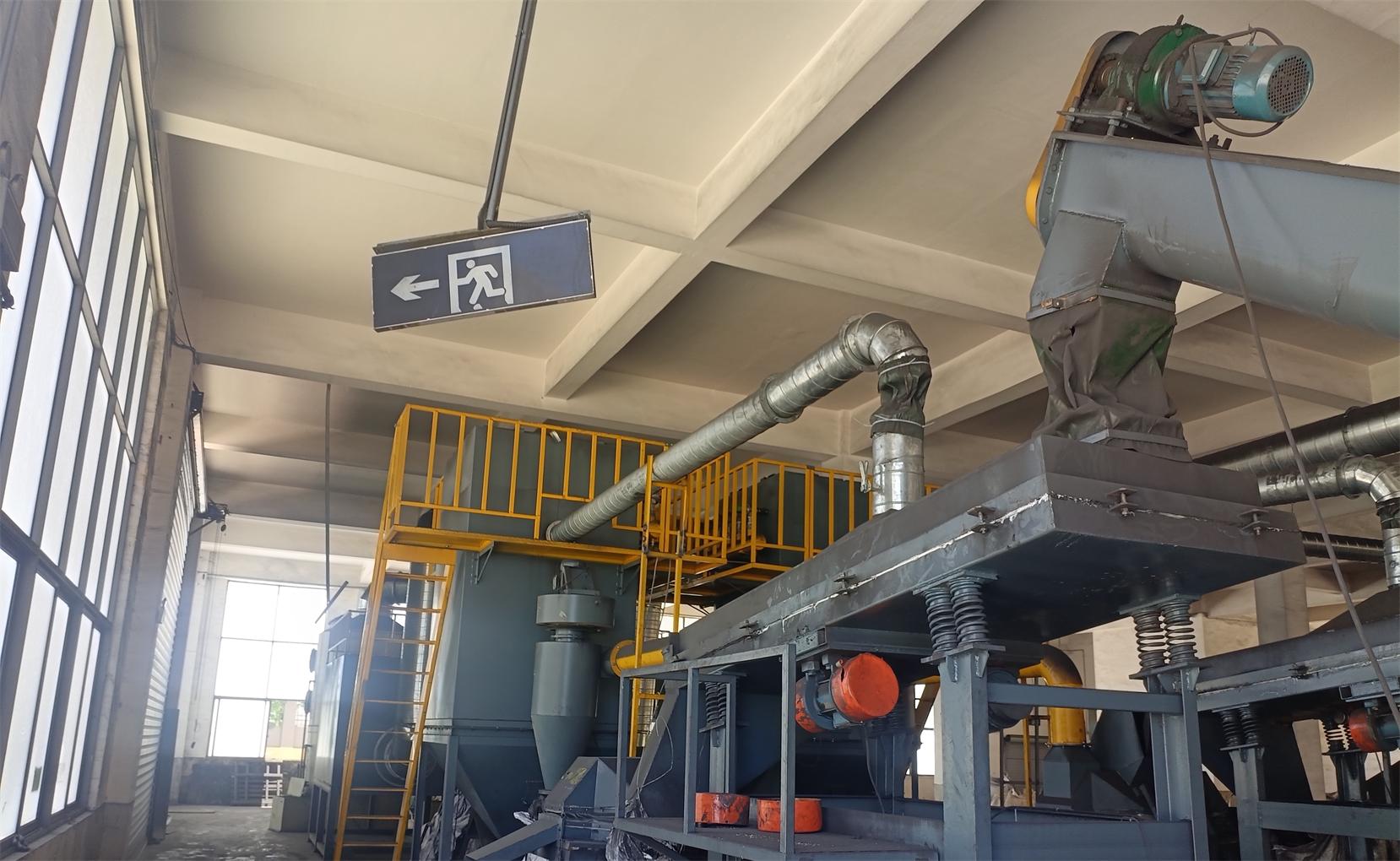
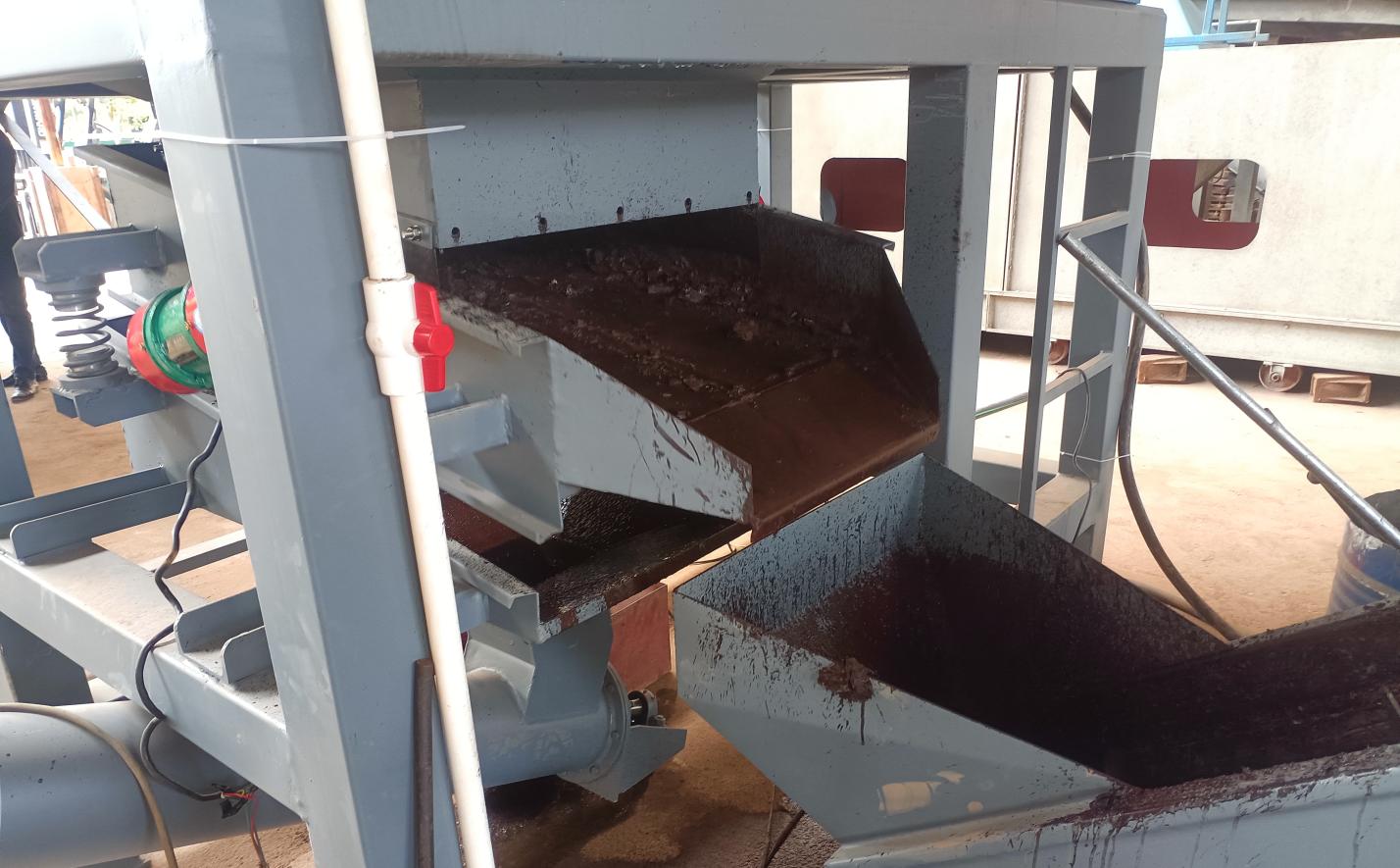
- Dry Separation Plants: Utilizing air classifiers, electrostatic separators, and cyclone dust collectors, these systems recover copper powder with 96–98% purity and overall metal recovery rates around 95%. Capacities range from 300 to 2,000 kg/hour.
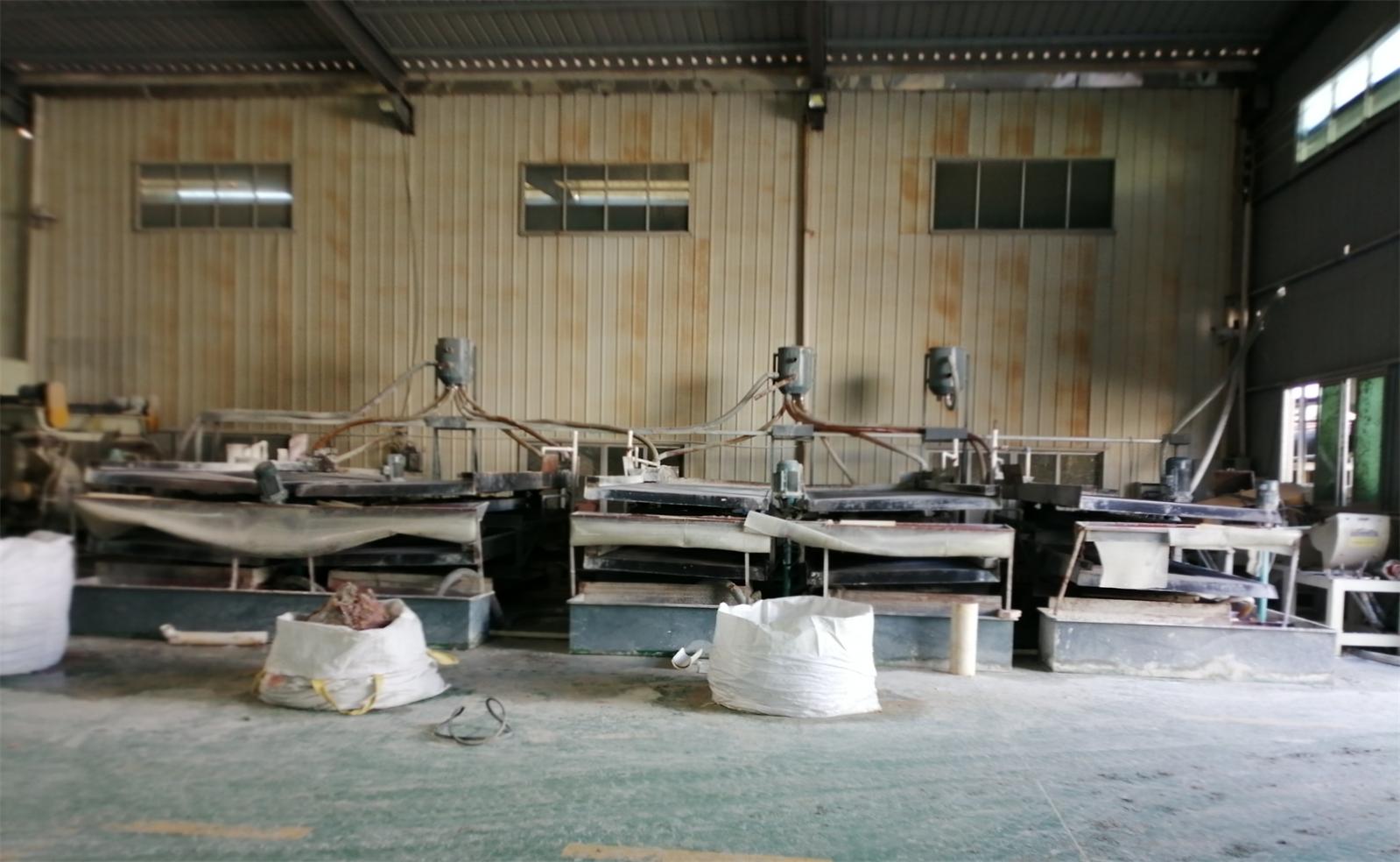
- Wet Separation Plants: Water-based systems can process boards with electronic components still attached. The wet method prevents dust pollution and is often preferred in regions with strict air-quality regulations.
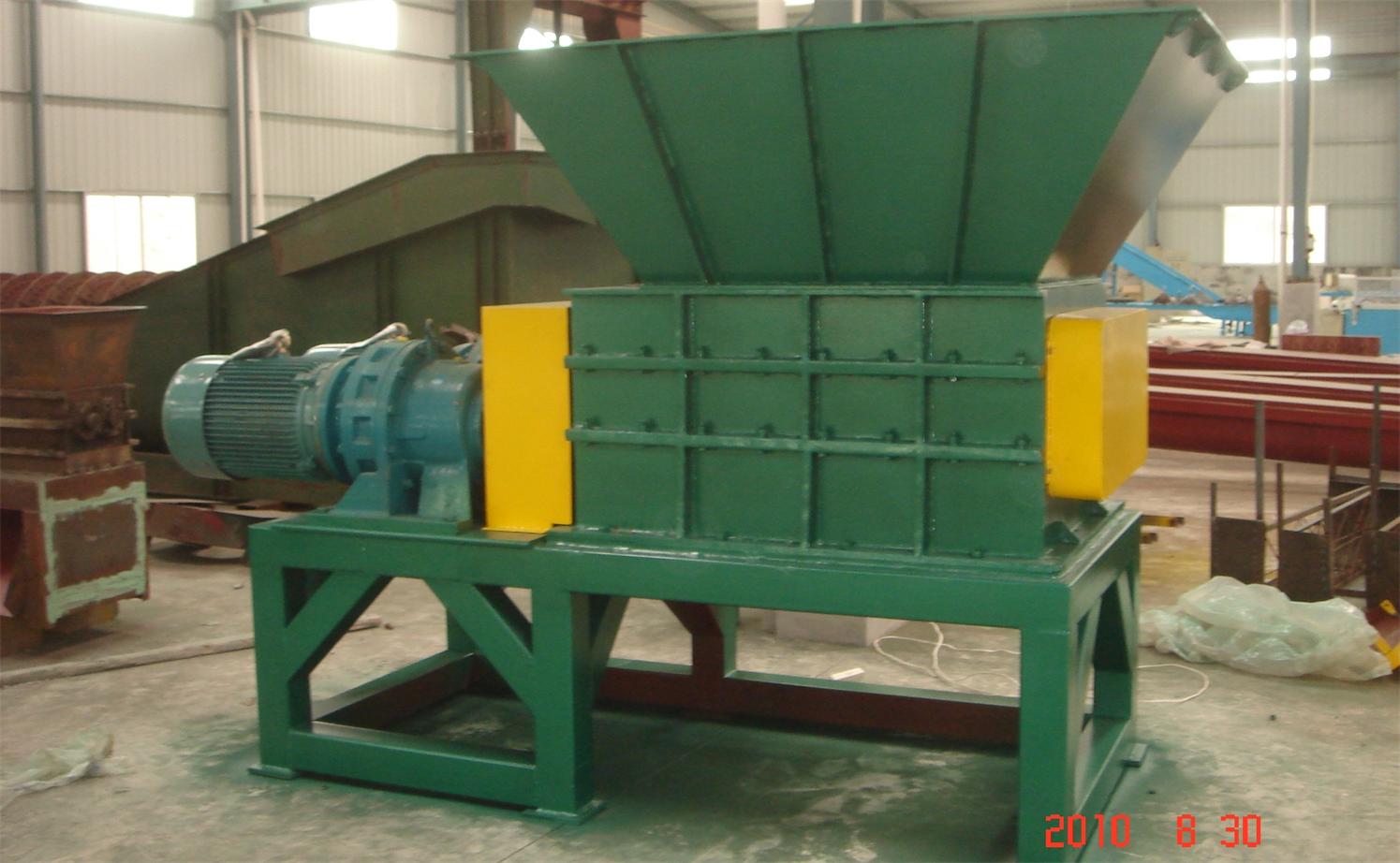
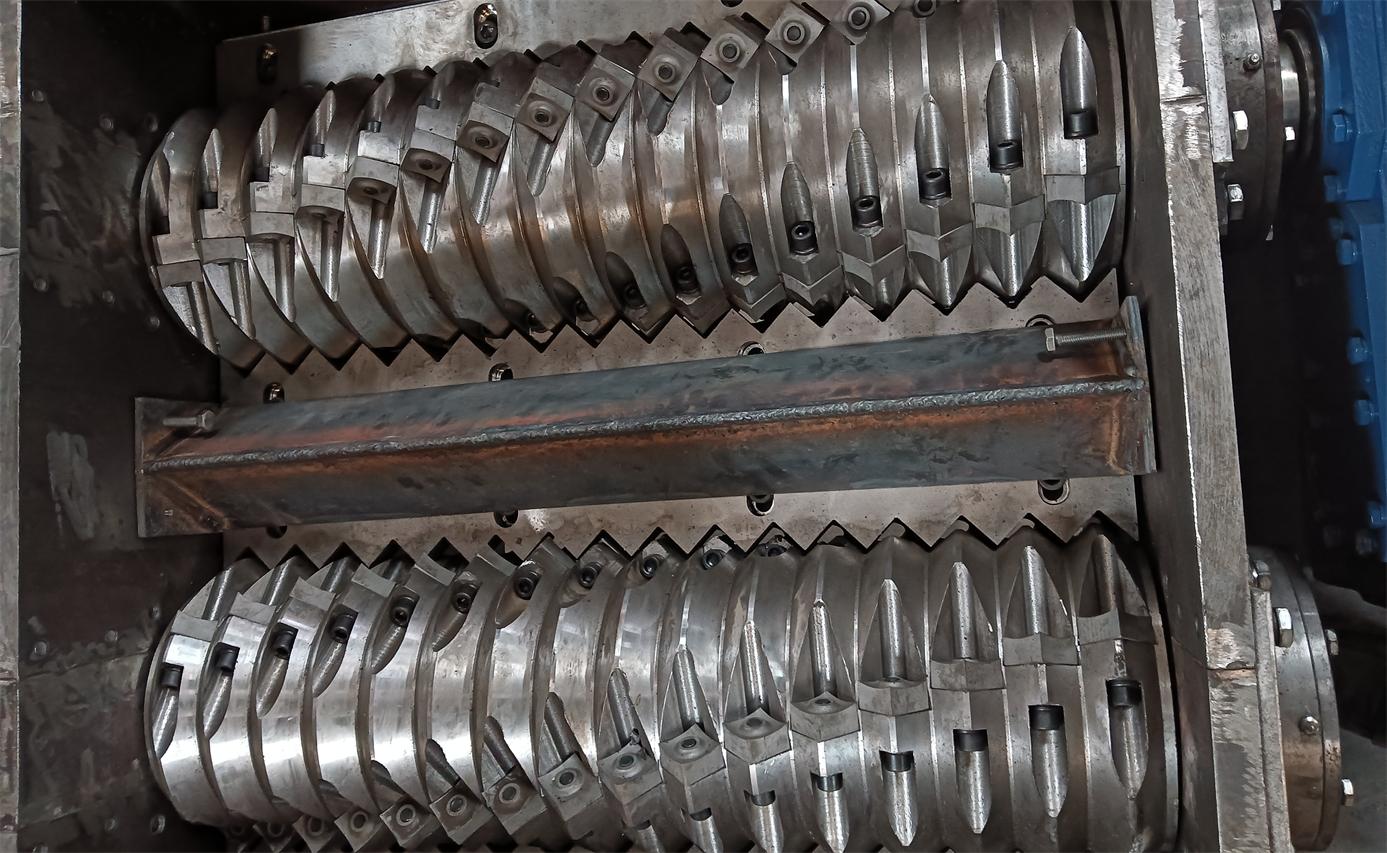
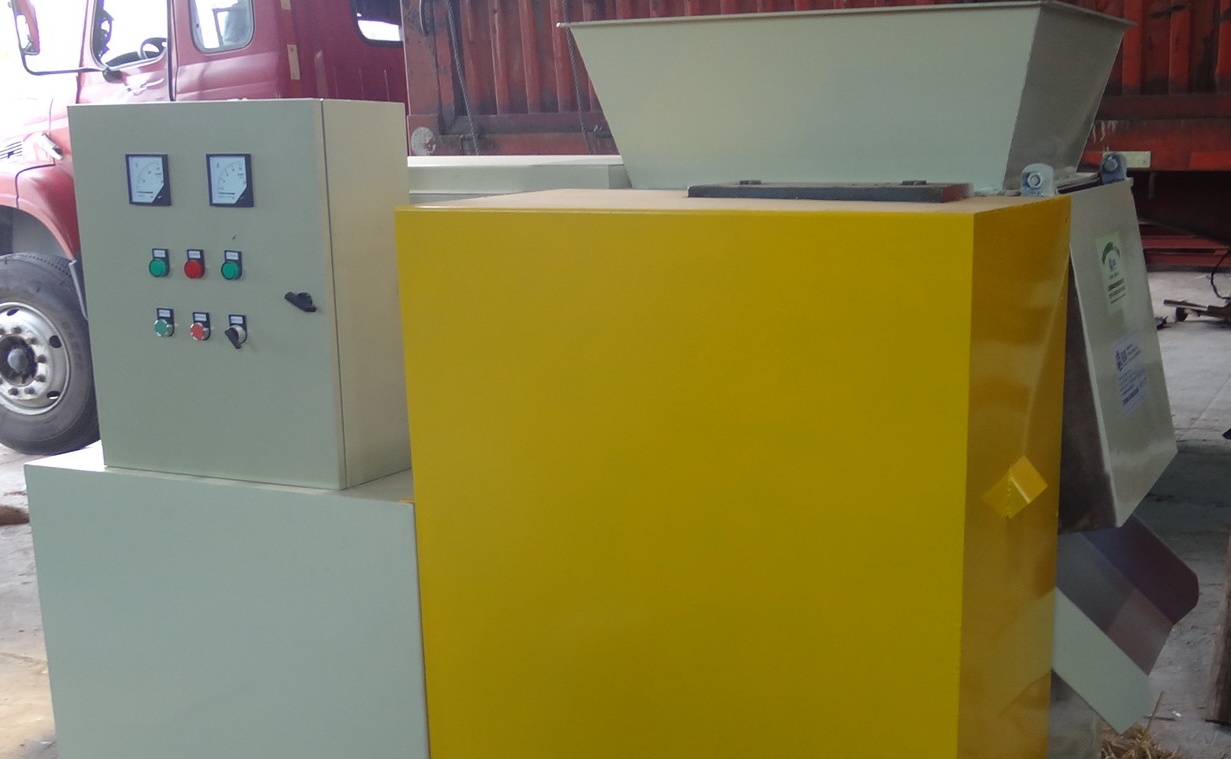
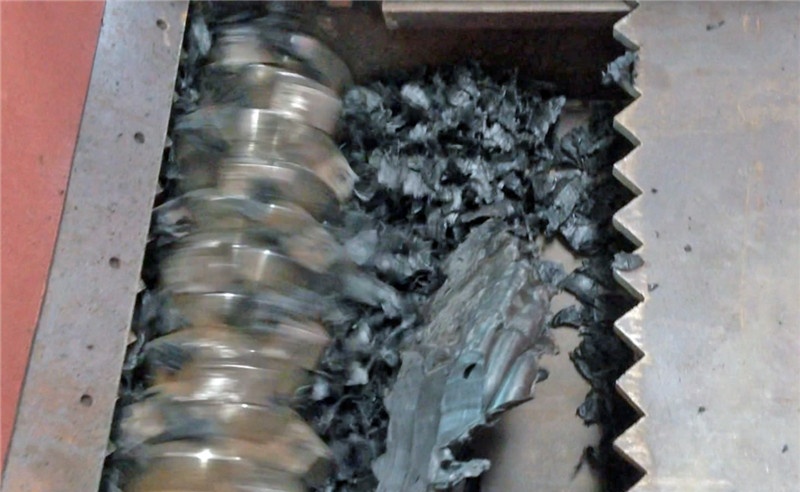
- Four-Shaft Shredders: As a pre-processing step, heavy-duty shredders reduce large PCB assemblies to uniform particles, improving downstream separation efficiency. Multi-purpose shredders also handle cables, refrigerators, batteries, and lithium cells.
Important: PCB recycling lines must include pulse bag dust collectors or equivalent air pollution control systems. The fine dust generated during crushing can be hazardous, and regulatory compliance is non-negotiable.
Lithium Battery Recycling: Positioning for the EV Era
The electric vehicle revolution has triggered an explosive demand for lithium-ion battery recycling. Unlike lead acid batteries, lithium cells require careful handling due to fire risks and toxic electrolytes, but the payoff is substantial: recovered black mass containing nickel, cobalt, and graphite is in high demand from battery manufacturers.
A complete lithium battery recycling line typically includes discharge stations, pre-crushers, secondary granulators, magnetic separators for ferrous metals, and specialized air pollution control systems to capture fluorine compounds and organic vapors. Capacities from 500 to 2,500 kg/hour are available, with modular designs that allow scaling as feedstock volumes grow.
Beyond Core Equipment: Auxiliary Systems That Matter
Many first-time buyers focus exclusively on the primary processing machines and overlook auxiliary equipment — a mistake that often leads to bottlenecks, compliance issues, or safety hazards. Consider these supporting systems as integral parts of your plant:
- Shredders and Pre-choppers: Reduce bulky items to uniform feedstock size before they enter specialized recycling lines.
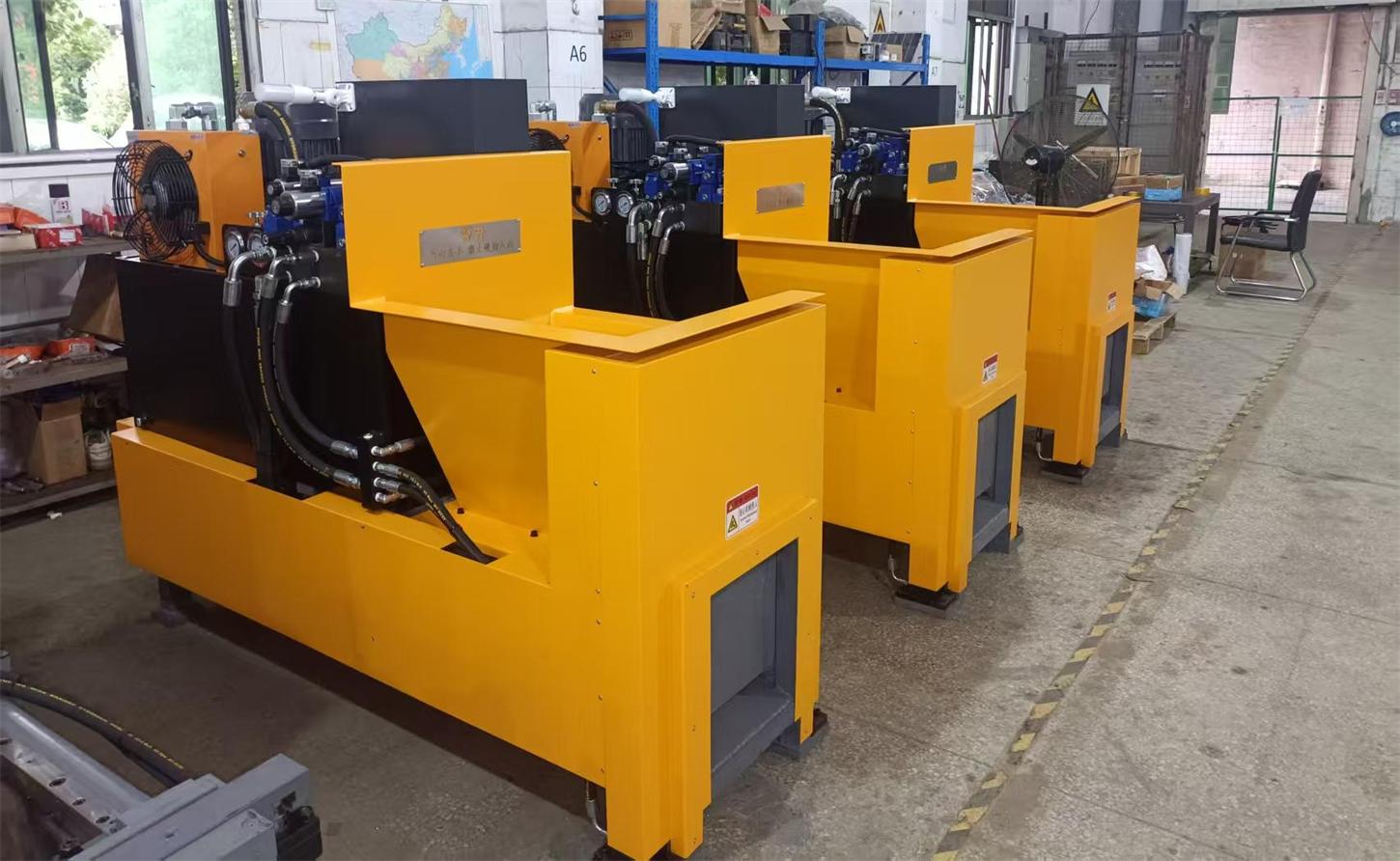
- Hydraulic Press Machines: Briquette loose metal powders or plastic films into dense blocks for easier storage and transport. Compression ratios of 8:1 to 30:1 dramatically reduce logistics costs.
- Metal Melting Furnaces: Medium-frequency induction furnaces convert recovered copper, aluminum, or lead into standardized ingots, adding significant value to your output.
- Refrigerant Recovery Machines: Essential for refrigerator and air conditioner recycling, these units safely extract CFCs, HCFCs, and HFCs before shredding.
Turnkey Solutions: Why Equipment Alone Is Not Enough
Purchasing machines off a catalog is rarely the optimal path. Recycling plants are complex systems where layout, material flow, power supply, emission control, and workforce training must align. This is why experienced operators increasingly prefer turnkey project partners who can deliver not just equipment, but end-to-end project execution.
San Lan Technologies Co., Ltd, established in 2007, has built a track record across 21+ countries including Singapore, Colombia, Vietnam, Mexico, Argentina, Korea, Malaysia, Indonesia, South Africa, Tunisia, India, Kenya, Saudi Arabia, Philippines, and Zambia. The company's engineering team holds master's degrees in mechanical engineering and brings over 15 years of hands-on experience in e-waste recycling machinery.
Value-Added Services Include: Custom plant design and layout, installation and commissioning supervision, assistance sourcing waste feedstock, help selling recovered products (copper rice, lead ingots, etc.), pollution control system integration, and operator training.
For investors exploring recycling plant construction, San Lan also offers partnership opportunities and can assist with project financing guidance. The ability to support a project from initial concept through to profitable operation — essentially bilingual in English and Chinese — sets apart manufacturers who understand the global recycling landscape.
Final Recommendations for Equipment Buyers
Before committing capital, prospective plant operators should conduct a thorough feasibility study covering feedstock availability, target metal prices, local environmental regulations, and logistics costs. Once these fundamentals are clear, prioritize equipment suppliers who can demonstrate:
- Proven export experience to your region or similar markets
- Customization capability for capacity, layout, and feedstock type
- Comprehensive pollution control and compliance support
- After-sales technical support and spare parts availability
- EPC (Engineering, Procurement, Construction) project experience
The recycling industry rewards operators who take a long-term view. High-quality equipment with reliable support may require a larger upfront investment, but it delivers lower downtime, better recovery rates, and stronger regulatory compliance — factors that compound into superior returns over a plant's 10- to 15-year lifespan.
Ready to Start Your Recycling Project?
San Lan Technologies offers complete e-waste recycling plants, battery recycling lines, cable granulators, and customized solutions for operators worldwide. Contact our team for a technical consultation and project feasibility assessment.
Contact San Lan Technologies