How to Build a Profitable E-Waste Recycling Plant: Equipment Selection Guide
Electronic waste is one of the fastest-growing waste streams on the planet. Every year, millions of tons of discarded computers, phones, cables, and batteries end up in landfills, wasting valuable metals and polluting the environment. For business owners willing to invest in the right technology, this problem represents a massive opportunity. The key to capturing it? Choosing equipment that matches your feedstock and delivers consistent recovery rates.
Why the Right Equipment Matters
Not all e-waste is created equal. Printed circuit boards contain copper and trace amounts of precious metals. Scrap cables are rich in copper and aluminum. Used batteries hold recoverable lead and lithium. Each material demands a different processing approach, and using the wrong machine leads to poor separation, lost profits, and regulatory headaches.
A well-designed recycling plant starts with understanding what you will process most. From there, you can build a line that maximizes metal recovery while keeping operating costs under control.
Core Equipment for Modern Recycling Operations
Circuit Board Recycling Systems
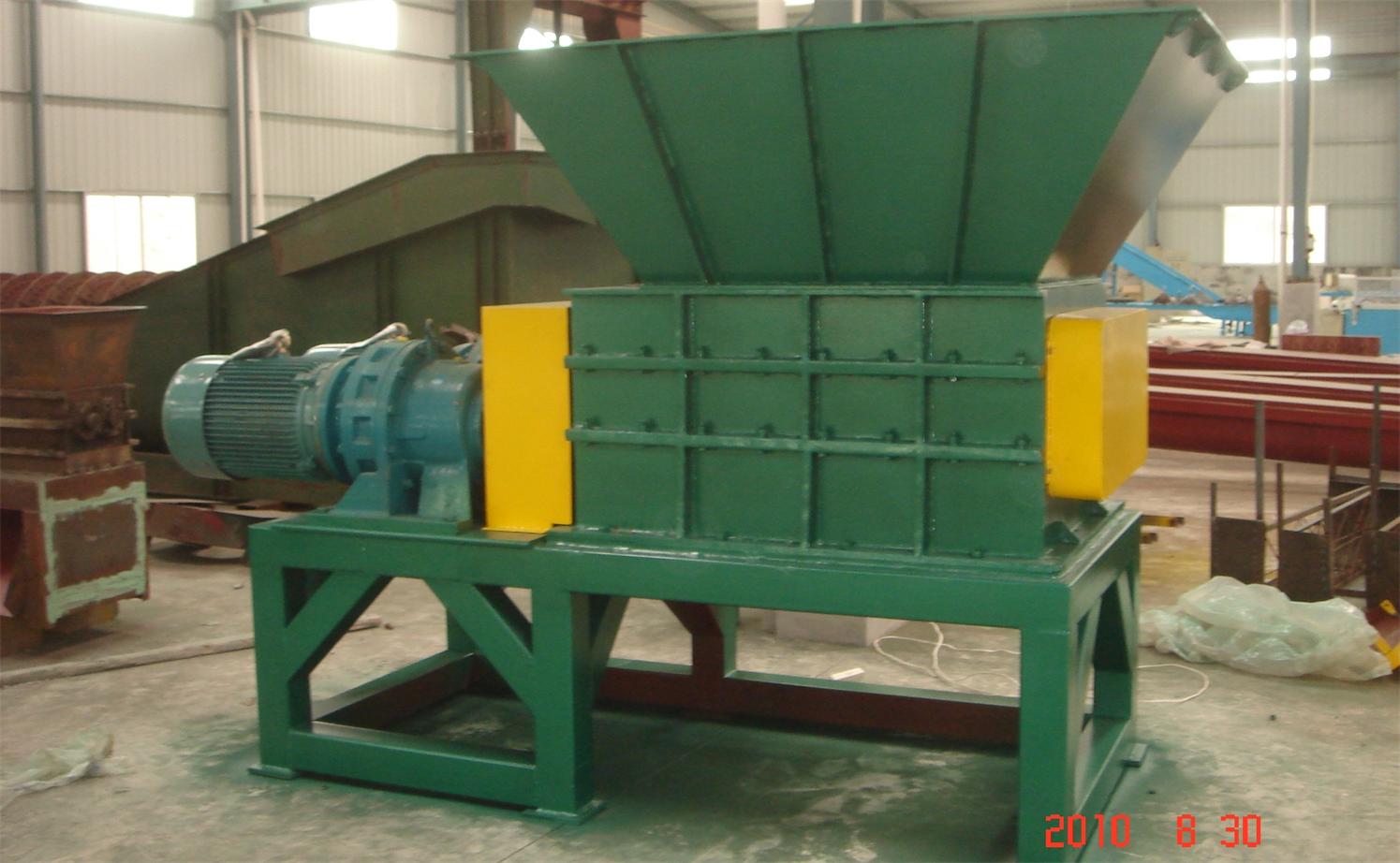
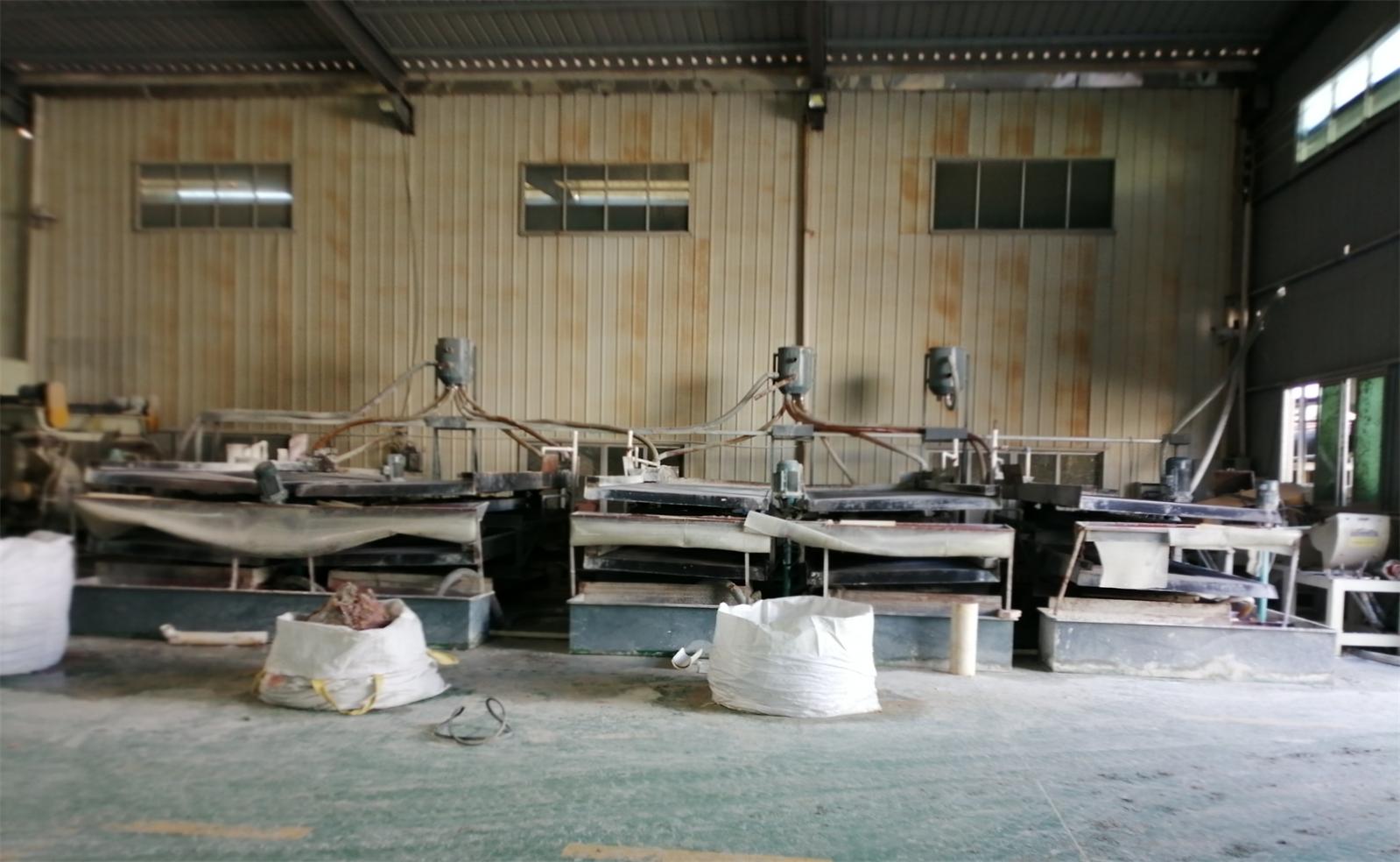
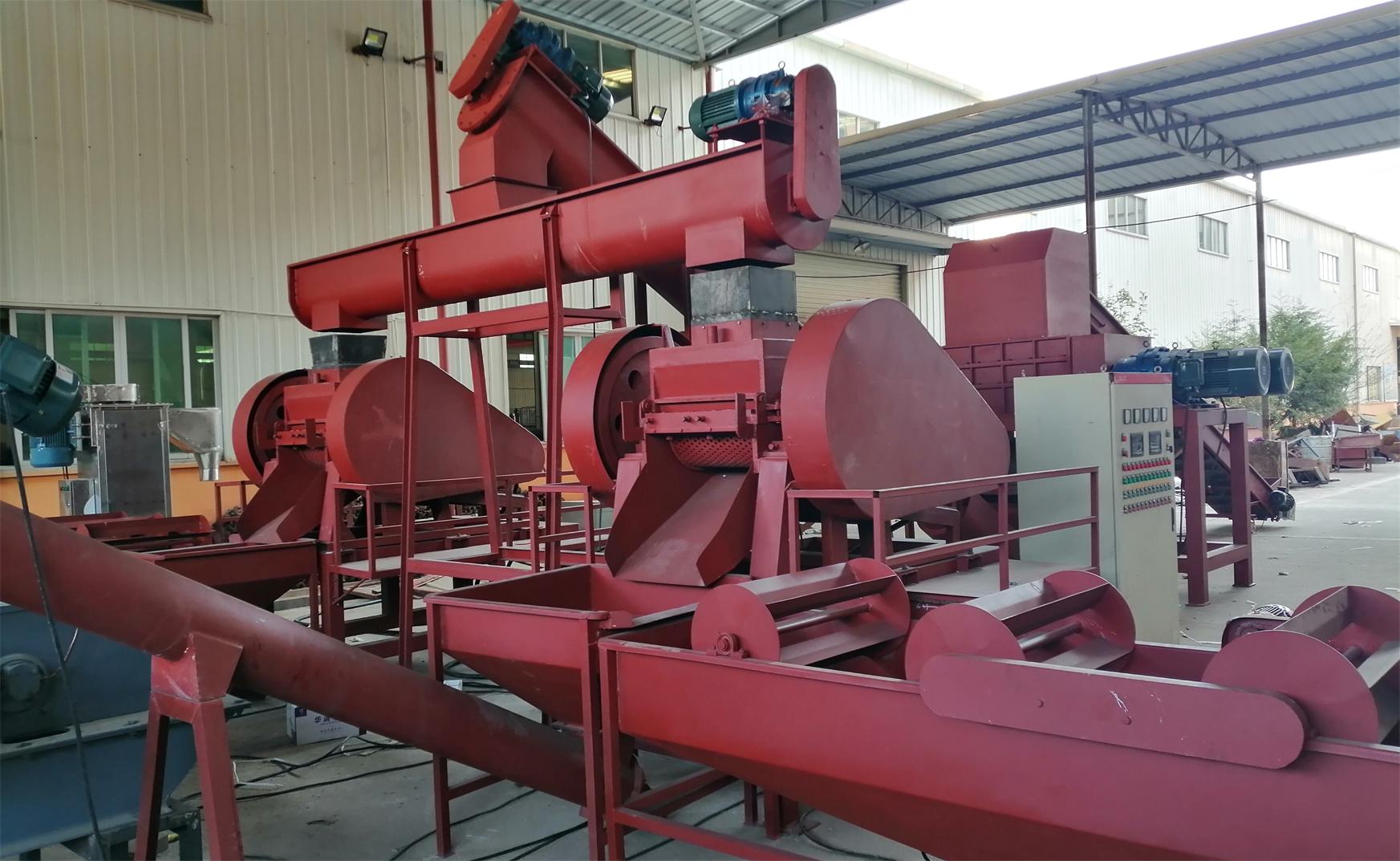
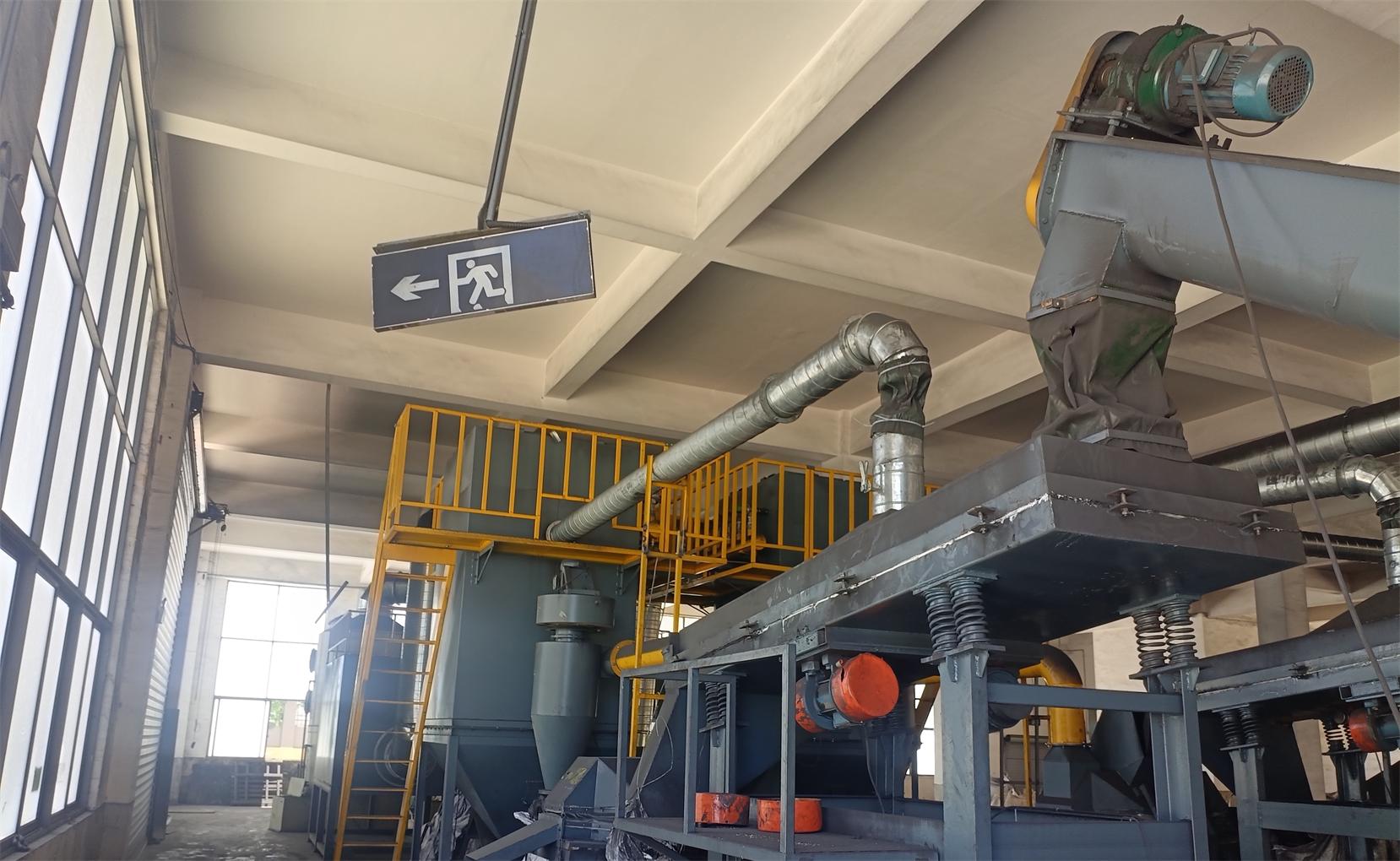
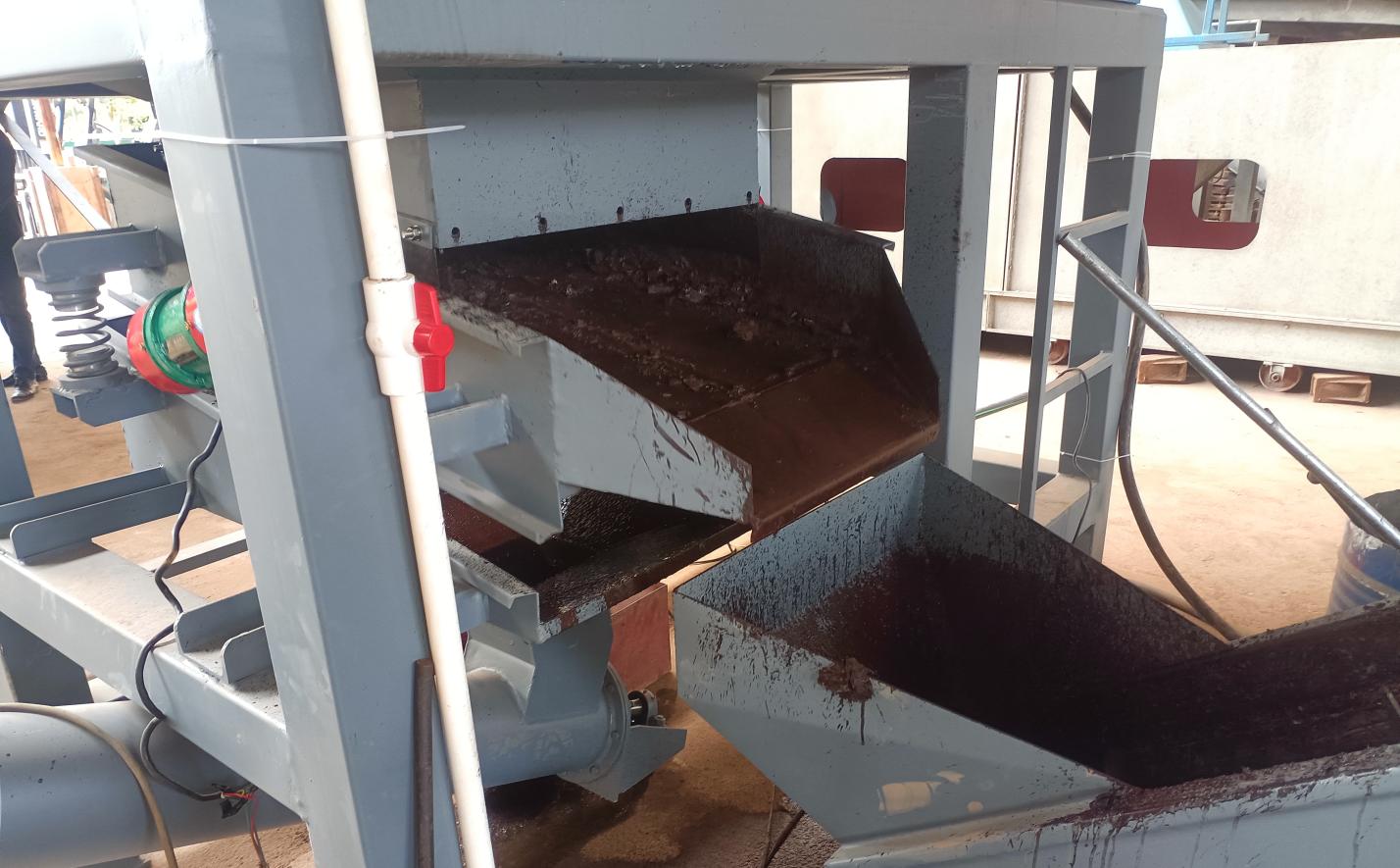
Printed circuit boards are among the most valuable materials in the e-waste stream. circuit board recycling equipment uses mechanical crushing combined with air or wet separation to recover metal powders. Depending on the system, copper purity can reach 96-98%, and throughput ranges from 500 kg to 2,000 kg per hour. Wet separators handle boards with components still attached, while dry systems work well for cleaner feedstock and avoid water treatment requirements.
Cable Recycling Lines
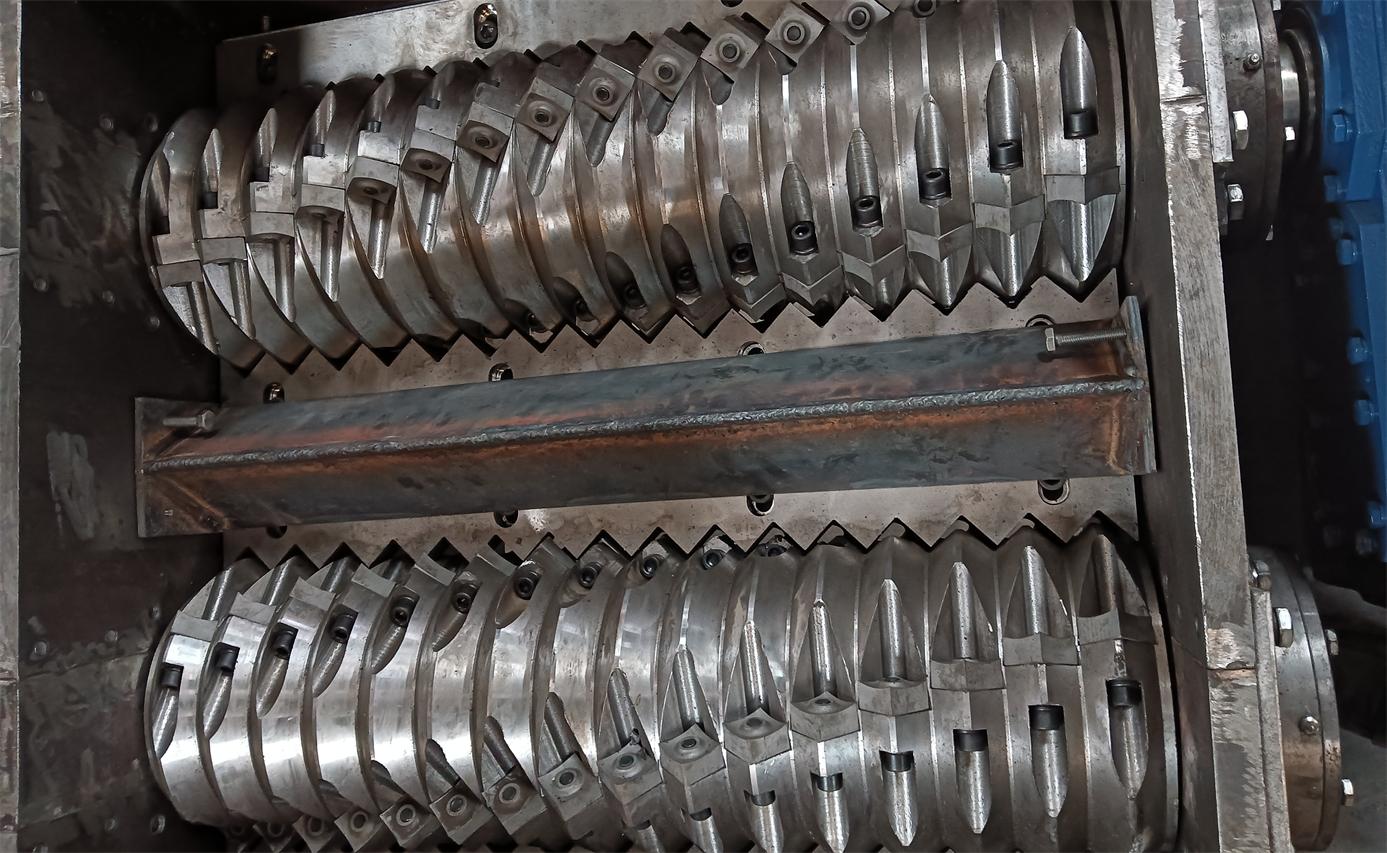
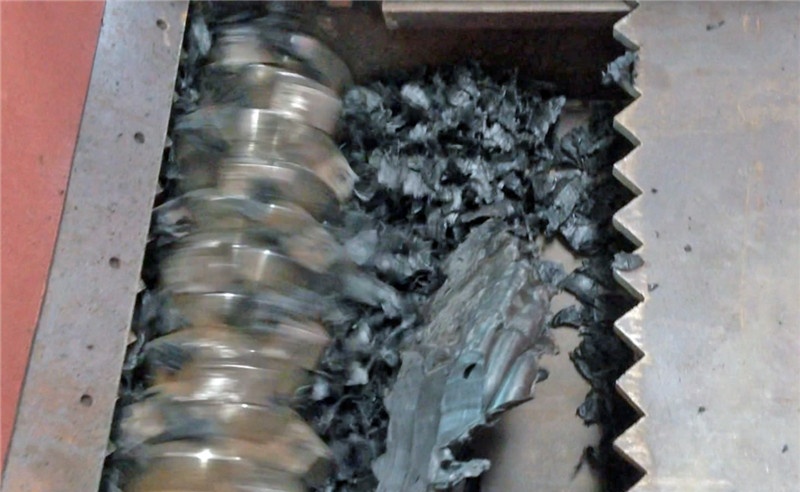
Scrap cables offer one of the quickest returns on investment because copper prices remain consistently strong. cable recycling equipment includes wire strippers for larger diameters and granulators for finer material. Granulators crush cables into small particles, then use air separation or electrostatic sorting to isolate copper from plastic insulation. Advanced models handle cable diameters from 1.5 mm up to 150 mm, with hourly capacities ranging from 200 kg to 1,200 kg. The recovered copper, commonly called copper rice, can be sold directly to smelters.
Battery Recycling Plants
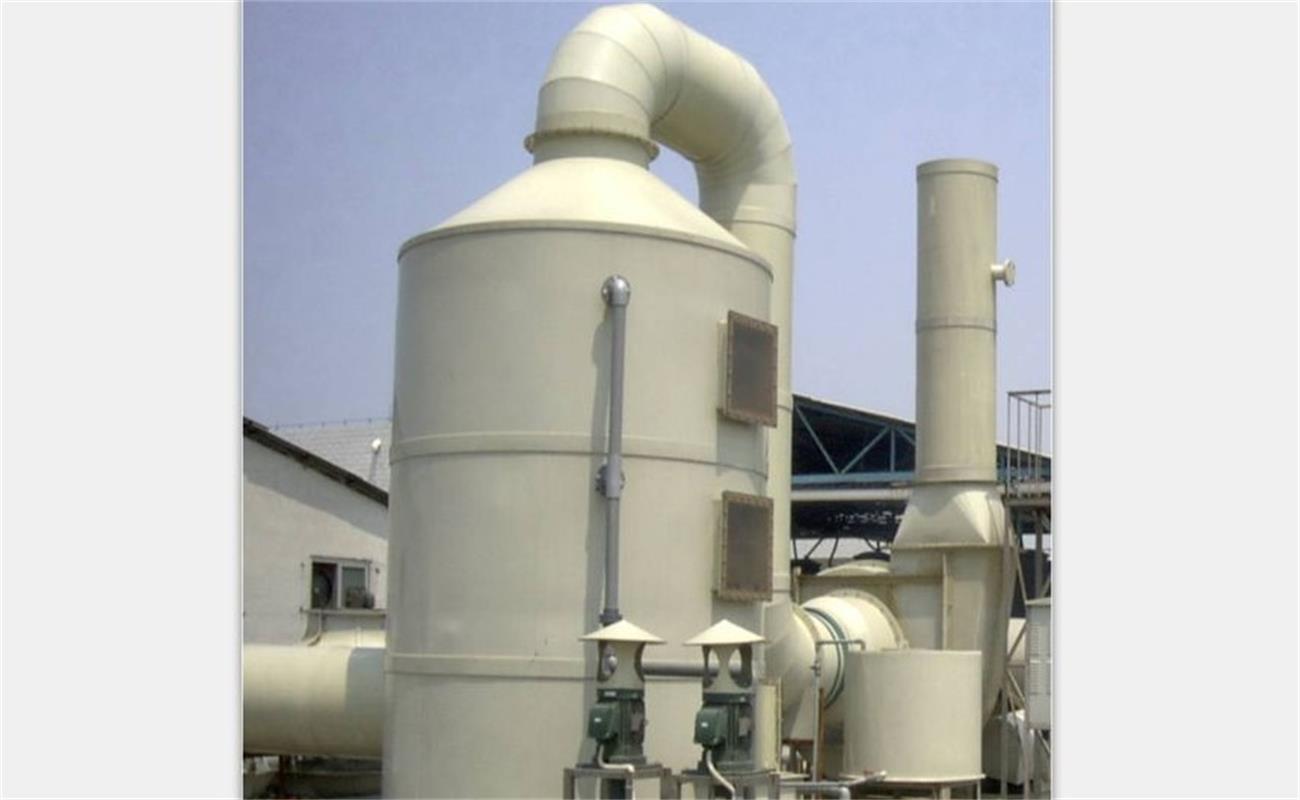
Battery recycling covers two very different markets. lead acid battery recycling equipment breaks used batteries and separates lead paste, lead grids, plastic casings, and acid. A full plant includes cutters, breaking systems, de-sulfurization units, blast or rotary furnaces, refinery kettles, and air pollution control. These systems achieve lead recovery rates around 95% and process 1 to 10 metric tons per hour.
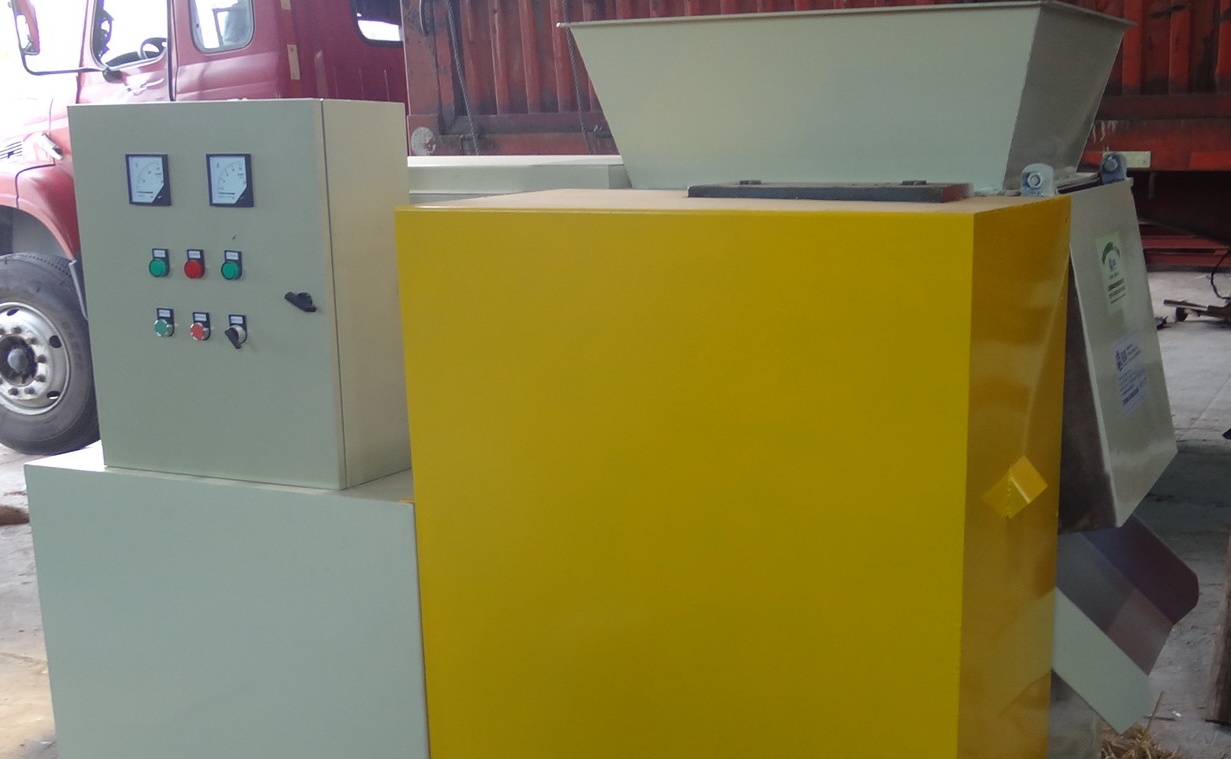
Lithium-ion battery recycling is exploding in demand thanks to the electric vehicle market. Lithium battery plants safely discharge, crush, and separate batteries to recover black mass containing nickel, cobalt, and graphite, plus copper, aluminum, and plastic. Capacities typically range from 500 kg to 2,500 kg per hour. Because lithium batteries pose fire risks, these systems include specialized discharge and inerting stages that standard shredders cannot handle.
Choosing a Supplier: More Than Just Machines
Equipment specs are important, but they are only part of the equation. A reliable supplier should bring hands-on experience with complete plant projects. Look for manufacturers who offer:
• Custom plant design based on your feedstock and capacity targets
• On-site installation, commissioning, and staff training
• Remote technical support and spare parts availability
• Assistance sourcing raw materials and selling recovered outputs
• Proven track record across multiple countries and regulatory environments
Suppliers who have deployed plants in diverse regions understand the local compliance, climate, and logistical challenges that can make or break a project. This international experience often separates a smooth startup from a frustrating delay.
The Value of a True Partnership
The best recycling equipment manufacturers act as long-term partners, not one-time sellers. They help optimize your process as feedstock changes, train new operators when staff turns over, and advise on expansions when demand grows. Some even provide operating management platforms that track production, schedule maintenance, and flag issues before they become costly breakdowns.
For newcomers to the recycling industry, this support is invaluable. Instead of learning every lesson through trial and error, you benefit from years of accumulated expertise in facility layout, environmental compliance, and commodity marketing.
Final Thoughts
Building a profitable e-waste recycling plant is not about buying the biggest or cheapest machines. It is about matching proven technology to your specific materials, then backing it up with expert support. From circuit board shredders and cable granulators to battery breaking lines and smelting furnaces, each piece of equipment plays a defined role in your overall recovery rate and bottom line.
If you are evaluating equipment for a new recycling venture or planning an upgrade, start with a clear understanding of your feedstock and capacity goals. Then work with a supplier who has built and supported plants like yours around the world. The e-waste opportunity is real, and with the right setup, the returns can be substantial.
Looking for recycling equipment tailored to your operation? San Lan Technologies designs and manufactures complete e-waste recycling plants including circuit board lines, cable granulators, lead acid battery systems, and lithium battery recycling machines. With customers in over 21 countries and more than 15 years of industry experience, we provide everything from custom engineering and installation to operator training and ongoing technical support. Contact us today to discuss your project requirements.