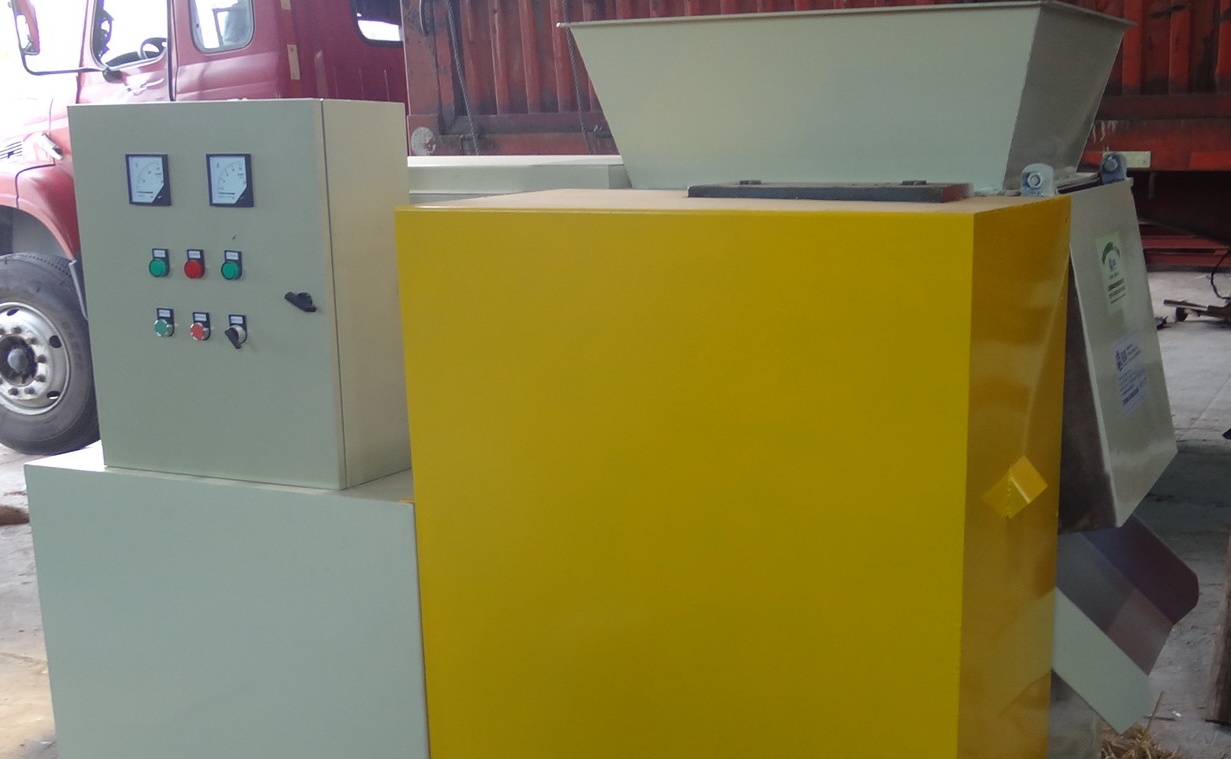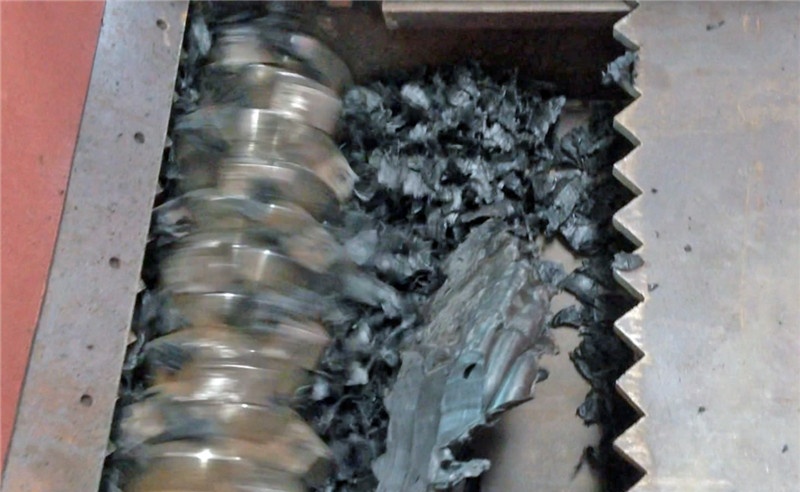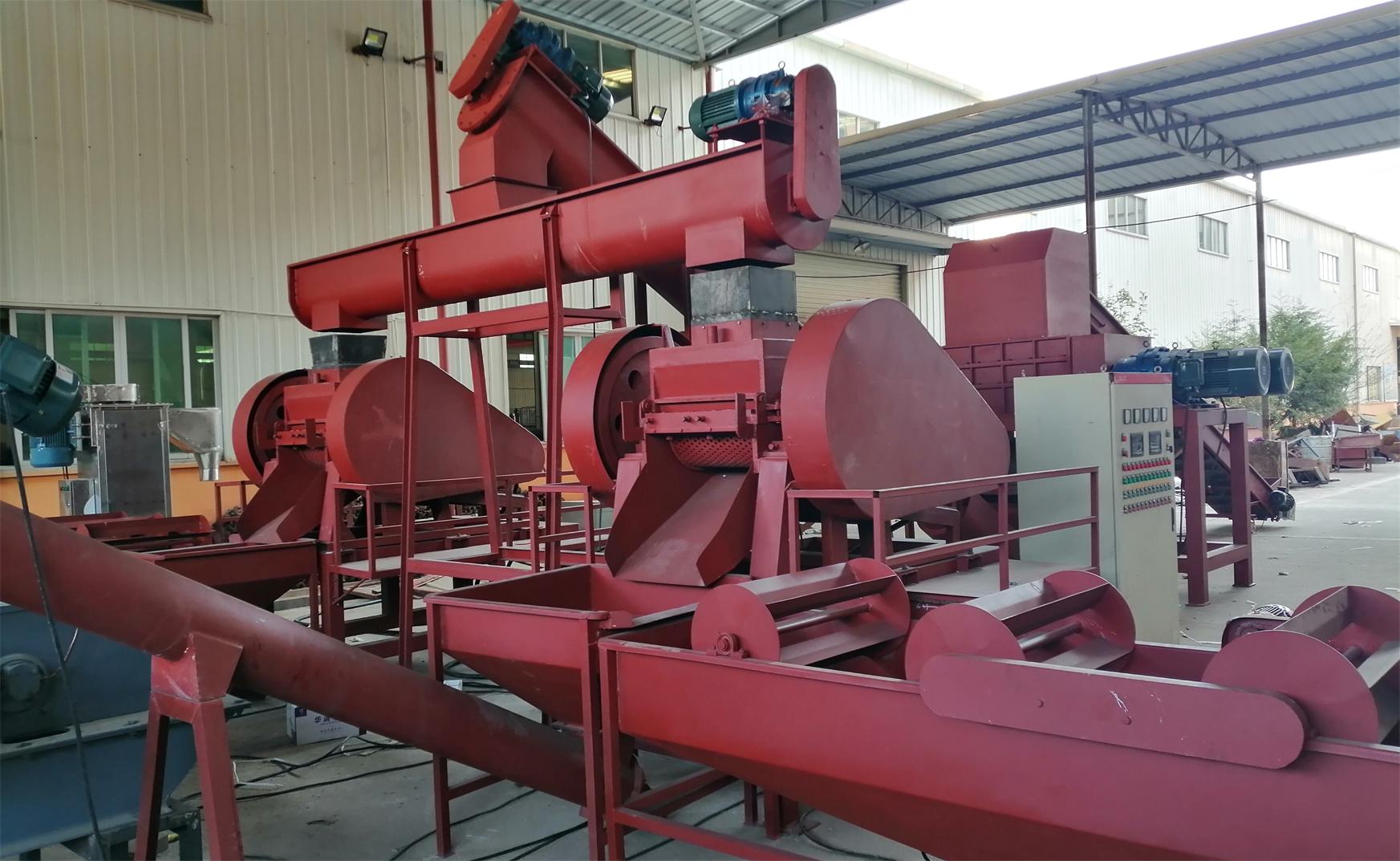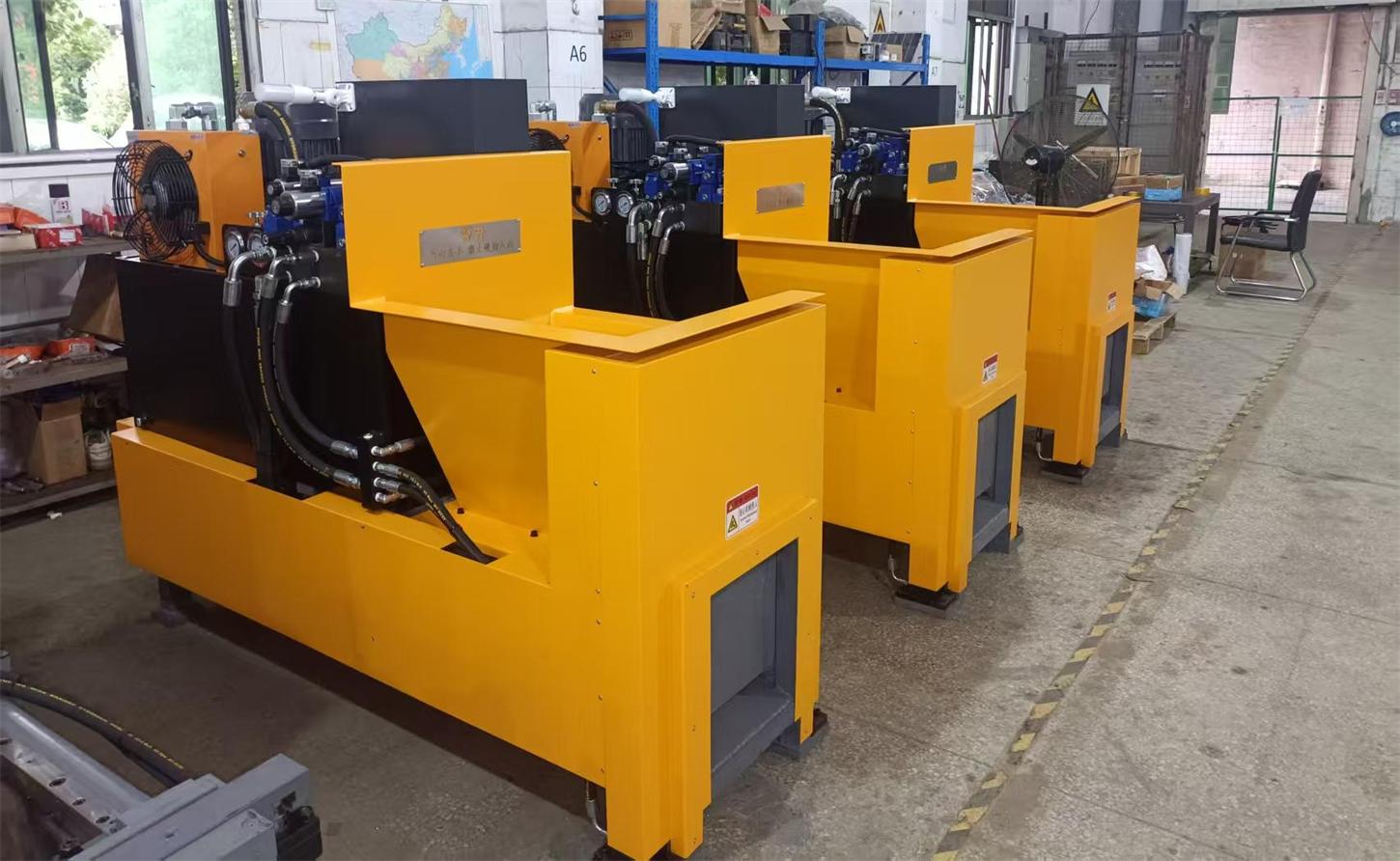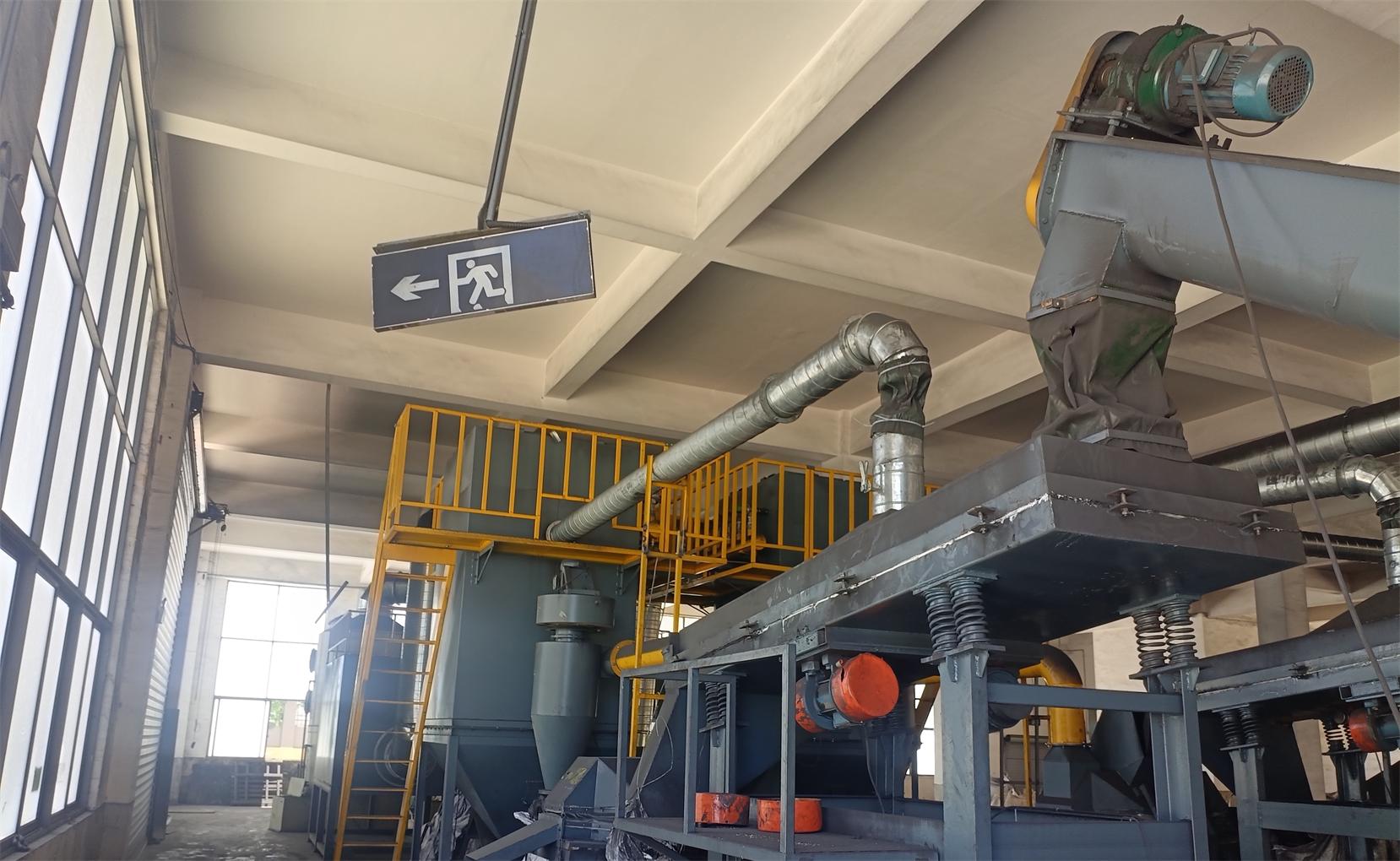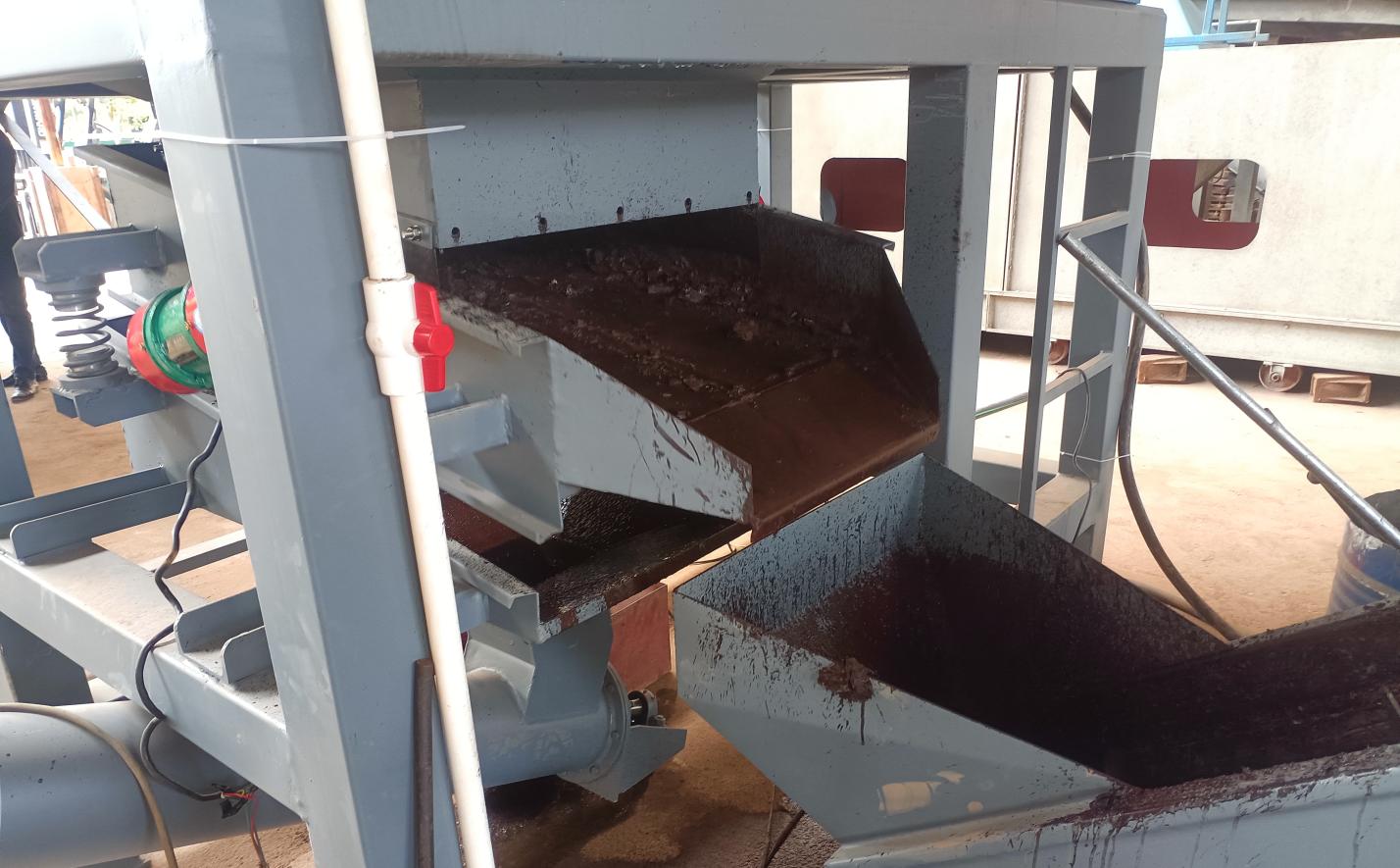
The world generates millions of tonnes of e-waste annually, and that figure keeps climbing. For entrepreneurs and investors, this is not just an environmental challenge—it is a commercial opportunity. Recovering copper, aluminum, lead, lithium, cobalt, and precious metals from discarded electronics can deliver strong margins, provided you choose the right equipment and partner.
Understanding the Core Recycling Streams
E-waste is not a single material. A profitable plant usually focuses on one or more of these high-value streams:
1. Cable and Wire Recycling
Scrap cables contain copper and aluminum locked inside plastic insulation. Specialized cable recycling equipment uses crushing, air separation, or wet separation to recover clean metal granules (often called "copper rice") with purity reaching 96–98%. For thick armored cables, a scrap cable stripper is used first to remove the outer jacket before granulation.
2. Battery Recycling
Used lead acid batteries (ULAB) and end-of-life lithium-ion batteries represent two of the fastest-growing waste streams.
Lead acid battery recycling: lead acid battery recycling equipment breaks batteries into lead paste, lead grids, plastic shells, and acid. The lead paste is then smelted in rotary furnaces or blast furnaces, while desulfurization units reduce emissions and energy use.
Lithium battery recycling: Lithium battery recycling plants discharge, crush, and separate cells to recover black mass (containing nickel, cobalt, and graphite), copper, aluminum, and plastic film. Capacity typically ranges from 500 to 2,500 kg/hour.
3. Circuit Board (PCB) Recycling
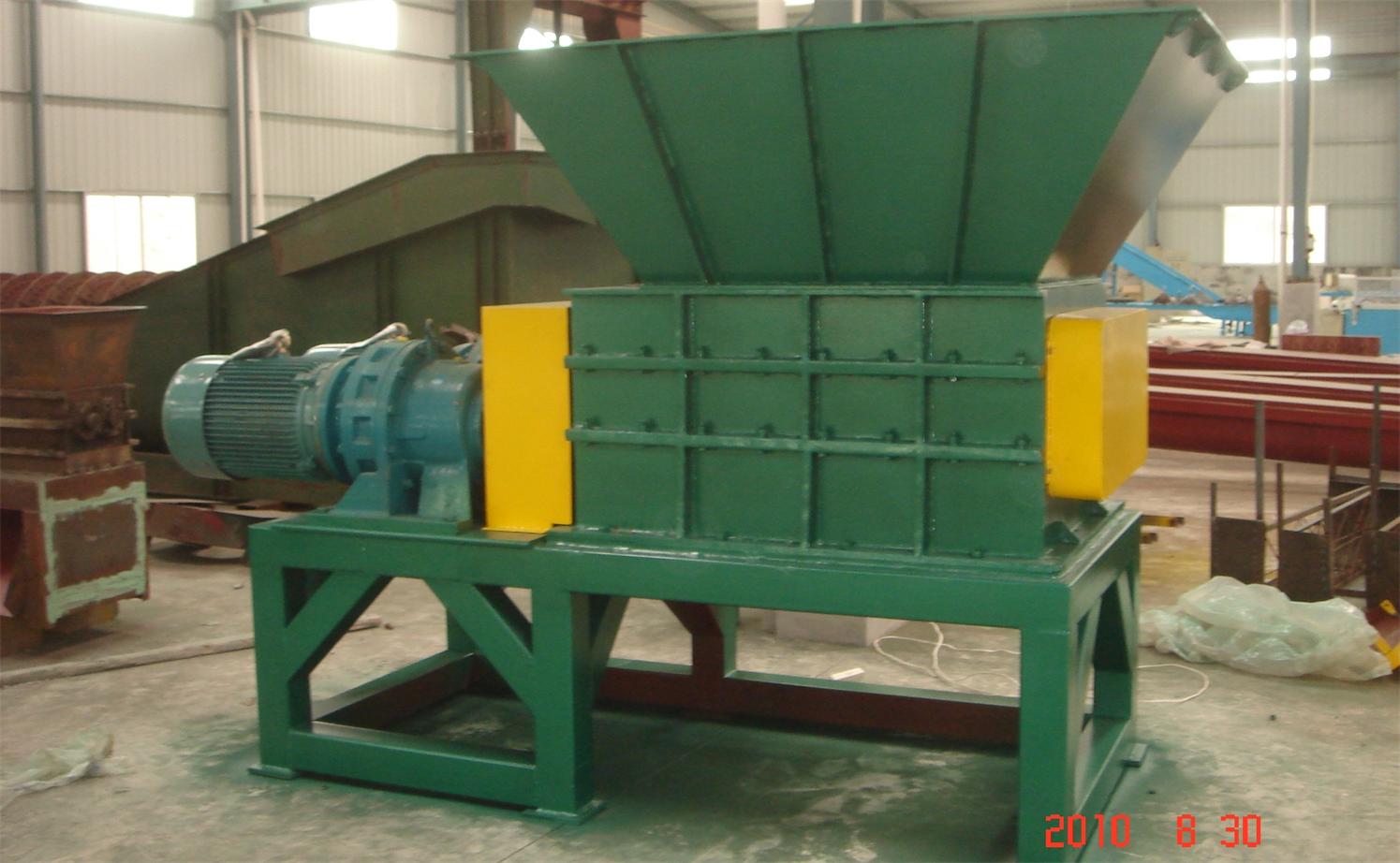
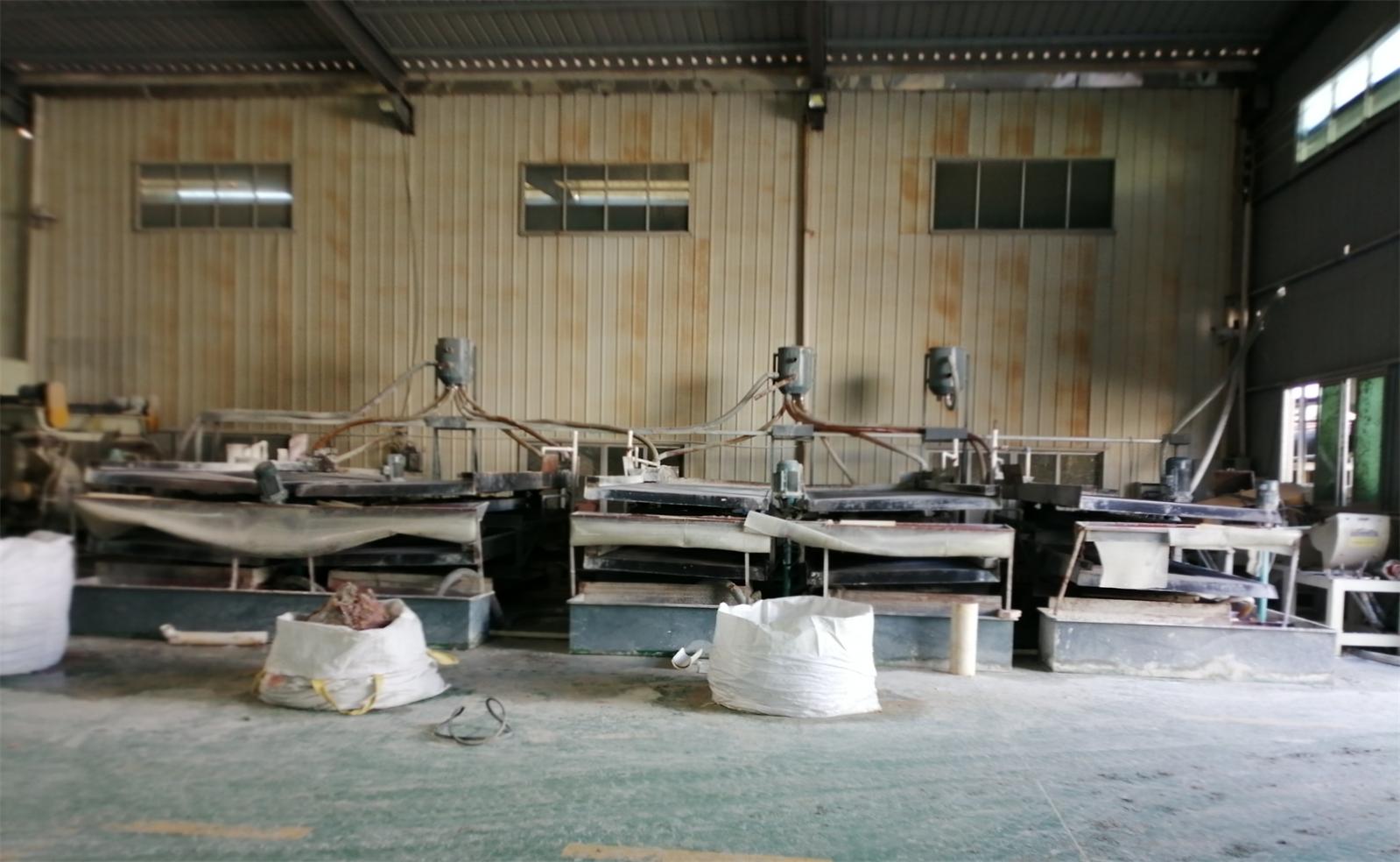
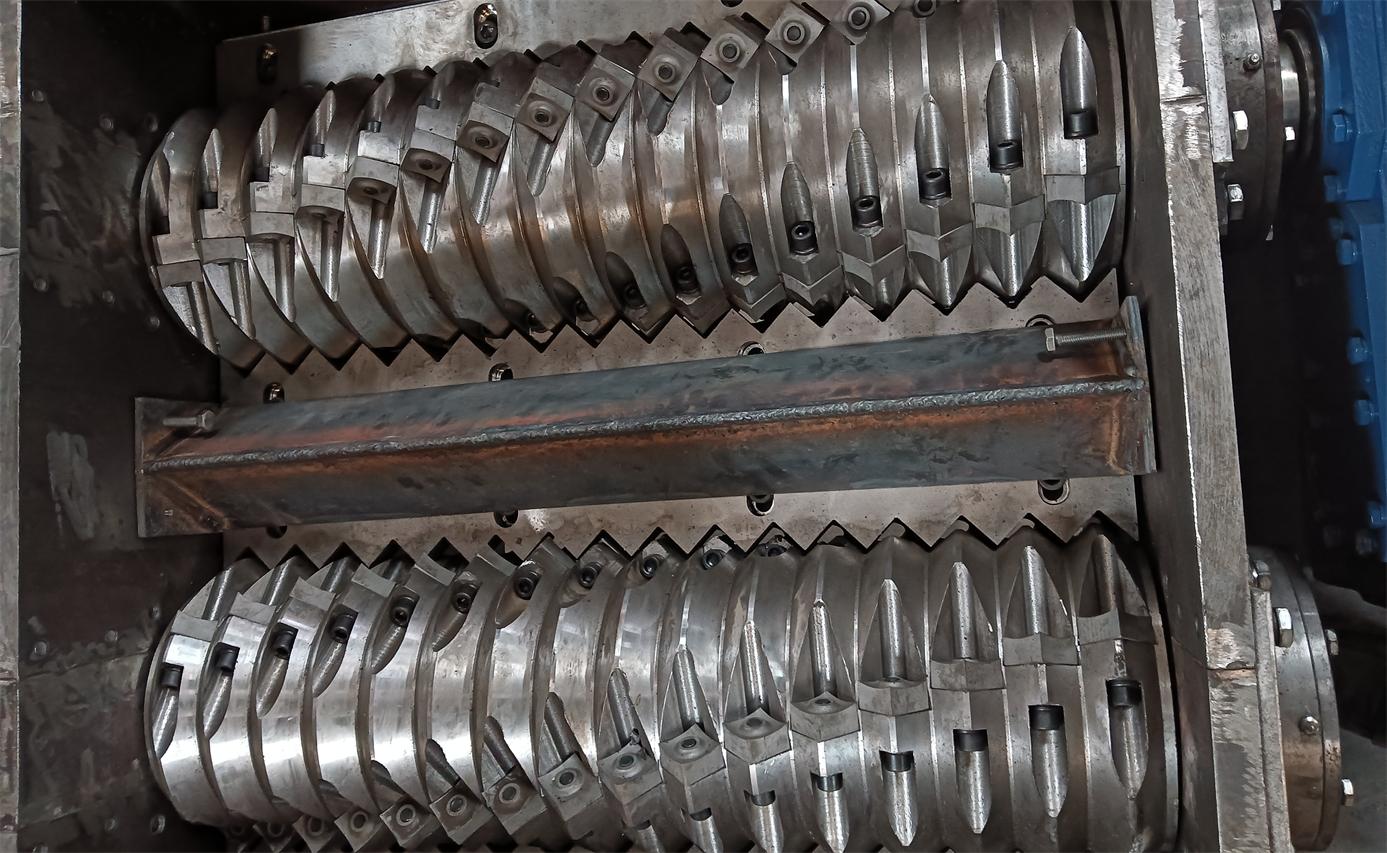
Printed circuit boards hold concentrated copper and trace precious metals. circuit board recycling equipment shreds boards and separates metal from non-metal using air classification, electrostatic separation, or wet gravity methods. Modern dry-process plants can run without water or dust pollution, making them suitable for regions with strict environmental rules.
Key Equipment Considerations
When selecting machinery, look beyond catalog specifications:
Capacity match: Choose throughput that aligns with your feedstock supply. Over-sizing increases capital cost; under-sizing leaves money on the table.
Separation technology: Dry systems save water treatment costs; wet systems often achieve higher purity. Hybrid lines let you switch based on input material.
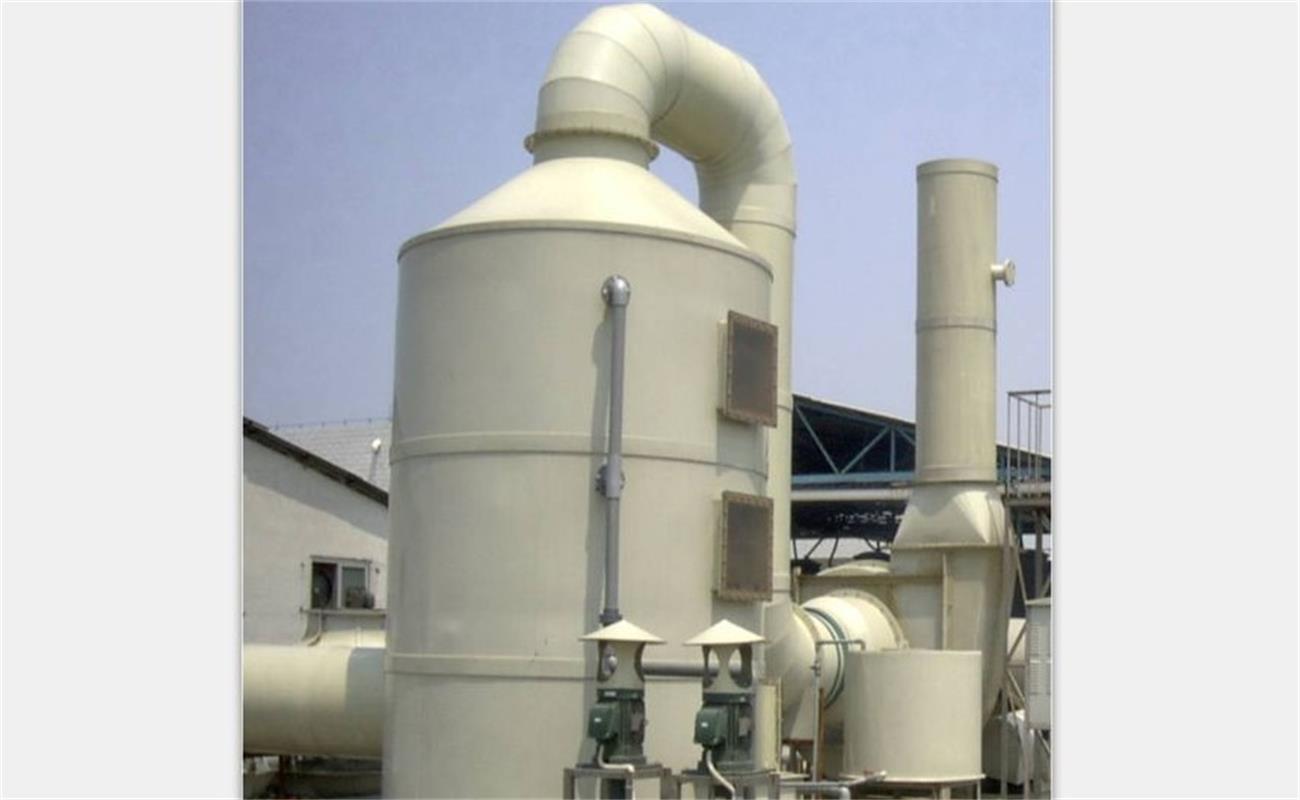
Environmental compliance: Air pollution control systems, effluent treatment plants, and dust collectors are not optional add-ons—they are license-to-operate requirements.
Expandability: Start with mechanical shredding and separation, then add pyrometallurgical refining or hydrometallurgical purification as volumes grow.
Why Turnkey EPC Matters
Building a recycling plant involves more than buying machines. You need layout design, installation, commissioning, operator training, and environmental permitting. A supplier that offers full EPC (Engineering, Procurement, Construction) services can cut your startup timeline and reduce integration risk.
San Lan Technologies Co., Ltd, established in 2007, has delivered recycling plants to customers in more than 21 countries. The company provides not only individual machines—such as cable granulators, lead acid battery breaking systems, and PCB separation lines—but also complete turnkey solutions. Their engineering team holds master's degrees in mechanical engineering and brings over 15 years of hands-on experience in e-waste recycling equipment design.
Beyond hardware, San Lan assists clients with waste material sourcing (cable scrap, PCB scrap, used batteries), plant installation, and even marketing of end products such as copper rice, lead ingots, and aluminum fractions. This end-to-end support is especially valuable for first-time plant owners entering the recycling sector.
Conclusion
The e-waste recycling market is expanding, but success depends on selecting the right equipment and the right partner. Whether you need cable recycling equipment, lead acid battery recycling equipment, or circuit board recycling equipment, invest in proven technology backed by real project experience. Contact a specialist today to discuss your feedstock, capacity targets, and layout—turning waste into profit starts with the right plant design.