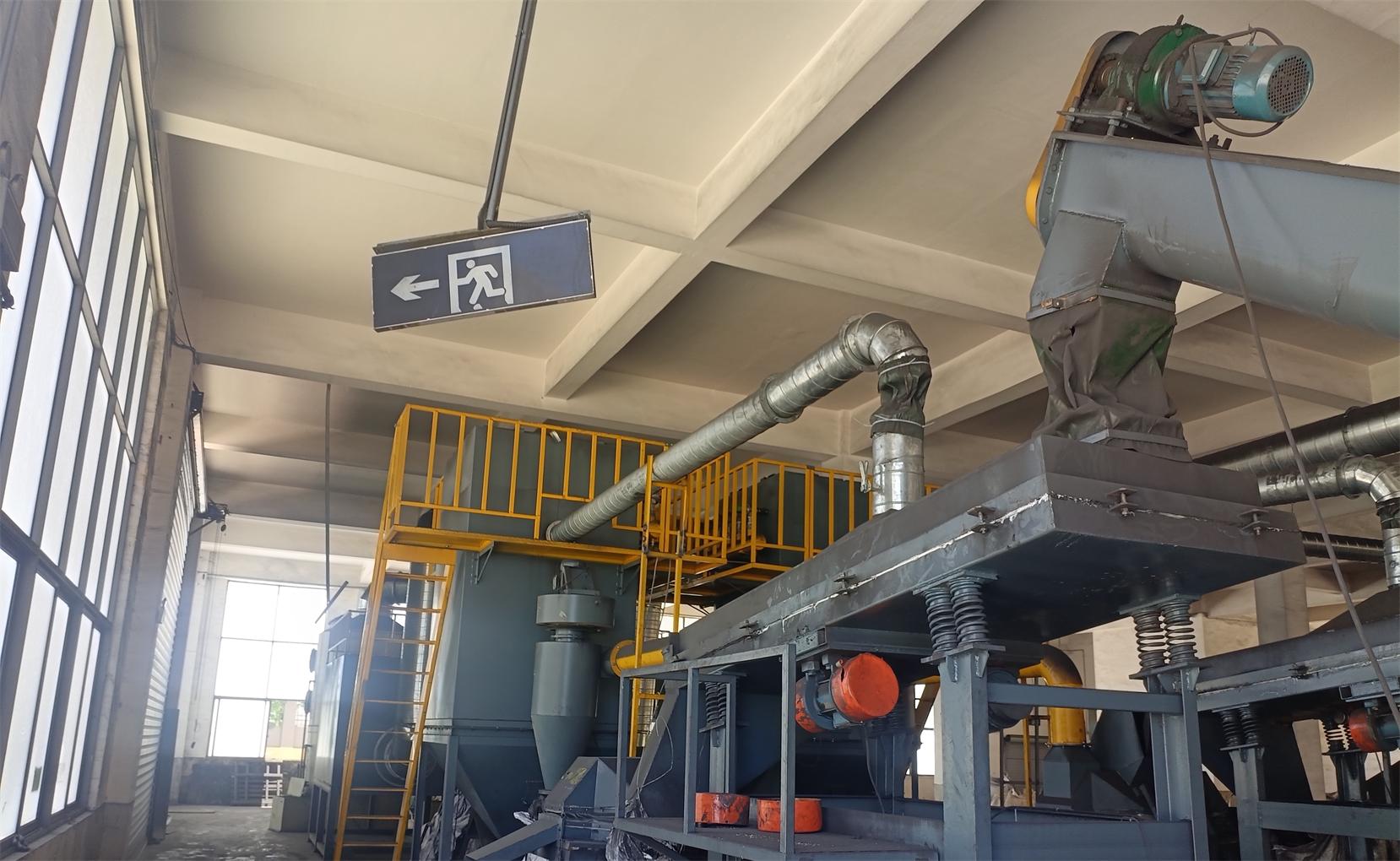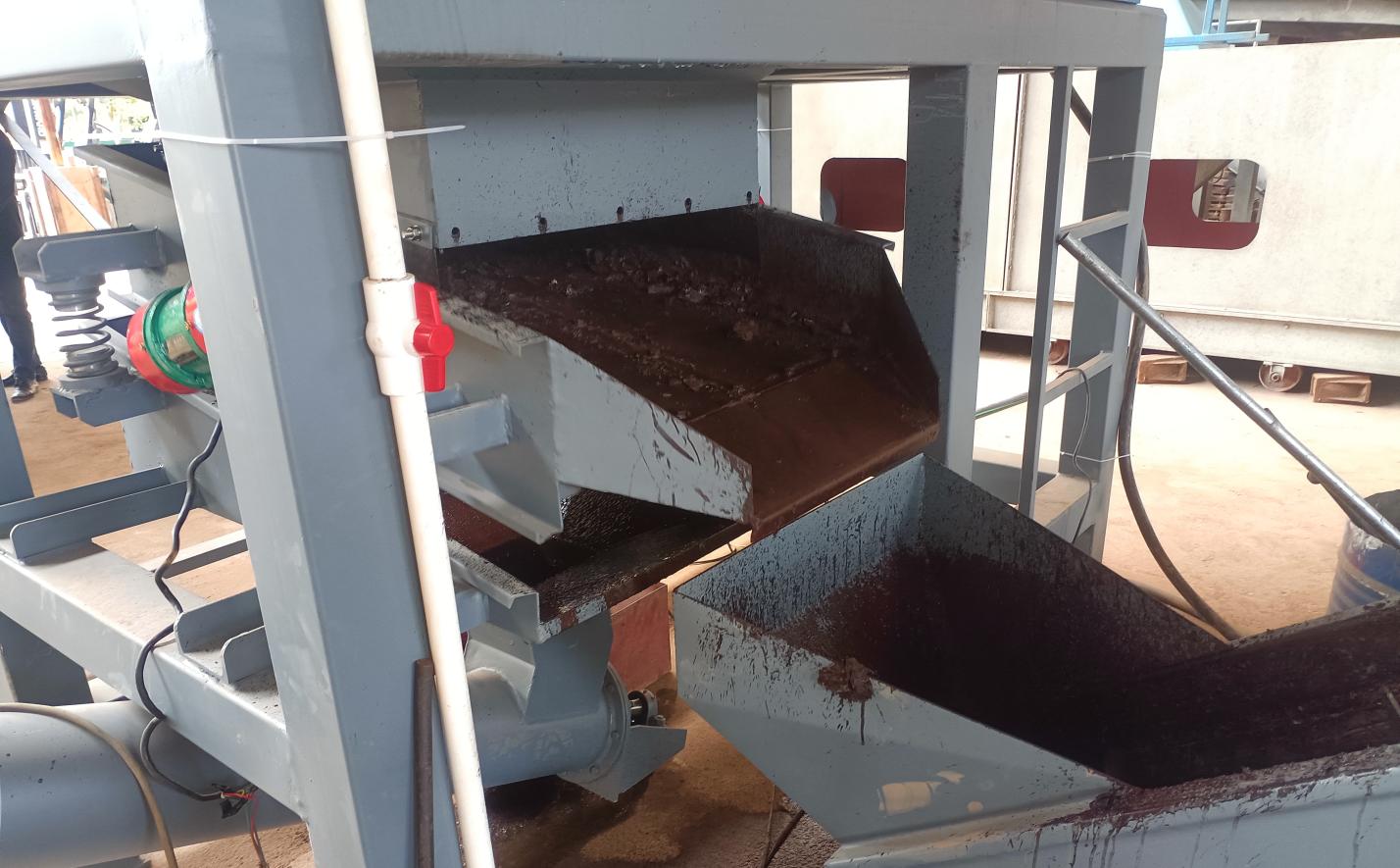
The global e-waste recycling market is projected to reach $145 billion by 2030, driven by stricter environmental regulations, rising metal prices, and the explosive growth of end-of-life batteries and electronics. For entrepreneurs and established waste management companies alike, this represents one of the most compelling industrial opportunities of the decade.
Why E-Waste Recycling Is a High-ROI Business Today
Electronic waste contains valuable concentrations of copper, gold, silver, lead, lithium, and cobalt. One tonne of mobile phone circuit boards contains more gold than a tonne of high-grade mined ore. Yet, less than 20% of global e-waste is formally recycled, meaning the majority of recoverable value is still being lost to landfills or informal operations.
Governments worldwide are tightening Extended Producer Responsibility (EPR) regulations, forcing manufacturers to ensure their products are recycled at end-of-life. This policy shift creates guaranteed feedstock streams for formal recyclers. Simultaneously, EV adoption is generating a massive wave of spent lithium-ion batteries, while the automotive and industrial sectors continue to produce vast volumes of used lead-acid batteries.
The result is a structurally underserved market with regulated demand, rising metal prices, and proven processing technologies. The recyclers who move first with the right equipment and partnerships will capture the most attractive margins.
Core Recycling Streams and the Equipment You Need
A profitable recycling operation typically focuses on one or more high-value feedstock streams. Below are the four most economically attractive categories, along with the specialized machinery required for each.
Lead Acid Battery Recycling
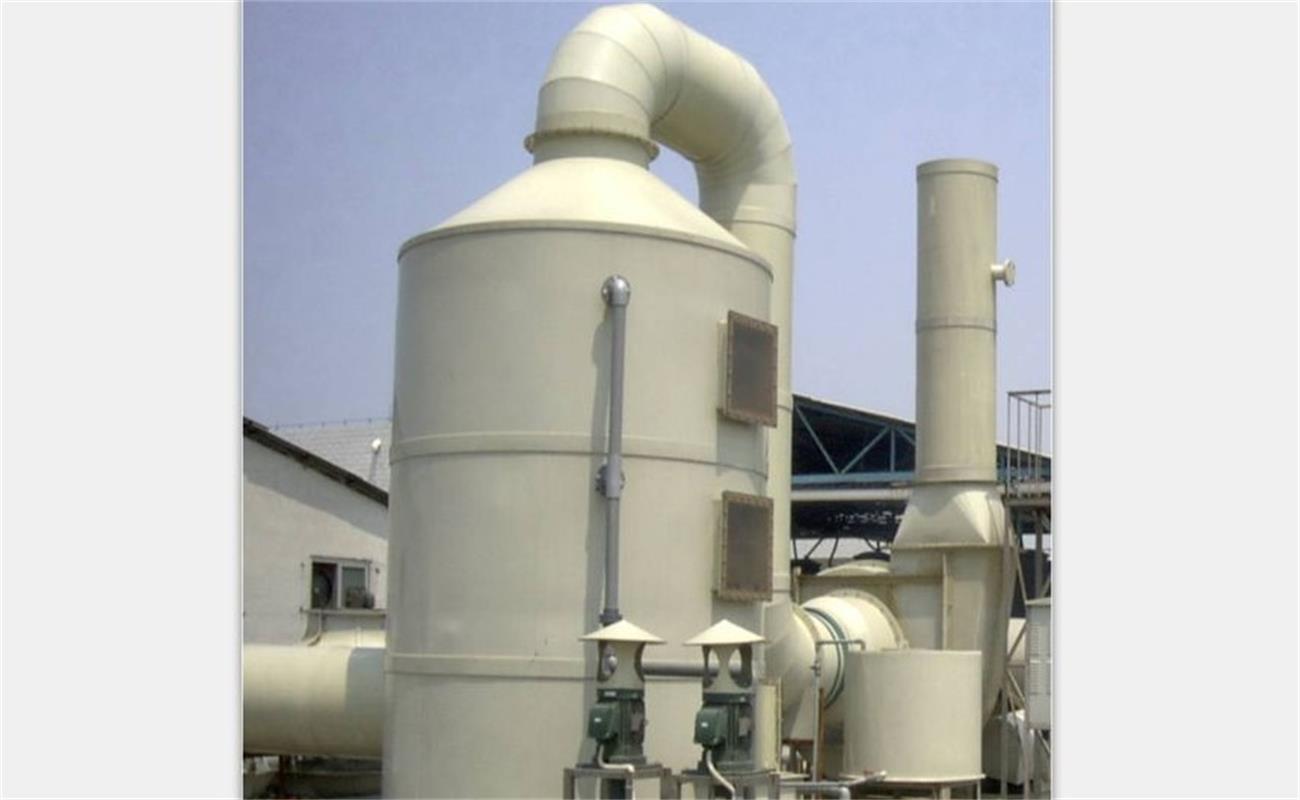
Used lead-acid batteries (ULAB) remain the largest single category of waste batteries by tonnage. A complete lead acid battery recycling equipment line includes battery cutters, breaking and separation systems, rotary furnaces for paste reduction, blast furnaces, lead refinery kettles, de-sulfurization units, and air pollution control systems. Modern plants can achieve lead recovery rates of 95% and produce 99.999% pure refined lead ingots. Capacities typically range from 1 to 10 MT per hour, with payback periods of 2.5 to 4 years for well-run operations.
Lithium Battery Recycling
Lithium-ion batteries represent the fastest-growing waste stream, with volumes projected to increase at 30-35% CAGR through 2030. Li battery recycling equipment encompasses discharging stations, pre-crushers, secondary granulators, magnetic separators, and black powder separation systems. Advanced plants recover black mass containing nickel, cobalt, and graphite, alongside separated copper, aluminum, and plastic fractions. Capacities range from 500 to 2,500 kg per hour, and the recovered black mass commands premium prices in today's critical minerals market.
Circuit Board Recycling
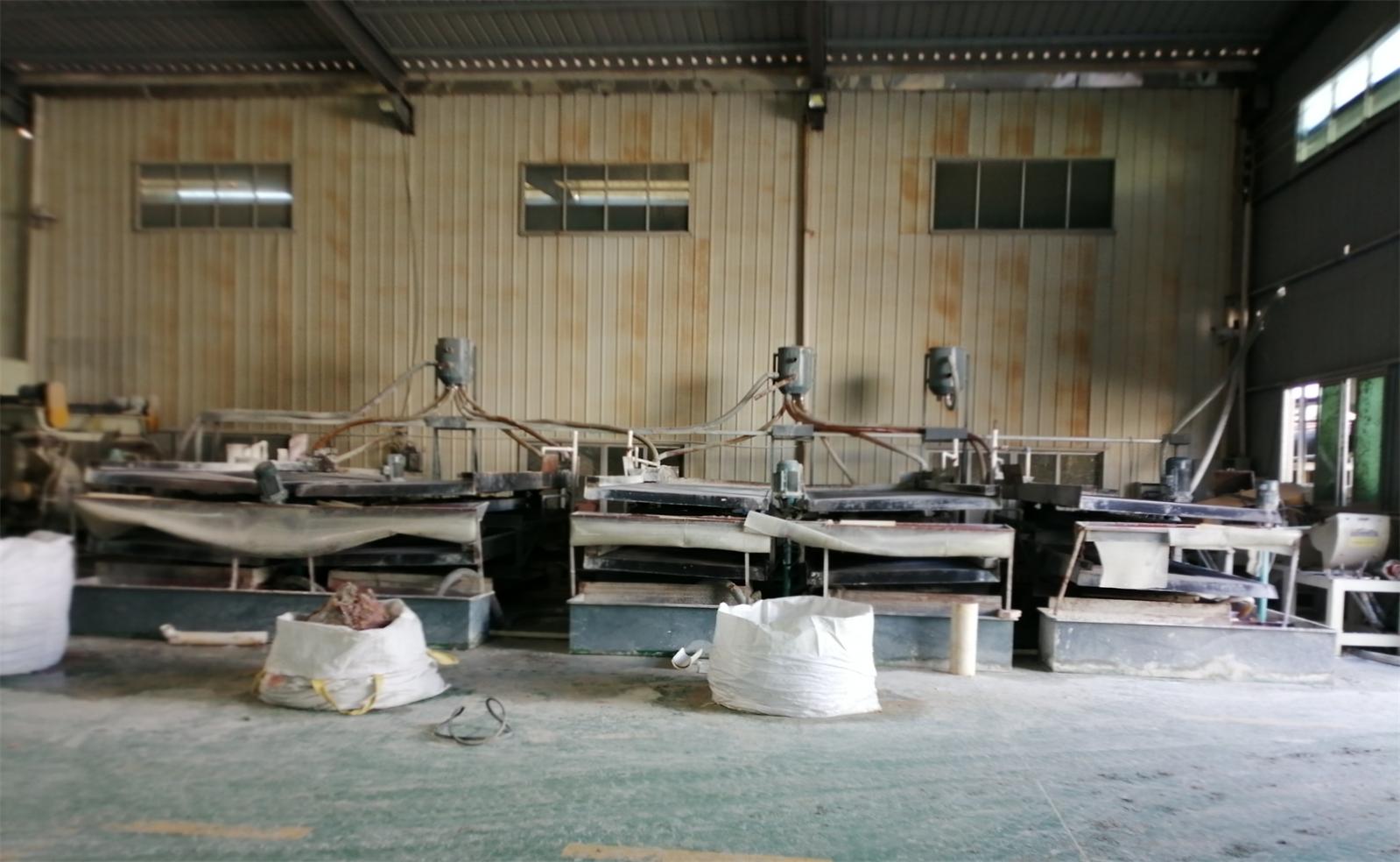
Printed circuit boards (PCBs) are among the most valuable e-waste fractions due to their copper and precious metal content. Circuit board recycling equipment uses either dry separation (air separators, electrostatic separators, pulse dust collectors) or wet separation (water metal separators) to achieve copper powder purity of 96-98% and recovery rates up to 95%. Plants are available from 300 kg/hour entry-level units to 2,000+ kg/hour industrial systems.
Cable Recycling
Scrap cables and wires are a consistent, high-volume feedstock. Cable recycling equipment includes scrap cable strippers for large-diameter wires and compact cable granulators with dry separators for fine copper and plastic separation. Modern granulators can process from 100 kg/hour up to 1,200 kg/hour, producing clean copper granules ready for direct smelter sale.
The Advantage of a One-Stop EPC Solution
Building a recycling plant involves far more than simply buying machines. You need process flow design, pollution control integration, installation and commissioning, feedstock sourcing strategy, and end-product offtake channels. Working with multiple vendors for each stage introduces interface risks, timeline delays, and cost overruns.
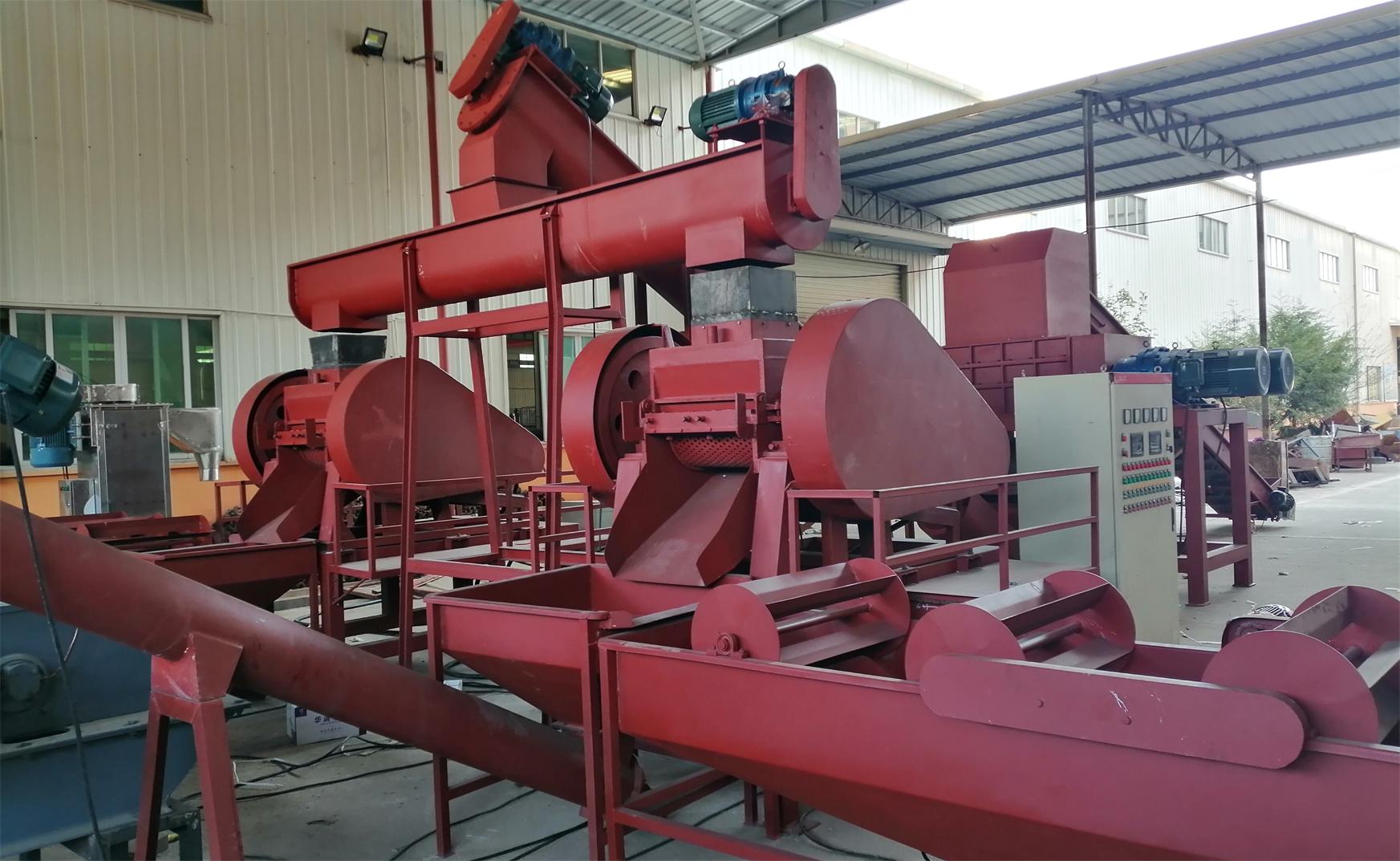
An Engineering, Procurement, and Construction (EPC) partner that provides turnkey recycling plants eliminates these coordination headaches. A single-source supplier handles customized plant design, equipment manufacturing, on-site installation, operator training, and after-sales support. This approach reduces project risk, accelerates time-to-production, and ensures that every component is optimized for the others.
Key Value-Added Services to Look For: Beyond equipment supply, leading providers help customers source waste feedstock (cable scrap, PCB scrap, used batteries), connect with investors for plant construction, and even assist in selling recovered output products such as copper rice, copper powder, and lead ingots.
Technology Leadership and Proven Performance
When evaluating equipment suppliers, technical depth and real-world track record matter more than glossy brochures. Look for manufacturers whose engineering teams hold advanced degrees in mechanical engineering and bring 15+ years of direct experience in e-waste recycling machine design. The difference shows up in equipment reliability, separation efficiency, and operating cost.
Leading manufacturers offer comprehensive product portfolios spanning the full recycling value chain:
- Battery recycling: cutters, breakers, furnaces, refining kettles, pollution control
- PCB recycling: dry and wet separation plants with copper purity up to 98%
- Cable recycling: strippers, granulators, and complete separation lines
- Refrigerator and AC recycling: refrigerant extraction, shredding, and metal/plastic separation
- CRT recycling: cutters with Ni-chrome heaters or diamond cutters for safe glass separation
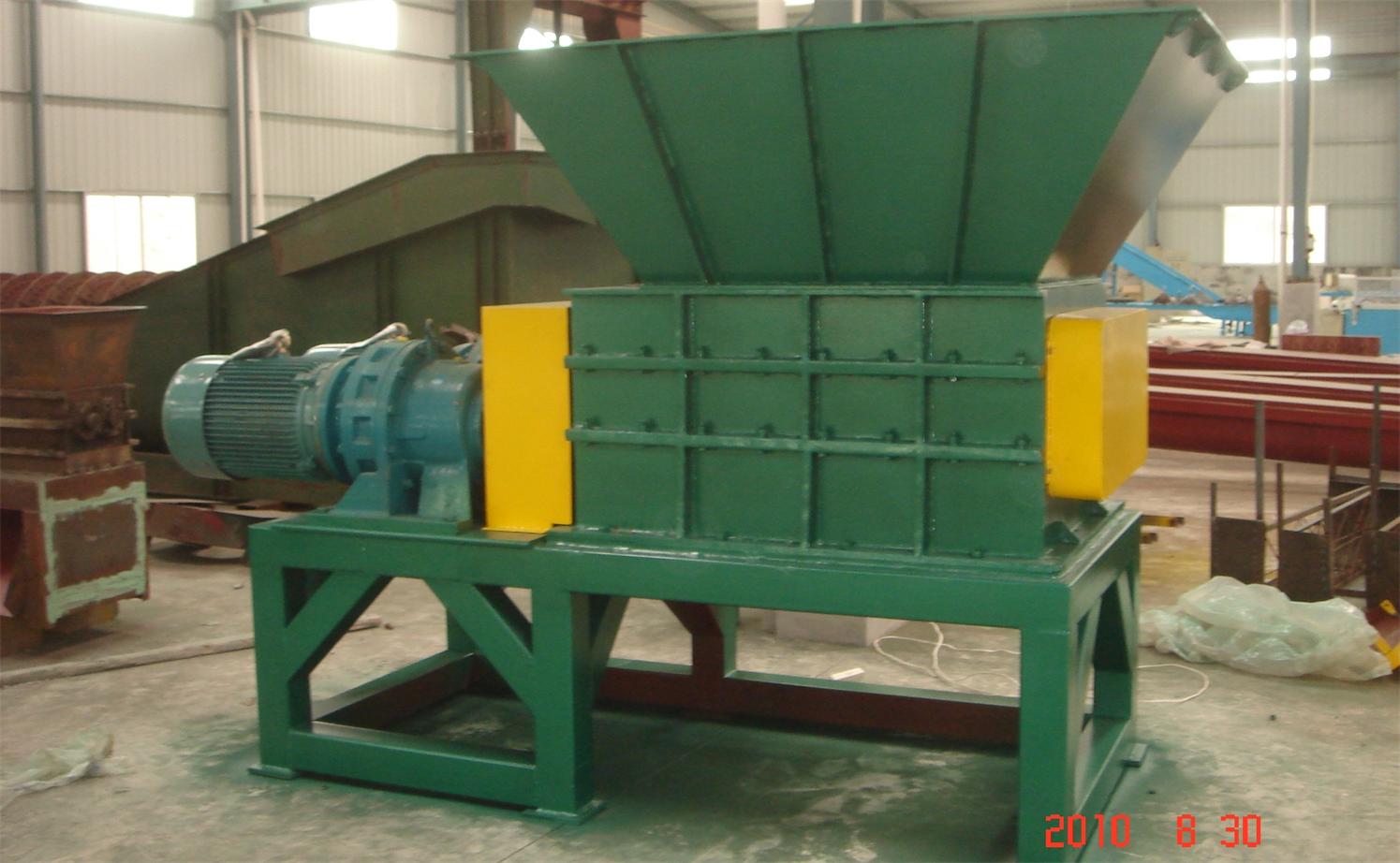
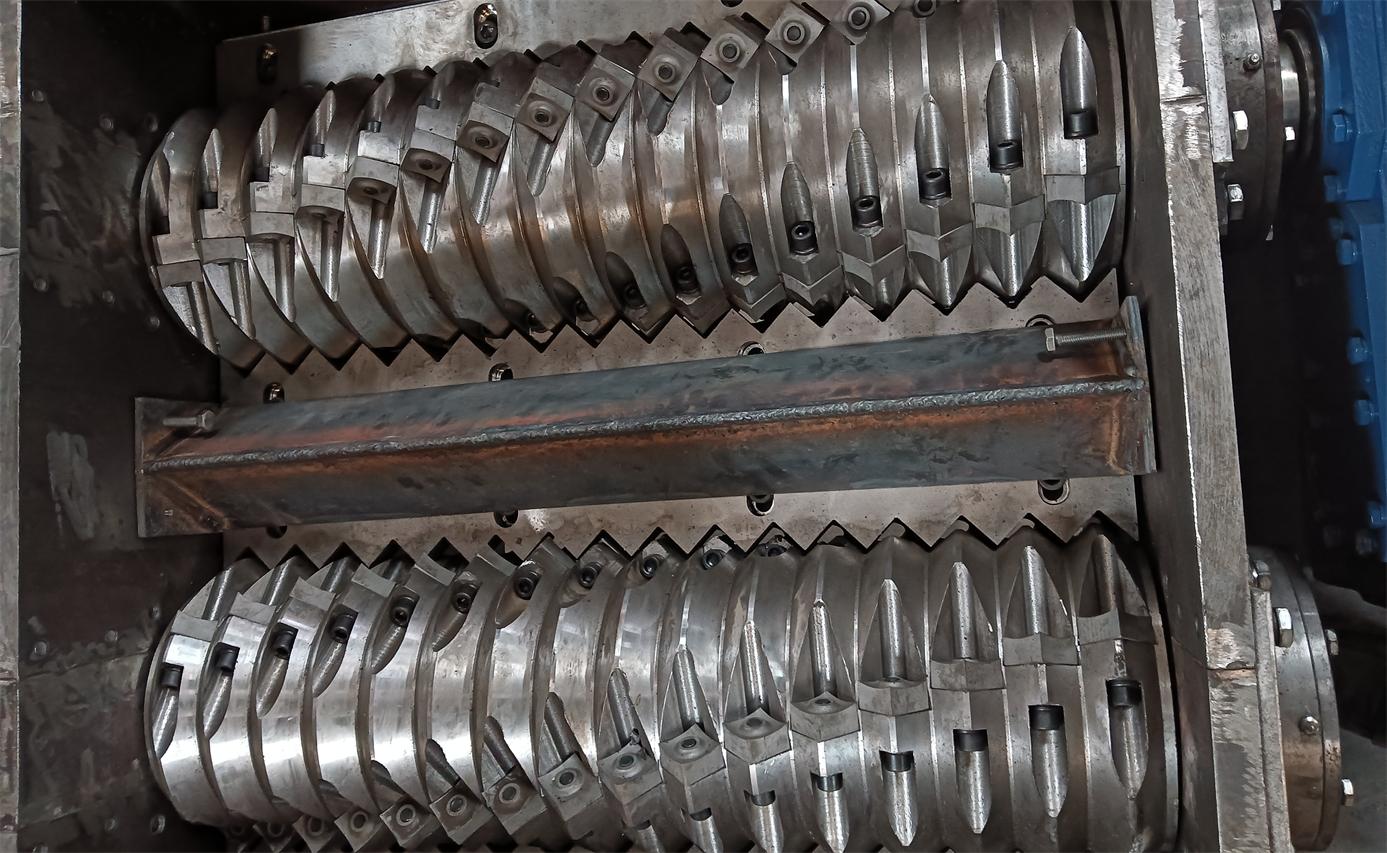
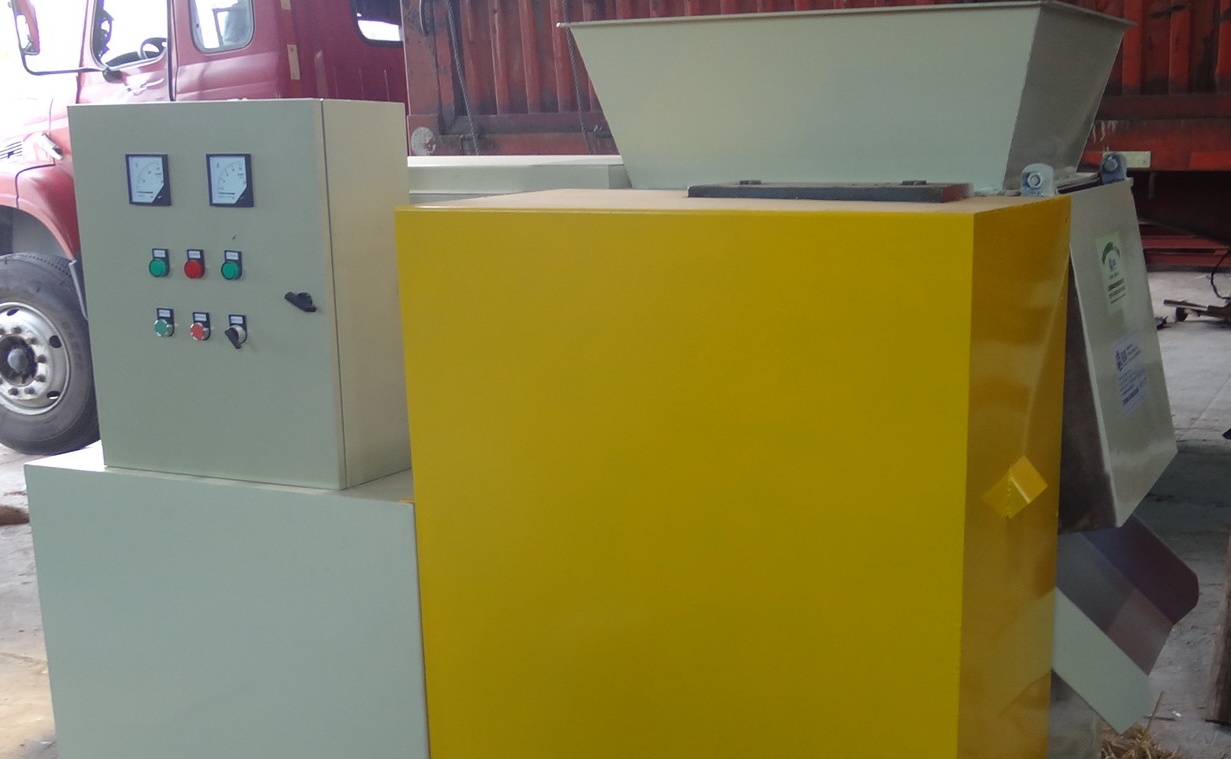
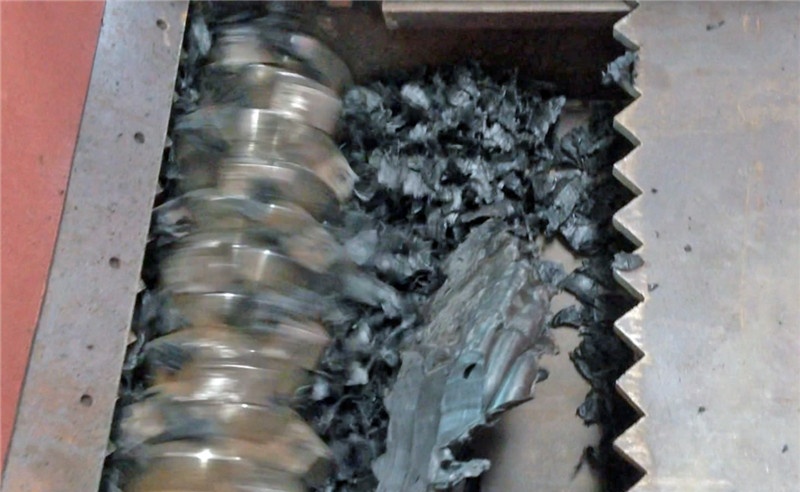
- Shredders: single-shaft, twin-shaft, and four-shaft pre-choppers for size reduction
- Metal melting: medium-frequency induction furnaces for ingot production
| Product Category | Typical Capacity | Key Performance Metric |
|---|---|---|
| Lead acid battery recycling plant | 1-10 MT/hour | Lead recovery rate: 95% |
| Lithium battery recycling plant | 500-2,500 kg/hour | Black mass recovery: comprehensive |
| Circuit board recycling plant | 300-2,000 kg/hour | Copper purity: 96-98% |
| Cable recycling machine | 100-1,200 kg/hour | Clean copper granules |
Global Experience, Local Support
Equipment reliability is only part of the equation. International customers need suppliers who understand cross-border logistics, installation requirements, and after-sales service across time zones. Manufacturers with customers in 21+ countries including Singapore, Colombia, Vietnam, Mexico, Argentina, Korea, Malaysia, Indonesia, South Africa, Tunisia, India, Kenya, Saudi Arabia, Philippines, and Zambia have demonstrated their ability to deliver, install, and support plants in diverse regulatory and operational environments.
Bilingual English-Chinese support is a significant advantage for international clients, ensuring clear communication during project negotiation, design customization, installation, and ongoing technical support.
Investment and ROI: What to Expect
Recycling plant investments vary widely based on feedstock type, capacity, and level of automation. Small-scale lead-acid dismantling facilities may start from modest capital outlays, while mid-scale lithium-ion plants with hydrometallurgical capability require more substantial investment. The critical success factors are not just equipment cost, but feedstock procurement discipline, recovery yield, and end-product pricing.
Well-run lead-acid plants typically achieve payback in 2.5-4 years, with lead ingot selling at a significant premium to scrap input costs. Lithium-ion operations command higher margins per kilogram due to the value of recovered cobalt, nickel, and lithium compounds, though they require more sophisticated equipment and safety infrastructure. Mechanical recycling plants (PCB and cable) offer attractive returns with lower regulatory complexity.
The most successful operators typically start with one chemistry or feedstock, master the operations and cash flow, then expand into additional streams. This staged approach reduces risk and allows each expansion to be funded from operating profits.
Start Your Recycling Project with a Proven Partner
San Lan Technologies Co., Ltd. has been manufacturing e-waste recycling machinery and mining equipment since 2007. With a comprehensive product range covering lead-acid battery recycling, lithium battery recycling, circuit board recycling, cable recycling, and complete WEEE processing solutions, San Lan provides customized plant design, equipment supply, installation, and commissioning services to customers worldwide.
Whether you are planning your first recycling venture or expanding an existing operation, our engineering team can help you select the right equipment configuration, optimize your process flow, and maximize your recovery yields.
Contact San Lan Technologies today to discuss your project requirements and receive a customized equipment proposal tailored to your feedstock, capacity targets, and budget.
Email: info@san-lan.com
WhatsApp: +86 139 2377 4083
Website: www.san-lan.com