Electronic waste is one of the fastest-growing waste streams worldwide. As consumer electronics continue to evolve and device lifecycles shorten, the volume of discarded equipment keeps climbing. For entrepreneurs and established businesses alike, this presents a significant opportunity. Building a profitable e-waste recycling plant starts with choosing the right equipment and a reliable partner who understands the industry from the ground up.
Understanding the E-Waste Recycling Opportunity
The global push for sustainability, combined with stricter environmental regulations, has made electronic waste recycling a necessity rather than a choice. Governments across the world are implementing extended producer responsibility frameworks and setting ambitious recycling targets. This regulatory momentum, coupled with the inherent value of recoverable materials such as copper, gold, lead, and rare earth elements, creates a compelling business case for investing in recycling infrastructure.
However, success in this sector depends heavily on the quality and efficiency of the machinery used. A well-designed recycling plant can recover valuable materials at high purity rates while maintaining compliance with environmental standards. Conversely, outdated or poorly matched equipment leads to material losses, higher operating costs, and regulatory risks.
Key Equipment Categories for a Complete Recycling Plant
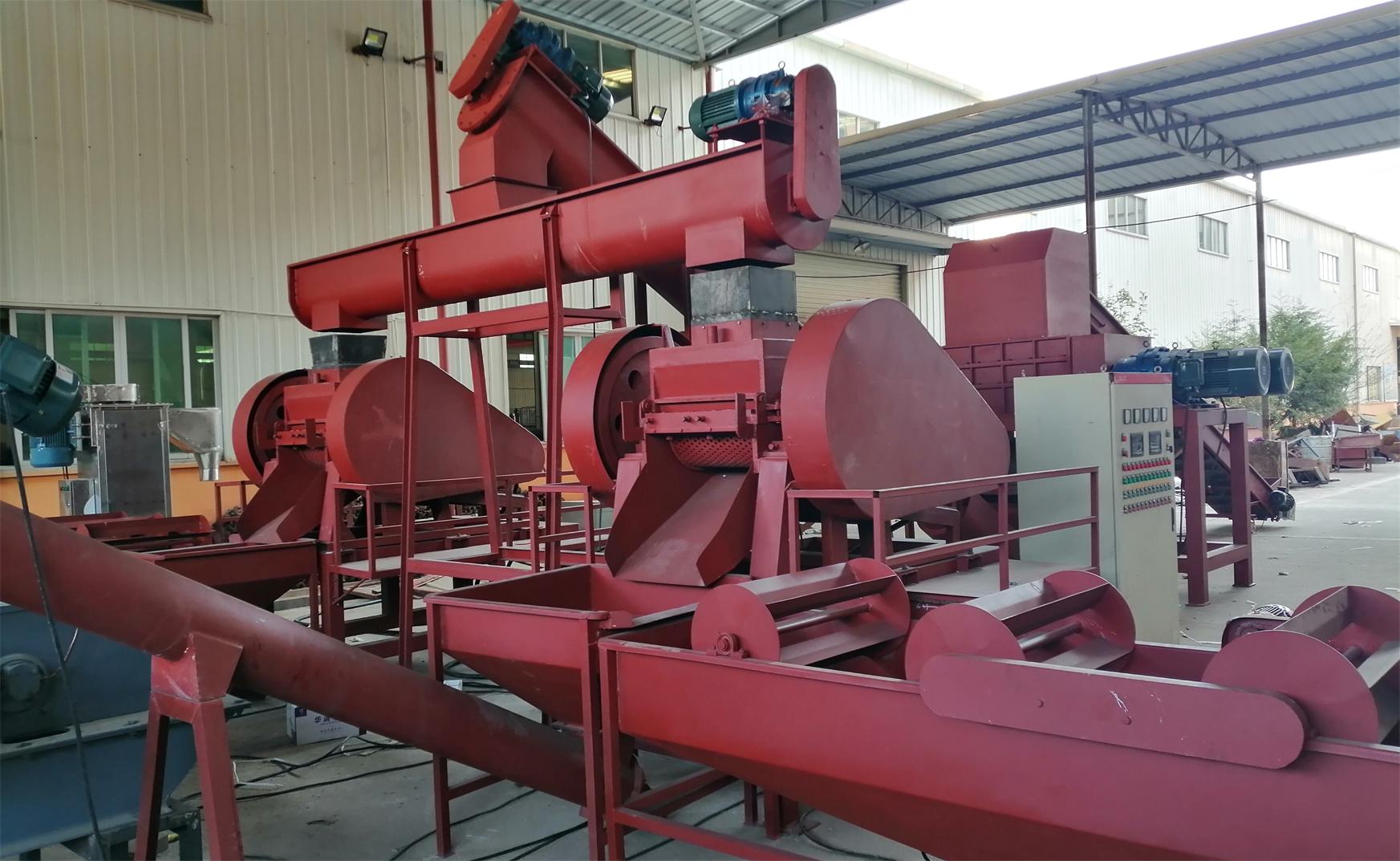
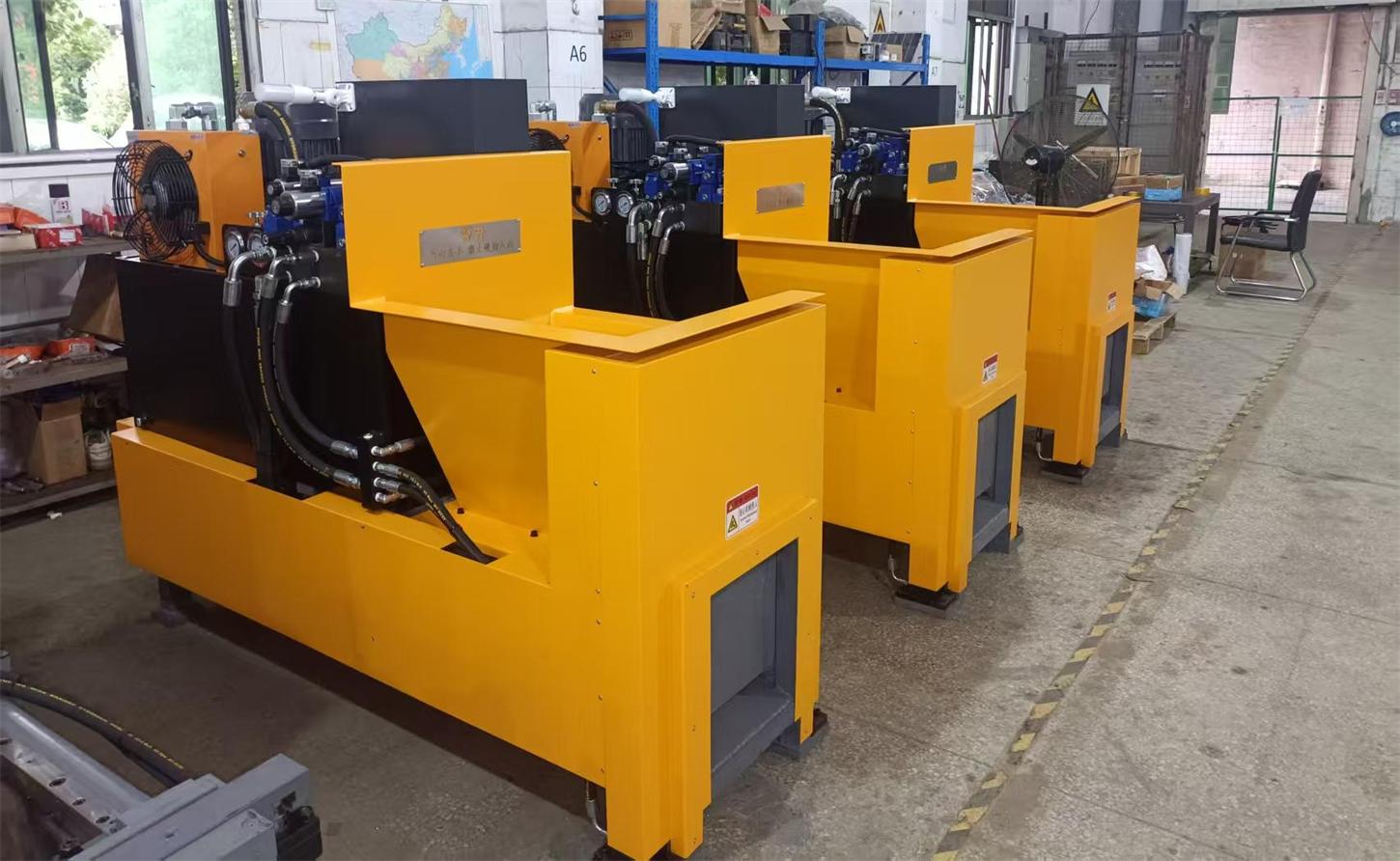
A comprehensive e-waste recycling operation typically requires multiple processing lines, each designed for specific types of waste. Here are the core equipment categories that form the backbone of a modern recycling facility.
Lead Acid Battery Recycling
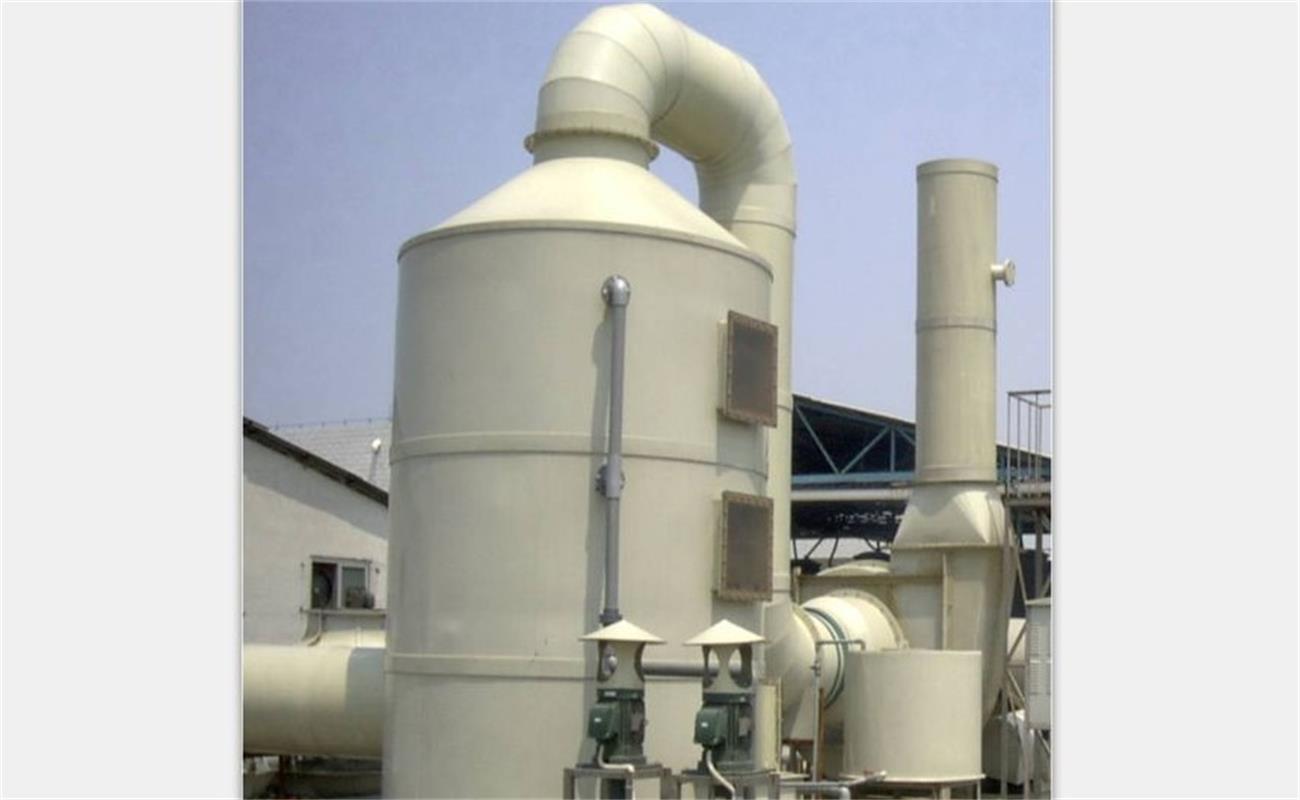
Used lead acid batteries represent one of the most recycled consumer products globally. A complete lead acid battery recycling plant typically includes battery breaking and separation systems, de-sulfurization units, rotary furnaces for paste reduction, blast furnaces, lead refinery kettles, and air pollution control systems. These integrated lines can process batteries at capacities ranging from 1 to 10 metric tons per hour, recovering lead grid, lead paste, plastic shells, and sulfuric acid for resale or reuse.
Lithium Battery Recycling
With the explosive growth of electric vehicles and portable electronics, lithium-ion battery recycling has become a critical frontier. A modern Li Battery recycling plant breaks down waste batteries to recover black mass containing nickel, cobalt, and graphite, along with separated copper, aluminum, and plastic fractions. Capacities typically range from 500 to 2,500 kilograms per hour, with proper gas treatment systems to handle the unique safety and environmental challenges posed by lithium chemistry.
Circuit Board Recycling
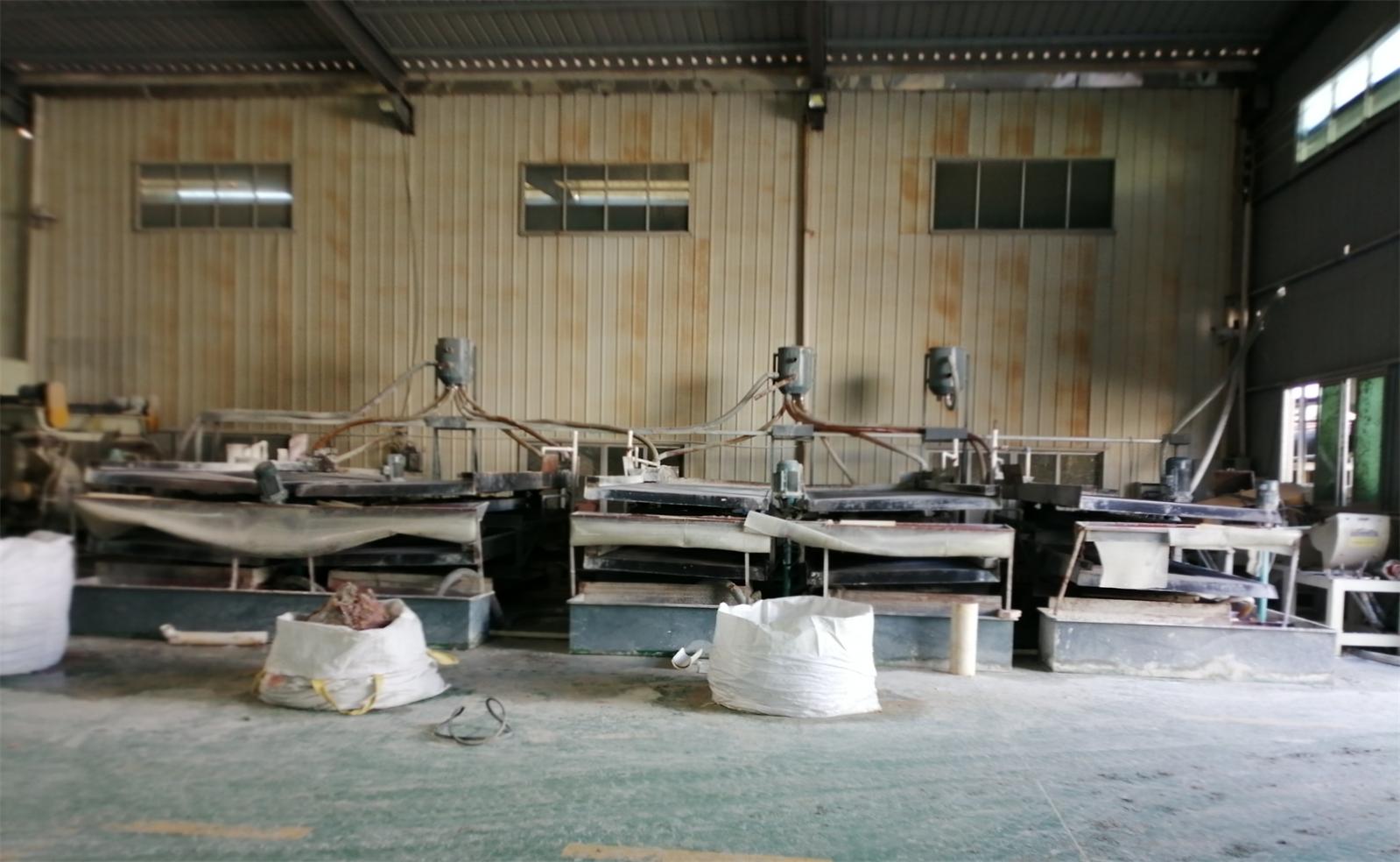
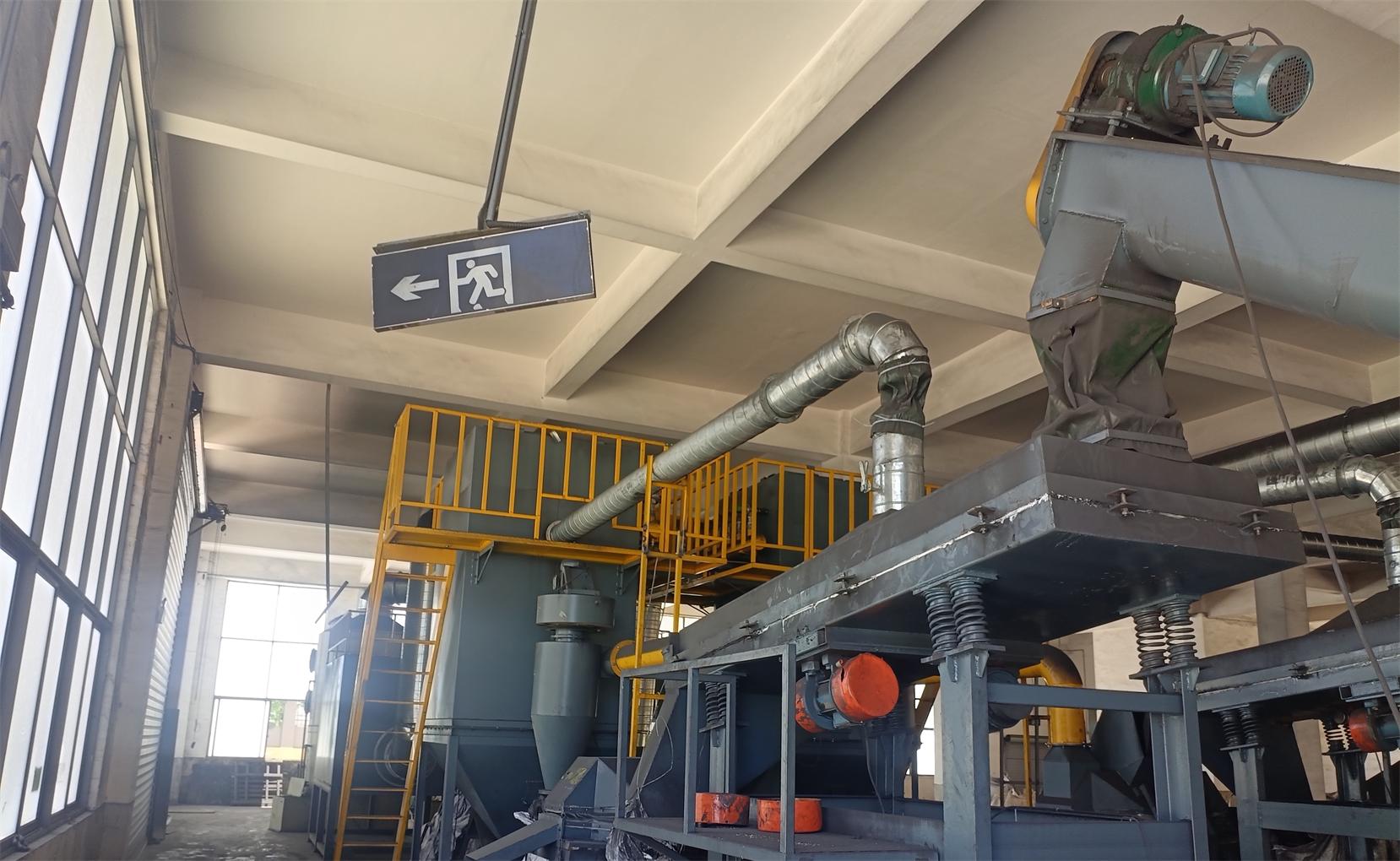
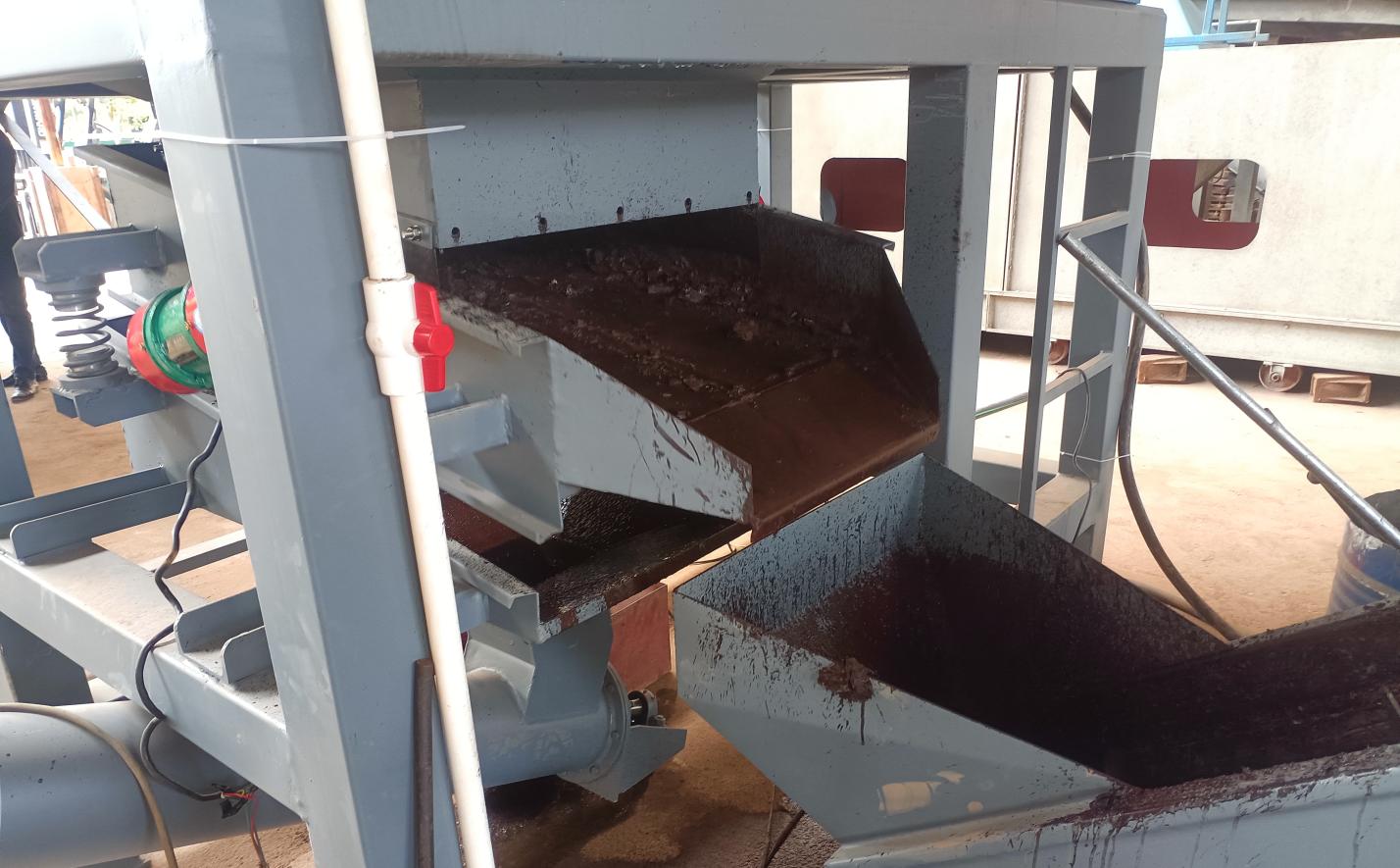
Printed circuit boards contain some of the highest concentrations of precious metals found in e-waste. A circuit board recycling plant uses mechanical crushing combined with air or wet separation to recover copper powder with purities of 96 to 98 percent. Depending on the specific model and configuration, these plants can handle from 300 kilograms to 2,000 kilograms per hour. Advanced systems include electrostatic separators and pulse bag dust collectors to maximize recovery rates while controlling emissions.
Cable Recycling
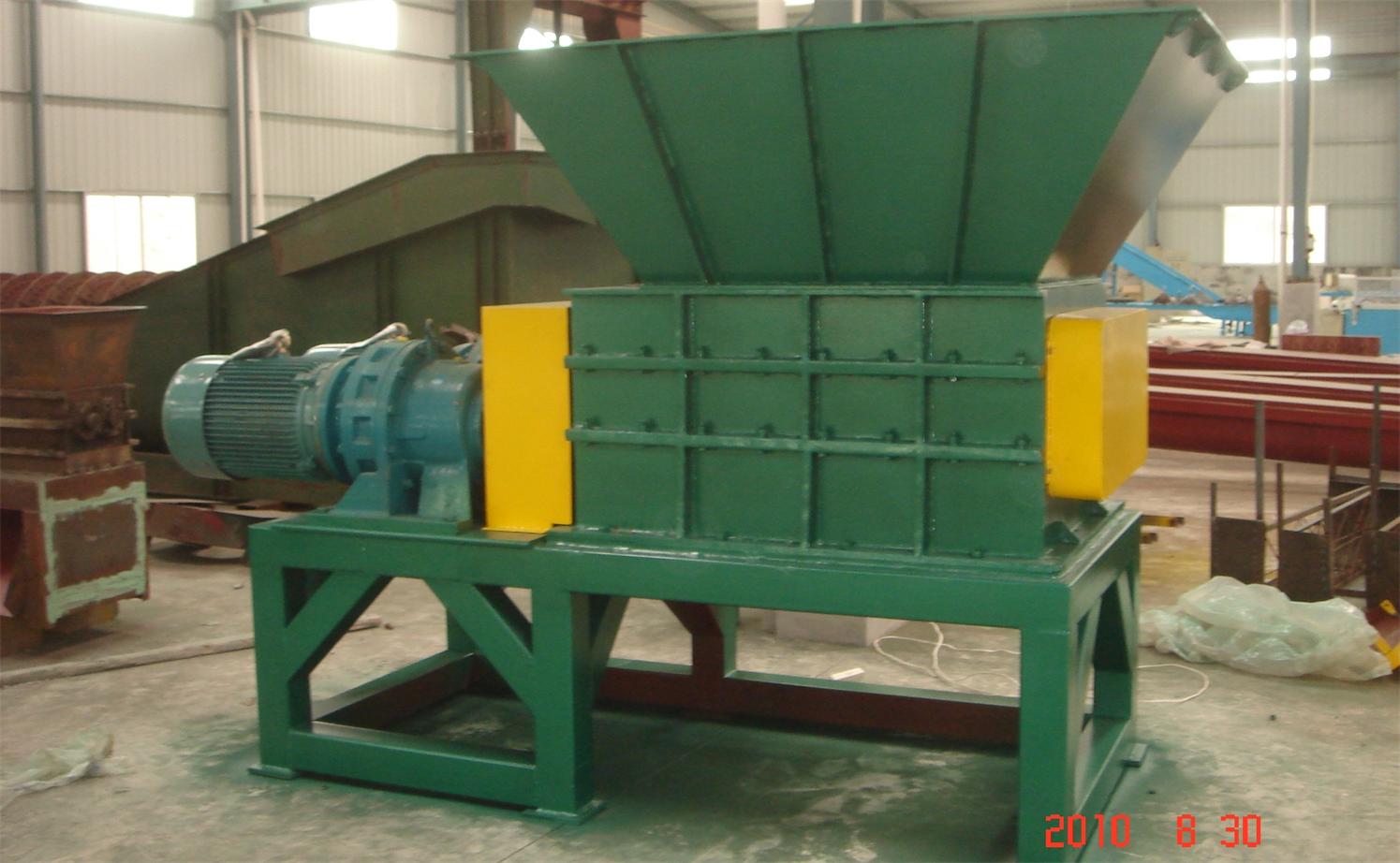
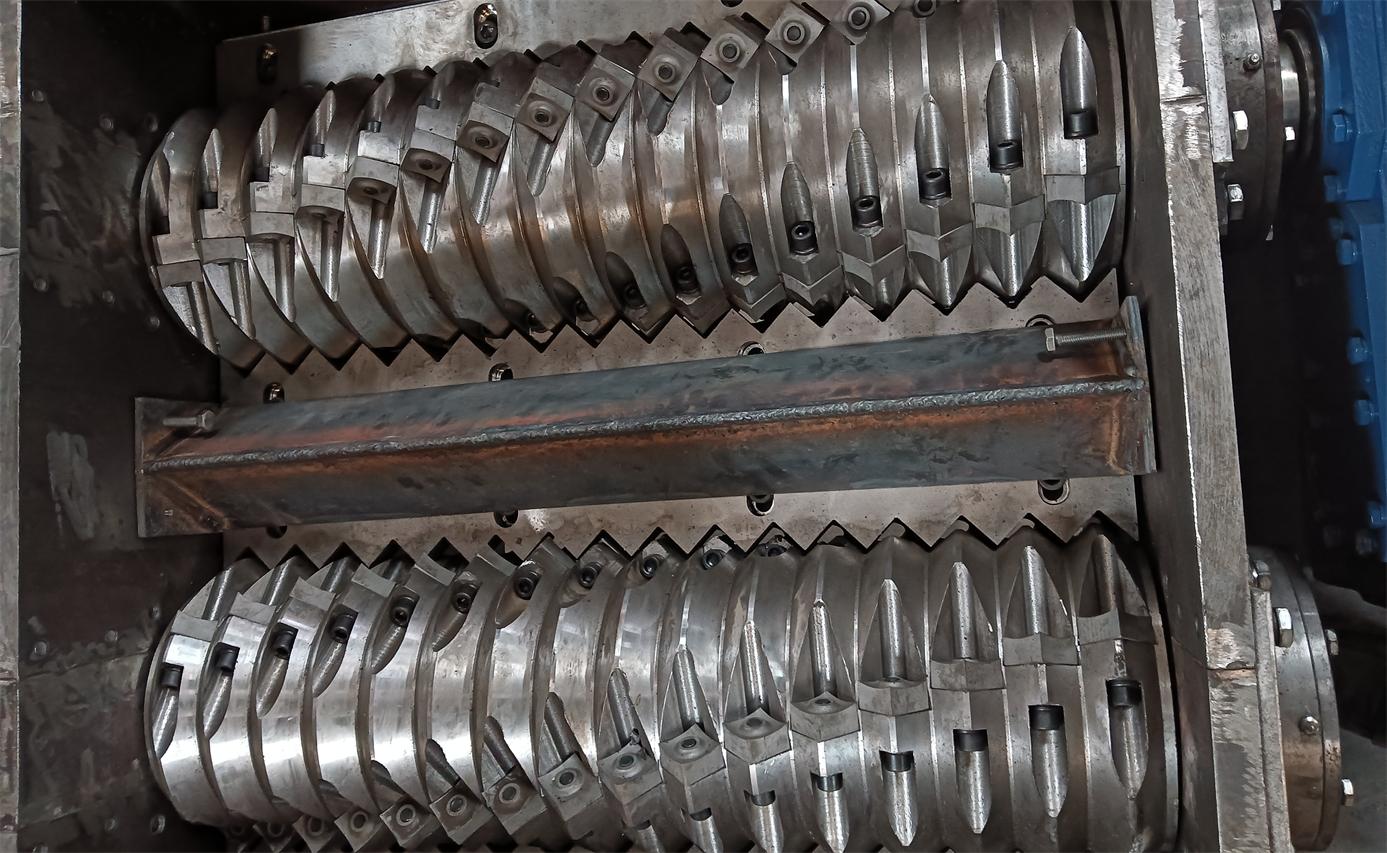
Scrap cables and wires are a rich source of copper and aluminum. Cable recycling lines typically combine scrap cable strippers for large-diameter wires with granulator systems for finer cables. These machines separate metal conductors from plastic insulation through dry mechanical processes, achieving high purity levels without water consumption or chemical treatment. Output capacities vary widely, from compact units processing 100 kilograms per hour to industrial-scale plants handling over a ton per hour.
Beyond Machinery: Why EPC Services Matter
Purchasing equipment is only the first step. Designing an efficient plant layout, integrating multiple processing lines, managing installation and commissioning, and ensuring regulatory compliance require specialized expertise. This is where engineering, procurement, and construction services add tremendous value.
An experienced EPC partner can customize plant designs based on local feedstock availability, regulatory requirements, and target output specifications. They can also assist with sourcing raw materials for processing, training local operators, and even helping to market the recovered materials. For investors entering the recycling sector for the first time, this comprehensive support significantly reduces execution risk and accelerates the path to profitability.
What to Look for in an Equipment Supplier
Selecting the right manufacturing partner is as important as choosing the equipment itself. Here are key factors to evaluate when assessing potential suppliers.
- Technical depth: Look for suppliers with in-house engineering teams who can customize designs and solve technical challenges. A supplier with over 15 years of hands-on experience in e-waste recycling machinery brings practical know-how that catalog resellers cannot match.
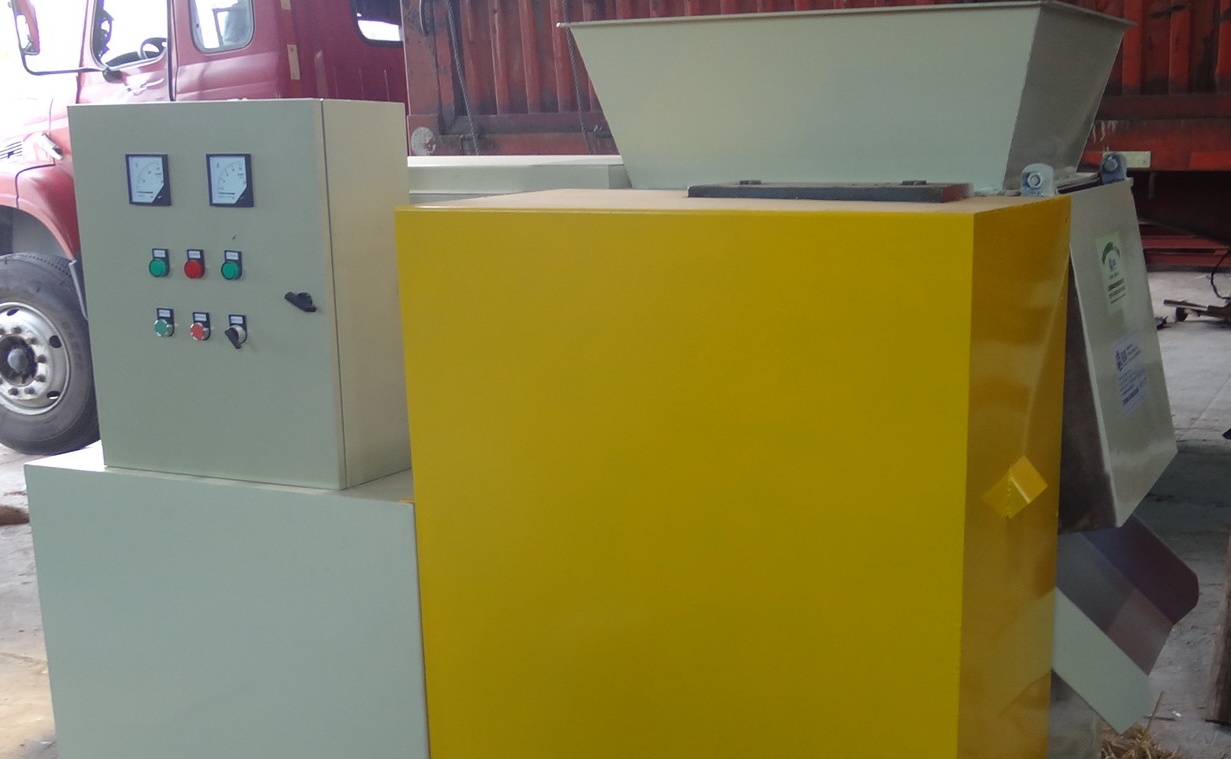
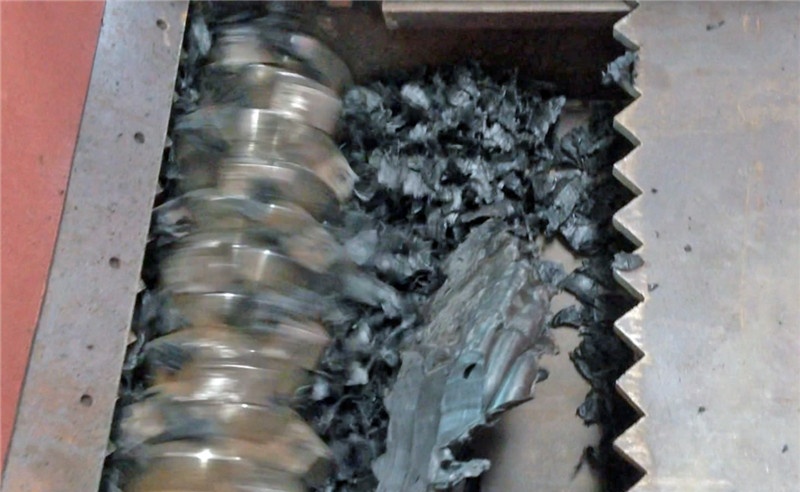
- Product range: A broad portfolio covering batteries, circuit boards, cables, refrigerators, motors, and shredders allows you to source multiple lines from a single partner, simplifying integration and after-sales support.
- International experience: Suppliers who have successfully delivered projects across diverse markets understand how to adapt equipment for different voltages, climates, raw material characteristics, and regulatory frameworks.
- After-sales commitment: Installation, commissioning, operator training, and spare parts availability are critical for long-term operational success. Verify that your supplier offers comprehensive support beyond the initial sale.
Real-World Performance and Global Reach
When evaluating equipment claims, look for proven performance metrics. Leading recycling plants achieve lead recovery rates of 95 percent, copper powder purity of 96 to 98 percent, and iron recovery rates exceeding 95 percent from refrigerator shredding lines. These numbers translate directly into revenue and determine how quickly an investment pays back.
A supplier with installations in over 21 countries across Asia, Africa, Latin America, and the Middle East demonstrates the ability to deliver and support equipment in varied operating conditions. From Singapore to Colombia, Vietnam to South Africa, international project experience indicates that a supplier has resolved the logistical, technical, and regulatory challenges that arise when moving heavy industrial equipment across borders.
Conclusion
The e-waste recycling sector offers substantial opportunities for businesses that enter with the right equipment and expertise. Success requires more than purchasing standalone machines. It demands an integrated approach that combines reliable machinery, smart plant design, regulatory compliance, and ongoing operational support.
Whether you are planning to process lead acid batteries, lithium-ion cells, circuit boards, or scrap cables, partnering with an experienced manufacturer that offers end-to-end solutions can make the difference between a struggling startup and a thriving recycling operation.
Ready to start your e-waste recycling project? Explore comprehensive recycling solutions including lead acid battery recycling plants, lithium battery recycling lines, circuit board recovery systems, and cable granulators. With over 15 years of manufacturing experience and installations in more than 21 countries, San Lan Technologies delivers customized equipment and EPC services to help you build a profitable, compliant recycling operation from day one.
Visit www.san-lan.com to view the full product range or contact the team directly at info@san-lan.com for a customized project proposal.