How to Build a Profitable E-Waste Recycling Plant: A Practical Equipment Guide for Battery, Cable and PCB Recovery
A hands-on look at selecting the right machinery, understanding process flows, and building a recycling operation that pays back.
Global e-waste generation is accelerating. Batteries from vehicles and backup power systems, obsolete cables from telecom and construction sites, and discarded circuit boards from consumer electronics all represent recoverable value — if you have the right equipment to extract it. For entrepreneurs and established waste operators looking to enter or expand in this sector, the single most important decision is not market analysis or financing. It is choosing machinery that matches your feedstock, your budget, and your technical capacity.
This guide walks through the three highest-volume e-waste streams — lead-acid and lithium-ion batteries, scrap cables, and printed circuit boards — and explains what equipment you actually need, what the process looks like on the plant floor, and how experienced manufacturers can shorten your setup timeline from months to weeks.
Why E-Waste Recycling Equipment Is a Growth Market
The business case for formal e-waste recycling is stronger than ever. Regulatory frameworks across Asia, Africa, Latin America and the Middle East are tightening rules around landfill disposal of batteries and electronics. At the same time, metal prices for copper, lead, nickel and cobalt remain elevated, which means every tonne of properly processed waste batteries or cables carries real margin.
What separates profitable operators from struggling ones is usually not access to raw material. It is plant design and equipment reliability. A poorly specified shredder or separator can reduce recovery rates by 10-20%, which over a year erodes margins that were already thin. Conversely, a well-designed line with robust pre-treatment, accurate separation and safe emissions control can deliver payback in under three years.
Lead-Acid Battery Recycling: The Volume Foundation
Lead-acid batteries remain the most widely recycled electrochemical product in the world. Automotive starter batteries, industrial UPS units and telecom backup power cells all converge at recycling plants once they reach end of life. The process is mature, the end-market for secondary lead is deep, and the equipment required is well understood.
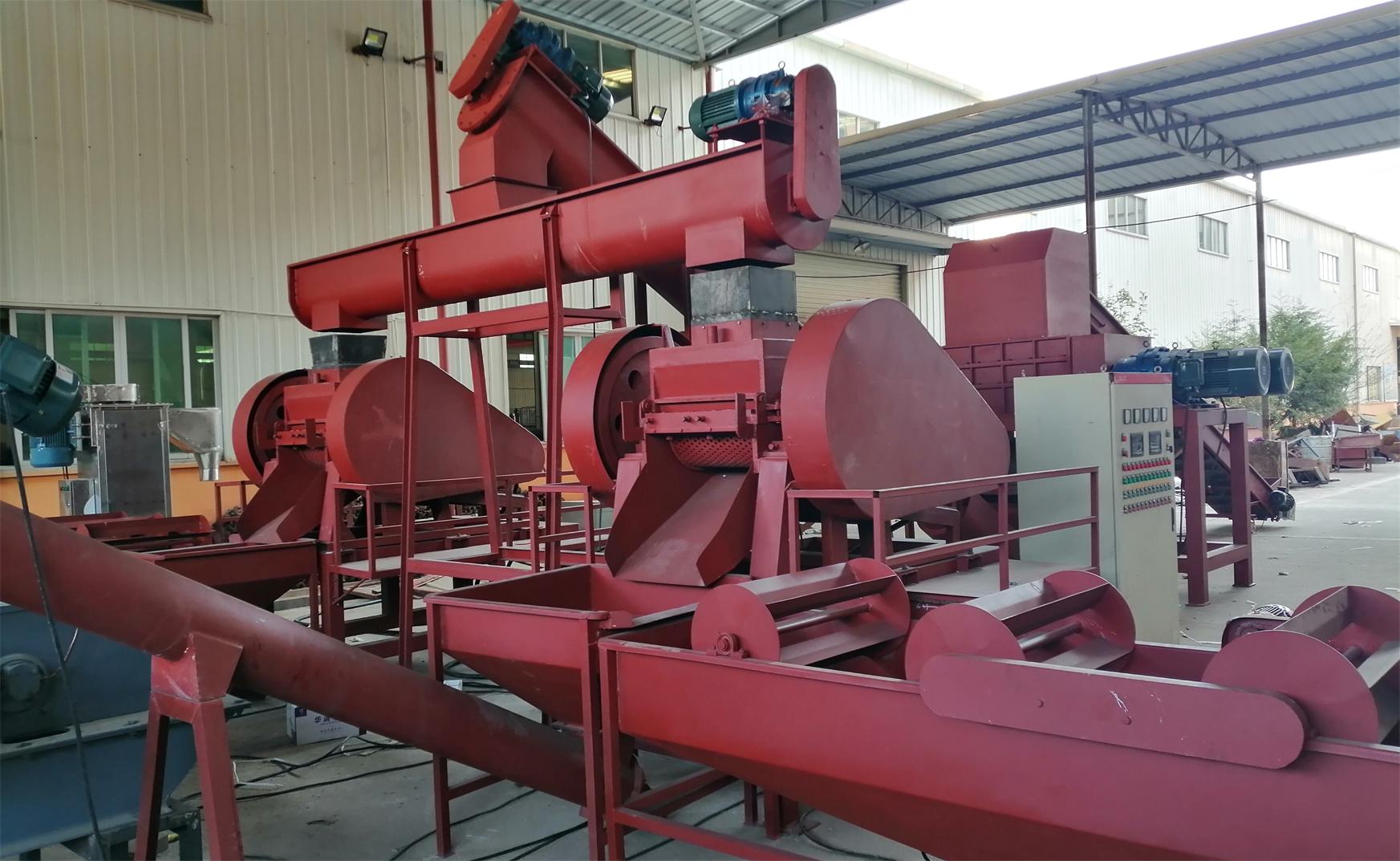
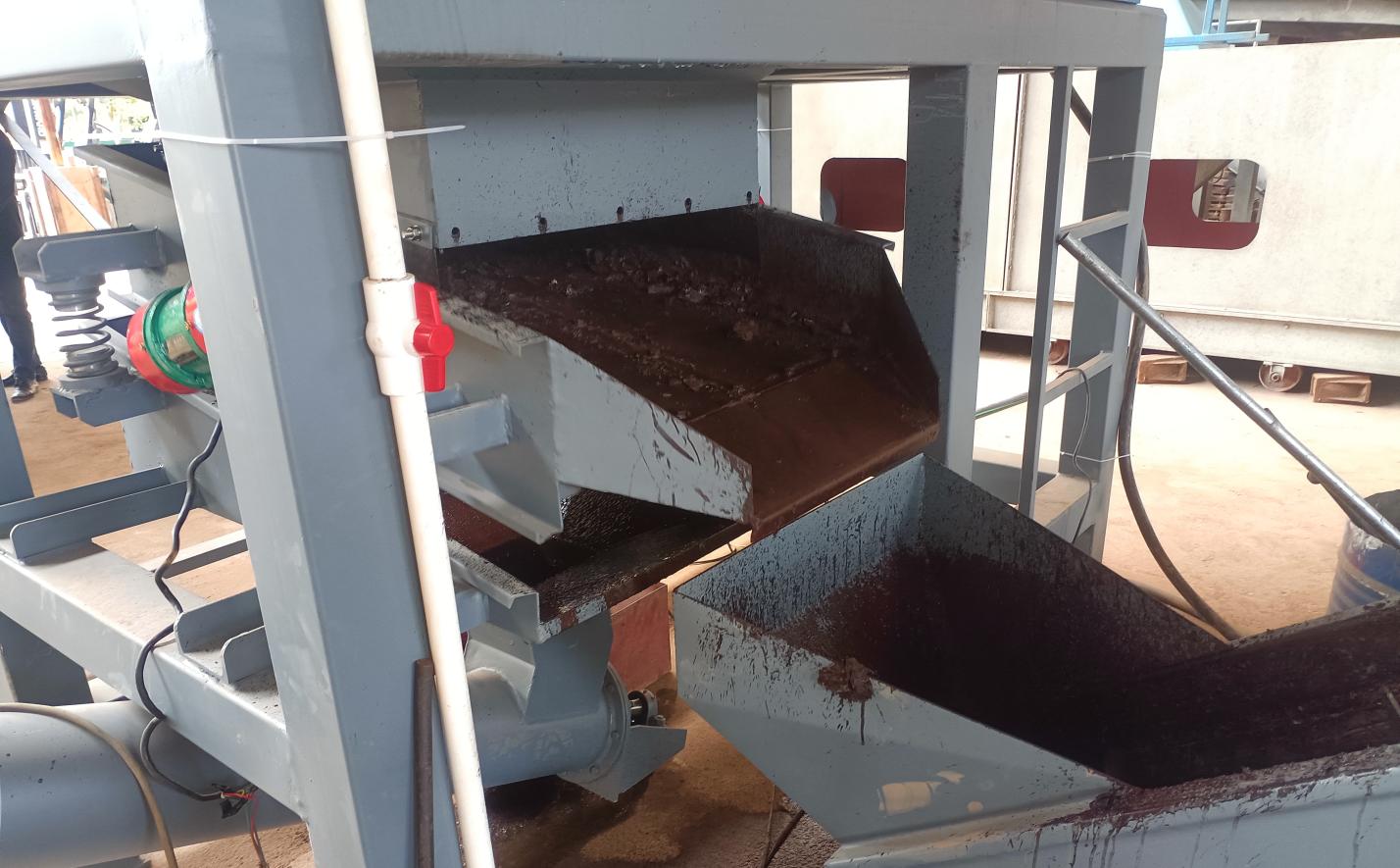
A complete lead acid battery recycling equipment line typically includes several integrated stages. First, batteries are cut or broken to drain acid and liberate the plastic casing, lead grids and lead paste. Modern breaking and separation systems can process 1-10 metric tonnes per hour, classifying material into four output streams: lead paste, lead grid, PVC or PP plastic, and hard rubber.
The lead paste then moves to a de-sulfurization unit, which removes sulfur from PbSO4 before smelting. This step is often underestimated by first-time operators, but it reduces melting temperature, cuts SO2 emissions and saves on energy and flux additives. After de-sulfurization, the paste is fed into a rotary furnace or blast furnace for reduction. A well-run blast furnace operating at up to 1800°C can achieve lead recovery rates around 95% with a throughput of 40-100 metric tonnes per 24 hours. The resulting crude lead is then refined in a kettle furnace to 99.999% purity, suitable for sale to battery manufacturers or lead product foundries.
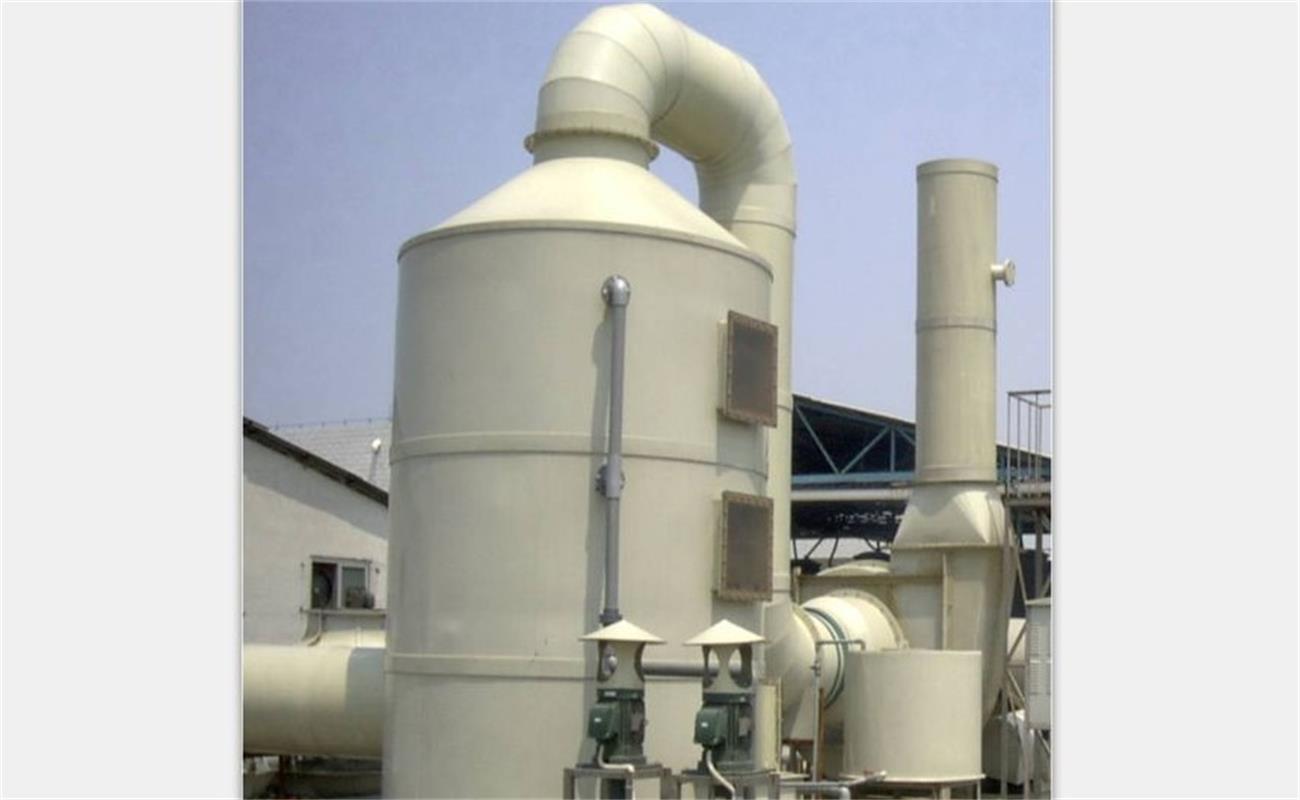
Environmental compliance is non-negotiable. Any lead-acid recycling plant needs an air pollution control system for the rotary furnace, refinery kettle and smelting lines, plus a water treatment plant to handle acidic wastewater from the breaking-separating stage. Skipping these subsystems to save capital is a mistake that shows up later as regulatory shutdowns or community opposition.
Lithium-Ion Battery Recycling: Capturing High-Value Metals
While lead-acid recycling provides steady volume, lithium-ion battery recycling is where the steepest growth curve lies. Consumer electronics, power tools, electric two-wheelers and EVs all generate spent lithium-ion cells that contain recoverable nickel, cobalt, manganese, copper, aluminum and graphite. A typical EV battery pack at end-of-life yields 35-45% black mass by weight, and that black mass trades at a significant premium when cobalt and nickel content are high.
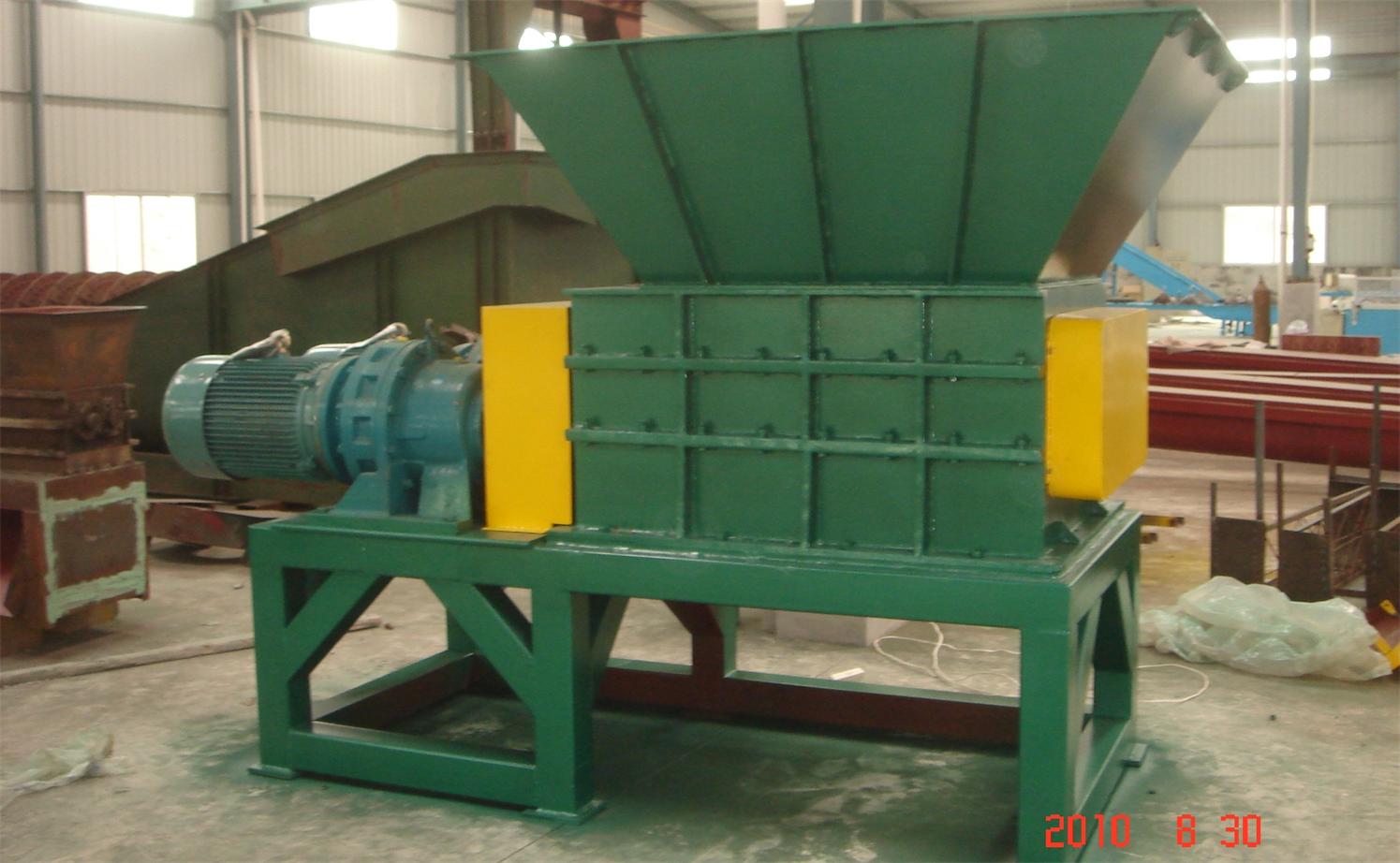
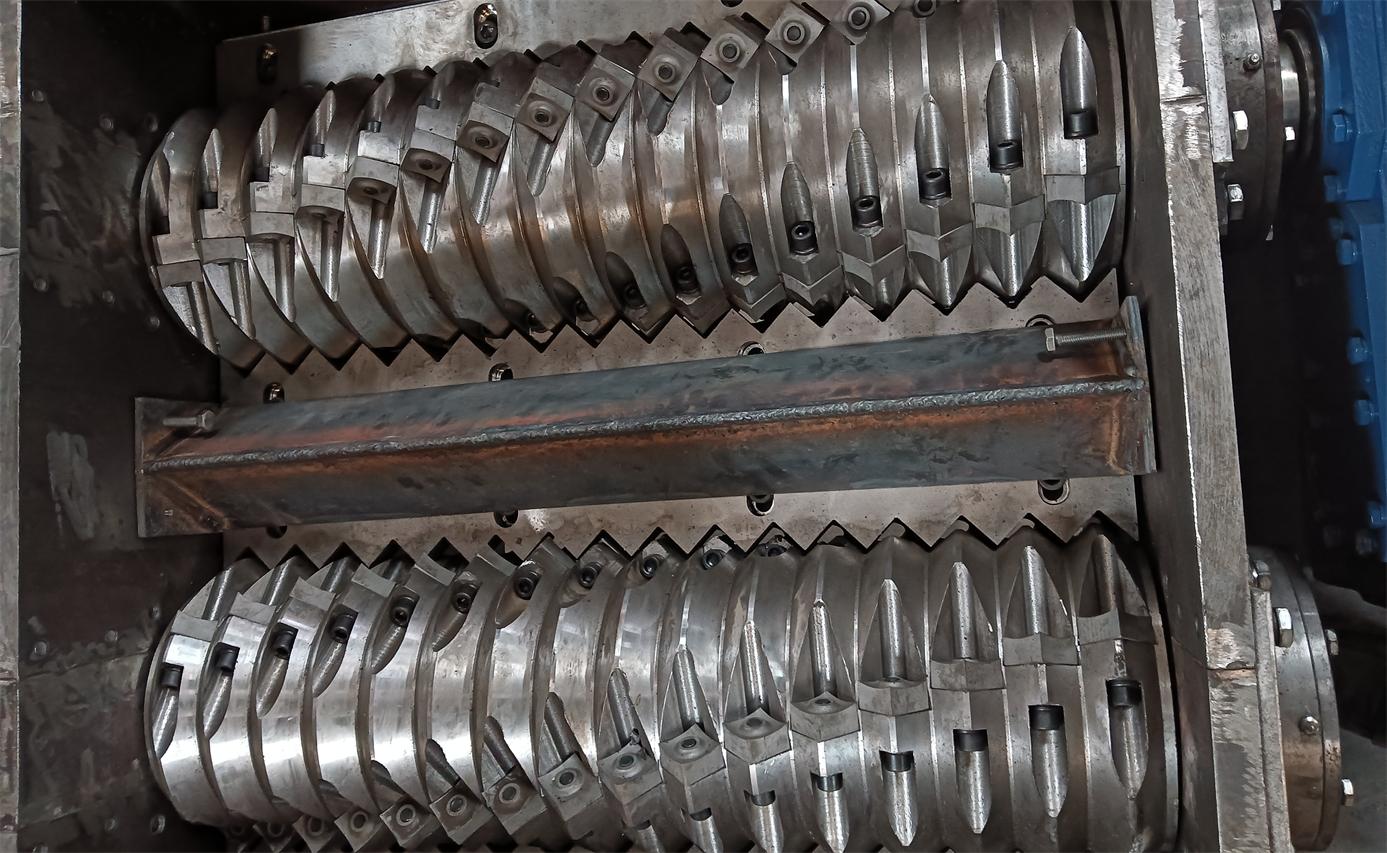
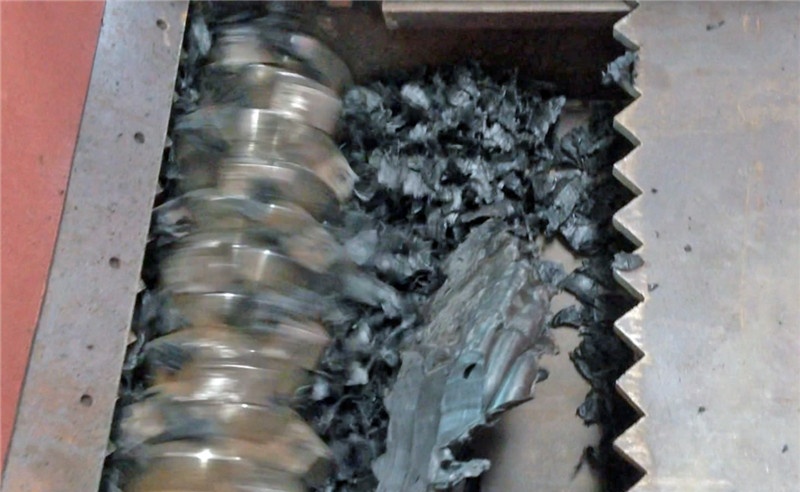
A lithium-ion battery recycling plant must handle one risk that lead-acid does not: thermal runaway. Spent lithium cells can ignite if crushed or short-circuited while still holding residual charge. For this reason, modern lines begin with controlled discharge, followed by pre-crushing in an inert atmosphere or under nitrogen blanket. Secondary granulation then reduces material to a size where magnetic separation can remove steel casings, and eddy-current or air separation can isolate copper and aluminum fractions.
The black powder — containing nickel, cobalt, manganese and graphite — is separated out as the highest-value product stream. Some operators sell black mass directly to downstream hydrometallurgical refiners. Others integrate leaching and solvent extraction to produce battery-grade metal salts on site. The decision depends on capital availability and offtake agreements. Either way, the front-end mechanical separation line is the same: breaking, granulating, magnetic separation, and fine separation of black mass from metallic fractions.
Air pollution control is equally critical for lithium lines. The crushing and separation stage releases electrolyte vapors and fine dust that must be absorbed and neutralized before emission. Plastic separator film, once separated, can be briquetted into dense blocks for transport, reducing volume by a ratio of roughly 10:1.
Cable Recycling: Separating Copper from Insulation at Scale
Scrap cable is one of the most accessible feedstocks for new recycling operators. Construction sites, telecom infrastructure upgrades, automotive wiring harness waste and demolition projects all generate mixed cable scrap with copper or aluminum conductors inside plastic or rubber insulation. The economics are straightforward: if you can separate the metal from the insulation cleanly, both fractions are immediately saleable.
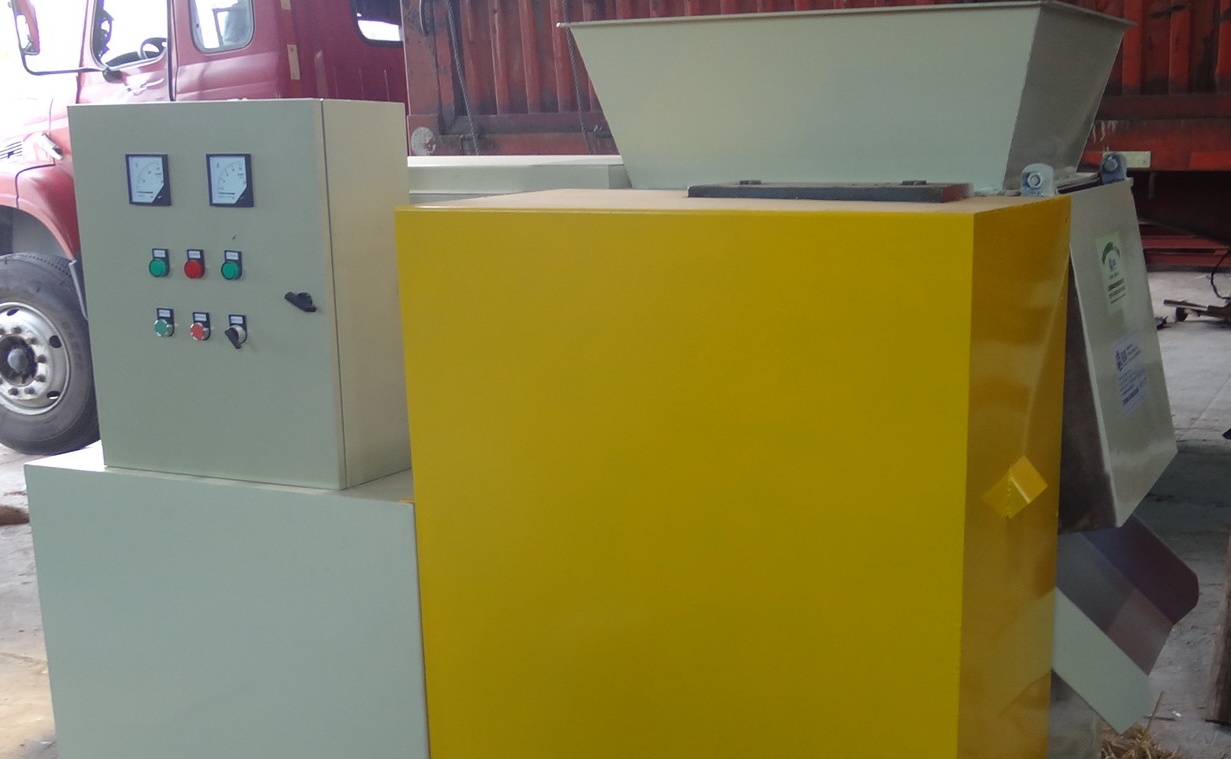
A cable recycling equipment line usually starts with stripping. For thick industrial cables, a scrap cable stripper pulls back insulation to expose the conductor, which can then be fed directly into a furnace or sold as bright wire. For mixed or thin cables — the kind generated in largest volume — a cable granulator is the better choice. Granulators chop the entire cable into small pieces, then use a dry separator (air classification or vibrating screen) to separate heavy copper or aluminum granules from light plastic fluff.
Granulator capacity ranges from compact units processing 100-200 kg per hour up to industrial lines handling 1200 kg per hour or more. The key specification is separation purity: a well-tuned dry separator should deliver copper granules with minimal plastic contamination, suitable for direct melting or sale to copper refiners. Wet separation systems are also available for applications where dust control is a priority or where cable insulation types are difficult to separate by air alone.
Circuit Board Recovery: Extracting Copper and Precious Metals
Printed circuit boards from computers, servers, telecom equipment and consumer electronics contain copper, gold, silver, palladium and rare earth elements in concentrations far higher than natural ore. A tonne of high-grade PCB scrap can contain 200-400 kg of copper, plus meaningful quantities of precious metals. The challenge is separating these values without creating toxic dust or effluent.
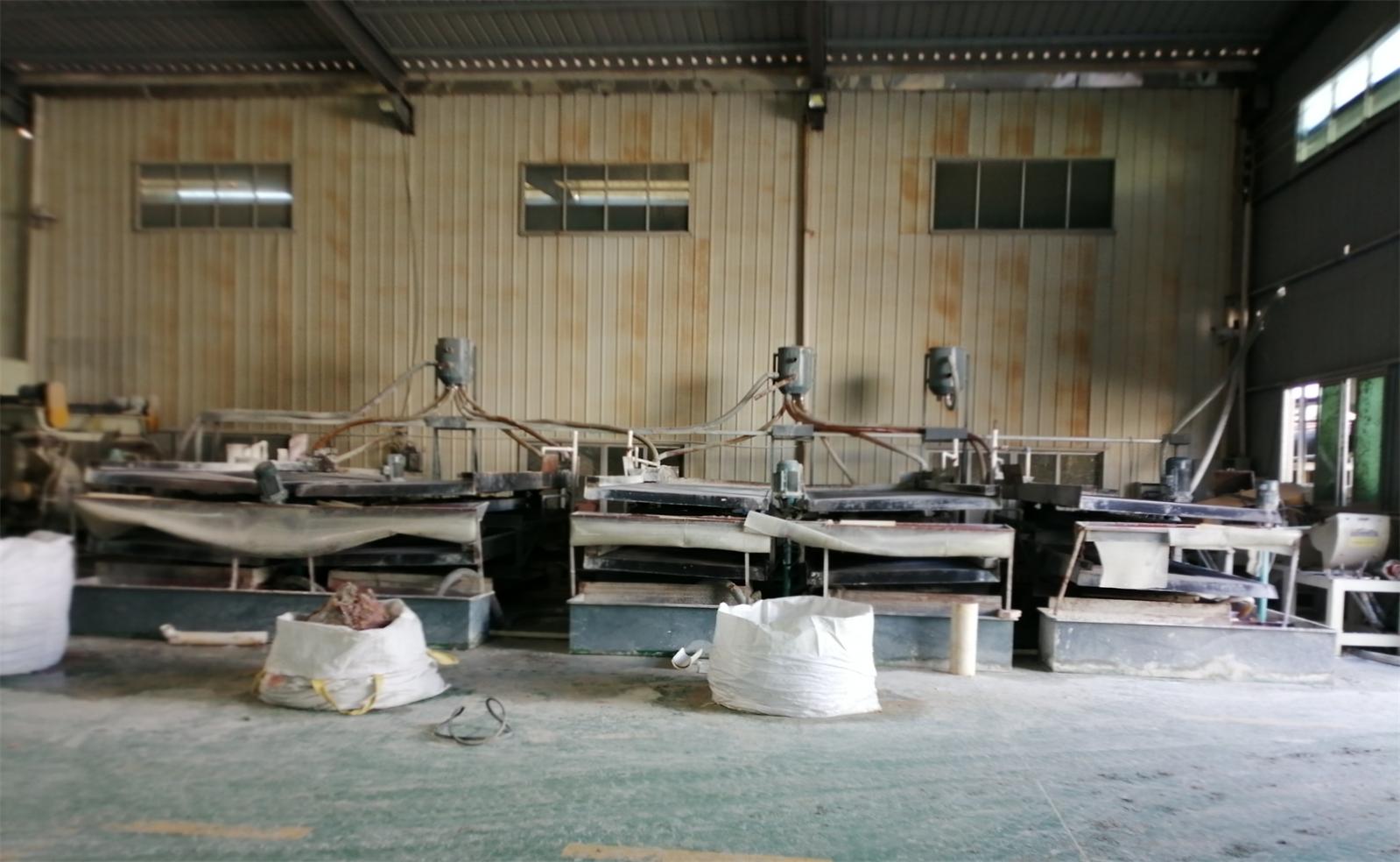
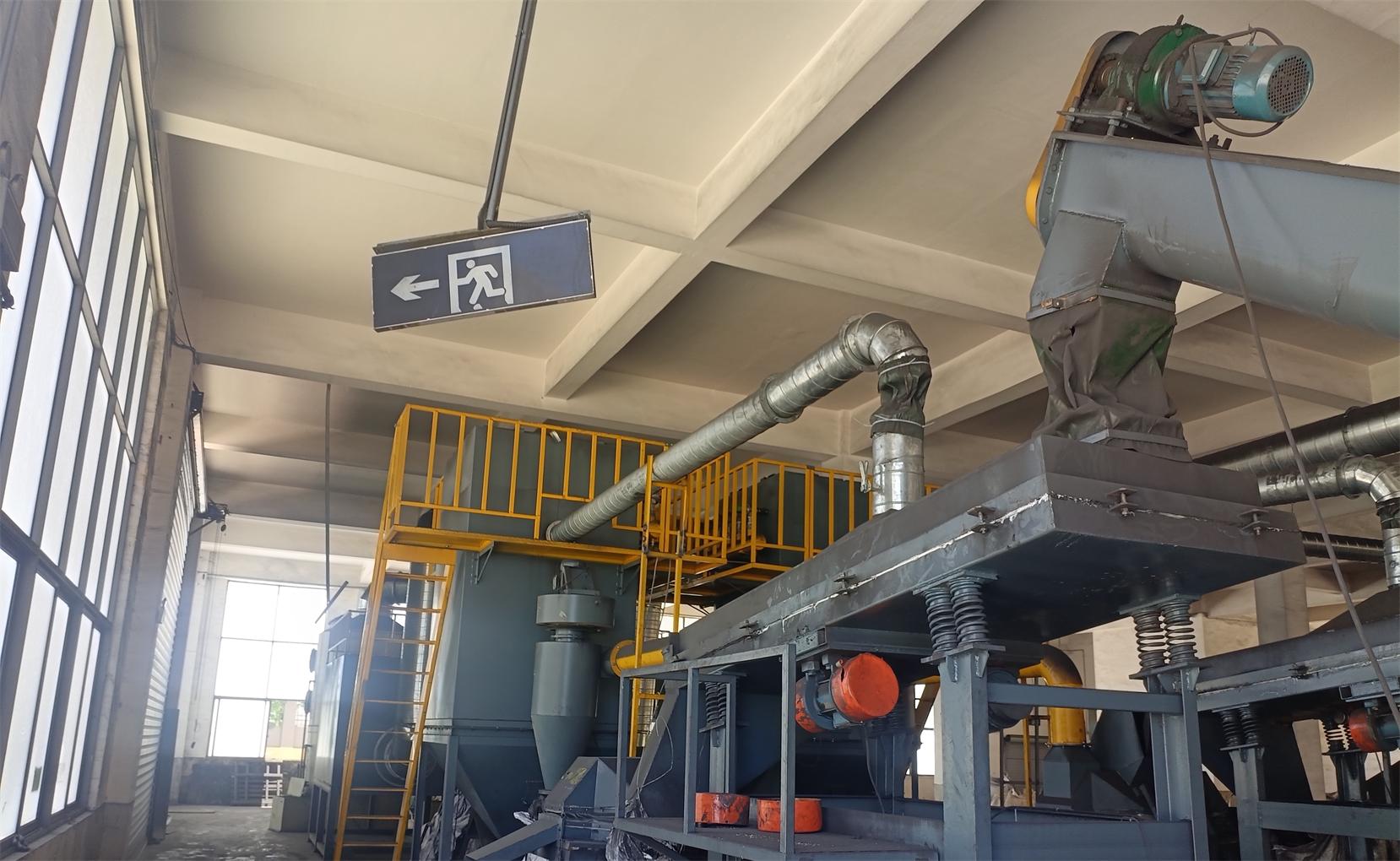
A modern circuit board recycling equipment line uses mechanical separation rather than open burning or acid leaching, which are now banned or restricted in most jurisdictions. The process flow is: shredding to liberate components, followed by milling to reduce particle size, then separation using a combination of air classification, electrostatic separation and sometimes water-based density separation. The result is a clean copper powder fraction with 96-98% purity, a non-metallic fraction that can go to smelters for precious metal recovery, and minimal dust emissions thanks to integrated pulse-bag dust collection.
Throughput ranges from 300 kg per hour for entry-level dry-separation plants up to 2000 kg per hour or more for multi-stage wet-separation systems. The right choice depends on your available feedstock volume, local environmental regulations and whether you plan to recover precious metals yourself or sell concentrate to a refiner.
Choosing a Manufacturer: Why Turnkey Experience Matters
Buying recycling equipment is not like buying a standalone machine tool. A battery recycling plant or cable granulation line involves multiple machines with interdependent throughput rates, shared dust-collection and emissions-control systems, and material flows that must be balanced. A shredder that outruns your separator by 50% will create bottlenecks and dust problems. A furnace sized for 5 tonnes per day but fed by a breaker that delivers 10 tonnes will sit idle half the time while your working capital sits in inventory.
This is why experienced operators usually work with manufacturers who can design, supply and commission complete plants rather than assembling machines from multiple vendors. A turnkey supplier handles process flow design, equipment specification, installation, commissioning and operator training. They also understand the regulatory landscape well enough to recommend air pollution control, effluent treatment and fire suppression systems that match local requirements.
San Lan Technologies, established in 2007 and based in Jiangxi Province, China, is one manufacturer that has built its business around this turnkey model. With a product portfolio spanning lead-acid and lithium-ion battery recycling plants, cable granulators, circuit board separation lines, shredders, melting furnaces and auxiliary environmental equipment, the company offers integrated plant design for operators entering the e-waste sector. Their engineering team includes mechanical engineering specialists with over 15 years of experience in WEEE recycling machinery, and they have delivered plants to customers in more than 21 countries across Asia, Africa, Latin America and the Middle East.
What full-service plant builders typically provide: customized plant layout, one-stop equipment procurement, installation and commissioning support, help sourcing waste feedstock, assistance marketing recovered products such as copper rice, lead ingots and plastic granules, and guidance on finding investment partners for larger projects.
Investment and Returns: What to Expect
Recycling plant economics vary widely by geography, feedstock cost and metal pricing, but some rules of thumb hold across markets. A small-scale lead-acid battery recycling plant with 1-2 tonnes per day capacity typically requires equipment investment in the range of a few hundred thousand US dollars, with another 30-40% for site preparation, environmental systems and pre-operational costs. Payback periods for well-run plants are usually in the 2.5-4 year range, assuming consistent feedstock supply and reasonable metal prices.
Lithium-ion lines require higher capital because of the safety infrastructure and more complex separation equipment, but recovered-metal margins per tonne are also higher. Cable recycling lines are often the lowest entry cost, with compact granulators available at relatively modest investment levels, making them a popular first step for operators who want to prove the business model before scaling into batteries or PCBs.
The working capital cycle is where many first-time operators stumble. You typically pay for scrap feedstock on delivery, but you may wait 30-60 days for payment on recovered metal sales. Sizing working capital for 90 days of input cost — not 60 — is a conservative practice that prevents cash-flow squeezes in year two.
Getting Started: Three Practical Steps
If you are evaluating a recycling plant investment, the sequence of decisions matters. Start with feedstock: what material can you reliably source within 200 kilometers of your planned site, and at what price? Second, match your equipment tier to that feedstock. If you can secure 20 tonnes per month of mixed scrap cable but only 2 tonnes of waste batteries, a cable granulator is the logical first machine. Third, choose a manufacturer who has built plants in your region and understands your local regulatory environment.
Site selection also deserves attention. Recycling plants need adequate space for raw material storage, processing equipment, finished product warehousing and environmental control systems. They also need reliable power, road access for heavy trucks, and distance buffers from residential areas to manage noise and emissions. Industrial parks that already host metalworking or waste-processing facilities are usually easier to permit than greenfield locations.
San Lan Technologies designs and delivers complete e-waste recycling plants including lead-acid and lithium-ion battery recycling lines, cable granulators, circuit board separation equipment, shredders and melting furnaces. With customers in 21+ countries and over 15 years of specialized experience, we provide customized plant design, installation support and operator training.
Request a Free Consultation