Turning electronic waste into valuable raw materials is no longer just an environmental mission—it is a multi-billion-dollar business opportunity.
The E-Waste Opportunity Hiding in Plain Sight
Every year, millions of tons of electronic devices reach the end of their useful lives. Batteries, cables, circuit boards, and refrigerators pile up in landfills, leaking hazardous materials into soil and water. Yet within this growing waste stream lies something far more valuable than trash: concentrated deposits of copper, lead, lithium, nickel, cobalt, and precious metals.
Industry analysts refer to electronic waste as "urban mining" for good reason. A ton of discarded smartphone circuit boards contains more gold than a ton of gold ore. Used lead acid batteries are essentially lead ingots waiting to be recovered. Scrap copper cables are among the most recyclable and valuable materials on the recycling market.
For entrepreneurs and established recycling operators alike, the question is no longer whether e-waste recycling is viable. The question is: what equipment do you need, and how do you choose a supplier that delivers real recovery rates rather than just promises?
Core Equipment Categories for a Complete Recycling Operation
A profitable e-waste recycling plant typically focuses on one or more of these high-value material streams. Each requires specialized machinery designed for safe dismantling, efficient separation, and maximum metal recovery.
Lead Acid Battery Recycling
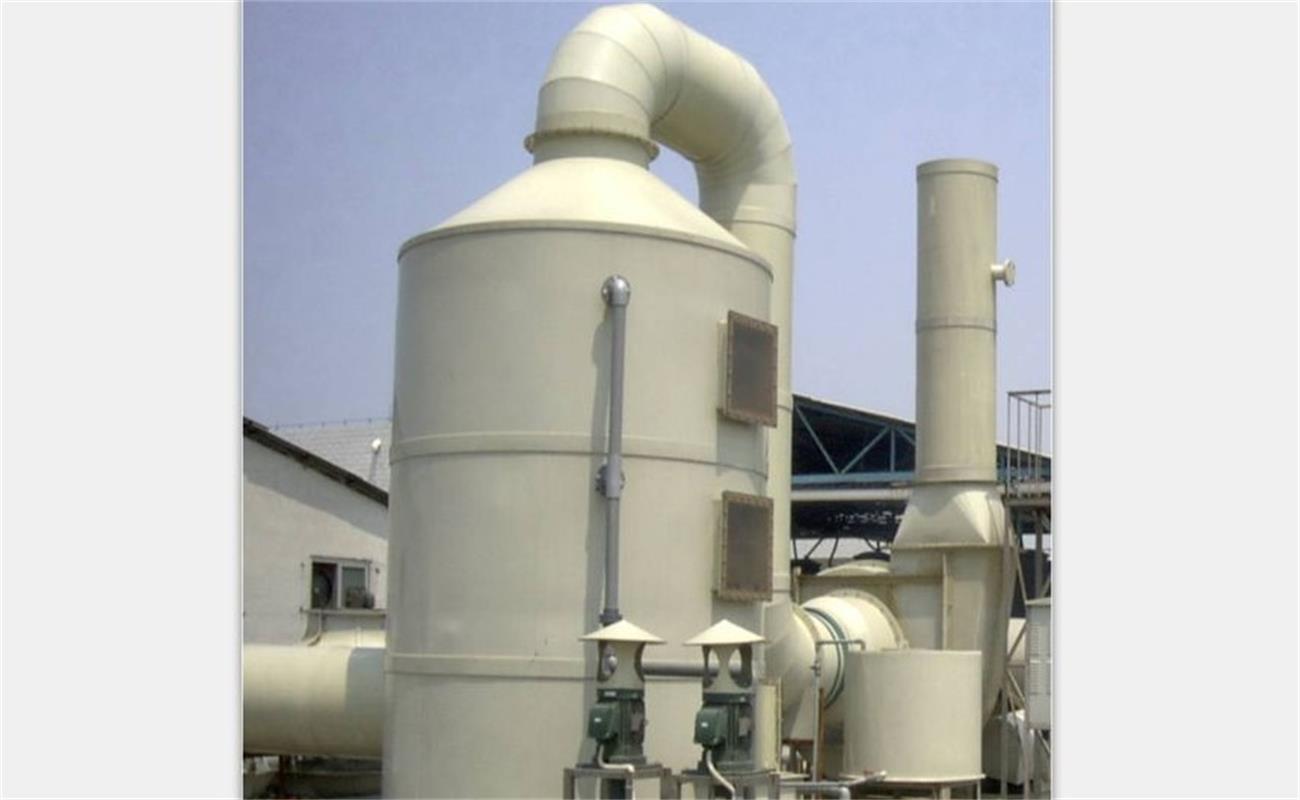
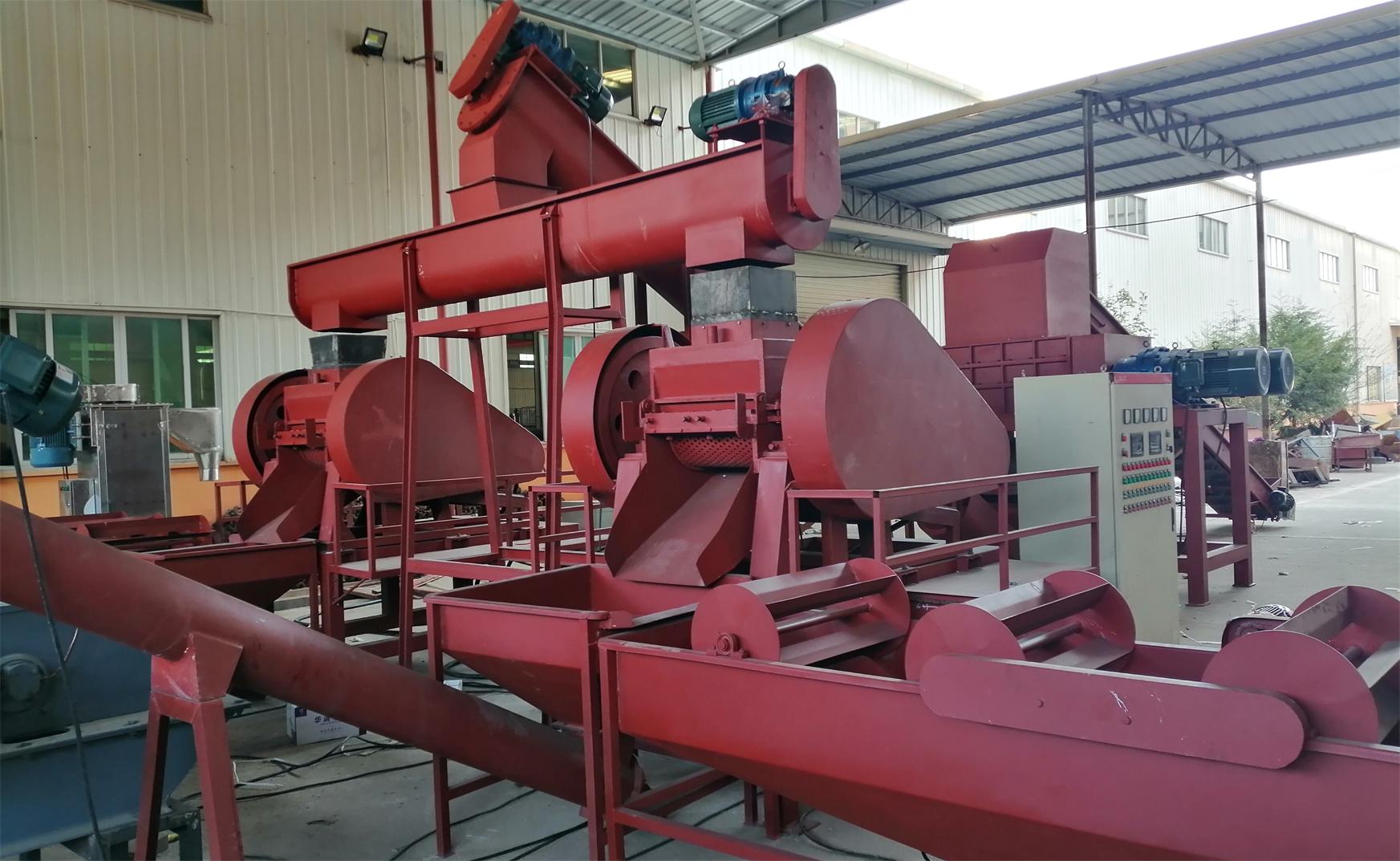
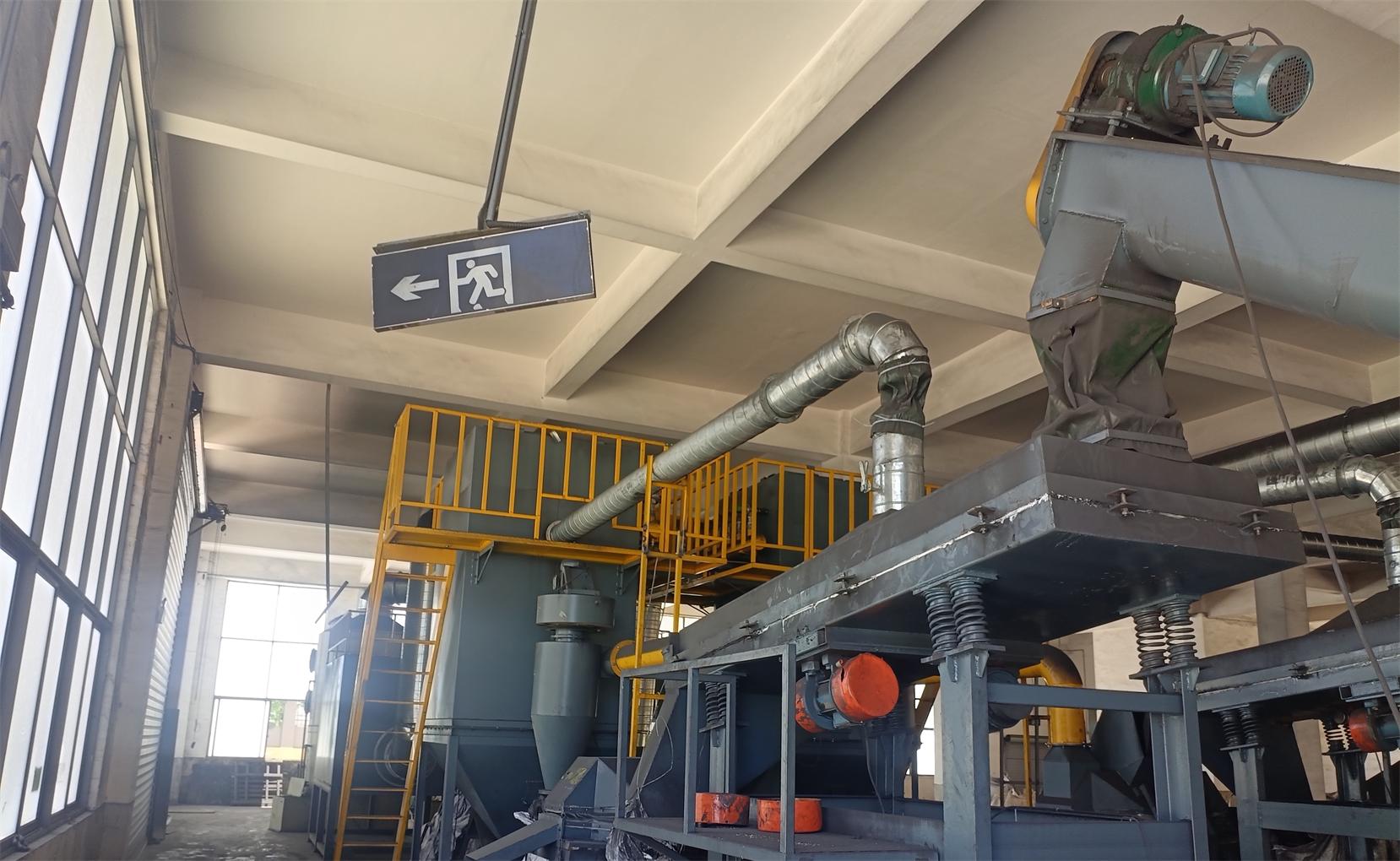
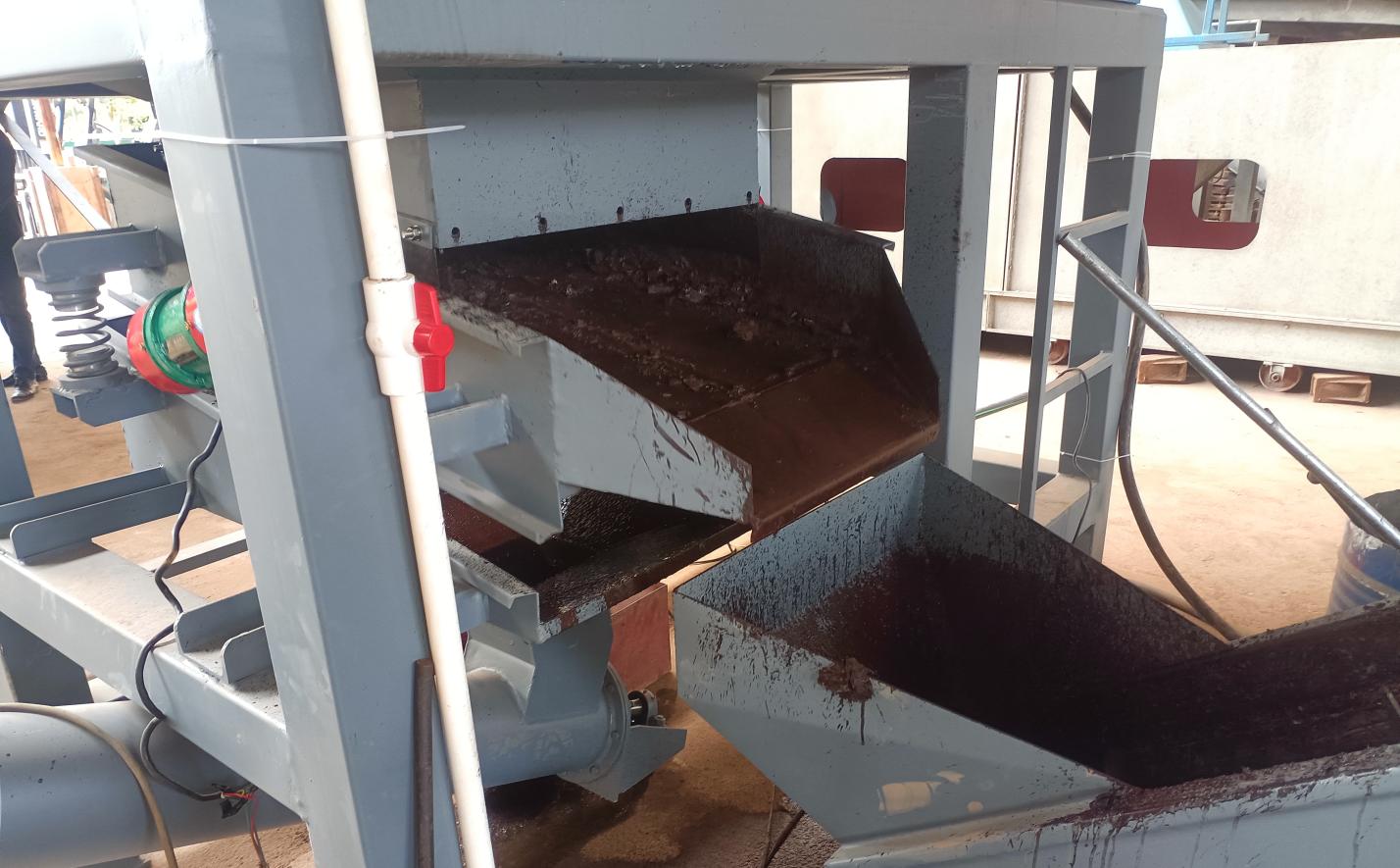
Used lead acid batteries (ULAB) represent one of the most successfully recycled product categories in the world. A complete lead acid battery recycling equipment line includes battery breaking and separation systems, de-sulfurization units, rotary furnaces or blast furnaces for lead paste reduction, lead refinery kettle furnaces, and air pollution control systems. Modern plants can process 1 to 10 metric tons per hour, recovering lead grid, lead paste, plastic shells, and acid for resale or reuse.
Lithium Battery Recycling
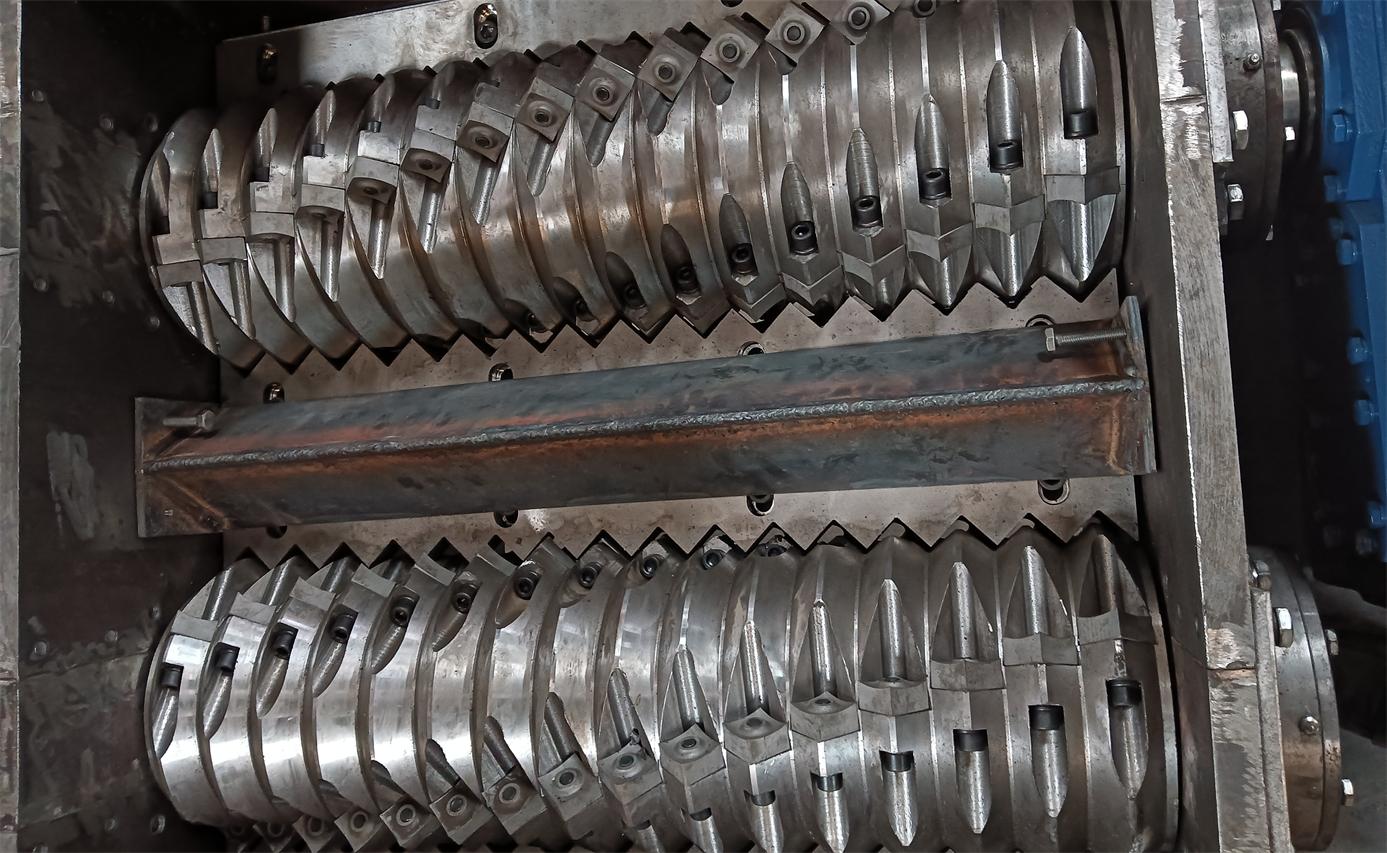
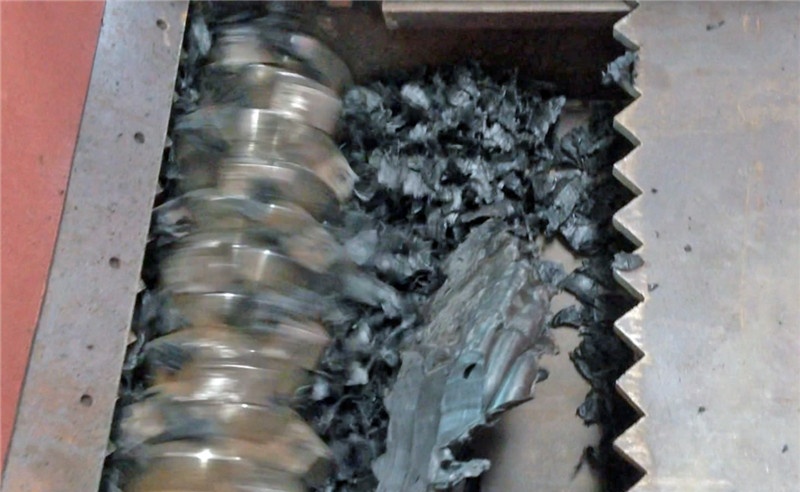
With the explosive growth of electric vehicles and consumer electronics, spent lithium-ion batteries have become the fastest-growing waste stream in the recycling industry. A well-designed li battery recycling equipment plant safely discharges, pre-crushes, and granulates waste batteries before separating black mass (containing nickel, cobalt, and graphite), plastic film, copper, and aluminum. Capacities typically range from 500 to 2,500 kilograms per hour, depending on feedstock type and automation level.
Cable and Wire Recycling
Scrap copper and aluminum cables remain one of the most profitable materials to process because metal prices are transparent and demand is constant. Cable recycling equipment ranges from simple scrap cable strippers for thick industrial wire to advanced cable granulators with dry or wet separators that achieve 96 to 98 percent copper purity. The right combination of strippers, shredders, and granulators allows operators to handle everything from thin communication cables to thick power lines.
Circuit Board (PCB) Recycling
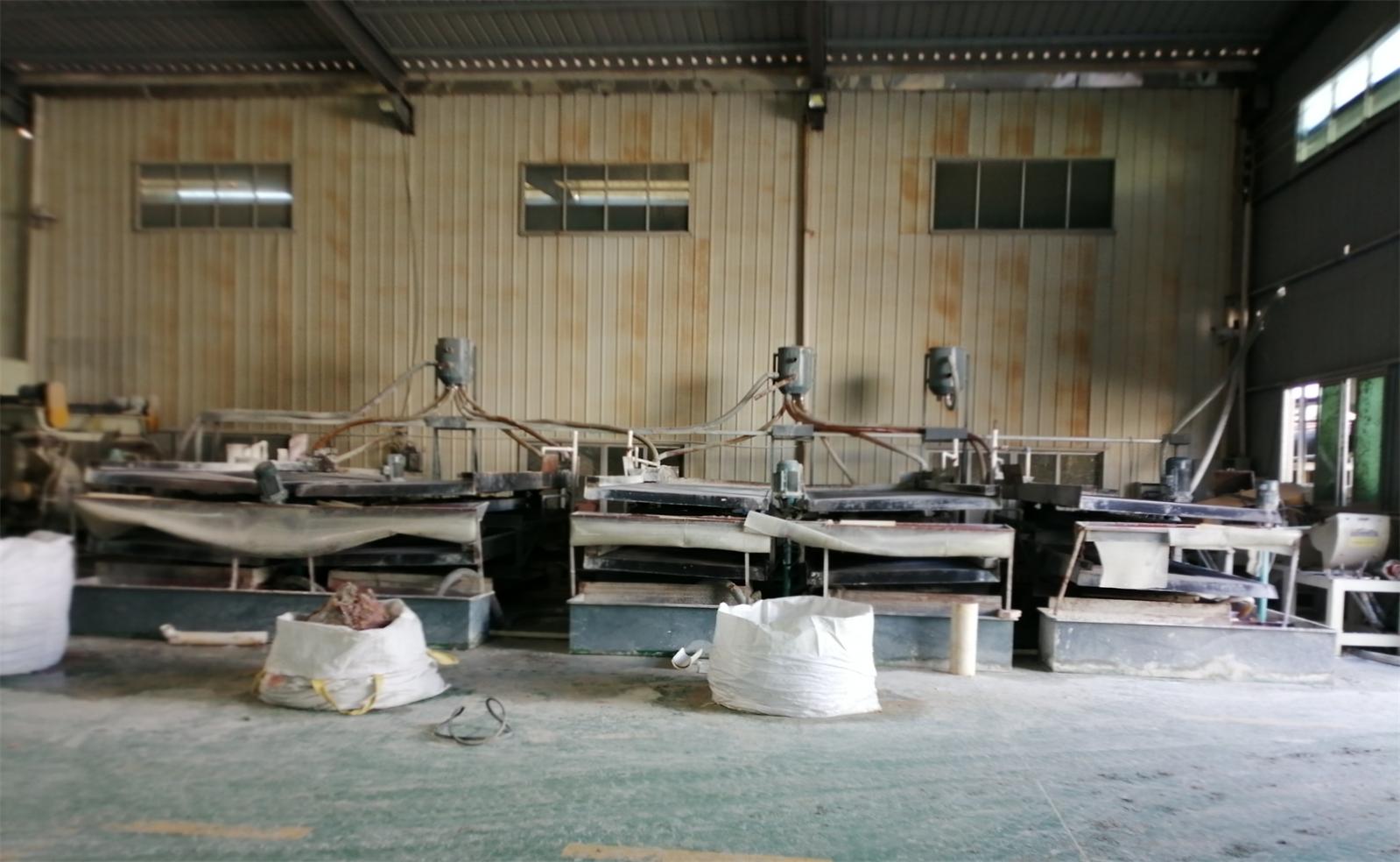
Printed circuit boards contain a concentrated mixture of copper, precious metals, and hazardous flame retardants. Mechanical recycling plants use shredding, grinding, and air or water separation to recover copper powder and metal concentrates without releasing toxic dust. Advanced systems include electrostatic separators and pulse bag dust collectors to ensure environmental compliance.
What Separates a Good Supplier from a Great One
Buying recycling equipment is not like buying a standard industrial machine. Every waste stream is different, every regulatory environment has its own requirements, and every operator has unique space, power, and labor constraints. Here are five signals that you are talking to a supplier worth partnering with:
- They ask about your feedstock before quoting a price. A supplier who immediately offers a catalog price without understanding your battery types, cable diameters, or PCB composition is likely selling boxes, not solutions.
- They explain recovery rates with real process data. Ask for expected metal recovery percentages, purity levels, and capacity ranges under real operating conditions—not laboratory ideals.
- They offer complete plant integration. The best suppliers design breaking systems, separation equipment, pollution control, and water treatment as one coordinated flow. Piecemeal equipment from multiple vendors often creates bottlenecks nobody wants to own.
- They have installation experience in your region. Regulatory standards for emissions, safety, and electrical codes vary significantly between Asia, Africa, Latin America, and the Middle East.
- They provide ongoing technical support and spare parts. Recycling machinery works in abrasive, dusty, and chemically aggressive environments. Downtime is expensive. Ask specifically about warranty terms, spare parts availability, and remote technical support capabilities.
San Lan Technologies: Engineering Recycling Plants Since 2007
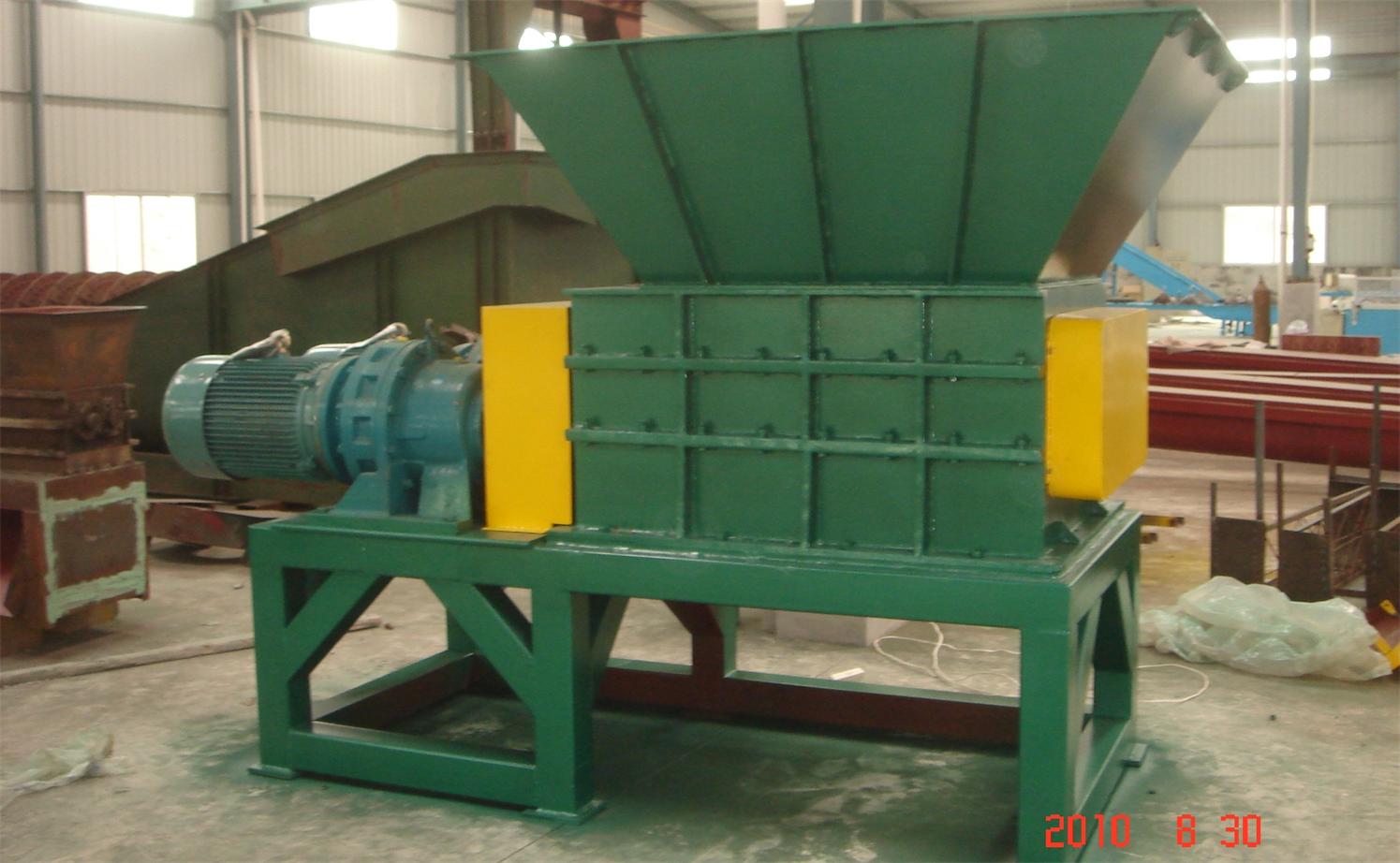
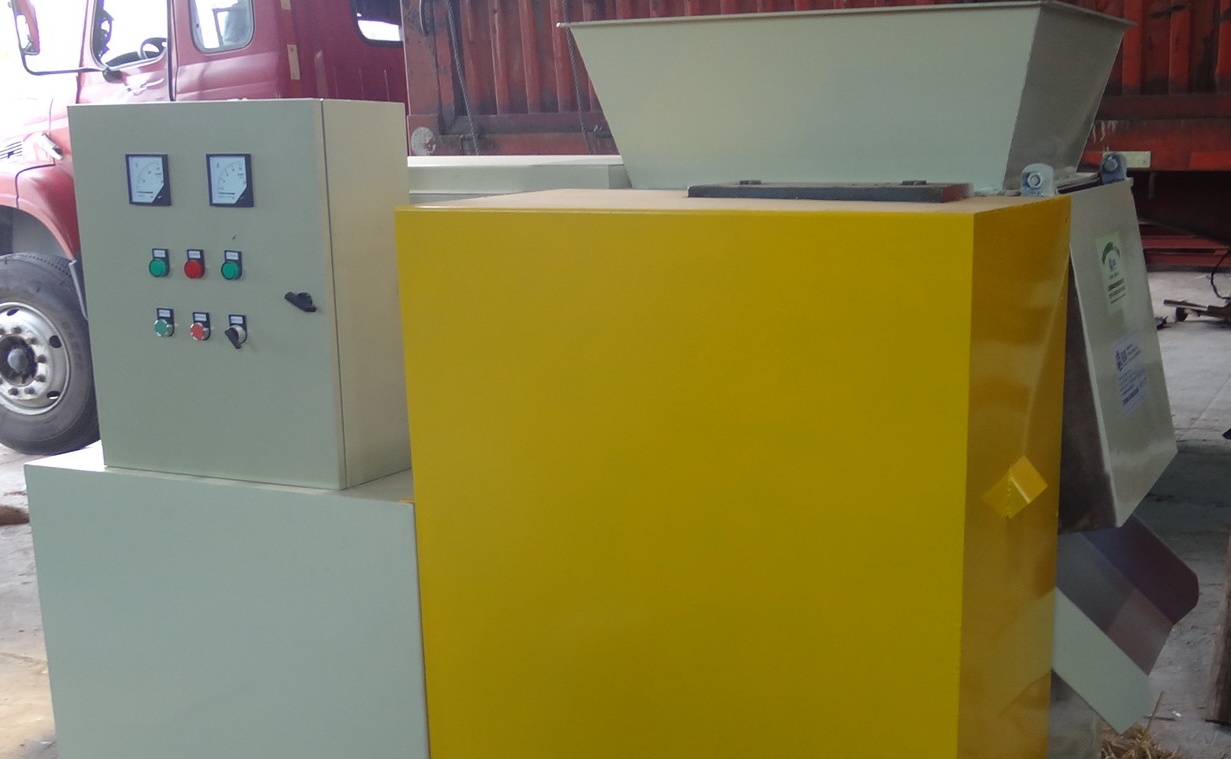
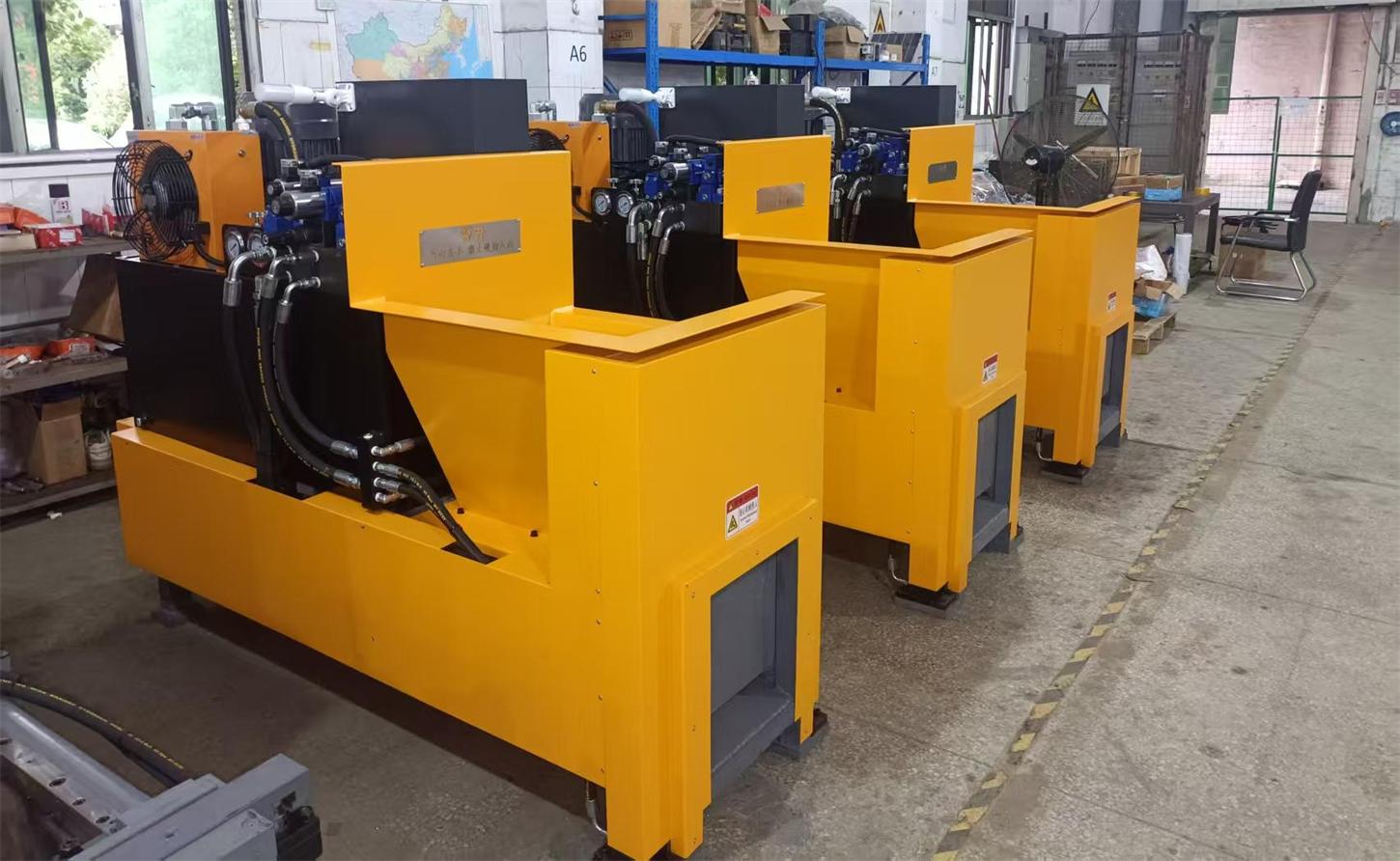
San Lan Technologies Co., Ltd, established in 2007 in Jiangxi Province, China, has spent nearly two decades designing, manufacturing, and commissioning e-waste recycling plants for customers across more than 21 countries. The company’s product portfolio covers the full spectrum of WEEE recycling machinery: lead acid battery recycling lines, lithium battery breaking and separation plants, circuit board recycling systems, cable granulators, refrigerator and air conditioner dismantling equipment, CRT cutters, motor stator cutters, shredders, hydraulic presses, and metal melting furnaces.
San Lan's lead acid battery recycling plants achieve lead recovery rates up to 95 percent through blast furnace and rotary furnace combinations, with capacities from 1 to 10 metric tons per hour. Their lithium battery recycling systems handle 500 to 2,500 kilograms per hour, separating black mass, copper, aluminum, and plastic with dedicated air pollution control systems.
What distinguishes San Lan from catalog sellers is its end-to-end project capability. The engineering team includes mechanical engineering master's degree holders with over 15 years of hands-on experience in e-waste recycling machine design. Beyond equipment manufacturing, San Lan supports customers with customized plant design, EPC project management, installation and commissioning, waste material sourcing assistance, and even product-offtake partnerships for recovered metals.
For operators entering the recycling business for the first time, this integrated approach reduces the risk of mismatched equipment, underestimated infrastructure, and missed regulatory requirements. For established recyclers expanding capacity, it means working with a partner who understands not just machine specifications, but the economics of running a profitable plant.
Making the Right Investment Decision
The global push toward circular economies, stricter environmental regulations, and volatile raw material prices has created ideal conditions for e-waste recycling entrepreneurs. Governments in emerging markets are beginning to enforce extended producer responsibility laws. Battery manufacturers are scrambling to secure recycled content for new production. Copper prices remain historically elevated.
But timing alone does not guarantee success. The operators who profit from this wave will be those who invest in equipment matched to real feedstock volumes, designed for actual local conditions, and backed by suppliers with proven commissioning experience.
If you are evaluating lead acid battery recycling equipment, li battery recycling equipment, or cable recycling equipment for a new or expanded operation, start with a clear understanding of your feedstock, your target recovery products, and your local regulatory framework. Then choose a supplier who treats those details as the foundation of the design—not as afterthoughts.
Ready to explore a recycling plant tailored to your materials and market? San Lan Technologies offers free consultation on plant configuration, capacity planning, and equipment selection. With customers in Singapore, Colombia, Vietnam, Mexico, Argentina, South Africa, India, Saudi Arabia, and beyond, the team understands the practical realities of building profitable recycling operations across diverse regulatory and economic environments. Contact San Lan today to discuss your project requirements and receive a customized equipment proposal.