How to Build a Profitable E-Waste Recycling Plant: A Complete Equipment Guide for 2026
The global e-waste recycling market is expanding rapidly as environmental regulations tighten and demand for recovered metals grows. Discarded electronics — from smartphones and vehicle batteries to industrial cables and circuit boards — contain significant quantities of copper, gold, lead, lithium, and other valuable materials. For entrepreneurs and waste management companies, this creates a compelling business opportunity. However, long-term profitability depends heavily on one decision: choosing the right equipment and manufacturing partner.
This guide outlines the core machinery categories, critical selection criteria, and what separates reliable suppliers from the rest.
Understanding the Core Equipment Categories
Modern e-waste recycling is highly specialized. The machinery you need depends entirely on the waste streams you intend to process. Here are the four most commercially significant categories.
Lead Acid Battery Recycling
Used lead acid batteries represent one of the highest-volume recycling streams worldwide. A complete lead acid battery recycling equipment line includes battery cutting systems, breaking and separation machines, paste reduction furnaces, refinery kettles, and pollution control systems. The objective is to safely recover lead paste, lead grids, plastic casings, and neutralize sulfuric acid while remaining compliant with environmental regulations. Standard plant capacities range from 1 to 10 metric tonnes per hour.
Lithium Battery Recycling
The surge in electric vehicles and consumer electronics has created an urgent need for lithium-ion battery processing. Li battery recycling equipment dismantles battery packs to recover black mass (containing nickel, cobalt, and graphite), copper, aluminum, and plastic separator films. Contemporary systems handle throughputs of 500–2,500 kg per hour and incorporate essential safety measures for volatile electrolytes.
Circuit Board Recycling
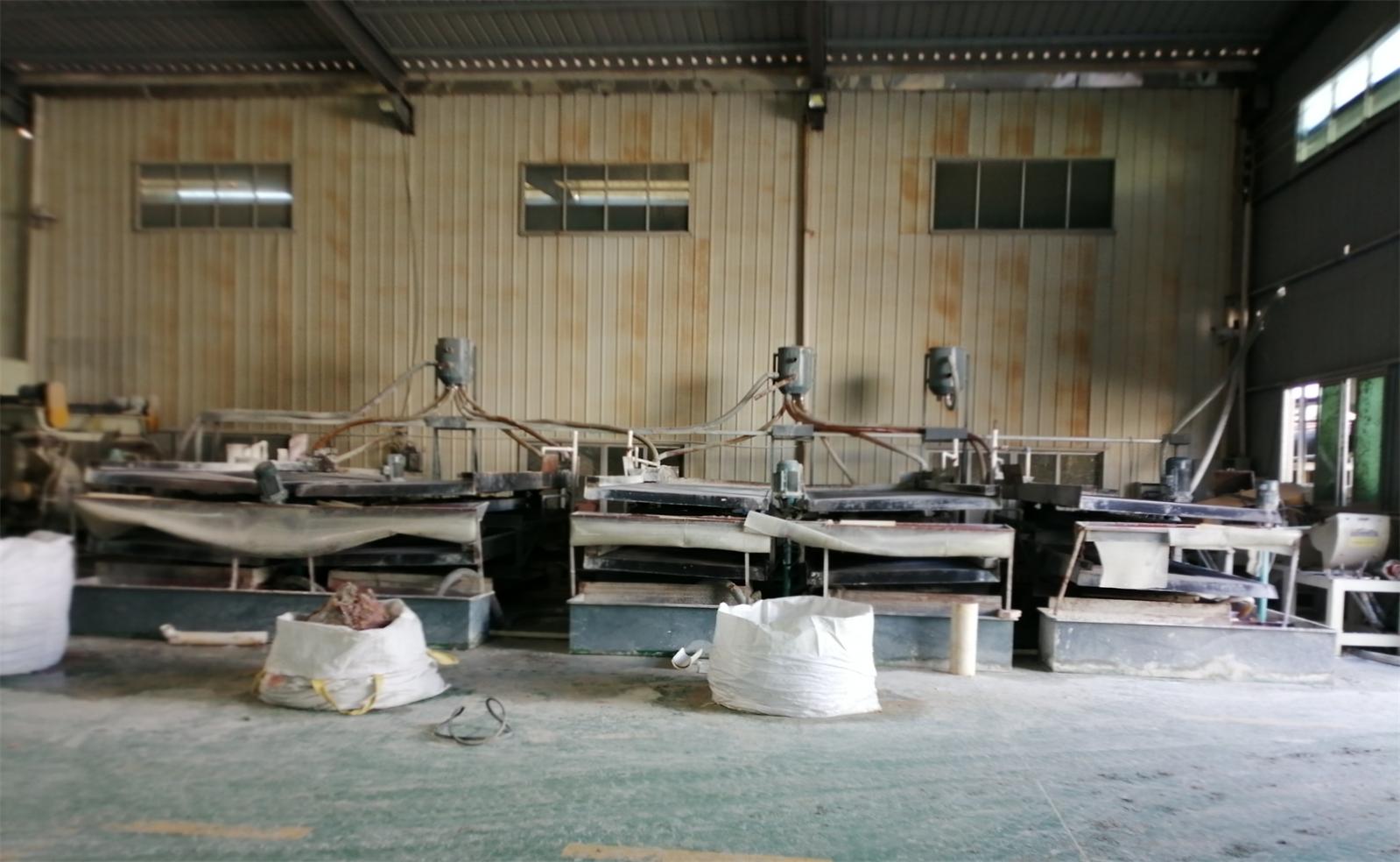
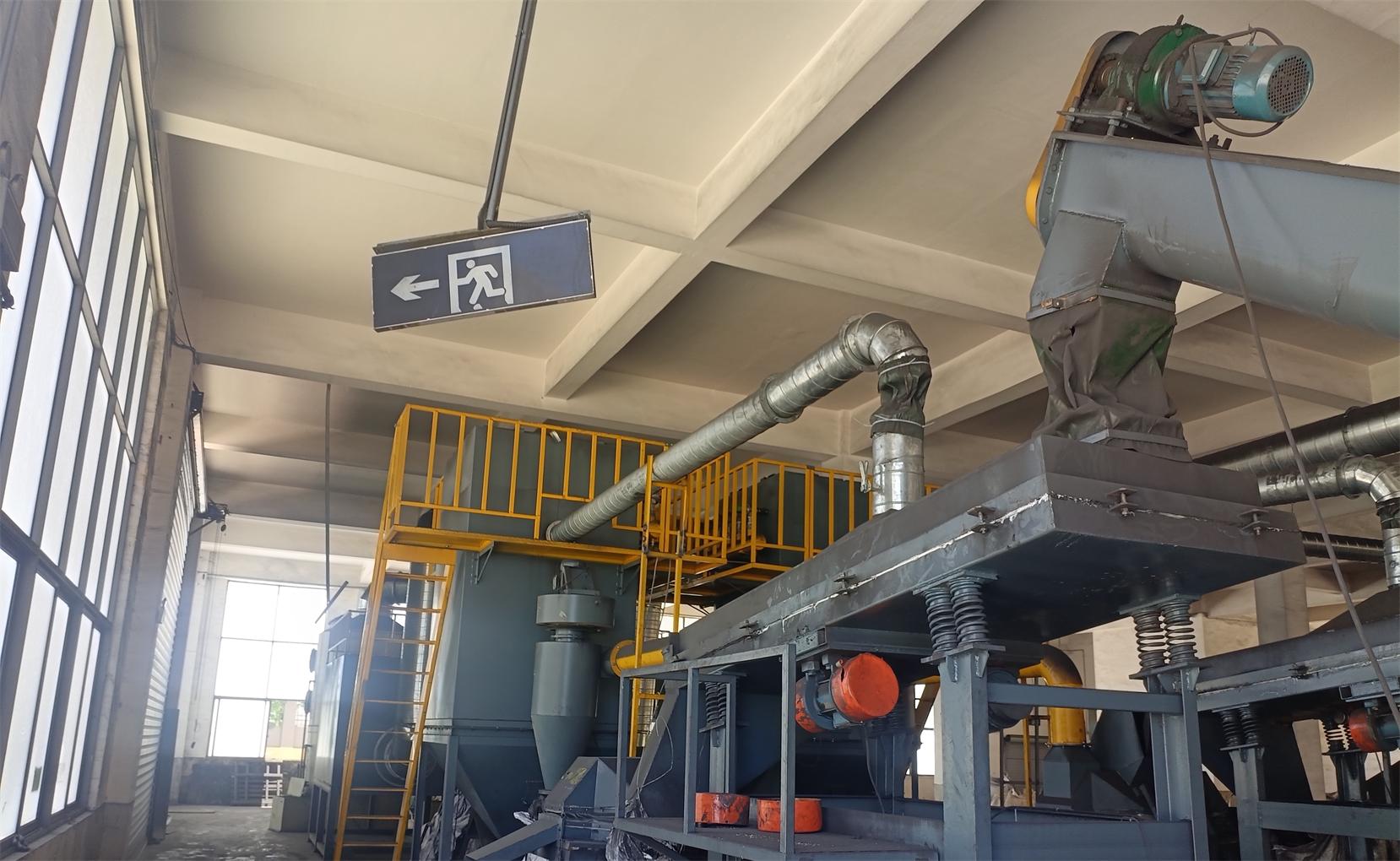
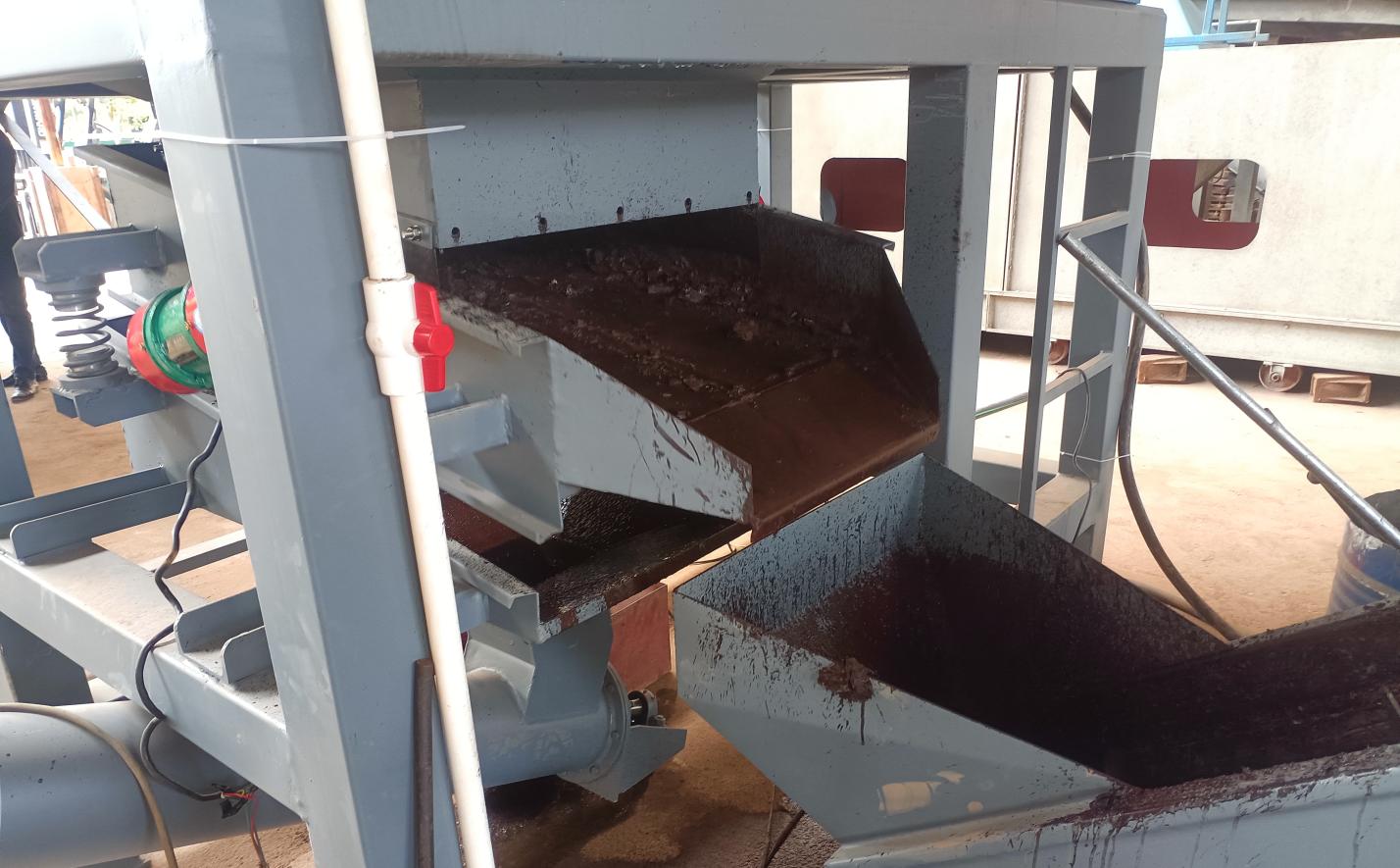
Printed circuit boards carry concentrated amounts of copper and precious metals. Circuit board recycling equipment employs either dry separation — using air classifiers and electrostatic separators — or wet separation with water-based metal recovery. Advanced plants process 300–2,000 kg per hour and can achieve copper powder purity of 96–98%.
Cable Recycling
Scrap copper and aluminum cables are a consistent, high-value feedstock. Cable recycling equipment ranges from heavy-duty wire strippers for large-diameter industrial cable to compact granulators with integrated dry separators for mixed scrap. These systems isolate metal conductors from plastic insulation with recovery rates above 95%.
Key Factors When Selecting Recycling Machinery
Price should never be the only consideration. Evaluate suppliers against these criteria:
Recovery Rate and Purity
Your revenue is directly tied to how much metal you extract and at what purity. Request documented recovery rates from suppliers, and confirm whether their systems include multi-stage separation to maximize yield.
Environmental Compliance
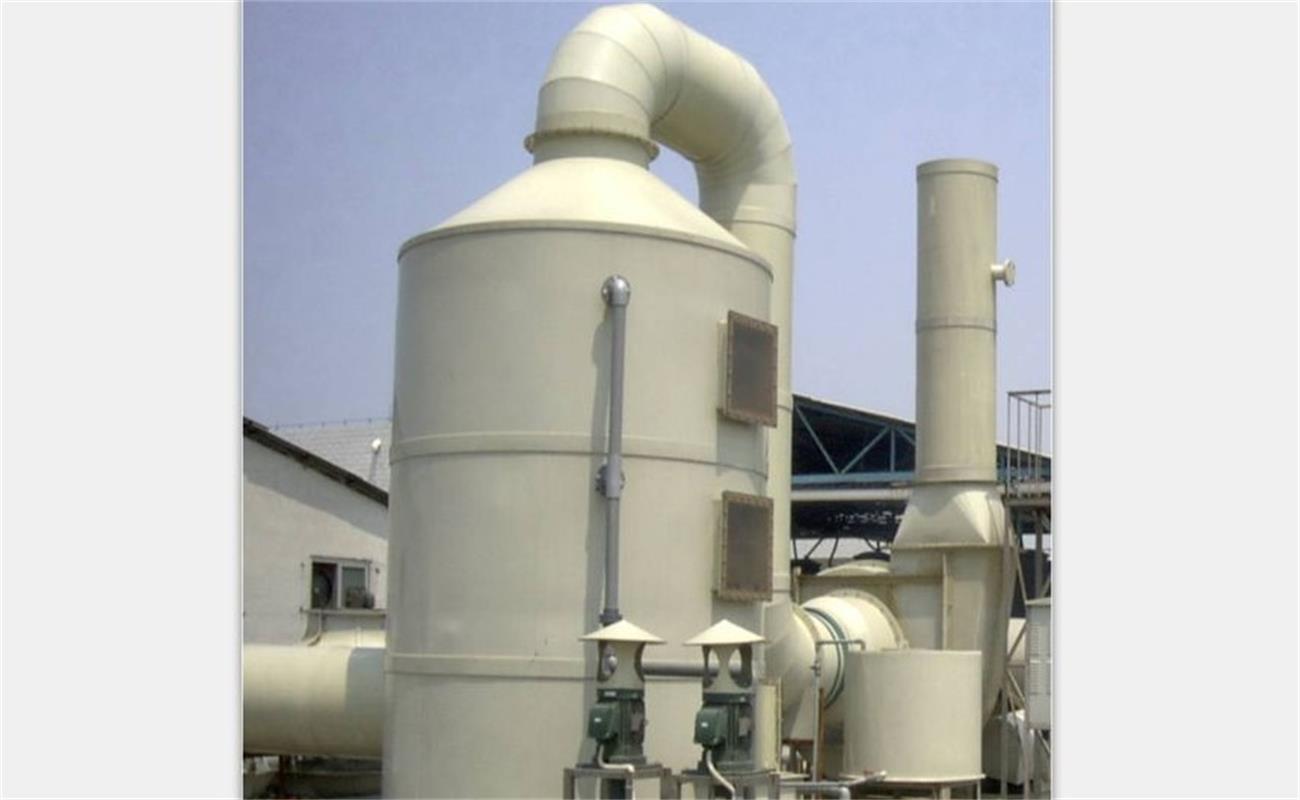
Recycling operations face strict emissions and effluent standards. Prioritize equipment packages that include integrated pollution control — dust collectors, gas scrubbers, and wastewater treatment — rather than treating these as separate, downstream purchases.
Scalability and Customization
Markets shift and feedstock availability changes. Modular equipment that allows capacity expansion protects your investment. Suppliers offering EPC (Engineering, Procurement, Construction) services and custom plant design can adapt layouts to your site, budget, and production targets.
After-Sales Support
Installation, commissioning, operator training, and spare parts availability determine your plant uptime. A supplier with an in-house technical team and international project experience reduces operational risk substantially.
The Advantage of an Integrated Supplier
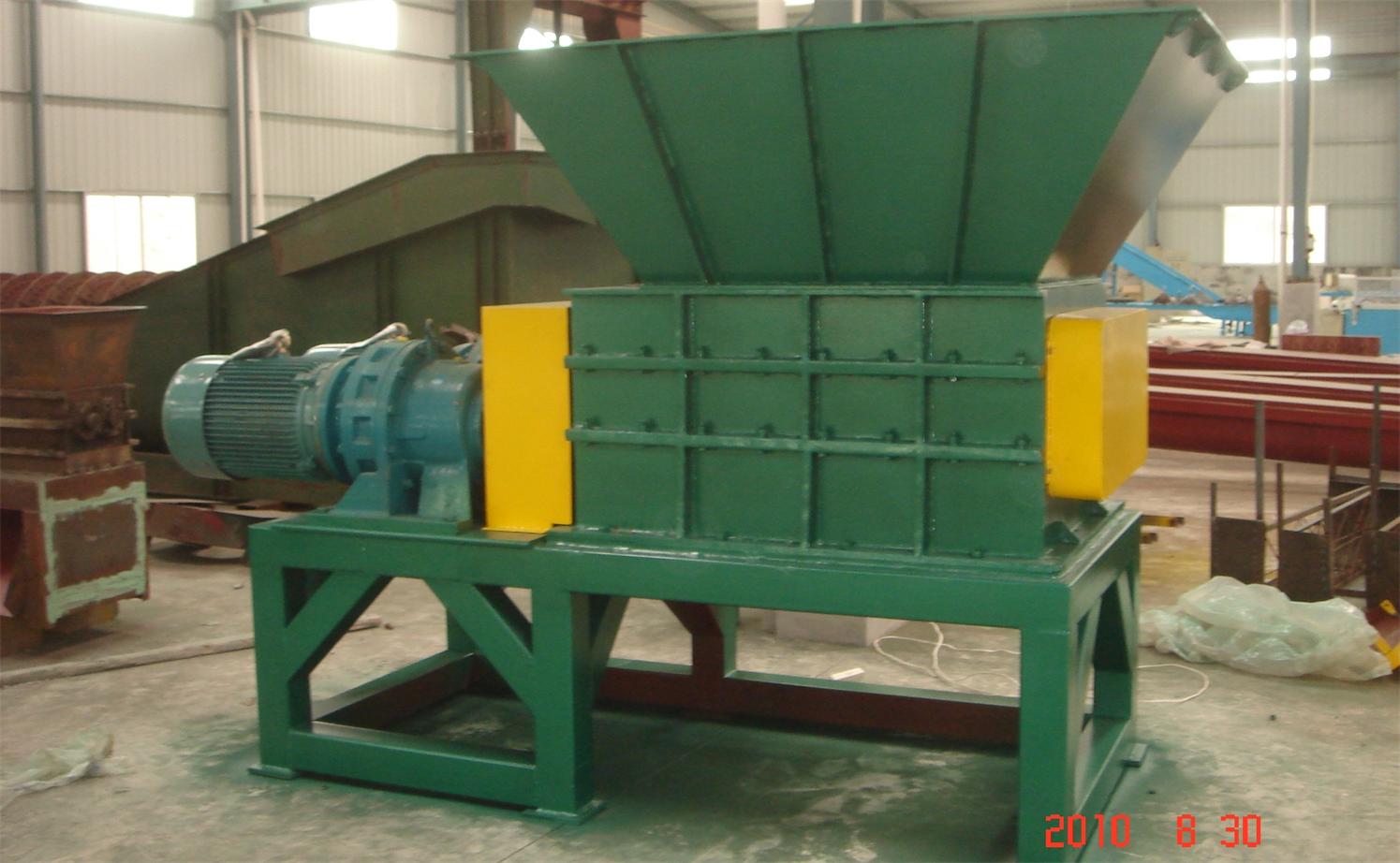
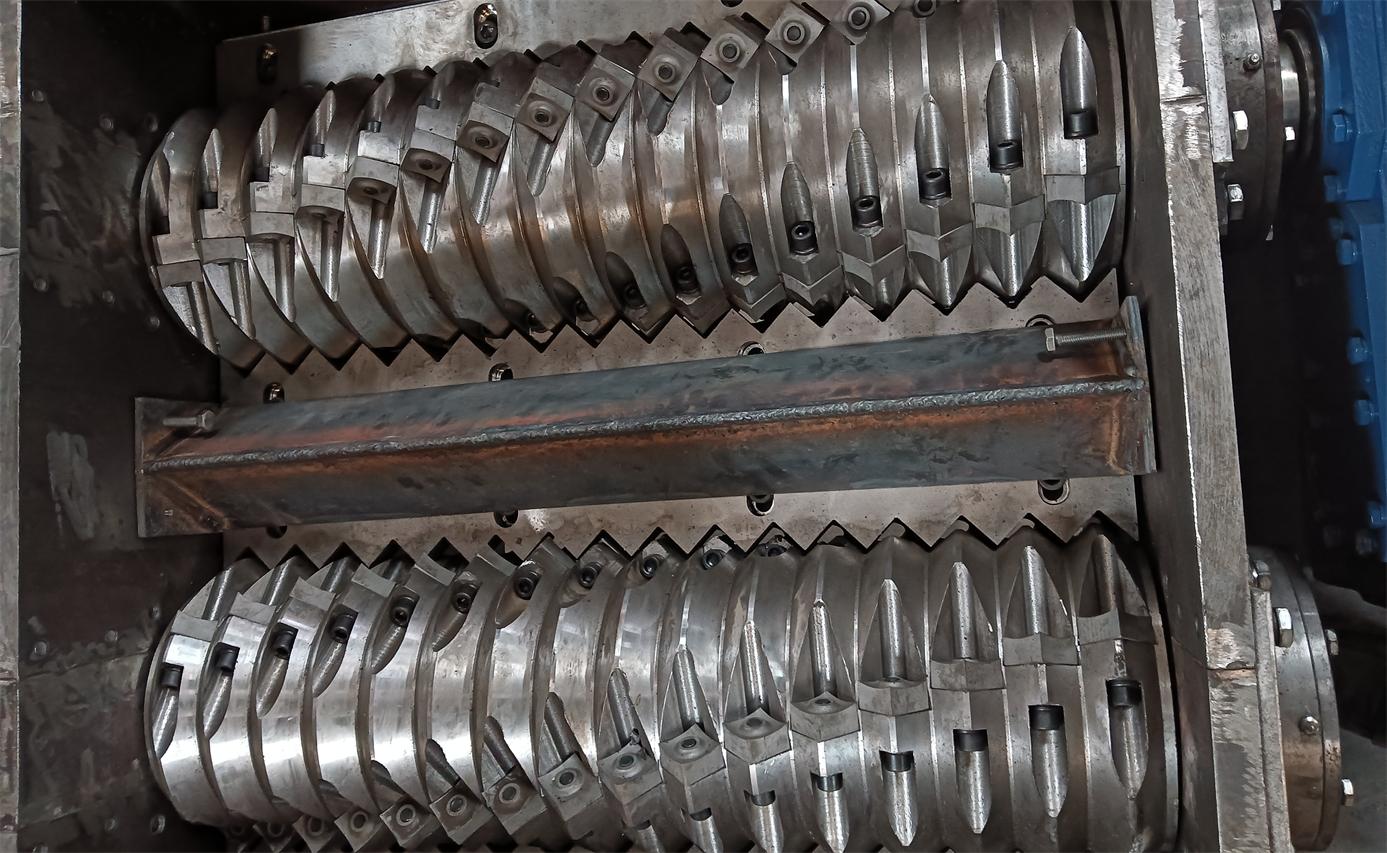
Coordinating multiple vendors for shredders, separators, furnaces, and pollution controls introduces compatibility risks and project delays. A single-source supplier delivering a complete, matched plant eliminates these problems.
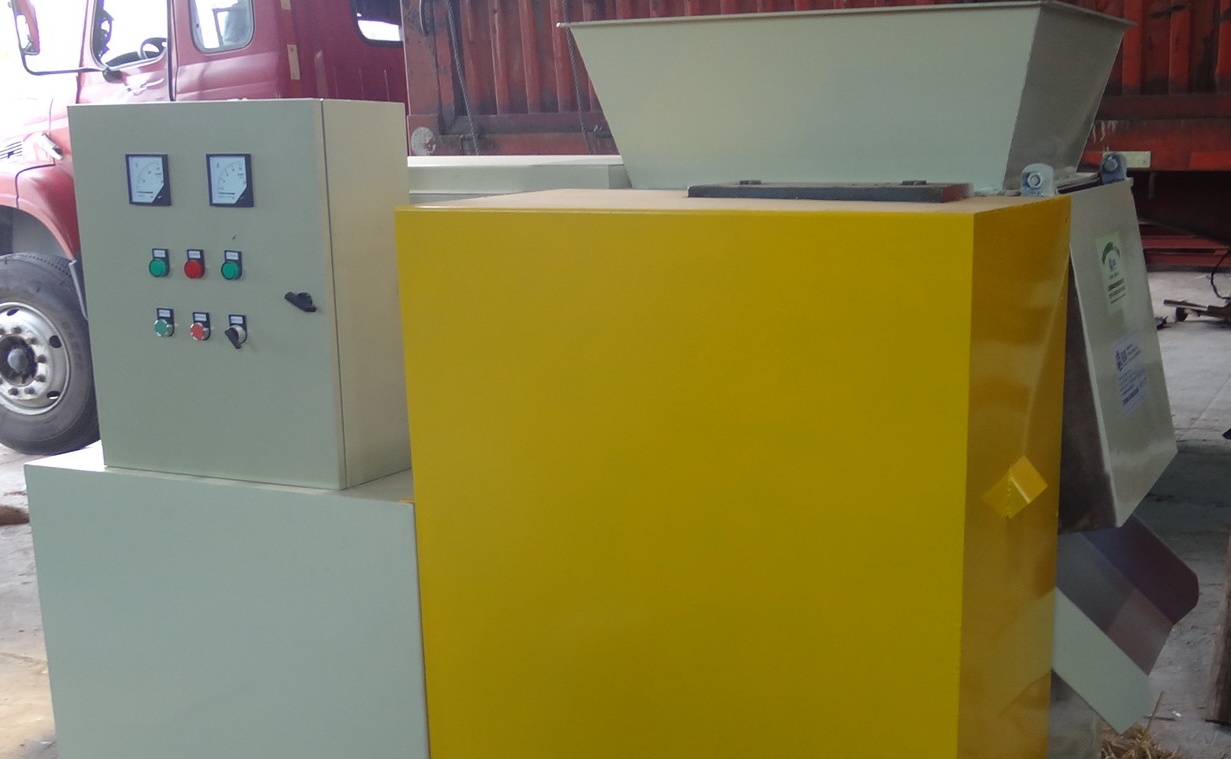
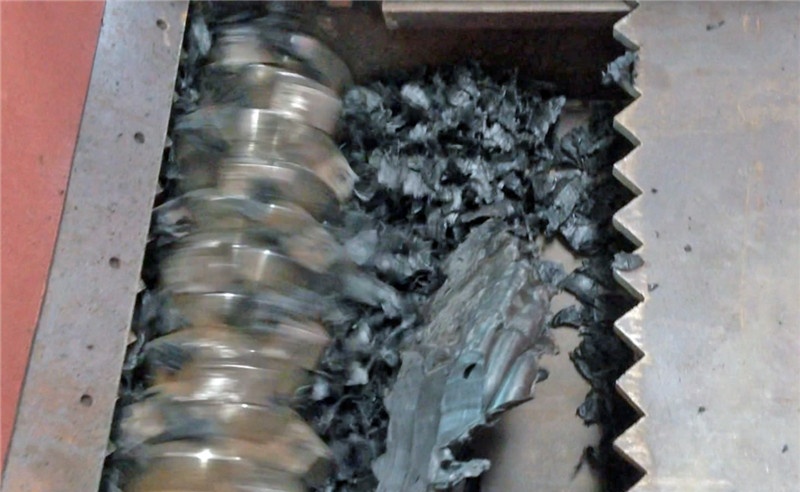
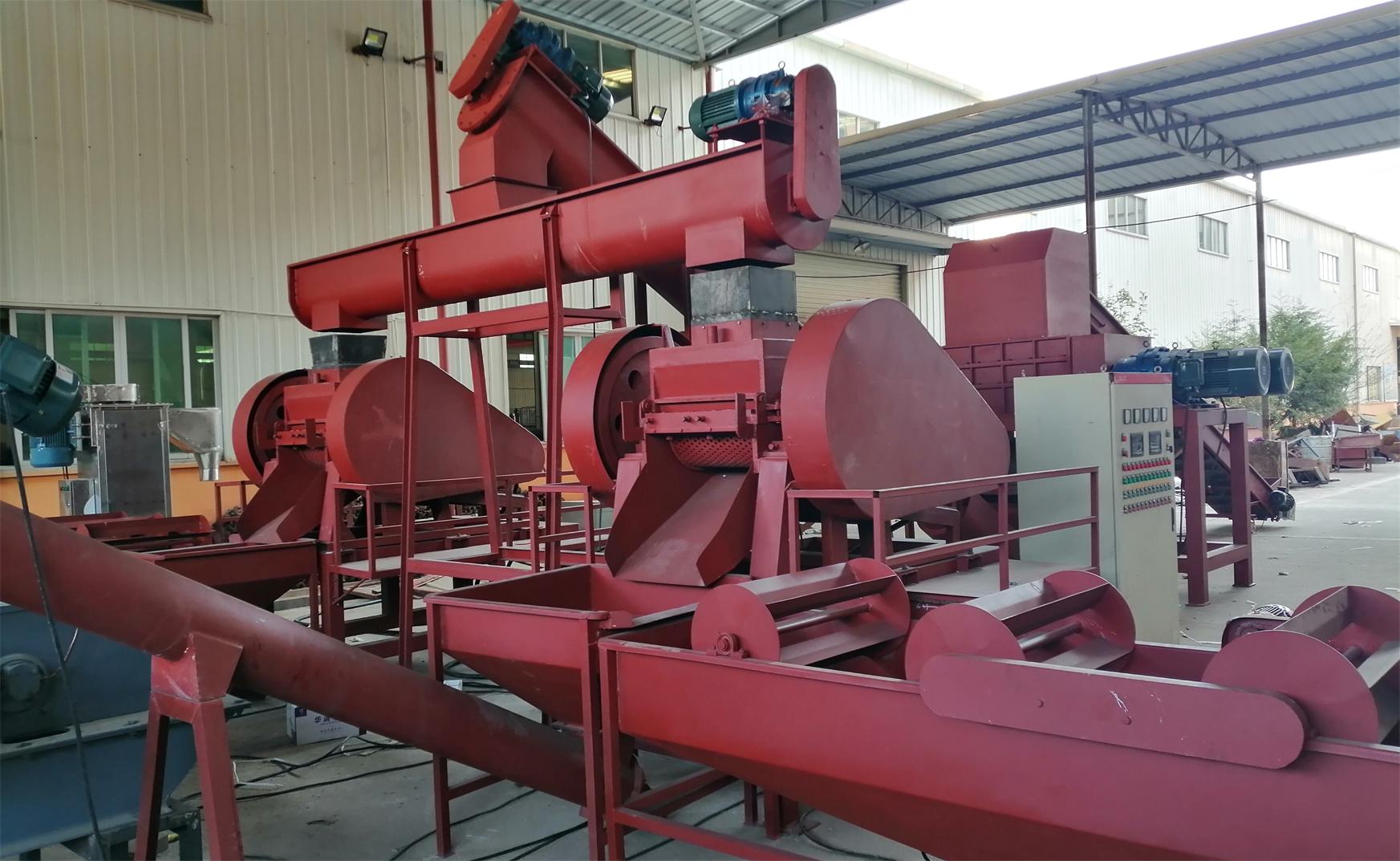
San Lan Technologies Co., Ltd., founded in 2007 in Ganzhou, Jiangxi Province, China, operates as exactly this kind of integrated partner. The company manufactures over 60 products across 13 categories, including lead acid battery recycling plants, lithium battery recycling systems, circuit board recycling lines, cable recycling machines, multi-shaft shredders, and metal melting furnaces.
San Lan’s engineering team holds advanced degrees in mechanical engineering and possesses more than 15 years of direct experience in WEEE recycling machinery. Beyond equipment manufacturing, the company provides full EPC project execution, customized plant design, assistance sourcing waste feedstock, and support marketing recovered products such as copper rice, copper powder, and lead ingots. This end-to-end service model is particularly valuable for new entrants who need guidance from initial planning through to commercial production.
With installations in over 21 countries — spanning Singapore, Colombia, Vietnam, Mexico, Argentina, Korea, Malaysia, and South Africa — San Lan has demonstrated its ability to adapt equipment configurations to diverse regulatory frameworks and local feedstock conditions.
Next Steps
Begin by defining your primary waste streams and target daily throughput. Then engage experienced suppliers who can reference real-world installations and provide detailed technical proposals tailored to your situation.
To review San Lan Technologies’ complete product catalog and discuss your project requirements, visit www.san-lan.com or reach the team directly at info@san-lan.com or via WhatsApp at +86 139 2377 4083.
Begin by defining your primary waste streams and target daily throughput. Then engage experienced suppliers who can reference real-world installations and provide detailed technical proposals tailored to your situation.
To review San Lan Technologies’ complete product catalog and discuss your project requirements, visit www.san-lan.com or reach the team directly at info@san-lan.com or via WhatsApp at +86 139 2377 4083.