Why E-Waste Recycling Is a Smart Investment Now
The numbers tell a compelling story. The global e-waste management market is projected to exceed $145 billion by 2030, growing at a CAGR of over 13%. Yet only a fraction of discarded electronics undergo proper recycling. This gap between waste generation and processing capacity creates a massive opening for new recycling facilities.
Beyond market size, regulatory pressure is intensifying worldwide. Extended Producer Responsibility (EPR) frameworks now mandate recycling targets of 60-80% in major economies. Countries across Southeast Asia, Latin America, the Middle East, and Africa are rapidly formalizing their e-waste regulations, creating fresh demand for compliant recycling infrastructure.
The economic case is equally strong. One tonne of mobile phone circuit boards contains more gold than a tonne of high-grade mined ore. Copper, aluminum, lead, lithium, cobalt, and nickel recovered from waste streams command premium prices in global commodity markets. A well-designed recycling plant can achieve payback periods of 2-4 years.
Core Equipment Categories for a Modern Recycling Plant
A comprehensive e-waste recycling operation typically processes multiple feedstock types. Here are the four most profitable equipment categories, based on global demand and material recovery values.
Lead Acid Battery Recycling Equipment
Used lead acid batteries (ULAB) remain the most recycled consumer product globally, with a recycling rate exceeding 95% in developed markets. The process involves breaking and separating batteries to recover lead paste, lead grids, plastic shells, and sulfuric acid.
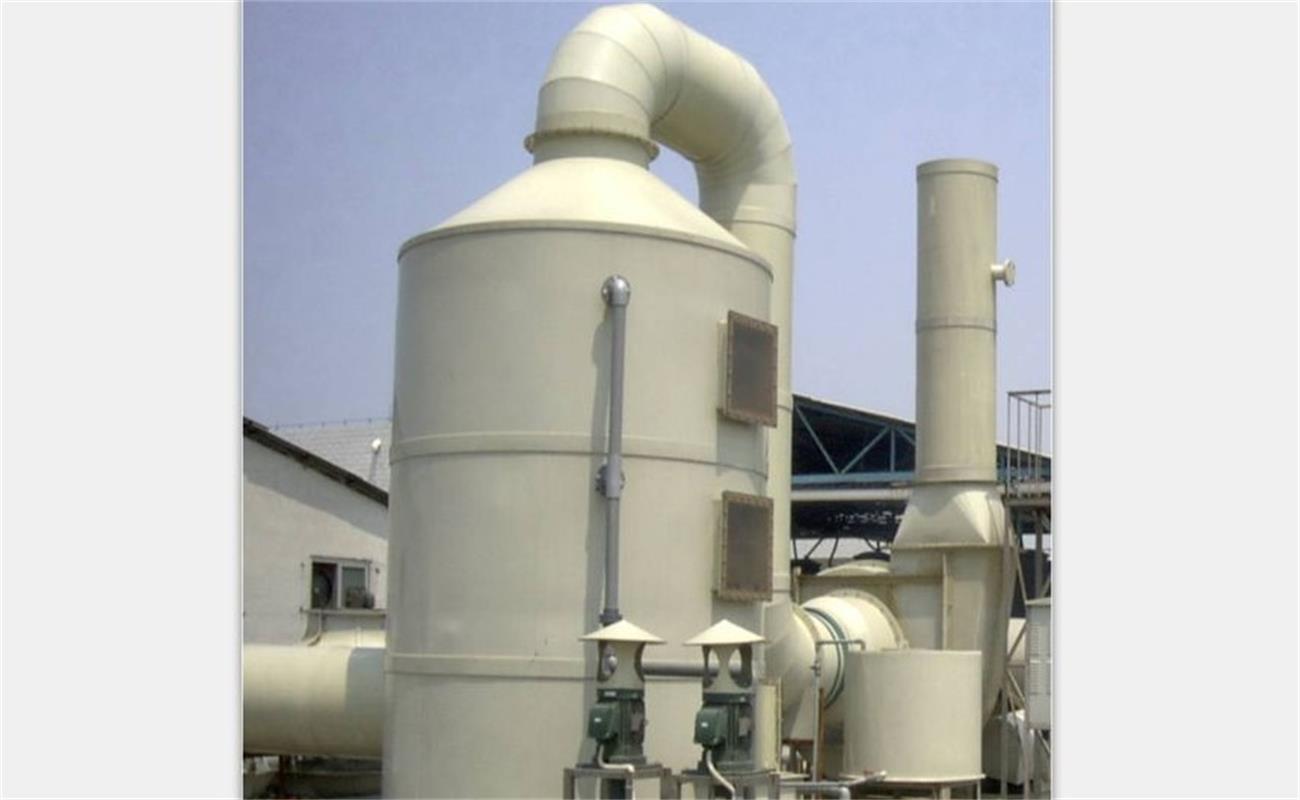
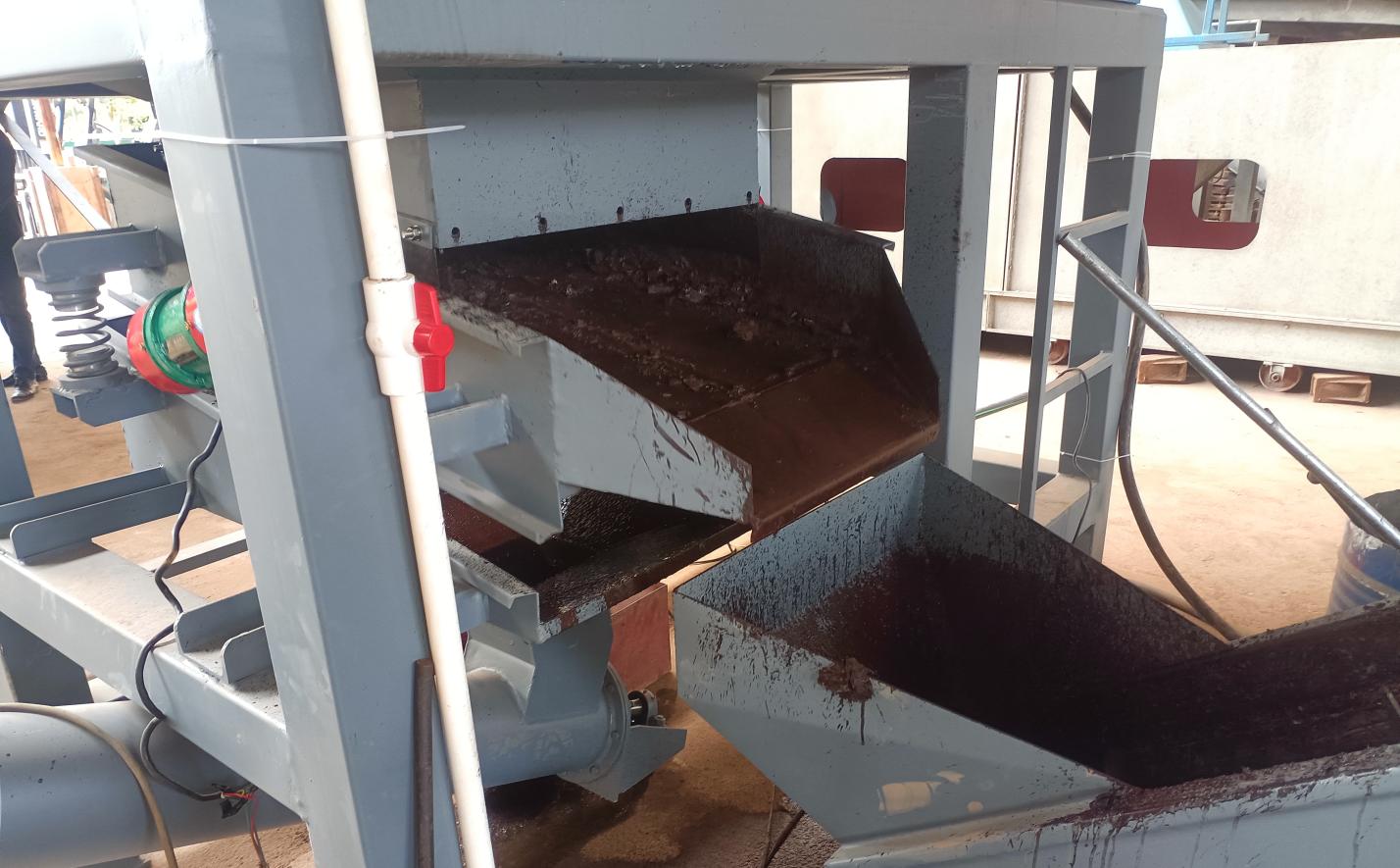
A complete lead acid battery breaking and separating plant typically includes battery cutters, breaking and separation systems, de-sulfurization units, rotary furnaces or blast furnaces for paste reduction, lead refinery kettles, air pollution control systems, and water treatment plants. Capacities range from 1 to 10 metric tonnes per hour, with lead recovery rates reaching 95%.
Environmental compliance is critical. Proper acid neutralization, SO2 emission control, and wastewater treatment are non-negotiable. Modern plants integrate these pollution control systems directly into the production line to meet stringent international standards.
Lithium Battery Recycling Equipment
The explosive growth of electric vehicles and portable electronics has created an urgent need for lithium-ion battery recycling. Spent lithium batteries contain valuable black mass (nickel, cobalt, manganese, graphite), plus copper, aluminum, and plastic fractions.
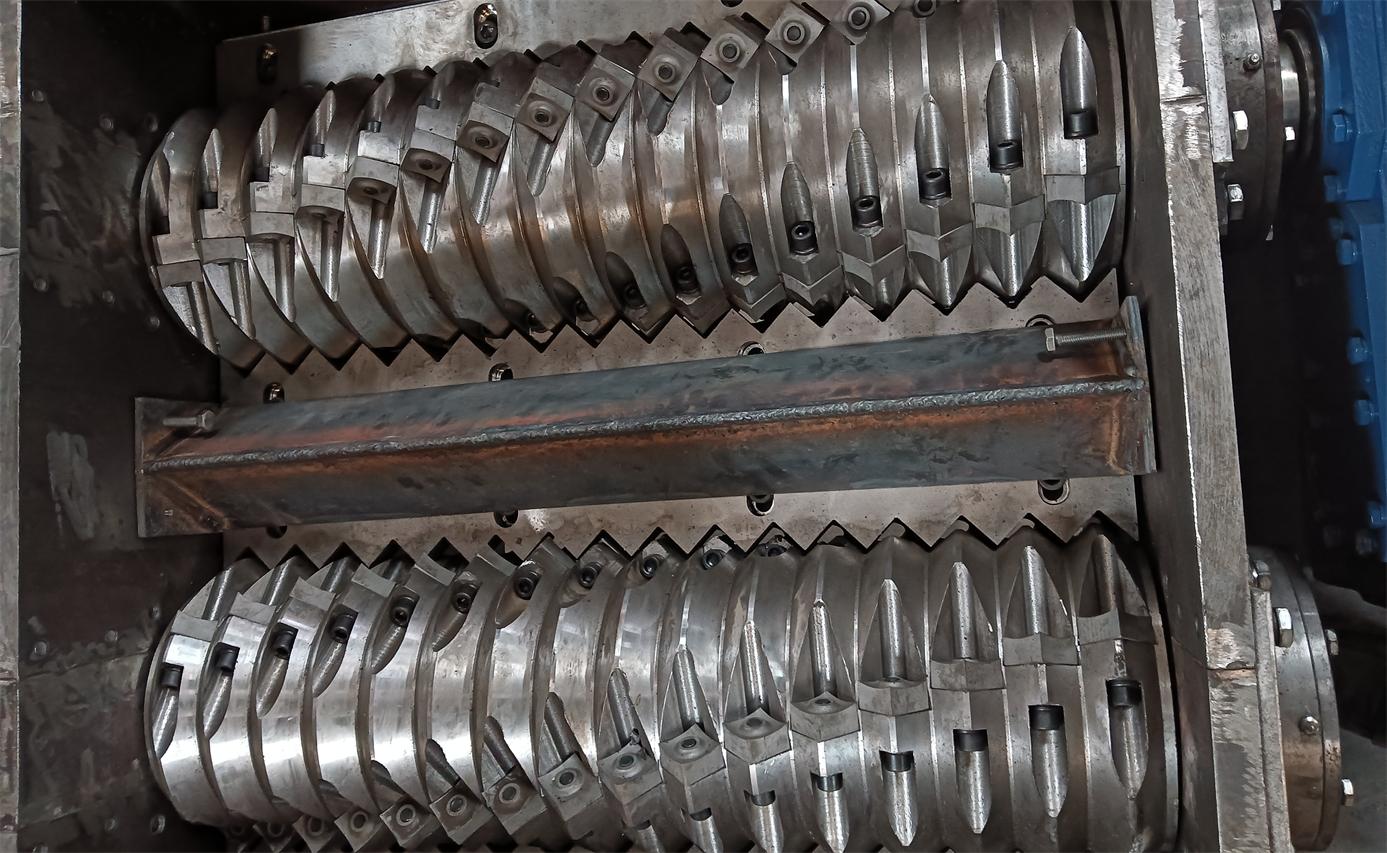
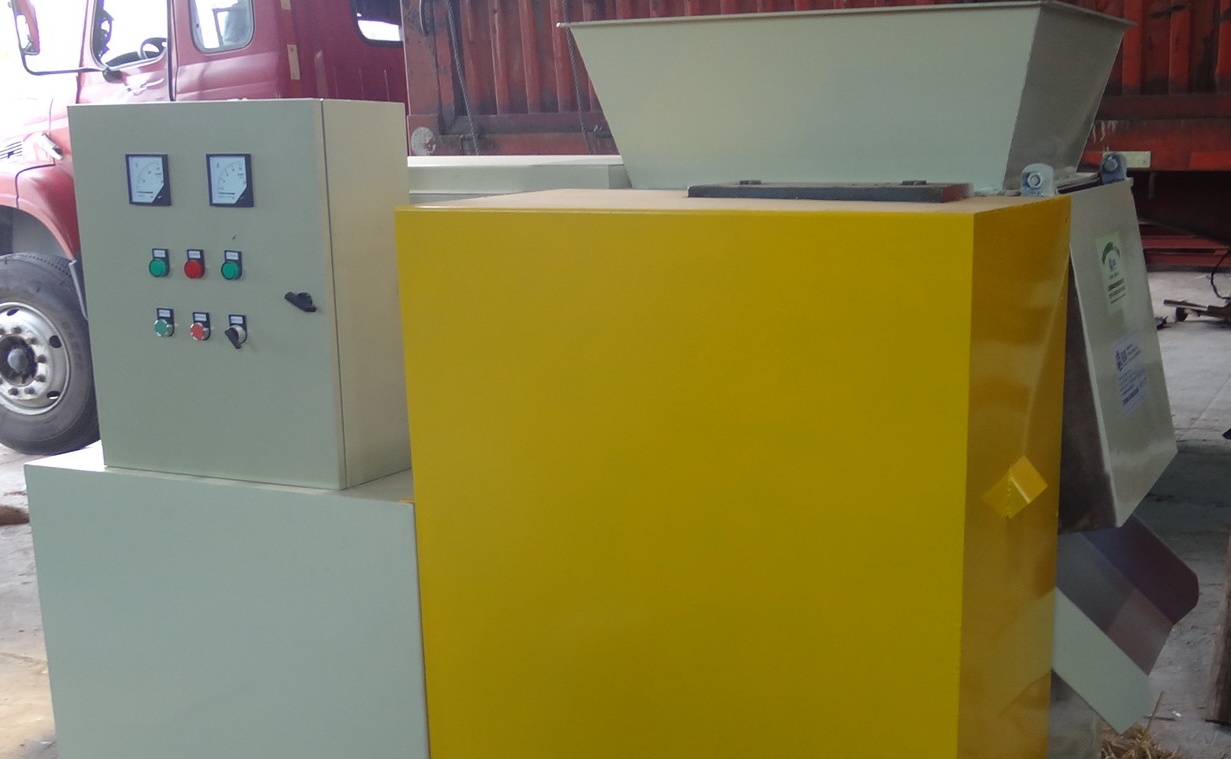
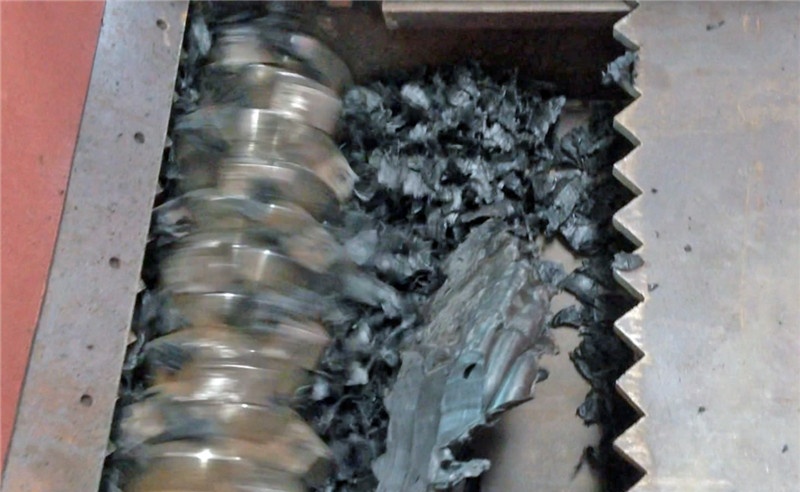
A lithium battery recycling plant with 500-2500kg/hour capacity typically includes discharging stations, pre-crushing equipment, secondary granulation systems, magnetic separation for ferrous metals, air separation for plastic and aluminum, and fine grinding for black powder recovery. Advanced plants also include air pollution control systems to handle electrolyte vapors and fluorine compounds safely.
Cable Recycling Equipment
Scrap cable and wire represent one of the highest-margin feedstocks in recycling. Copper prices have remained strong, and efficient separation technology can achieve copper purities of 96-99%.
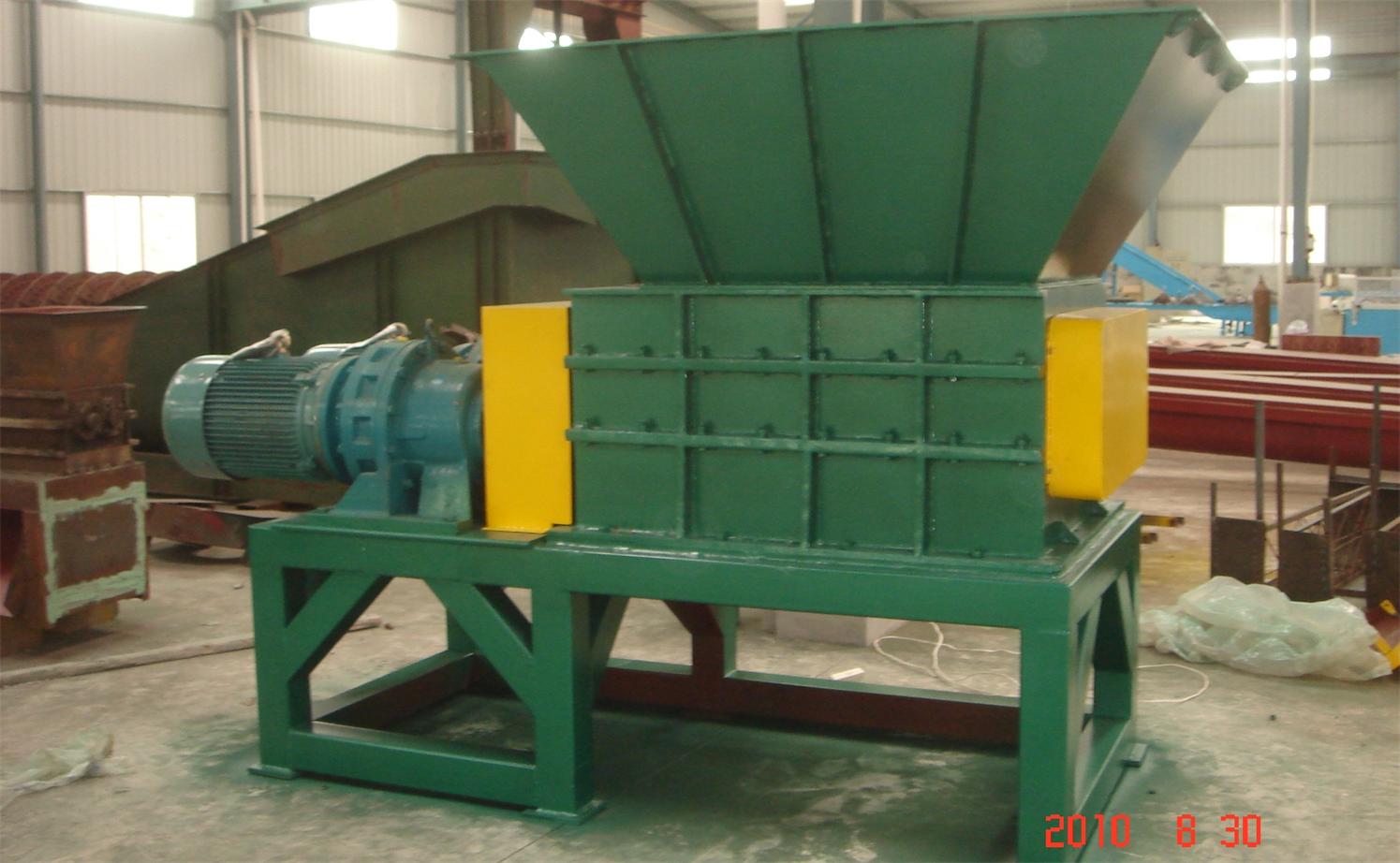
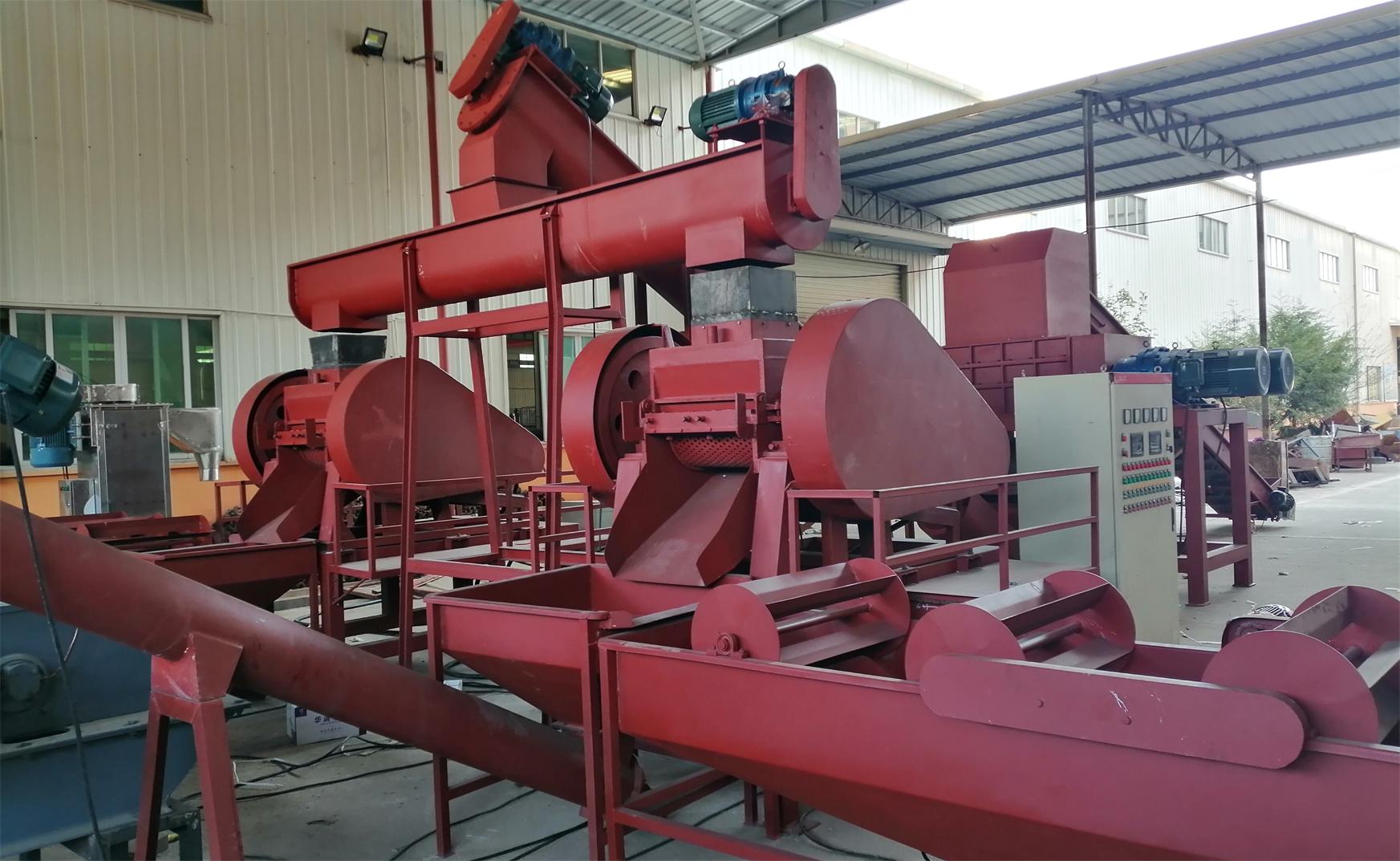
Cable recycling equipment ranges from simple scrap cable strippers for large-diameter wires to sophisticated cable granulators with dry or wet separation systems. A complete cable recycling plant includes pre-shredders, granulators, air separators, electrostatic separators, and dust collection systems. Capacities vary from 100 kg/hour for compact units to 1200 kg/hour for industrial-scale operations.
Circuit Board Recycling Equipment
Printed circuit boards (PCBs) are among the most complex e-waste materials, containing copper, gold, silver, palladium, and other precious metals alongside fiberglass and resin. Specialized circuit board recycling equipment uses mechanical processes including crushing, grinding, and air or water separation to recover metal powders.
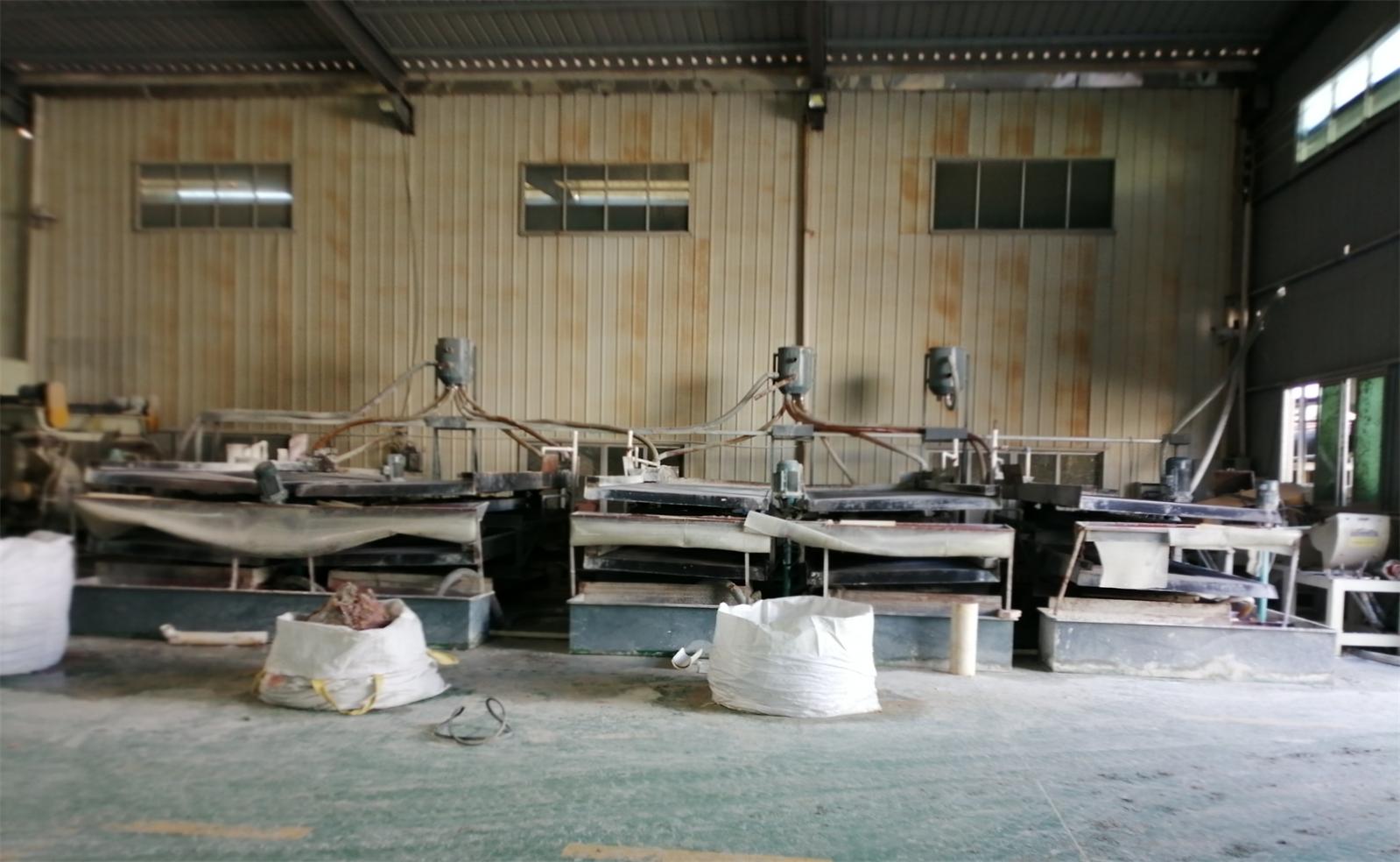
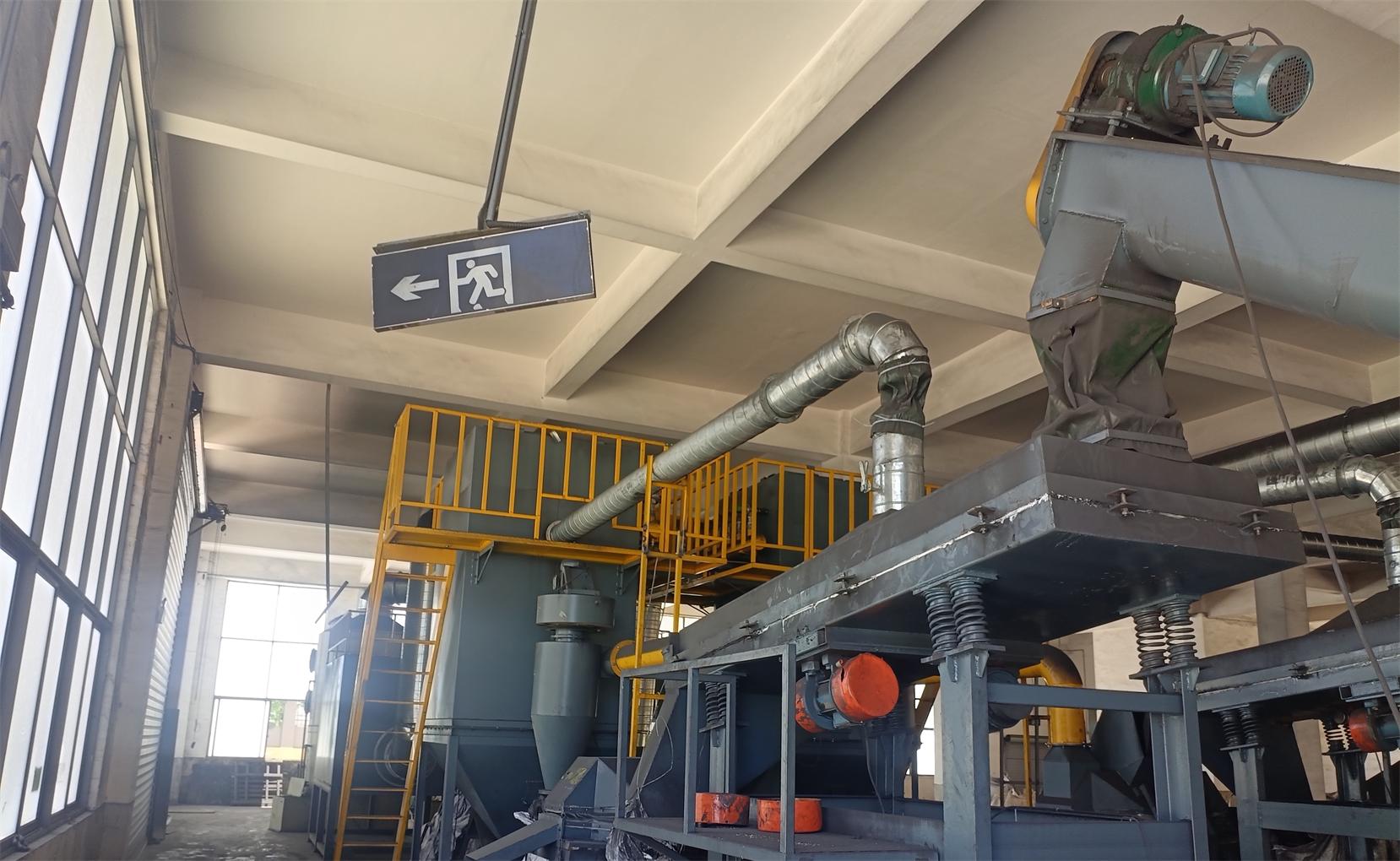
Modern PCB recycling plants offer both dry and wet separation options. Dry separation plants use air classifiers, vibrating screens, and electrostatic separators, achieving copper powder purity of 96-98%. Wet separation systems use water-based metal separation for even higher recovery rates. Capacities typically range from 300 kg/hour to 2000 kg/hour.
Critical Factors When Selecting Recycling Equipment
Choosing the right equipment supplier can make the difference between a profitable operation and a costly mistake. Here are the essential criteria to evaluate:
-
Processing Capacity vs. Feedstock VolumeMatch your equipment capacity to realistic feedstock availability. Oversized equipment increases capital costs without improving returns.
-
Recovery Rate and Product PurityHigher recovery rates directly impact profitability. Demand specific performance guarantees for metal recovery percentages.
-
Environmental ComplianceEnsure the equipment includes adequate pollution control systems for air emissions, wastewater, and noise. Compliance certificates matter.
-
Energy EfficiencyPower consumption is a major operating cost. Compare energy requirements across suppliers and consider energy-efficient technologies like near-infrared heating.
-
After-Sales Support and Spare PartsRecycling equipment operates in harsh conditions. Reliable technical support and spare parts availability minimize costly downtime.
-
Customization and EPC CapabilityEvery recycling project has unique requirements. Look for suppliers who offer customized design, installation, commissioning, and training services.
Why San Lan Technologies Stands Out
San Lan Technologies Co., Ltd, established in 2007 and based in Jiangxi Province, China, has built a reputation as a reliable manufacturer of WEEE recycling machines and mining equipment. With customers in over 21 countries including Singapore, Colombia, Vietnam, Mexico, Argentina, Korea, Malaysia, Indonesia, South Africa, India, and Saudi Arabia, the company brings deep international experience to every project.
San Lan's technical team includes mechanical engineering master's degree holders with over 15 years of hands-on experience in e-waste recycling machines. The company offers comprehensive EPC (Engineering, Procurement, Construction) services, from customized plant design and equipment supply to installation, commissioning, and operator training.
Beyond equipment supply, San Lan provides valuable value-added services including assistance with waste material sourcing, help selling recovered products (copper rice, lead ingots, etc.), and strategic partnership opportunities for plant construction projects. Their bilingual English-Chinese team ensures smooth communication for international clients.
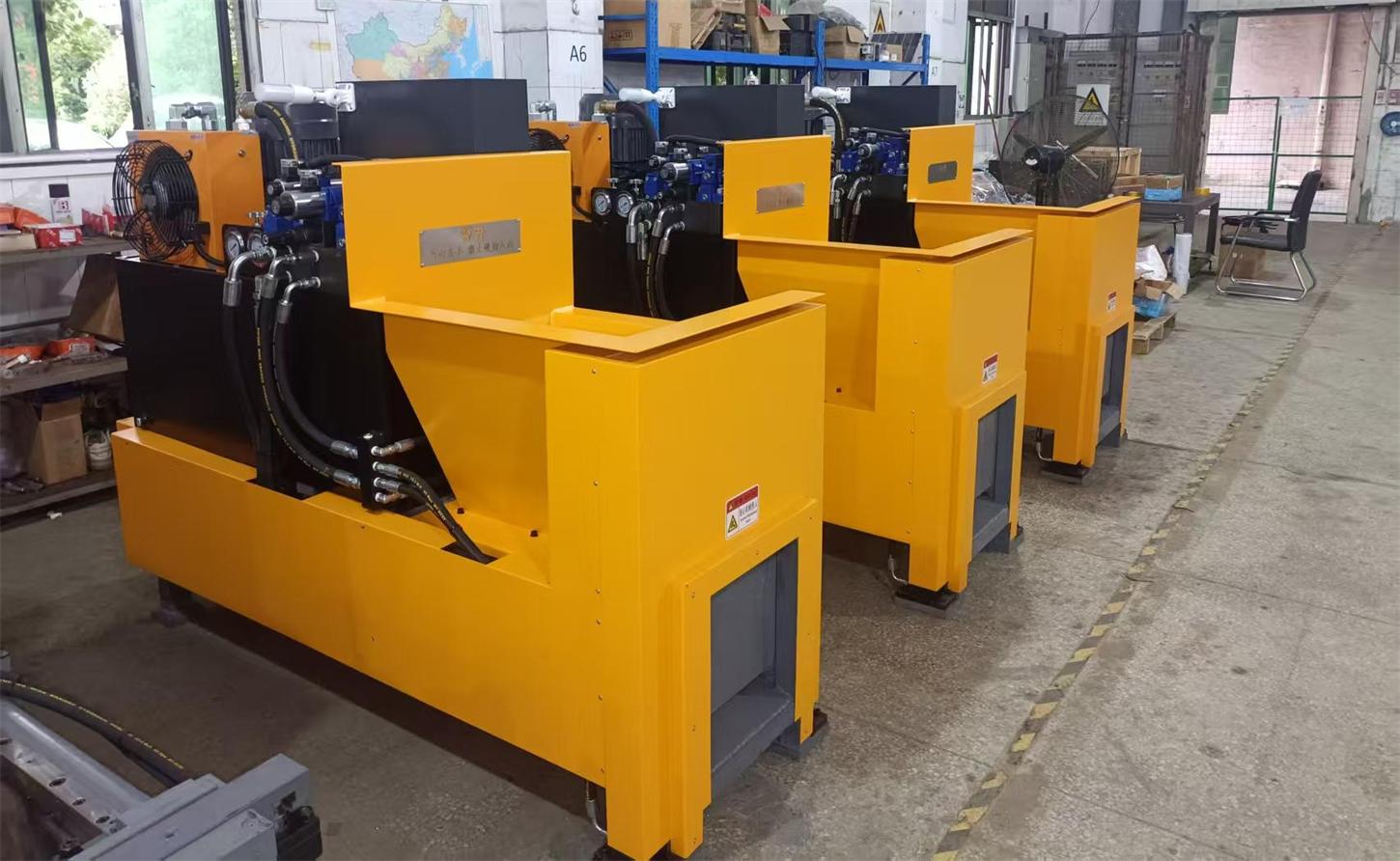
Lead acid battery recycling plants, lithium battery recycling plants, circuit board recycling plants, cable recycling machines, hydraulic press machines, shredders and pre-choppers, refrigerator and AC recycling machines, CRT recycling machines, motor recycling machines, lamp recycling machines, metal melting furnaces, and lithium ore extraction plants.
Building Your Recycling Business: A Practical Roadmap
Starting a recycling plant involves more than just buying equipment. Successful operators follow a structured approach:
Phase 1: Market Validation — Analyze local feedstock availability, competitor landscape, and regulatory requirements. Identify your primary feedstock type based on local waste streams and commodity prices.
Phase 2: Business Planning — Develop detailed financial projections including equipment costs, installation, working capital, operating expenses, and revenue forecasts. Consider EPR credits or government subsidies where available.
Phase 3: Equipment Selection and Procurement — Partner with an experienced manufacturer who can customize solutions to your specific requirements. Request factory visits, reference checks with existing customers, and detailed technical proposals.
Phase 4: Installation and Commissioning — Plan your facility layout, utility connections, and environmental permits well in advance. Proper installation and commissioning are critical for achieving design recovery rates.
Phase 5: Operations and Optimization — Train your operators thoroughly, establish maintenance schedules, and continuously monitor recovery rates and operating costs. The best plants improve performance significantly after the first year of operation.
San Lan Technologies offers free consultation and customized proposals for e-waste recycling plant projects of any scale. Whether you are exploring a small cable recycling operation or a comprehensive multi-stream recycling facility, our engineering team can help you design the optimal solution.
- Website: www.san-lan.com
- Email: info@san-lan.com
- WhatsApp: +86 139 2377 4083
- Location: Industry Park, Shicheng County, Ganzhou City, Jiangxi Province, China
Contact us today to discuss your project requirements and receive a detailed equipment proposal tailored to your market and budget.