The global e-waste recycling market is projected to reach $145 billion by 2030, driven by stricter environmental regulations and rising demand for recovered metals. For entrepreneurs and established businesses alike, investing in the right recycling equipment is the foundation of a profitable and sustainable operation.
Why E-Waste Recycling Represents a Massive Opportunity
Electronic waste contains valuable metals like copper, gold, silver, and lithium that are often more concentrated than in raw ore. One tonne of mobile phone circuit boards contains more gold than a tonne of high-grade mined ore. Yet, the vast majority of e-waste still ends up in landfills, representing both an environmental threat and a missed economic opportunity.
Governments worldwide are implementing Extended Producer Responsibility (EPR) frameworks, mandating manufacturers to recycle a growing percentage of their products. This regulatory shift creates a stable, growing demand for professional recycling equipment supplier services and complete recycling plant solutions.
Core Equipment for a Modern Recycling Plant
A successful e-waste recycling operation requires specialized machinery for different waste streams. Here are the three most profitable segments:
1. Circuit Board Recycling Systems
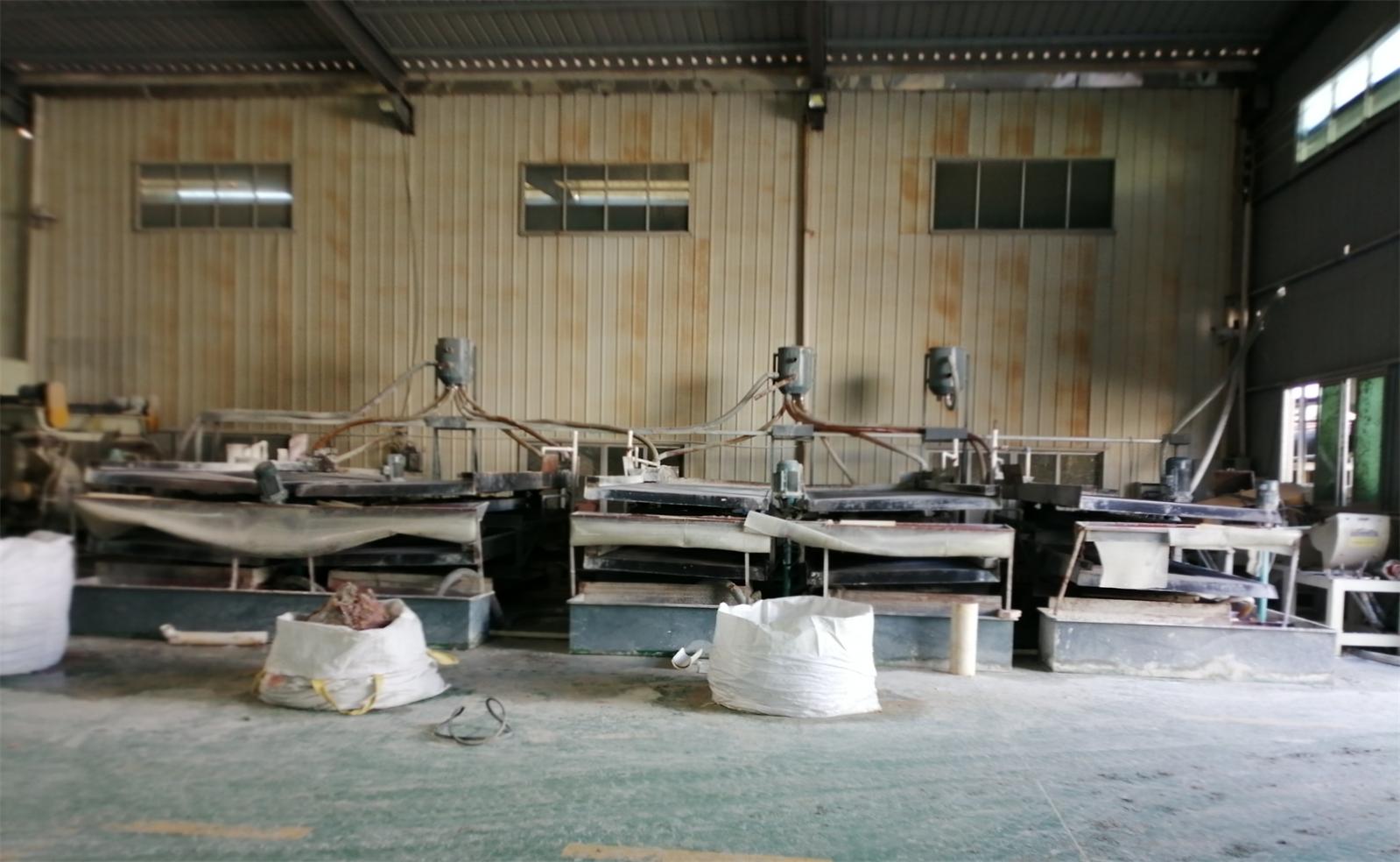
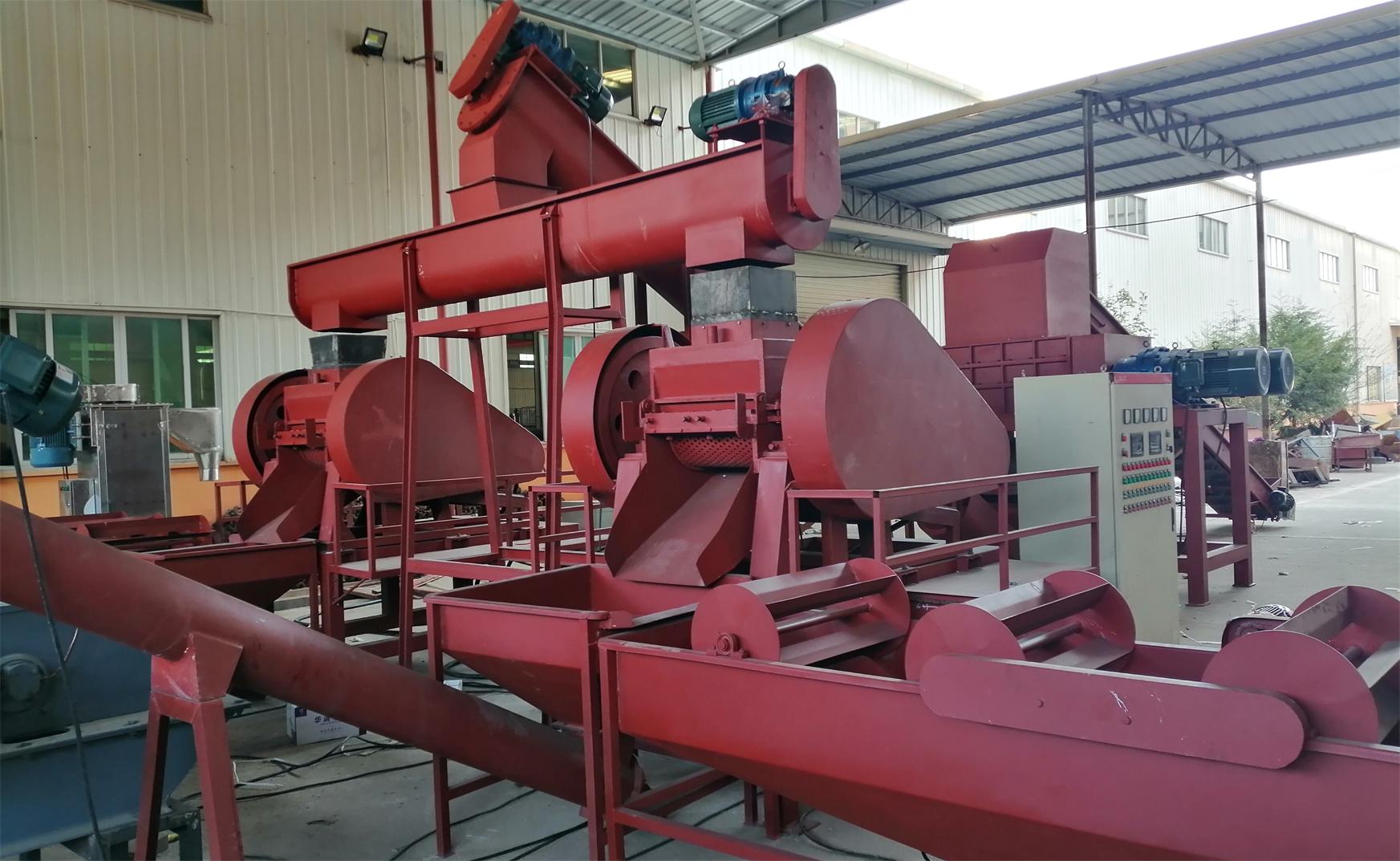
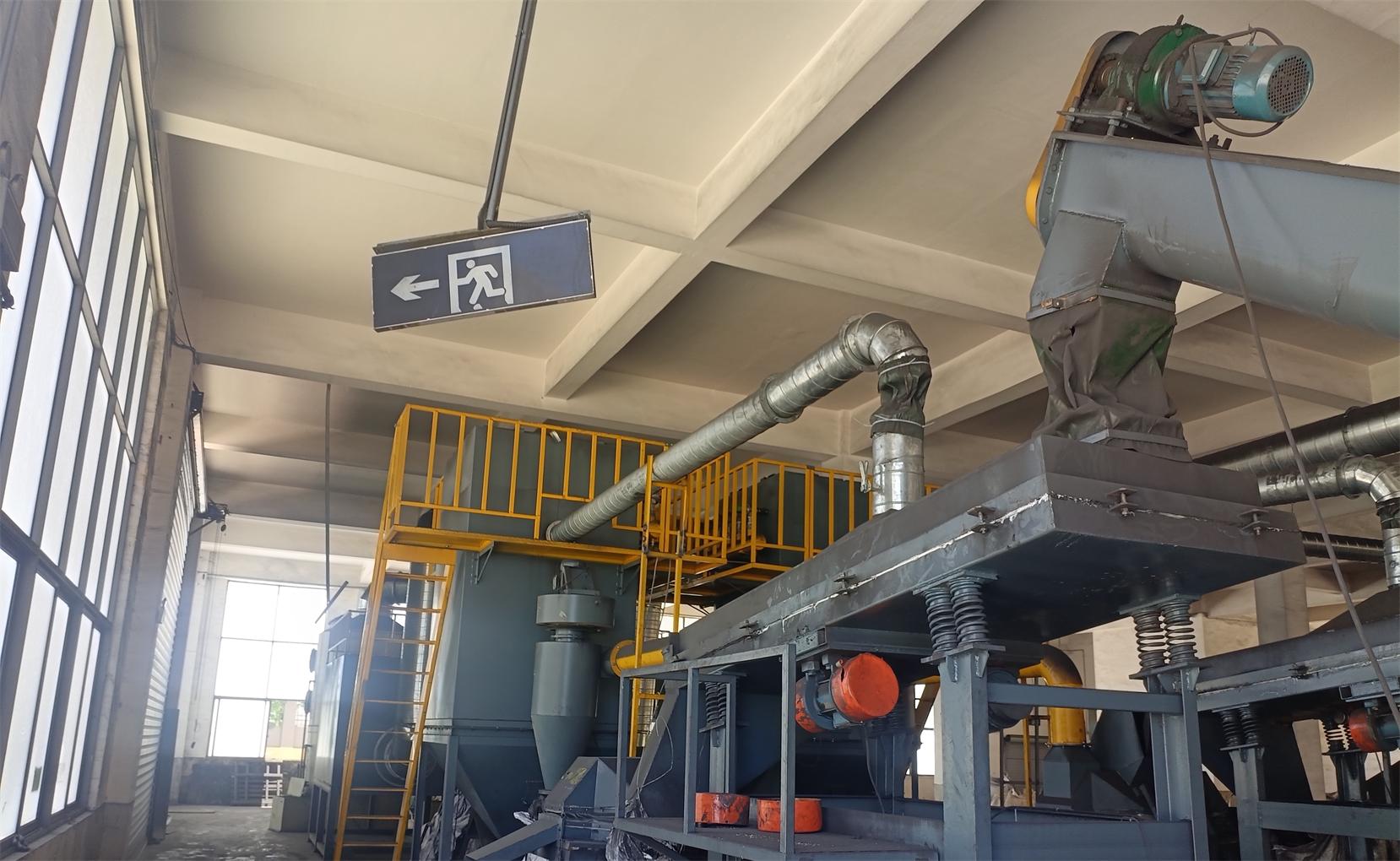
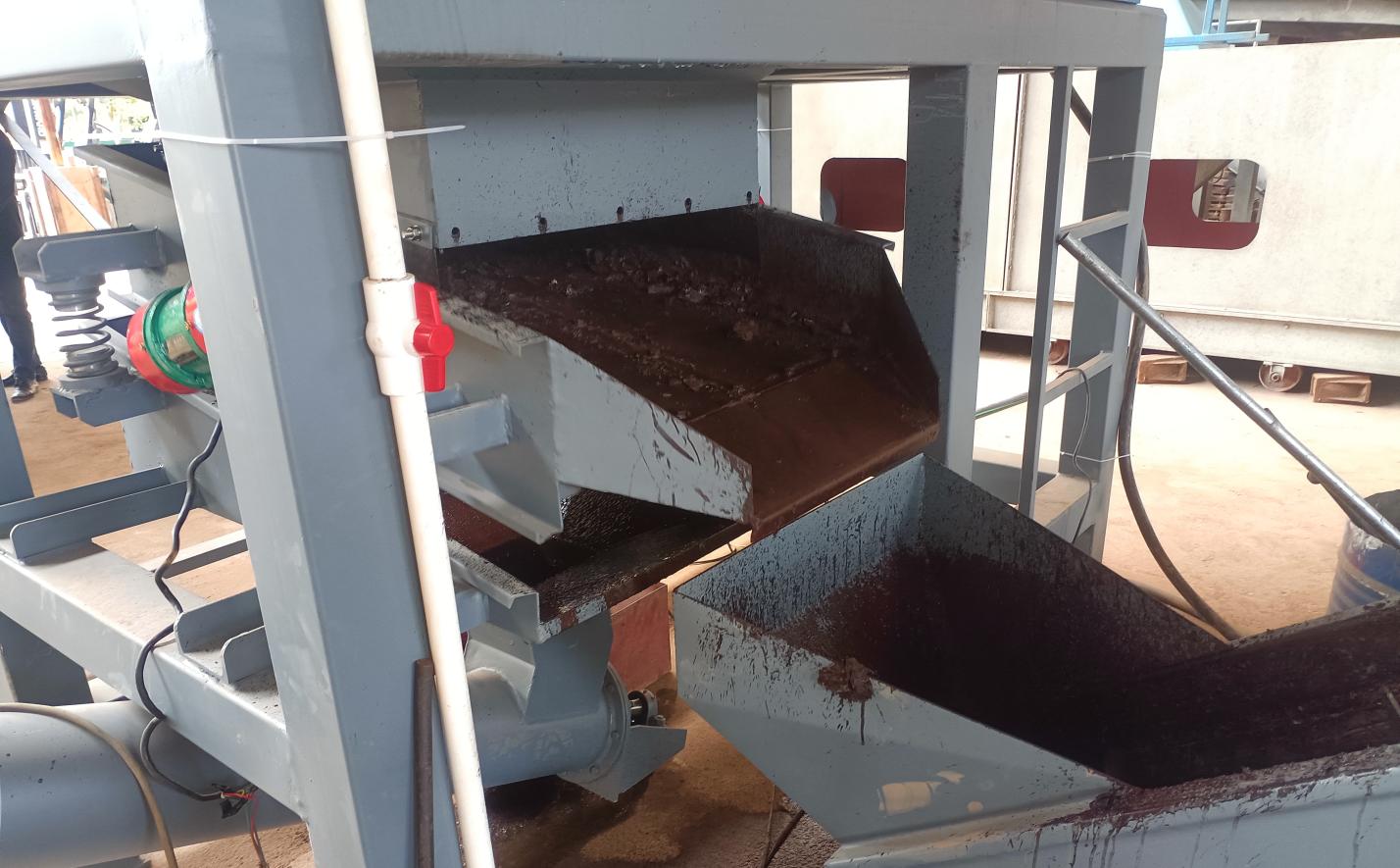
Printed circuit boards (PCBs) are among the most valuable e-waste fractions. Modern circuit board recycling equipment uses mechanical crushing, air separation, and electrostatic sorting to recover copper powder with 96-98% purity. Wet separation systems can process 500-2,000 kg per hour, while dry systems offer dust-free operation with recovery rates exceeding 95%.
2. Battery Recycling Plants
With the electric vehicle revolution, spent lithium-ion and lead-acid batteries represent the fastest-growing waste stream. Lead acid battery recycling equipment breaks and separates used batteries to recover lead paste, lead grids, plastic shells, and acid. Capacities range from 1-10 MT per hour, with lead recovery rates up to 95%. Lithium battery recycling systems recover black mass (containing nickel, cobalt, and graphite), copper, aluminum, and plastic film at 500-2,500 kg per hour.
3. Cable and Wire Recycling Machines
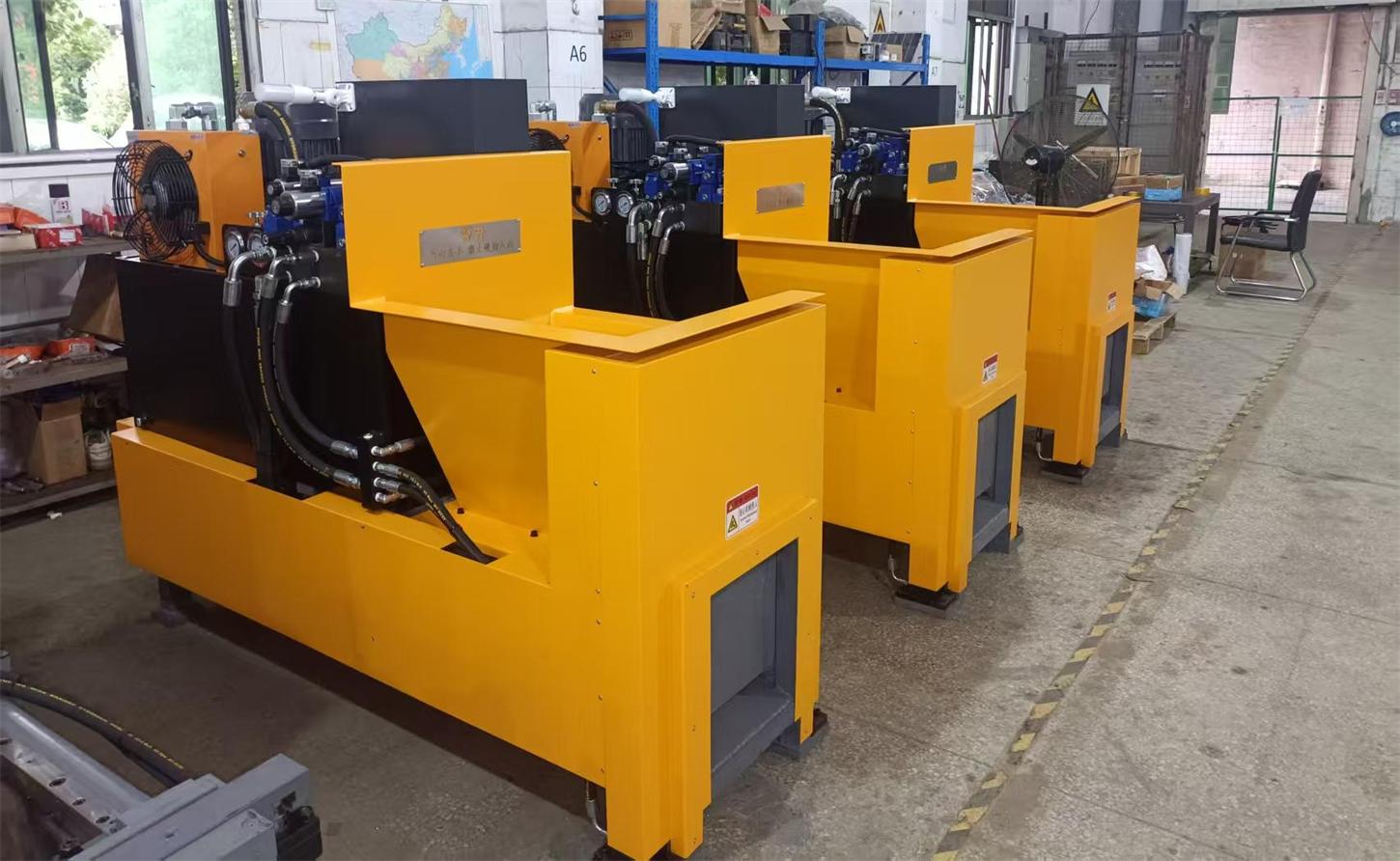
Scrap cables contain valuable copper and aluminum insulated with plastic. Cable granulators with dry separators can process 100-1,200 kg per hour, separating metal from insulation with high purity. Pre-processing with hydraulic cable strippers handles cables from 1.5mm to 150mm diameter.
What to Look for in a Recycling Equipment Partner
Choosing the right equipment supplier determines your plant's efficiency, compliance, and long-term profitability. Consider these critical factors:
- Technical Expertise: Look for manufacturers with deep engineering knowledge and proven experience in EPC (Engineering, Procurement, Construction) projects.
- Customization Capability: Every feedstock and market is different. Your supplier should offer customized design based on your specific material composition and capacity requirements.
- After-Sales Support: Installation, commissioning, and ongoing technical support are essential for maintaining high uptime.
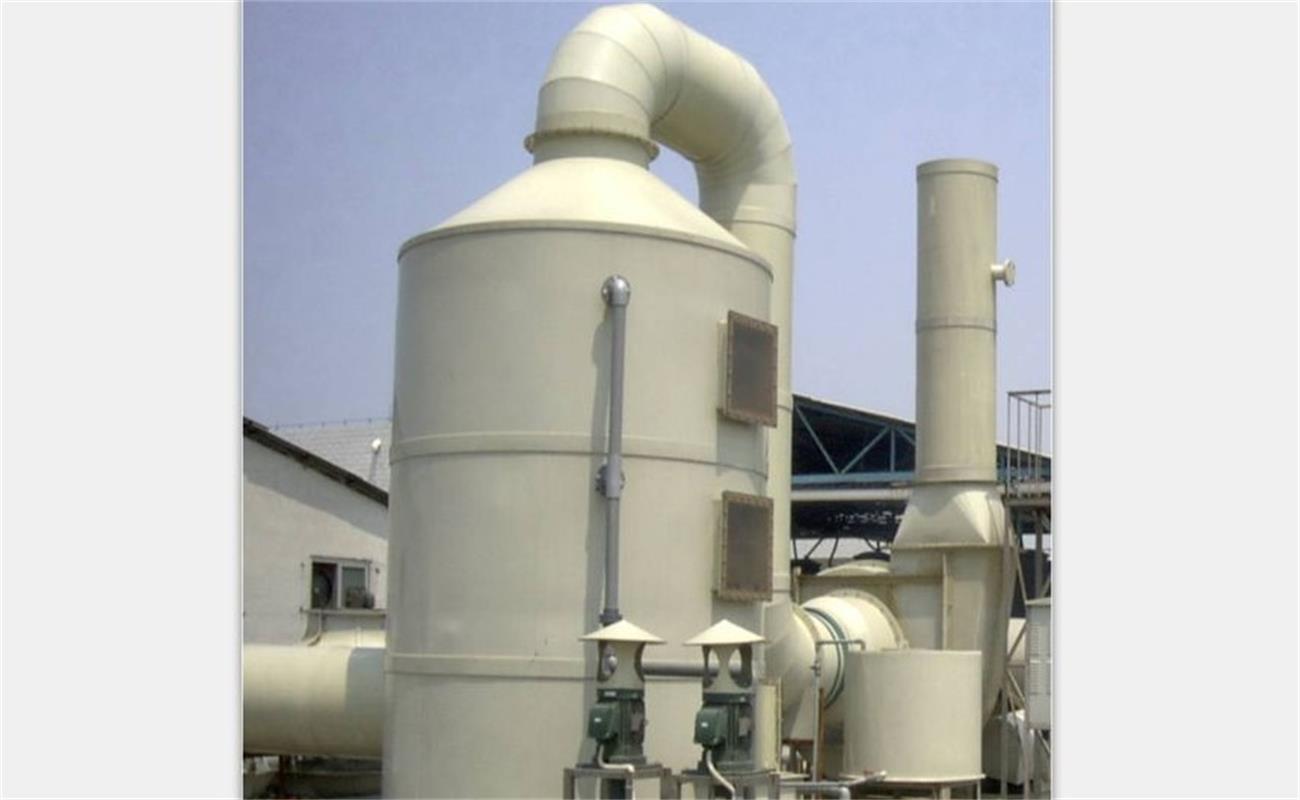
- Environmental Compliance: Ensure equipment includes proper pollution control systems for air, water, and dust emissions.
- Turnkey Solutions: A one-stop supplier that provides everything from shredders to separation systems to smelting furnaces simplifies procurement and integration.
San Lan Technologies: Your Complete Recycling Partner
Founded in 2007, San Lan Technologies Co., Ltd has established itself as a trusted recycling equipment supplier to clients in over 21 countries. The company's engineering team holds master's degrees in mechanical engineering and brings over 15 years of hands-on experience in e-waste recycling machine design and plant construction.
San Lan's product portfolio covers the full spectrum of e-waste and mining applications:
- Lead acid battery recycling plants (1-10 MT/hour capacity)
- Lithium-ion battery recycling systems (500-2,500 kg/hour)
- Circuit board recycling plants with wet and dry separation
- Copper cable granulators and wire stripping machines
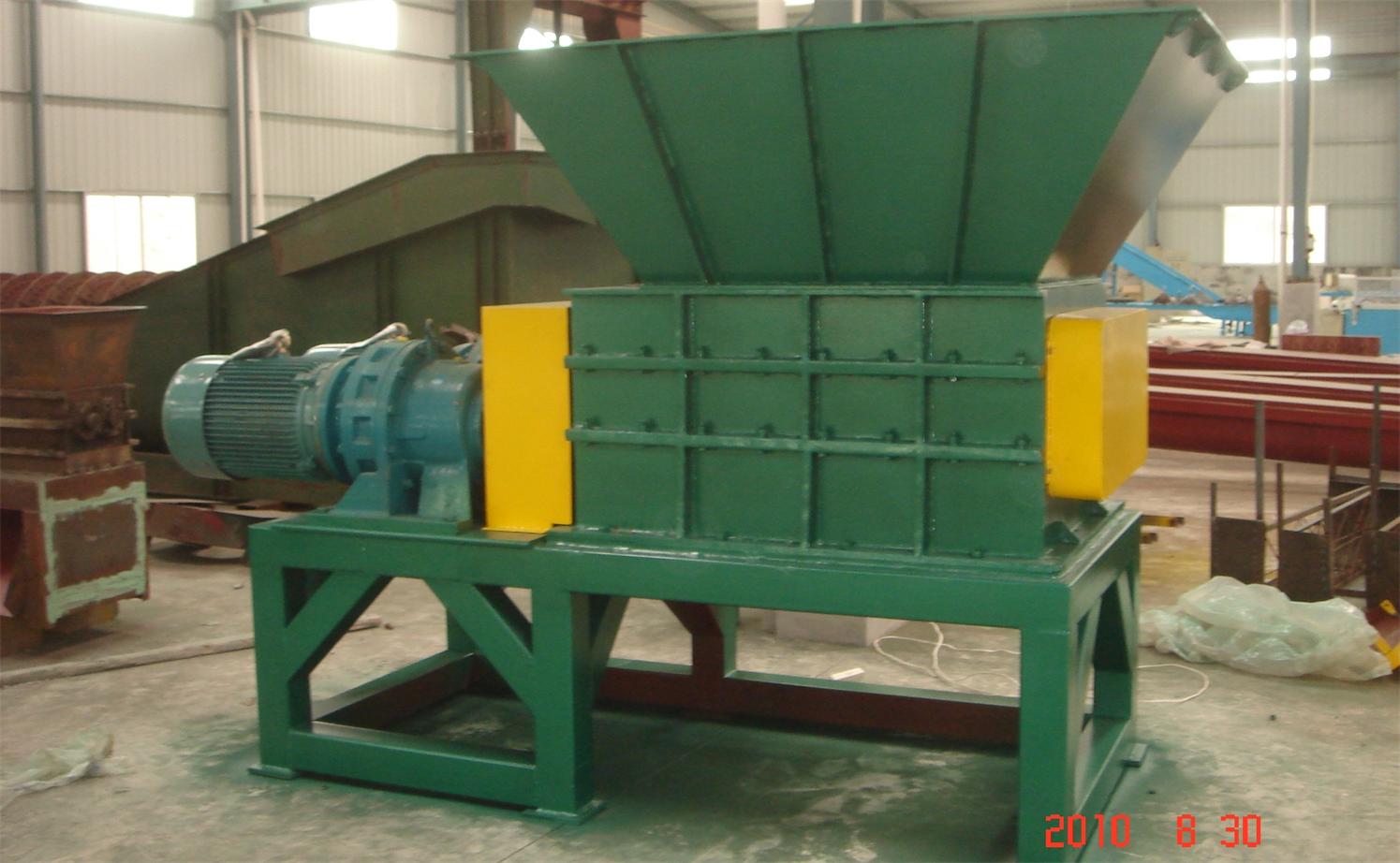
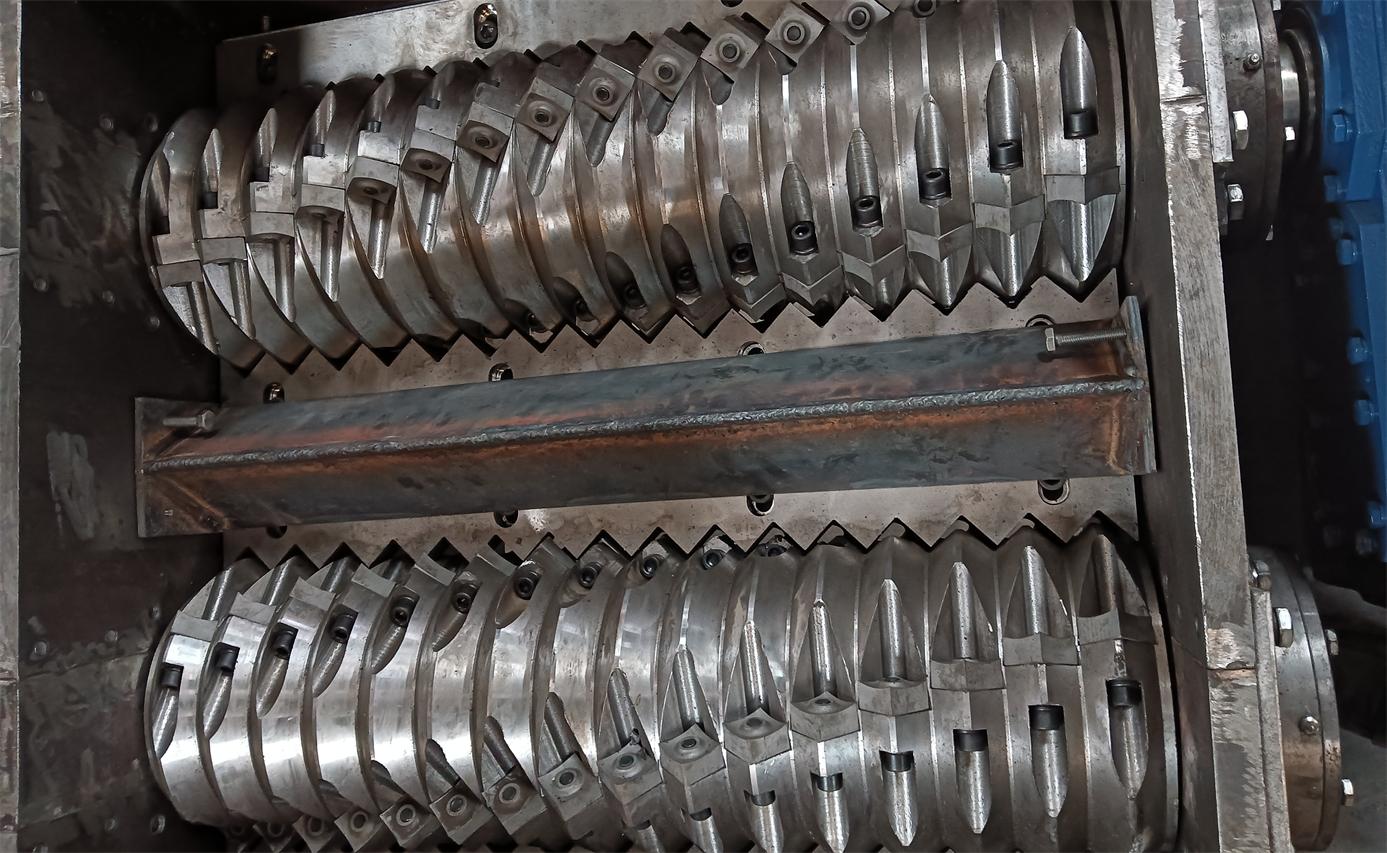
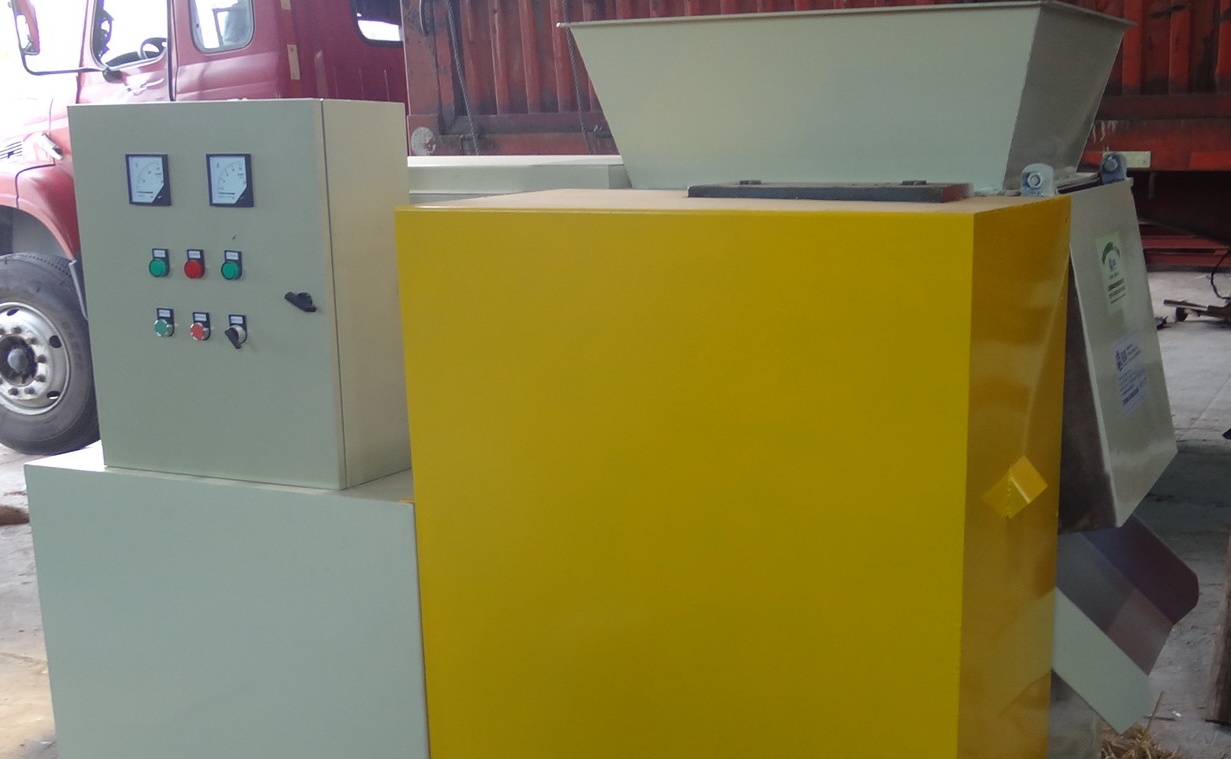
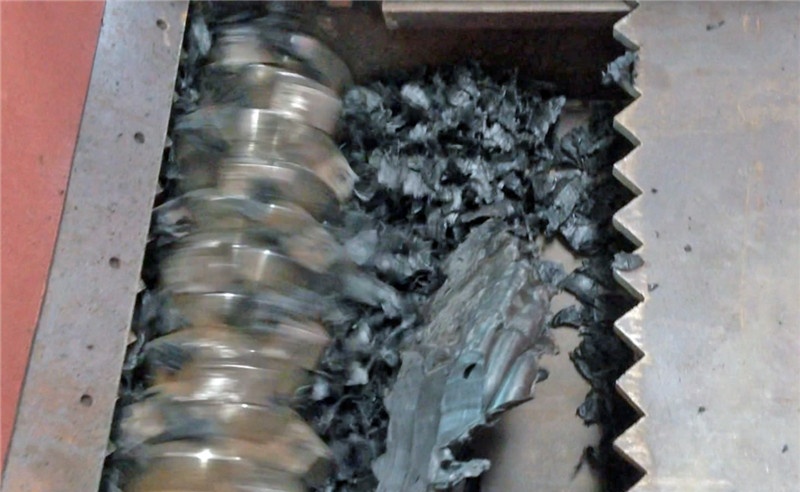
- Four-shaft and twin-shaft shredders for pre-processing
- Refrigerator, AC, and CRT recycling equipment
- Rotary furnaces, refinery kettles, and induction melting furnaces
- Lithium ore extraction and tailings processing plants
Beyond equipment manufacturing, San Lan provides value-added services including waste material sourcing assistance, investor partnership for plant construction, and help selling recovered products such as copper rice, lead ingots, and precious metal concentrates. This end-to-end support de-risks new market entrants and helps established operators expand profitably.
Conclusion: Act Now to Capture the Growing Market
The e-waste recycling industry is entering a period of rapid expansion driven by regulatory mandates, resource scarcity, and environmental awareness. Success depends on selecting the right equipment, designing an efficient process flow, and partnering with an experienced supplier who can support your growth from initial setup through scaling.
Whether you are planning a specialized circuit board recycling line, a comprehensive battery recovery plant, or a multi-stream e-waste facility, investing in proven technology today positions you to capture value from tomorrow's waste streams.
Ready to start your recycling project? Contact San Lan Technologies today for a free consultation and customized equipment proposal tailored to your feedstock and production goals.
Email: info@san-lan.com
WhatsApp: +86 139 2377 4083
Website: www.san-lan.com