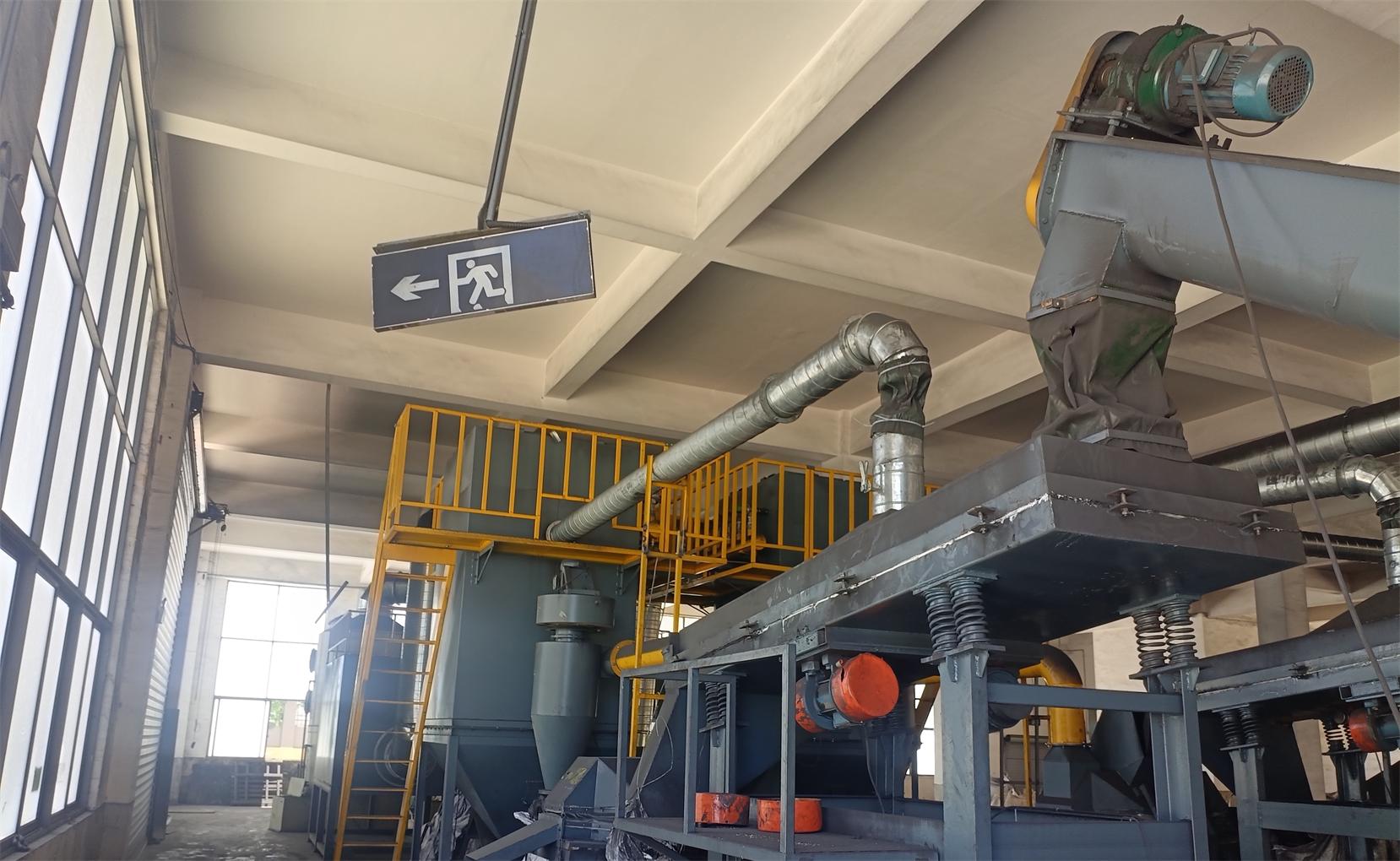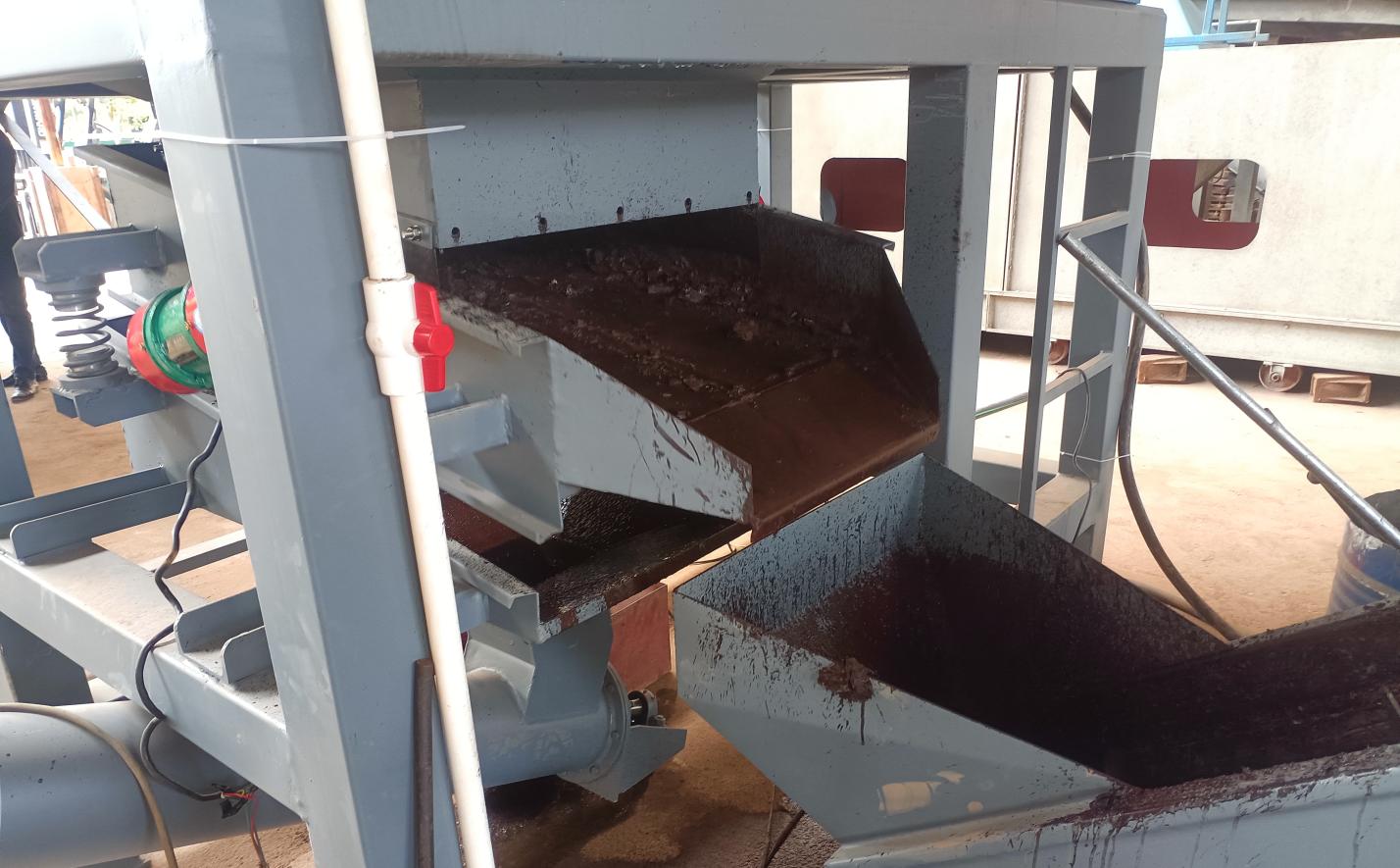
The global e-waste recycling market is expanding rapidly as businesses and governments recognize the dual value of environmental responsibility and resource recovery. With electronic waste becoming one of the fastest-growing waste streams worldwide, setting up a modern recycling equipment facility represents a significant commercial opportunity. However, success depends heavily on choosing the right machinery, understanding process flows, and partnering with experienced equipment suppliers who can deliver turnkey solutions.
Whether you are entering the recycling industry for the first time or scaling an existing operation, this guide walks through the essential equipment categories and operational considerations for building a profitable e-waste recycling plant.
Understanding the Core Recycling Processes
E-waste recycling involves multiple stages, each requiring specialized machinery. The typical process flow includes collection, dismantling, shredding, separation, and refining. Different feedstocks demand different processing lines. For example, printed circuit boards require pulverizing and metal separation, while batteries need breaking, acid neutralization, and smelting systems.
A well-designed plant integrates these processes efficiently, minimizing material loss and maximizing recovery rates. The choice between dry separation, wet separation, or pyrometallurgical methods depends on your target materials, local environmental regulations, and investment capacity.
Key Equipment Categories for Your Recycling Plant
Pro Tip: When selecting equipment, prioritize suppliers who offer modular designs, customizable capacities, and comprehensive after-sales support. This flexibility allows you to scale operations as your feedstock volumes grow.
Circuit Board Recycling Equipment
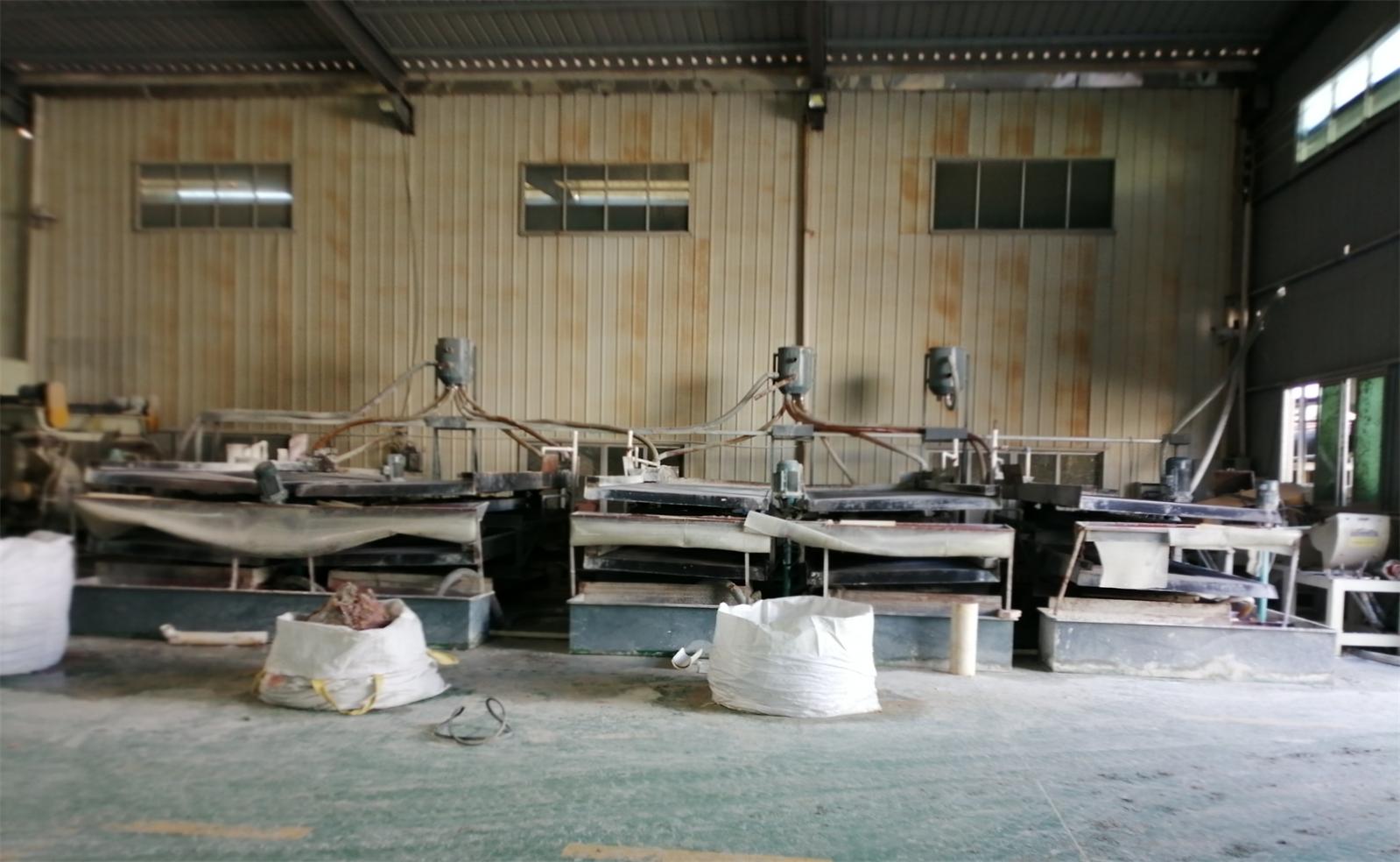
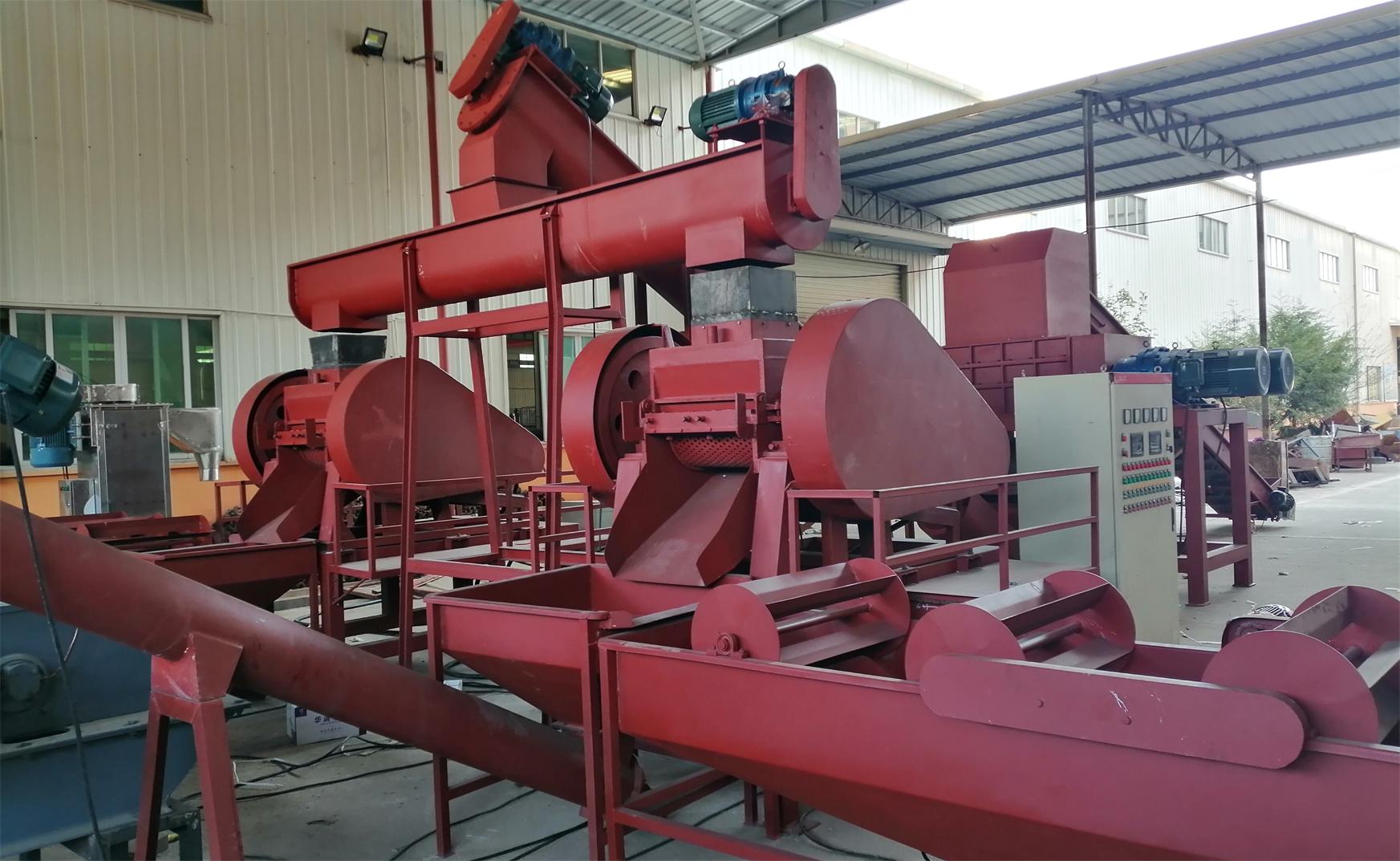
Printed circuit boards contain valuable copper and precious metals, making them high-priority feedstocks. Modern circuit board recycling equipment uses mechanical shredding combined with air or water separation to recover metal powders with purity levels reaching 96-98%. Capacities typically range from 300 kg/hour for smaller operations up to 2,000 kg/hour for industrial-scale plants. Dry separation systems are preferred in regions with strict water discharge regulations, while wet separation can achieve higher recovery rates for fine particles.
Cable Recycling Equipment
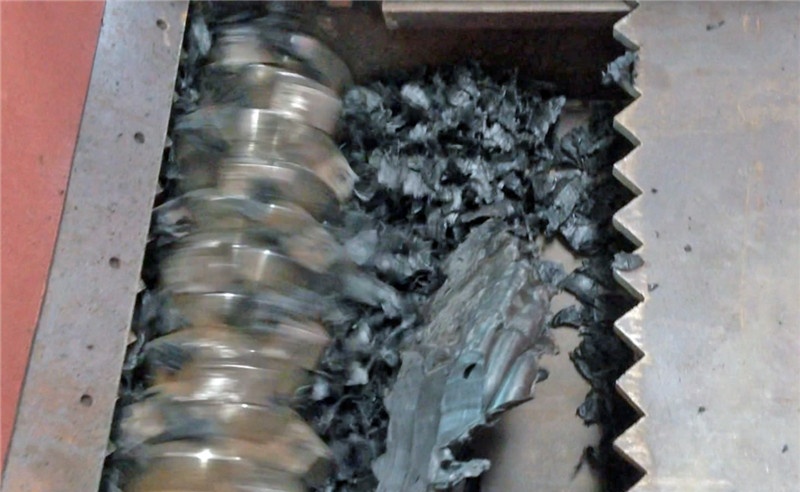
Scrap cables represent one of the most accessible and profitable recycling streams. Cable recycling equipment includes strippers for large-diameter cables and granulators with dry separators for processing mixed cable waste. Granulators can separate copper or aluminum from plastic insulation with high efficiency, producing clean metal fractions ready for direct sale to smelters. Systems range from compact units processing 100 kg/hour to large plants handling over 1,000 kg/hour.
Lead Acid Battery Recycling Equipment
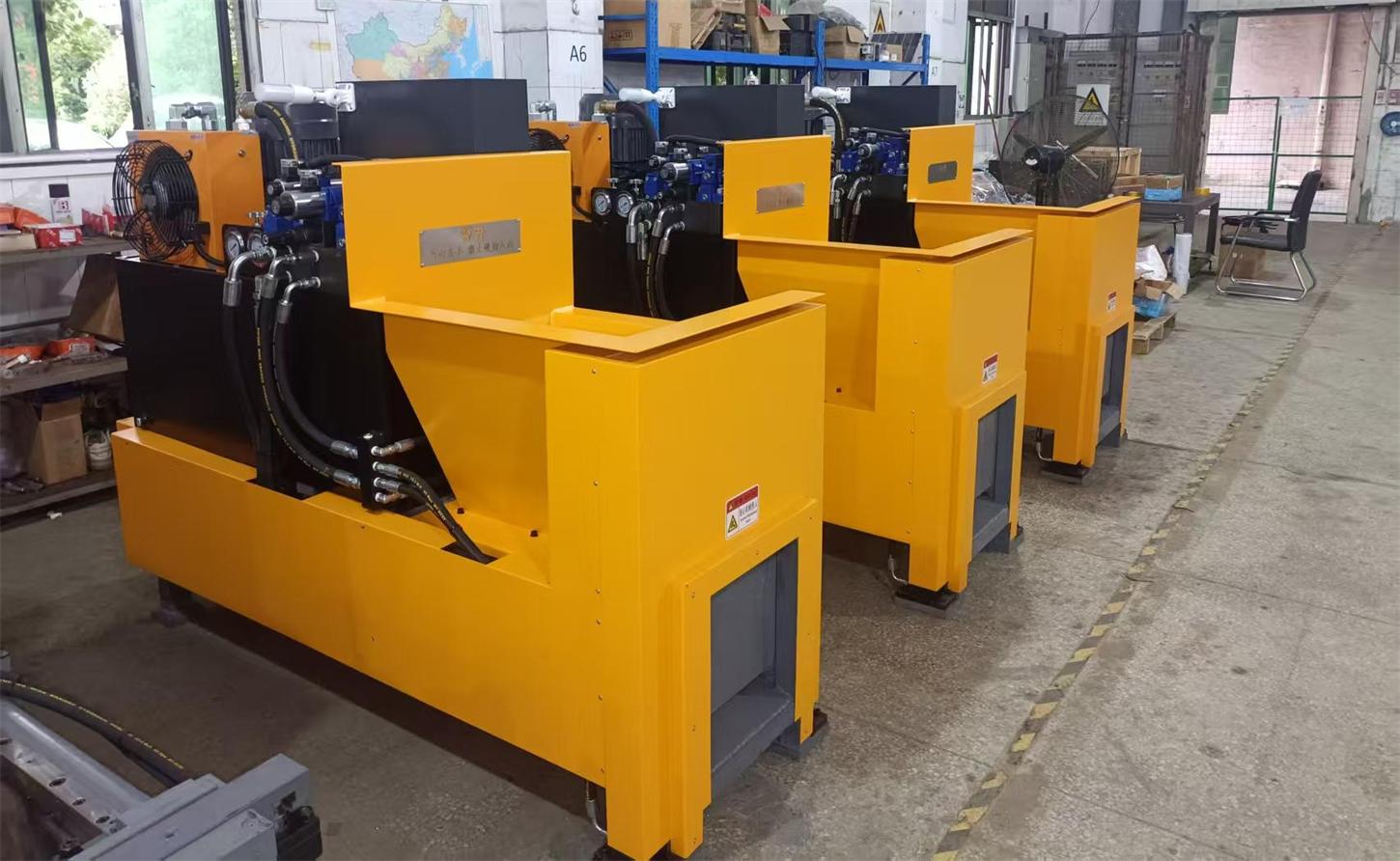
Used lead acid batteries require specialized handling due to sulfuric acid content and lead compounds. A complete lead acid battery recycling equipment line typically includes battery cutters, breaking and separation systems, desulfurization units, filtration presses, and smelting furnaces. Modern rotary furnaces achieve higher lead recovery rates than traditional blast furnaces, while refinery kettle furnaces can produce 99.999% pure lead suitable for battery manufacturing. Capacity configurations range from 1 MT/hour to 10 MT/hour depending on throughput requirements.
Lithium Battery Recycling Equipment
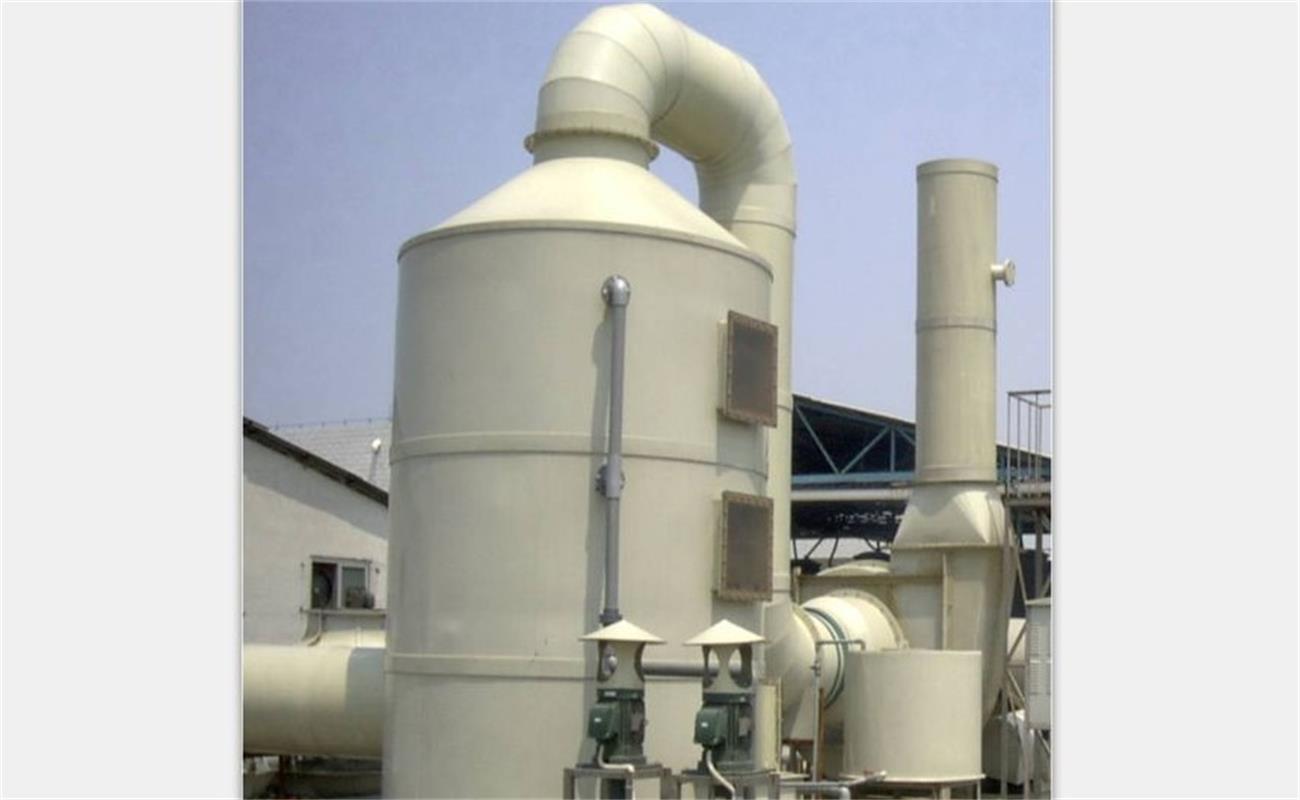
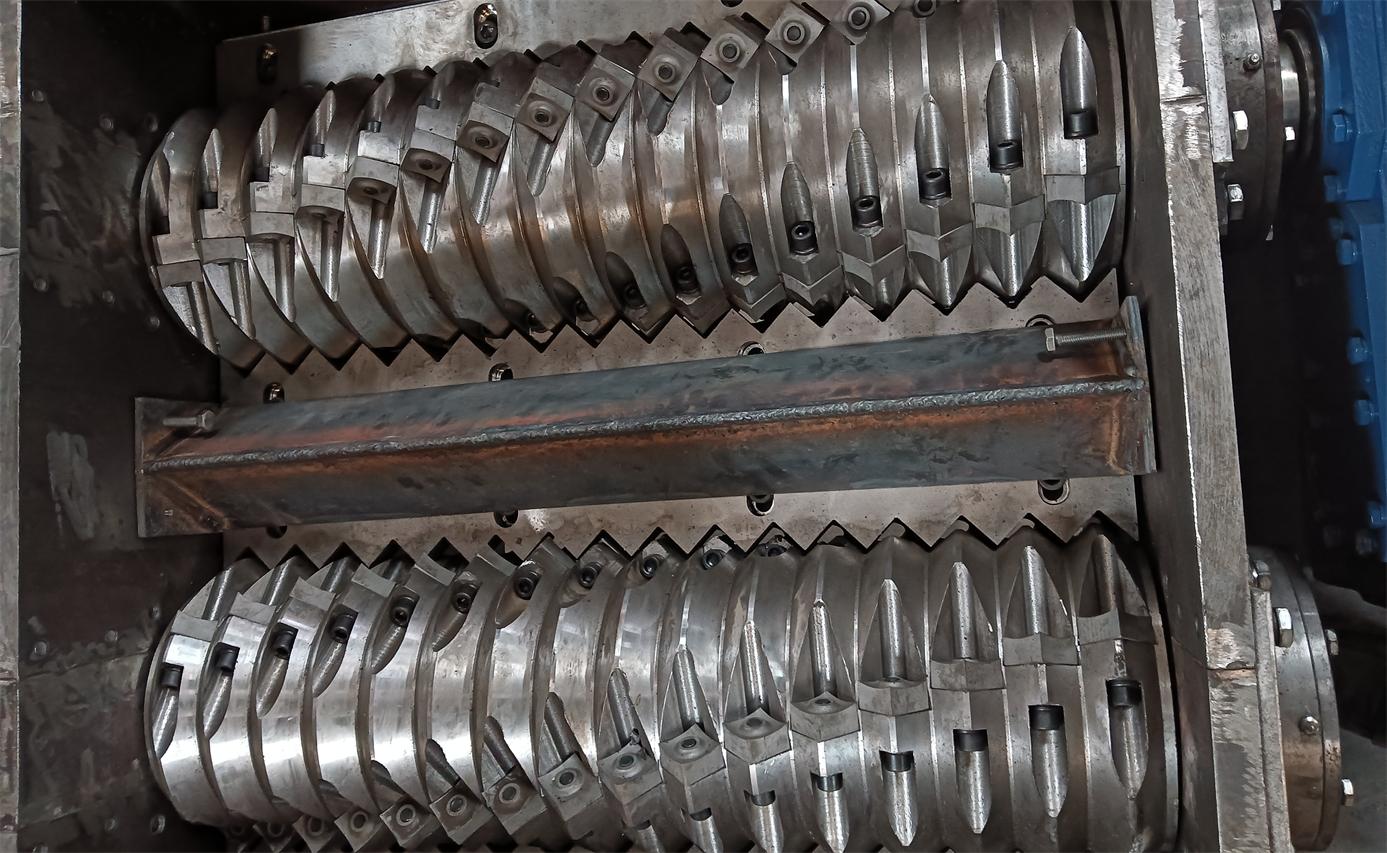
With the electric vehicle and energy storage markets booming, lithium-ion battery recycling has become a critical growth segment. Li battery recycling equipment safely discharges, crushes, and separates batteries to recover black mass containing nickel, cobalt, and graphite, along with copper, aluminum, and plastic fractions. Advanced systems include air pollution control equipment to neutralize harmful gases released during crushing. Capacities from 500 kg/hour to 2,500 kg/hour are available to match your project scale.
The Advantages of EPC Turnkey Solutions
Building a recycling plant involves far more than purchasing individual machines. Engineering, Procurement, and Construction (EPC) turnkey solutions simplify this complexity by delivering a fully integrated facility designed for your specific feedstock and production targets.
Experienced EPC providers handle plant layout design, equipment selection and integration, installation and commissioning, operator training, and ongoing technical support. This approach reduces project risk, accelerates startup timelines, and ensures all components work together optimally. Additionally, some suppliers offer value-added services such as assistance sourcing waste feedstocks and establishing offtake agreements for recovered materials.
What to Look for in an Equipment Supplier
Selecting the right equipment partner can determine the long-term profitability of your recycling operation. Consider these factors during your evaluation:
- Technical Expertise: Look for suppliers with engineering teams holding advanced degrees and extensive hands-on experience in recycling machinery design.
- Proven International Experience: Suppliers with installations across multiple continents understand diverse regulatory environments and operational conditions.
- Customization Capability: Your feedstock and local market conditions are unique. Avoid one-size-fits-all solutions in favor of customizable plant designs.
- Environmental Compliance: Ensure equipment includes adequate pollution control systems for air, water, and noise emissions.
- After-Sales Support: Spare parts availability, remote diagnostics, and on-site technical assistance minimize costly downtime.
San Lan Technologies: Your Partner in Recycling Excellence
San Lan Technologies Co., Ltd has been manufacturing WEEE recycling machines and mining equipment since 2007. Based in Jiangxi Province, China, the company serves customers across 21 countries including Singapore, Colombia, Vietnam, Mexico, Argentina, Korea, Malaysia, Indonesia, South Africa, Tunisia, India, Kenya, Saudi Arabia, and the Philippines.
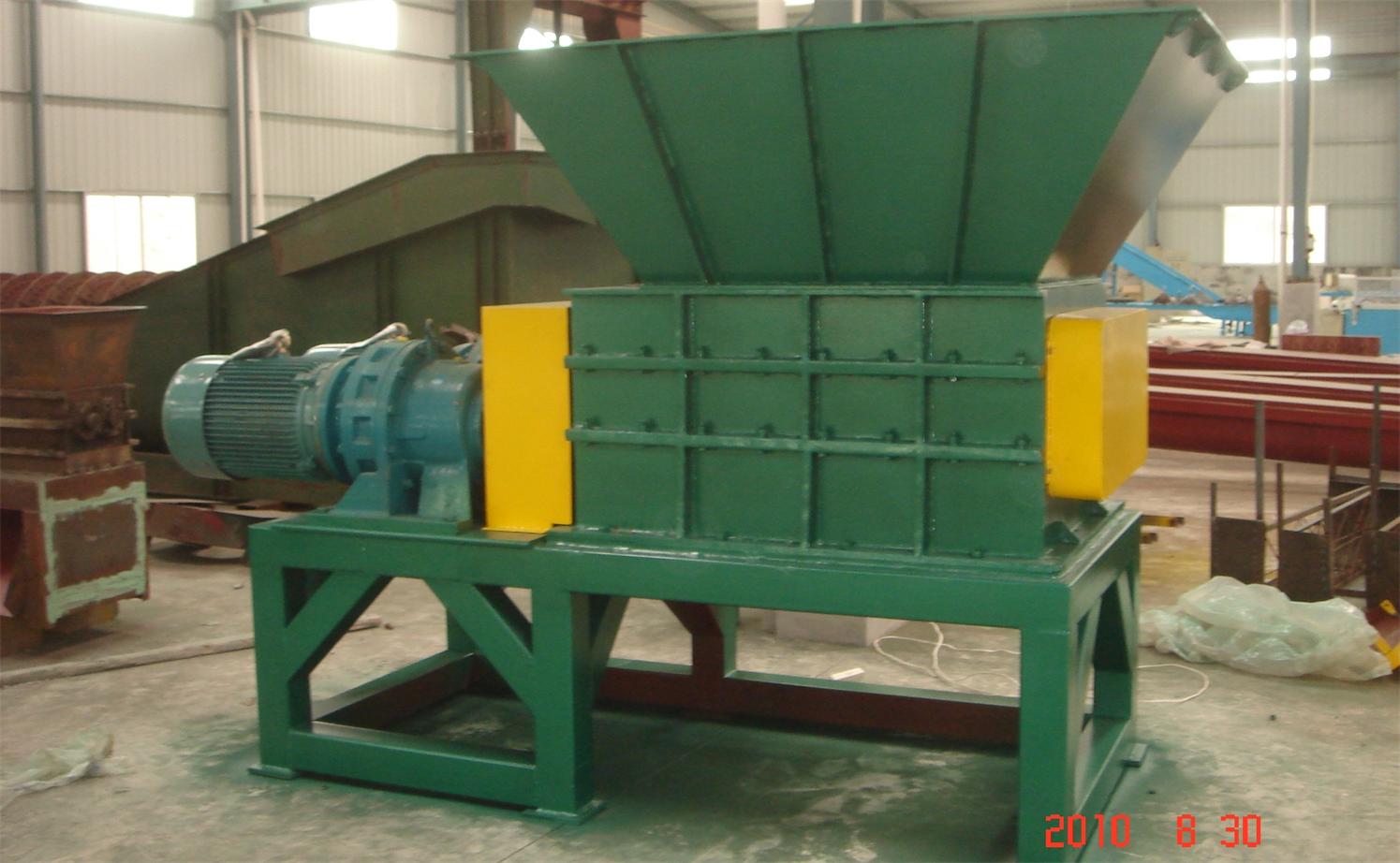
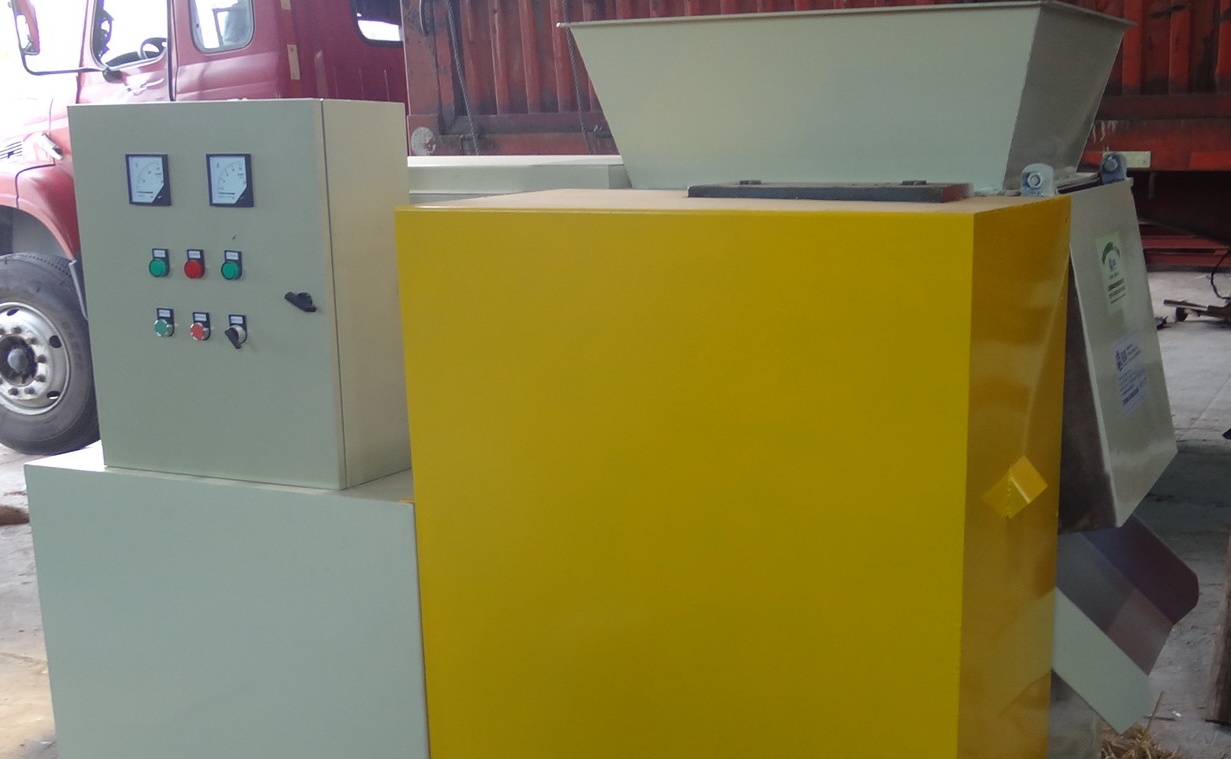
San Lan's product portfolio covers the full spectrum of e-waste recycling needs: circuit board recycling plants with wet and dry separation, cable granulators and strippers, lead acid battery breaking and smelting systems, lithium battery crushing and separation lines, refrigerator and AC recycling equipment, CRT cutters, motor dismantling machines, shredders, and metal melting furnaces. Capacities are customizable to match project requirements from pilot scale to full industrial production.
Beyond equipment manufacturing, San Lan provides comprehensive EPC project services including customized plant design, one-stop equipment procurement, installation and commissioning, and ongoing technical support. The team also assists customers with feedstock sourcing and product offtake, creating end-to-end value for recycling plant operators.
Conclusion
The e-waste recycling industry offers substantial opportunities for entrepreneurs and established waste management companies alike. Success begins with selecting the right equipment for your target materials and partnering with a supplier who understands the technical, regulatory, and commercial complexities of recycling operations. By investing in proven machinery and leveraging experienced EPC support, you can build a recycling plant that delivers both environmental impact and strong financial returns.
Ready to start your recycling project? Contact San Lan Technologies today to discuss your equipment requirements and receive a customized plant proposal tailored to your feedstock and production goals.
Email: info@san-lan.com | WhatsApp: 86 139 2377 4083
Website: www.san-lan.com