How to Build a Profitable E-Waste Recycling Plant: A Complete Equipment Guide
Your roadmap to selecting the right machinery and partner for long-term success
The Growing Opportunity in E-Waste Recycling
The global surge in electronic consumption has created an unprecedented challenge and opportunity. Millions of tons of discarded electronics, batteries, and cables pile up annually, creating environmental hazards while locking away valuable metals like copper, lead, lithium, and precious metals. For entrepreneurs and established businesses alike, investing in recycling equipment represents not just an environmentally responsible choice, but a genuinely profitable venture.
However, the difference between a successful recycling operation and a failed investment often comes down to one critical factor: choosing the right equipment and supplier. This guide walks you through everything you need to know about setting up an efficient, compliant, and profitable recycling facility.
Understanding the Core Recycling Processes
Before purchasing any machinery, it is essential to understand the fundamental processes involved in modern recycling operations:
1. Breaking and Separation
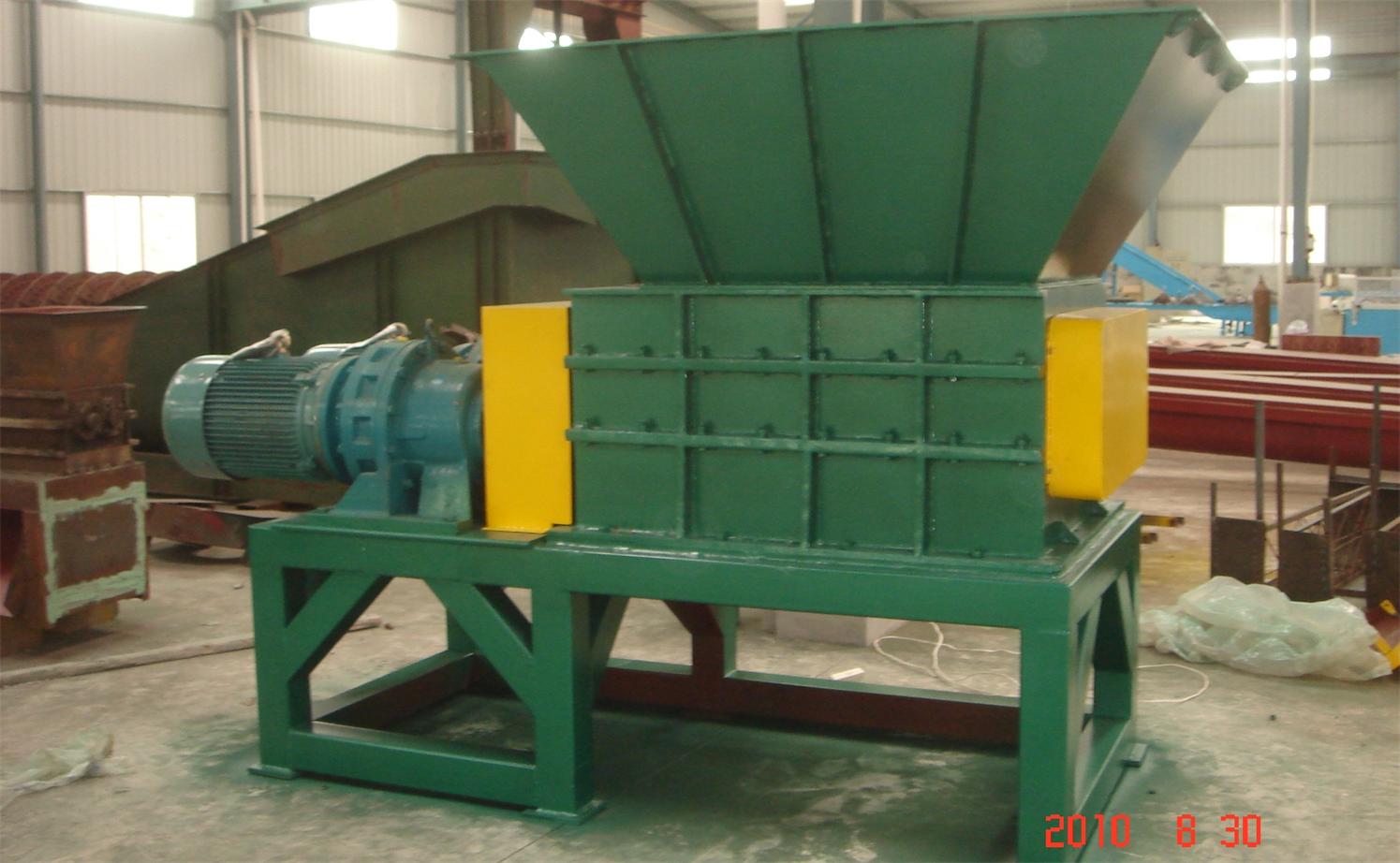
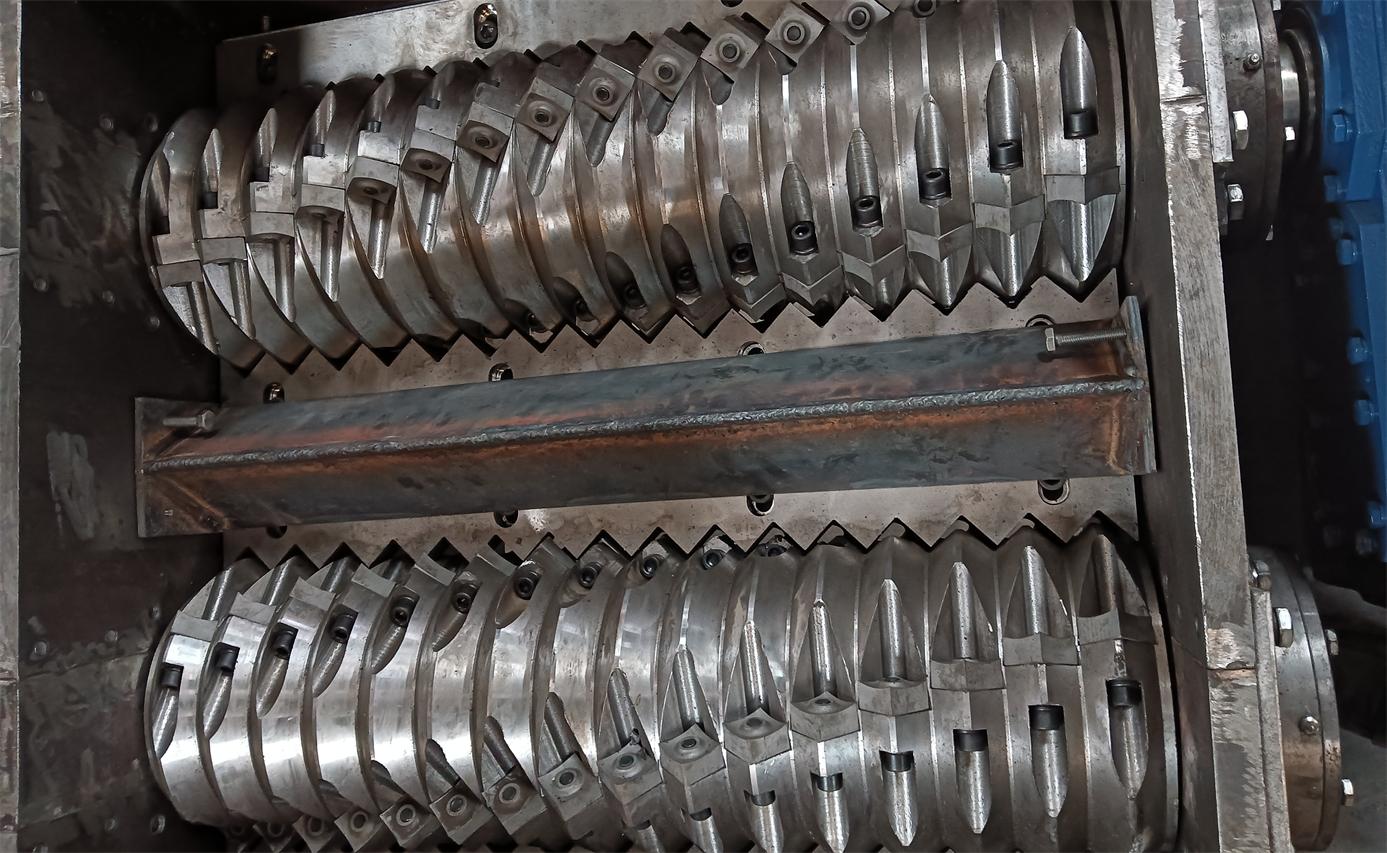
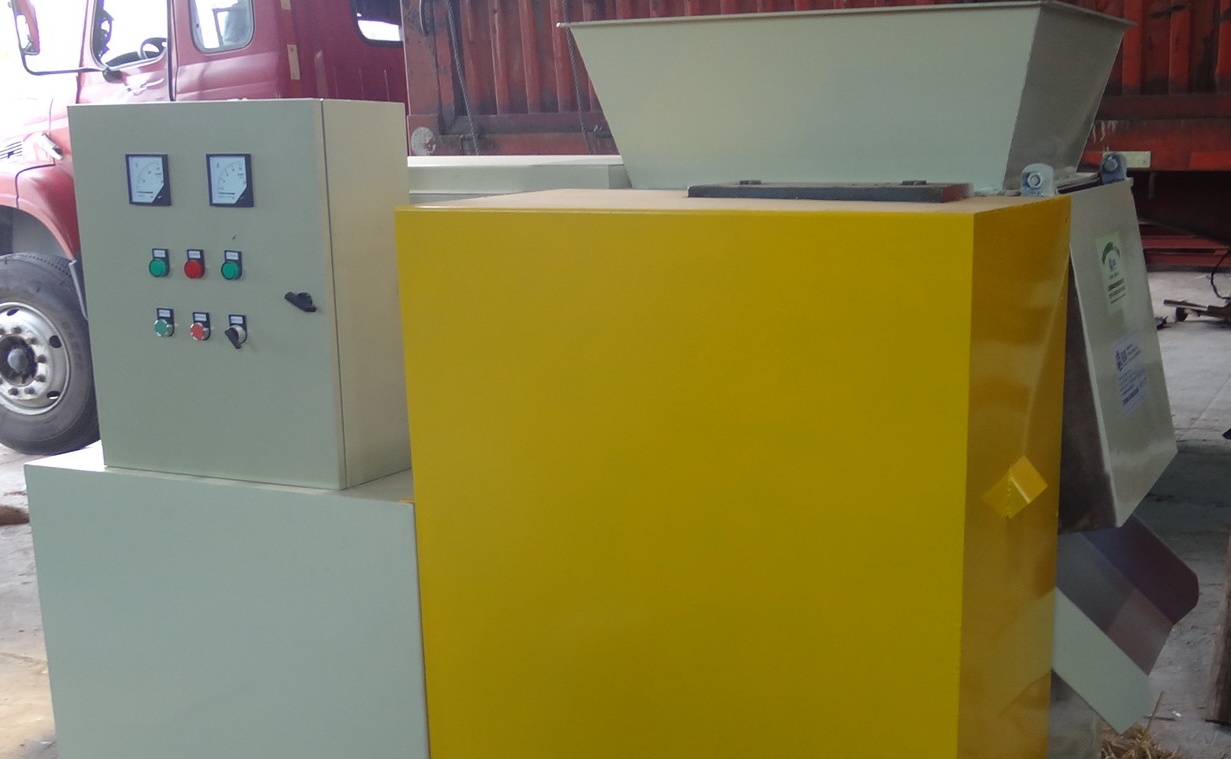
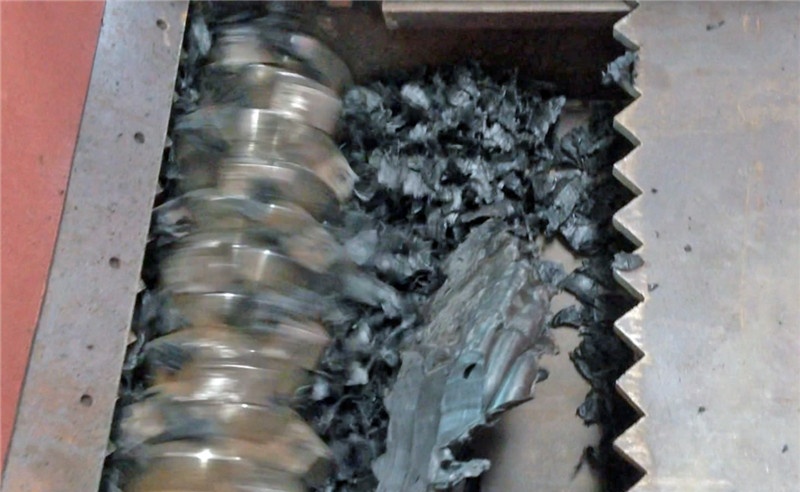
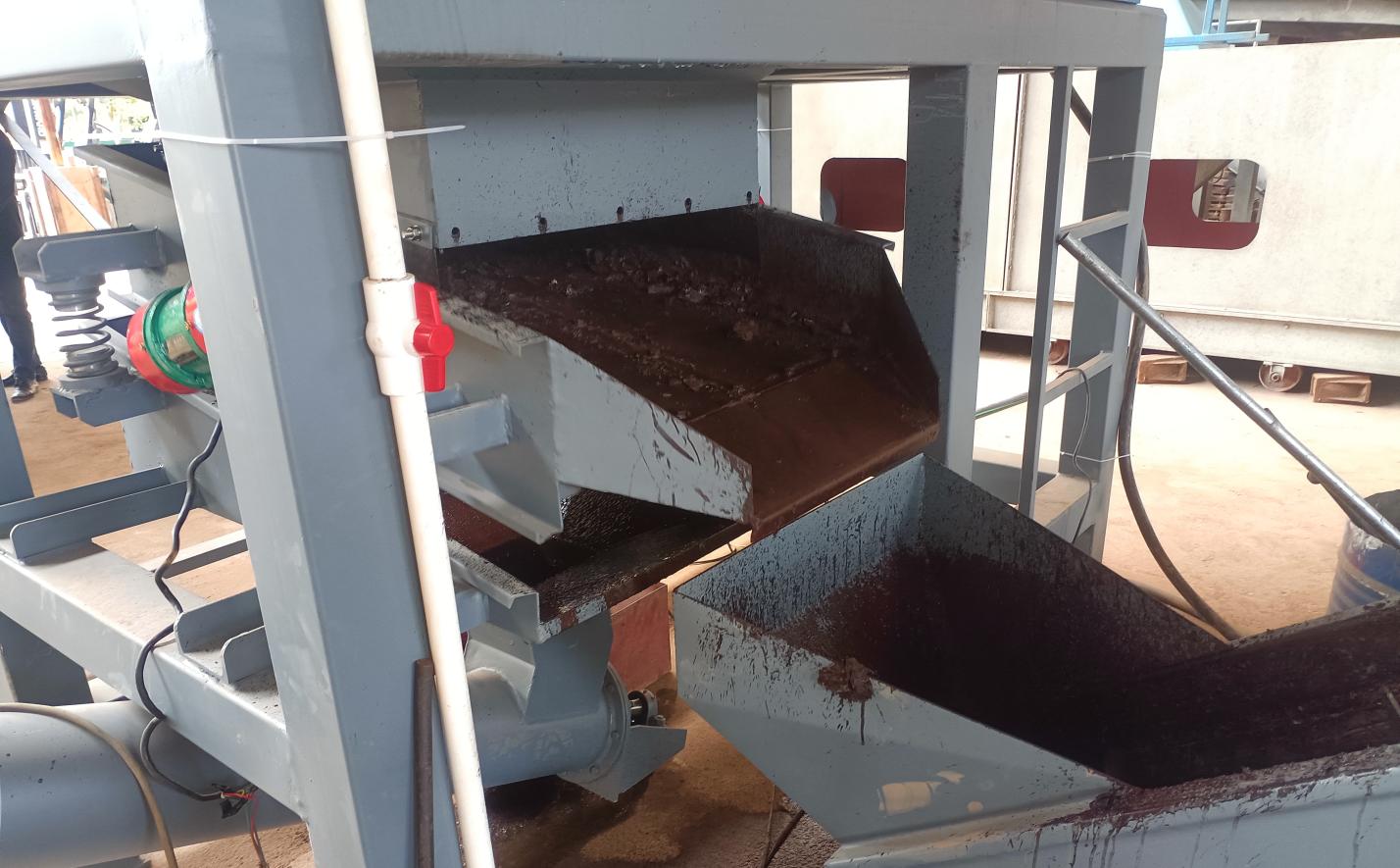
Most recycling operations begin with mechanical breaking and separation. Whether you are processing used lead acid batteries, lithium-ion batteries, or printed circuit boards, the first step involves safely dismantling the waste material into component parts. Advanced recycling equipment supplier systems use automated processes to crush, granulate, and classify materials with minimal manual intervention.
2. Material Recovery
Once separated, valuable materials must be extracted with maximum purity. Copper recovery from cables, lead extraction from battery paste, and black mass recovery from lithium batteries all require specialized equipment designed for high recovery rates. Leading manufacturers now offer systems achieving 95% recovery rates or higher.
3. Environmental Compliance
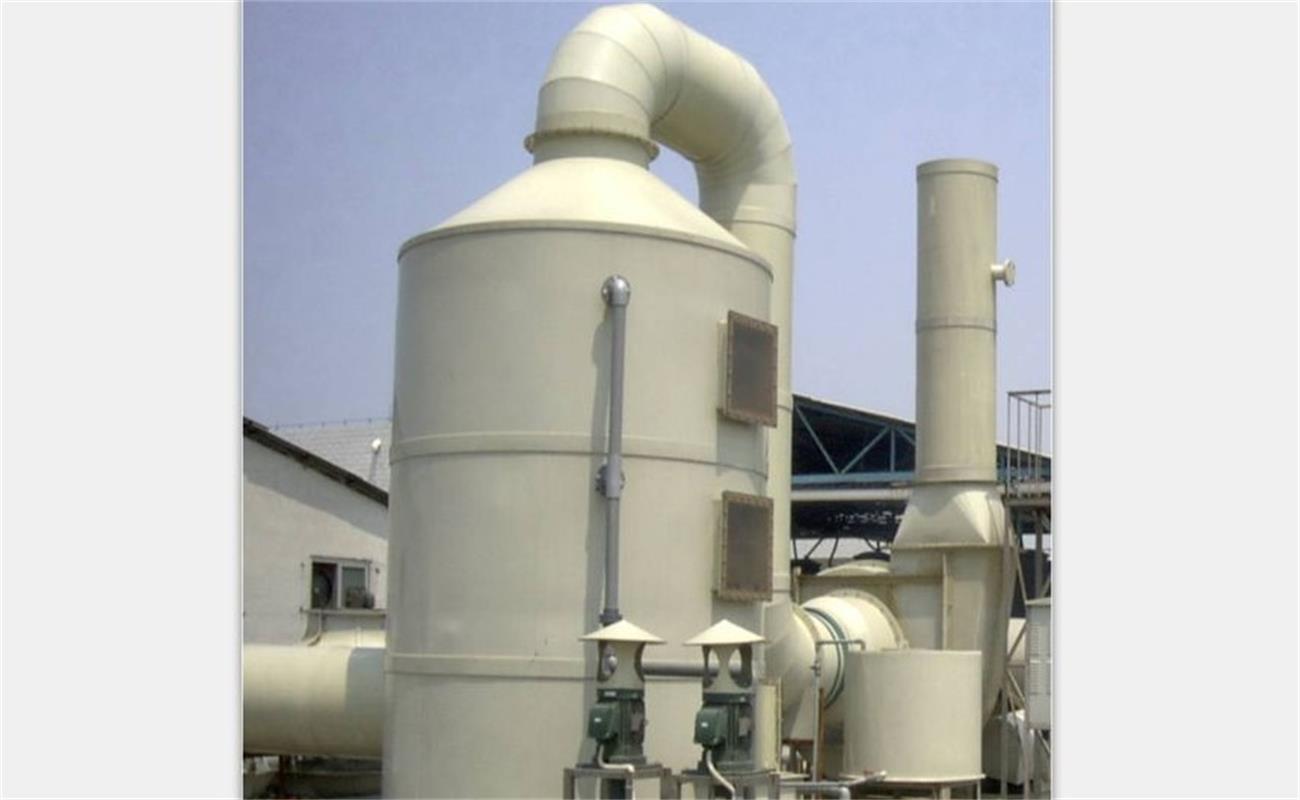
Modern recycling plants must meet strict environmental standards. Air pollution control systems, water treatment facilities, and effluent management are not optional add-ons they are essential components of any legitimate operation. Investing in comprehensive environmental protection from the outset prevents costly retrofits and regulatory penalties later.
Key Equipment Categories for a Complete Recycling Plant
Lead Acid Battery Recycling Systems
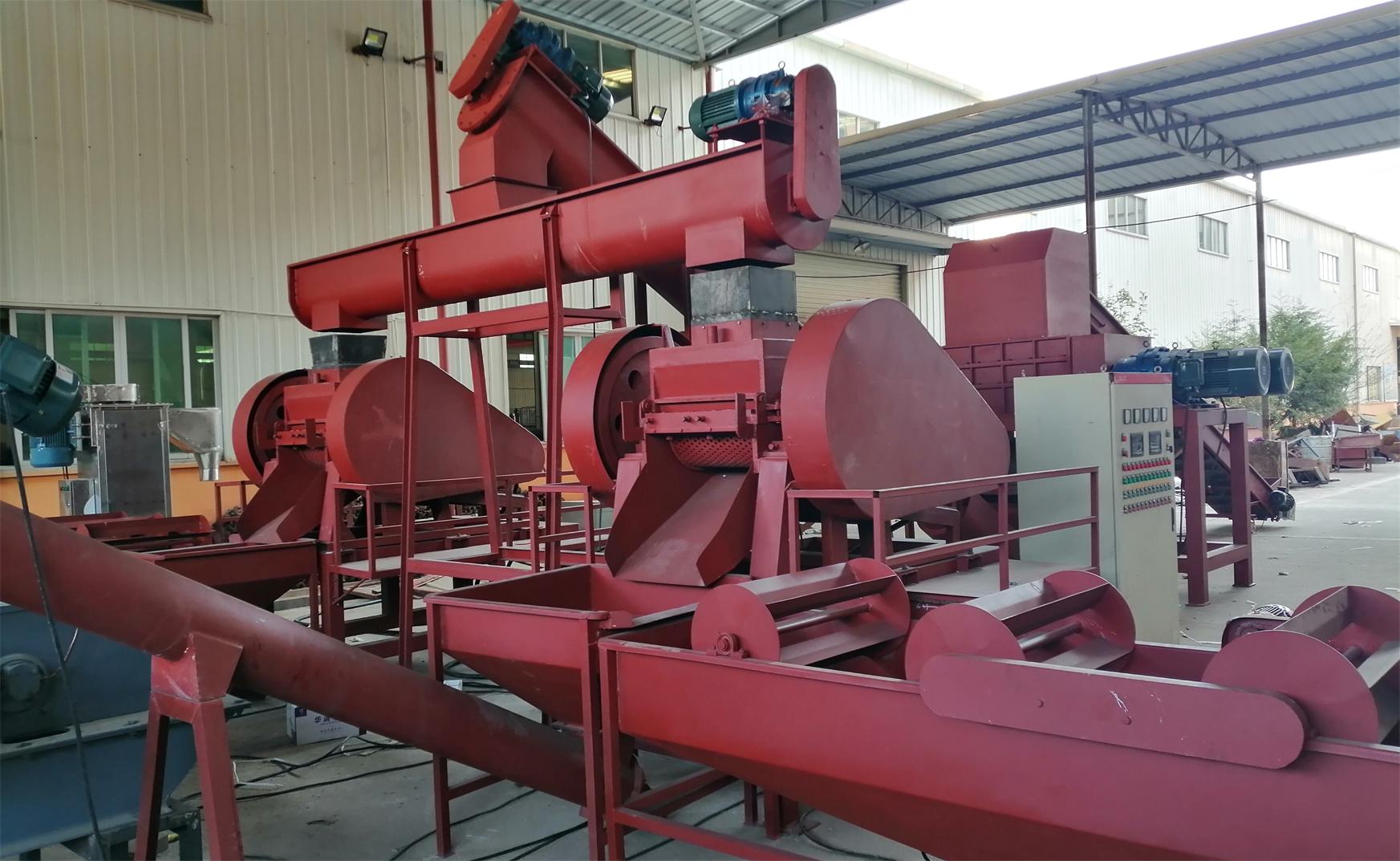
Used lead acid batteries represent one of the most recycled products globally, with well-established recovery economics. A complete lead acid battery recycling equipment line typically includes:
- Battery breaking and separation systems that safely crush batteries and separate lead paste, lead grids, plastic cases, and acid
- De-sulfurization units to remove sulfur from lead paste, reducing melting temperatures and emissions
- Rotary furnaces or blast furnaces for reducing lead paste to crude metallic lead
- Lead refinery kettles to refine crude lead to 99.999% purity
- Air pollution control systems to capture and neutralize harmful emissions
- Water treatment plants to manage acidic wastewater
With processing capacities ranging from 1 to 10 metric tons per hour, these systems can be scaled to match your projected feedstock volume.
Lithium Battery Recycling Plants
The explosive growth of electric vehicles and portable electronics has made lithium battery recycling one of the fastest-growing segments. A modern lithium battery recycling plant typically processes 500-2,500 kg per hour, recovering:
- Black mass containing nickel, cobalt, and graphite
- Copper and aluminum fractions
- Plastic separator films
Given the fire and chemical hazards associated with lithium batteries, these systems require specialized discharging, pre-crushing, and air pollution control technologies.
Circuit Board Recycling Equipment
Printed circuit boards contain significant concentrations of copper and trace precious metals. Depending on your capacity and local regulatory requirements, you can choose between:
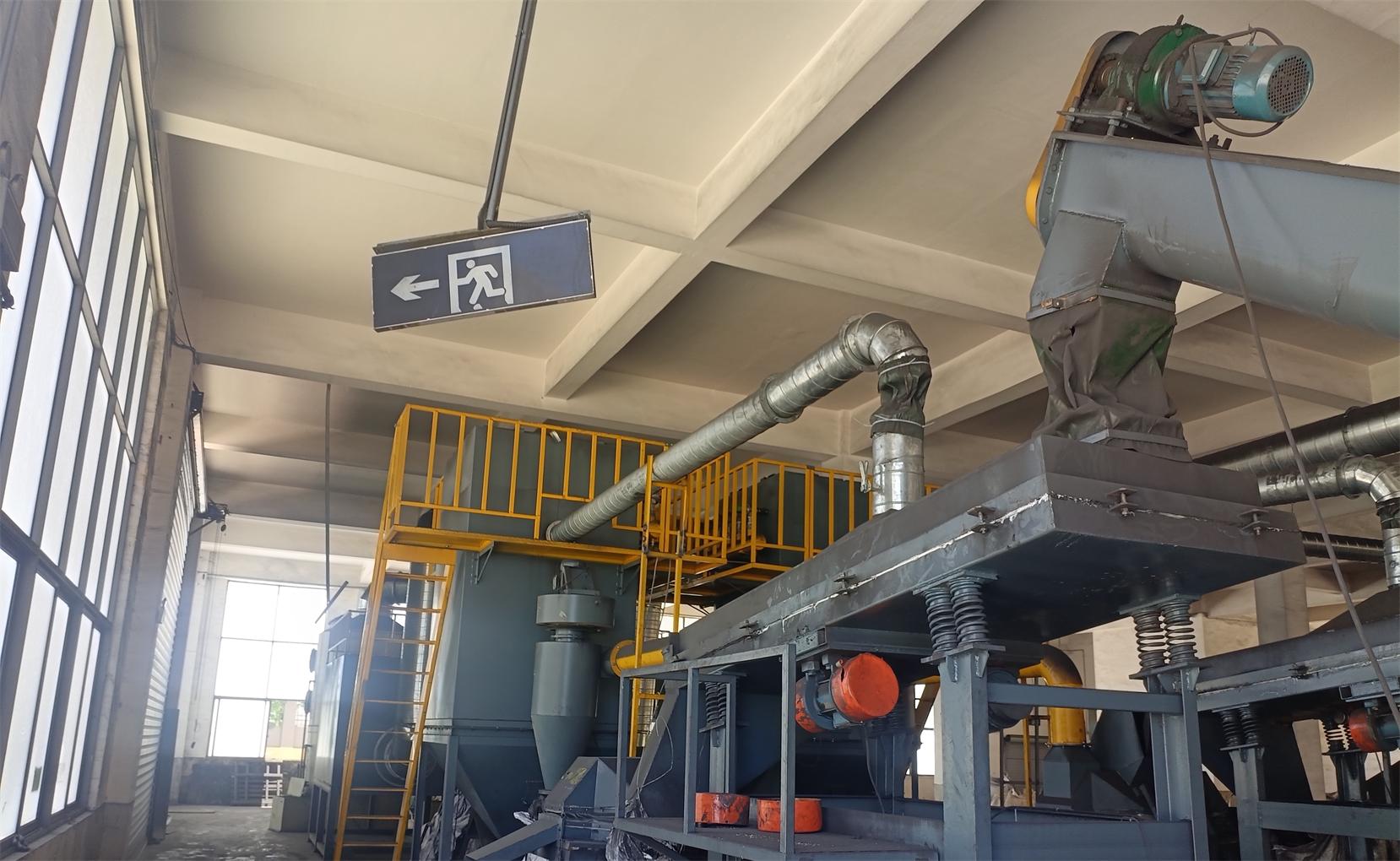
- Dry separation systems using air classifiers, electrostatic separators, and pulse dust collectors
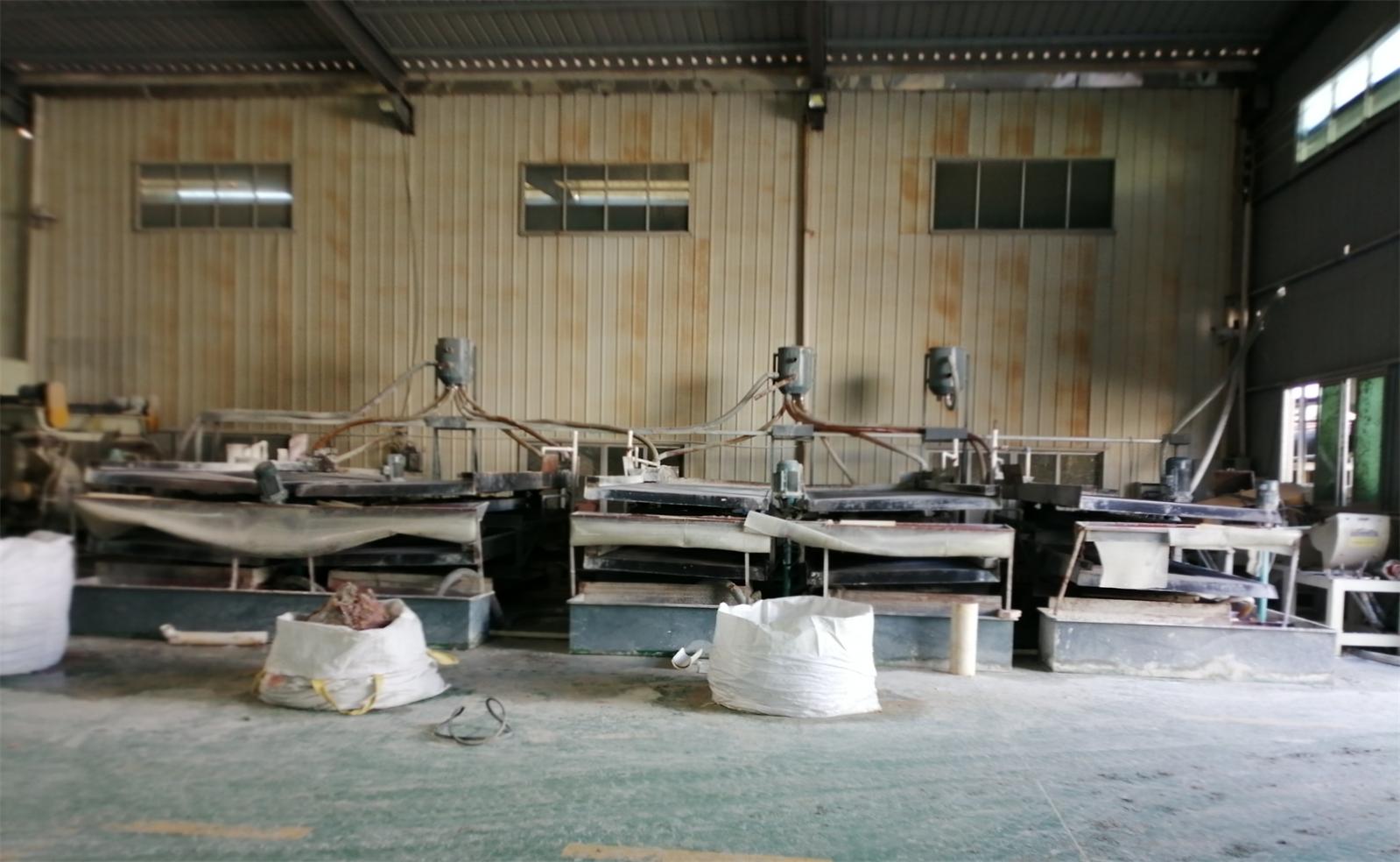
- Wet separation systems achieving higher copper purity (96-98%) through water-based metal separation
Capacities typically range from 300 kg/hour for smaller operations to 2,000 kg/hour or more for industrial-scale facilities.
Cable Recycling Machinery
Scrap cable represents one of the most straightforward and profitable recycling streams. Cable recycling equipment separates copper or aluminum conductors from plastic insulation through crushing and air or water separation. Modern cable granulators can process everything from thin communication wires to thick industrial cables up to 150 mm in diameter.
What to Look for in a Recycling Equipment Manufacturer
Technical Expertise and Experience
Recycling machinery is not a commodity purchase. The complexity of material science, mechanical engineering, and environmental compliance involved demands a supplier with deep technical expertise. Look for manufacturers whose teams include mechanical engineers with years of direct experience in recycling technology development.
San Lan Technologies, established in 2007, brings together a professional technical support team with master's degrees in mechanical engineering and over 15 years of hands-on experience in e-waste recycling machines. This level of specialization directly translates into more reliable equipment, better recovery rates, and fewer operational problems.
Complete Project Capability
The most successful recycling plant implementations come from suppliers who can deliver turnkey solutions. EPC (Engineering, Procurement, Construction) project experience means your supplier can handle:
- Customized plant design based on your specific materials and capacity requirements
- Equipment manufacturing and quality control
- Installation and commissioning
- Operator training
- After-sales technical support
A one-stop purchasing center approach eliminates the coordination headaches of dealing with multiple vendors and ensures all components work together seamlessly.
Proven International Track Record
Recycling regulations, material characteristics, and operational conditions vary significantly across regions. A supplier with experience serving customers in diverse international markets will be better prepared to address your specific challenges. San Lan has supplied equipment to customers in over 21 countries including Singapore, Colombia, Vietnam, Mexico, Argentina, Korea, Malaysia, Indonesia, South Africa, Tunisia, India, Kenya, Saudi Arabia, and the Philippines.
Value-Added Services
Beyond equipment supply, the best manufacturers offer services that accelerate your path to profitability:
- Raw material sourcing assistance to help you secure consistent feedstock supply
- Product offtake support to connect you with buyers for recovered materials like copper rice, copper powder, and lead ingots
- Investment and partnership facilitation for larger project developments
These services can be invaluable, particularly for new entrants to the recycling industry.
Making the Right Investment Decision
Assess Your Feedstock
Begin by realistically evaluating your access to waste materials. The type, volume, and consistency of available feedstock should drive your equipment selection. A facility processing primarily automotive lead acid batteries requires different equipment than one handling mixed e-waste or lithium batteries from consumer electronics.
Define Your Output Products
Understand your target market for recovered materials. High-purity copper powder commands premium pricing but requires more sophisticated separation equipment. Direct lead ingot production requires smelting and refining capabilities. Your output specifications will influence equipment configuration significantly.
Plan for Environmental Compliance
Environmental regulations are becoming stricter globally. Designing your plant to exceed current standards protects your operation from future regulatory changes and positions you as a responsible operator. Budget for comprehensive air pollution control, wastewater treatment, and dust collection systems from the beginning.
Consider Total Cost of Ownership
The purchase price of equipment is only one component of total cost. Consider:
- Energy consumption (electric-heated refinery kettles can save 30-50% compared to fuel-fired alternatives)
- Maintenance requirements and spare parts availability
- Labor requirements for operation
- Recovery rates and their direct impact on revenue
A higher initial investment in more efficient equipment often pays for itself many times over through lower operating costs and higher material recovery.
Conclusion: Partner for Long-Term Success
Building a profitable recycling plant requires more than purchasing machinery it demands a strategic partnership with an experienced equipment manufacturer who understands both the technical and business dimensions of recycling operations.
With nearly two decades of specialization in WEEE recycling machines and mining equipment, San Lan Technologies offers the technical depth, international experience, and comprehensive service portfolio to support your recycling venture from concept through profitable operation. Whether you are entering the market with a focused operation in battery recycling, cable processing, or circuit board recovery, or building a diversified e-waste facility, the right equipment partnership is your foundation for success.
Contact San Lan Technologies today to discuss your specific project requirements and discover how our customized recycling solutions can turn your waste stream into a valuable resource.