The world generates over 60 million tonnes of e-waste annually, yet less than 20% is formally recycled. This gap represents not just an environmental crisis, but a massive business opportunity. For entrepreneurs and investors looking to enter the recycling industry, choosing the right equipment is the single most important decision that will determine profitability and long-term success.
The Global E-Waste Recycling Opportunity
Electronic waste is the fastest-growing waste stream globally. Smartphones, laptops, batteries, circuit boards, and cables all contain valuable metals including copper, gold, silver, aluminum, and lithium. A tonne of mobile phone circuit boards contains more gold than a tonne of high-grade mined ore. This makes e-waste recycling one of the most resource-efficient industries in the world.
The global e-waste management market is projected to reach $145 billion by 2030, growing at a CAGR of over 13%. Driving this growth are stricter environmental regulations, rising metal prices, and increasing corporate demand for sustainable supply chains. For new entrants, the key is to focus on specific waste streams and invest in proven, high-efficiency recycling equipment.
Core Recycling Streams and Essential Equipment
A successful recycling plant typically focuses on one or more core waste streams. Each stream requires specialized machinery designed to maximize recovery rates while meeting environmental standards. Below are the four most profitable e-waste recycling segments and the equipment needed for each.
Lead Acid Battery Recycling
Used lead acid batteries (ULAB) represent one of the most recycled products in the world, with well-established collection networks and consistent demand for recovered lead. A complete lead acid battery recycling equipment line typically includes a battery breaking and separation system, de-sulfurization unit, rotary furnace or blast furnace for paste reduction, lead refinery kettle, and air pollution control system.
Modern lead acid battery recycling plants can process 1–10 MT per hour, recovering lead grid, lead paste, plastic shells, and hard rubber. Recovery rates for lead can exceed 95% when using advanced smelting equipment. The de-sulfurization unit is particularly important as it reduces sulfur content in lead paste, lowers melting temperatures, decreases SO2 emissions, and saves on energy and additives.
Lithium Battery Recycling
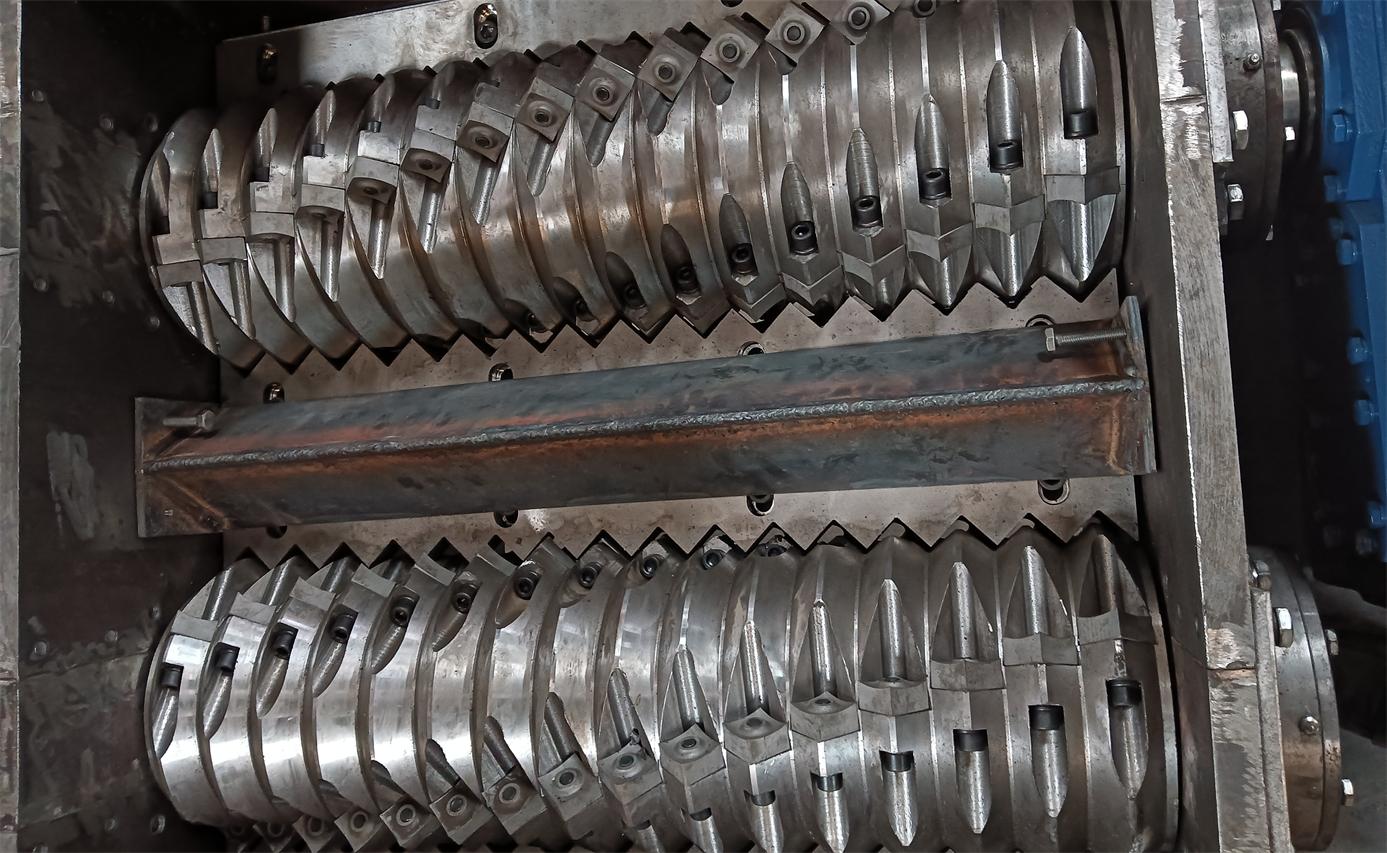
With the explosive growth of electric vehicles and portable electronics, lithium-ion battery waste is surging. Unlike lead acid batteries, lithium batteries require specialized handling due to fire risks and the complexity of their chemistry. A comprehensive li battery recycling equipment setup includes discharging systems, pre-crushers, secondary granulators, black powder separation units, and magnetic separators for iron and steel recovery.
State-of-the-art lithium battery recycling plants can process 500–2,500 kg per hour, recovering black mass containing nickel, cobalt, and graphite, along with separated plastic, copper, and aluminum fractions. Given the strategic importance of critical minerals like lithium and cobalt, this segment offers exceptional long-term growth potential.
Circuit Board Recycling
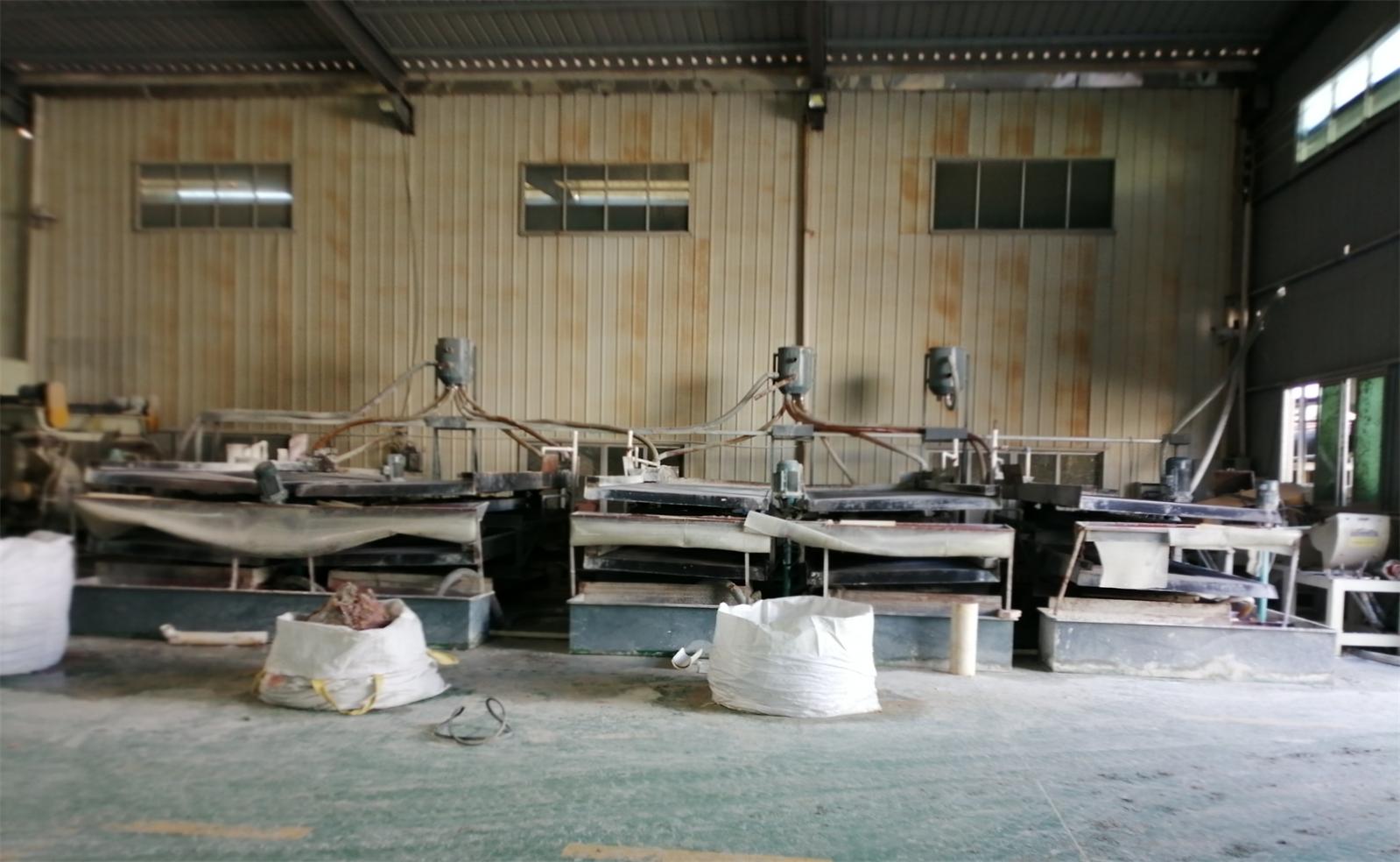
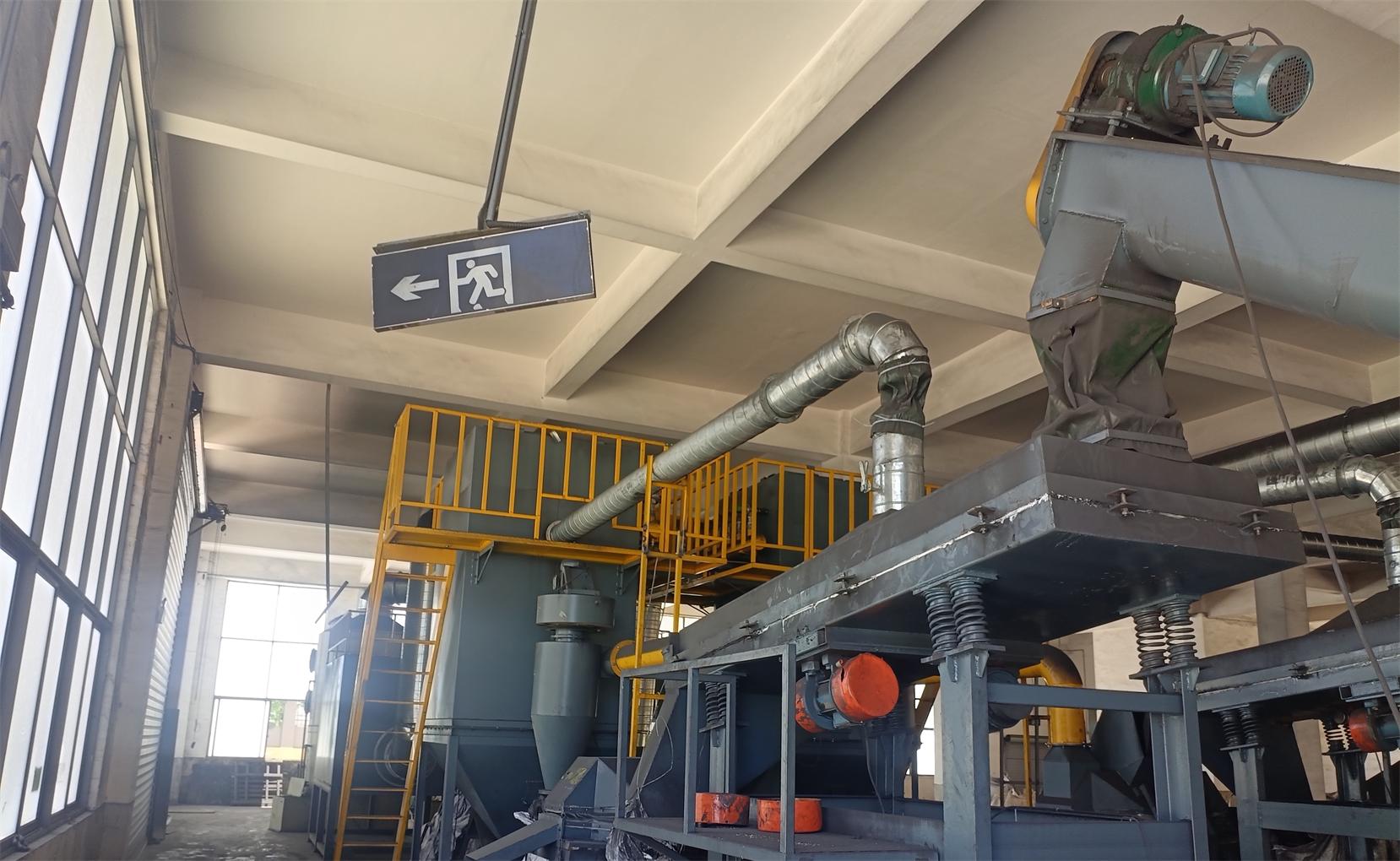
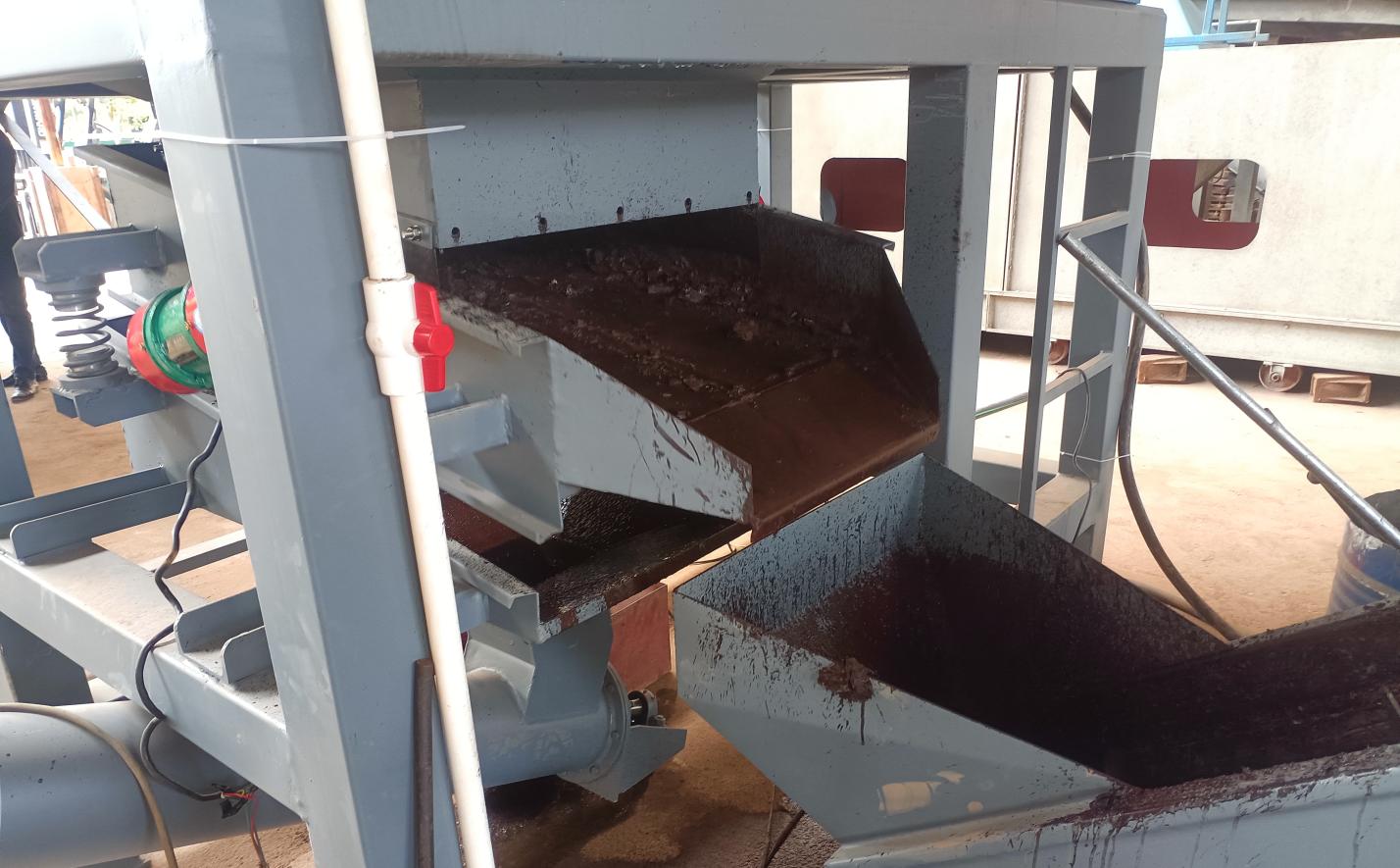
Printed circuit boards (PCBs) are among the most valuable e-waste fractions due to their high copper and precious metal content. Circuit board recycling equipment typically employs either dry or wet separation technologies. Dry separation plants use air classifiers, electrostatic separators, and pulse dust collectors, while wet separation systems use water-based metal separation to achieve high purity copper powder.
Advanced circuit board recycling plants can achieve copper powder purity of 96–98% with recovery rates around 95%. Capacities range from 300 kg/hour for smaller operations up to 2,000 kg/hour or more for industrial-scale facilities. The choice between dry and wet separation depends on local environmental regulations, water availability, and the specific types of boards being processed.
Cable and Wire Recycling
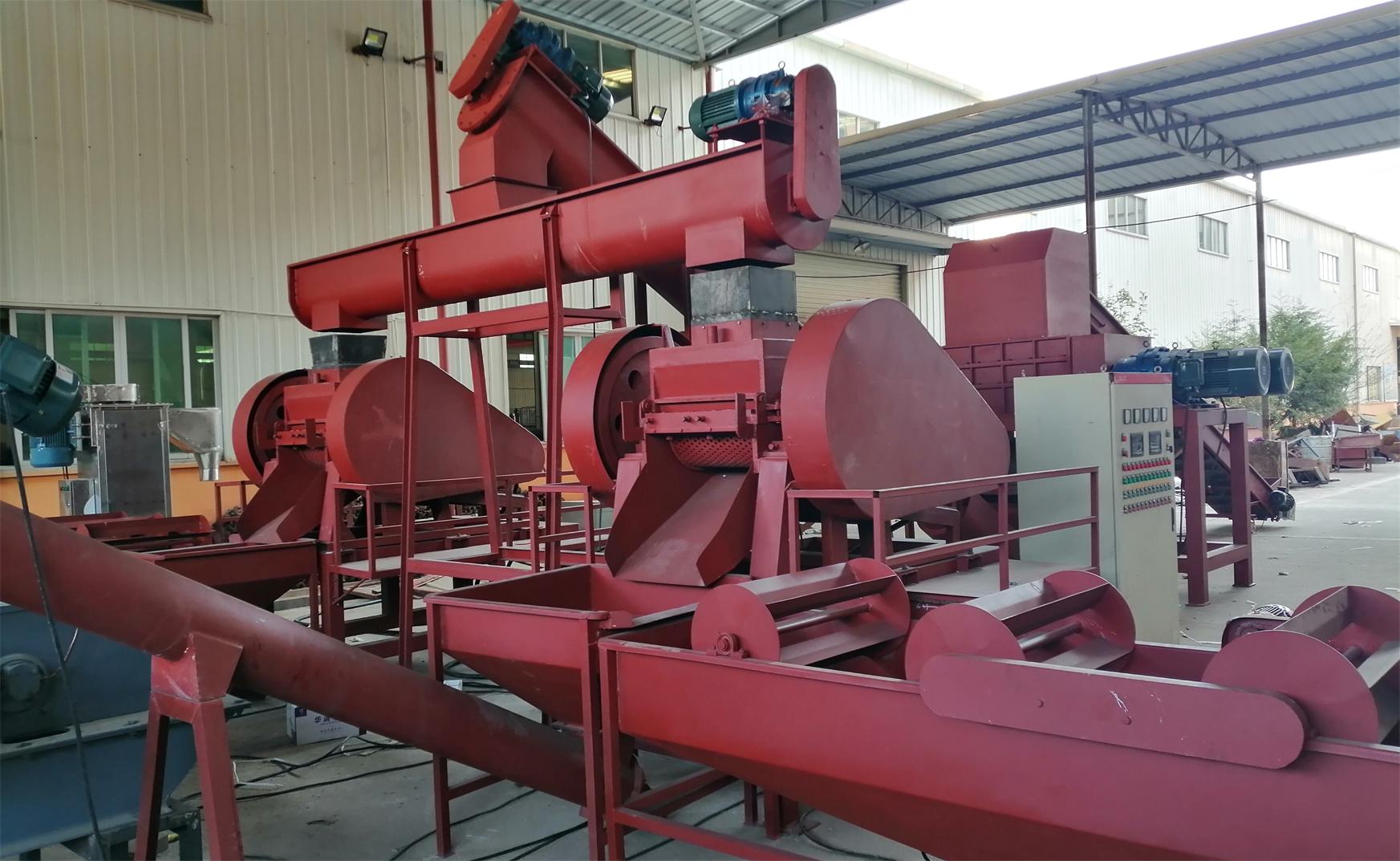
Scrap cables and wires contain copper and aluminum that can be recovered at high purity using cable granulators and strippers. A typical cable recycling line includes a scrap cable stripper for large-diameter cables, followed by a cable granulator with dry separation to separate metal from plastic insulation. Recovery rates for copper and aluminum typically exceed 99%.
Cable recycling equipment is often the most accessible entry point for new recyclers due to lower capital requirements and simpler operation. Capacities range from 100 kg/hour for compact machines to over 1,200 kg/hour for industrial systems.
Key Factors When Selecting Recycling Equipment
Choosing the right equipment supplier is as important as choosing the right equipment. Here are the critical factors to evaluate before making an investment:
- Recovery Rate and Purity: The primary economic driver of any recycling plant is how much material it recovers and at what purity. Always request performance guarantees and, if possible, arrange a material test before purchase.
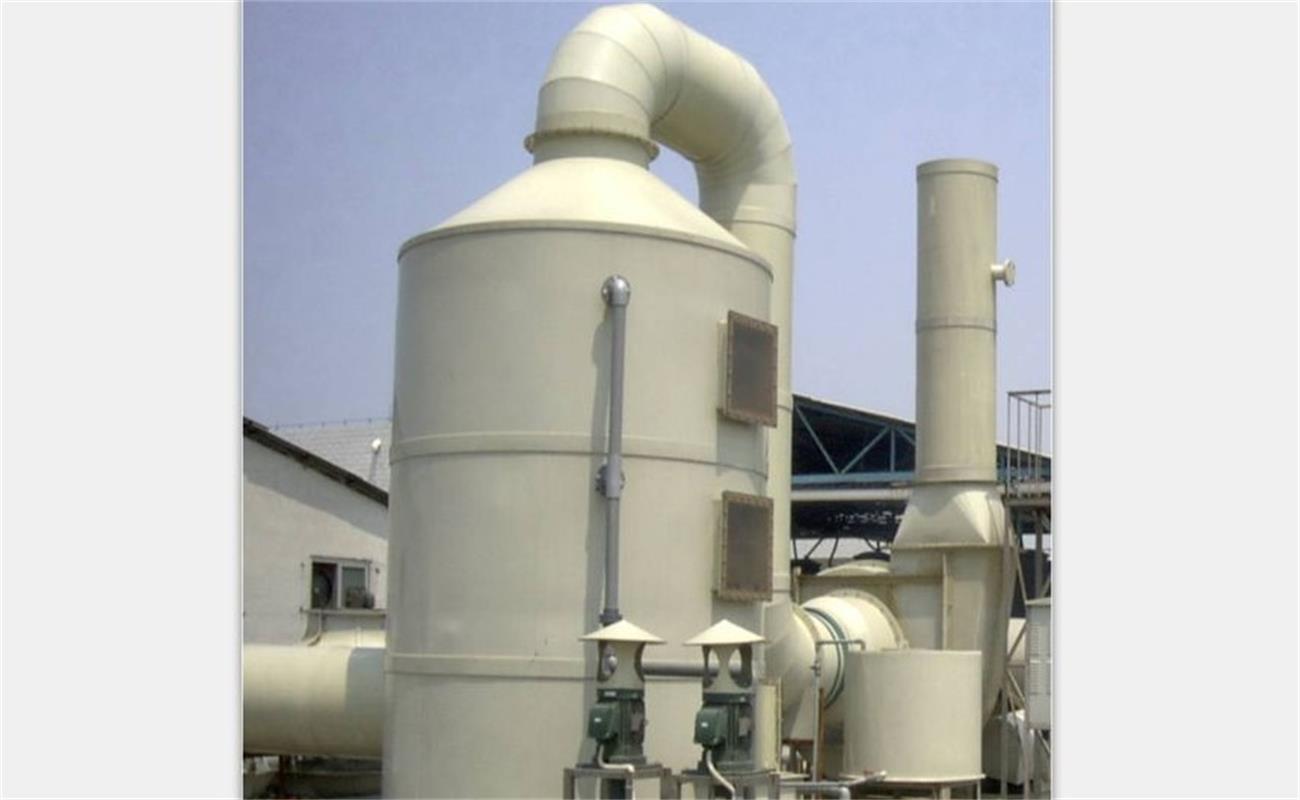
- Environmental Compliance: Modern recycling plants must meet strict emission and effluent standards. Ensure the equipment includes adequate pollution control systems such as dust collectors, scrubbers, and water treatment plants.
- Scalability and Customization: Your initial capacity requirements may change as your business grows. Look for suppliers who offer modular designs and can customize equipment to your specific feedstock and local conditions.
- After-Sales Support: Recycling machinery requires regular maintenance and occasional troubleshooting. A supplier with strong technical support, spare parts availability, and installation assistance will save you significant downtime and costs.
- Total Cost of Ownership: Beyond the purchase price, consider energy consumption, labor requirements, maintenance costs, and expected equipment lifespan over a 10-year period.
Why Experience Matters in Equipment Manufacturing
The e-waste recycling industry has no shortage of equipment manufacturers, but experience matters enormously. A supplier with deep expertise in WEEE recycling machinery can help you avoid costly mistakes in plant design, equipment selection, and process flow optimization.
Established manufacturers with over 15 years of experience typically offer engineering teams with advanced degrees in mechanical engineering and hands-on experience in EPC (Engineering, Procurement, Construction) projects. They can provide customized plant designs, assist with installation and commissioning, and even help source waste materials and find buyers for recovered products.
When evaluating suppliers, look for a proven international track record. Manufacturers serving customers across 20+ countries have demonstrated their ability to adapt equipment to different regulatory environments, material compositions, and operational conditions. This global experience translates directly into more reliable equipment and better project outcomes.
Building a Complete Recycling Ecosystem
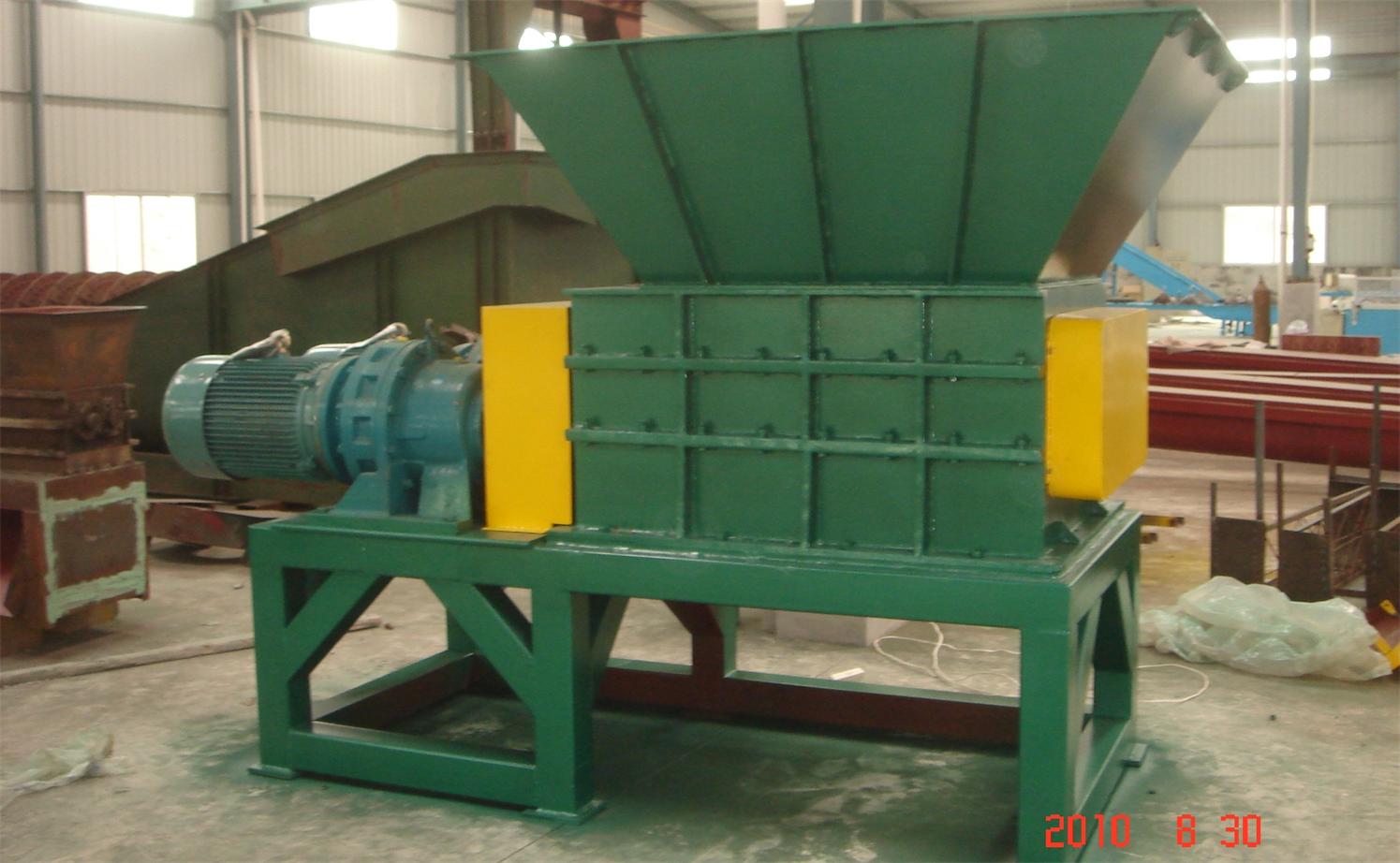
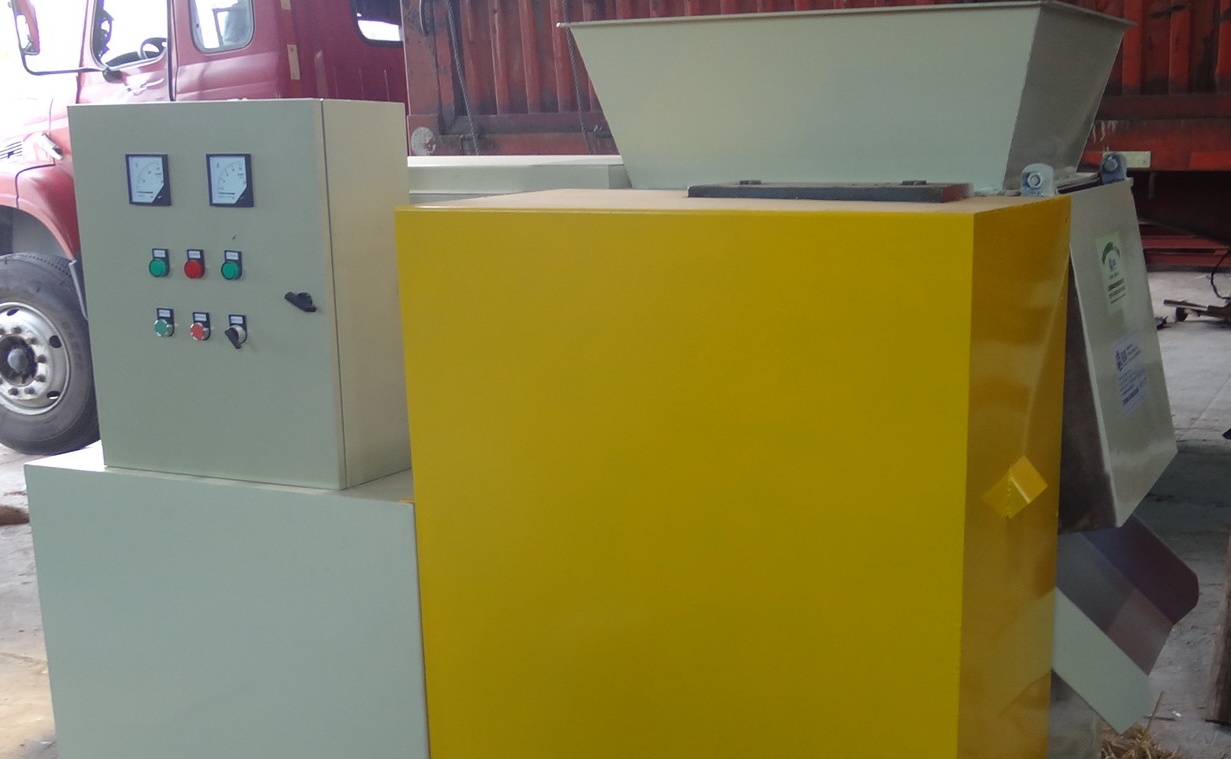
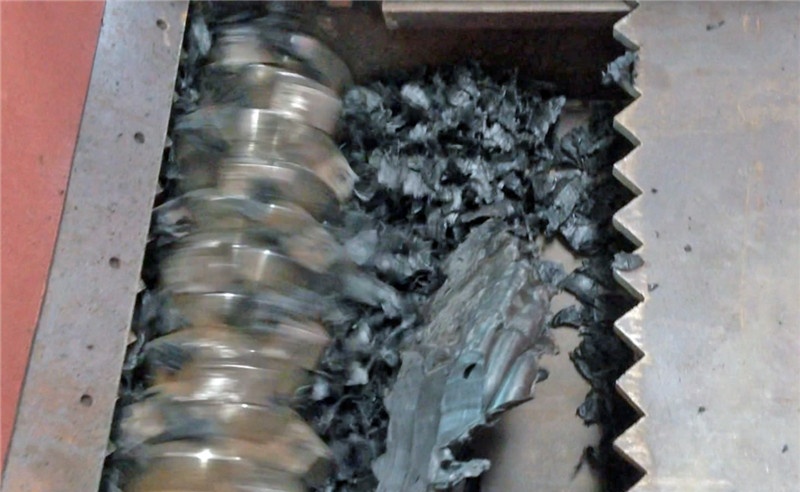
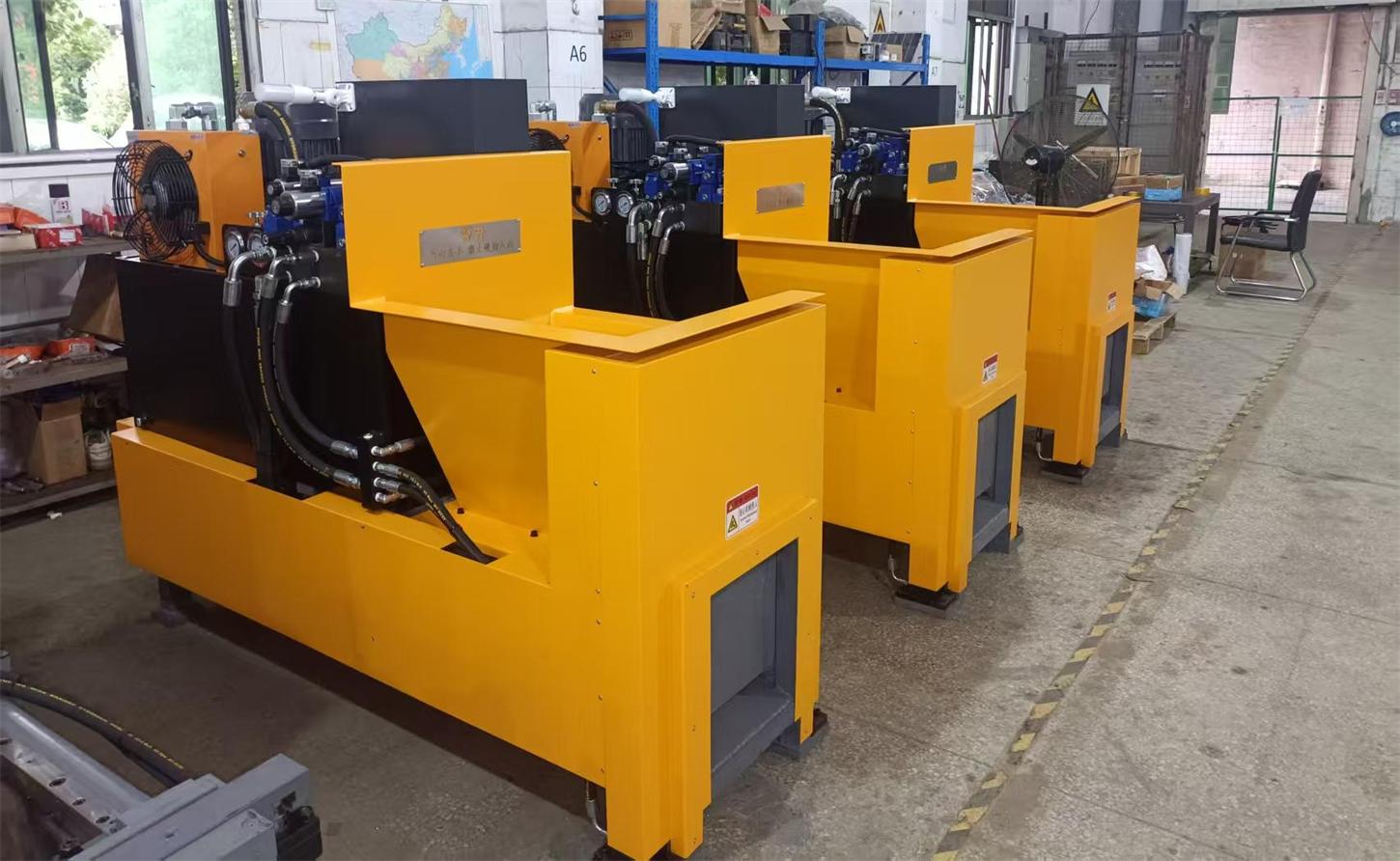
Beyond the core recycling lines, a successful plant requires supporting equipment. Pre-shredders and crushers reduce material size for efficient processing. Hydraulic presses compact metal chips and plastic films for easier transport. Metal melting furnaces convert recovered copper and lead into ingots, commanding higher market prices.
For specialized applications, equipment such as CRT cutters for old television and monitor recycling, refrigerator shredding and separating plants for appliance recycling, and motor stator cutters for electric motor dismantling can open additional revenue streams.
The most successful recycling operations often start with one or two core streams and gradually expand as market conditions and capital allow. This modular approach reduces initial risk while building operational expertise.
Ready to Start Your Recycling Business?
Building a profitable e-waste recycling plant starts with choosing the right equipment partner. With nearly two decades of experience in WEEE recycling machinery, San Lan Technologies Co., Ltd offers complete recycling solutions from initial design through installation and commissioning. Our equipment serves customers in over 21 countries, and our engineering team provides the technical expertise needed to maximize your recovery rates and profitability.
Contact us today to discuss your project requirements and receive a customized equipment proposal tailored to your specific waste streams and production goals.