Essential insights for investors and entrepreneurs entering the global e-waste recycling industry
The Booming E-Waste Recycling Market
Global e-waste generation is surging at an unprecedented pace. According to industry reports, the world produced approximately 62 million metric tonnes of electronic waste in 2022, and this figure is projected to reach 82 million tonnes by 2030. Yet only a fraction of this waste is properly recycled through formal channels, leaving massive untapped value in discarded electronics.
The reason is simple: e-waste is rich in recoverable materials. One tonne of mobile phone circuit boards contains more gold than a tonne of high-grade mined ore. Copper, aluminum, lead, lithium, cobalt, and rare earth elements are all present in significant quantities. For investors and entrepreneurs, this represents a compelling business opportunity driven by both environmental necessity and resource scarcity.
Governments worldwide are tightening regulations around e-waste disposal. Extended Producer Responsibility (EPR) frameworks, landfill bans, and import restrictions on hazardous waste are pushing manufacturers and recyclers toward formal recycling channels. These policy tailwinds create a stable demand foundation for recycling plant operators.
Key Recycling Streams and Required Equipment
A successful e-waste recycling operation typically focuses on one or more material streams. Each stream requires specialized machinery designed to maximize recovery rates while meeting environmental standards. Below are the most commercially viable recycling categories.
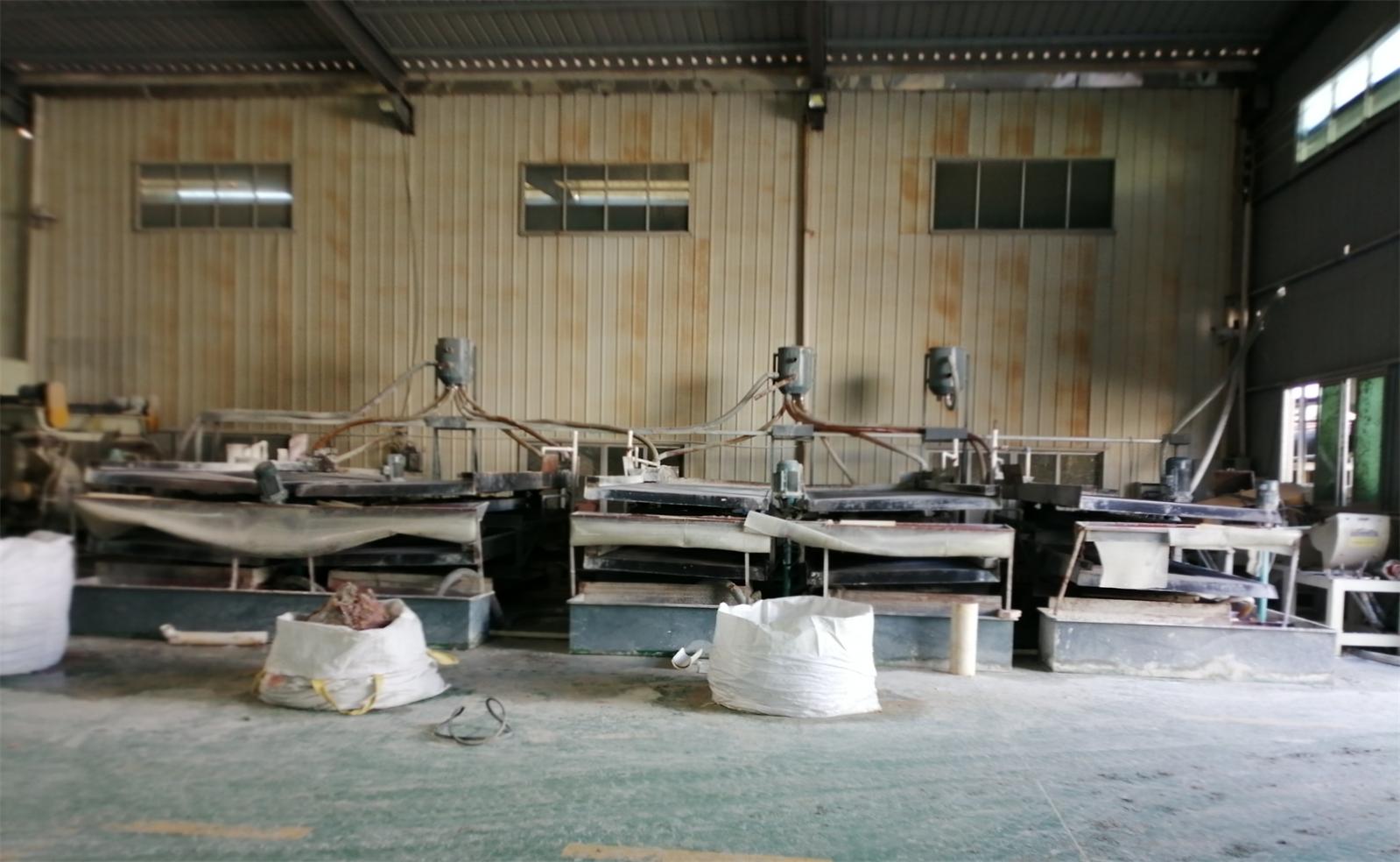
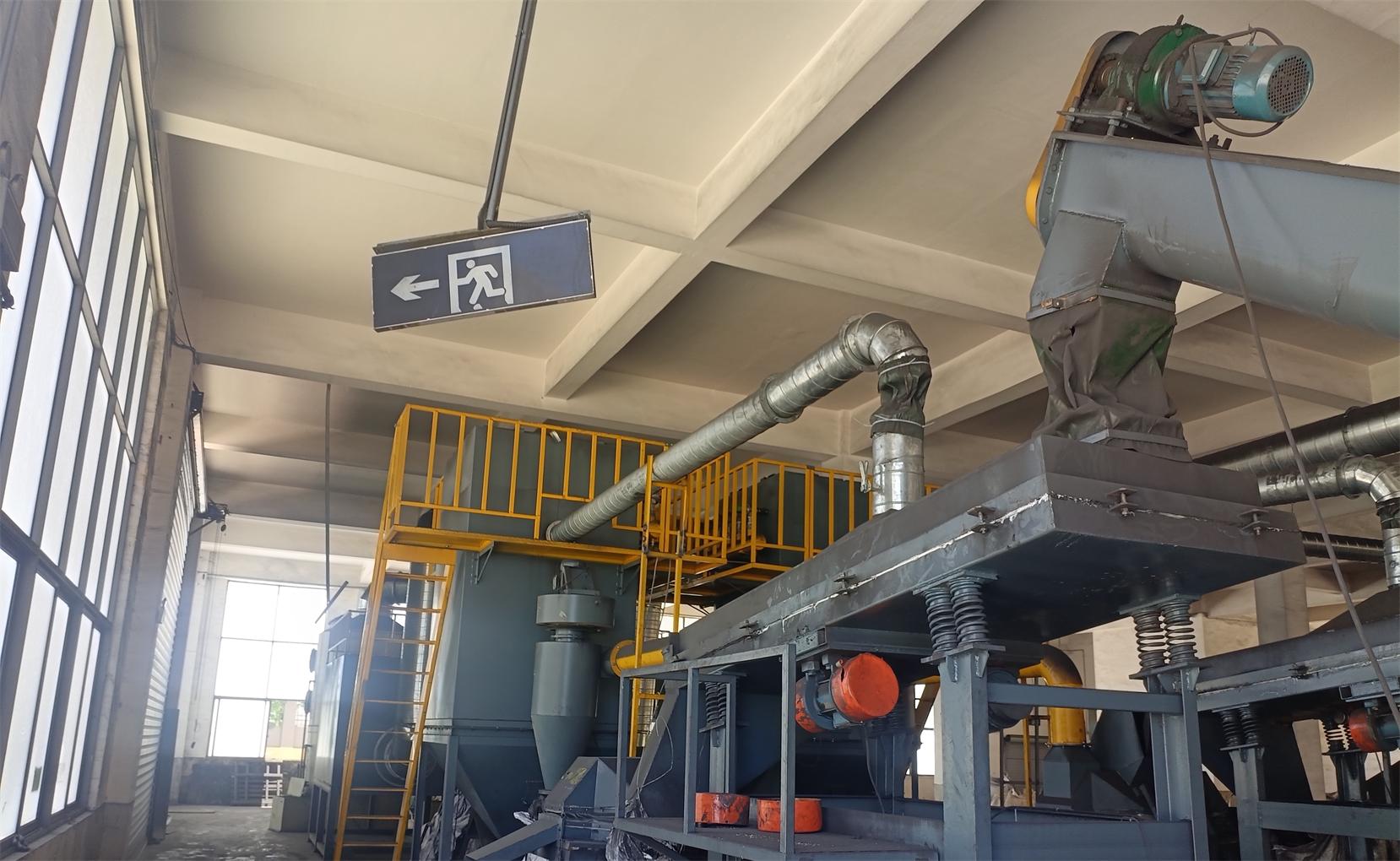
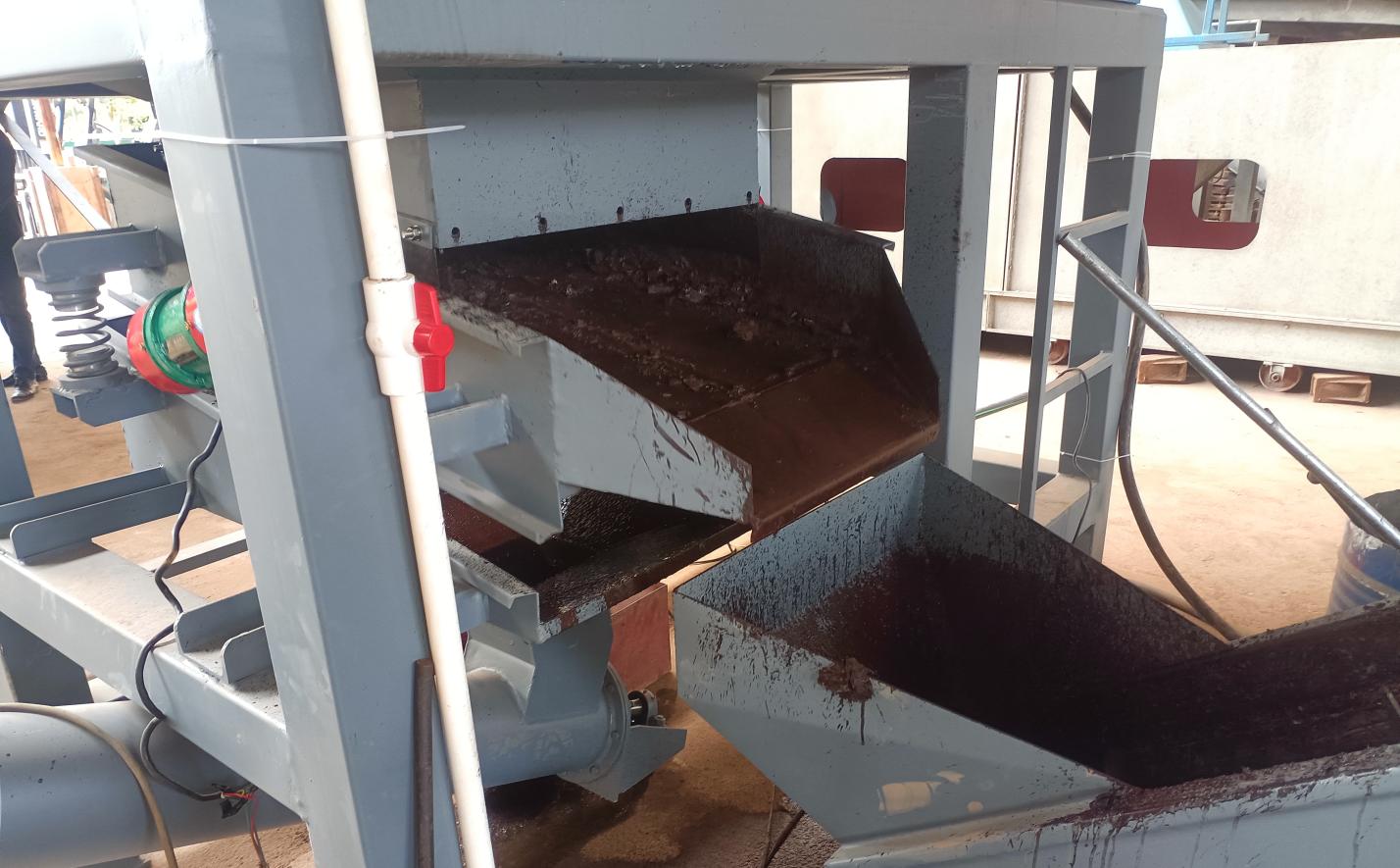
Circuit boards are the most valuable component of e-waste due to their high copper and precious metal content. Modern circuit board recycling equipment uses either dry or wet separation processes to recover copper powder with purity levels reaching 96-98%. A complete plant typically includes crushers, pulverizers, air separators or water separators, and dust collection systems. Capacities range from 300 kg/hour to over 2000 kg/hour depending on the scale of investment.
Batteries represent two distinct opportunities. Used lead acid batteries (ULAB) remain a massive global stream, particularly from automotive and industrial applications. Lead acid battery recycling equipment breaks and separates batteries to recover lead paste, lead grids, plastic cases, and acid. The lead recovery rate can exceed 95% when using efficient smelting furnaces such as rotary furnaces or blast furnaces.
On the other hand, lithium-ion battery recycling is rapidly expanding due to the electric vehicle revolution. Lithium battery recycling plants separate black mass (containing nickel, cobalt, and graphite), copper, aluminum, and plastic film. Capacity typically ranges from 500 to 2500 kg/hour. Given the strategic importance of lithium and cobalt, this segment offers exceptional long-term growth potential.
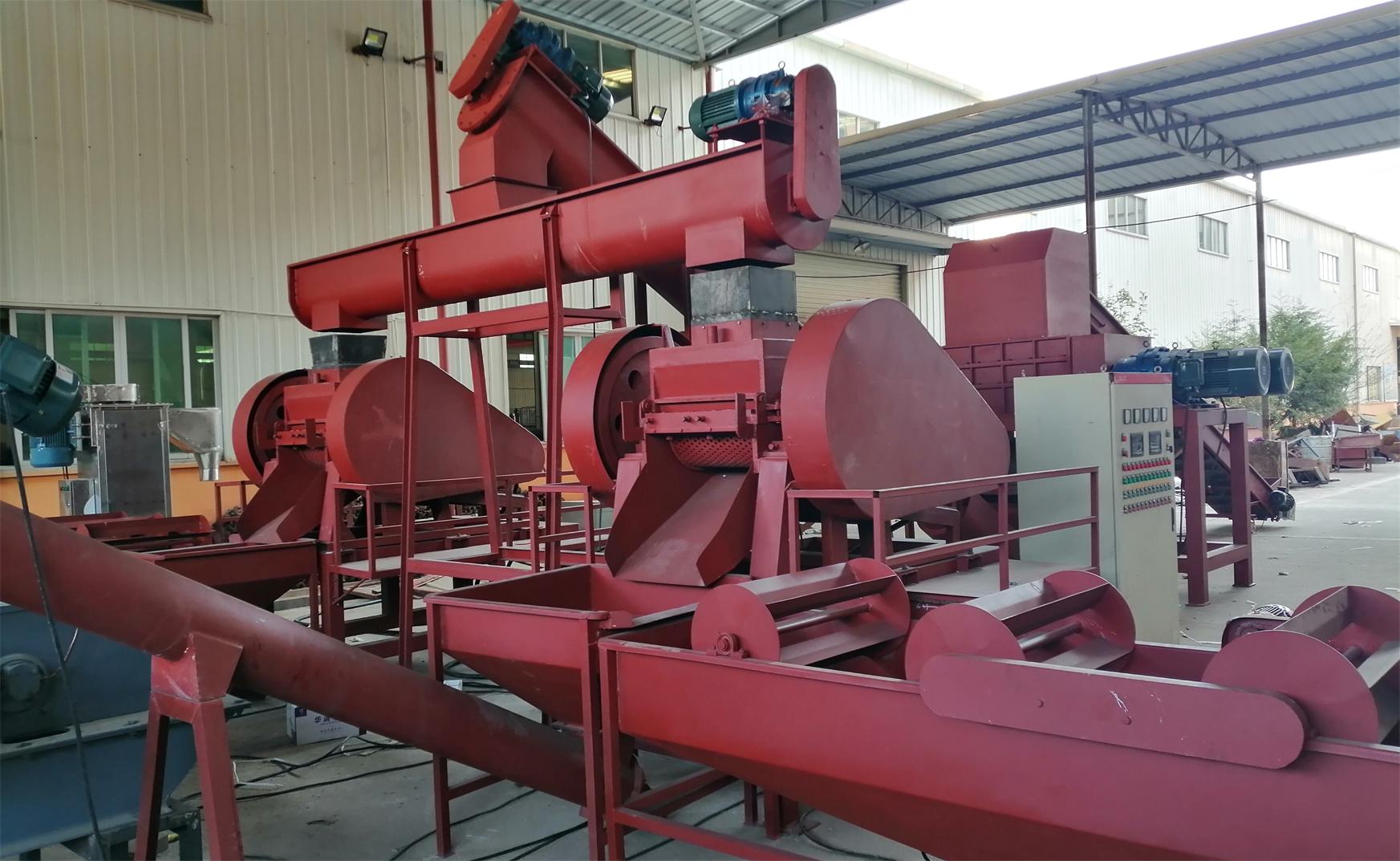
Scrap cables are one of the most accessible feedstocks for new recycling businesses. Cable recycling equipment includes wire strippers for large-diameter cables and cable granulators with dry separators for mixed wire scrap. The process separates copper or aluminum from plastic insulation, producing clean "copper rice" that commands premium prices in metal markets. Small granulators start at 100 kg/hour, while industrial plants can process over 1000 kg/hour.
Large household appliances require specialized dismantling lines. Refrigerator recycling plants extract refrigerants safely, then shred and separate iron, copper, aluminum, plastic, and polyurethane foam. CRT recycling machines cut and separate monitor glass, funnel glass, and phosphor powder. These lines ensure compliance with environmental regulations while recovering valuable materials.
What to Look for in Recycling Equipment
Not all recycling machinery is created equal. When evaluating equipment suppliers, consider the following critical factors:
- Recovery Rate: The percentage of valuable material recovered from feedstock directly impacts profitability. Top-tier circuit board systems achieve 95%+ recovery rates.
- Processing Capacity: Match equipment capacity to your projected feedstock supply. Oversized equipment wastes capital; undersized equipment limits growth.
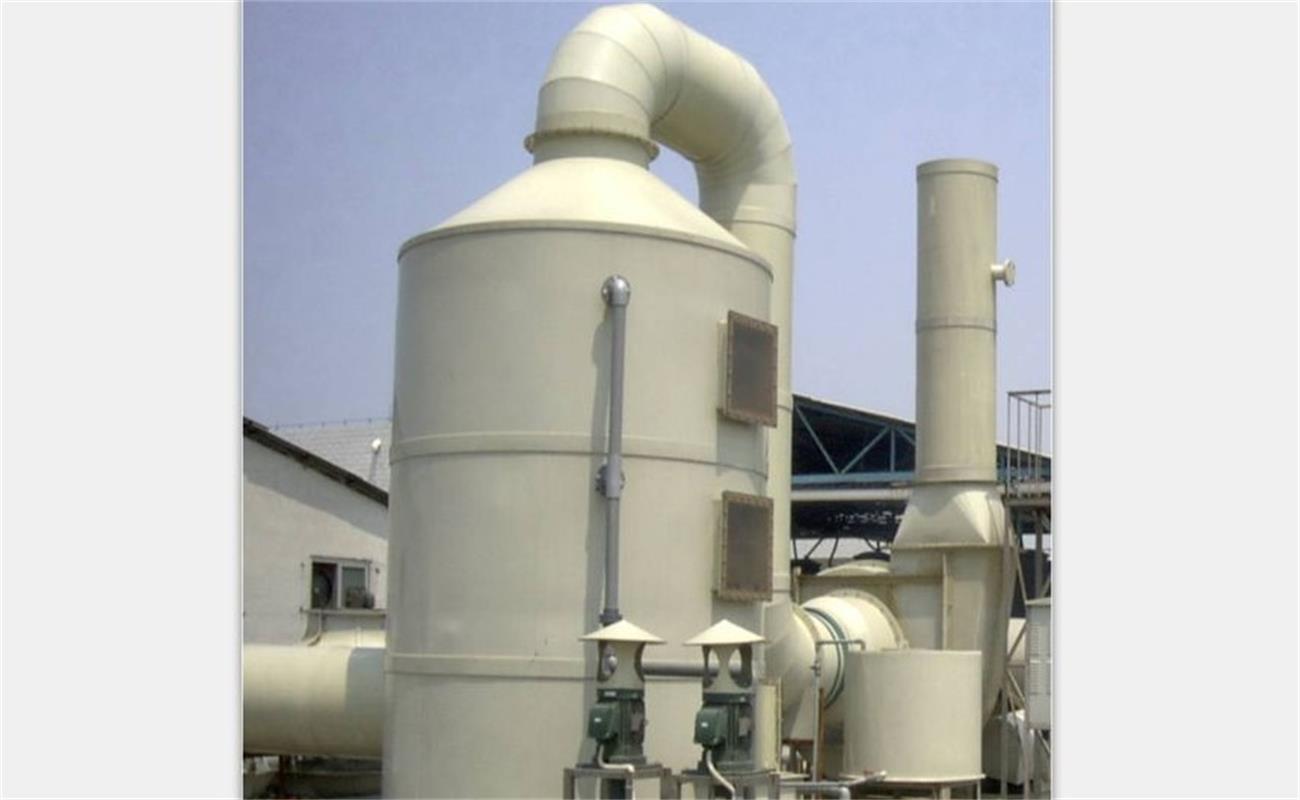
- Environmental Compliance: Ensure the plant includes proper dust collection, air pollution control, and wastewater treatment systems to meet local regulations.
- Automation Level: Higher automation reduces labor costs and improves consistency, though it requires greater upfront investment.
- After-Sales Support: Installation, commissioning, spare parts availability, and technical support are essential for continuous operation.
San Lan Technologies: Your One-Stop Recycling Partner
Founded in 2007, San Lan Technologies Co., Ltd has established itself as a trusted manufacturer of WEEE recycling machines and mining equipment. With customers in over 21 countries including Singapore, Colombia, Vietnam, Mexico, Argentina, Korea, Malaysia, and South Africa, San Lan delivers proven solutions backed by real-world performance.
What sets San Lan apart is its comprehensive service offering. Beyond manufacturing high-quality equipment, San Lan provides end-to-end EPC (Engineering, Procurement, Construction) project support. This includes customized plant design, installation and commissioning, and operator training. For entrepreneurs entering the recycling business, San Lan can even assist with sourcing waste feedstock and marketing recovered materials such as copper rice, copper powder, and lead ingots.
San Lan's technical team holds master's degrees in mechanical engineering and brings over 15 years of hands-on experience in e-waste recycling machinery. The company maintains essentially bilingual capabilities in English and Chinese, ensuring smooth communication with international clients across diverse cultural environments.
- Lead acid battery recycling plants (1-10 MT/hour)
- Lithium battery recycling plants (500-2500 kg/hour)
- Circuit board recycling plants (300-2000 kg/hour)
- Cable recycling machines and wire granulators
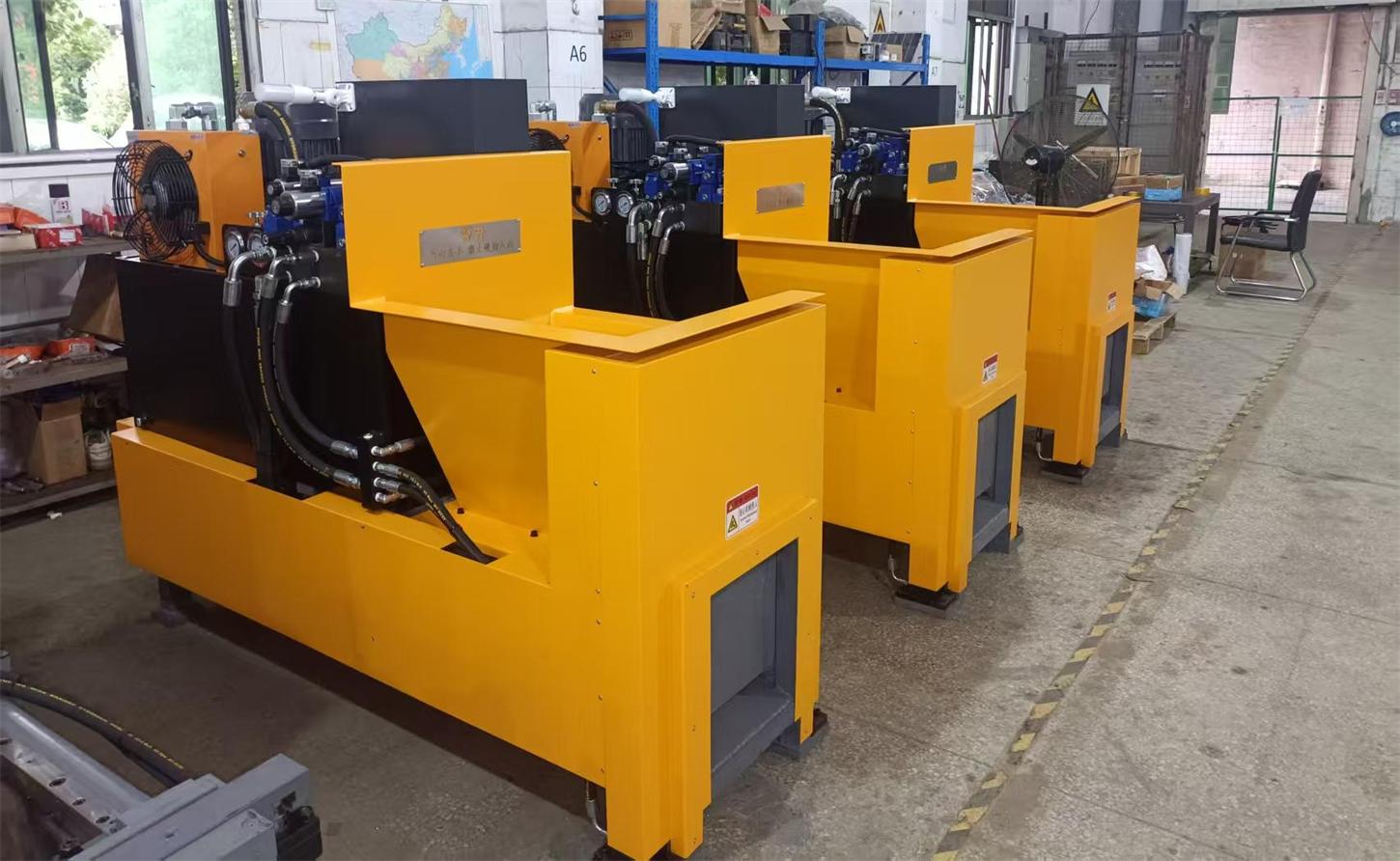
- Hydraulic press machines and metal briquetters
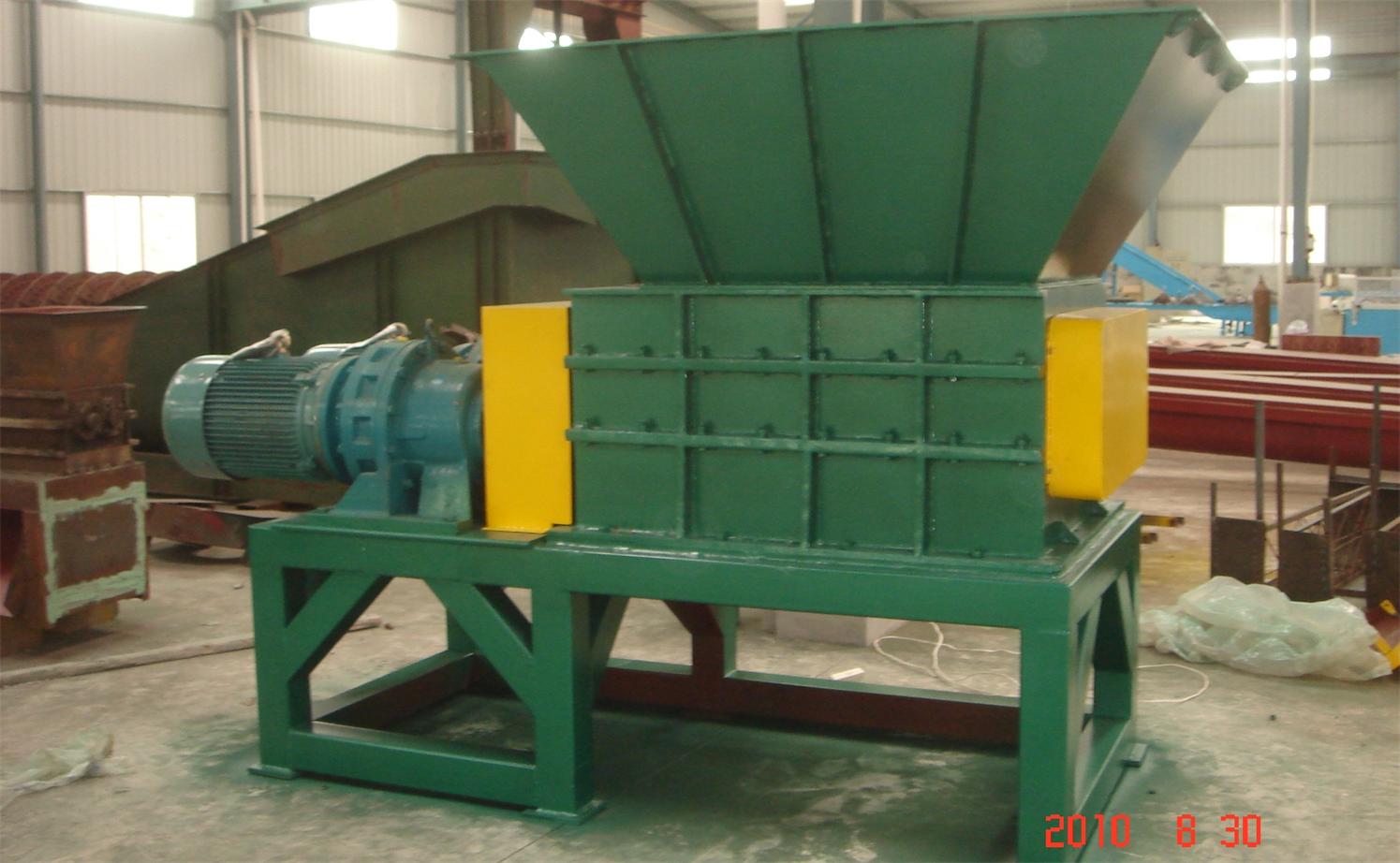
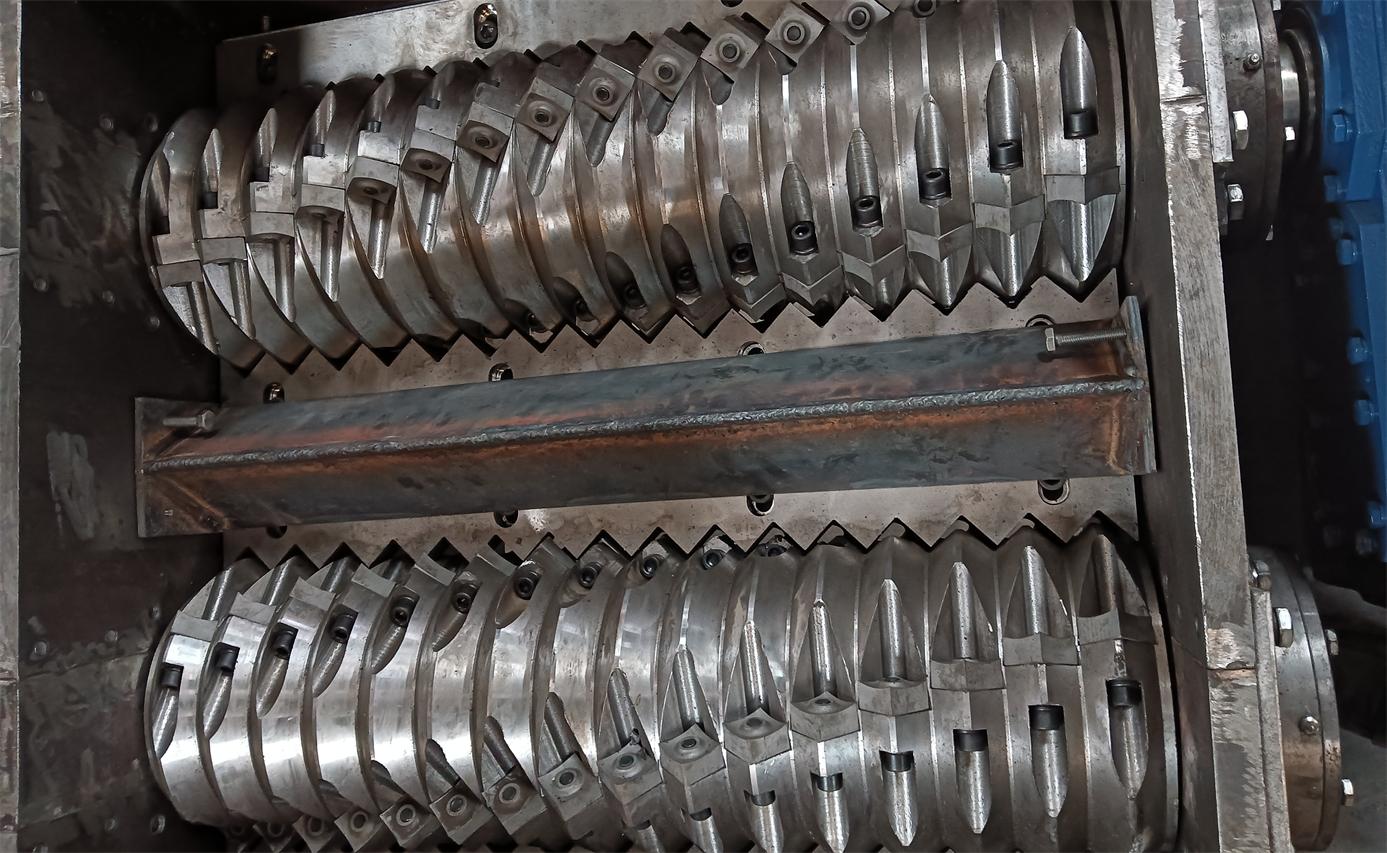
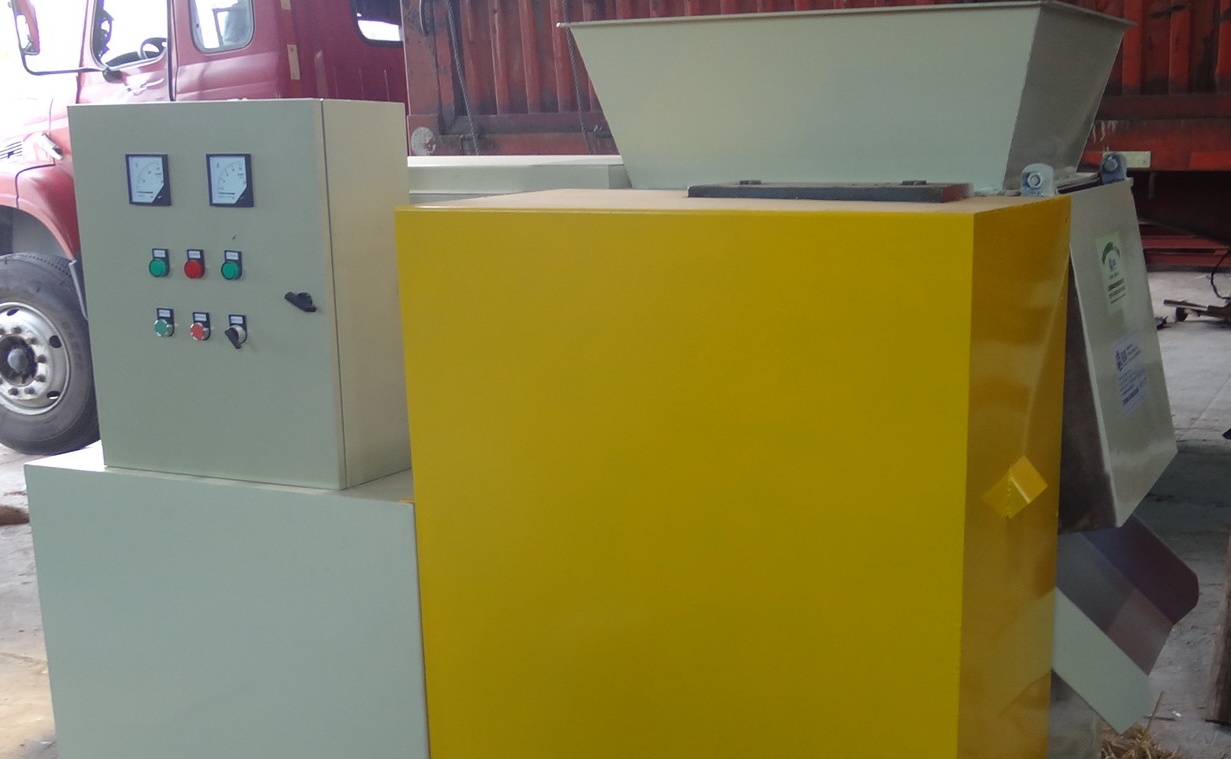
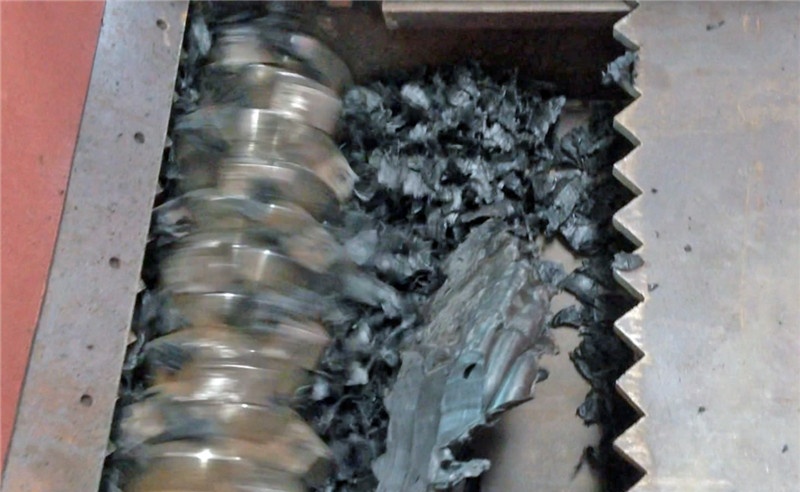
- Shredders and pre-choppers (single, twin, four-shaft)
- Refrigerator, AC, and CRT recycling lines
- Metal melting furnaces and refinery equipment
Getting Started: From Concept to Commissioning
Launching a recycling plant involves several clear stages. First, conduct feedstock analysis in your target region to understand available waste volumes and compositions. Second, define your product mix based on market demand for recovered materials. Third, select equipment that matches your feedstock and output goals. Fourth, secure necessary permits and environmental approvals. Finally, commission the plant and scale operations gradually.
Partnering with an experienced equipment supplier significantly de-risks this process. San Lan's team works closely with clients from initial concept through successful commissioning, drawing on decades of accumulated project experience across diverse geographies and regulatory environments.
Ready to explore your e-waste recycling opportunity? Whether you are evaluating your first recycling project or expanding an existing operation, San Lan Technologies offers the equipment expertise and project support to help you succeed. Visit www.san-lan.com to explore the full product range, or contact the team directly via email at info@san-lan.com or WhatsApp at +86 139 2377 4083 for a personalized consultation.