The Growing Opportunity in E-Waste Recycling
Electronic waste represents one of the fastest-growing waste streams worldwide. As consumer electronics continue to proliferate and product lifecycles shorten, the volume of discarded devices increases year after year. This creates a significant business opportunity for entrepreneurs and established companies looking to enter the recycling sector. A professional recycling equipment supplier can help you establish a profitable operation that recovers valuable metals while addressing environmental concerns.
The economics of e-waste recycling are compelling. Electronic devices contain concentrations of metals that often exceed those found in natural ore deposits. Circuit boards, batteries, and cables all hold recoverable copper, aluminum, lead, and other valuable materials. With the right equipment and processes, these materials can be extracted efficiently and sold to metal refiners and manufacturers.
Core Recycling Equipment for Maximum Recovery
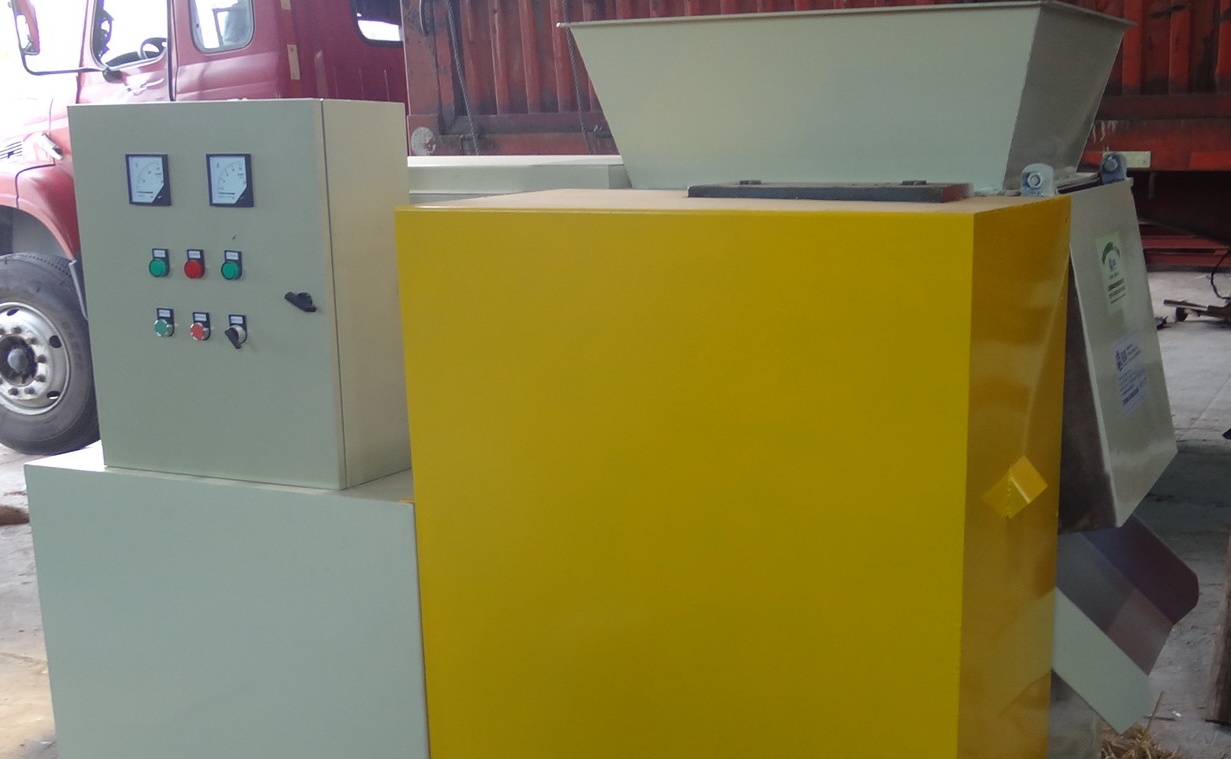
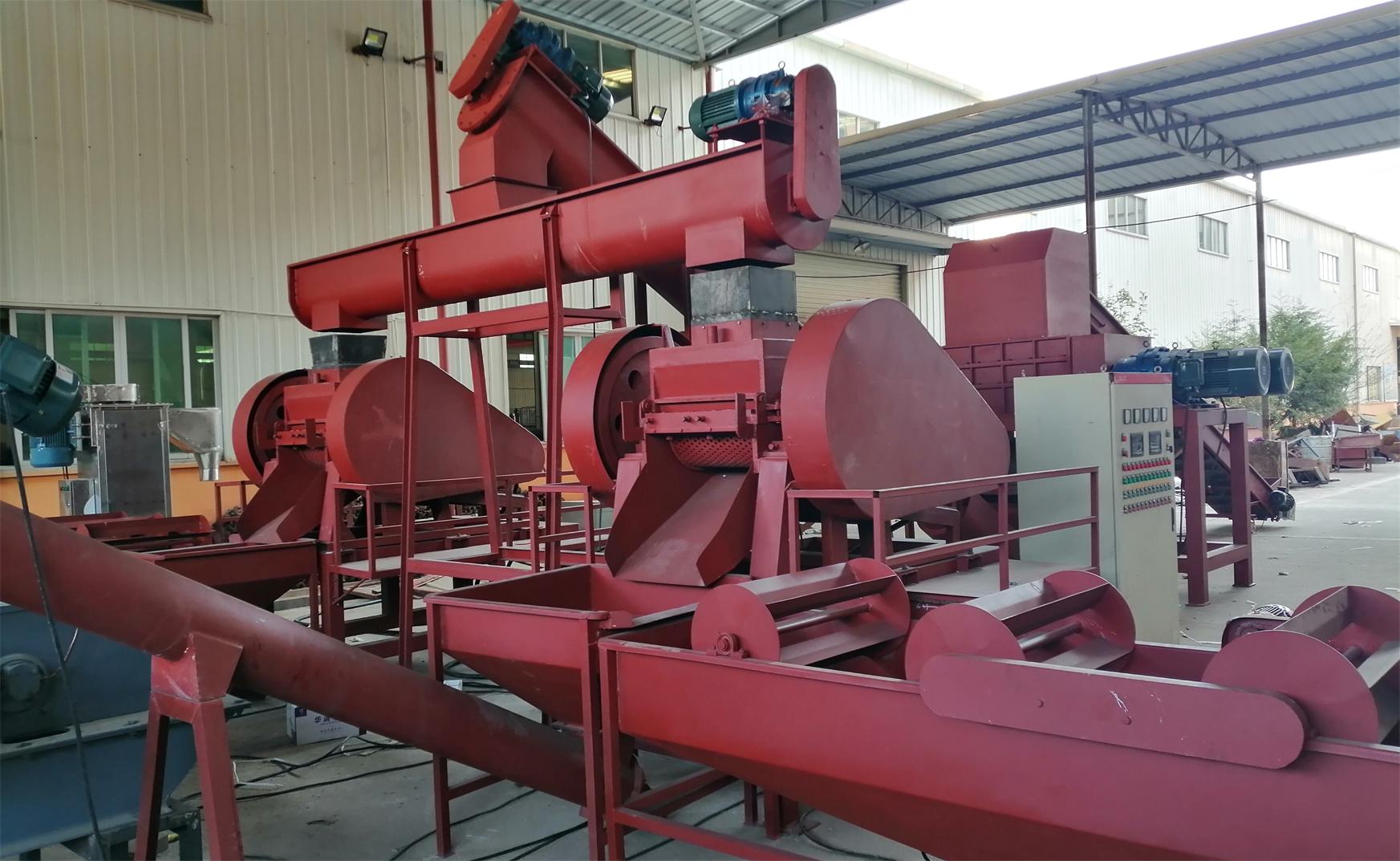
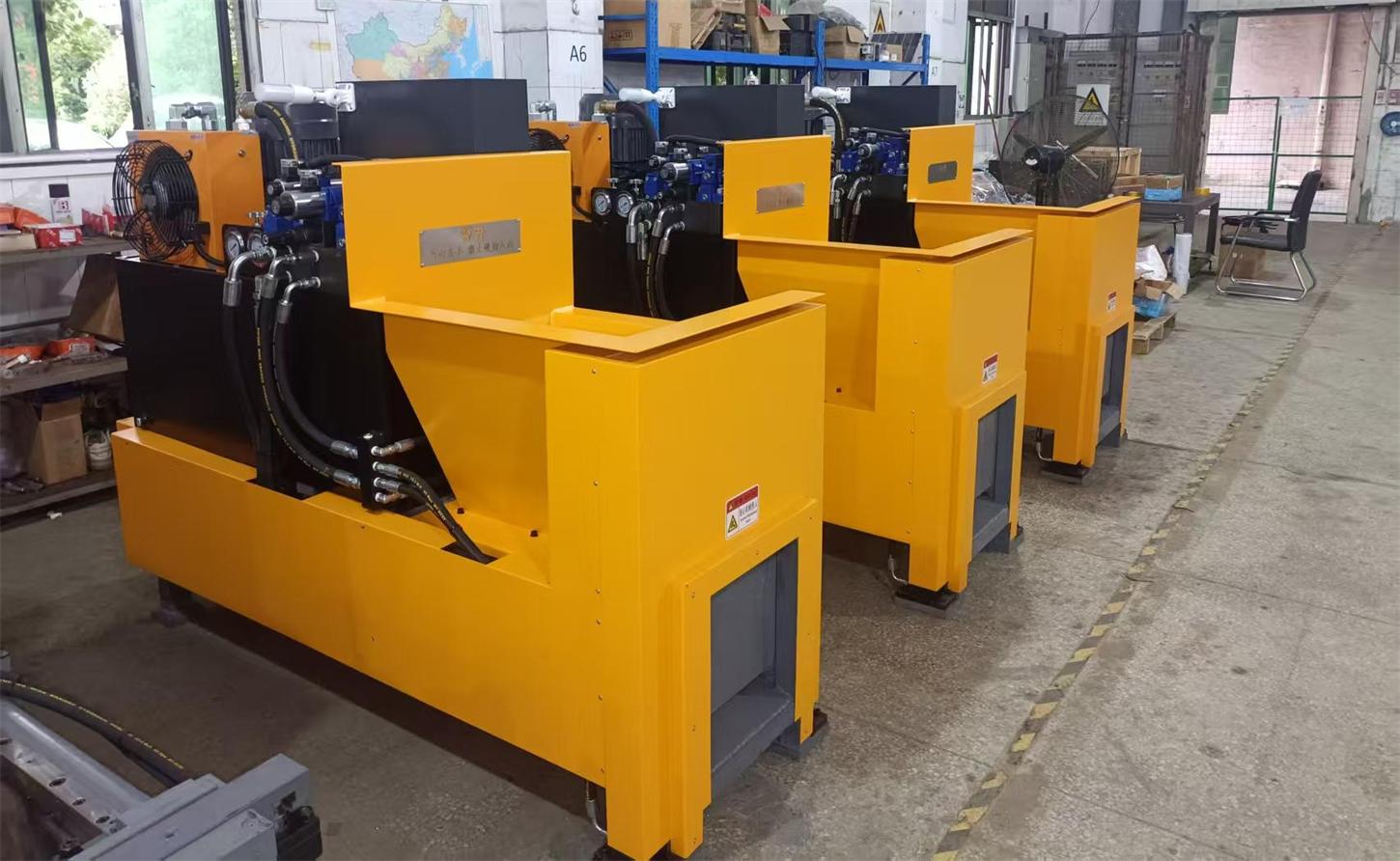
Building a successful recycling operation requires understanding the main categories of processing equipment. Each type of waste stream demands specialized machinery designed to separate valuable fractions from waste materials.
Lead Acid Battery Recycling Systems
Used lead acid batteries remain a major waste stream worldwide, particularly from automotive and industrial applications. lead acid battery recycling equipment typically includes battery breaking and separation systems that crush batteries and classify the components into acid, lead paste, lead grids, and plastic casings. Modern plants achieve processing capacities of 1-10 MT per hour, with lead recovery rates reaching 95% through efficient furnace systems.
Cable and Wire Processing Lines
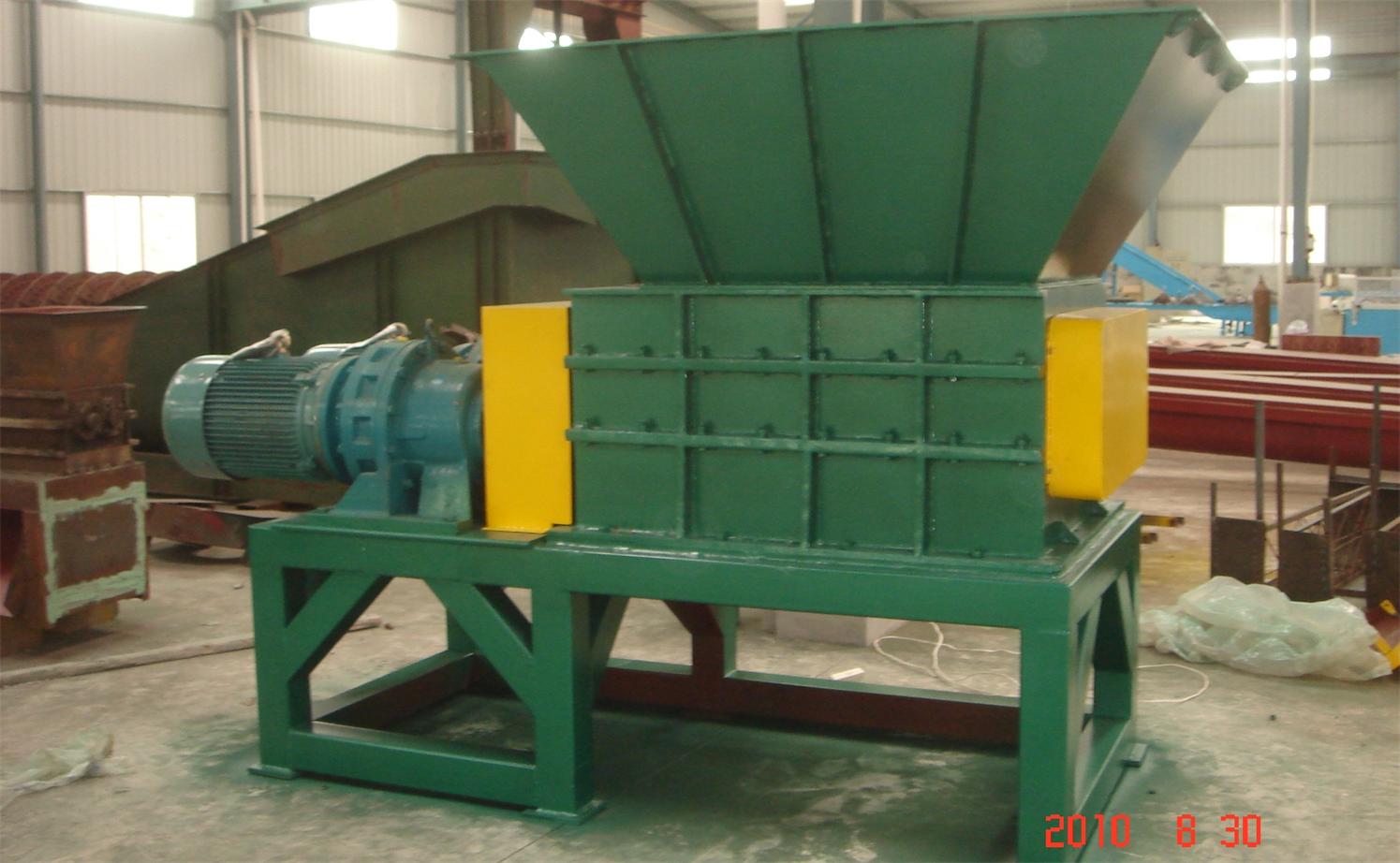
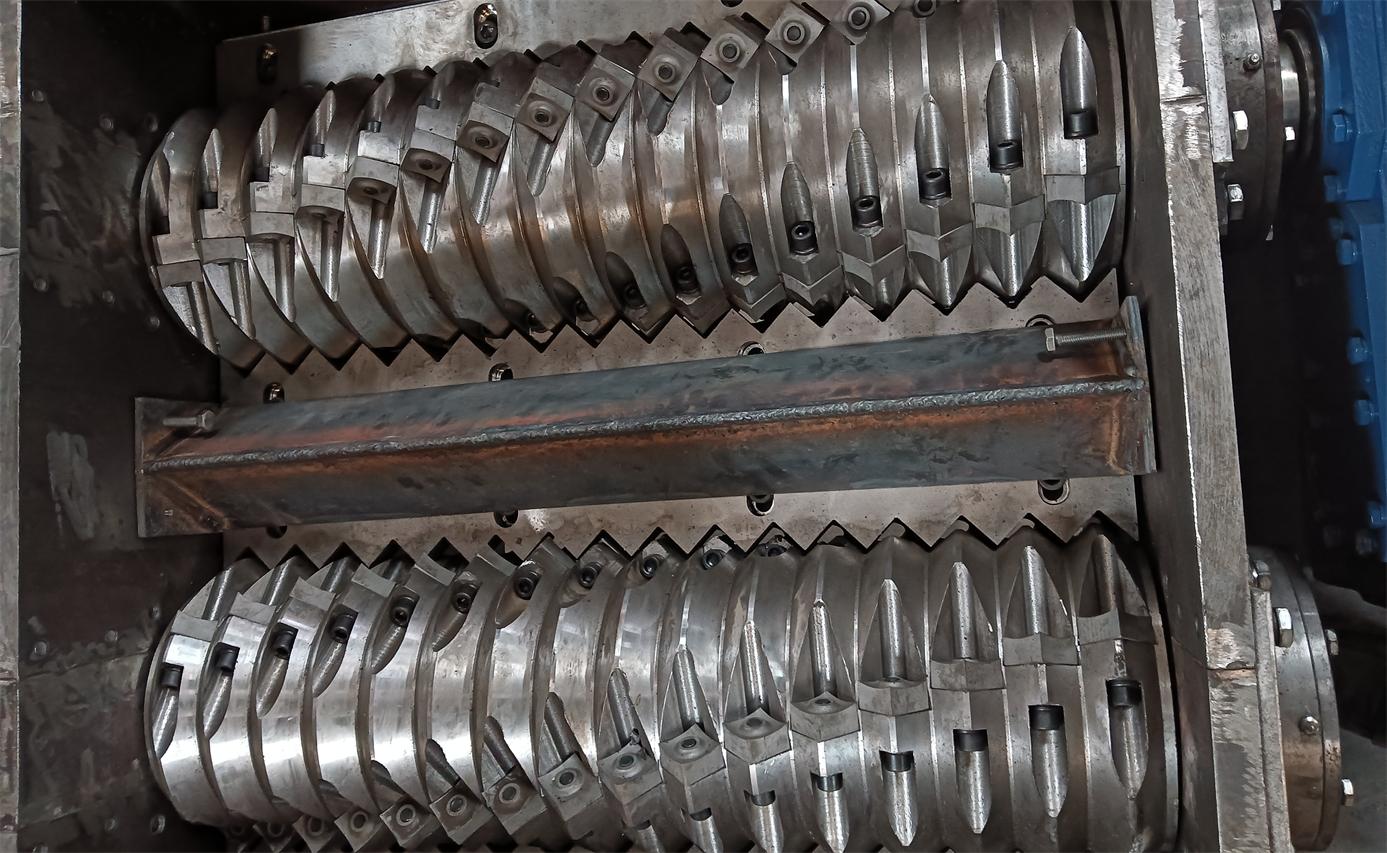
Scrap cables represent one of the most accessible entry points into recycling. cable recycling equipment ranges from simple stripping machines for large-diameter cables to advanced granulator systems with dry or wet separators. These machines separate copper or aluminum conductors from plastic insulation, producing clean metal fractions that command premium prices in the market. Processing capacities vary from 100 kg/hour for compact units up to 1,200 kg/hour for industrial-scale plants.
Circuit Board Recovery Plants
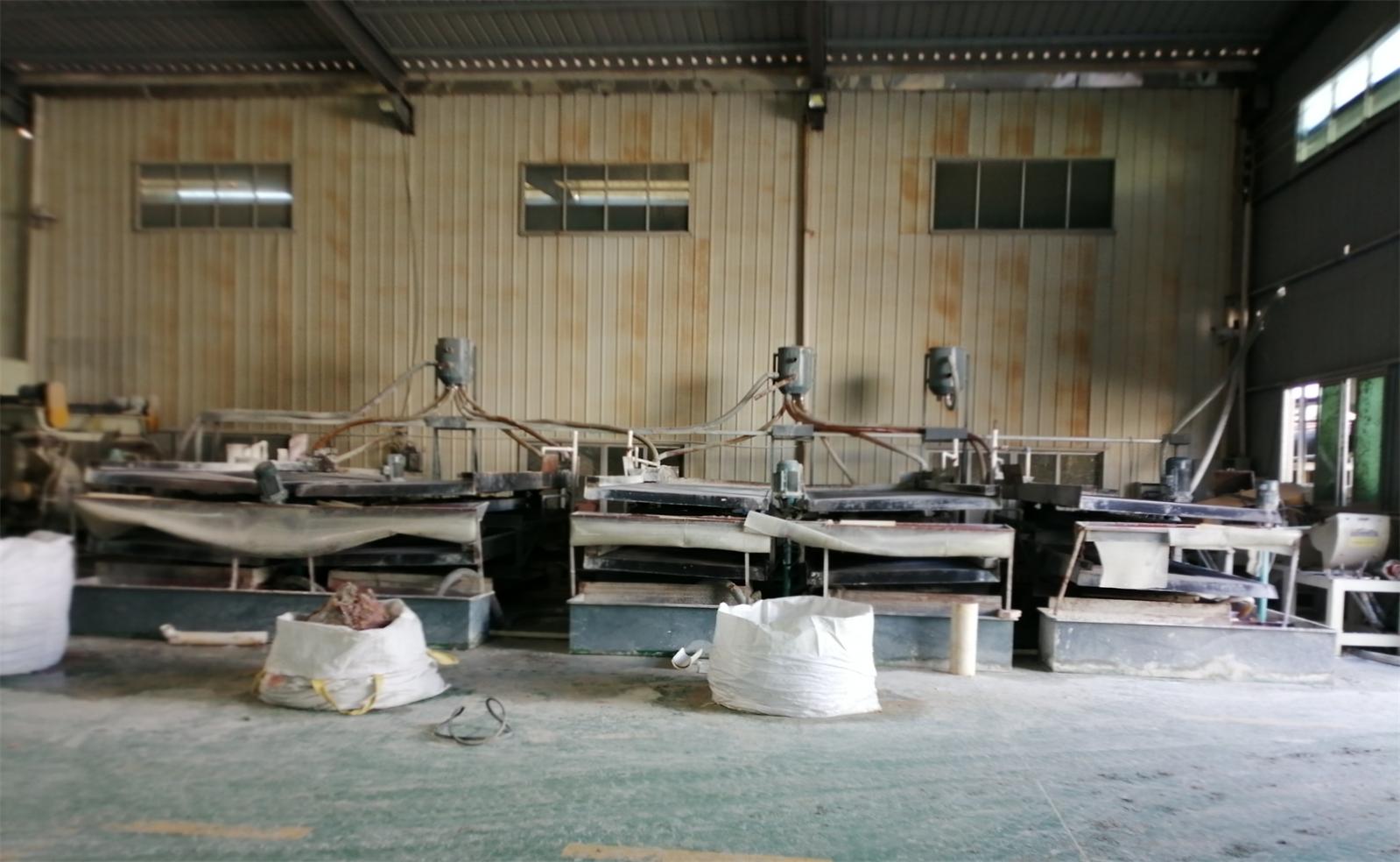
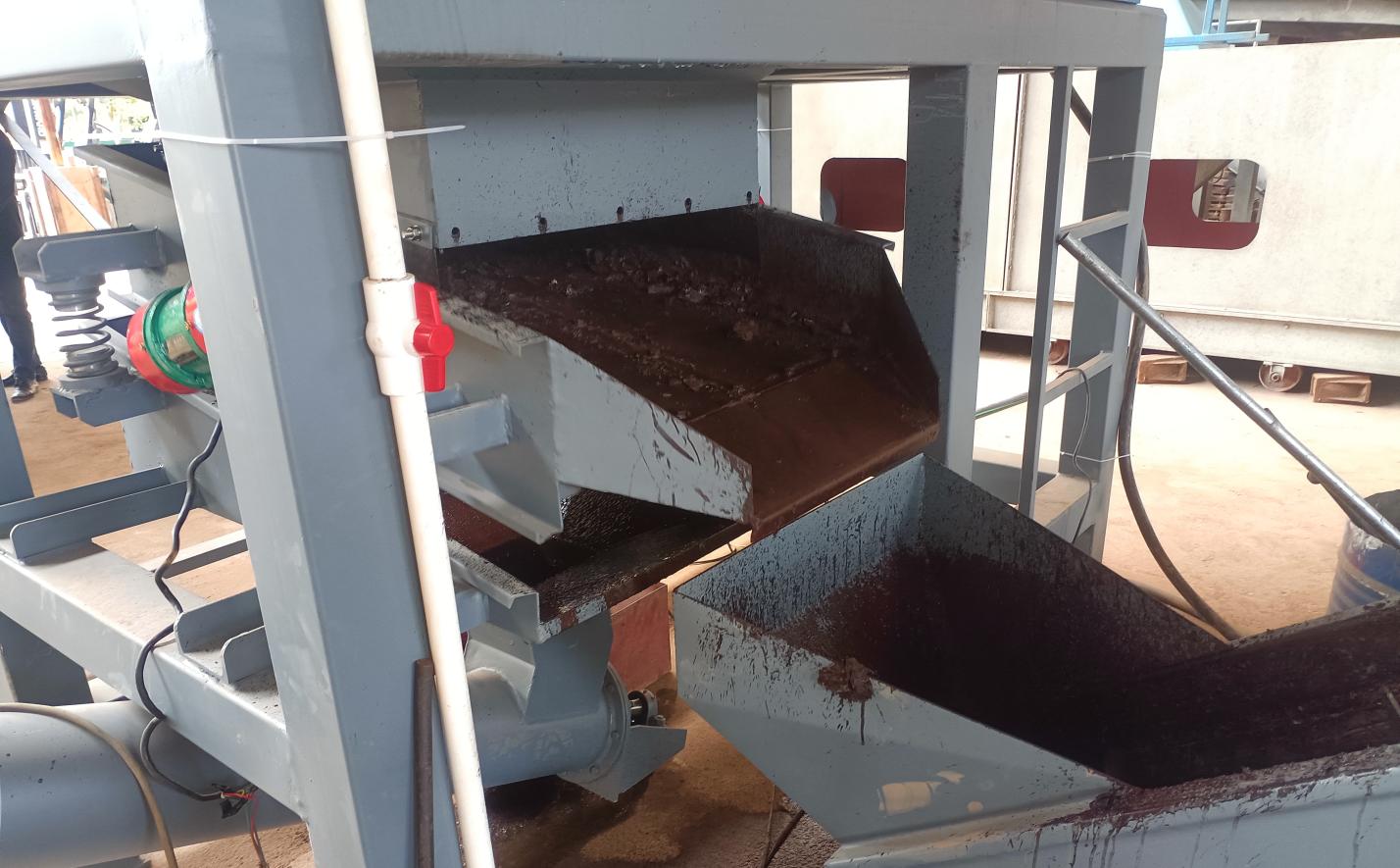
Printed circuit boards from computers, phones, and other electronics contain copper, precious metals, and recyclable plastics. circuit board recycling equipment uses mechanical separation processes including shredding, air classification, and electrostatic separation to recover copper powder with purities of 96-98%. Both dry and wet separation technologies are available, with capacities ranging from 300 kg/hour to 2,000 kg/hour depending on the plant configuration.
Lithium Battery Recycling Solutions
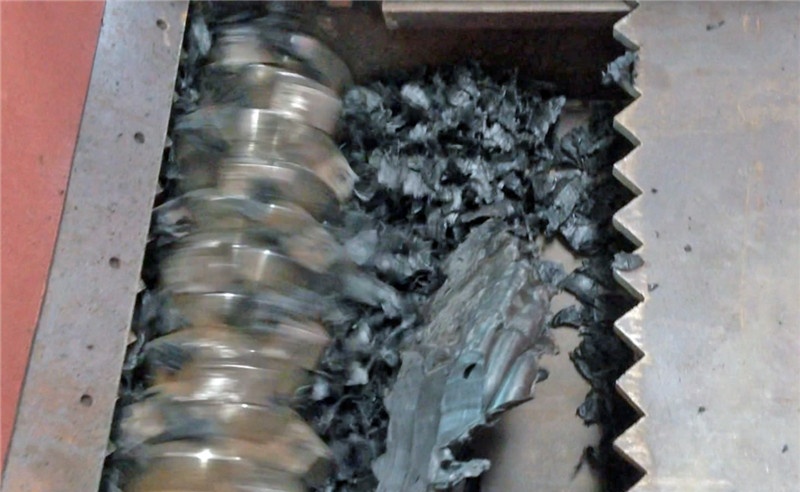
As electric vehicles and portable electronics continue to expand, lithium-ion battery waste is becoming a critical feedstock. Recycling plants for these batteries typically include discharge systems, pre-crushing units, secondary granulation equipment, and magnetic separation to recover black mass containing nickel, cobalt, and graphite, along with separate fractions of copper, aluminum, and plastic. Standard capacities range from 500 to 2,500 kg/hour.
The Value of Integrated Solutions
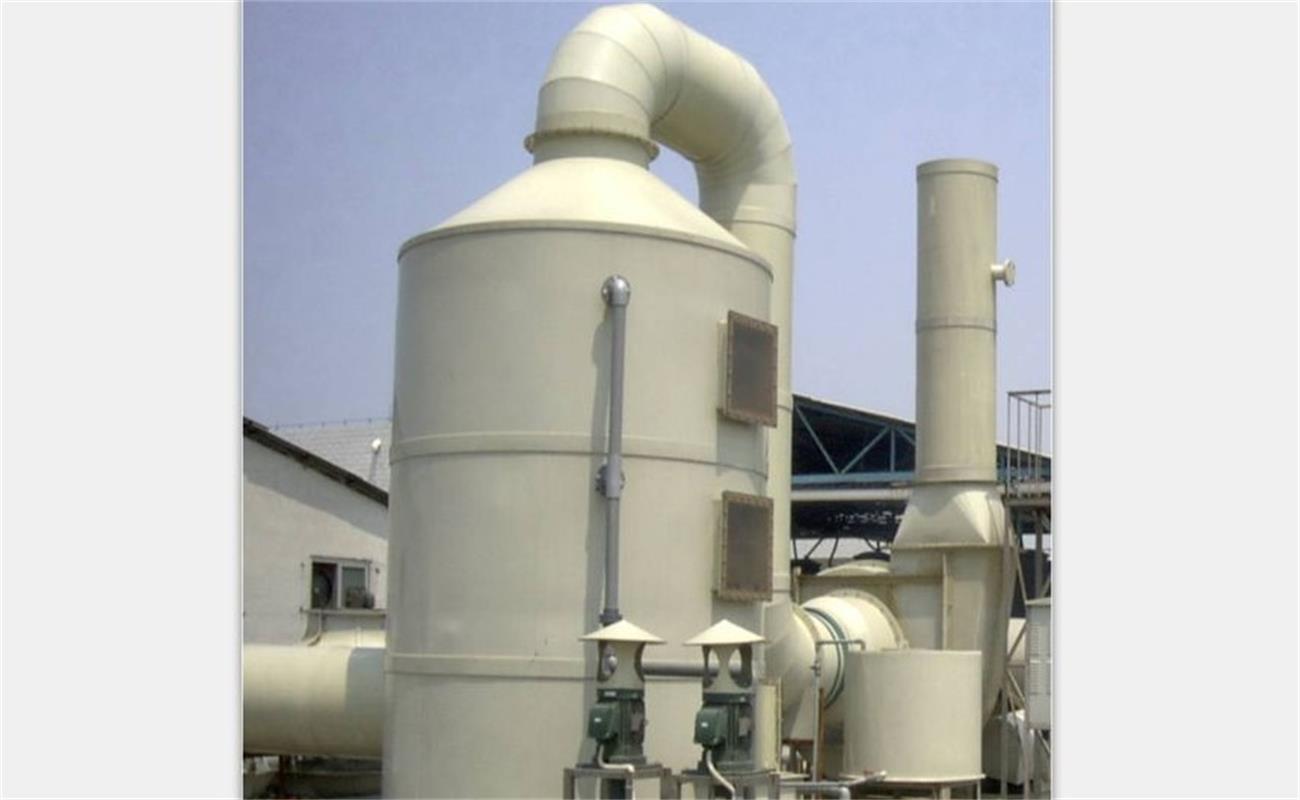
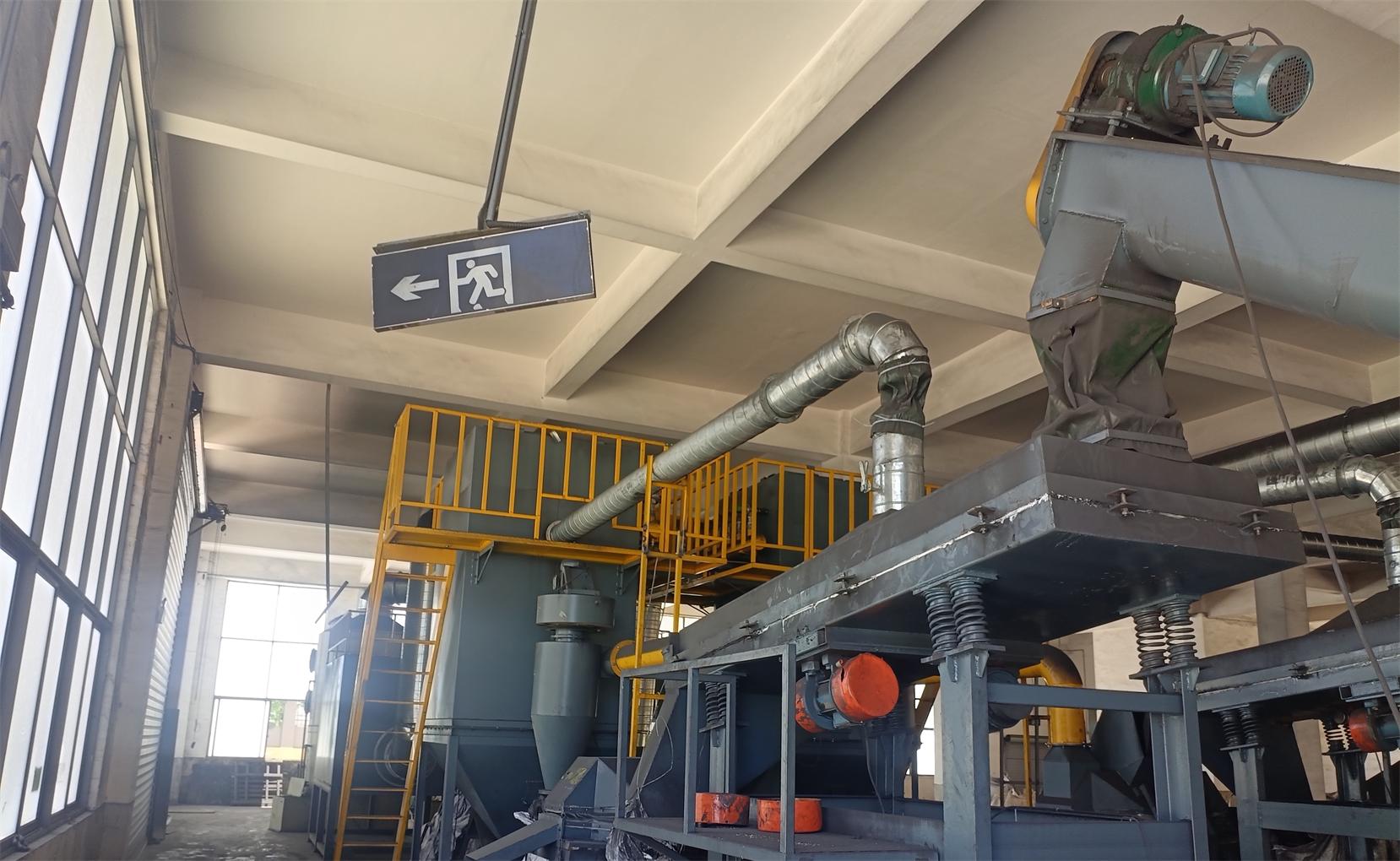
Many newcomers to the recycling industry underestimate the complexity of integrating individual machines into a cohesive production line. Beyond the core processing equipment, a complete plant requires material handling systems, dust collection and air pollution control, waste water treatment, and safety systems. Working with an experienced provider who offers engineering, procurement, and construction services can significantly reduce project risk.
An integrated approach also ensures that upstream and downstream equipment capacities match. For example, the output rate of a battery breaking system must align with the feed rate of the subsequent separation and smelting equipment. Mismatched capacities create bottlenecks that reduce overall plant efficiency and profitability.
What to Look for in an Equipment Partner
Selecting the right equipment supplier is one of the most important decisions when building a recycling plant. Experience matters significantly in this specialized field. Look for manufacturers with a proven track record in delivering complete plants, not just individual machines. Technical support capabilities are equally important, particularly for installation, commissioning, and ongoing maintenance.
Customization capability should also factor into your evaluation. Waste streams vary considerably by region and season. The ability to adjust plant design to handle varying feedstock compositions can make the difference between a marginal operation and a highly profitable one. Additionally, consider whether the supplier can assist with sourcing waste materials or connecting you with buyers for your recovered products.
Building for Long-Term Success
The recycling industry rewards operators who take a long-term view. Equipment durability, availability of spare parts, and ongoing technical support all contribute to plant uptime and profitability over the years. Environmental compliance is another critical consideration. Modern recycling plants must meet increasingly strict emissions standards, particularly for air and water discharges. Investing in proper pollution control systems from the outset avoids costly retrofits and regulatory issues later.
Training your operational team thoroughly is equally important. Even the best equipment performs poorly without skilled operators who understand the process parameters and can troubleshoot issues quickly. Look for suppliers who provide comprehensive training programs as part of their delivery package.
Start Your Recycling Project with Confidence
San Lan Technologies Co., Ltd has been manufacturing WEEE recycling machinery and mining equipment since 2007. With international installations across more than 21 countries, the company provides complete recycling plant solutions including lead acid battery recycling systems, lithium battery processing lines, circuit board recovery plants, cable recycling equipment, and auxiliary machinery. Their technical team combines mechanical engineering expertise with over 15 years of practical experience in e-waste recycling applications.
Services include customized plant design, equipment manufacturing, installation and commissioning, and ongoing technical support. Whether you are starting a new recycling operation or expanding existing capacity, working with an established recycling equipment supplier helps ensure your project succeeds.
To discuss your specific requirements and receive a customized proposal, contact San Lan Technologies through their website at www.san-lan.com or reach out via email at info@san-lan.com.