The global volume of electronic waste is growing at an unprecedented rate. According to industry research, millions of tons of discarded electronics are generated every year, yet only a fraction undergo proper recycling. For entrepreneurs and established businesses alike, this represents both an environmental challenge and a significant commercial opportunity. Building a profitable e-waste recycling operation starts with one critical decision: selecting the right equipment and the right partner.
Why the Right Recycling Equipment Determines Your Success
In the e-waste recycling industry, performance is not measured by a single machine. It is determined by how effectively an entire processing line works together to transform discarded materials into high-purity, high-value outputs. Whether you are processing circuit board recycling plant waste, used batteries, or scrap cables, the integration of breaking, separation, and recovery technologies dictates your recovery rates, operational costs, and ultimately your profitability.
A common mistake among new entrants is purchasing standalone machines without considering material flow, downstream separation efficiency, and environmental compliance. A truly profitable operation requires a system-level approach where every stage is engineered to work in harmony.
Core Equipment Categories for a Complete E-Waste Recycling Operation
San Lan Technologies Co., Ltd, established in 2007 and serving customers across 21 countries, has spent nearly two decades refining a comprehensive portfolio of recycling equipment. Here are the core systems every serious operator should consider:
1. Lead Acid Battery Recycling Systems
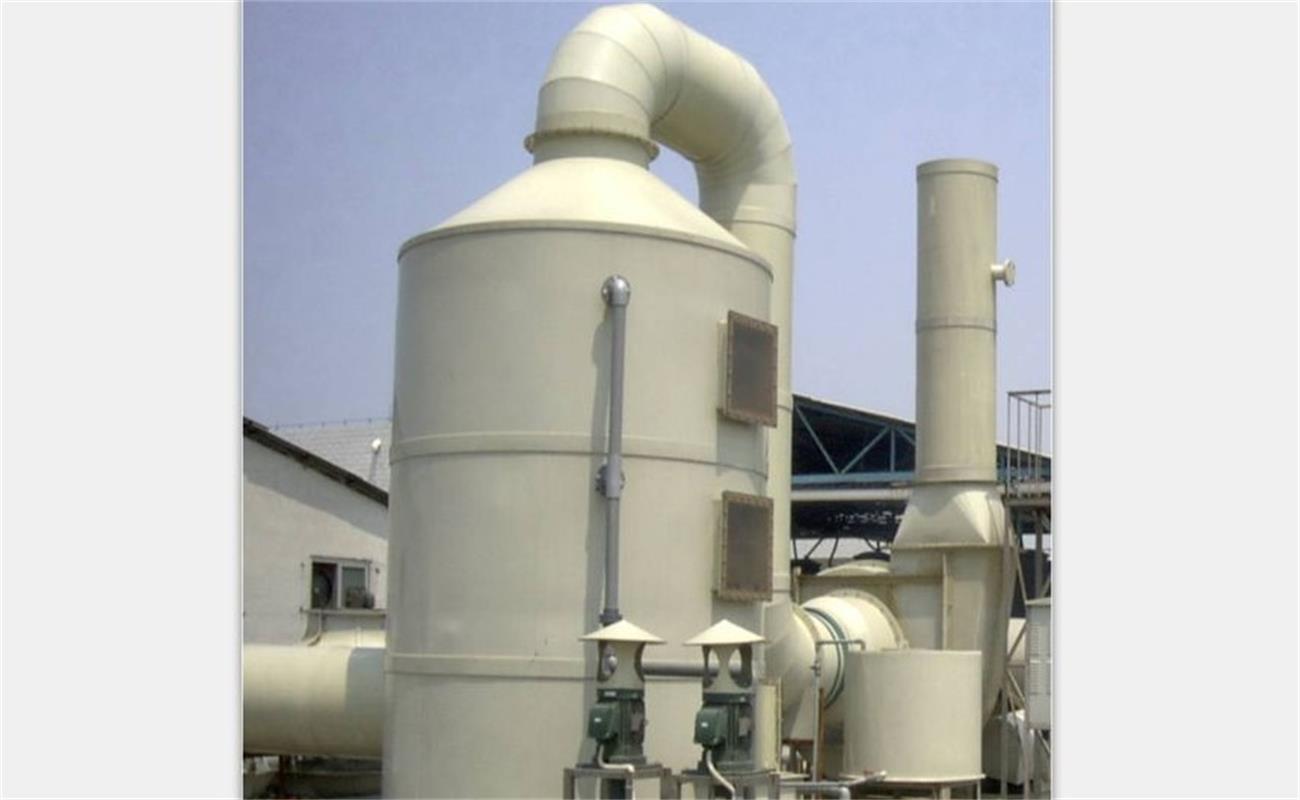
Used lead acid batteries represent one of the most recyclable waste streams, with over 95% of materials recoverable. A complete lead acid battery recycling plant typically includes battery cutting, breaking and separation, de-sulfurization, smelting furnaces (rotary or blast), refining kettles, air pollution control, and wastewater treatment. Capacities range from 1 to 10 metric tons per hour, allowing operations to scale with market demand.
2. Lithium-Ion Battery Recycling Plants
With the explosive growth of electric vehicles and portable electronics, lithium battery recycling has become one of the fastest-growing segments. A modern lithium battery recycling plant handles discharging, pre-crushing, secondary granulation, magnetic separation, and black mass recovery. Throughput capacities from 500 to 2,500 kg per hour ensure flexibility for both emerging and established operators.
3. Circuit Board and Cable Recycling Lines
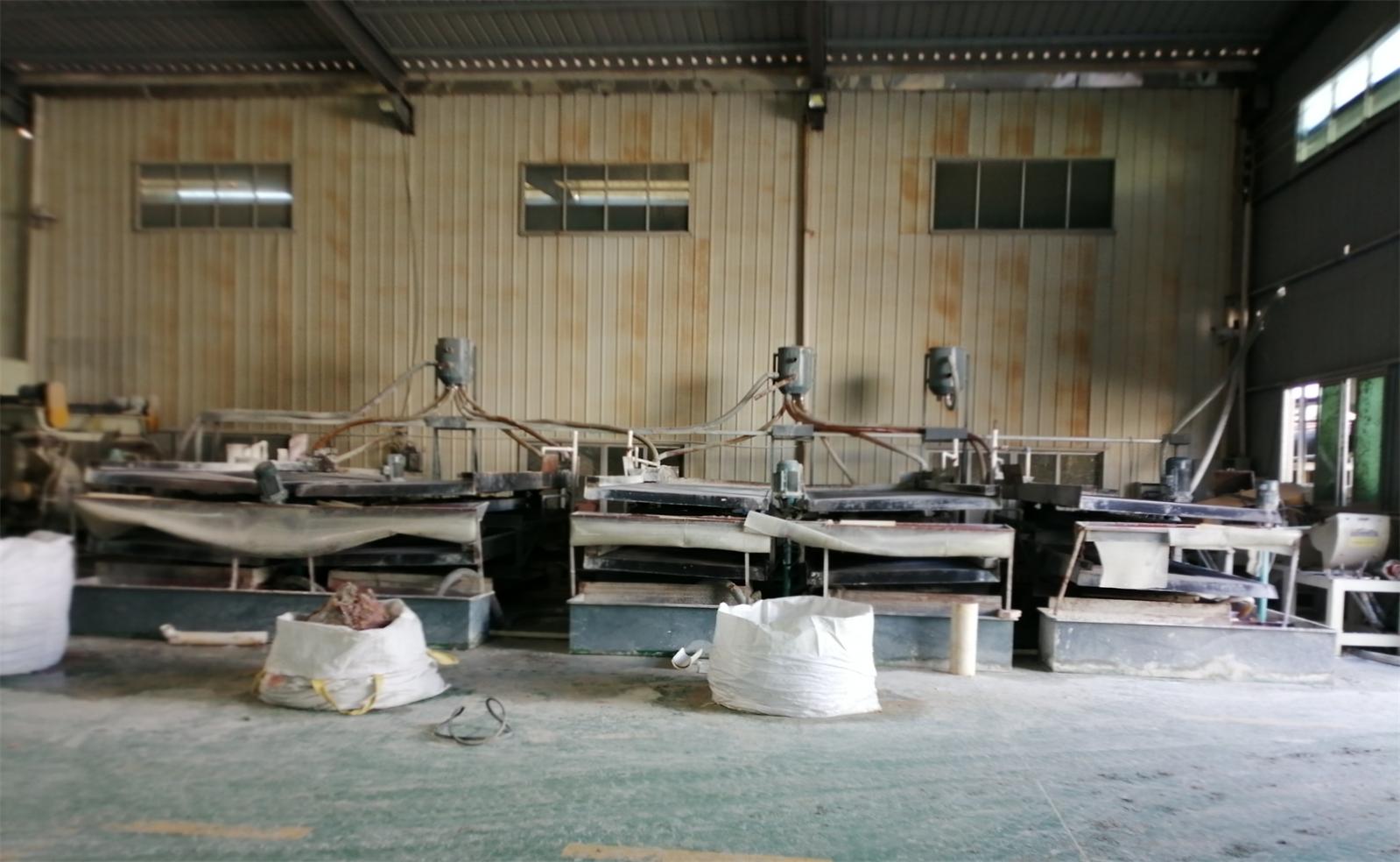
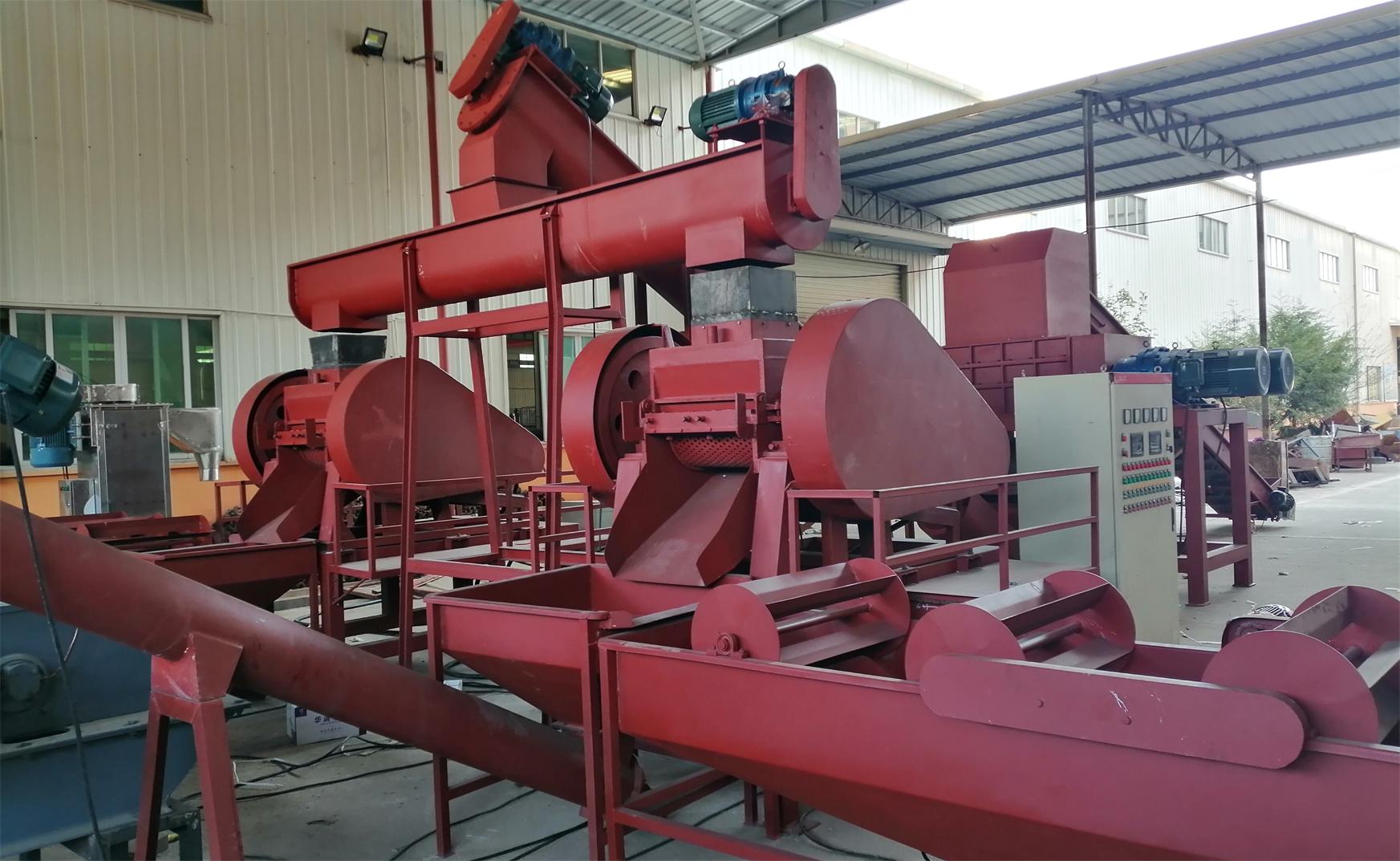
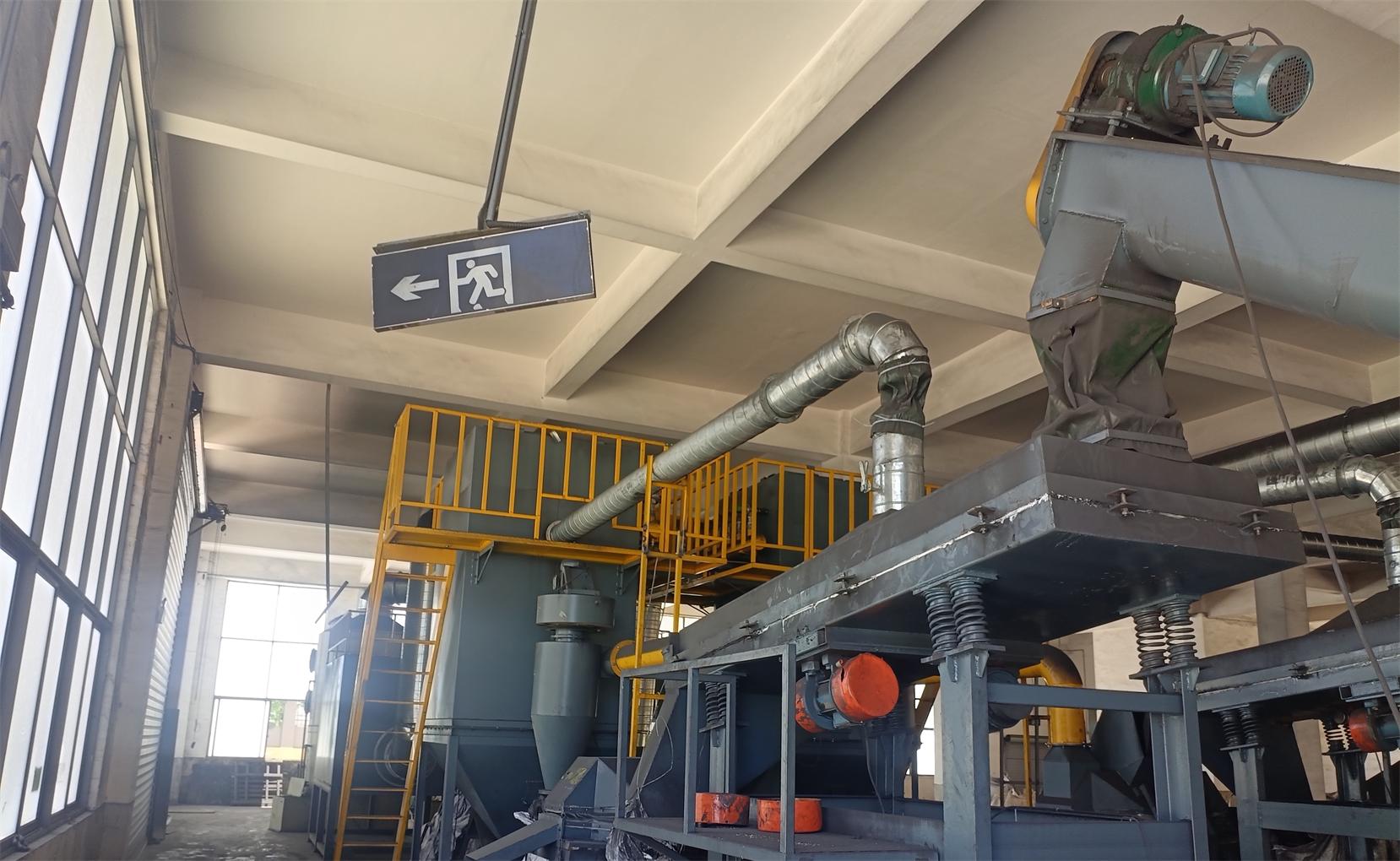
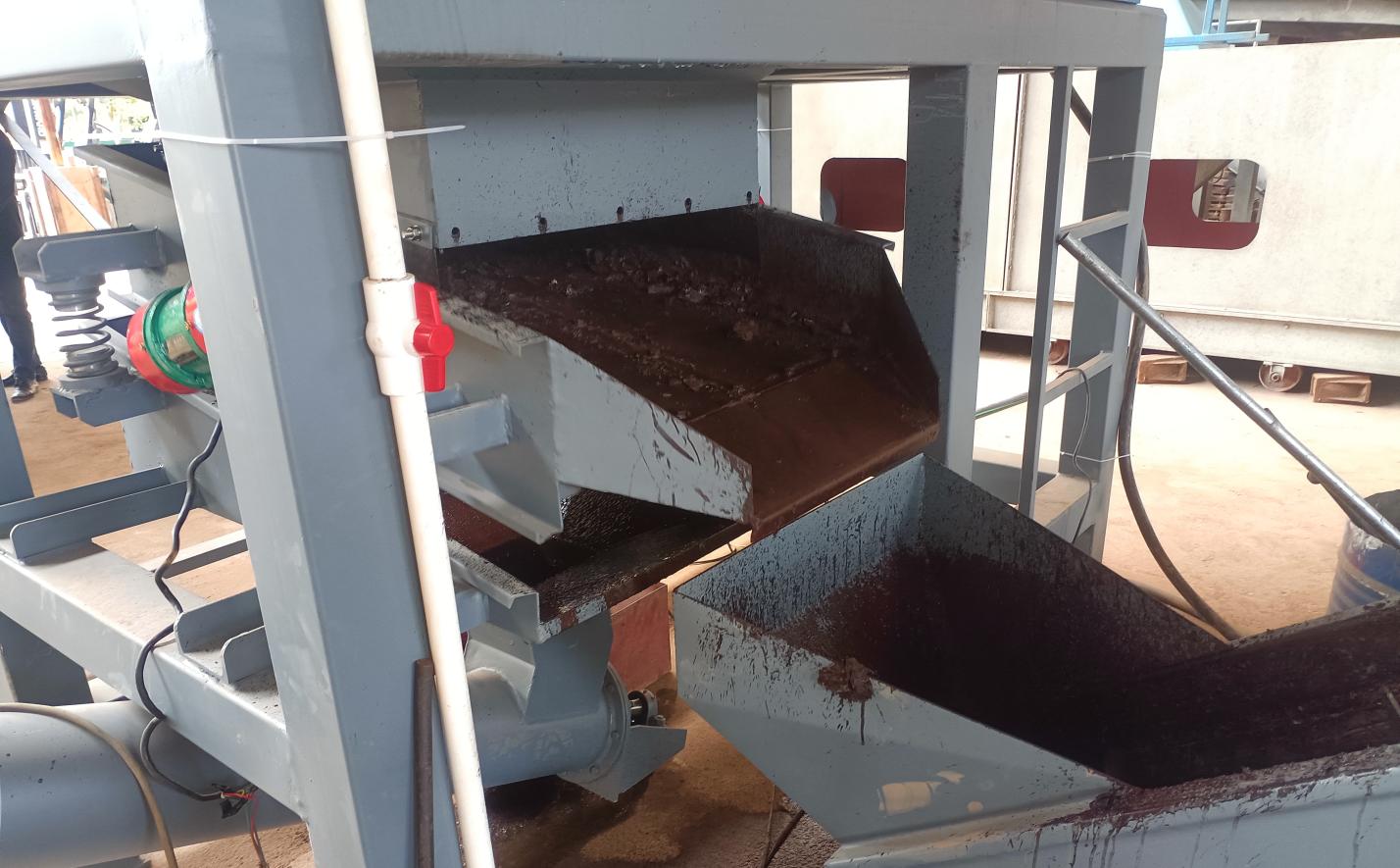
Printed circuit boards contain valuable copper and precious metals, while scrap cables offer high-grade copper and aluminum recovery. cable recycling equipment and PCB recycling systems use dry or wet separation technologies, with air separators, electrostatic separators, and water-metal separators achieving copper purity levels of 96-98%. Daily processing capacities range from 300 kg to over 2,000 kg per hour depending on the system configuration.
4. Auxiliary and Pre-Processing Equipment
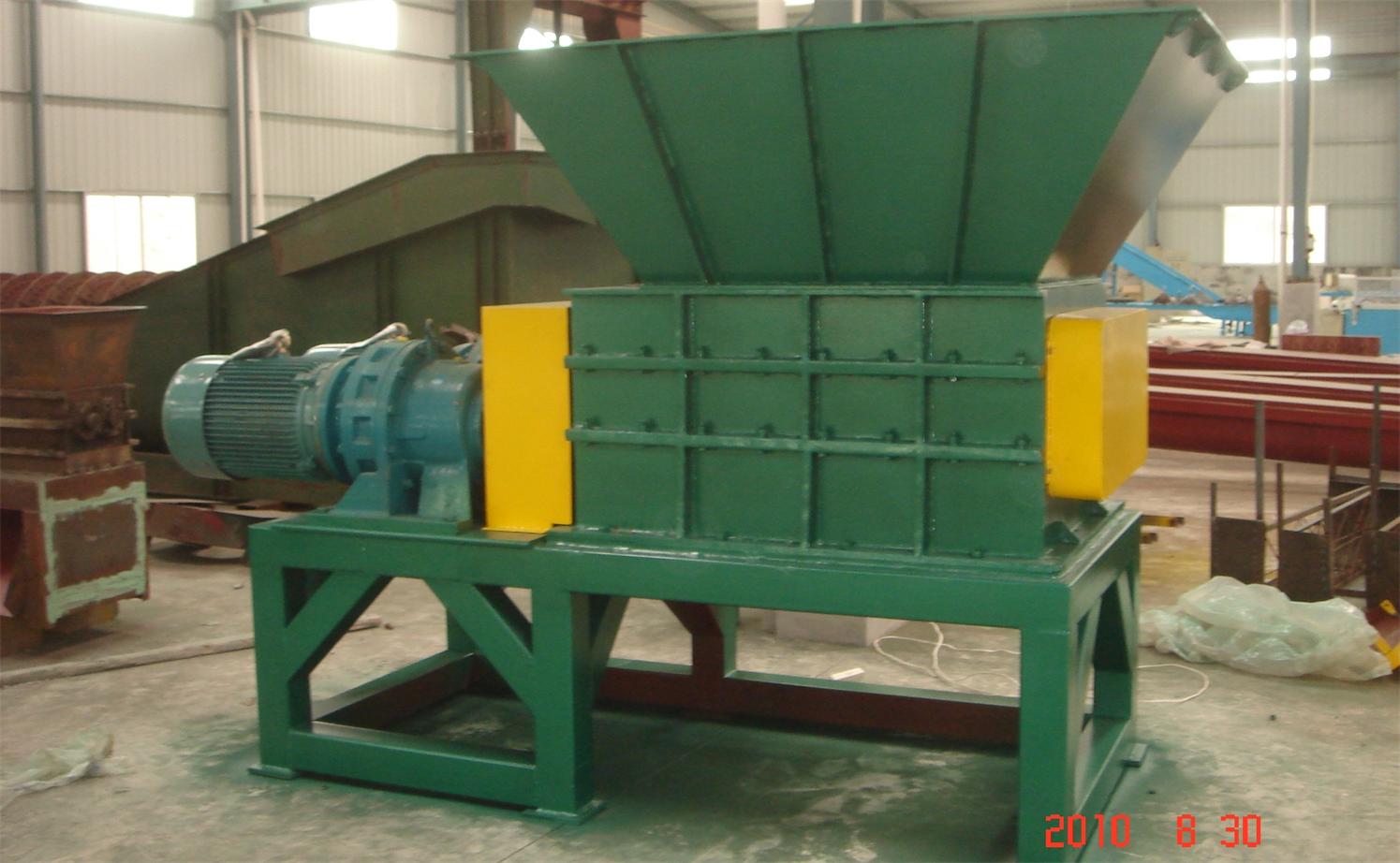
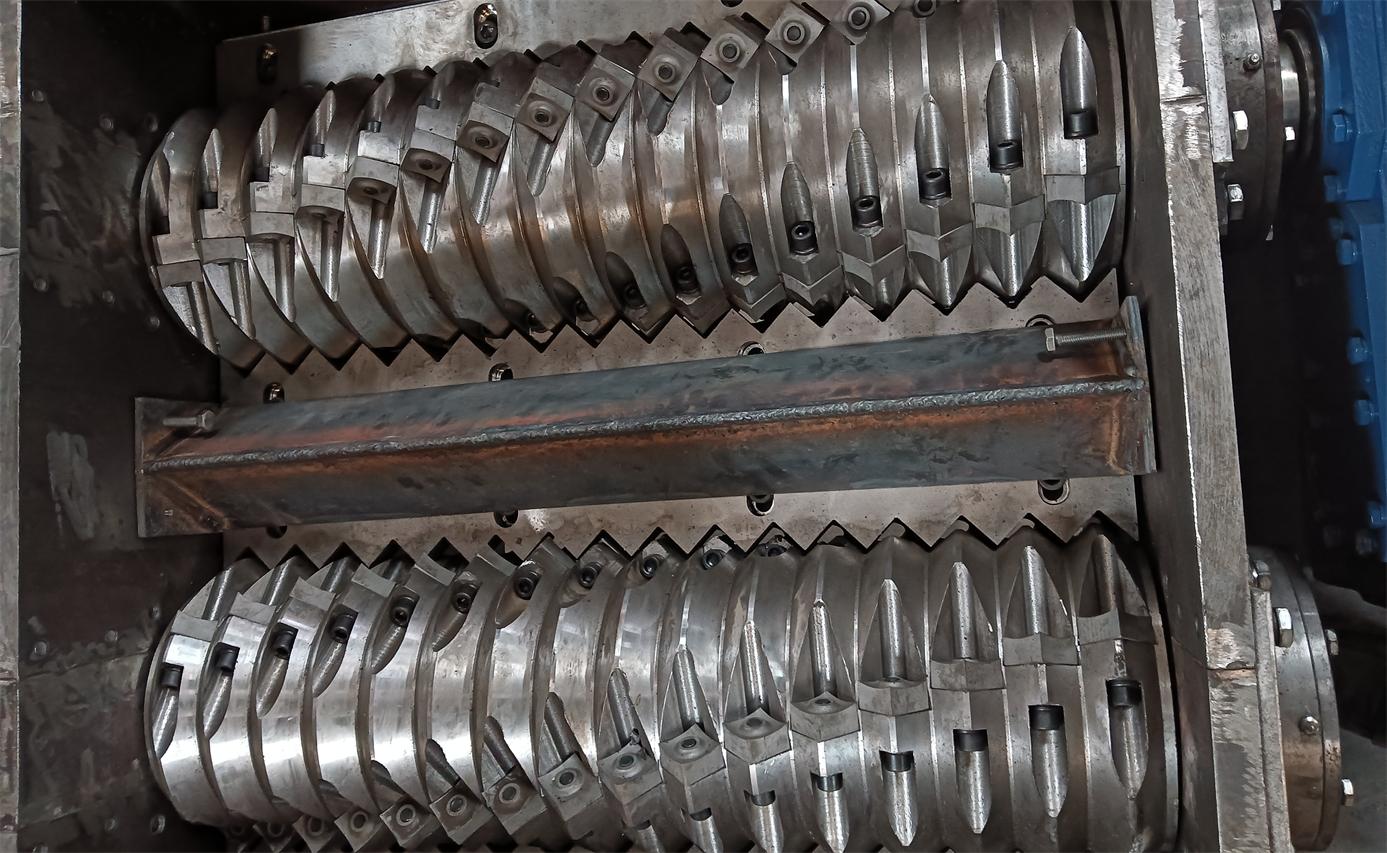
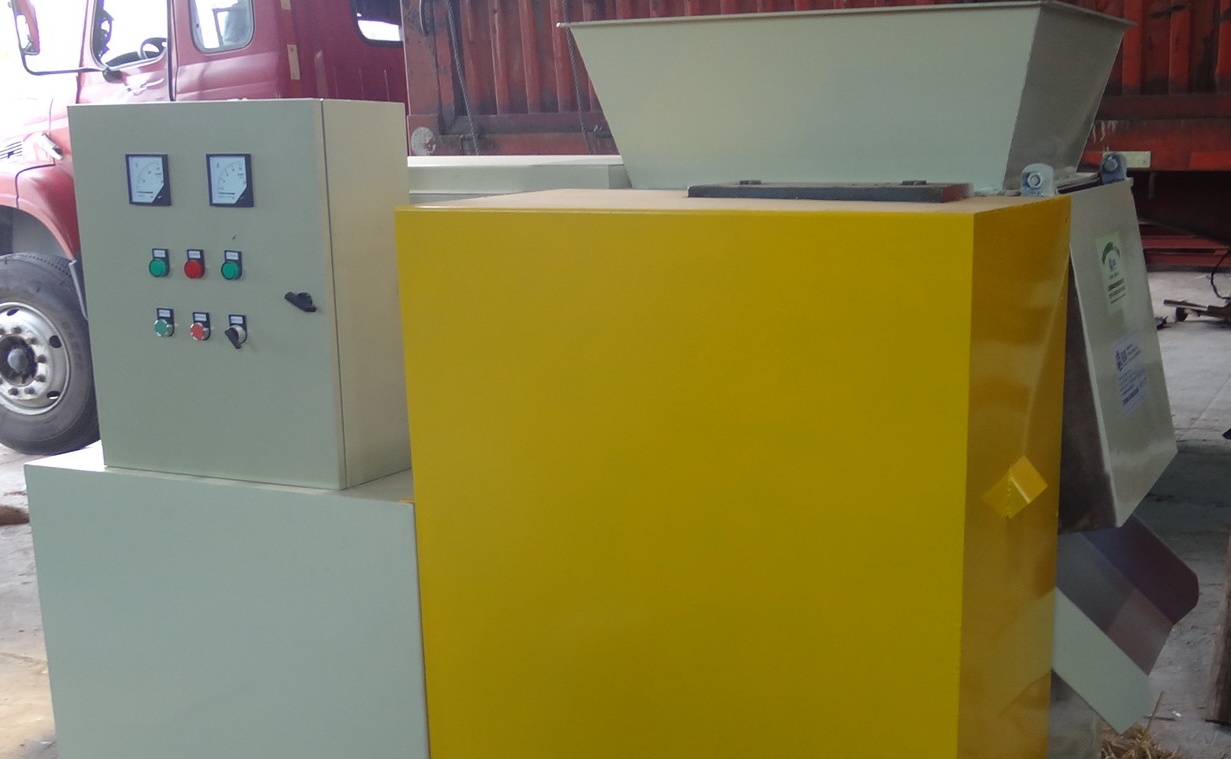
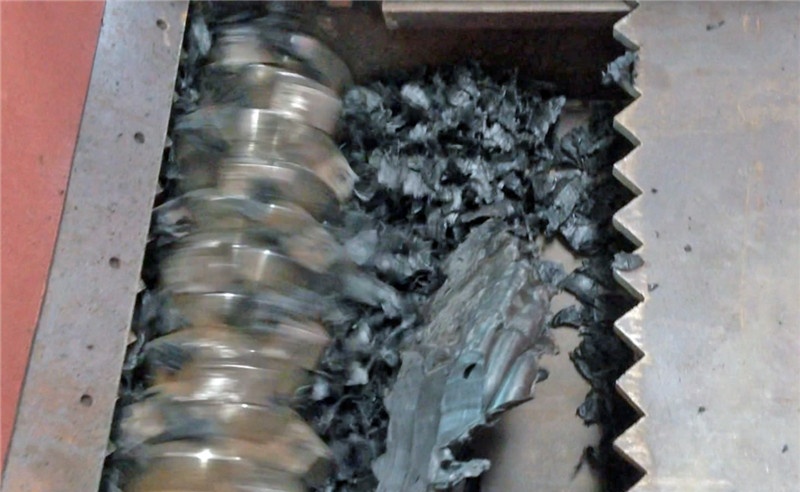
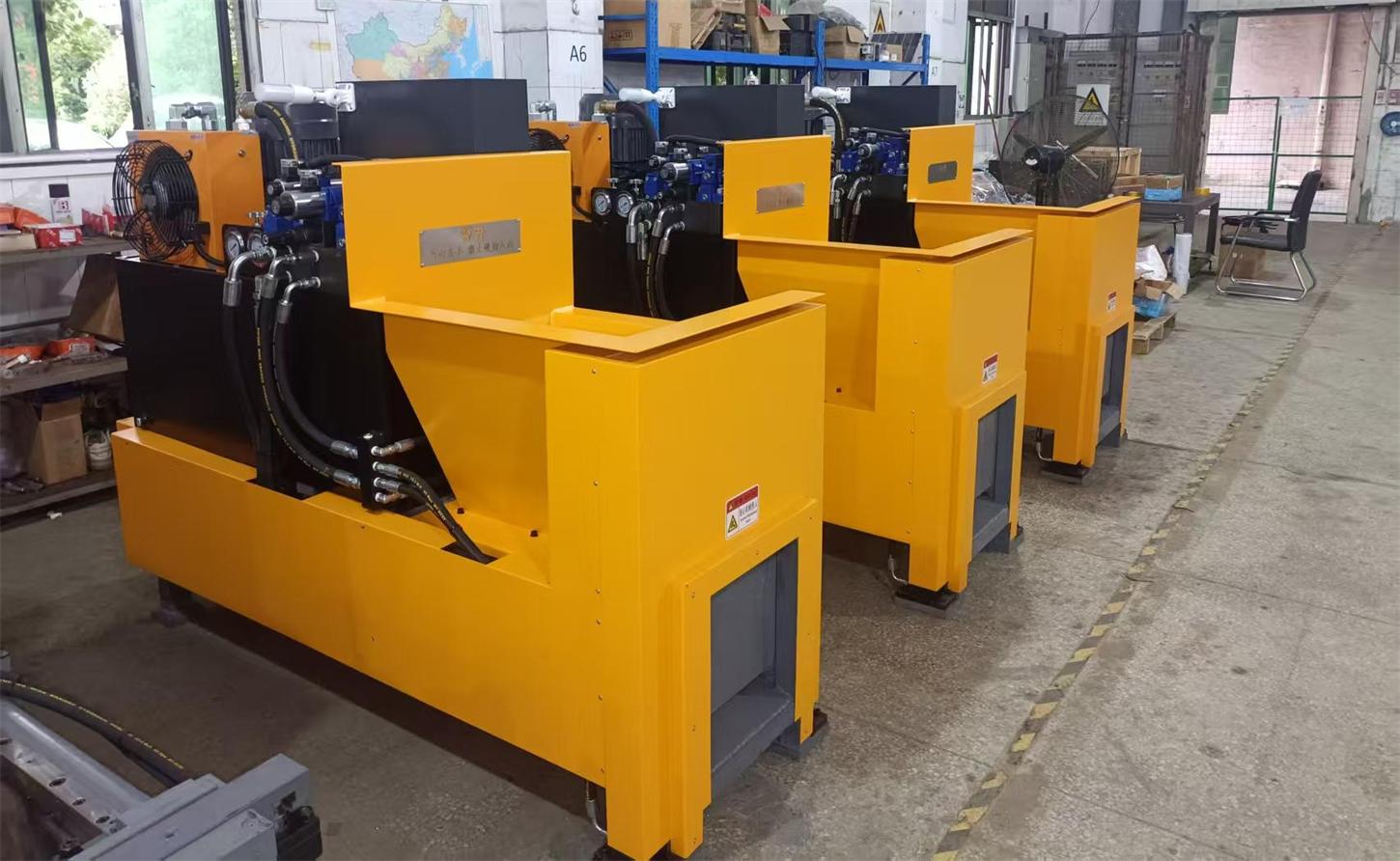
No recycling line is complete without proper pre-processing and auxiliary systems. Four-shaft and single-shaft shredders handle bulky items like refrigerators, CRT monitors, and large cable bundles. Hydraulic presses compact metal chips into briquettes for easier transport and smelting. Refrigerant recovery machines safely extract gases from end-of-life cooling equipment, ensuring environmental compliance.
The Hidden Costs of Poor Equipment Choices
Many buyers focus exclusively on initial purchase price, only to discover later that poor separation efficiency, excessive downtime, and inadequate environmental controls erode margins. Key risks include:
- Low recovery rates: Inferior separation technology leaves valuable metals in the waste stream, directly reducing revenue.
- Regulatory non-compliance: Missing air pollution control or wastewater treatment systems can result in fines or operational shutdowns.
- Limited scalability: Equipment that cannot be upgraded or expanded forces costly replacements as your business grows.
- Weak after-sales support: Without access to spare parts and technical expertise, even a minor breakdown can halt production for weeks.
Beyond Equipment: What Turnkey Partners Provide
Supplying machines is only the beginning. Experienced operators understand that long-term success depends on a broader ecosystem of support. San Lan Technologies offers value-added services that extend far beyond equipment delivery:
- EPC (Engineering, Procurement, Construction) project execution with customized plant design
- Assistance sourcing raw waste materials including cable scrap, PCB scrap, and used lead acid batteries
- Support selling recovered products such as copper rice, lead ingots, and aluminum granules
- Investor and partnership introductions for recycling plant construction projects
- Installation, commissioning, and operator training conducted by engineers with 15+ years of field experience
Why Experience Matters in Recycling Plant Design
E-waste recycling is not a one-size-fits-all business. The optimal configuration for a circuit board processing line in Southeast Asia differs from a lead battery recycling operation in Africa or a cable granulation plant in Latin America. Climate, feedstock composition, local regulations, labor costs, and energy availability all influence plant design.
A partner with nearly two decades of international project experience across 21 countries understands these nuances. San Lan Technologies has delivered equipment and complete plants to operators in Singapore, Colombia, Vietnam, Mexico, Argentina, Korea, Malaysia, Indonesia, South Africa, India, Kenya, Saudi Arabia, and beyond. This global footprint ensures that every plant is designed for local conditions, not theoretical ideals.
Designing for the Future: Modular and Upgradable Systems
The e-waste stream is evolving. New battery chemistries, smaller electronic devices, and stricter environmental regulations mean that a recycling plant must be adaptable. Modular system design allows operators to add new separation stages, upgrade automation, or expand capacity without replacing the entire line. This future-proofing approach protects your capital investment and ensures the plant remains competitive for years to come.
Start Building Your E-Waste Recycling Business Today
If you are planning a new recycling facility or expanding an existing operation, the equipment and partner you choose will determine your long-term profitability. San Lan Technologies Co., Ltd specializes in complete recycling equipment solutions for WEEE, batteries, cables, and mining applications, delivering integrated plants tailored to your material, capacity, and output requirements.
Contact us today via email at info@san-lan.com or WhatsApp at +86 139 2377 4083 to discuss your project with our engineering team and receive a customized equipment proposal.