The global surge in electronic waste has created an unprecedented opportunity for entrepreneurs and investors. Every year, millions of tons of discarded cables, used batteries, and obsolete circuit boards pile up in landfills, waiting to be transformed back into valuable raw materials. Starting an e-waste recycling plant is not just an environmentally responsible decision—it can be a highly profitable business when equipped with the right machinery and expertise.
If you are considering entering this industry, understanding the equipment landscape is the first step toward building a sustainable operation. This guide walks you through the core machinery you need, the recycling streams that generate the highest returns, and what to look for in a reliable equipment partner.
Why E-Waste Recycling Is a High-Growth Market
Electronic waste is one of the fastest-growing waste streams in the world. Old smartphones, laptops, refrigerators, and industrial cables contain recoverable metals like copper, aluminum, lead, and even precious metals such as gold and silver. Rather than letting these resources go to waste, modern recycling plants can extract and resell them at strong margins.
The key to profitability lies in selecting equipment that matches your feedstock. A plant focused on scrap cables will need very different machinery from one processing used lead acid batteries or printed circuit boards. Many successful operators start with one primary stream and expand as demand grows.
Essential Equipment for Your Recycling Plant
Building a complete recycling operation requires a combination of shredding, separation, and refining equipment. Below are the three most common and profitable recycling lines.
Cable Recycling Equipment: Turning Scrap Wire into Copper Profit
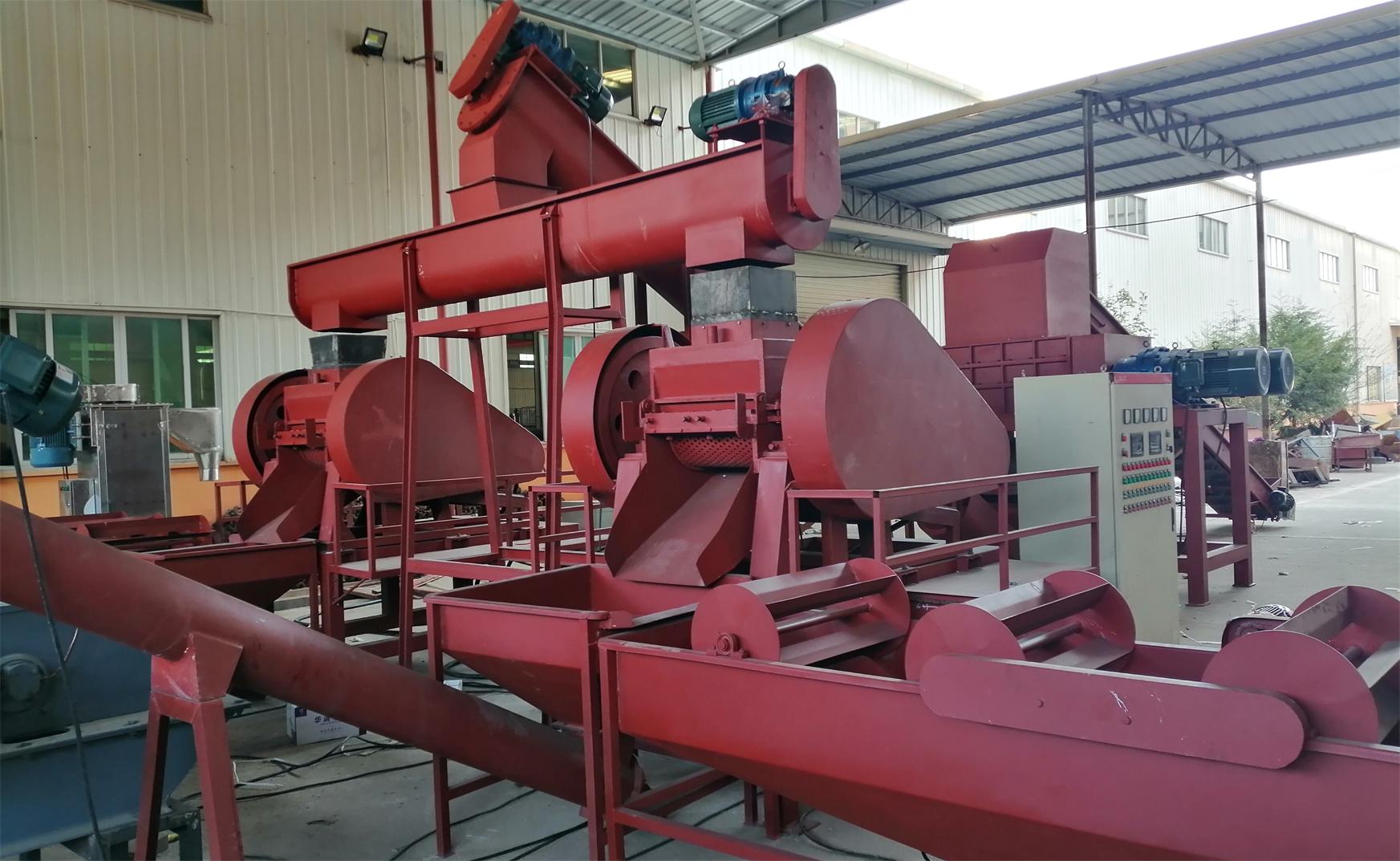
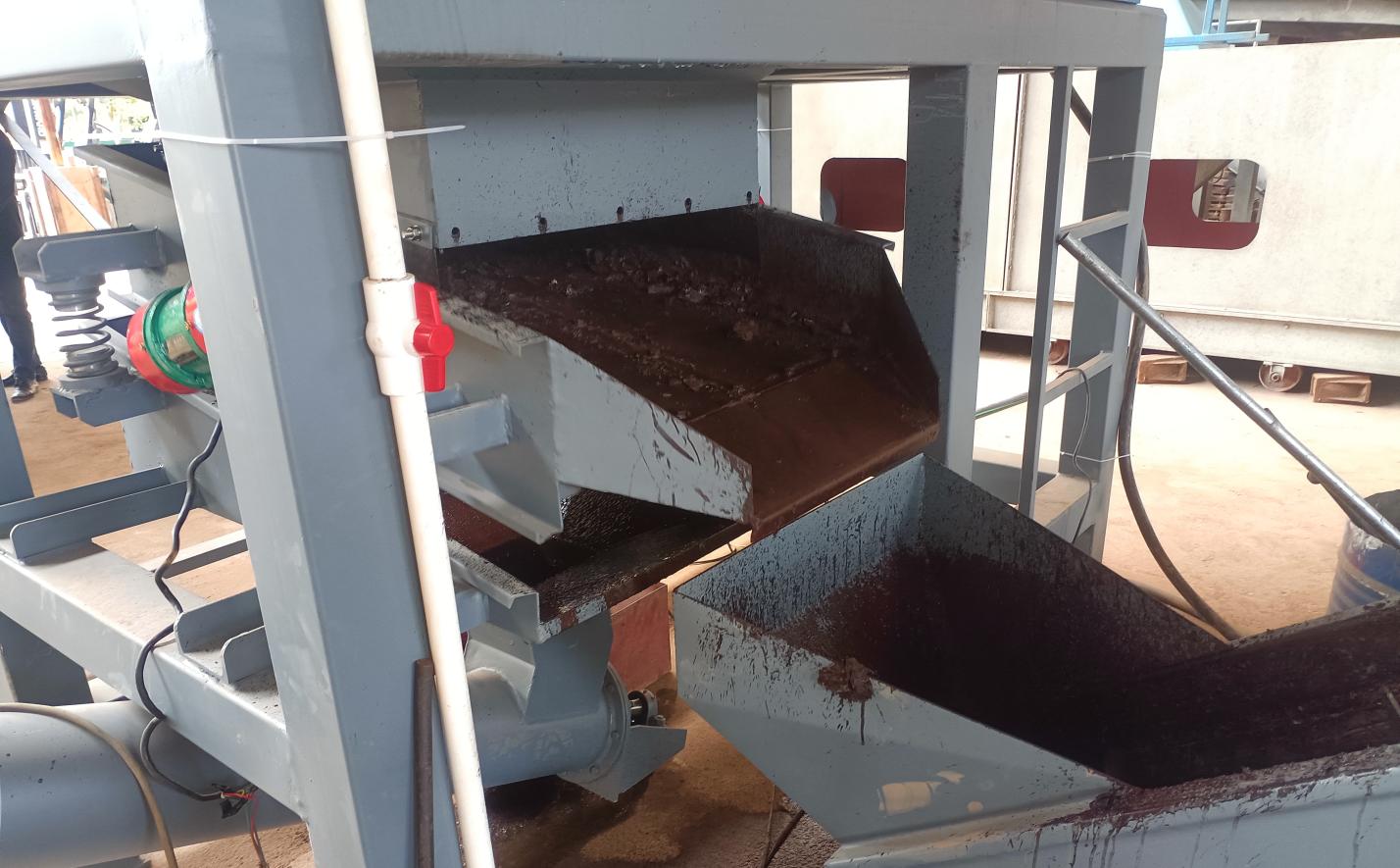
Scrap cables are one of the most accessible feedstocks for new recycling businesses. Copper and aluminum prices remain strong, making cable recycling equipment a fast-return investment. A typical cable recycling line includes scrap cable strippers for thick wires and cable granulators with dry or wet separators to finely separate metal from plastic insulation.
For smaller operations, compact granulators processing 100–600 kg per hour offer a low-entry cost. For larger facilities, high-capacity lines handling over 1,000 kg per hour with advanced air or water separation systems deliver higher purity copper powder or granules that command premium prices in the metals market.
Lead Acid Battery Recycling Equipment: Capturing Lead and Plastic Value
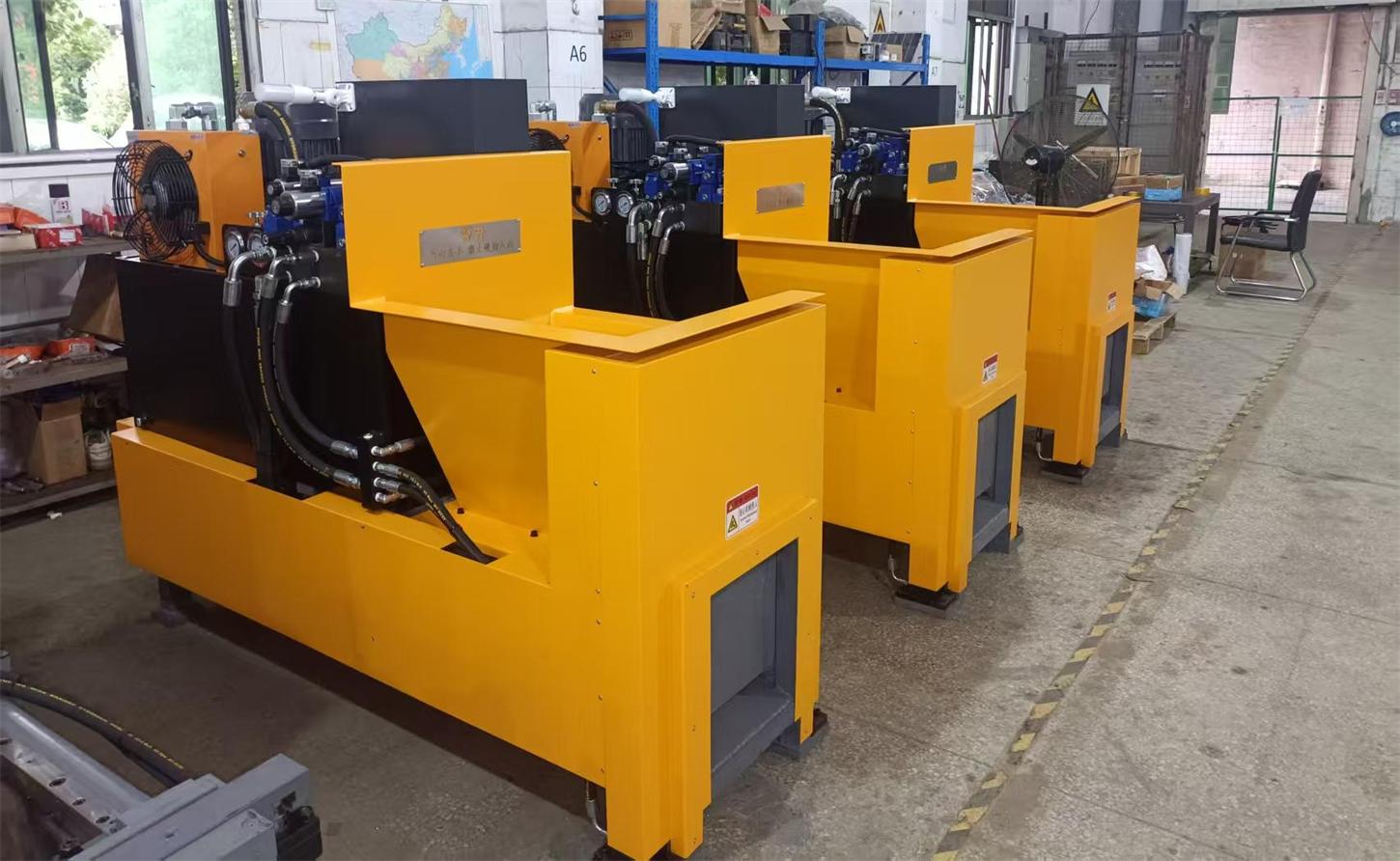
Used lead acid batteries represent one of the most recycled products globally. A complete lead acid battery recycling equipment line typically starts with a battery cutter to safely open and drain acid, followed by a breaking and separation system that sorts lead paste, lead grids, plastic casings, and hard rubber.
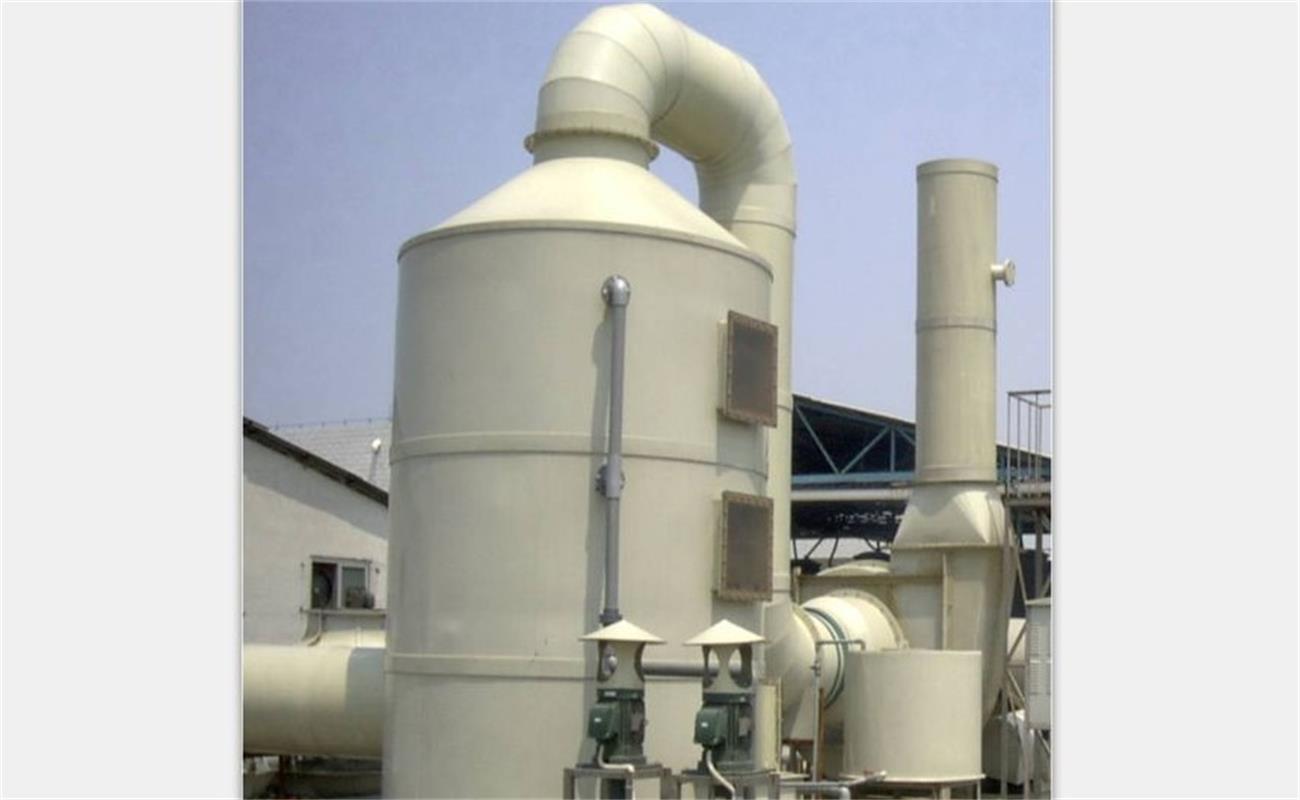
Downstream, smelting furnaces—such as rotary furnaces for paste reduction and refinery kettle furnaces—convert these materials into crude and then refined lead ingots with purity levels up to 99.999%. Modern plants also integrate air pollution control systems and water treatment plants to meet strict environmental standards, turning compliance into a competitive advantage.
Circuit Board Recycling Equipment: Unlocking Precious Metals
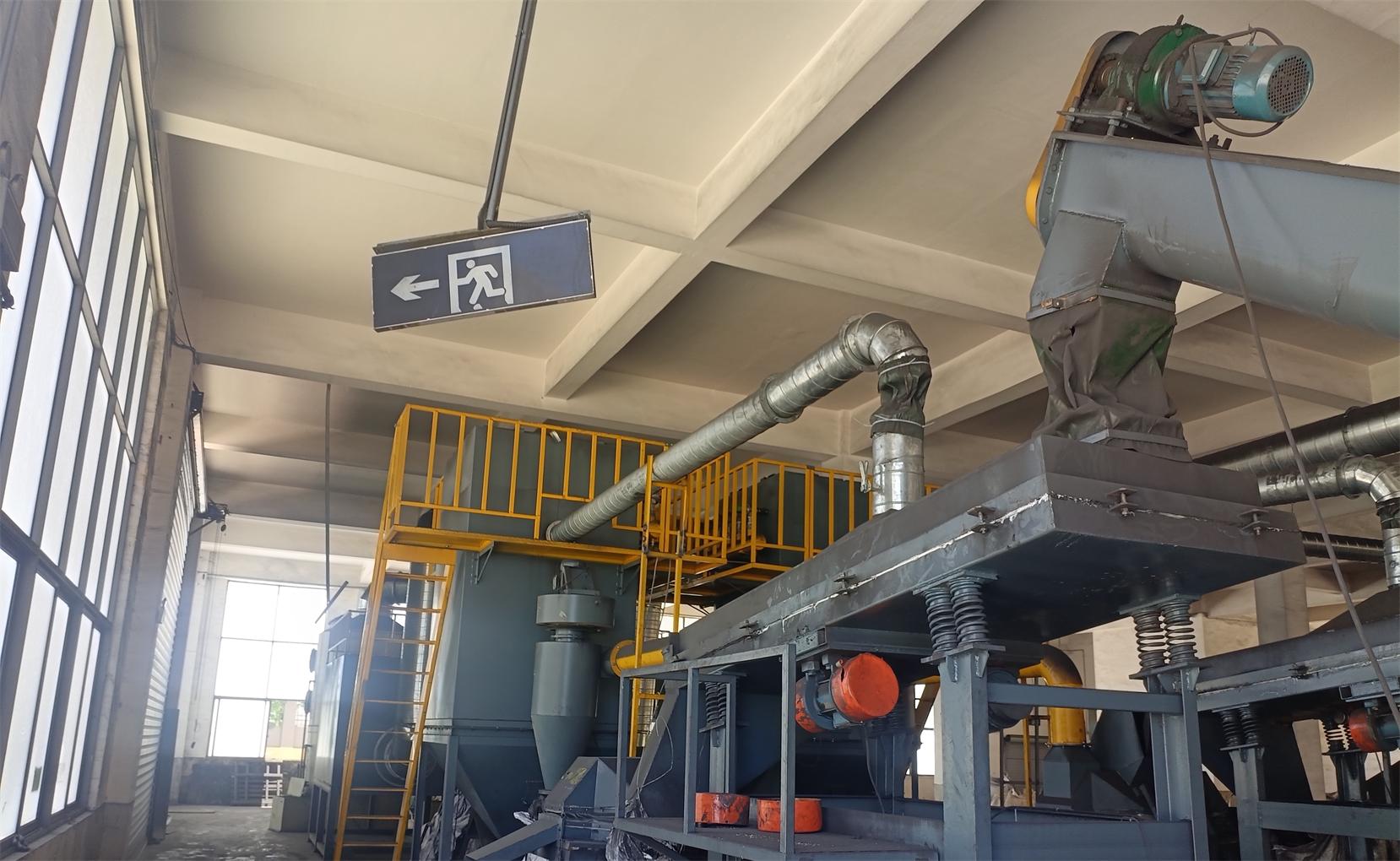
Printed circuit boards (PCBs) contain copper, gold, silver, and palladium, but they also require specialized handling due to their complex composition. Circuit board recycling equipment uses either dry separation with air classifiers and electrostatic separators, or wet separation with water-based metal recovery systems.
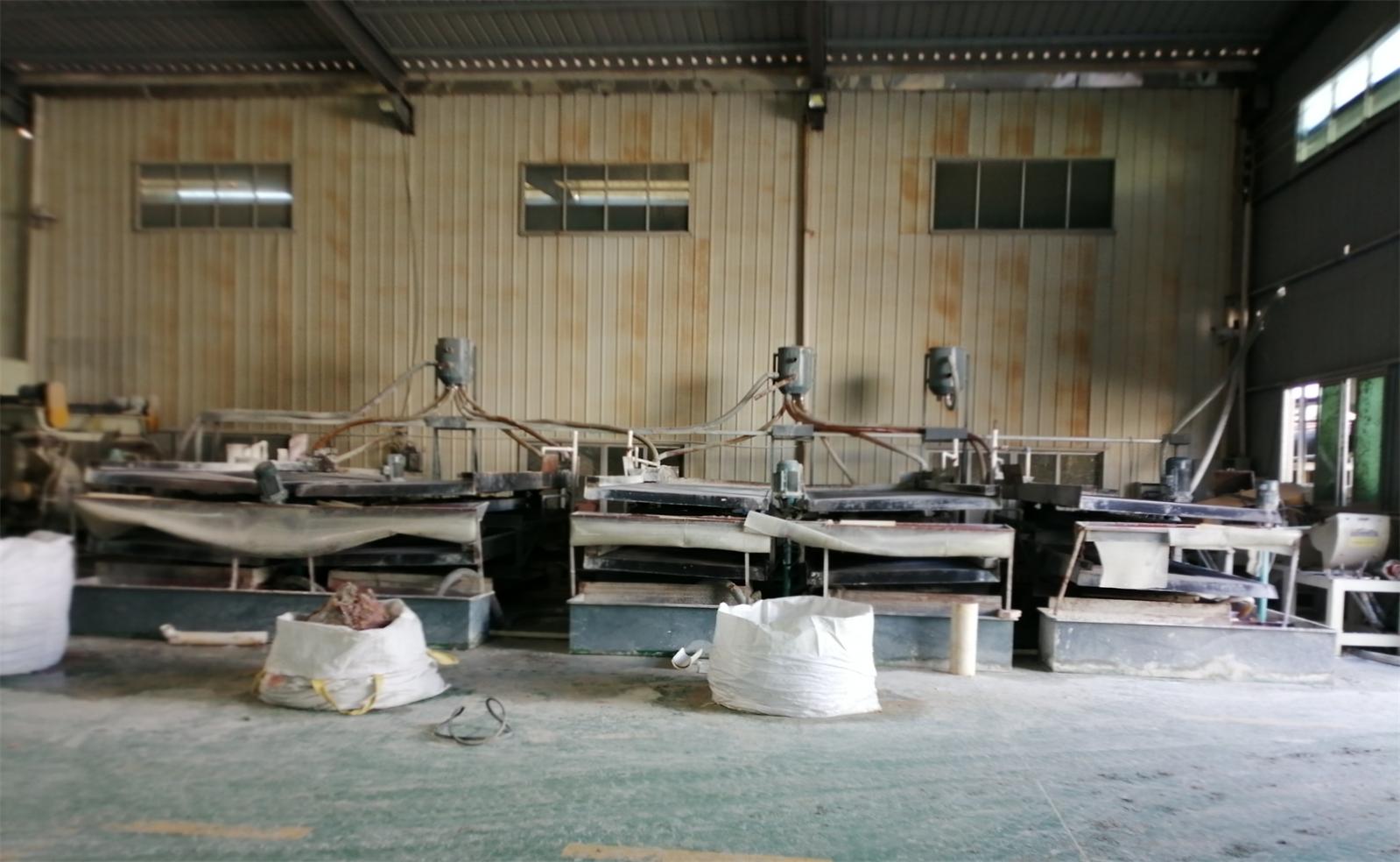
Dry process plants are ideal for regions with water scarcity and can achieve copper powder purity of 96–98% with no dust pollution when paired with pulse bag dust collectors. Wet separation systems, on the other hand, can handle PCB waste still loaded with electronic components and typically achieve high recovery rates with stable, automated operation.
Do Not Overlook Preprocessing Machinery
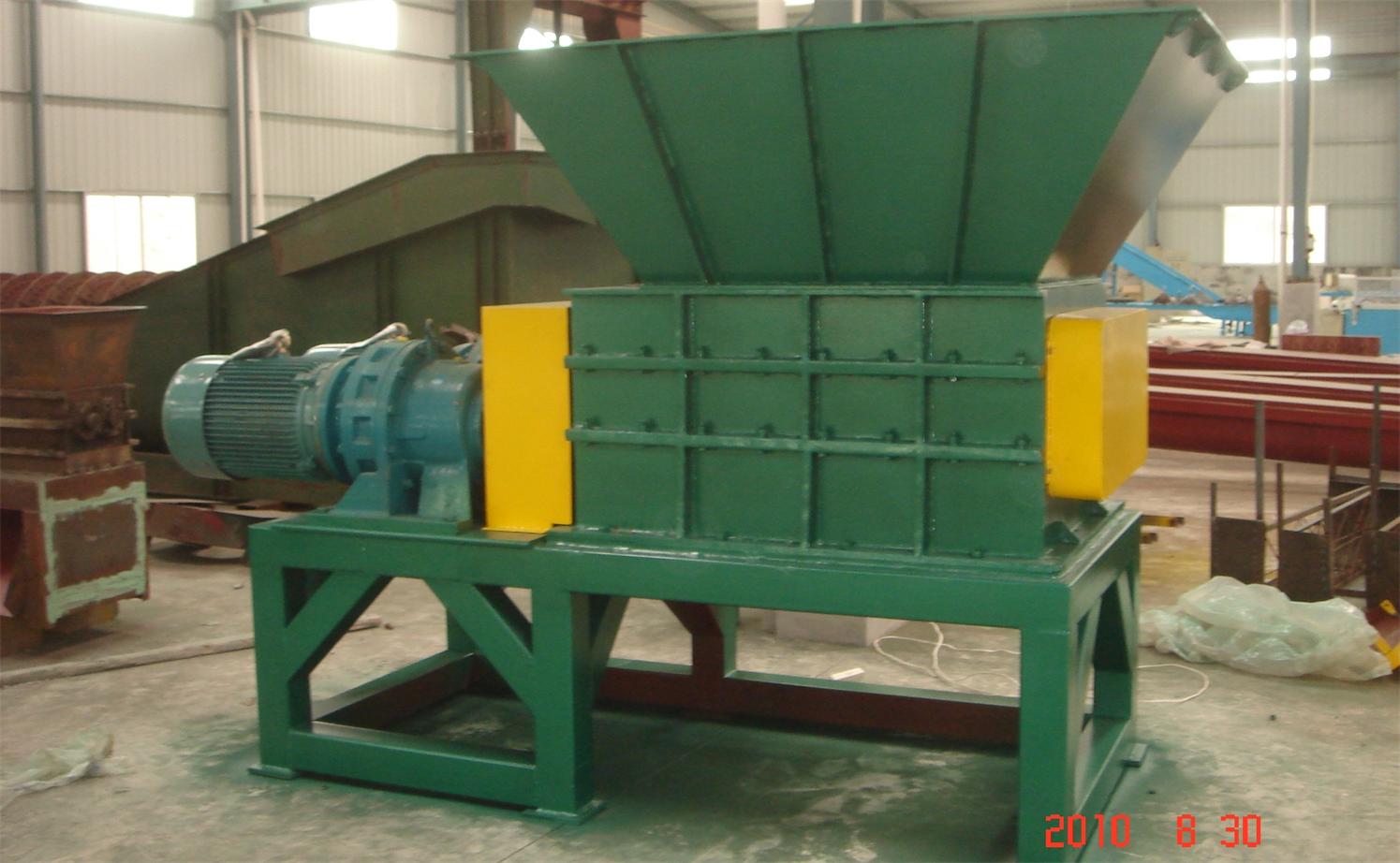
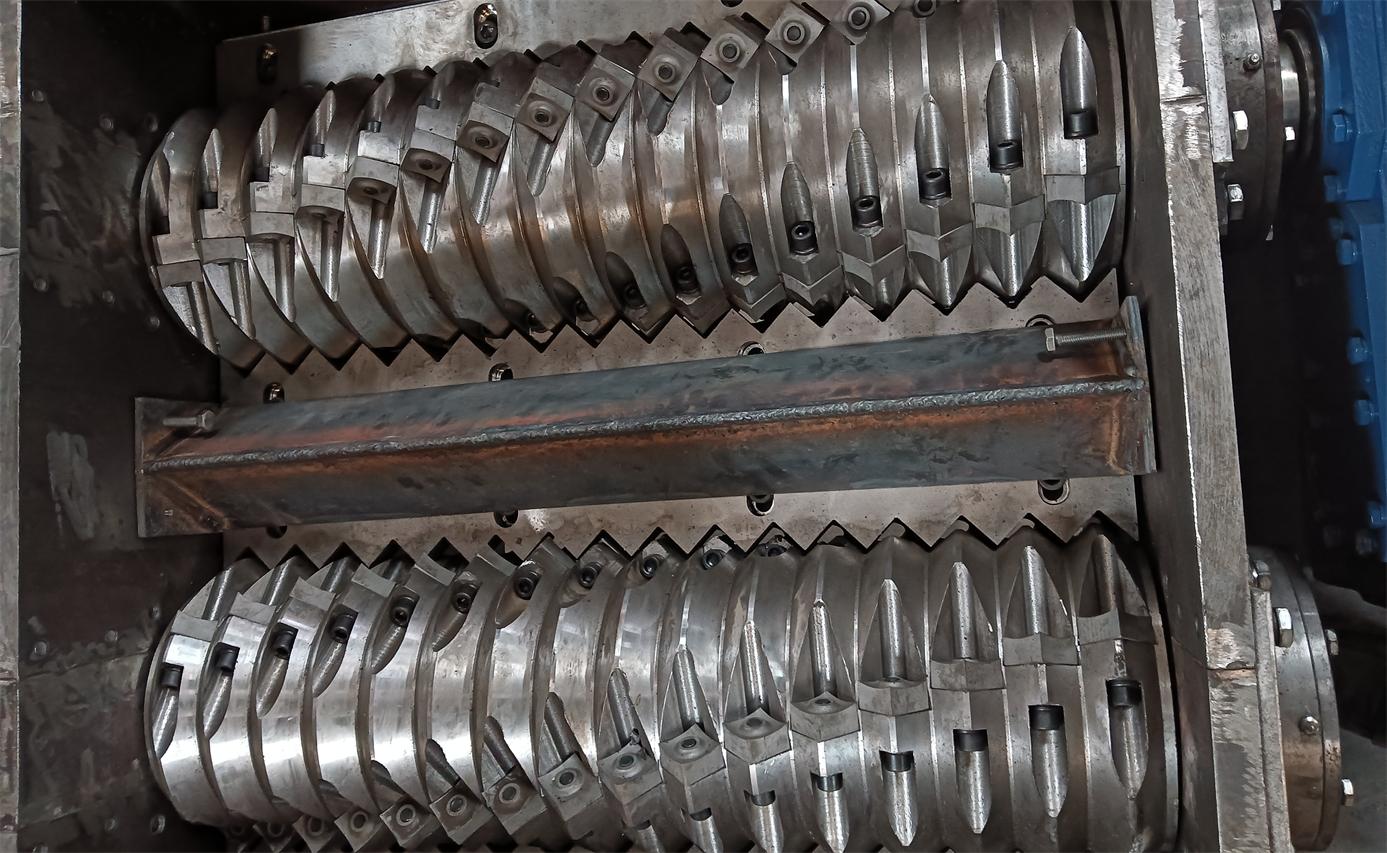
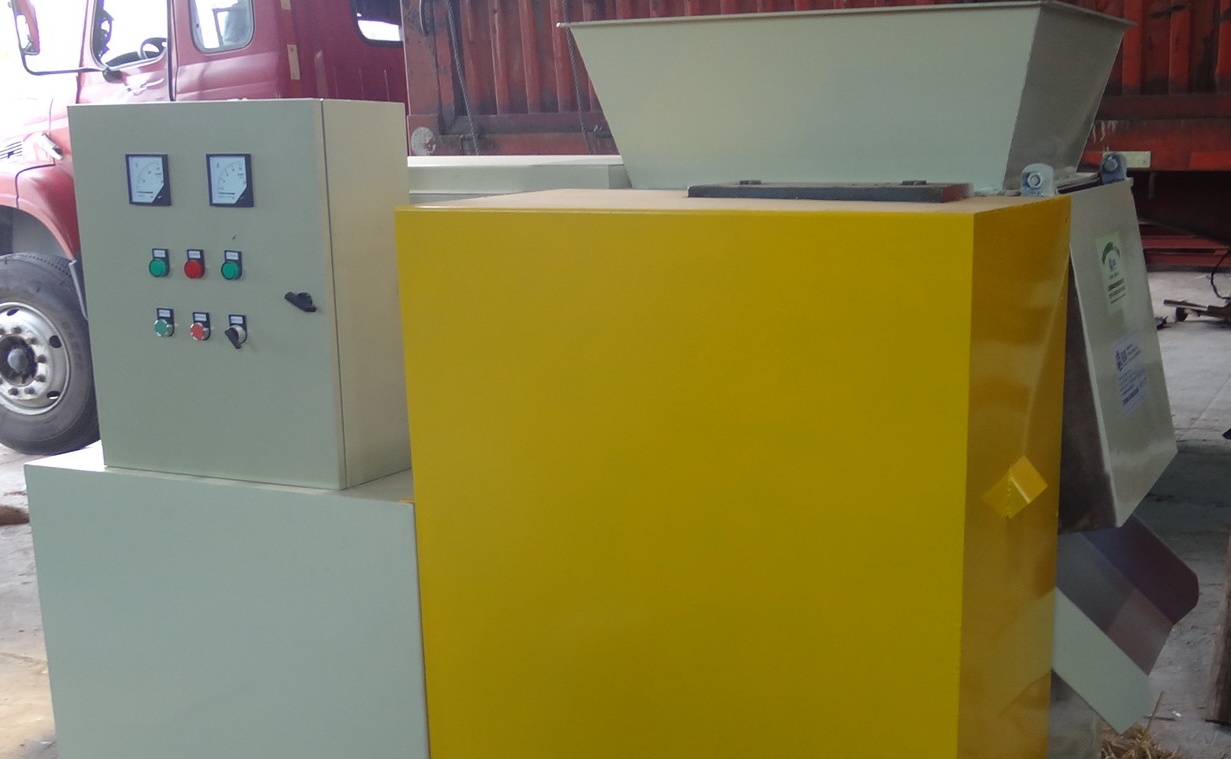
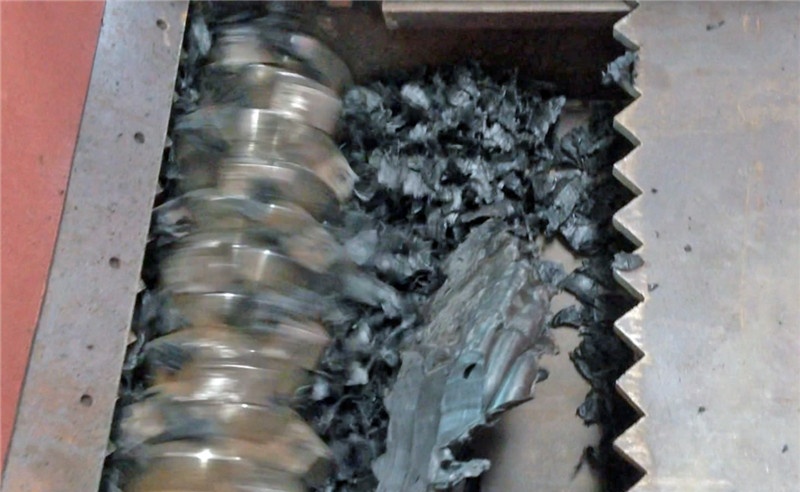
Before any specialized recycling line can operate efficiently, e-waste often needs to be shredded or chopped into manageable sizes. Shredder and pre-chopper equipment handles everything from bulky refrigerators and air conditioners to lithium batteries and cable bundles.
Single-shaft shredders work well for cable and plastic preprocessing, while four-shaft shredders handle tougher materials like refrigerators and mixed e-waste. Choosing the right shredder capacity—ranging from 300 kg/hour for small plants to over 6 MT/hour for industrial operations—ensures your downstream equipment runs at peak efficiency without bottlenecks.
What to Look for in an Equipment Supplier
Not all equipment manufacturers offer the same level of support. When investing in recycling machinery, consider suppliers who provide:
- Customized plant design based on your feedstock and capacity targets
- Turnkey EPC solutions covering engineering, procurement, and construction
- Installation and commissioning support at your facility
- Help sourcing raw materials and selling finished products
- Environmental compliance systems such as air pollution control and effluent treatment
A supplier with deep experience in e-waste recycling can help you avoid costly mistakes during setup and optimize your process flow for maximum metal recovery and profitability.
San Lan Technologies: Your Partner from Concept to Commissioning
San Lan Technologies Co., Ltd, established in 2007, has built a reputation as a professional manufacturer of WEEE recycling machines and mining equipment. With customers in over 21 countries, the company offers one of the broadest product portfolios in the industry—from cable granulators and battery recycling plants to circuit board separation systems, shredders, and metal melting furnaces.
What sets San Lan apart is its end-to-end project support. The technical team includes mechanical engineering masters with more than 15 years of hands-on experience in e-waste recycling equipment. Beyond manufacturing, San Lan assists clients with purchasing waste feedstock, designing customized plant layouts, and even connecting operators with buyers for recovered copper, lead ingots, and other outputs.
Whether you are launching your first recycling line or scaling an existing operation, working with a single-source supplier simplifies procurement, reduces compatibility issues, and speeds up your path to production.
Ready to Start Your Recycling Project?
Building a profitable e-waste recycling plant starts with choosing the right equipment and the right partner. San Lan Technologies offers complete recycling solutions tailored to your budget, feedstock, and production goals. Get in touch today to discuss your project requirements and receive a customized equipment proposal.