A practical roadmap for investors entering the growing world of electronic waste recovery.
Every year, millions of tons of discarded electronics, spent batteries, and obsolete circuit boards pile up in landfills. For savvy investors, this is not just an environmental problem. It is a business opportunity. With the right machinery and a clear process, e-waste can be transformed into recovered copper, lead, aluminum, and precious metals that feed back into manufacturing supply chains.
This guide walks through the core recycling streams, the equipment you need, and what to look for in a manufacturing partner who can deliver a complete plant rather than just a single machine.
Four High-Value Recycling Streams to Consider
Before buying equipment, it helps to understand which materials offer the best return on investment. Most successful plants focus on one or more of the following streams.
Lead Acid Battery Recycling
Used lead acid batteries remain one of the most recycled consumer products globally. A complete lead acid battery recycling equipment line typically includes a battery breaking and separation system, a de-sulfurization unit, a rotary furnace or blast furnace for paste reduction, a lead refinery kettle, and an air pollution control system. Capacities generally range from 1 to 10 metric tons per hour. The lead recovery rate from modern blast furnace systems can reach 95 percent, making this a highly efficient stream when equipment is properly matched to raw material supply.
Lithium Battery Recycling
With the surge in electric vehicles and portable electronics, spent lithium-ion batteries represent one of the fastest-growing waste categories. Recycling lines in this segment focus on safe discharging, pre-crushing, secondary granulation, and black mass separation. A well-designed plant can recover black mass containing nickel, cobalt, and graphite, along with separated plastic, copper, and aluminum. Throughputs commonly range from 500 to 2,500 kilograms per hour. Because lithium batteries carry fire risk, the discharging and pre-crushing stages are critical safety investments.
Circuit Board Recycling
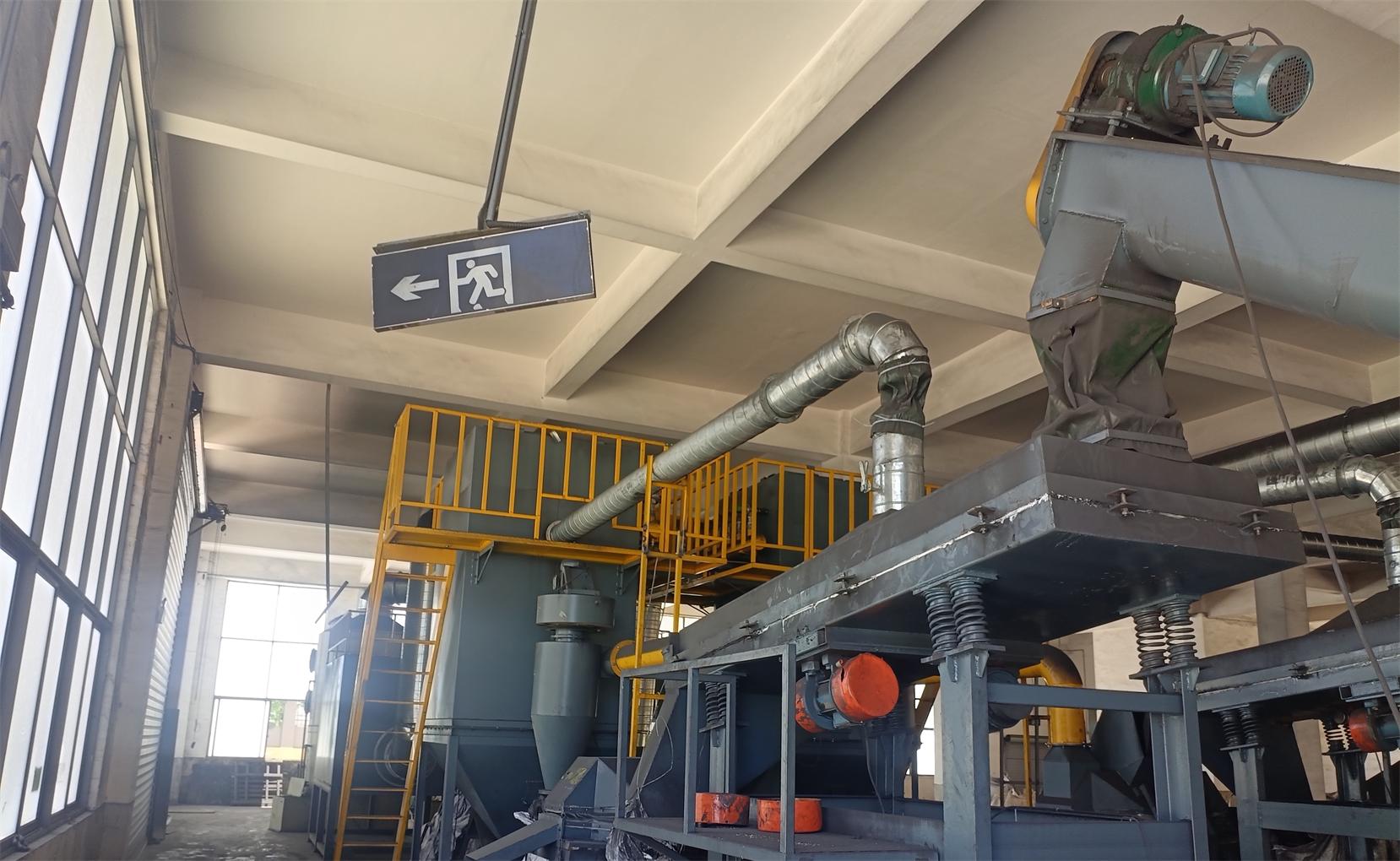
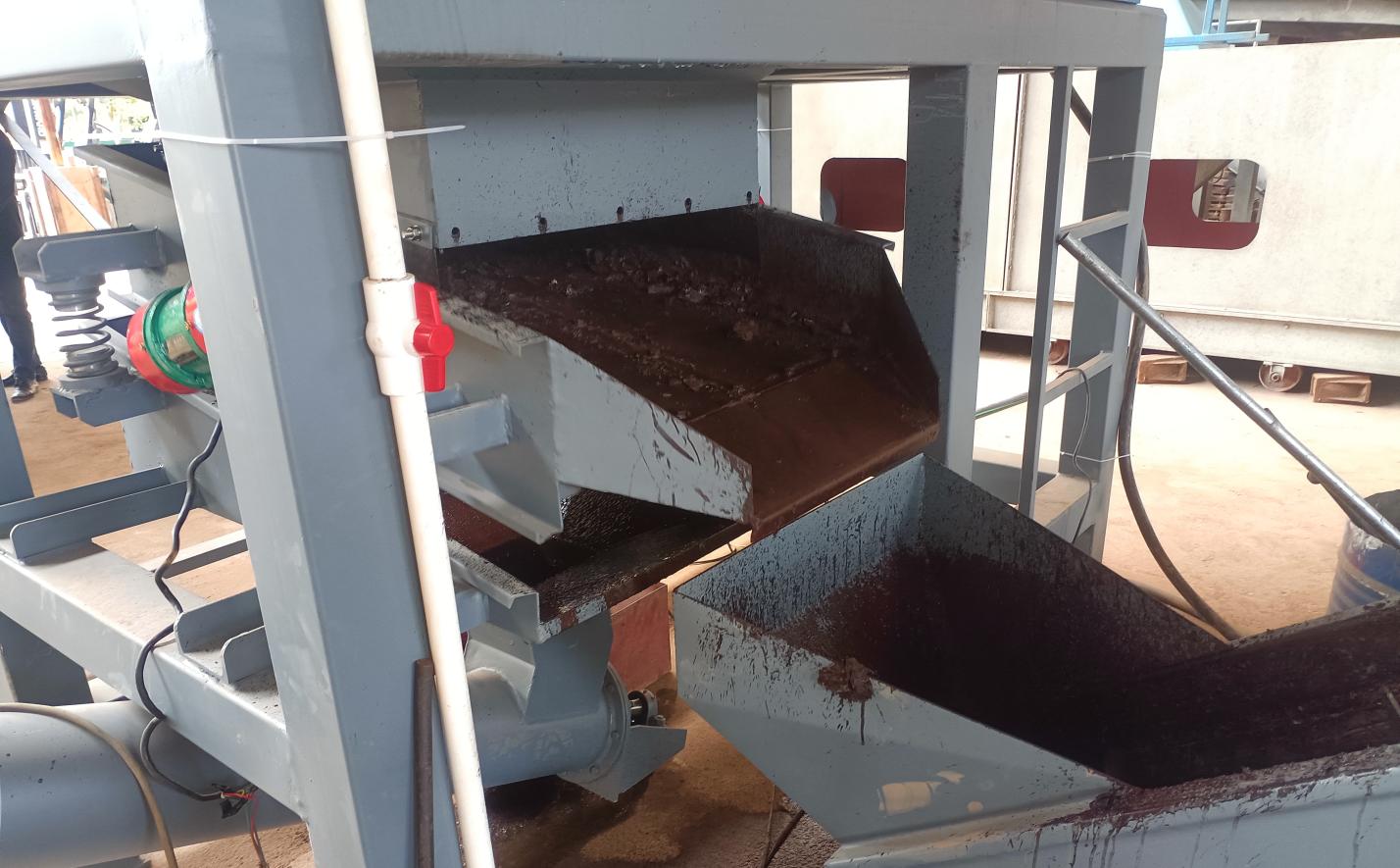
Printed circuit boards from computers, phones, and appliances contain copper, gold, silver, and palladium. Circuit board recycling equipment uses either dry air separation or wet water separation to pulverize boards and isolate metal powder from non-metal resin. Dry separation plants with air classifiers and electrostatic separators can achieve copper powder purity of 96 to 98 percent. Capacities range from compact 300 kg per hour units up to industrial 2,000 kg per hour lines.
Cable and Wire Recycling
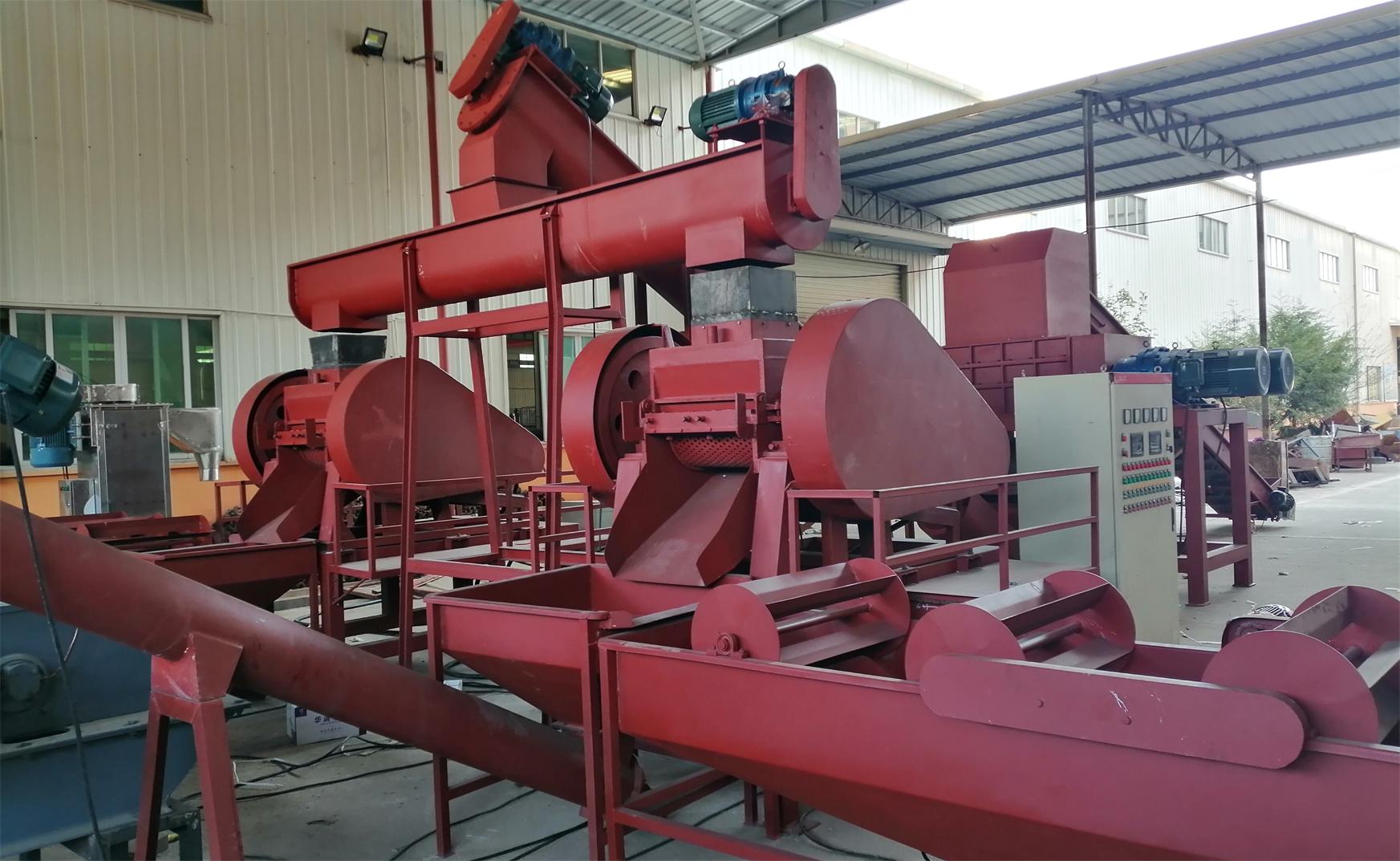
Scrap copper and aluminum cable is abundant in construction, telecommunications, and automotive sectors. Cable recycling equipment includes scrap cable strippers for large-diameter wire and cable granulators with dry separators for fine copper and plastic recovery. Granulators separate copper or aluminum from plastic insulation through crushing and air classification. Some setups also include wet separation for higher purity when market conditions justify the extra water treatment step.
Essential Equipment Categories for a Modern Plant
Regardless of which stream you prioritize, most recycling plants share a common equipment backbone. Understanding these categories helps you evaluate supplier proposals more critically.
| Equipment Category | Function | Typical Capacity Range |
|---|---|---|
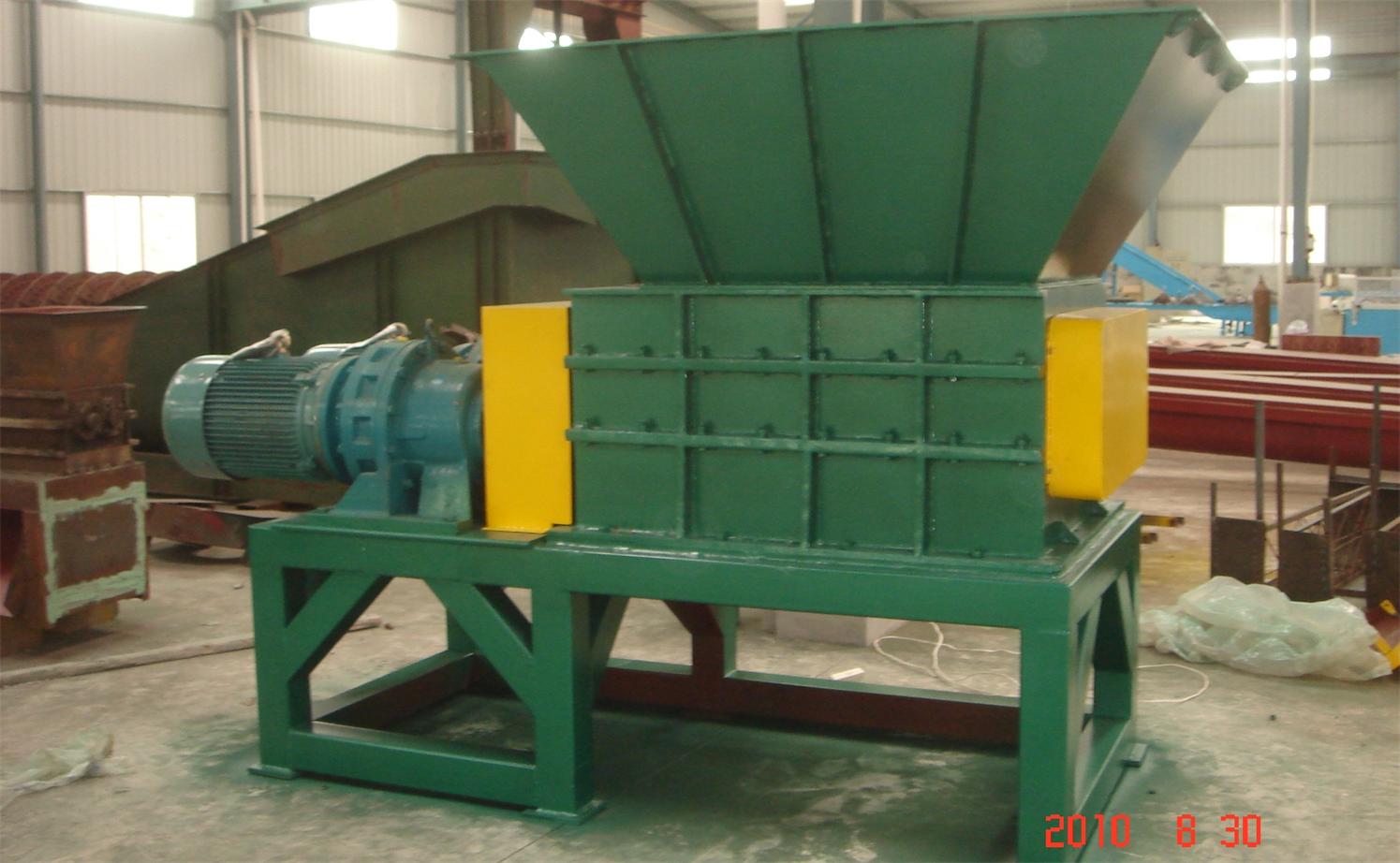
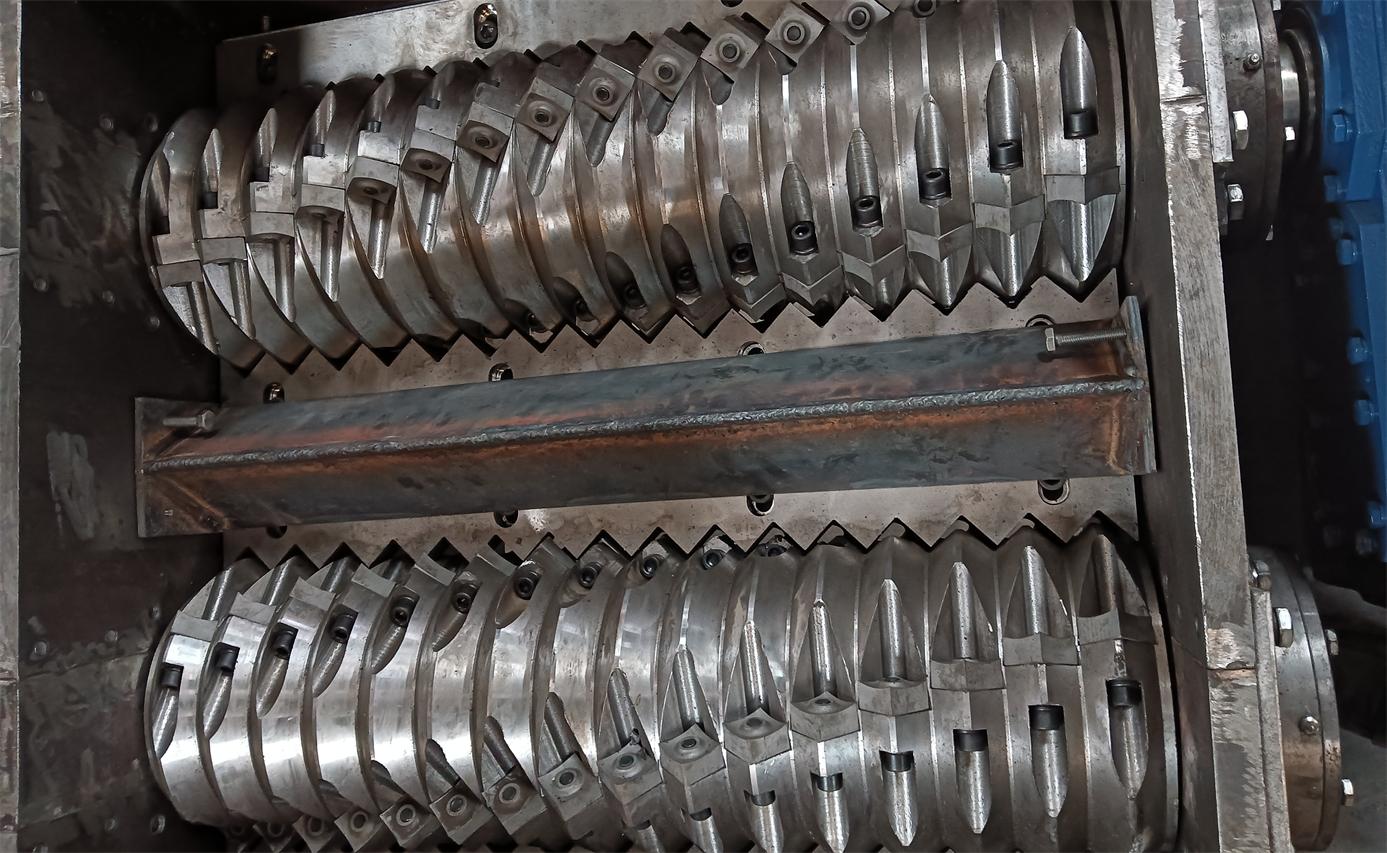
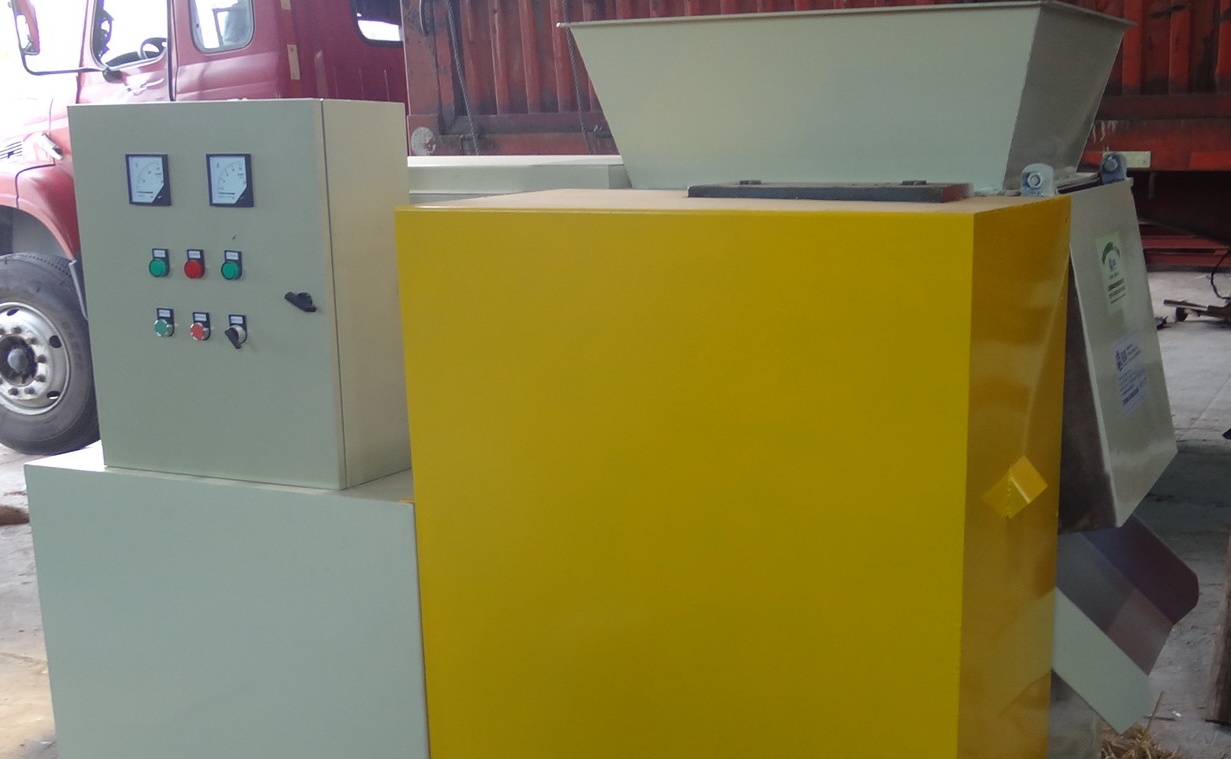
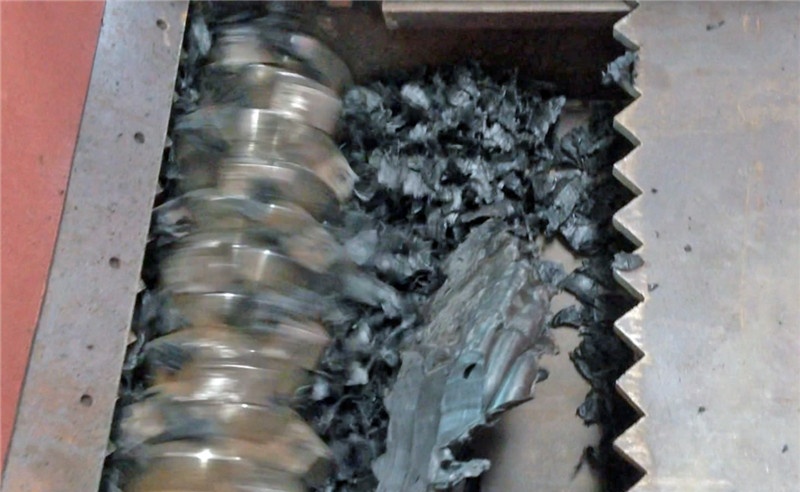
| Shredders and Pre-choppers | Size reduction before further processing | 200 kg/h to 6 MT/h |
| Breaking and Separation Systems | Crush and classify batteries, PCBs, or cables | 300 kg/h to 2,500 kg/h |
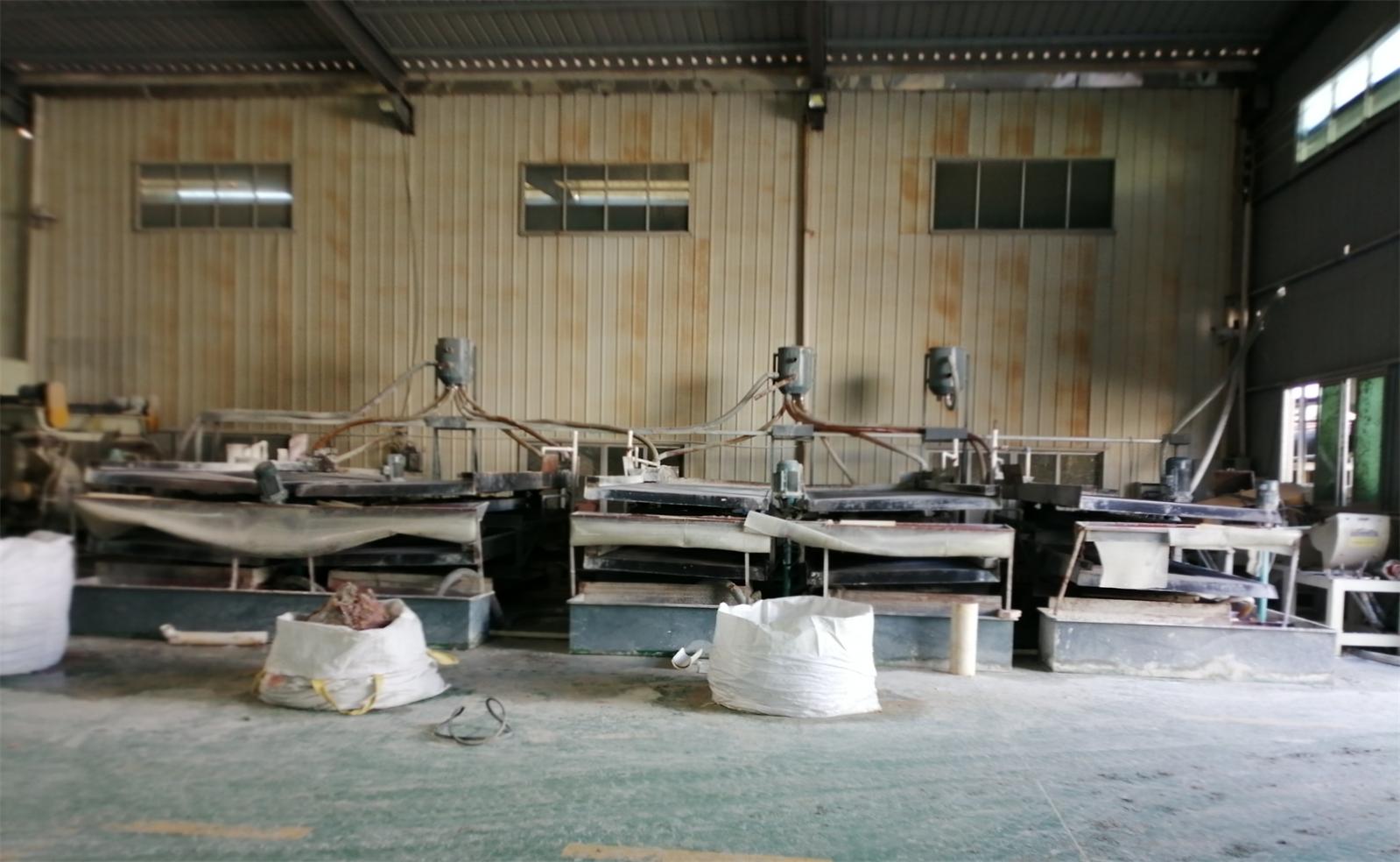
| Air / Water Separation Units | Isolate metal from plastic and non-metal fractions | Matched to upstream crusher |
| Smelting and Refining Furnaces | Reduce lead paste or melt recovered metals into ingots | 2 MT to 100 MT per batch/day |
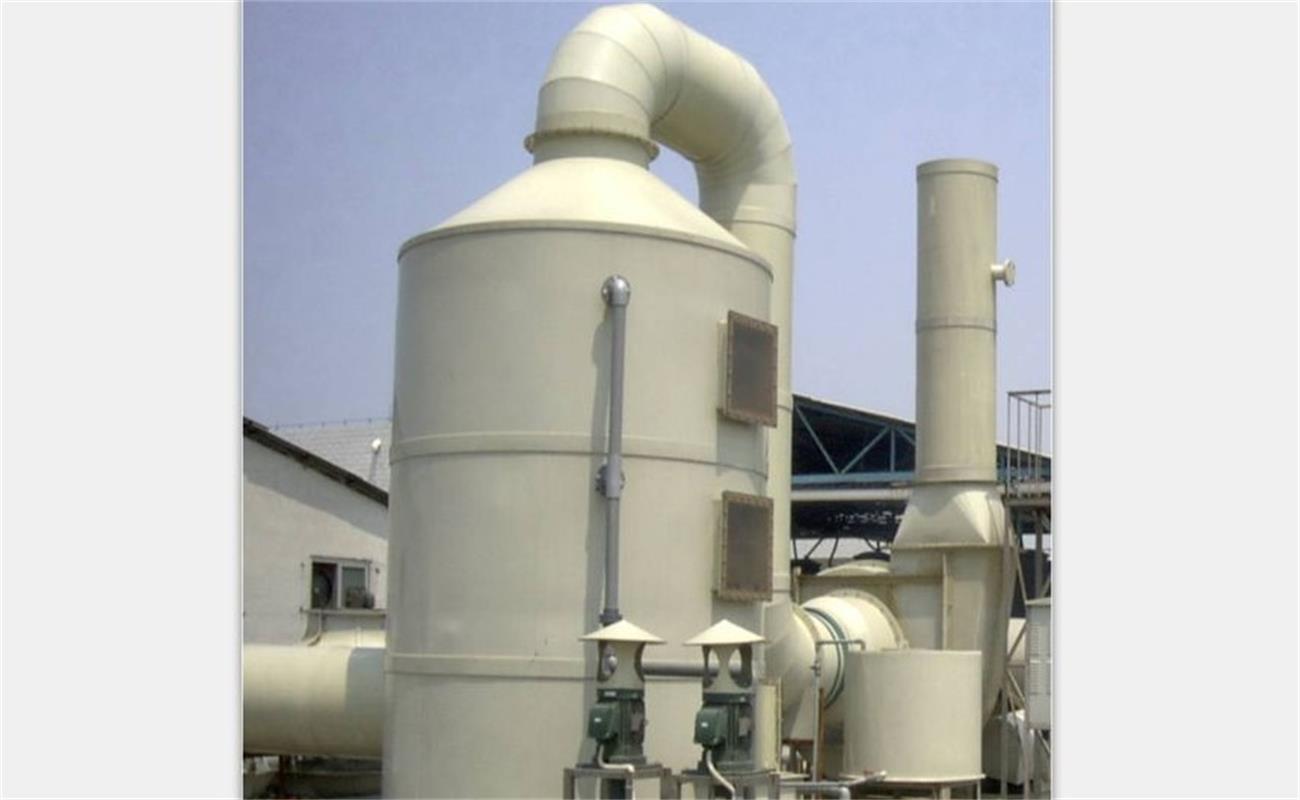
| Environmental Control Systems | Filter dust, neutralize acid gas, treat wastewater | Scaled to plant throughput |
Key Insight: The environmental control system is not an afterthought. In lead acid battery recycling, for example, air pollution control units and wastewater treatment plants are often required by law. Investing in these systems upfront protects your license to operate and prevents costly shutdowns later.
What to Look for in an Equipment Partner
Buying recycling equipment is not like buying a standard industrial machine. Each plant must be adapted to local raw material composition, environmental regulations, and available utilities. Here are the qualities that separate reliable suppliers from mere traders.
EPC Project Experience
EPC stands for Engineering, Procurement, and Construction. A supplier with EPC experience can design the full plant layout, specify compatible machinery, and oversee installation and commissioning. This is especially valuable for first-time investors who need guidance on furnace selection, additive choice, and environmental compliance.
Technical Depth
Look for a technical team with formal mechanical engineering backgrounds and hands-on experience in recycling process design. The complexity of separation physics, furnace thermodynamics, and emission control requires more than just sales expertise. Ask about the team's qualifications and how many plants they have commissioned.
Customization and Scale Flexibility
Your startup phase may only need a 500 kg per hour line, but you want the option to expand. Modular plant designs let you add shredders, additional separation stages, or larger furnaces without rebuilding from scratch. Confirm that the supplier offers custom designs rather than one-size-fits-all packages.
After-Sales Support Network
Recycling equipment operates in harsh conditions. Wear parts like crusher blades, furnace linings, and filter bags need regular replacement. A supplier with a proven export track record to your region is more likely to deliver spare parts promptly and provide remote or on-site technical support when breakdowns occur.
A Practical Example: Lead Acid Battery Plant Setup
To make this concrete, consider a typical used lead acid battery recycling plant. The workflow usually follows this sequence:
- Step 1: Batteries are fed into a breaking and separation system that crushes them and classifies the output into acid, lead paste, lead grid, and plastic fractions.
- Step 2: Lead paste is filtered and then sent through a de-sulfurization unit to reduce sulfur content and lower smelting energy requirements.
- Step 3: The treated paste is reduced in a rotary furnace or blast furnace to produce crude metallic lead.
- Step 4: Crude lead is refined in a kettle furnace to reach 99.999 percent purity, suitable for battery manufacturing or sale as ingots.
- Step 5: Throughout the process, air pollution control systems capture dust and acid gas, while wastewater treatment handles effluent from washing and cooling.
Each stage must be matched in capacity. A common mistake is buying a high-throughput breaker but undersizing the furnace, creating a bottleneck that wastes labor and storage space.
Final Thoughts
The e-waste recycling sector rewards operators who combine quality equipment with careful process planning. Whether you are entering lead acid battery recovery, lithium battery black mass production, circuit board metal extraction, or cable granulation, the principle is the same: understand your raw material, match equipment capacities, and partner with a supplier who can support you beyond the initial sale.
San Lan Technologies, based in Jiangxi Province, China, has been designing and manufacturing recycling machinery since 2007. The company serves clients across more than twenty countries and offers EPC project services covering design, equipment supply, installation, and commissioning. Their product range spans lead acid and lithium battery recycling lines, circuit board separation plants, cable granulators, shredders, and associated environmental control equipment.
Ready to Explore Your Recycling Plant Project?
If you are evaluating equipment for a new e-waste recycling venture or expanding an existing operation, speaking with an experienced manufacturer can help you avoid costly missteps. San Lan Technologies offers free process consultation and plant layout design to help you choose the right machines for your material stream and capacity targets.
Contact San Lan Technologies