How to Build a Profitable E-Waste Recycling Operation with the Right Equipment Partner
A practical guide to choosing recycling machinery that delivers real returns
The global surge in electronic waste has created one of the most significant industrial opportunities of this decade. Every discarded smartphone, spent car battery, and obsolete refrigerator represents recoverable value in the form of copper, aluminum, lead, lithium, and precious metals. For entrepreneurs and established businesses looking to enter this space, the difference between a struggling startup and a profitable recycling operation often comes down to one decision: choosing the right equipment partner.
At San Lan Technologies, we have spent nearly two decades helping companies across 21 countries turn waste streams into revenue streams. Here is what we have learned about building a recycling business that actually works.
Understand Your Feedstock Before You Buy Equipment
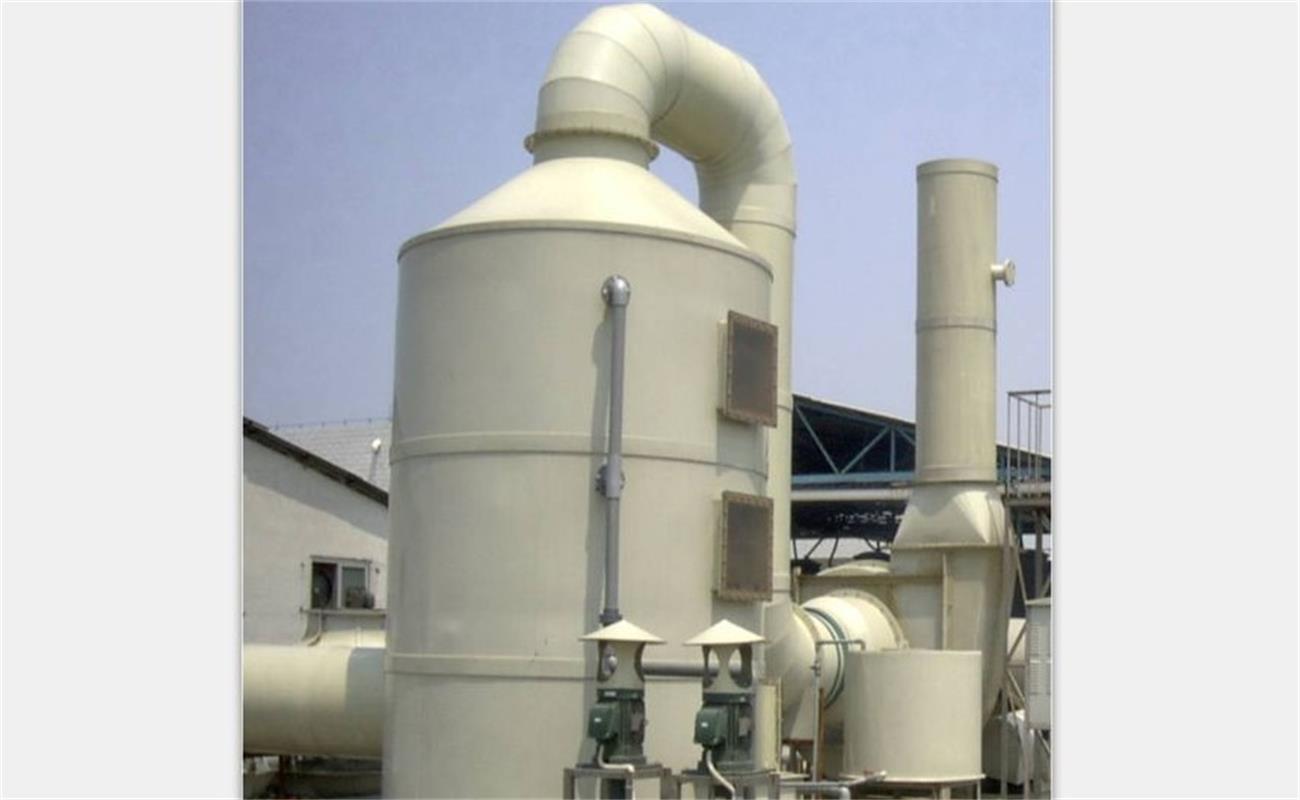
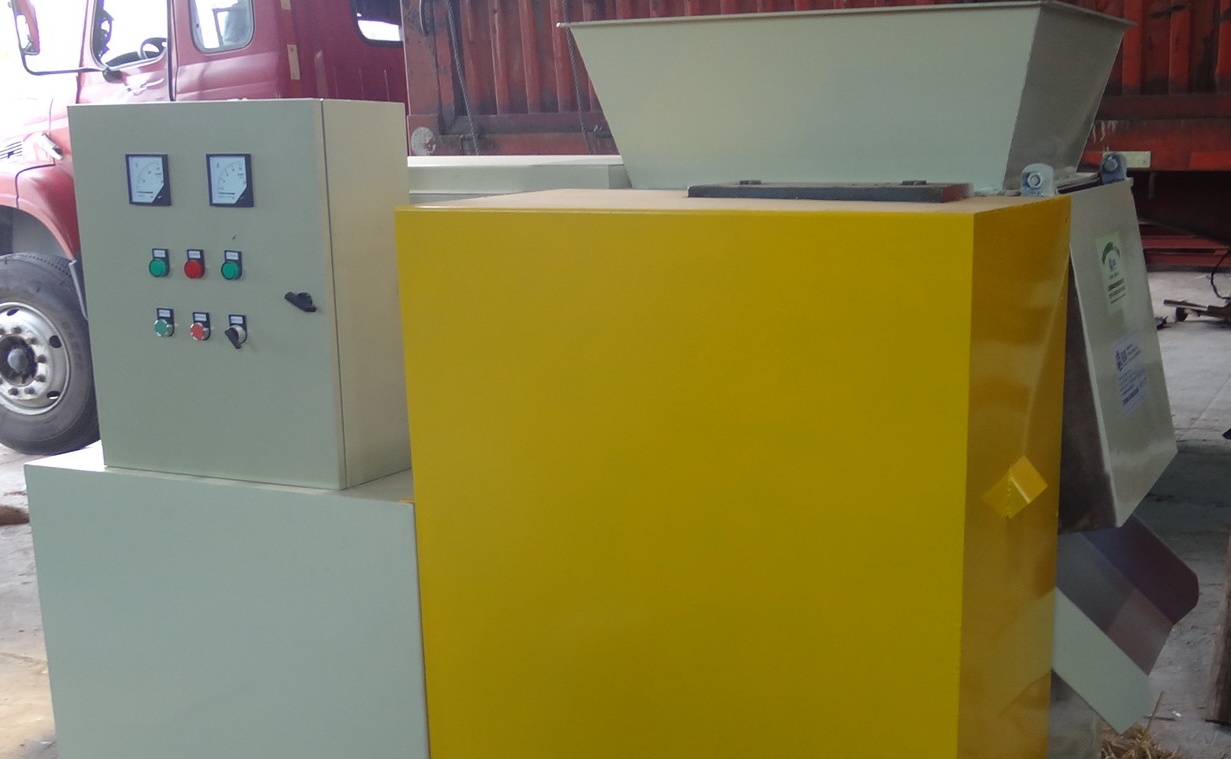
Too many buyers make the mistake of purchasing generic machinery before understanding their local waste supply. The equipment you need for processing scrap cables differs substantially from what you need for recycling lead acid batteries or lithium-ion packs. A cable recycling operation requires efficient granulators and separators to recover copper and aluminum from plastic insulation. A battery recycling plant demands breaking systems, furnaces, and air pollution control equipment that meet strict environmental standards.
Before committing capital, map out your expected feedstock. Will you primarily handle cable recycling equipment inputs like industrial wire scrap? Or are you targeting the growing volume of end-of-life batteries? Your answer determines not just the machinery selection, but also your facility layout, environmental permits, and downstream sales strategy.
Battery Recycling: The Fastest Growing Segment
Battery recycling has emerged as the most dynamic sector within e-waste processing. Two categories dominate the market: lead acid batteries, which power vehicles and industrial backup systems worldwide, and lithium-ion batteries, which drive electric vehicles and consumer electronics.
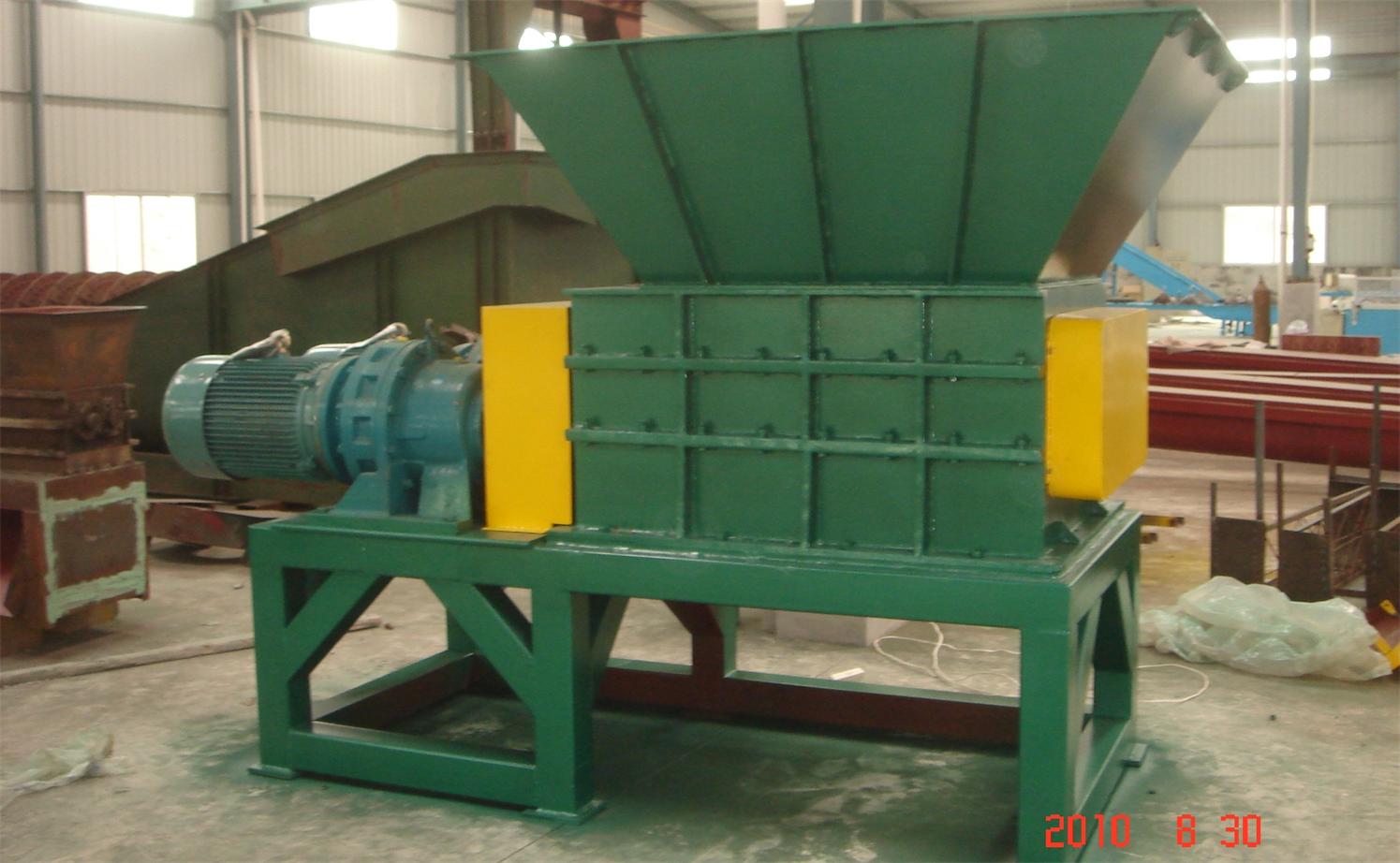
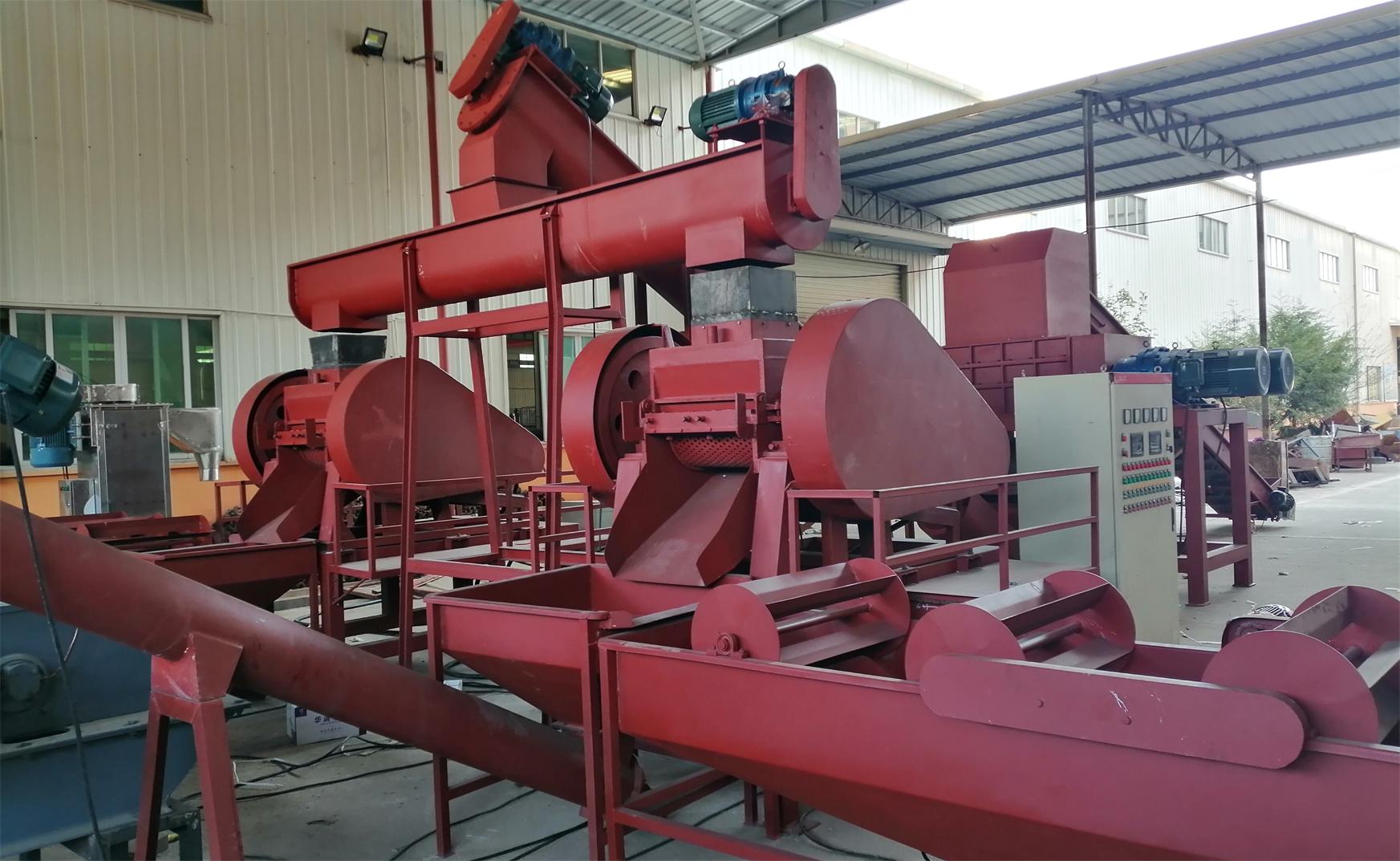
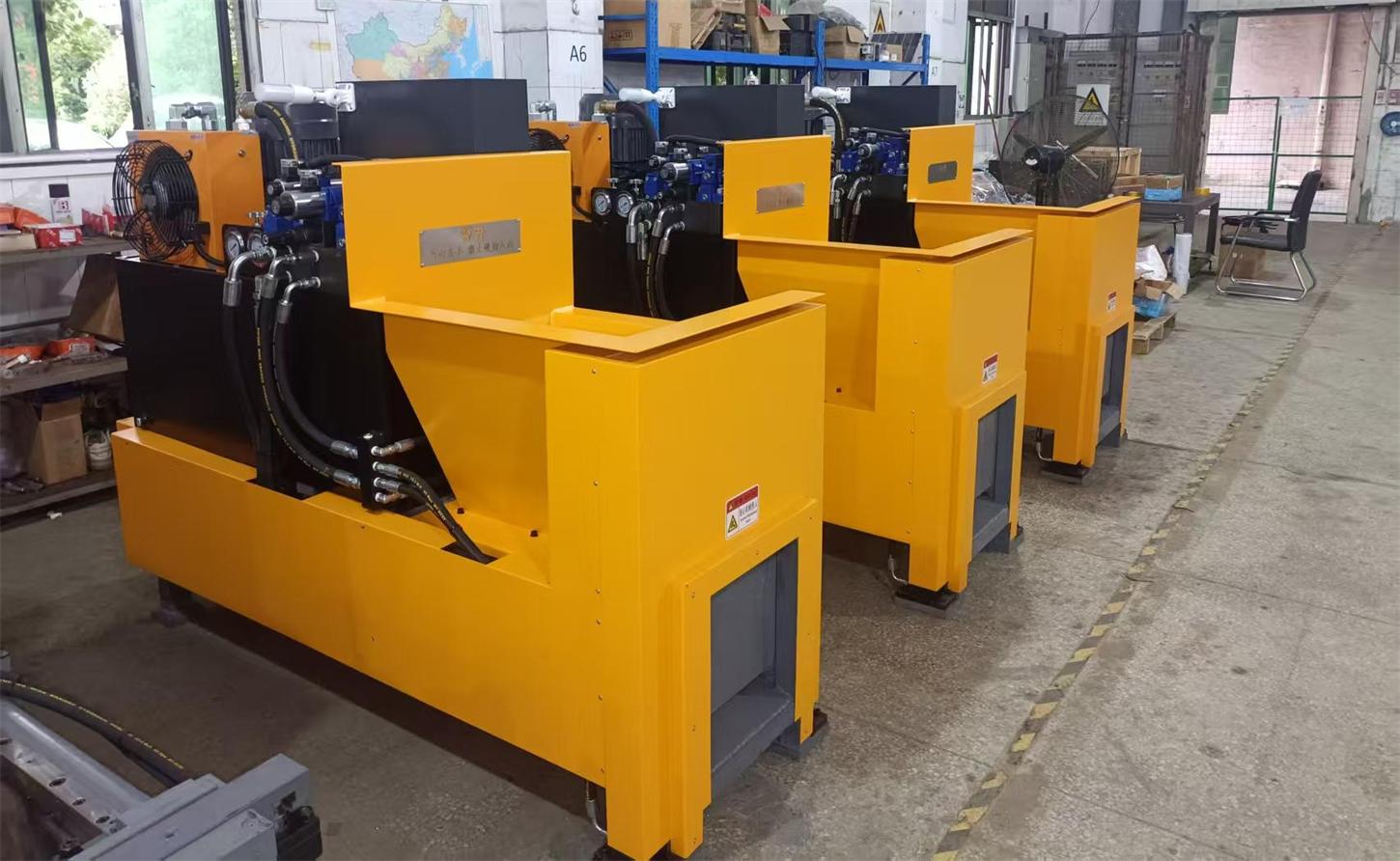
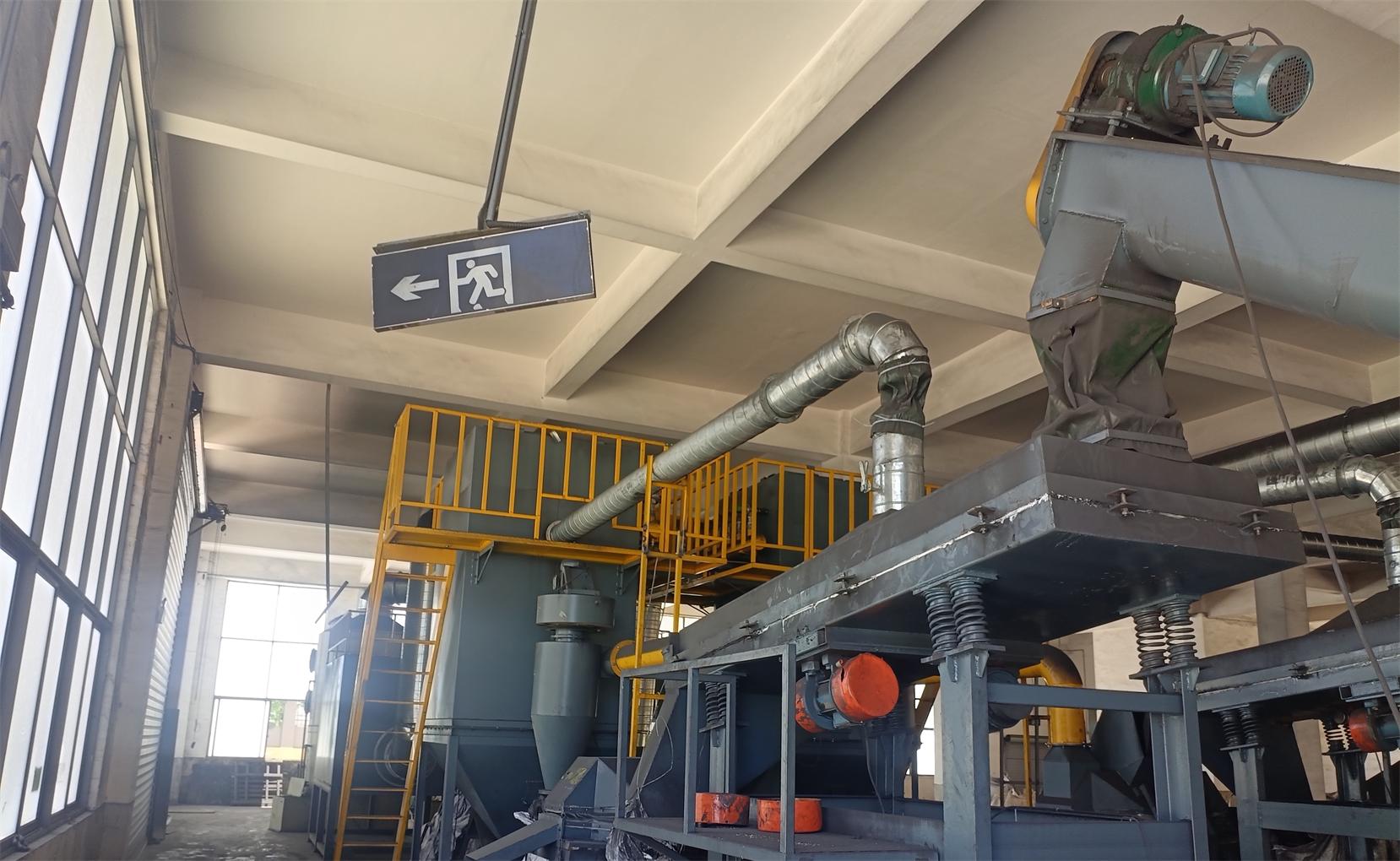
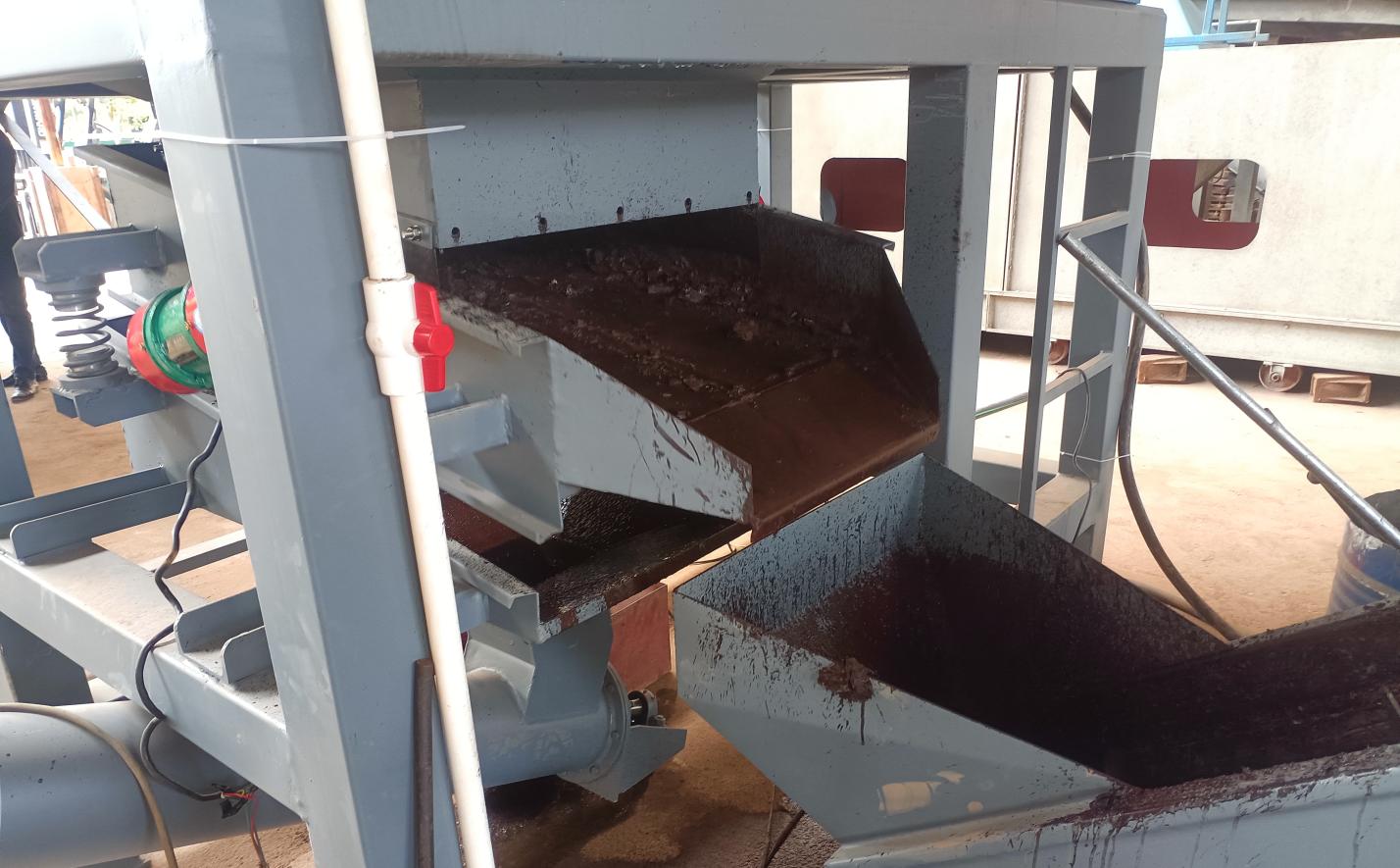
For lead acid batteries, the recycling process involves breaking and separating the battery into its component parts: plastic casing, lead grids, lead paste, and sulfuric acid. A complete lead acid battery recycling equipment line includes cutters, breaking and separation systems, filter presses, de-sulfurization units, smelting furnaces, and refinery kettles. Properly designed, these systems can process 1 to 10 metric tons per hour while recovering lead at rates up to 95%.
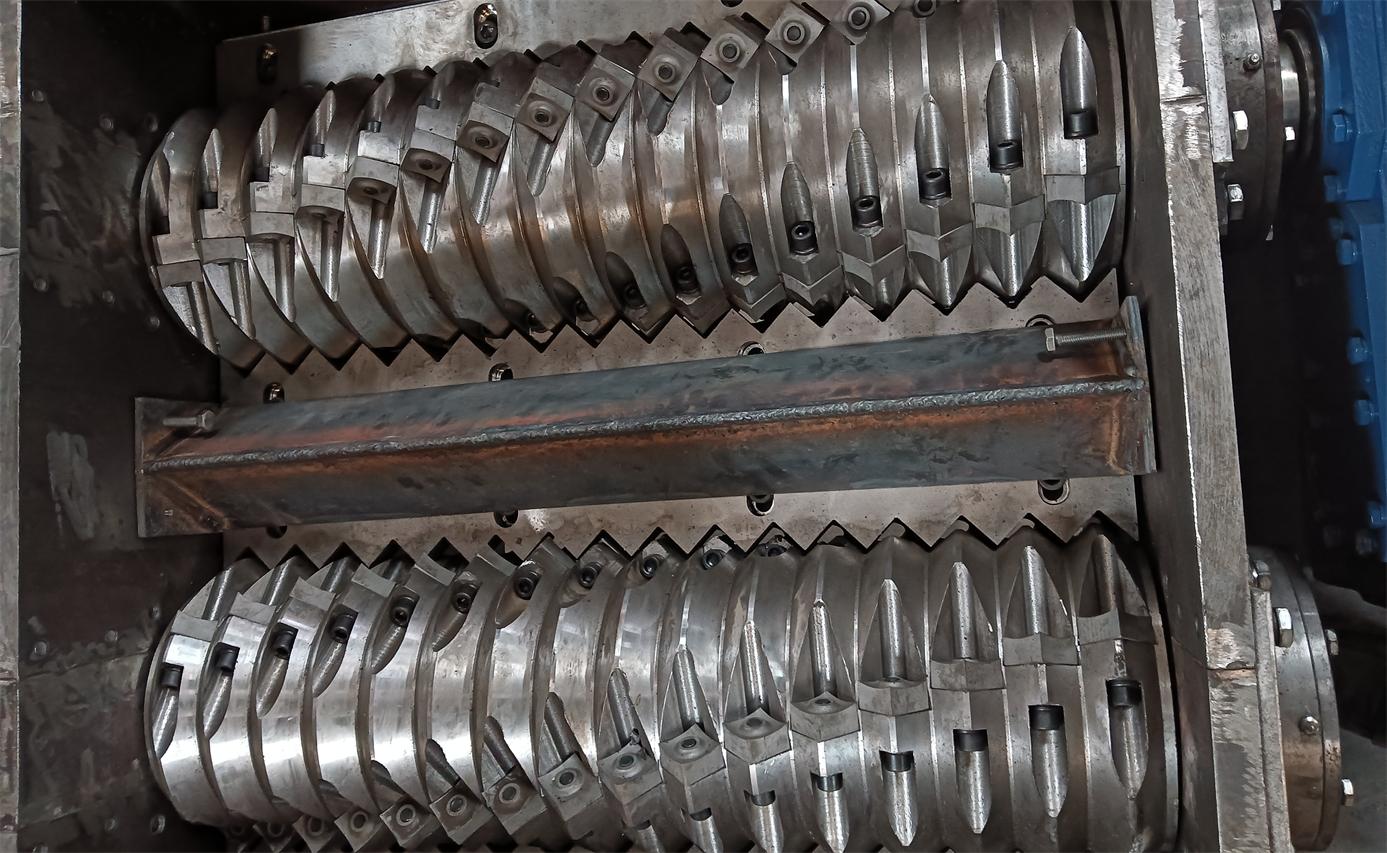
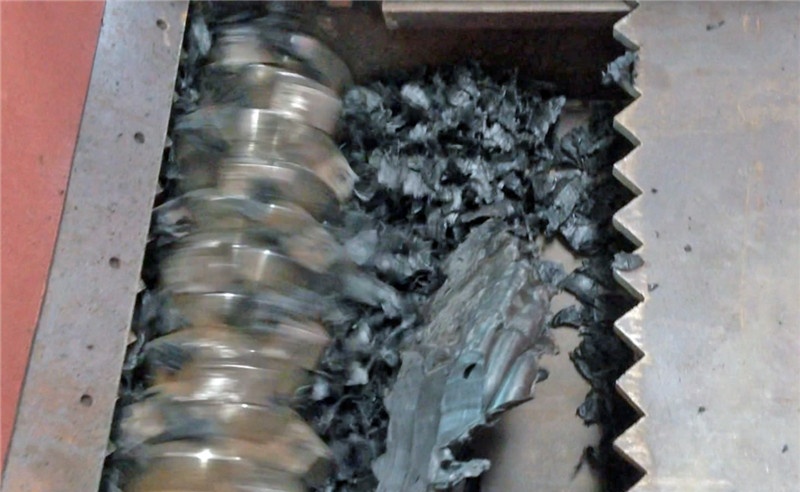
Lithium battery recycling requires a different approach. Spent lithium-ion batteries must first be safely discharged, then crushed and separated to recover black mass containing nickel, cobalt, and graphite, along with copper, aluminum, and plastic. Modern li battery recycling equipment handles capacities from 500 to 2,500 kilograms per hour, with integrated air pollution control systems to manage the harmful gases generated during processing.
PCB and Cable Recovery: Steady Revenue with Lower Complexity
While battery recycling grabs headlines, circuit board and cable recycling offer excellent entry points for new operators. Printed circuit boards contain copper powder and trace precious metals that command strong market prices. Cable recycling, meanwhile, produces clean copper and aluminum separated from plastic insulation, with clear and consistent buyer demand.
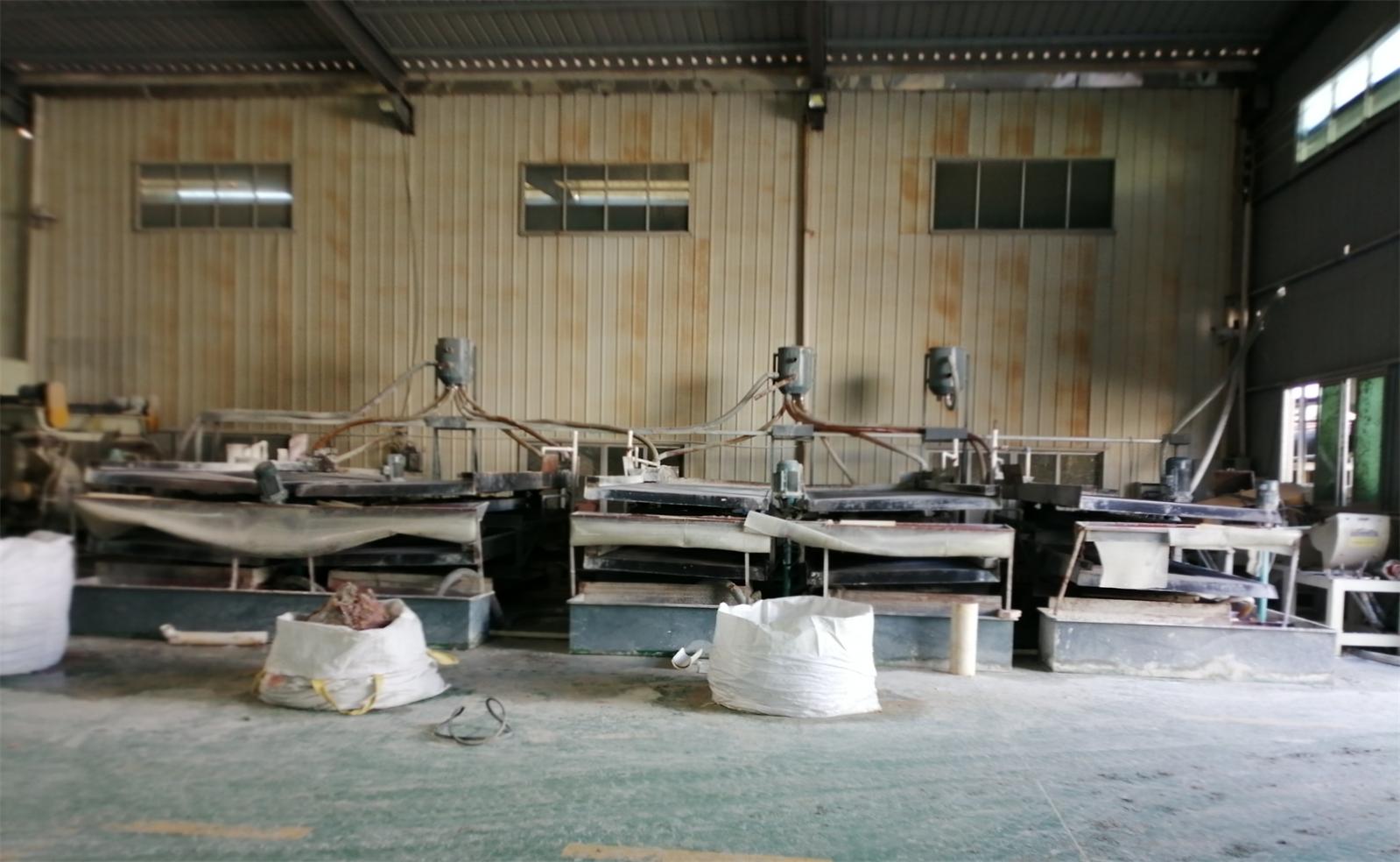
A well-configured circuit board recycling equipment line can achieve copper powder purity of 96% to 98% with recovery rates around 95%. Cable granulators come in compact units suitable for small yards, as well as large-scale plants processing over a ton per hour. These operations require less regulatory complexity than battery processing, making them ideal for first-time recyclers.
Look Beyond the Machine: The Partner Matters
Buying recycling equipment is not like buying a standard industrial machine. Each installation involves customization for local feedstock characteristics, environmental regulations, and facility constraints. You need a partner who understands not just manufacturing, but the full recycling ecosystem.
What to Look for in a Recycling Equipment Supplier
- Proven experience with EPC projects, not just machine sales
- Capability to customize plant design for your specific materials and capacity targets
- Strong technical support team with deep engineering backgrounds
- Willingness to assist with waste material sourcing and product offtake
- International installation and commissioning experience
- Clear understanding of environmental compliance requirements
San Lan Technologies has manufactured WEEE recycling machines and mining equipment since 2007. Our team includes mechanical engineers with over 15 years of direct experience in e-waste recycling plant design. We do not just sell machines; we help customers establish complete operations, from initial feasibility through installation and production ramp-up.
Think About the Full Value Chain
Profitable recycling operations do not stop at material recovery. They consider the entire value chain. Can your supplier help you secure reliable sources of scrap material? Do they understand the end markets for your recovered products, whether copper rice, lead ingots, or black mass? Will they support you in finding investors or partners if you want to scale beyond your initial plant?
These questions separate equipment vendors from true business partners. A vendor ships a container and moves on. A partner stays engaged because your success drives their reputation and repeat business.
Final Thoughts: Start With the Right Foundation
The e-waste recycling industry rewards operators who combine sound market analysis with quality equipment and reliable partnerships. Whether you are planning to process scrap cables, used batteries, or circuit boards, your machinery choice will shape your operational costs, recovery rates, environmental compliance, and ultimately your profitability for years to come.
Take the time to evaluate suppliers carefully. Ask for references. Visit operating plants if possible. And choose a partner who demonstrates genuine expertise in your target material streams, not just a catalog of products.
Ready to Explore Your Recycling Project?
San Lan Technologies designs and manufactures complete recycling plants for lead acid batteries, lithium-ion batteries, cables, circuit boards, refrigerators, CRT monitors, and more. With customers in over 21 countries and a full range of services from equipment supply to installation and commissioning, we help turn your recycling concept into a working business.
- Email: info@san-lan.com / curbing888@hotmail.com
- WhatsApp: +86 139 2377 4083
- Website: www.san-lan.com