The world is drowning in electronic waste. Every year, millions of tonnes of discarded phones, computers, batteries, and cables pile up in landfills, leaking toxic materials into soil and water while wasting billions of dollars in recoverable metals. Yet hidden inside this growing crisis is one of the most lucrative industrial opportunities of the decade. For entrepreneurs and established businesses willing to invest in the right technology, e-waste recycling offers strong margins, rising demand, and a genuinely positive environmental impact. The key question is not whether to enter this market, but how to do it efficiently and profitably from day one.
Electronic devices contain concentrations of valuable metals that often exceed natural ore deposits. A single tonne of mobile phone circuit boards holds more gold than a tonne of high-grade mined ore. Copper, aluminum, lead, cobalt, nickel, and rare earth elements are all recoverable from end-of-life electronics. As virgin mining costs rise and supply chains face increasing geopolitical pressure, the economic logic of urban mining becomes undeniable.
Global e-waste generation continues to accelerate as device lifespans shrink and electronics penetration deepens across developing markets. Regulatory frameworks worldwide are tightening, with extended producer responsibility laws now in force across the European Union, India, and numerous other jurisdictions. These regulations create guaranteed feedstock flows and, in many cases, direct revenue streams through compliance credits. Businesses that establish capable recycling infrastructure now will capture market share before the wave of mandatory recycling targets fully hits.
Building a successful recycling operation requires matching your equipment lineup to your feedstock sources and target output markets. While some operators specialize in a single waste stream, the most resilient businesses maintain flexibility across multiple categories.
Used lead acid batteries represent one of the most profitable and technically mature recycling segments. A complete lead acid battery recycling equipment line typically includes battery cutters, breaking and separation systems, paste desulfurization units, smelting furnaces, refinery kettles, and air pollution control systems. Modern plants can process 1 to 10 metric tonnes per hour, recovering lead paste, lead grids, plastic casings, and sulfuric acid for resale or reuse. The lead recovery rate in well-designed systems exceeds 95%, making this an exceptionally efficient closed-loop process.
The explosive growth of electric vehicles and consumer electronics has created an urgent need for lithium-ion battery recycling infrastructure. Unlike lead acid systems, lithium battery recycling requires careful handling of reactive materials and toxic electrolytes. A professional li battery recycling equipment line incorporates discharge systems, inert atmosphere shredding, black mass separation, and dedicated pollution control. Output fractions include black mass rich in nickel, cobalt, and graphite, plus separated copper, aluminum, and plastic streams. Capacity typically ranges from 500 to 2,500 kilograms per hour, with custom designs available for larger operations.
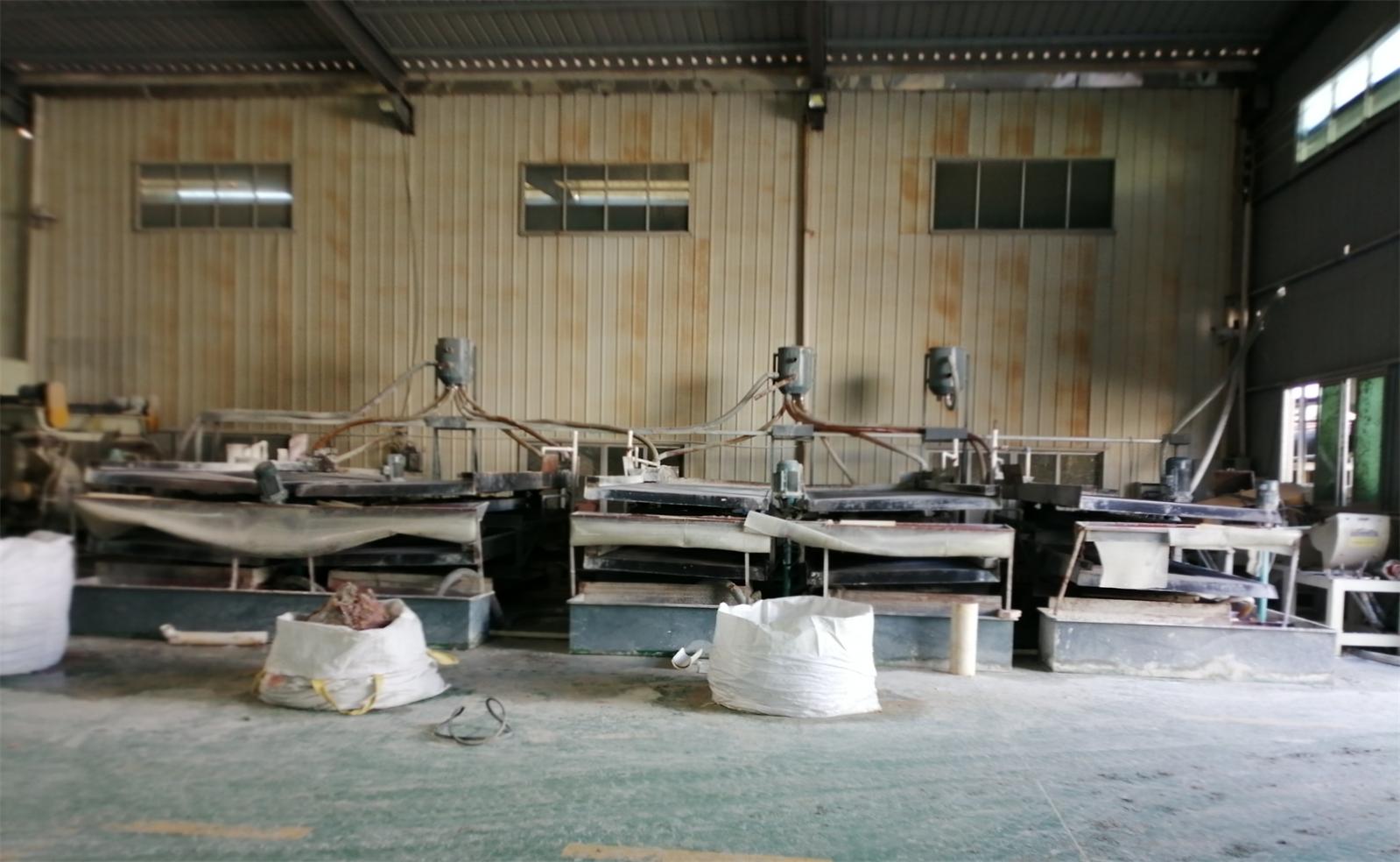
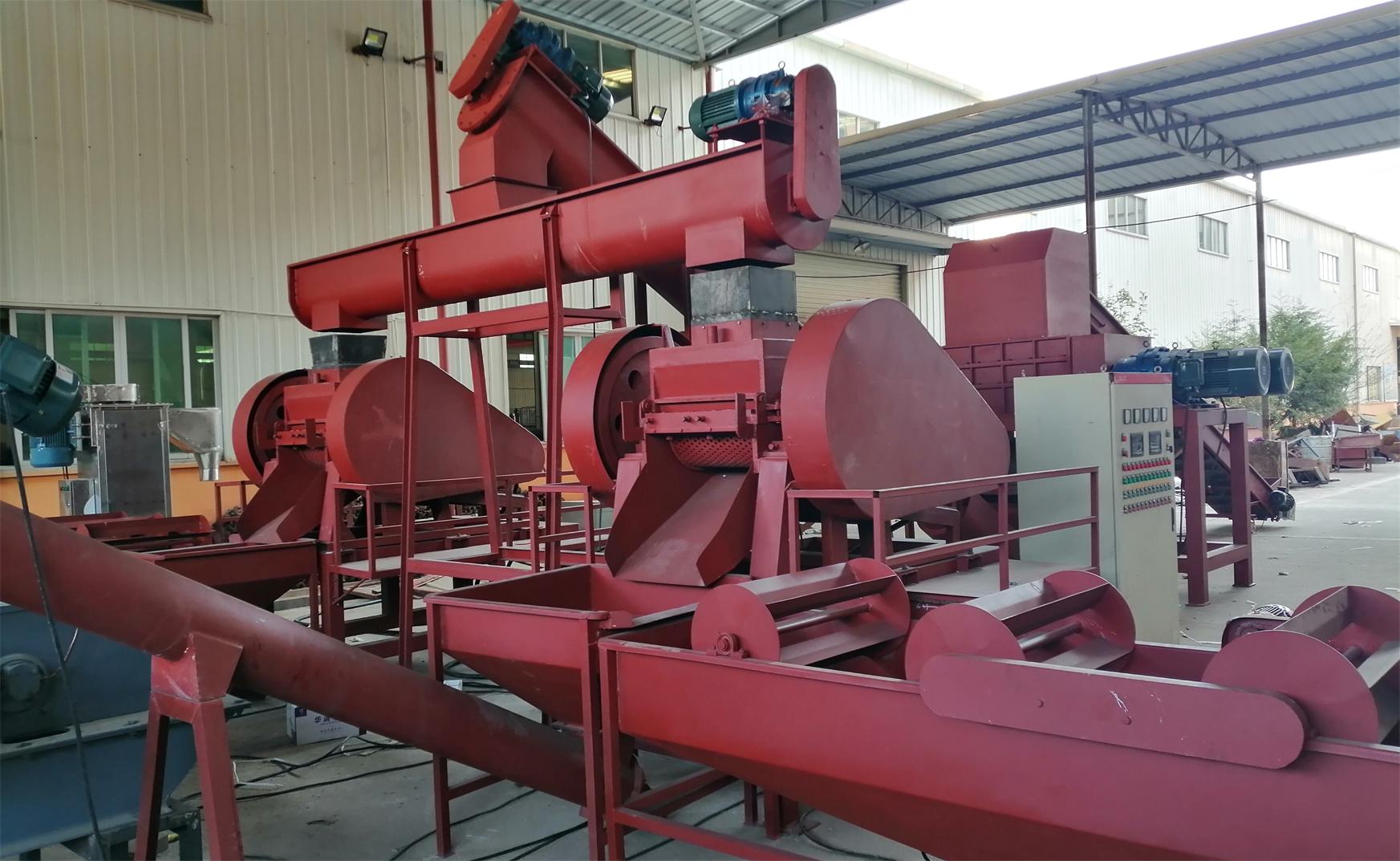
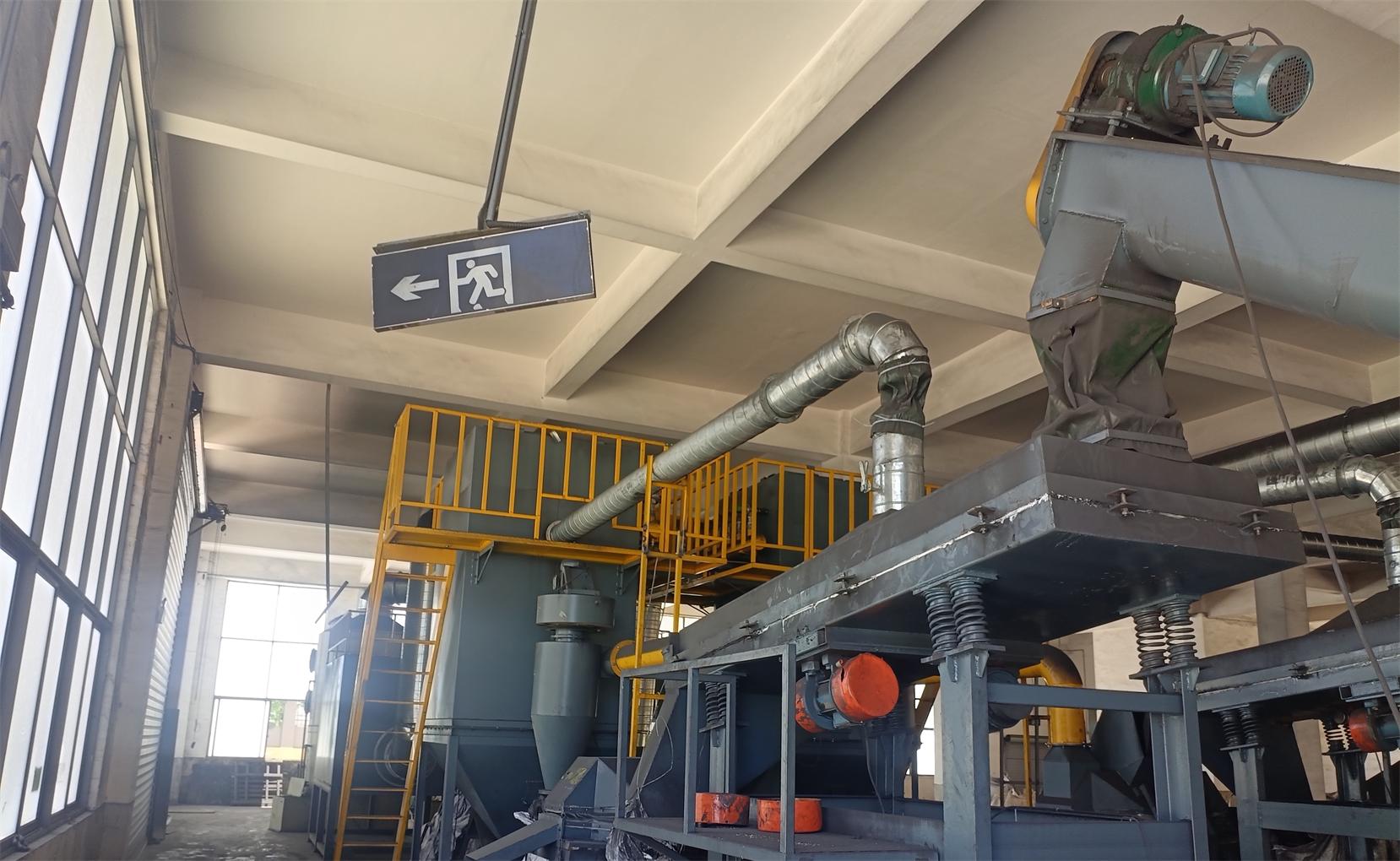
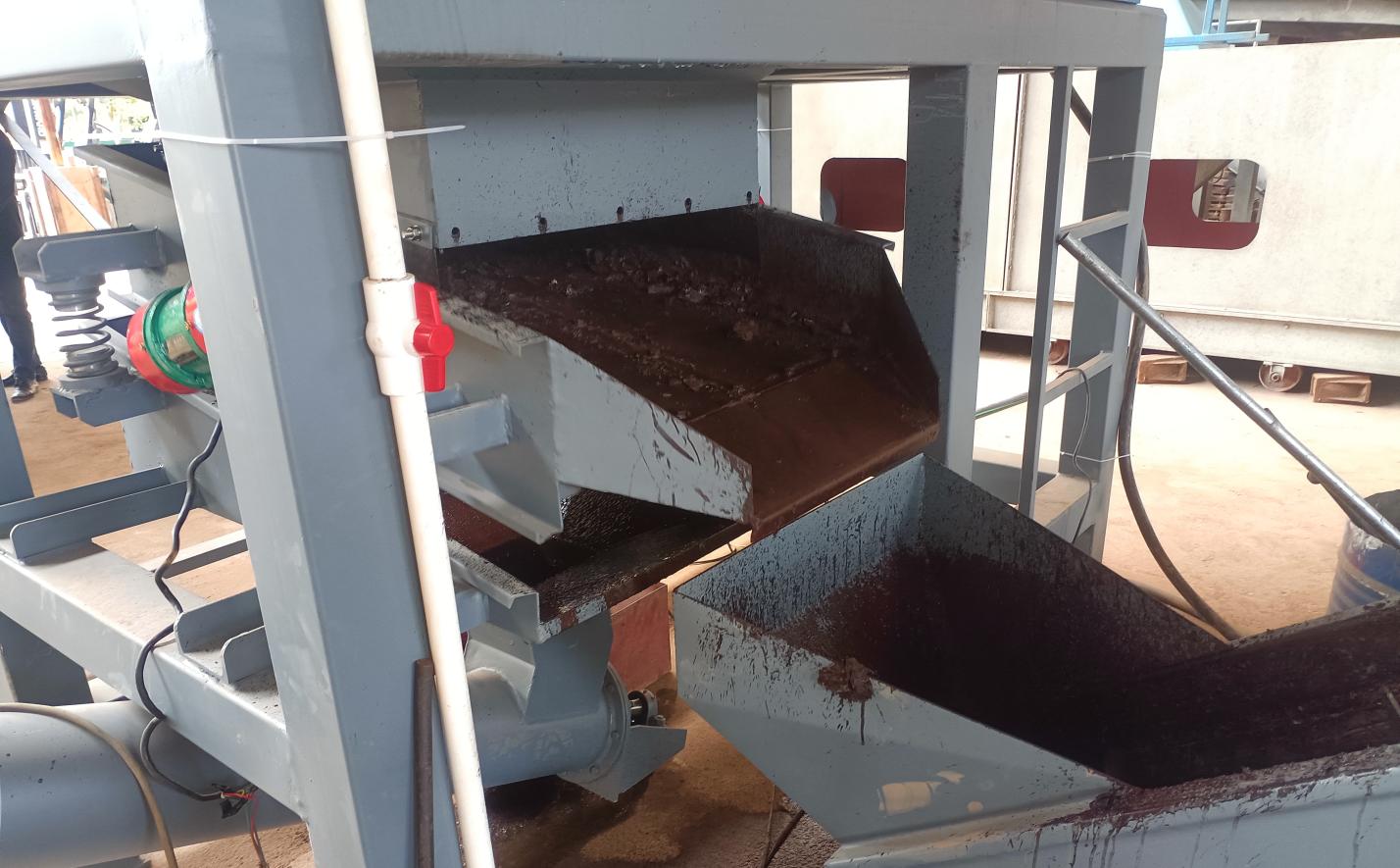
Printed circuit boards from computers, televisions, and communication equipment contain the highest concentrations of precious metals in the e-waste stream. Circuit board recycling equipment uses either dry separation with air classifiers and electrostatic separators, or wet separation with water-based metal recovery systems. Dry systems eliminate wastewater treatment requirements and work well for high-volume operations. Wet systems can achieve higher purity copper powder and handle boards with components still attached. Throughput ranges from 300 kilograms to 2,000 kilograms per hour, with copper recovery purity reaching 96 to 98 percent.
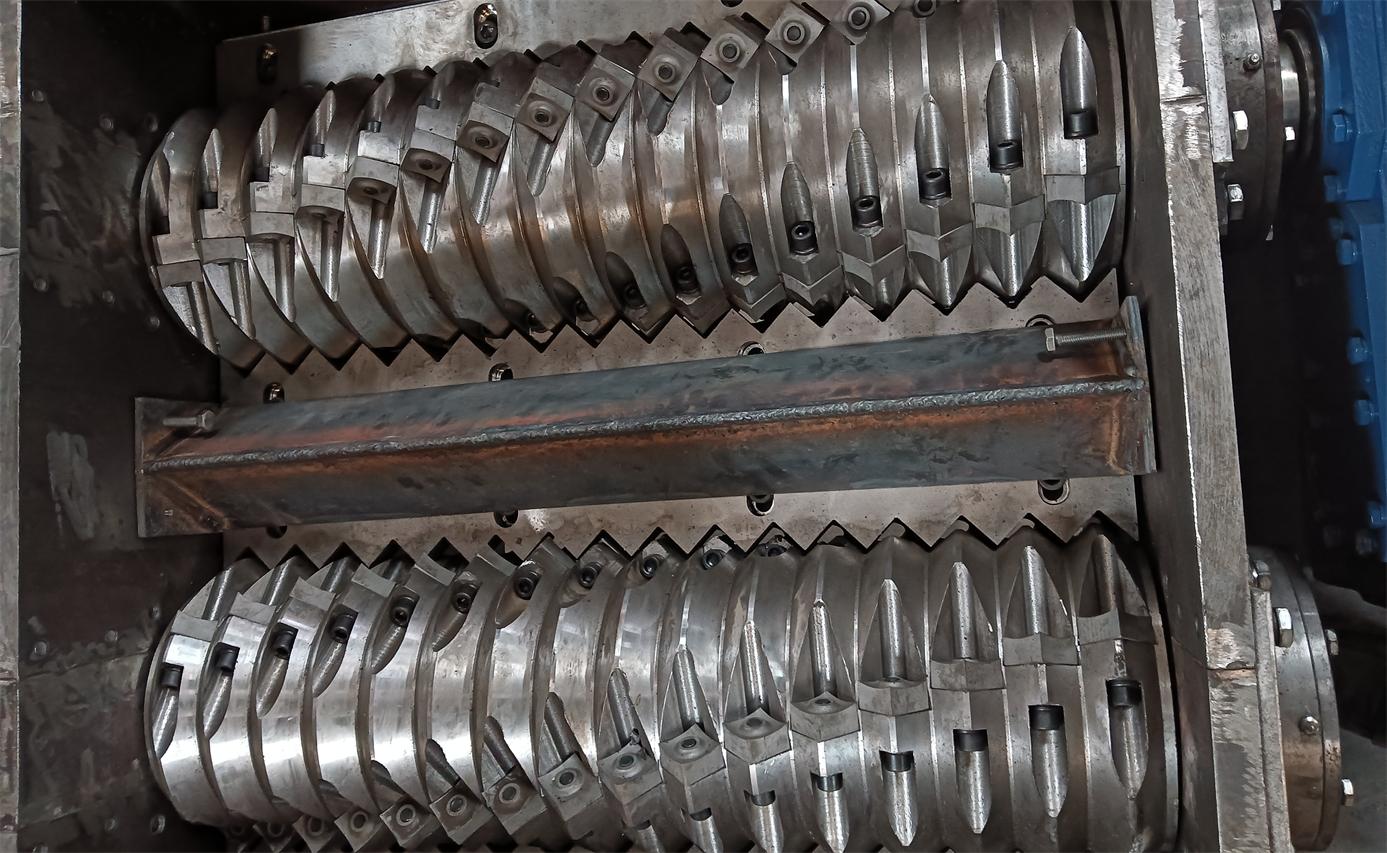
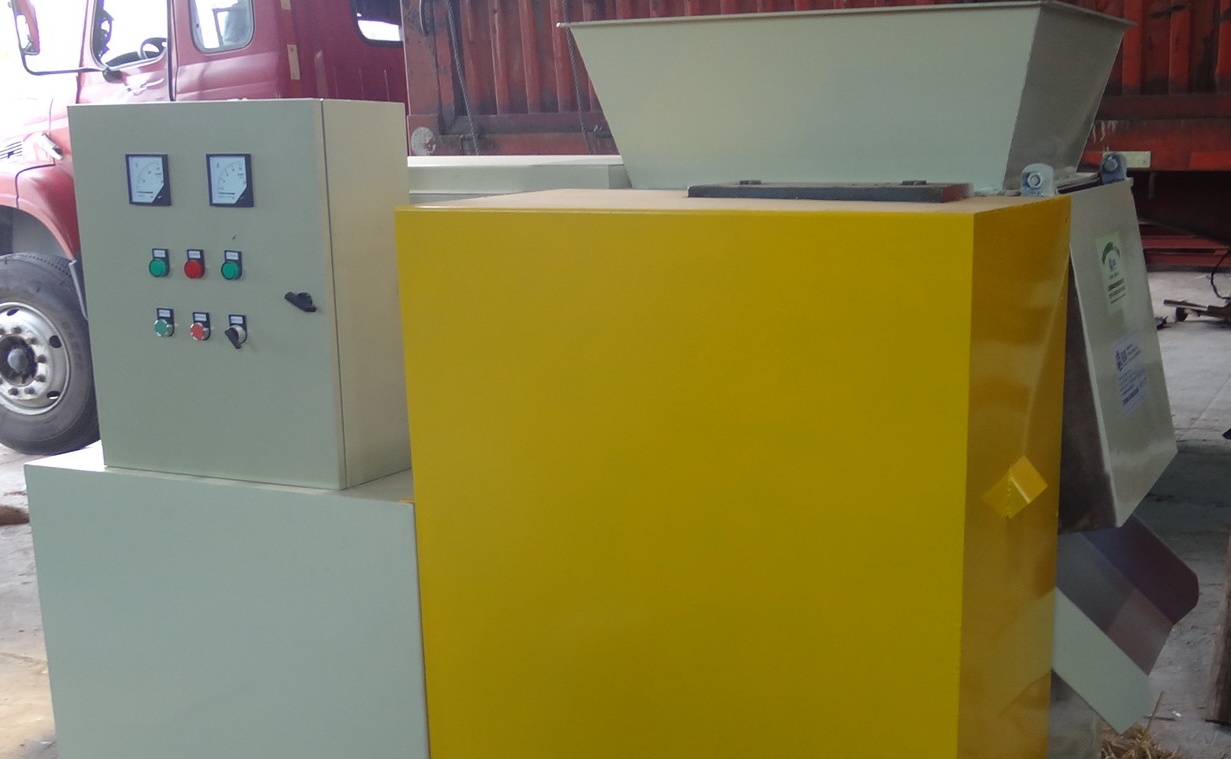
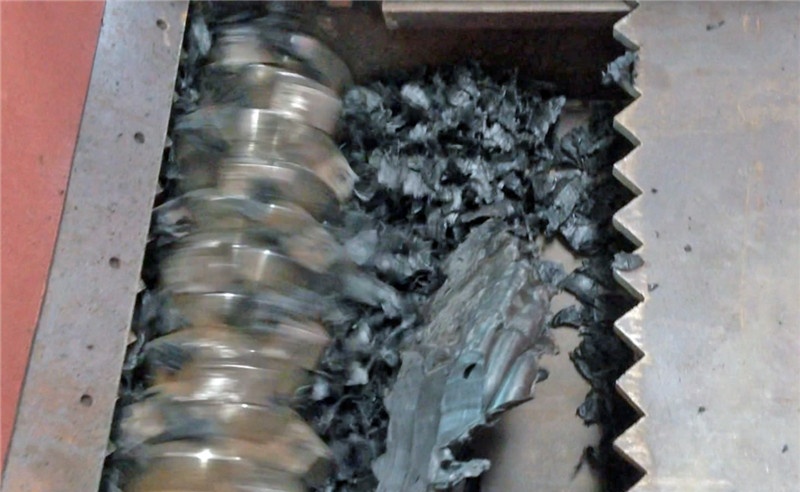
Scrap copper and aluminum cable represents the largest volume e-waste category by weight. Cable recycling plants strip, shred, and separate metal conductors from plastic insulation. Granulators with dry separators work for clean cable scrap, while specialized jelly-filled cable systems handle telecommunications wire. Pre-choppers and single-shaft or twin-shaft shredders prepare bulky cable for downstream processing. These systems can process from 200 kilograms to 1,200 kilograms per hour, producing clean copper or aluminum granules ready for direct smelter sale.
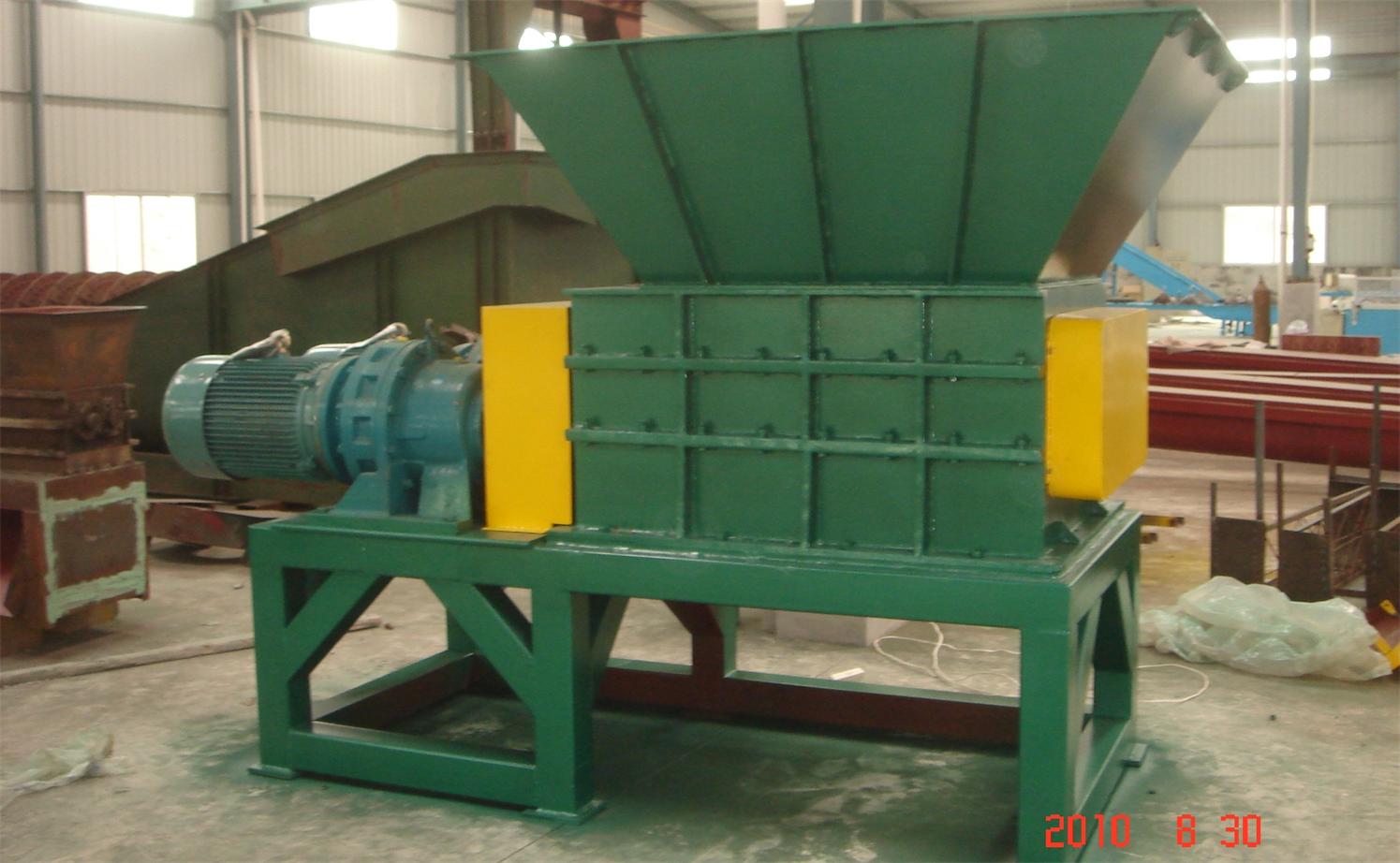
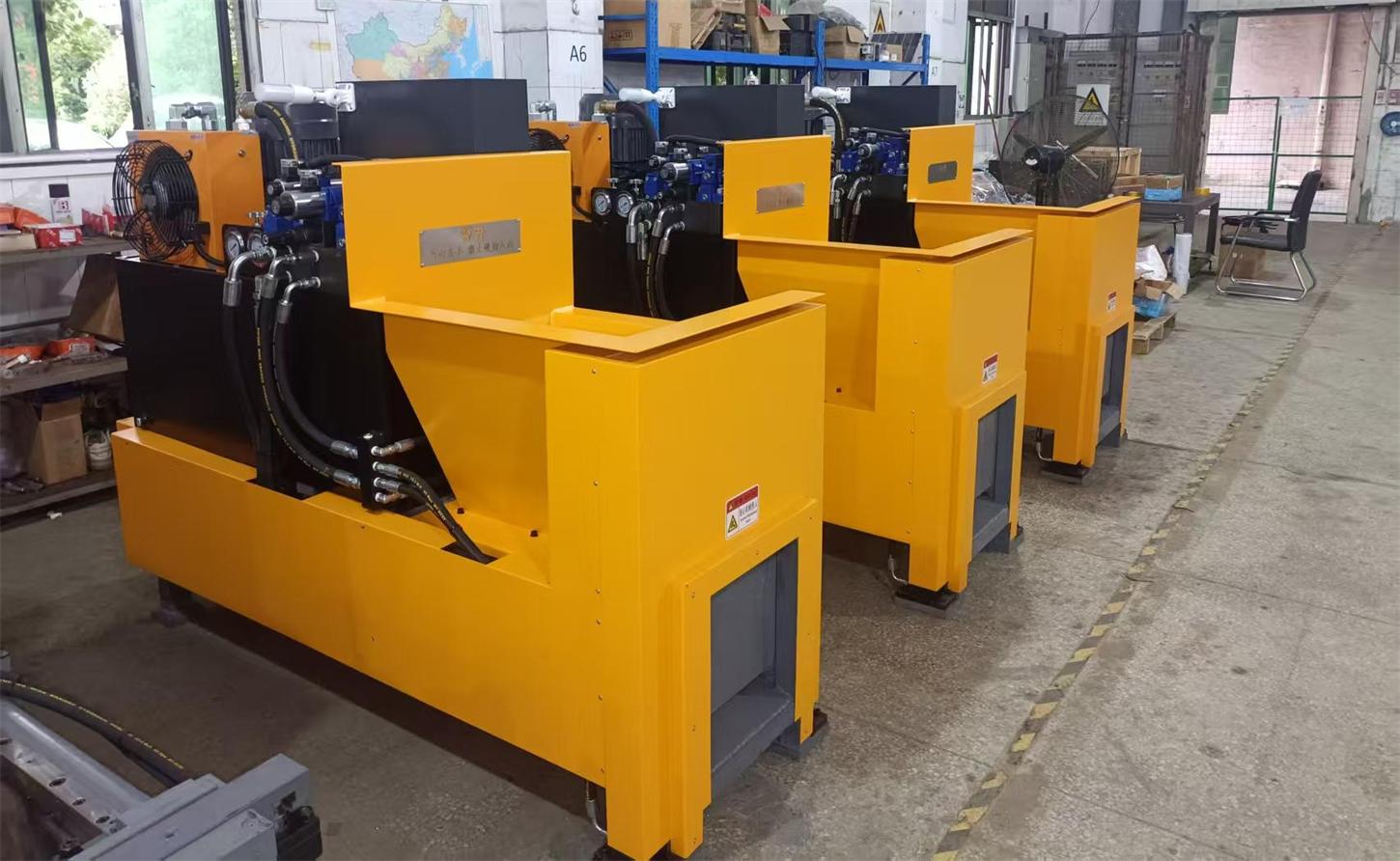
A truly efficient recycling operation requires more than standalone machines. Pre-processing equipment like four-shaft shredders handle mixed e-waste streams including refrigerators, air conditioners, and CRT monitors. Hydraulic briquetting machines compress loose metal chips and powders into dense, transportable blocks. Medium frequency induction furnaces melt recovered metals into standardized ingots. Lamp recycling machines safely capture mercury from fluorescent tubes. Even specialized items like nano ceramic grinding media for ore processing find their place in integrated mining and recycling complexes.
The smartest approach for most new entrants is not to piece together equipment from multiple vendors, but to work with a single supplier capable of designing, supplying, and commissioning an entire integrated plant. This eliminates compatibility issues, simplifies training and maintenance, and ensures that upstream and downstream processes are properly balanced.
The recycling equipment market is crowded with trading companies that source machines from third-party factories and add a markup. These intermediaries rarely understand the technical nuances of process design, and when problems arise, they cannot provide meaningful engineering support. Serious operators should evaluate potential suppliers against several critical criteria.
First, look for genuine manufacturing experience. Companies with in-house mechanical engineering teams, proven fabrication facilities, and direct control over quality standards deliver more reliable equipment and can customize designs to your specific requirements. A supplier that has spent over fifteen years refining e-waste recycling machines through continuous field testing will understand failure modes and optimization opportunities that a newcomer simply cannot match.
Second, demand evidence of international project execution. Domestic installations are valuable, but exporting and commissioning plants across diverse regulatory environments, electrical standards, and climatic conditions requires a fundamentally higher level of engineering maturity. Suppliers with active customer bases spanning twenty or more countries have already solved the challenges of international shipping, customs clearance, installation supervision, and cross-border technical training.
Third, verify the full scope of services offered. The most valuable partners provide not just equipment, but complete EPC project execution including customized plant design, installation and commissioning, raw material sourcing assistance, and even help marketing your recovered output products. Some suppliers can connect investors with recycling plant construction opportunities or help structure joint ventures. This full-service approach dramatically reduces the risk and complexity of launching a new facility.
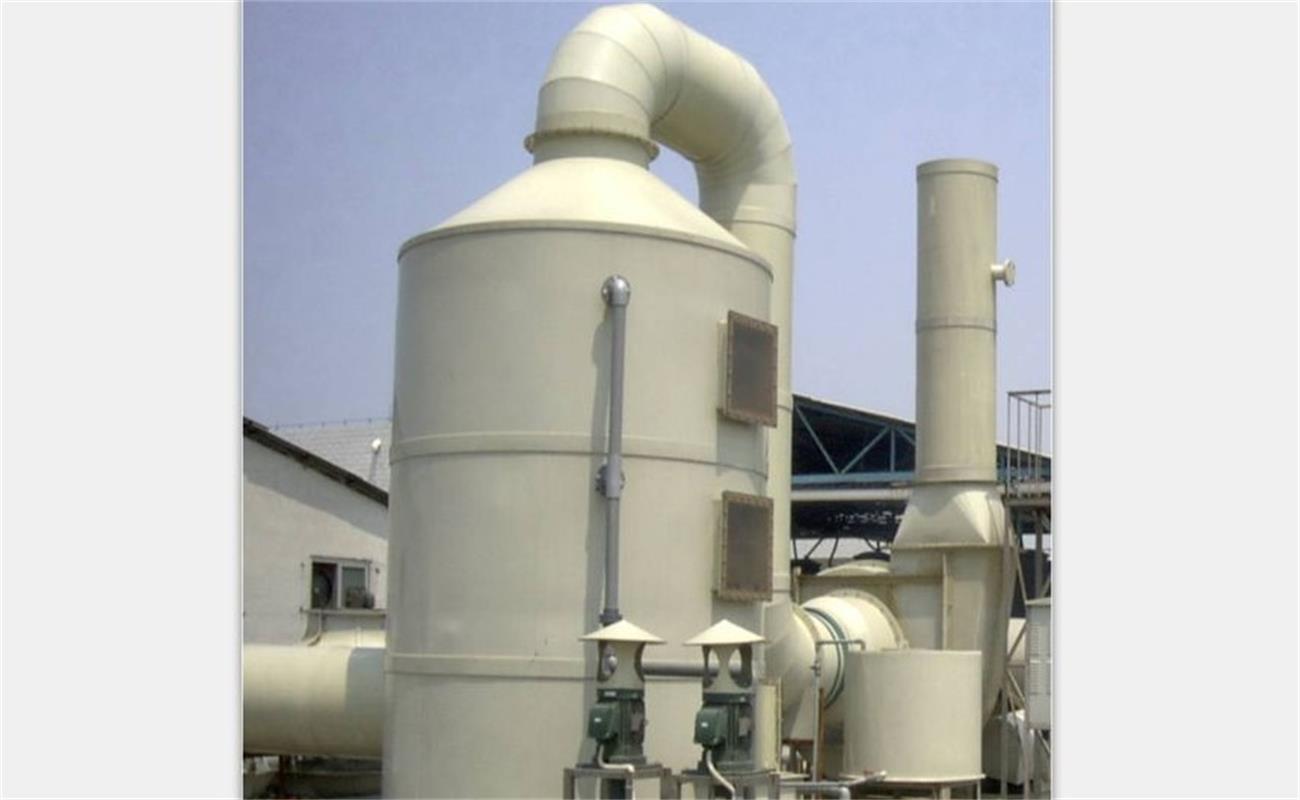
Fourth, assess environmental compliance capabilities. Modern recycling plants must meet increasingly strict emissions and effluent standards. A qualified supplier should design integrated air pollution control systems, wastewater treatment plants, and dust collection as standard features rather than expensive afterthoughts. Ask for documentation of environmental performance and regulatory approvals from previous installations.
San Lan Technologies Co., Ltd, established in 2007 and headquartered in Ganzhou, Jiangxi Province, China, has built its reputation precisely on the comprehensive capabilities that serious recycling entrepreneurs require. With a professional technical team led by mechanical engineering masters and over fifteen years of direct experience in e-waste recycling machine design, San Lan manufactures a complete range of equipment from individual machines to turnkey plants.
The company product portfolio spans thirteen major categories including lead acid battery recycling lines, lithium battery recycling systems, circuit board recovery plants, cable granulators, hydraulic press machines, shredders and pre-choppers, CRT recycling machines, refrigerator and air conditioner recycling systems, motor dismantling equipment, lamp recycling units, metal melting furnaces, and lithium ore extraction plants. This breadth allows San Lan to design integrated facilities that handle multiple waste streams under a single unified control system.
What distinguishes San Lan in the competitive Chinese manufacturing landscape is its commitment to end-to-end project support. The company offers customized design services, one-stop purchasing for complete plants, installation and commissioning supervision, assistance sourcing waste feedstock including cable scrap and used batteries, and help connecting customers with buyers for recovered products like copper rice, lead ingots, and precious metal concentrates. For entrepreneurs seeking to scale rapidly, San Lan actively seeks investment and partnership opportunities in recycling plant construction worldwide.
The company's international footprint validates its execution capabilities. San Lan equipment currently operates in twenty-one countries across Asia, Africa, Latin America, and the Middle East including Singapore, Colombia, Vietnam, Mexico, Argentina, Korea, Malaysia, Indonesia, South Africa, Tunisia, India, Kenya, Saudi Arabia, Philippines, Zambia, and Israel. This global experience means San Lan understands the regulatory, logistical, and operational realities of diverse markets.
San Lan also maintains bilingual English and Chinese capabilities, with a management team that understands intercultural business environments and can communicate effectively with partners from virtually any region. This eliminates the misunderstandings and delays that plague projects managed through translation layers.
The e-waste recycling industry is moving from niche specialty to mainstream industrial necessity. Governments are mandating higher recycling rates. Manufacturers are scrambling to secure compliant recovery channels. Investors are recognizing the strong fundamentals of urban mining operations. The window for early movers is narrowing as larger corporate players enter the space.
Success in this market depends on starting with equipment and a partner that can deliver reliable performance from day one. Cutting corners on machinery quality or choosing a supplier without genuine engineering depth leads to costly downtime, regulatory violations, and missed market opportunities. The most expensive recycling plant is the one that cannot run consistently at design capacity.
Whether you are planning a specialized lead acid battery smelter, a lithium battery black mass recovery line, a mixed e-waste mechanical recycling facility, or a complex integrated plant handling multiple streams, the technical decisions you make at the equipment selection stage will determine your profitability for the next decade. Choose a manufacturing partner with proven global experience, comprehensive service capabilities, and a genuine commitment to your long-term success.
To discuss your specific project requirements, explore equipment specifications, or request a customized plant design proposal, contact San Lan Technologies directly through their website at www.san-lan.com. Their engineering team can evaluate your feedstock characteristics, target output specifications, local regulatory requirements, and budget parameters to recommend an optimal equipment configuration and project implementation timeline.