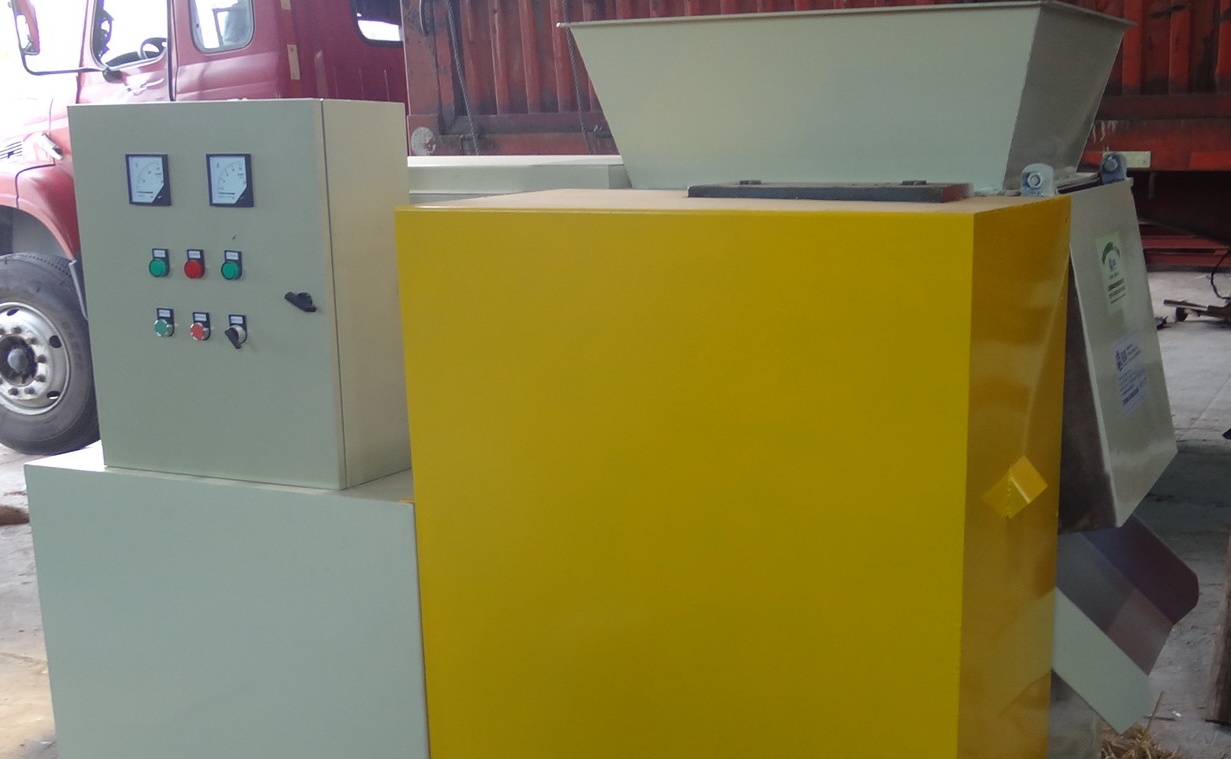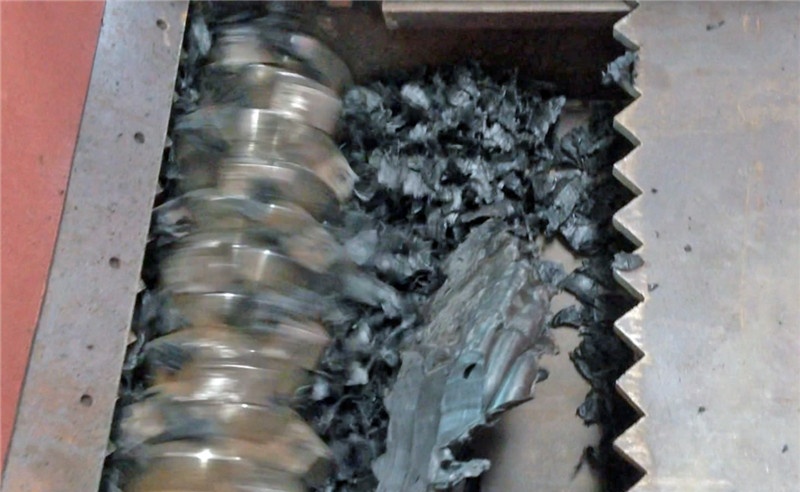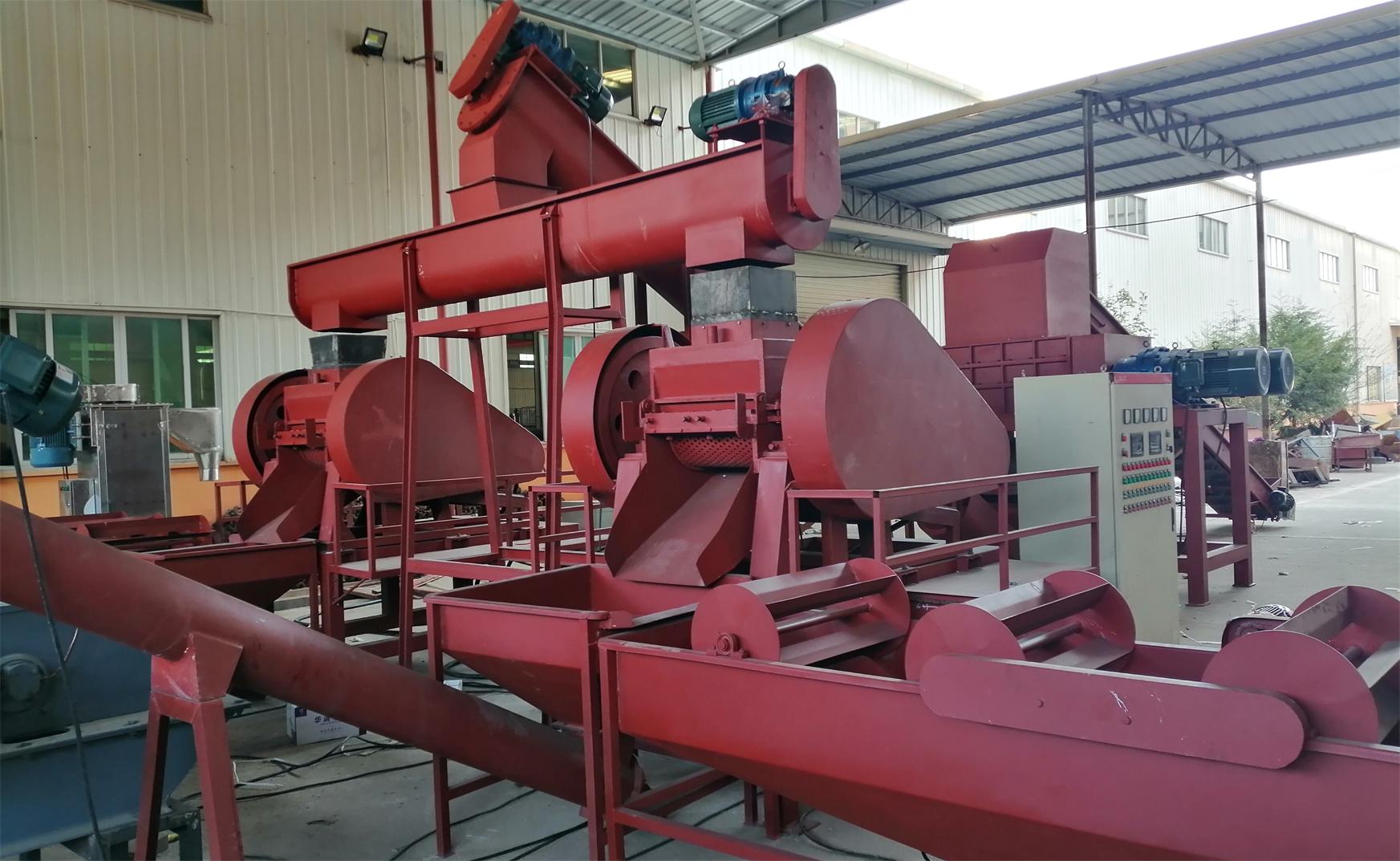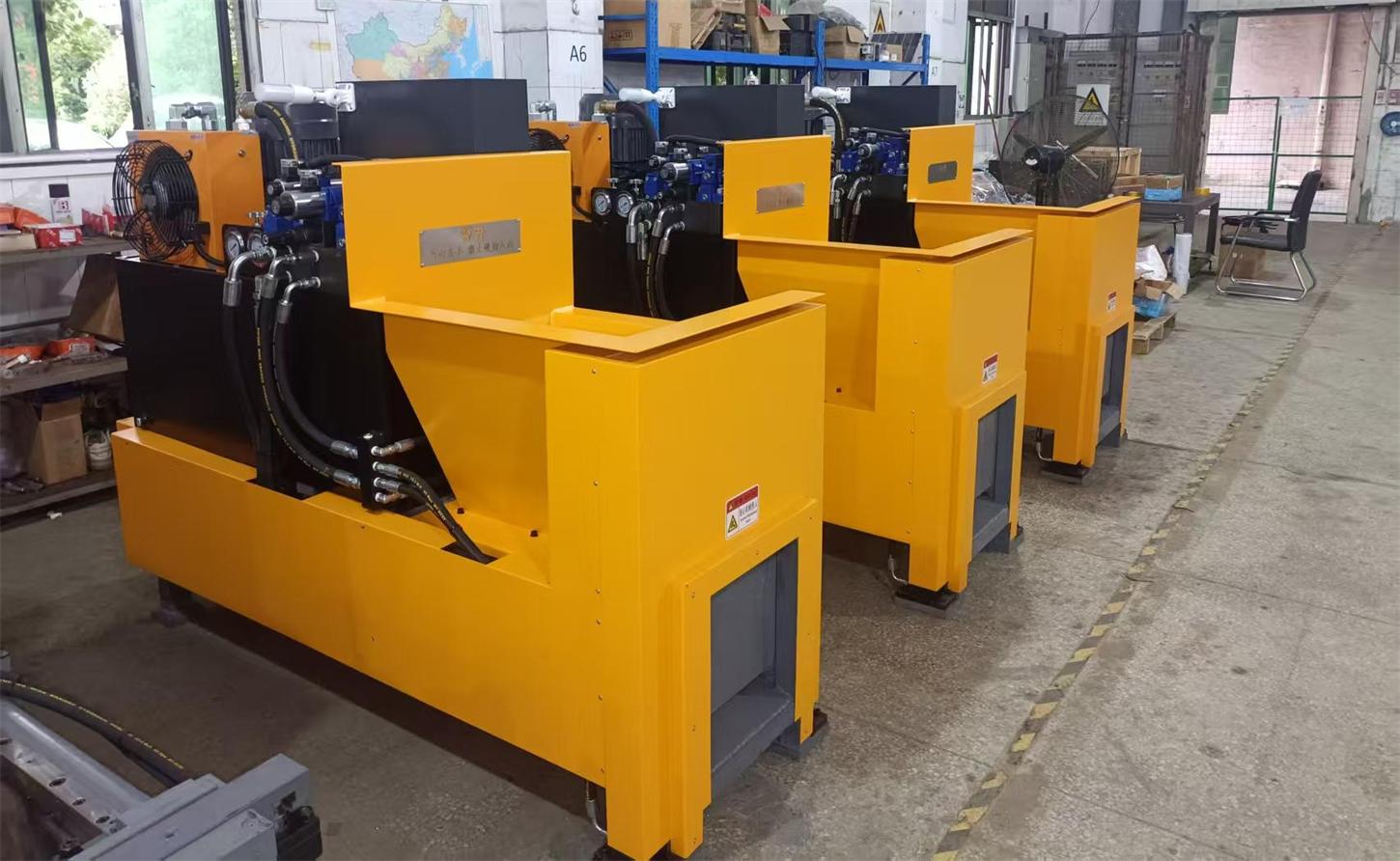
The global electronics industry continues to expand at an unprecedented pace, and with it comes a mounting challenge: what happens when all these devices reach end of life? Rather than viewing discarded electronics as mere waste, forward-thinking entrepreneurs and established recycling companies alike are recognizing e-waste as a valuable resource stream. The key to unlocking this value lies in selecting reliable, high-capacity recycling equipment tailored to specific material types.
Used lead acid batteries represent one of the most consistently available waste streams worldwide. From automotive batteries to industrial backup power systems, the volume of spent batteries creates a steady supply for recycling operations. Specialized lead acid battery recycling equipment transforms this waste into recoverable lead, plastic, and acid components.
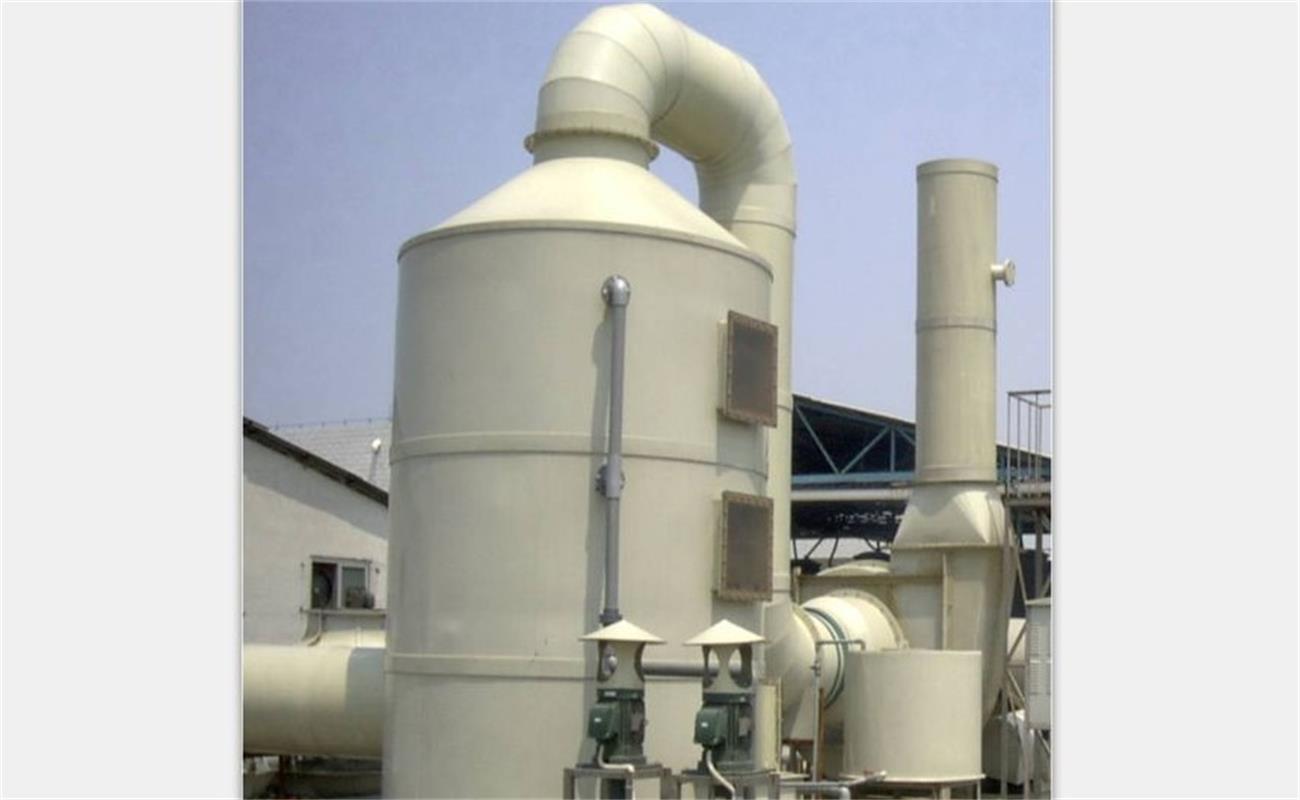
A complete lead acid battery recycling plant typically includes a battery breaking and separation system, de-sulfurization unit, blast furnace or rotary furnace for paste reduction, lead refinery kettle, and air pollution control system. Processing capacities range from 1 to 10 metric tons per hour, depending on the scale of operation. Lead recovery rates can reach 95%, making this an economically attractive venture for operators who source feedstock strategically.
As electric vehicles and portable electronics proliferate, lithium-ion battery waste is growing rapidly. Unlike lead acid batteries, lithium batteries contain complex chemistries including cobalt, nickel, manganese, and graphite. Recovering these materials requires precision machinery designed specifically for safe battery dismantling and separation.
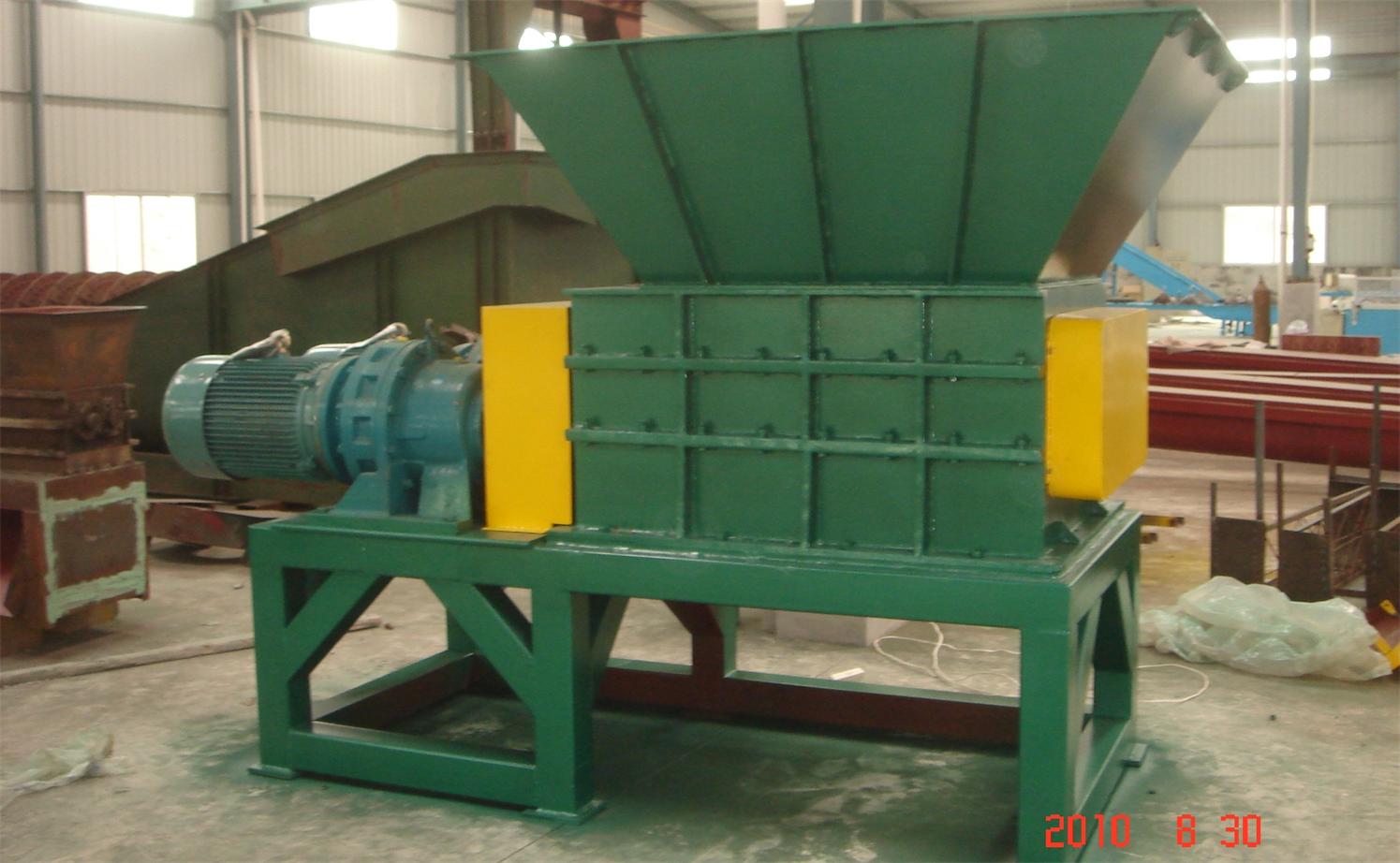
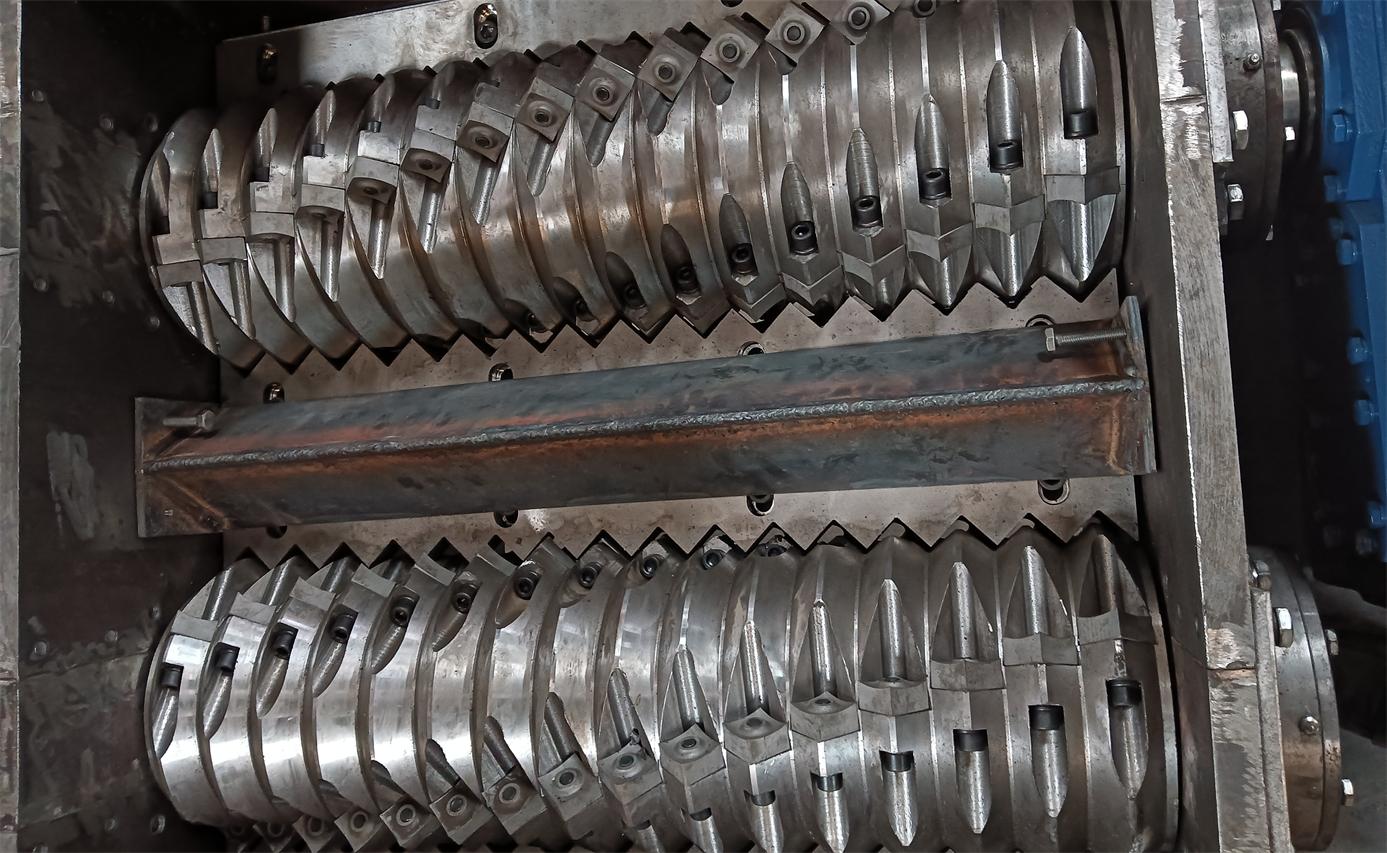
Advanced li battery recycling equipment handles the entire process from discharge through pre-crushing, secondary granulation, and magnetic separation. The output includes black mass rich in nickel and cobalt, separated copper and aluminum fractions, and compressed plastic blocks. Systems rated at 500 to 2,500 kg per hour accommodate both emerging recyclers and large-scale industrial processors. Integrated air pollution control ensures compliance with environmental regulations throughout the operation.
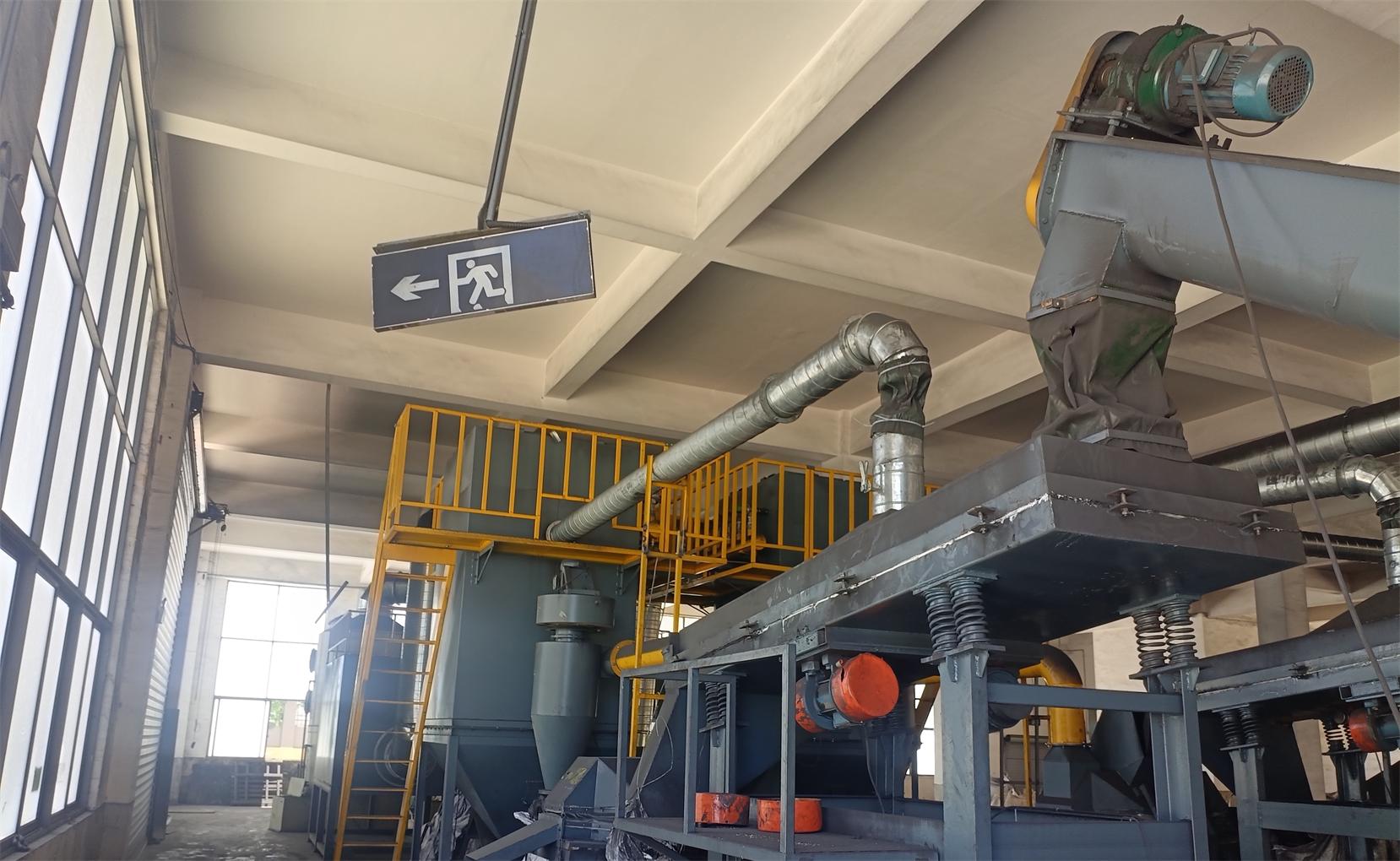
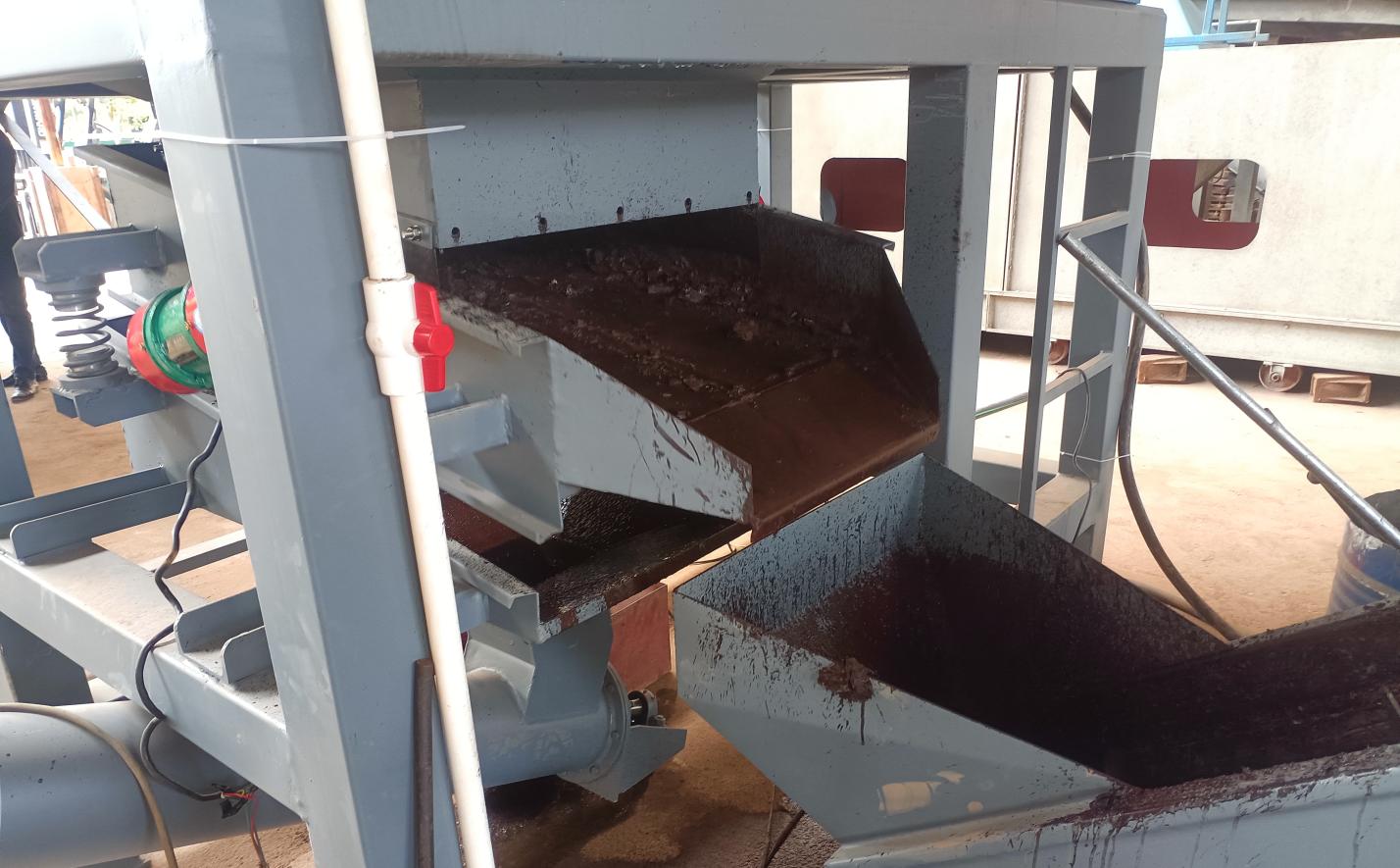
Printed circuit boards contain some of the highest concentrations of copper and precious metals found in e-waste. However, their complex composition of metals, plastics, and ceramics demands specialized processing technology. Modern circuit board recycling equipment addresses this challenge through either dry or wet separation methods.
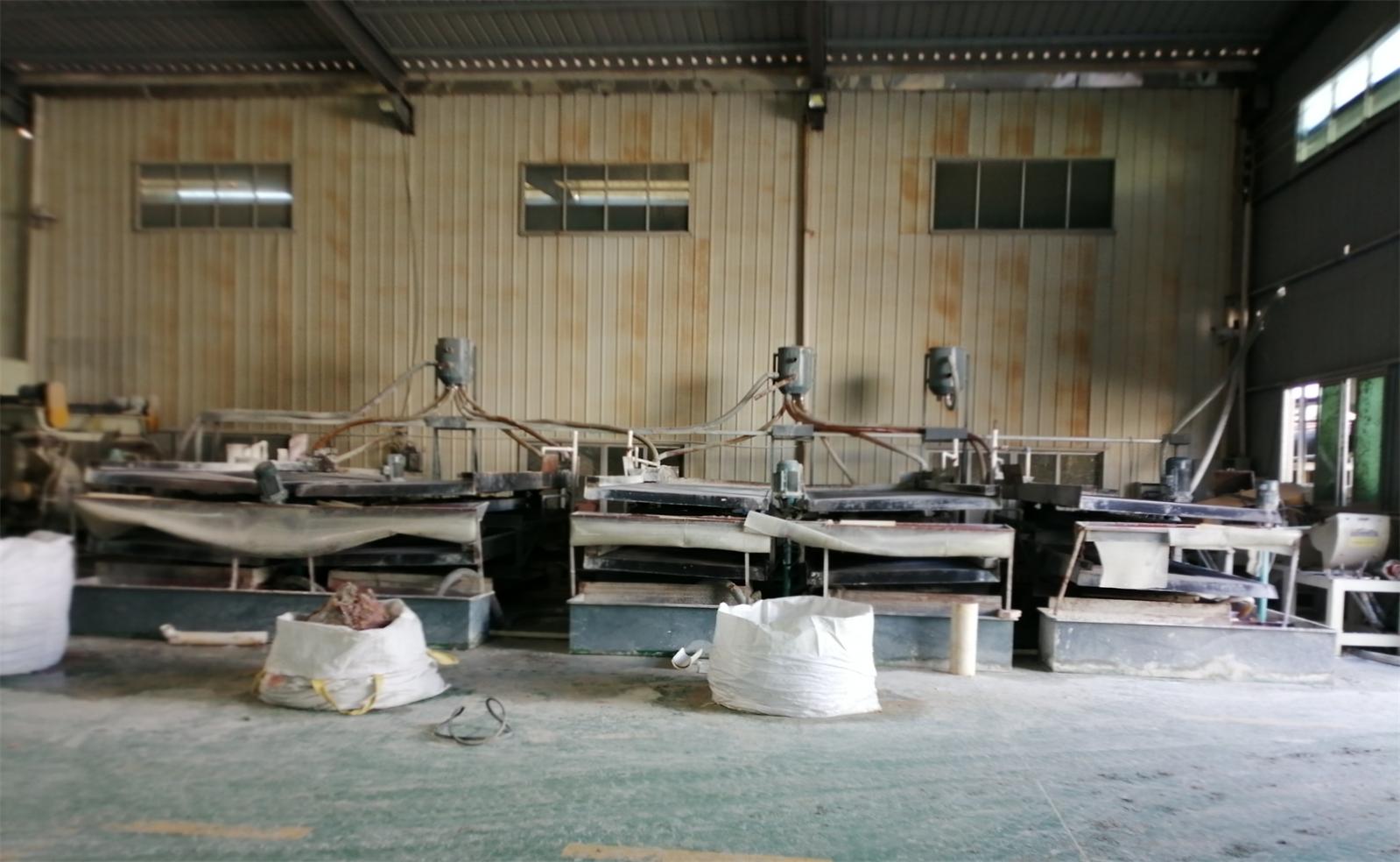
Dry separation plants utilize air classifiers, electrostatic separators, and cyclone dust collectors to achieve copper powder purity of 96-98% without water consumption. Wet separation systems, meanwhile, can process PCB waste even with electronic components still attached, using water-based metal separation for thorough recovery. Capacities span from 300 kg to 2,000 kg per hour, allowing businesses to match equipment scale to available feedstock.
For businesses entering the recycling sector, scrap cable processing offers an accessible starting point. Copper and aluminum prices provide strong margins, and the technology required is relatively straightforward. Cable recycling equipment typically includes scrap cable strippers for larger diameters and granulators with dry separators for fine processing.
Scrap cable strippers handle diameters from 1.5 mm to 150 mm, preparing material for granulation. Cable granulators then chop the scrap into small pieces and separate metal from plastic insulation through air classification. The resulting clean copper or aluminum granules command premium prices from smelters and metal traders.
Equipment specifications tell only part of the story. Successful recycling operations depend heavily on supplier expertise in plant design, installation, commissioning, and ongoing technical support. San Lan Technologies Co., Ltd, established in 2007 in Jiangxi Province, China, brings over 15 years of specialized experience to the e-waste recycling sector.
The company's technical team holds master's degrees in mechanical engineering and has accumulated extensive hands-on experience across EPC projects in more than 21 countries. Beyond manufacturing, San Lan assists customers with waste material sourcing, product sales for recovered metals, and even recruitment of technical staff. This comprehensive approach helps new entrants overcome the operational learning curve faster.
Entering the e-waste recycling business requires careful planning, but the fundamentals are straightforward: secure reliable feedstock, invest in proven equipment, and partner with a supplier who understands both the technology and the commercial realities of recycling operations. Whether your focus is lead acid batteries, lithium batteries, circuit boards, or cables, the right equipment partnership determines how quickly you achieve profitable, compliant operations.
Contact San Lan Technologies today to discuss your specific material streams and capacity requirements. Their team provides customized plant designs, installation support, and the technical training needed to turn e-waste into a sustainable revenue source.