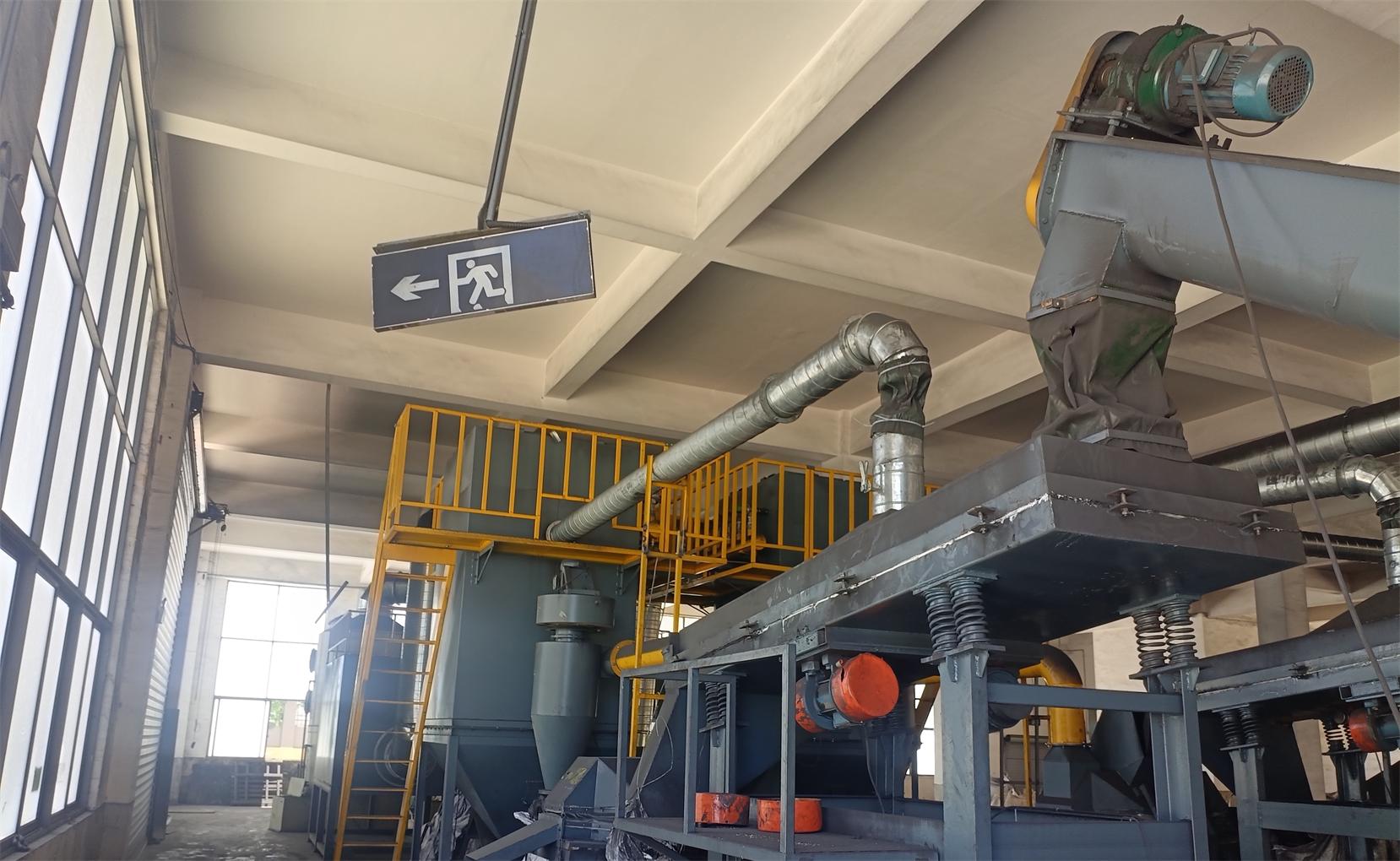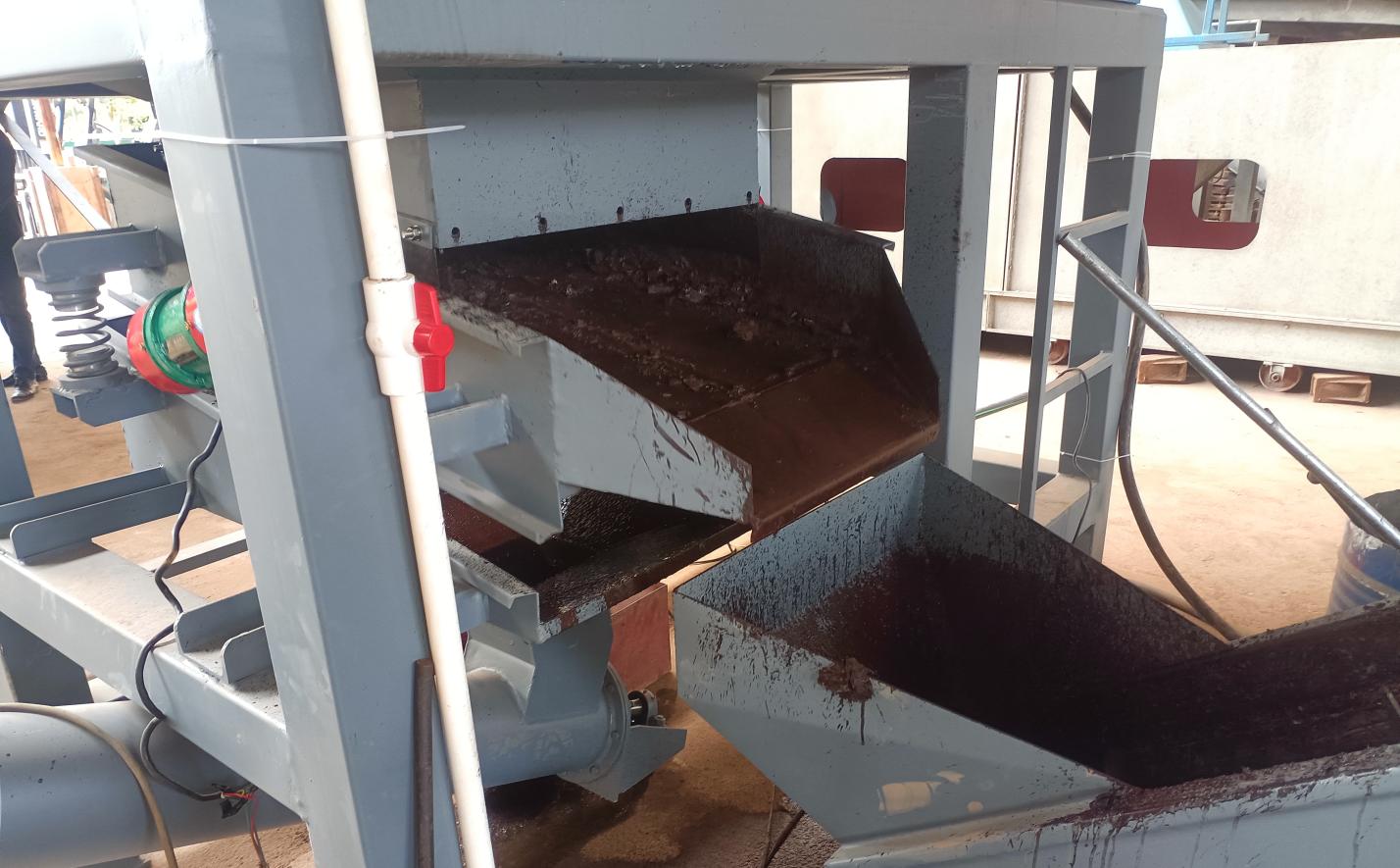
The global surge in electronic waste has created both an environmental challenge and a significant business opportunity. For entrepreneurs and established recycling companies alike, investing in the right recycling equipment is the foundation of a profitable and sustainable operation. This guide walks through the key equipment categories and what to look for when selecting a supplier.
Understanding the Core Recycling Equipment Categories
E-waste recycling is not a one-size-fits-all industry. Different waste streams require specialized machinery to maximize material recovery and ensure environmental compliance. Here are the primary equipment categories that form a complete recycling plant:
Battery Recycling: Lead Acid and Lithium Ion
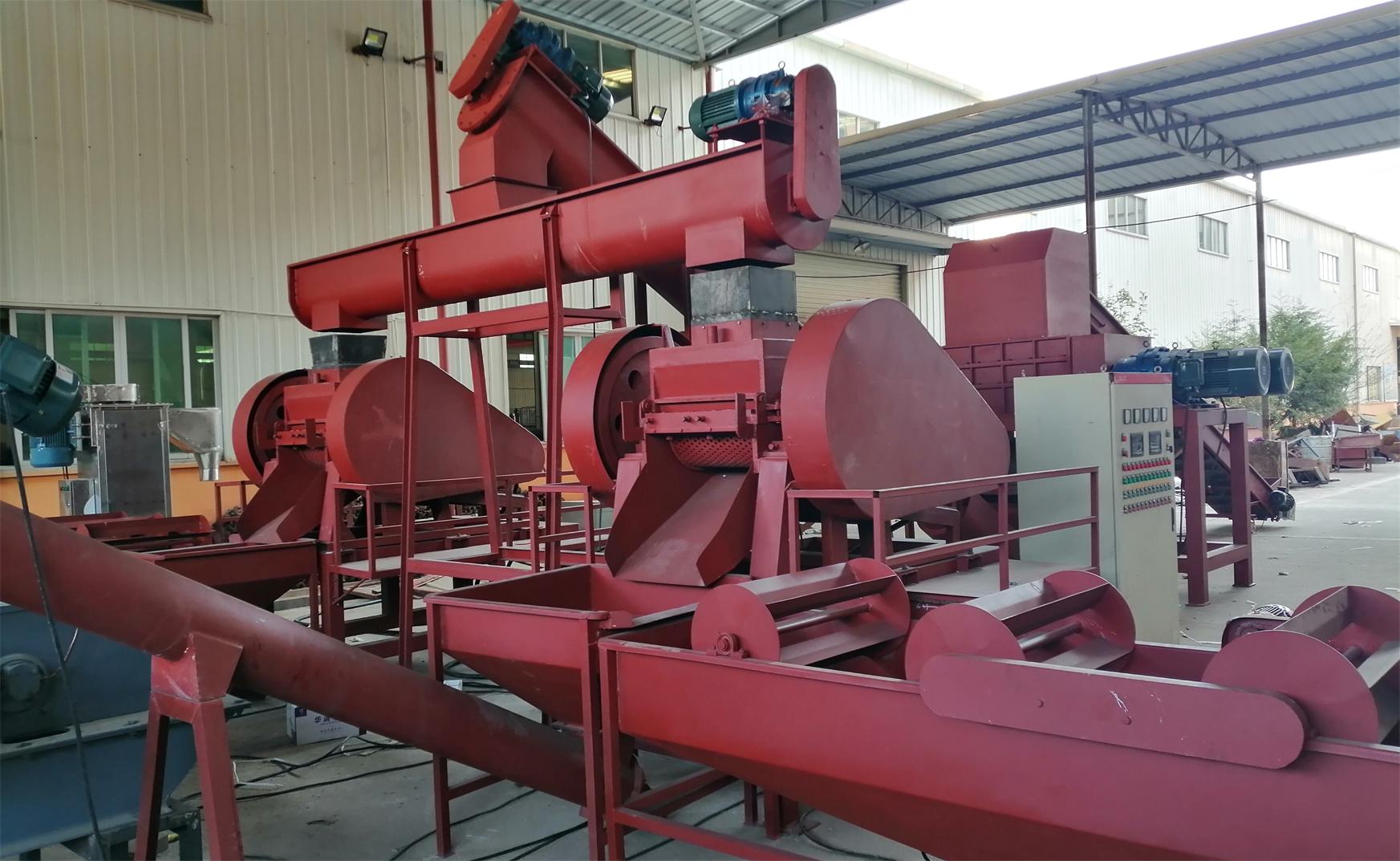
Used batteries represent one of the most valuable and environmentally sensitive waste streams. Lead acid battery recycling equipment typically includes breaking and separation systems, rotary furnaces for lead paste reduction, refinery kettles, and air pollution control systems. A complete plant should handle batteries at capacities ranging from 1 to 10 metric tons per hour while recovering lead grid, lead paste, plastic shells, and acid safely.
On the lithium side, demand for lithium battery recycling is accelerating alongside the electric vehicle market. Lithium battery recycling plants break down waste cells to recover black mass containing nickel, cobalt, and graphite, along with separated copper, aluminum, and plastic. Capacity typically ranges from 500 to 2,500 kg per hour, with proper gas treatment systems to handle harmful emissions.
Cable and Wire Recycling
Scrap cable processing remains one of the most accessible entry points into the recycling business. Cable recycling equipment includes stripping machines for large diameter wires and granulator systems with dry or wet separators to recover copper and aluminum from mixed cable waste. Modern cable granulators achieve copper purity levels of 96% to 98%, with capacities from 100 kg to over 1,000 kg per hour depending on the model.
When evaluating cable recycling machinery, consider the range of cable diameters you will process, whether you need a portable or stationary setup, and the type of separation technology that matches your local environmental regulations.
Circuit Board and Electronic Component Recovery
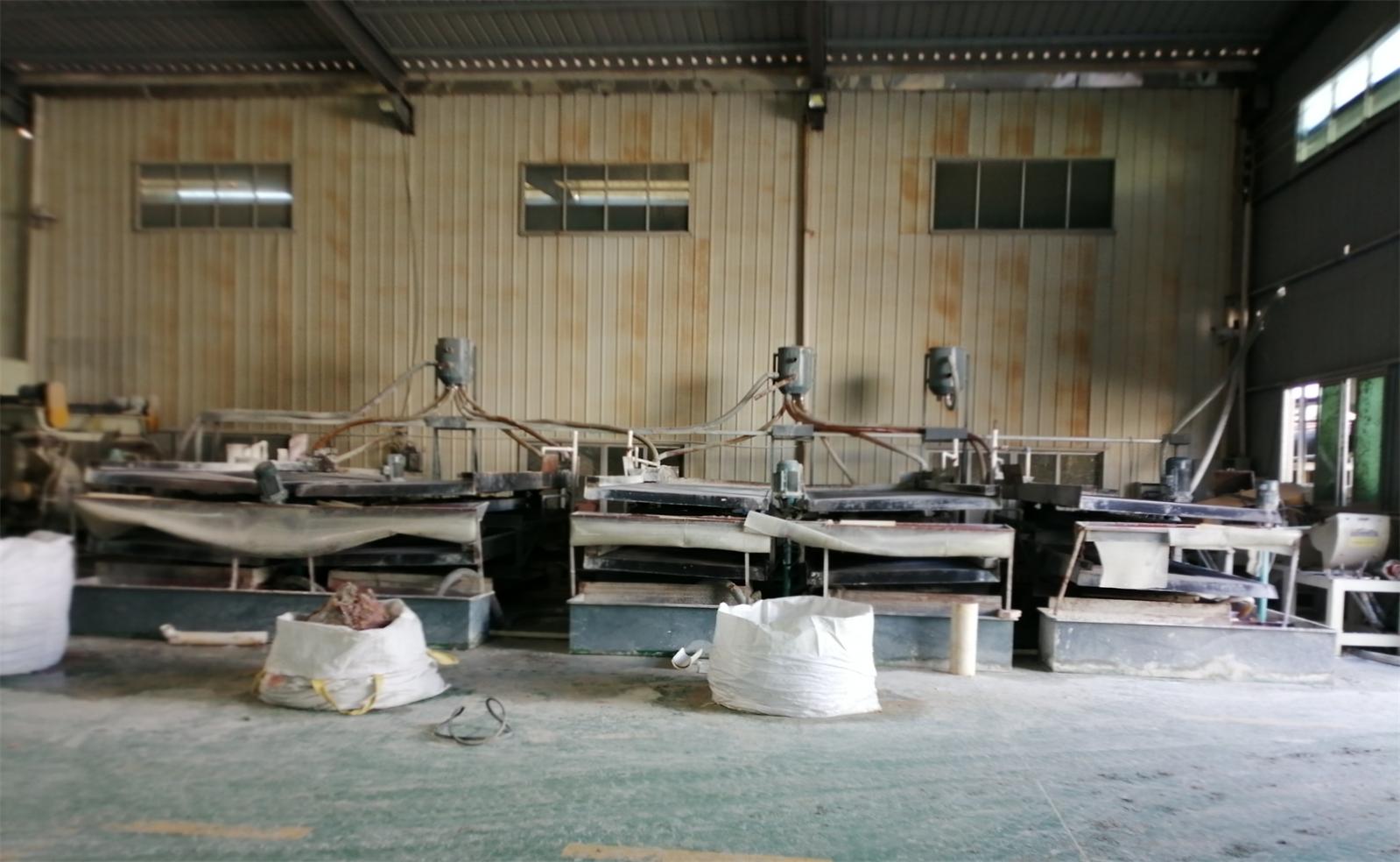
Printed circuit boards contain valuable metals including copper, gold, silver, and palladium. Circuit board recycling equipment uses mechanical processes such as crushing, air separation, electrostatic separation, and wet separation to recover metal powders without chemical pollution. Capacities range from 300 kg to 2,000 kg per hour, with recovery rates around 95% for copper-bearing materials.
The choice between dry and wet separation depends on your target output purity, water availability, and local environmental rules. Dry systems with air and electrostatic separators avoid water treatment requirements, while wet systems can achieve higher purity for certain applications.
Supporting Equipment for a Complete Plant
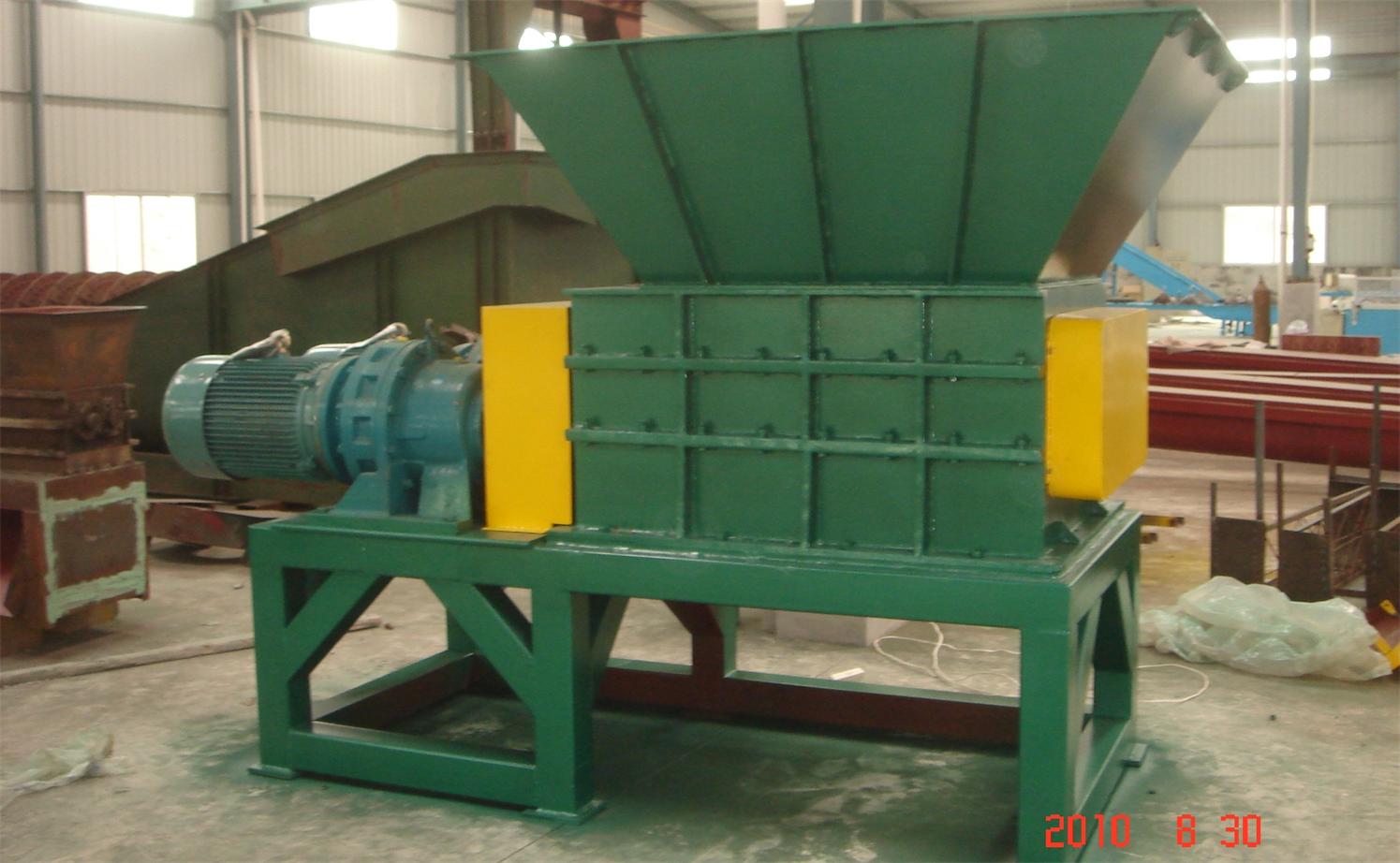
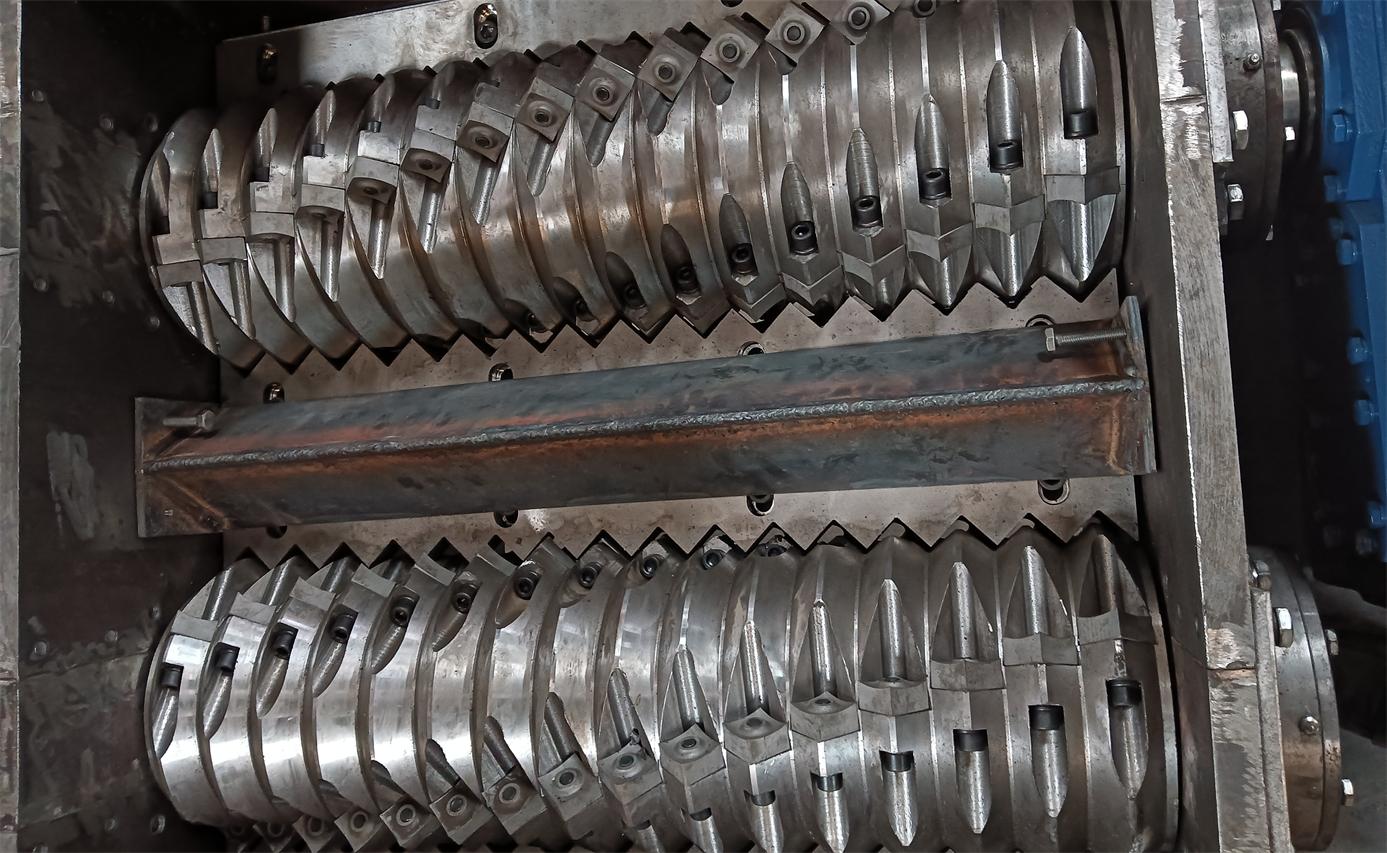
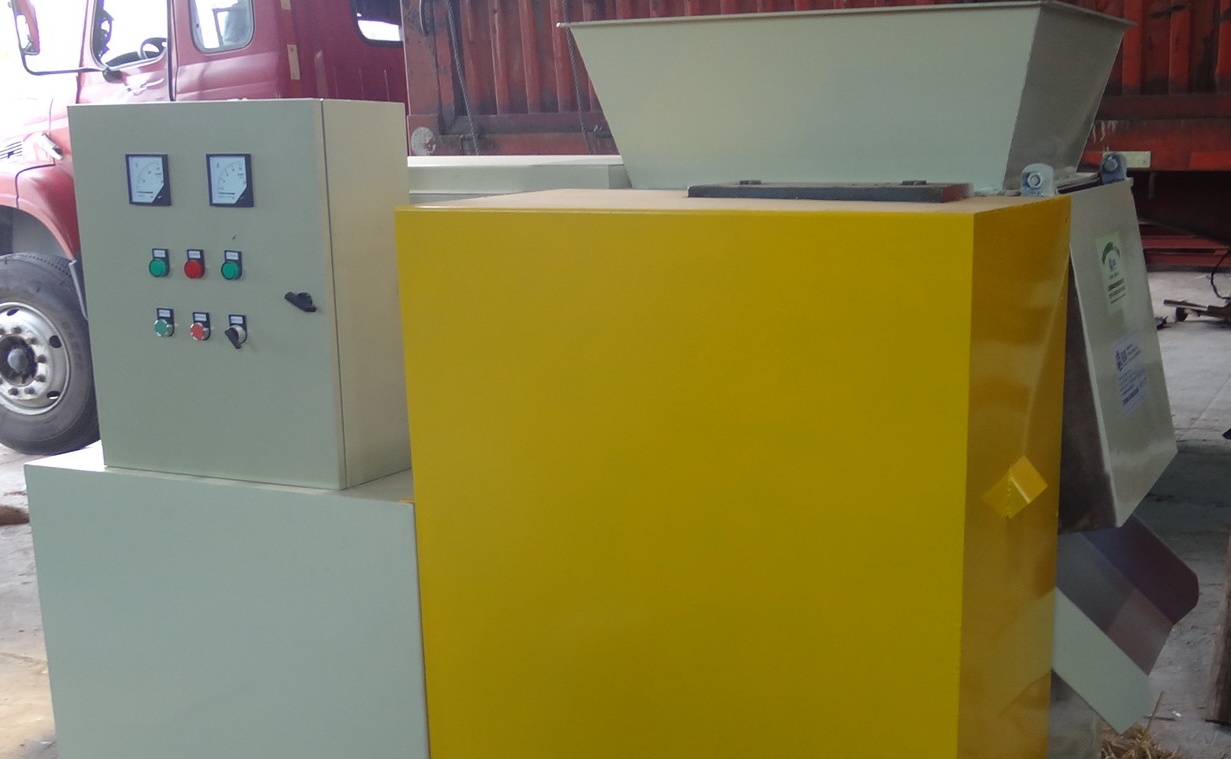
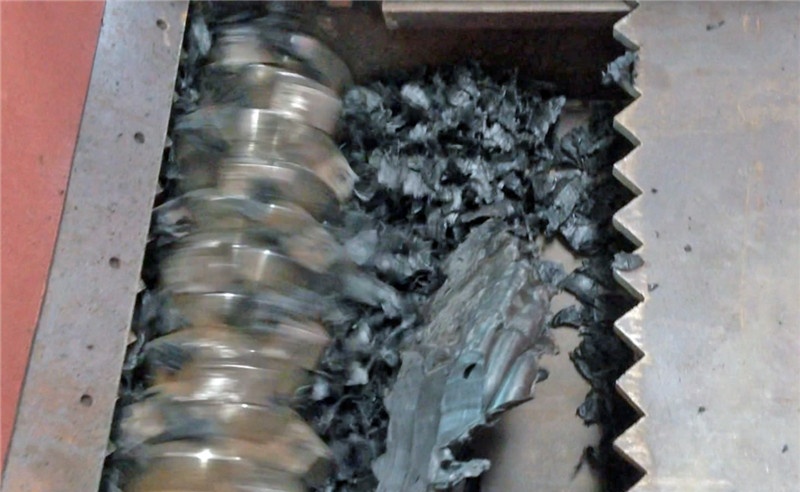
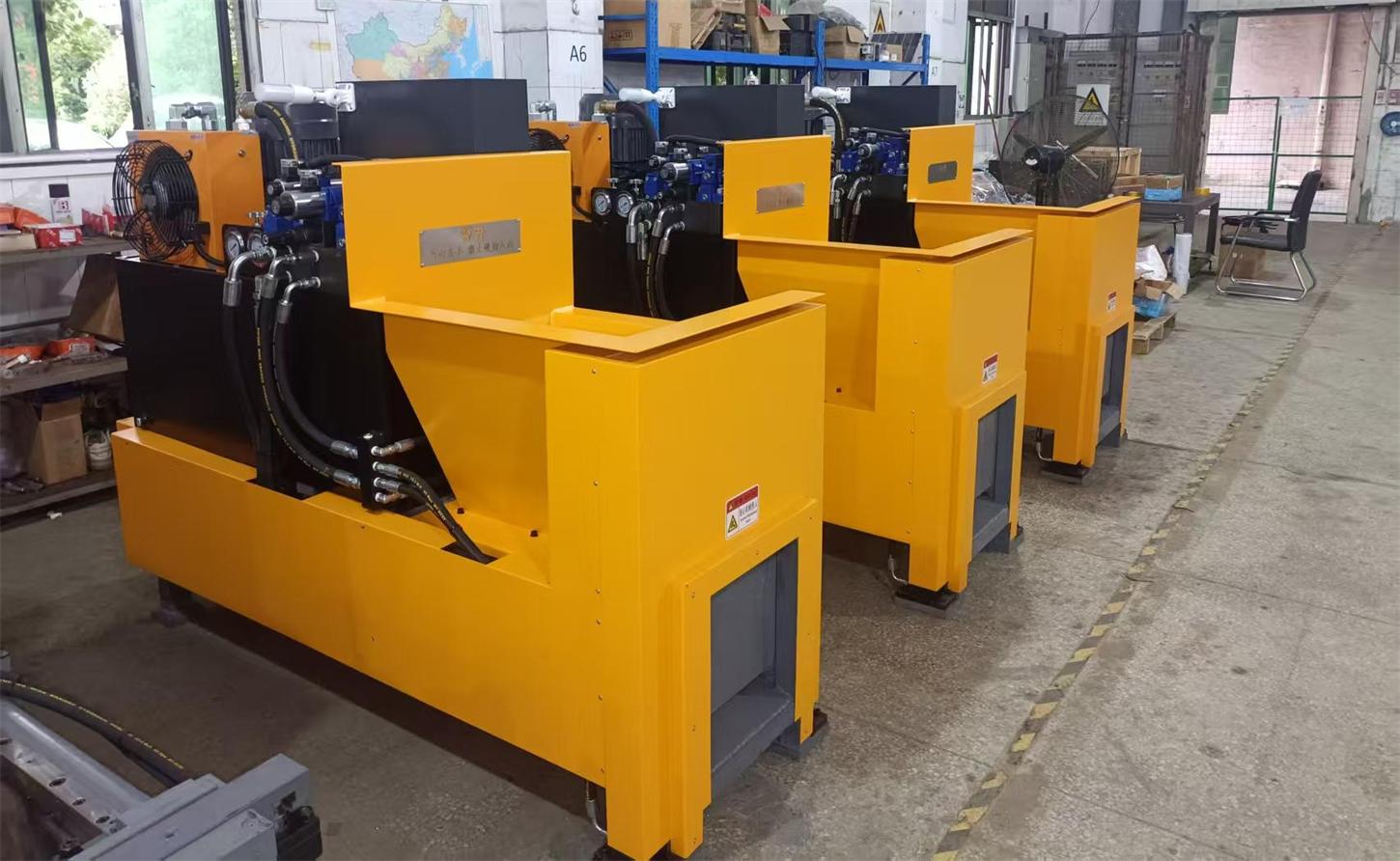
Beyond the core recycling lines, a well-equipped plant needs shredders and pre-choppers for size reduction, hydraulic presses for briquetting metal chips, and melting furnaces to convert recovered metals into ingots. Refrigerator and AC recycling lines handle end-of-life appliances by extracting refrigerants and separating metals, plastics, and polyurethane foam. Each of these systems plays a role in maximizing the value extracted from waste materials.
What to Look for in an Equipment Supplier
Selecting a supplier involves more than comparing prices. Look for manufacturers with demonstrated experience in engineering, procurement, and construction of complete recycling plants. Technical support teams should understand the mechanical and metallurgical aspects of recycling, not just machine assembly.
International experience matters. Suppliers who have installed plants across diverse regions understand how to adapt equipment to different raw material qualities, power supplies, and regulatory environments. Ask about customization options, installation support, commissioning assistance, and after-sales service availability in your region.
Another practical consideration is whether the supplier can assist with sourcing waste materials or finding buyers for your recovered products. Some manufacturers offer value-added services beyond equipment delivery, helping customers build relationships across the recycling supply chain.
Environmental Compliance as a Business Advantage
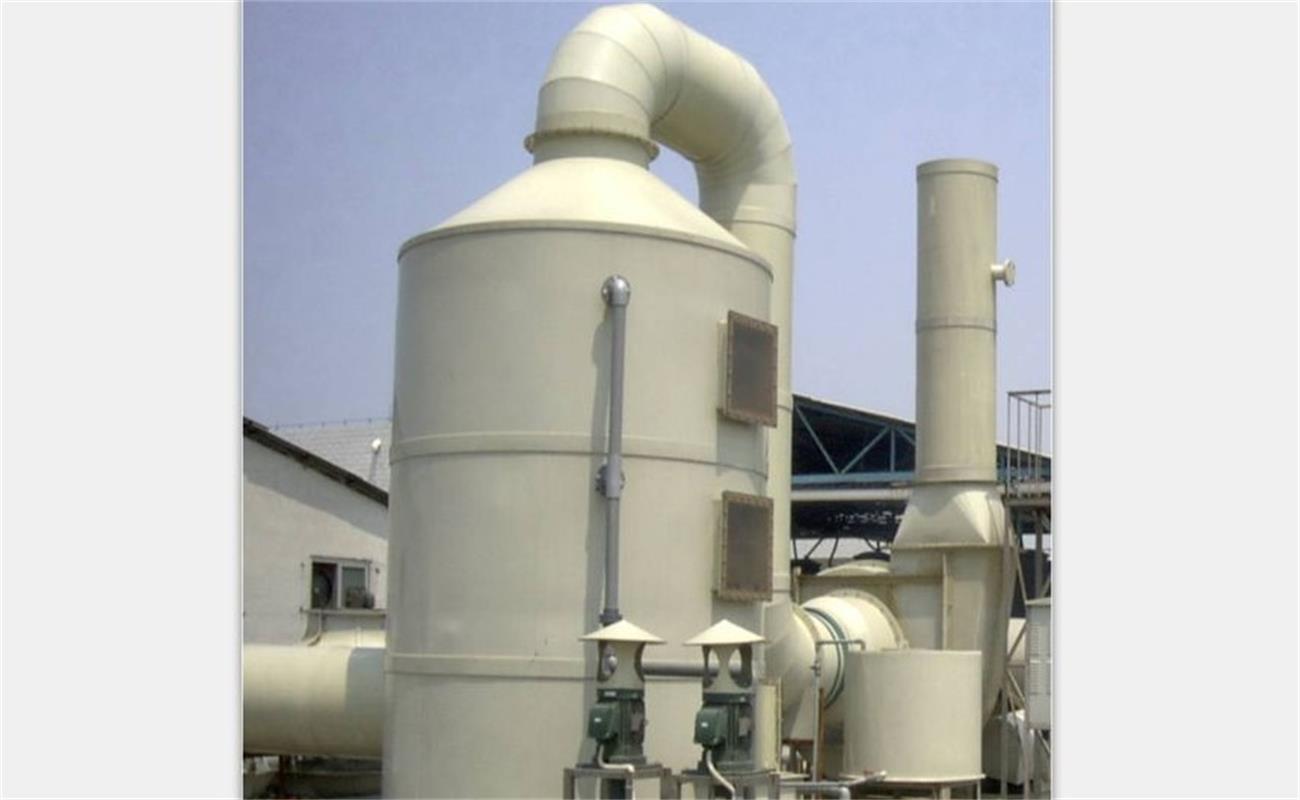
Modern recycling is heavily regulated, and compliance is not optional. Air pollution control systems, water treatment plants, and proper dust collection are essential components of any legitimate recycling operation. Investing in equipment that meets environmental standards from day one protects your business from shutdowns and positions you as a responsible operator in an increasingly scrutinized industry.
San Lan Technologies Co., Ltd has specialized in WEEE recycling machines and mining equipment since 2007. With customers in over 21 countries, the company manufactures complete plants for lead acid battery recycling, lithium battery recycling, cable recycling, circuit board recycling, and more. Their team offers customized design, installation, commissioning, and ongoing technical support for recycling operations worldwide. To discuss your project requirements, contact San Lan Technologies at info@san-lan.com or via WhatsApp at +86 139 2377 4083.