The global surge in electronic waste has created both an environmental challenge and a business opportunity. For entrepreneurs and established recyclers alike, entering the e-waste processing market requires more than good intentions — it demands the right equipment, a clear understanding of material streams, and a reliable technology partner. This guide walks through the key equipment categories and selection criteria that separate profitable operations from costly experiments.
Know Your Feedstock Before You Buy
Every recycling line starts with the material you plan to process. Used lead acid batteries, scrap copper cables, discarded circuit boards, and end-of-life lithium-ion batteries each require fundamentally different handling approaches. Attempting to process multiple waste streams with generic equipment typically leads to low recovery rates, excessive downtime, and regulatory headaches.
Start by analyzing your local waste supply. Battery recyclers focus on recovering lead paste, lead grids, and plastic casings. Cable processors aim to separate copper or aluminum from insulation. Circuit board operators target copper powder and precious metal concentrates. Each stream dictates the crushing method, separation technology, and environmental controls you will need.
Core Equipment Categories for Modern Recycling Plants
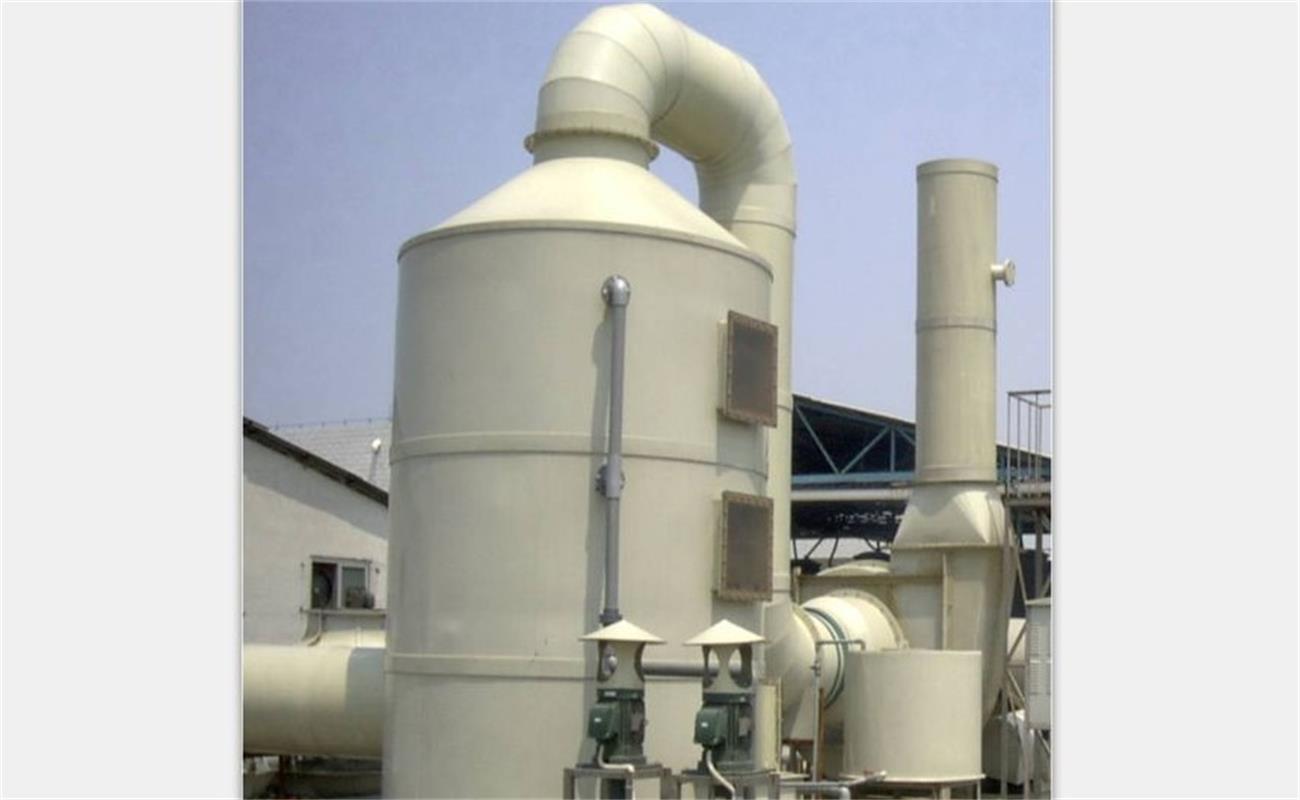
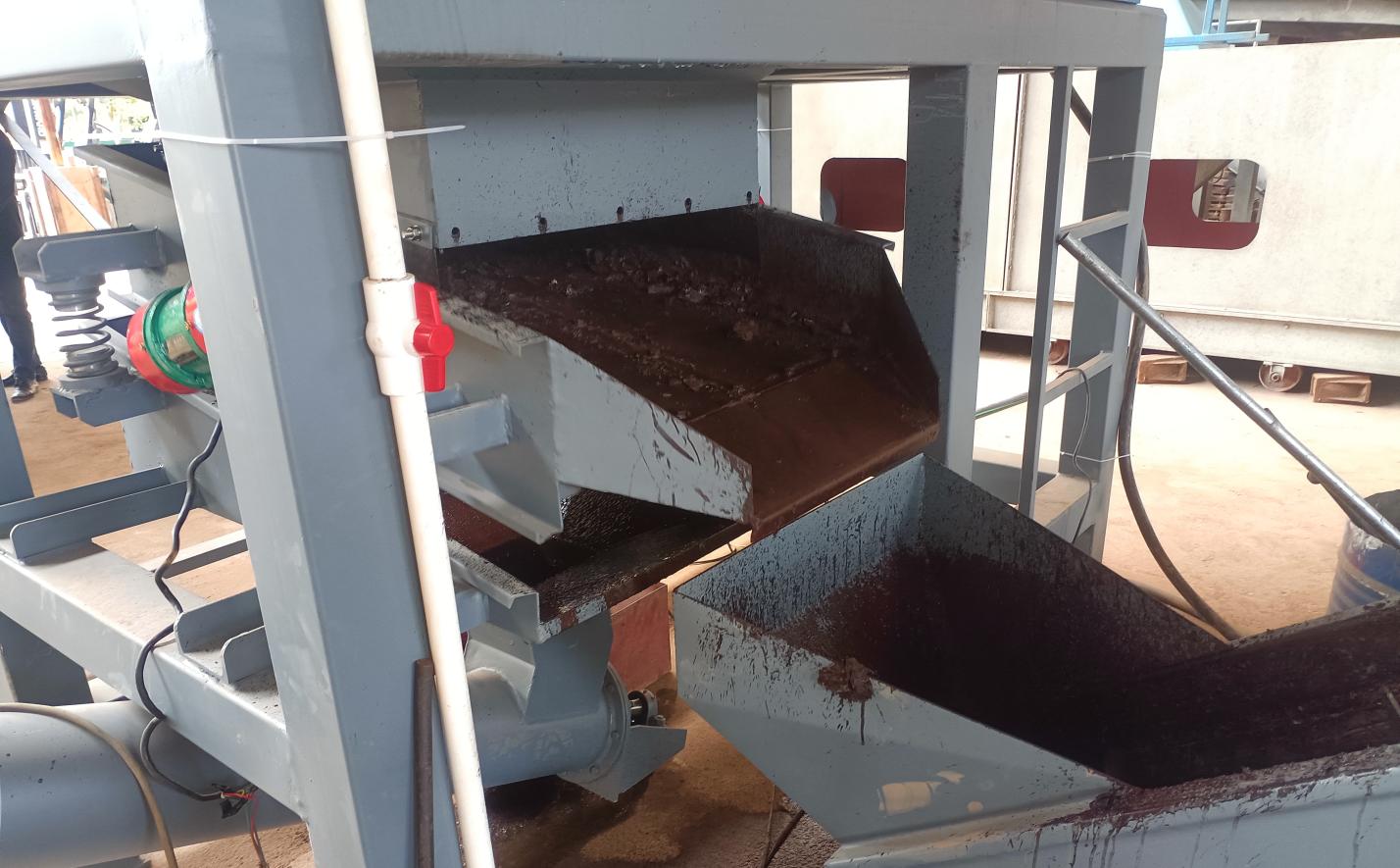
Lead acid batteries remain one of the most recycled consumer products globally. A complete lead acid battery recycling equipment setup typically includes a breaking and separation unit, a desulfurization system, smelting furnaces (rotary or blast), and air pollution control. Modern plants also integrate water treatment and filter presses to handle acidic wastewater and lead paste slurry safely.
Lithium battery recycling is growing rapidly due to the electric vehicle boom. These lines require discharge stations, pre-crushers, and specialized separation equipment to recover black mass (containing nickel, cobalt, and graphite), copper, aluminum, and plastic film. Because lithium batteries can pose fire risks, proper discharging and inert processing environments are non-negotiable.
Scrap cable represents one of the most accessible entry points into recycling. Cable recycling equipment ranges from simple stripping machines for thick wires to high-capacity granulators with dry or wet separators that handle mixed cable loads. The goal is clean separation of copper or aluminum from plastic insulation, with purity levels typically reaching 96% or higher in well-designed systems.
For operations handling diverse cable diameters, a combination of scrap cable strippers and granulators provides flexibility. Jelly-filled cables, which are common in telecommunications scrap, require specialized washing and separation stages that standard dry systems cannot handle.
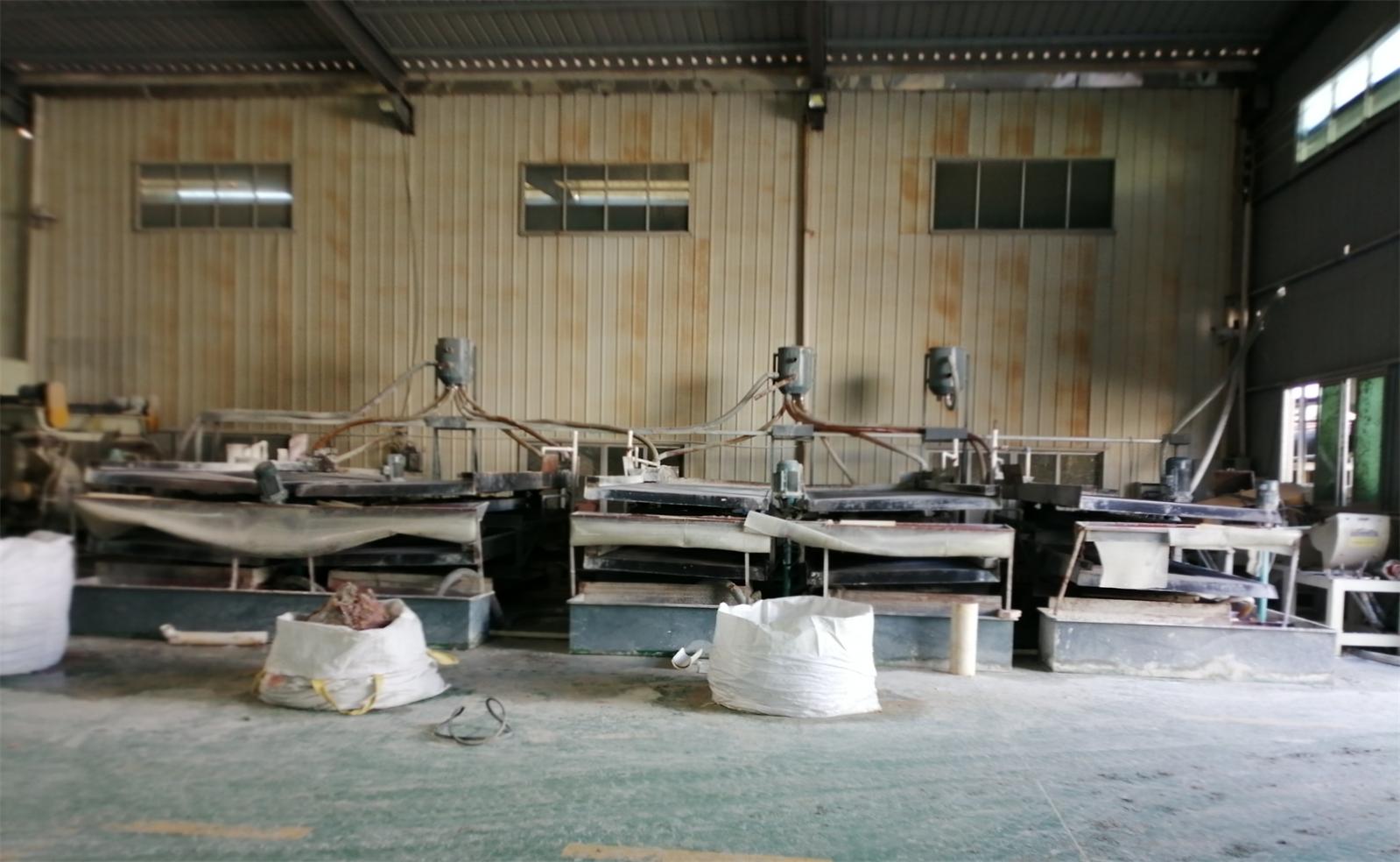
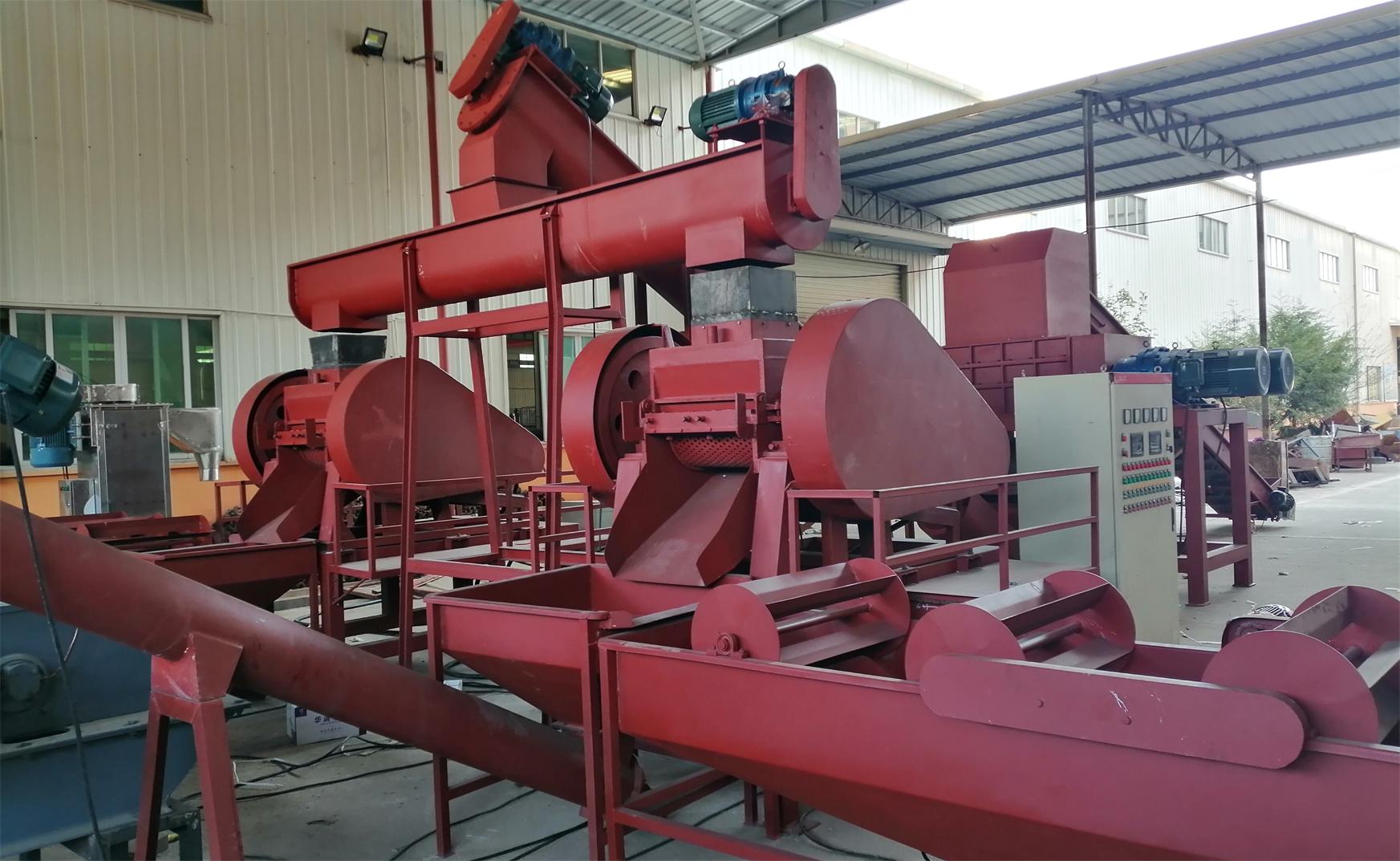
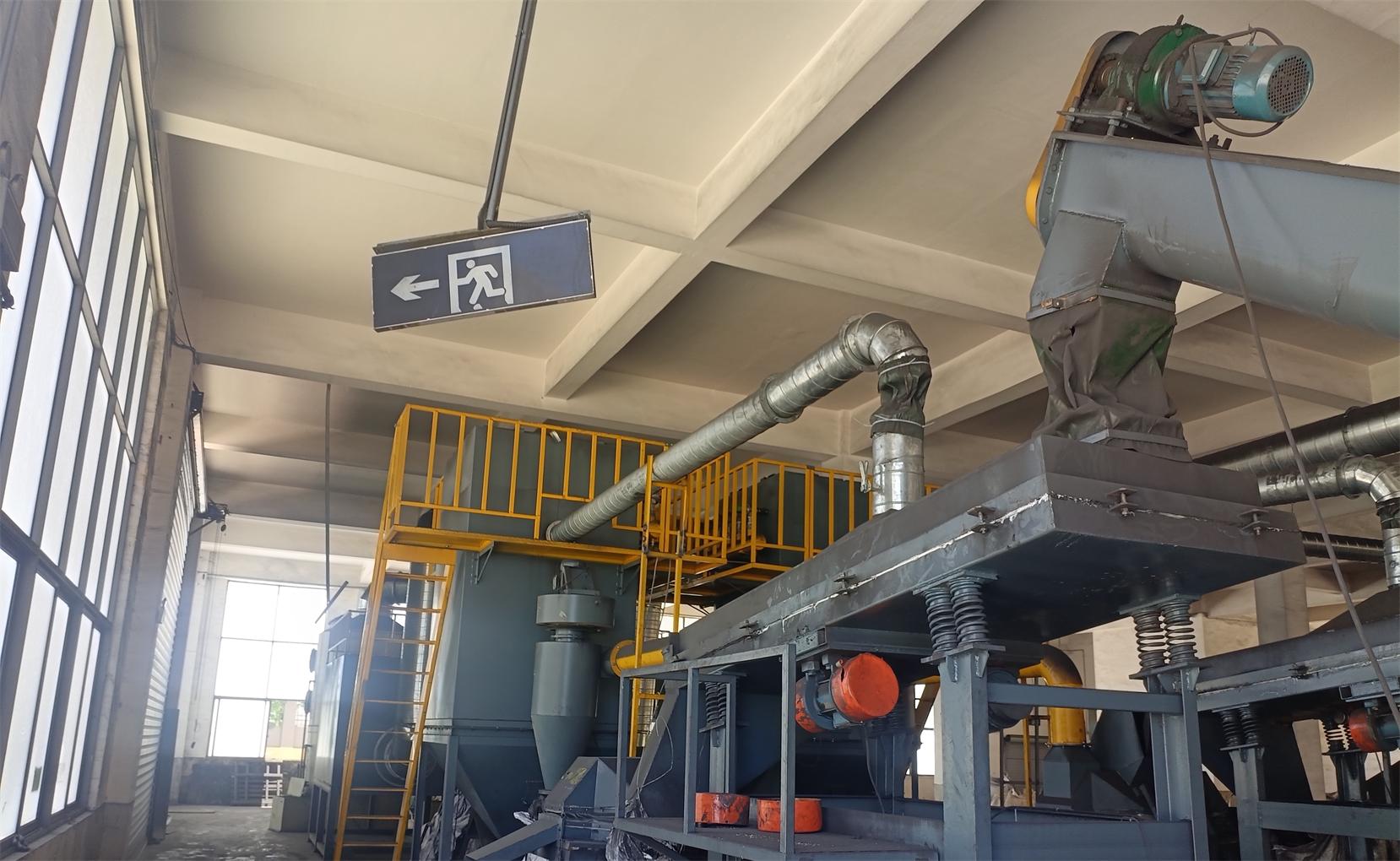
Printed circuit boards contain copper, gold, silver, and palladium, but extracting these materials efficiently requires precision. Circuit board recycling equipment uses either dry air separation or wet water-based separation, depending on capacity and local environmental regulations. Dry systems with electrostatic separators work well for mid-scale operations, while wet systems can process boards with components still attached.
Recovery rates and copper powder purity are the metrics that matter here. A well-tuned plant should achieve copper powder purity above 96% with minimal dust emissions.
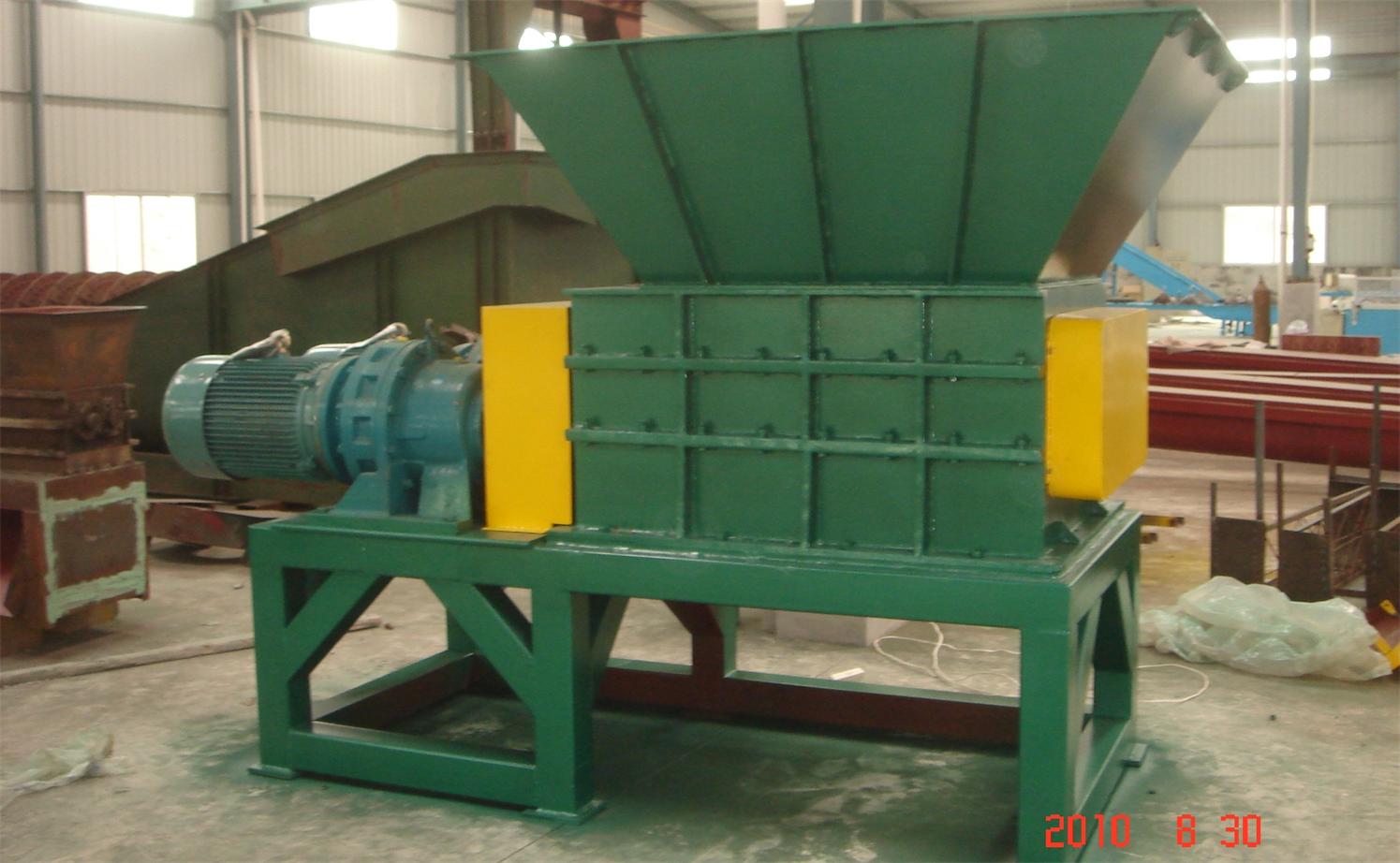
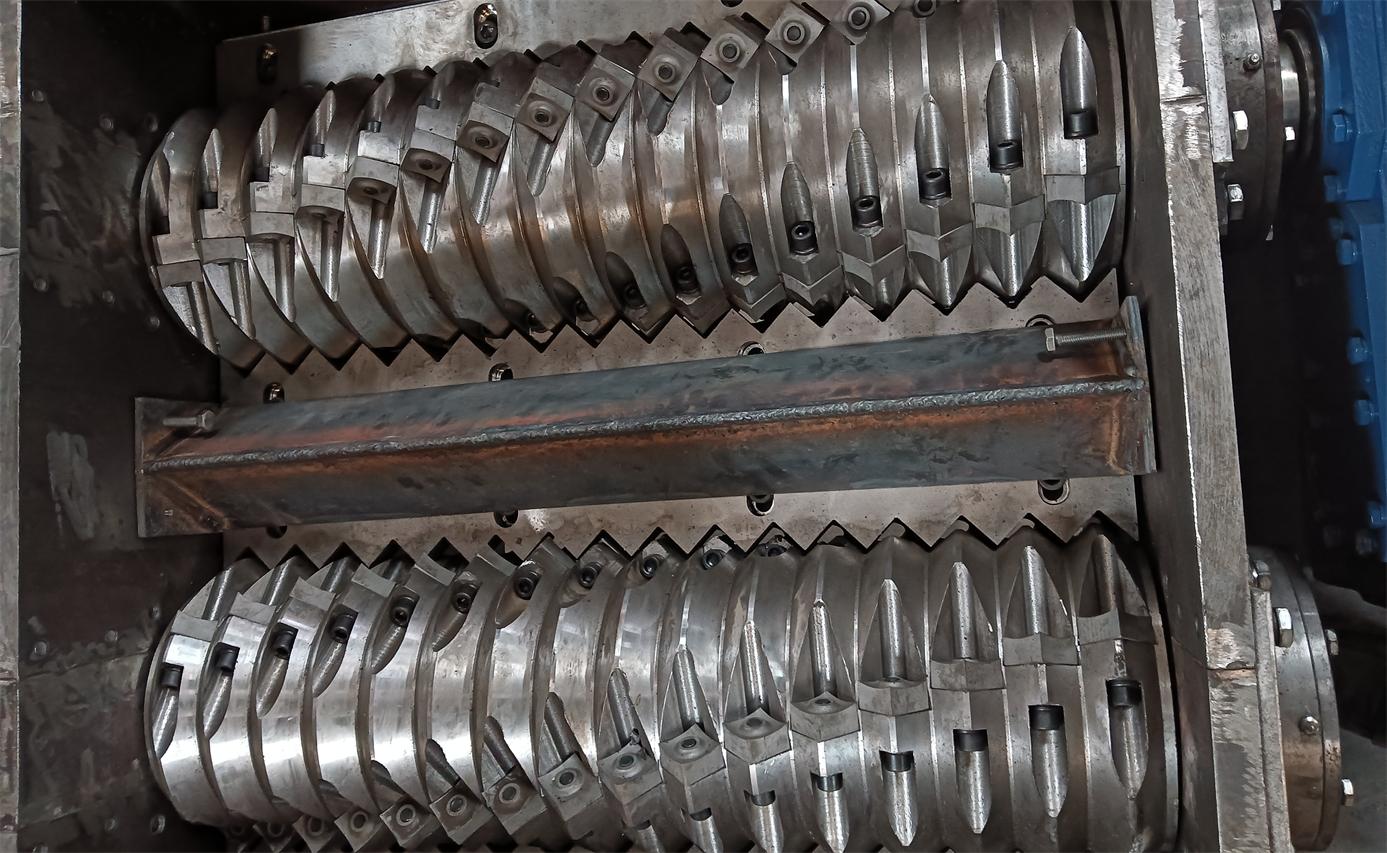
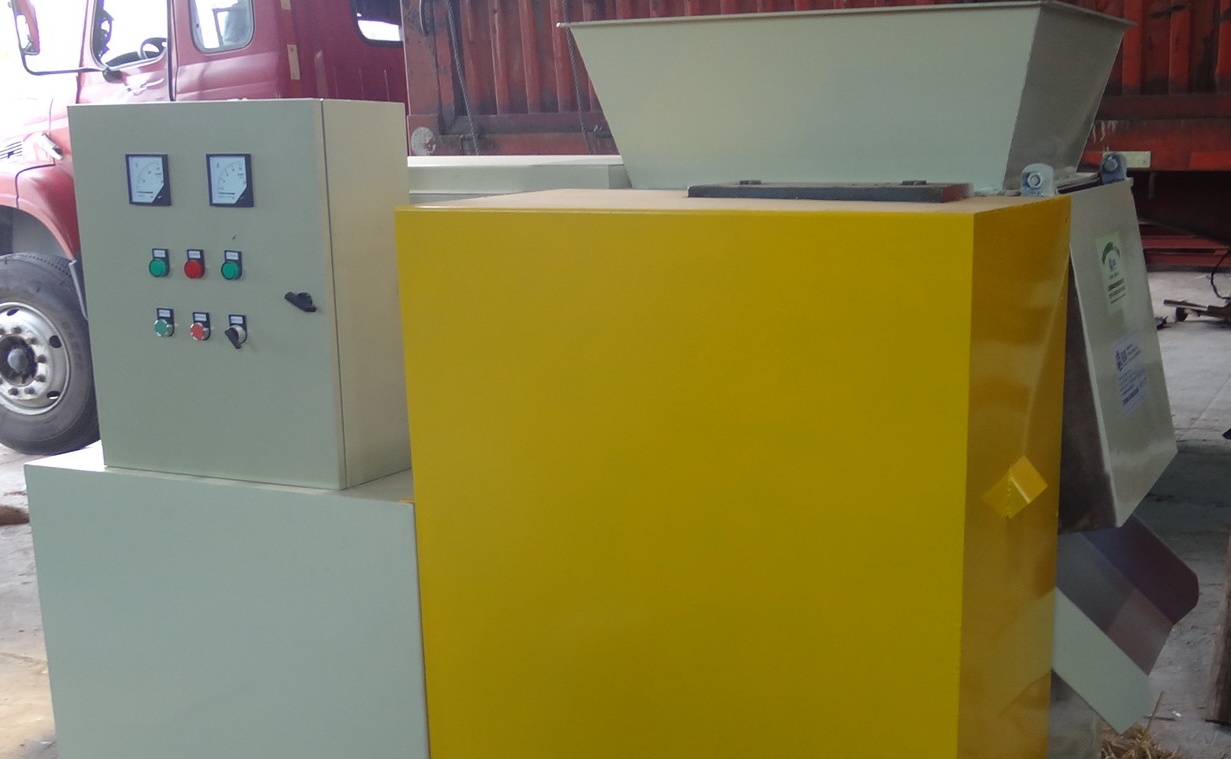
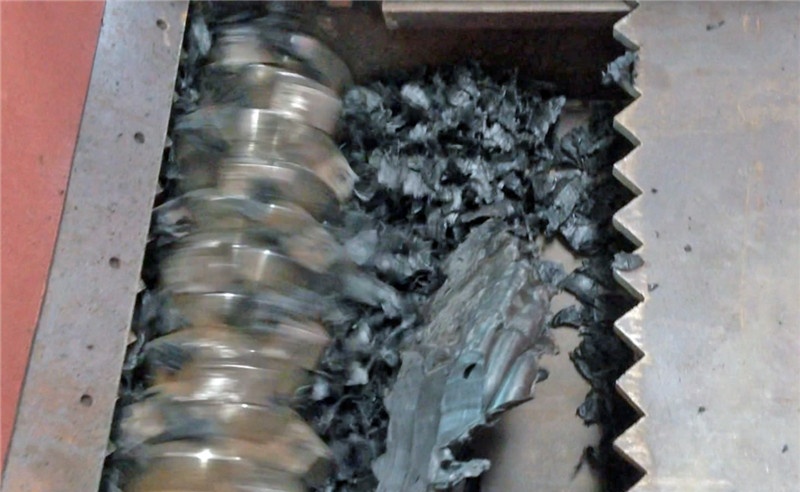
Before any fine separation happens, bulky e-waste needs size reduction. Four-shaft shredders handle large appliances like refrigerators and washing machines. Single and twin-shaft shredders prepare cables, circuit boards, and batteries for downstream processing. Pre-choppers and granulators bridge the gap between raw scrap and material ready for separation.
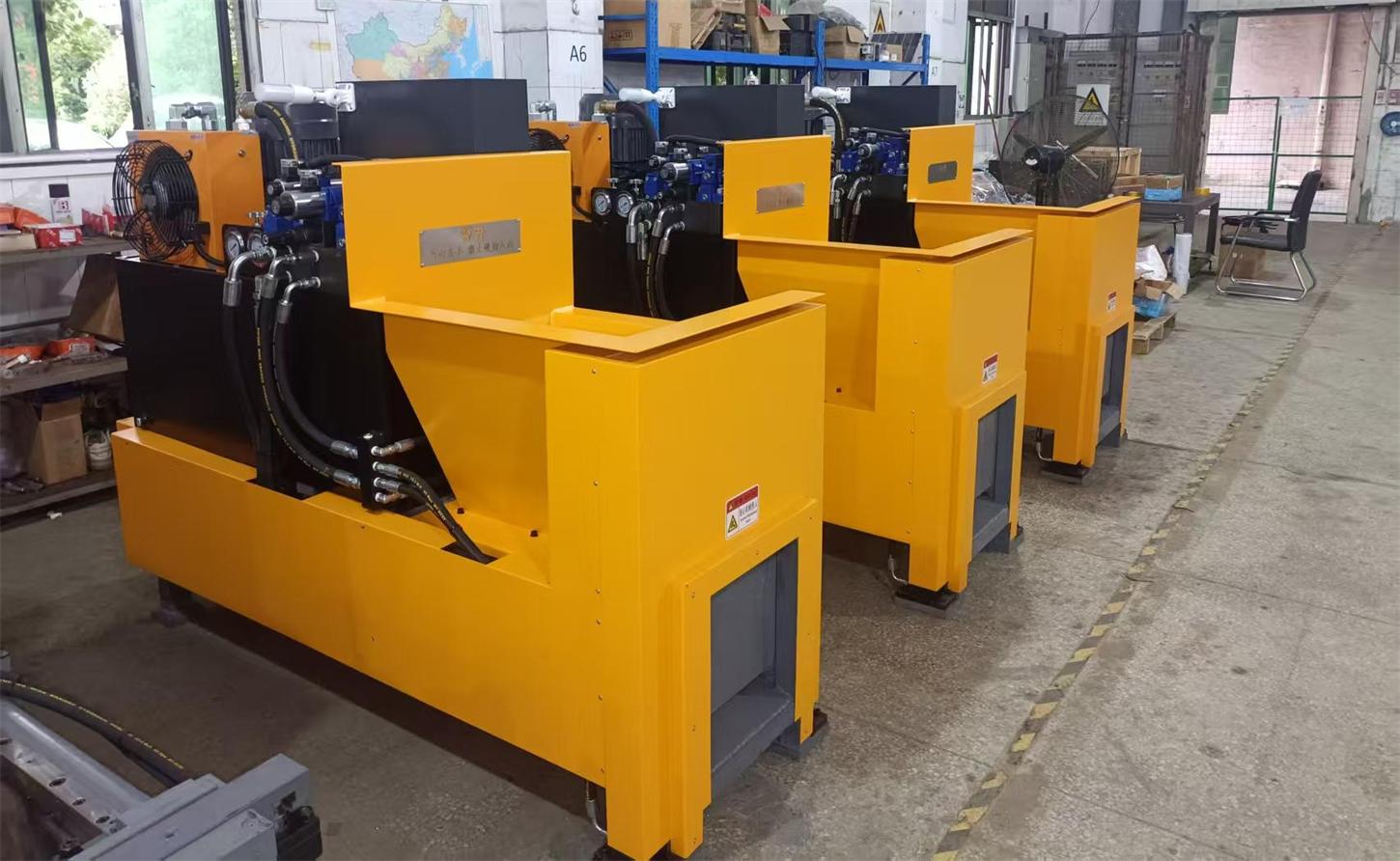
Do not overlook auxiliary equipment. Hydraulic balers compact plastic and metal for transport. Briquetting machines compress metal powder into dense blocks. Air pollution control systems keep your plant compliant and your workers safe. These supporting machines often determine whether a plant runs smoothly or struggles with bottlenecks.
What Separates a Reliable Supplier from a Catalog Seller
Buying recycling equipment is not like ordering standard industrial machinery. Each plant has unique feedstock characteristics, local environmental rules, and output requirements. A supplier that simply ships machines from a catalog without understanding your context is a liability, not a partner.
Look for manufacturers that offer engineering support beyond the sale. Can they customize capacity? Do they provide installation and commissioning assistance? Will their technicians travel to your site for training? These questions matter more than a slightly lower unit price.
Experience in turnkey EPC (Engineering, Procurement, Construction) projects is another strong indicator. Suppliers that have delivered complete plants from design to commissioning understand integration challenges that pure equipment builders miss. They know how to match shredder output to granulator input, how to size dust collection systems, and how to lay out material flows for efficiency.
San Lan Technologies: Built for Real-World Recycling
San Lan Technologies Co., Ltd has been manufacturing WEEE recycling machines and mining equipment since 2007. Based in Ganzhou, Jiangxi Province, China, the company has shipped equipment to over 21 countries including Singapore, Colombia, Vietnam, Mexico, Argentina, Korea, Malaysia, and South Africa.
The product range covers the full spectrum of e-waste recycling needs:
San Lan's engineering team includes mechanical engineering masters with over 15 years of direct experience in e-waste recycling machine design. The company offers more than equipment sales — they assist with waste material sourcing, help connect customers with buyers for recovered materials like copper rice and lead ingots, and even support investors looking to finance recycling plant construction.
For mining operations, San Lan also supplies lithium ore extraction plants and nano ceramic grinding media — a rare combination that reflects deep materials processing expertise.
Making the Right Investment
The difference between a recycling plant that pays for itself in two years and one that bleeds money often comes down to equipment selection and supplier support. Cheap machines with no after-sales service create expensive downtime. Overbuilt systems with features you do not need drain capital that could fund working materials.
Start with a clear material analysis, match equipment to your actual feedstock, and choose a supplier with proven project experience. Request references from customers in regions similar to yours. Ask about spare parts availability and remote technical support. Visit running plants if possible.
Recycling is a volume business with thin margins. Equipment reliability, recovery rate, and operating efficiency determine profitability far more than initial purchase price. Invest wisely, and the growing mountain of e-waste becomes a sustainable revenue stream.
Ready to explore equipment options for your recycling project? San Lan Technologies offers customized plant design, installation support, and ongoing technical assistance for lead acid battery, lithium battery, cable, and circuit board recycling operations. Contact their team at info@san-lan.com or via WhatsApp at +86 139 2377 4083 to discuss your material stream and capacity requirements.