The global surge in electronic consumption has created an unprecedented waste challenge — and a massive business opportunity. For entrepreneurs and established companies entering the recycling sector, choosing the right equipment is the single most critical decision that determines profitability, compliance, and long-term viability.
The Growing Demand for Professional Recycling Solutions
Electronic waste is one of the fastest-growing waste streams worldwide. From discarded smartphones and laptops to end-of-life vehicle batteries and industrial cables, the volume of recoverable material continues to rise. Governments across Asia, Africa, Latin America, and the Middle East are tightening environmental regulations, creating strong policy tailwinds for formal recycling operations.
However, not all recycling businesses succeed. The difference between a profitable plant and a failed investment often comes down to equipment selection. Poorly designed machinery leads to low recovery rates, excessive downtime, environmental non-compliance, and ultimately, financial losses.
The Core Waste Streams Driving the Industry
Before selecting equipment, operators must understand which waste streams offer the best returns. The four highest-value categories in today's market are:
Used Lead Acid Batteries (ULAB): Found in vehicles, UPS systems, and industrial backup power, these contain lead grids, lead paste, plastic casings, and sulfuric acid. A well-designed lead acid battery recycling equipment line can recover over 95% of lead content while neutralizing acid and capturing plastic.
Lithium-Ion Batteries: Driven by the electric vehicle revolution, spent lithium batteries contain valuable black mass (nickel, cobalt, graphite), copper, aluminum, and plastic separators. Processing requires specialized crushing, separation, and gas treatment systems.
Scrap Cables and Wires: Copper and aluminum prices make cable recycling consistently profitable. The right cable recycling equipment can separate metal from insulation with purity levels exceeding 96%.
Printed Circuit Boards (PCB): Often called "urban mines," PCBs contain copper, gold, silver, and palladium. Mechanical recycling plants with proper separation technology can extract copper powder at 96-98% purity without chemical processing.
Essential Equipment for Modern Recycling Plants
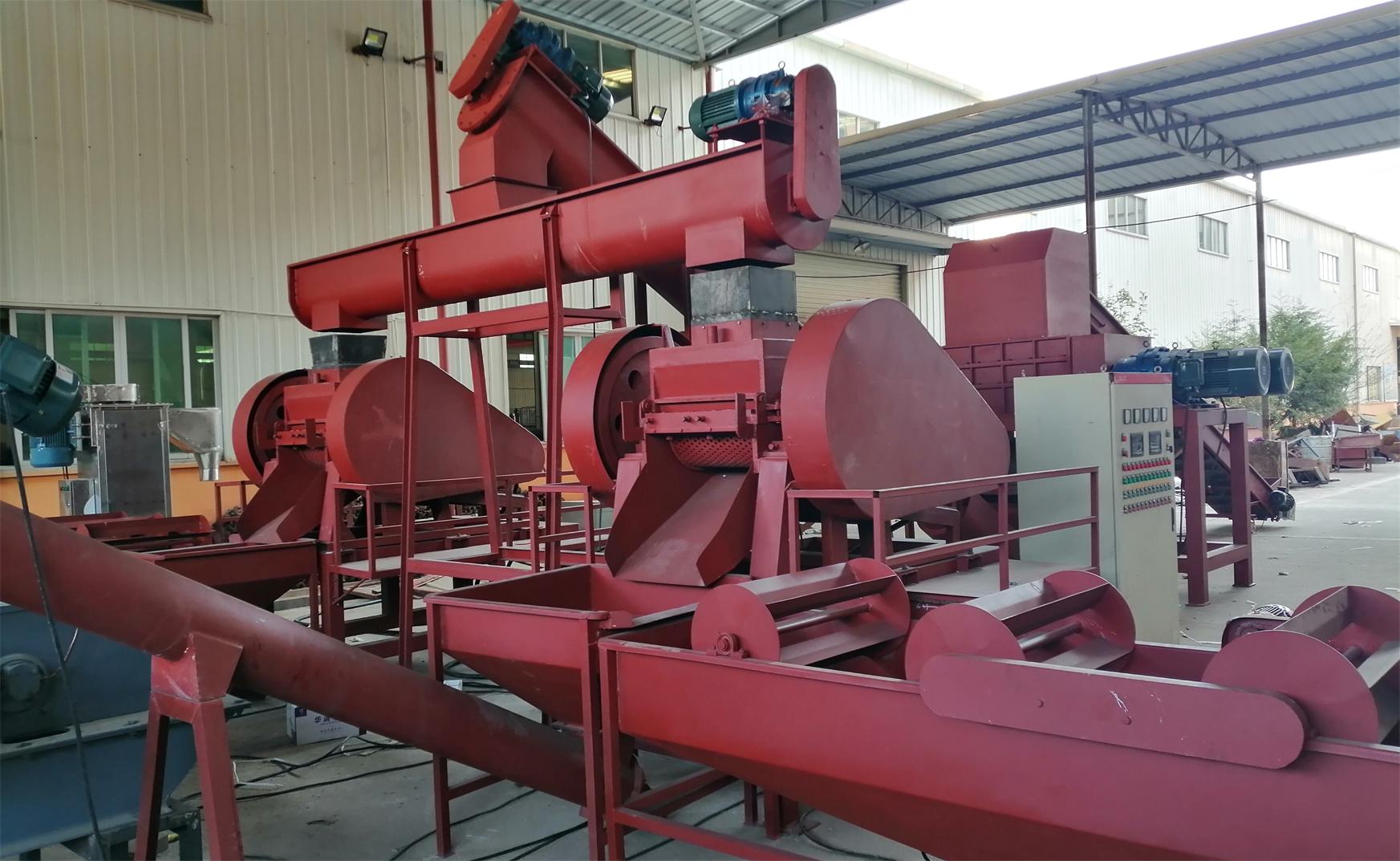
A complete recycling operation requires more than a single machine. Depending on feedstock, operators need integrated systems that handle shredding, separation, smelting, and pollution control. Here are the core components:
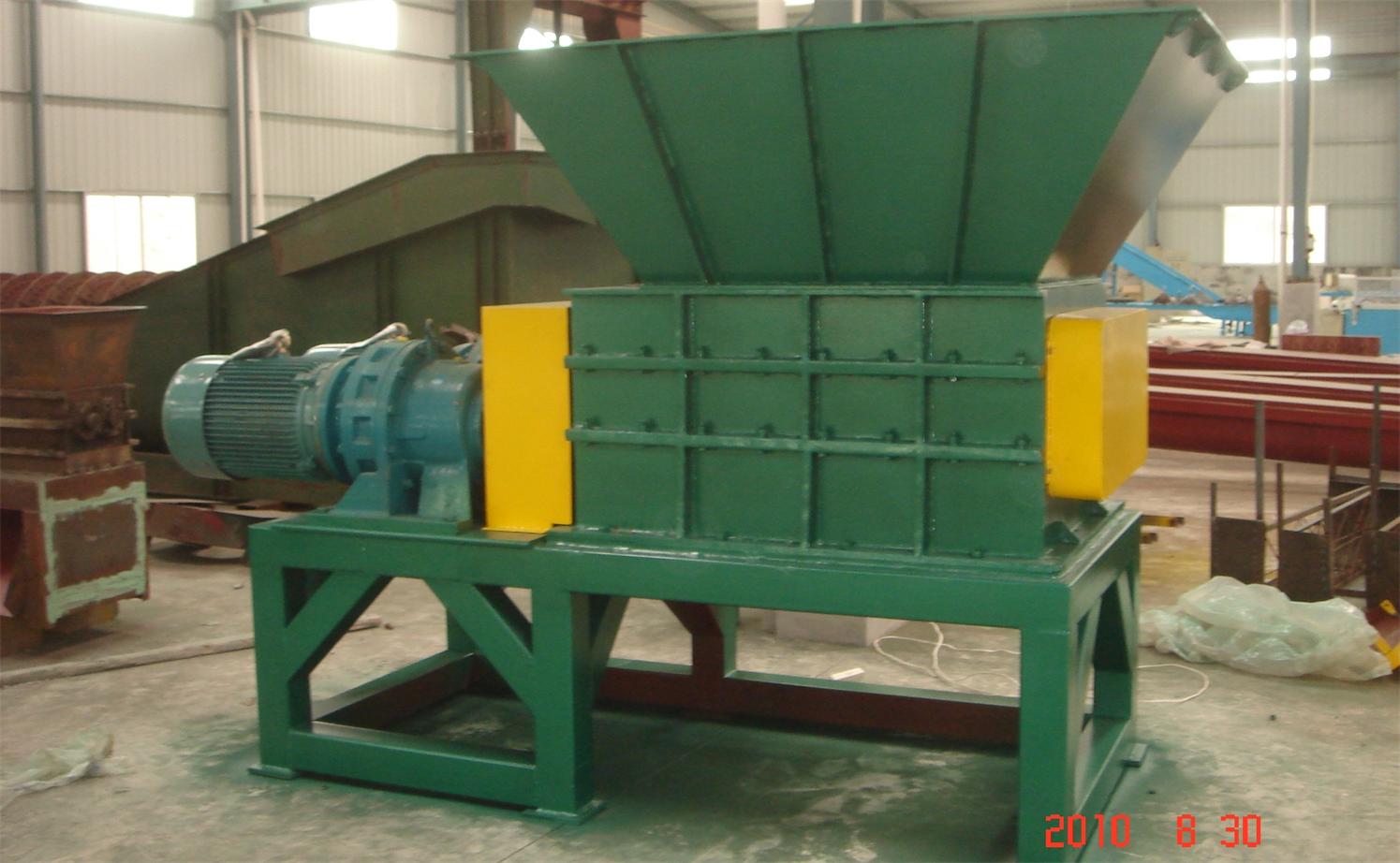
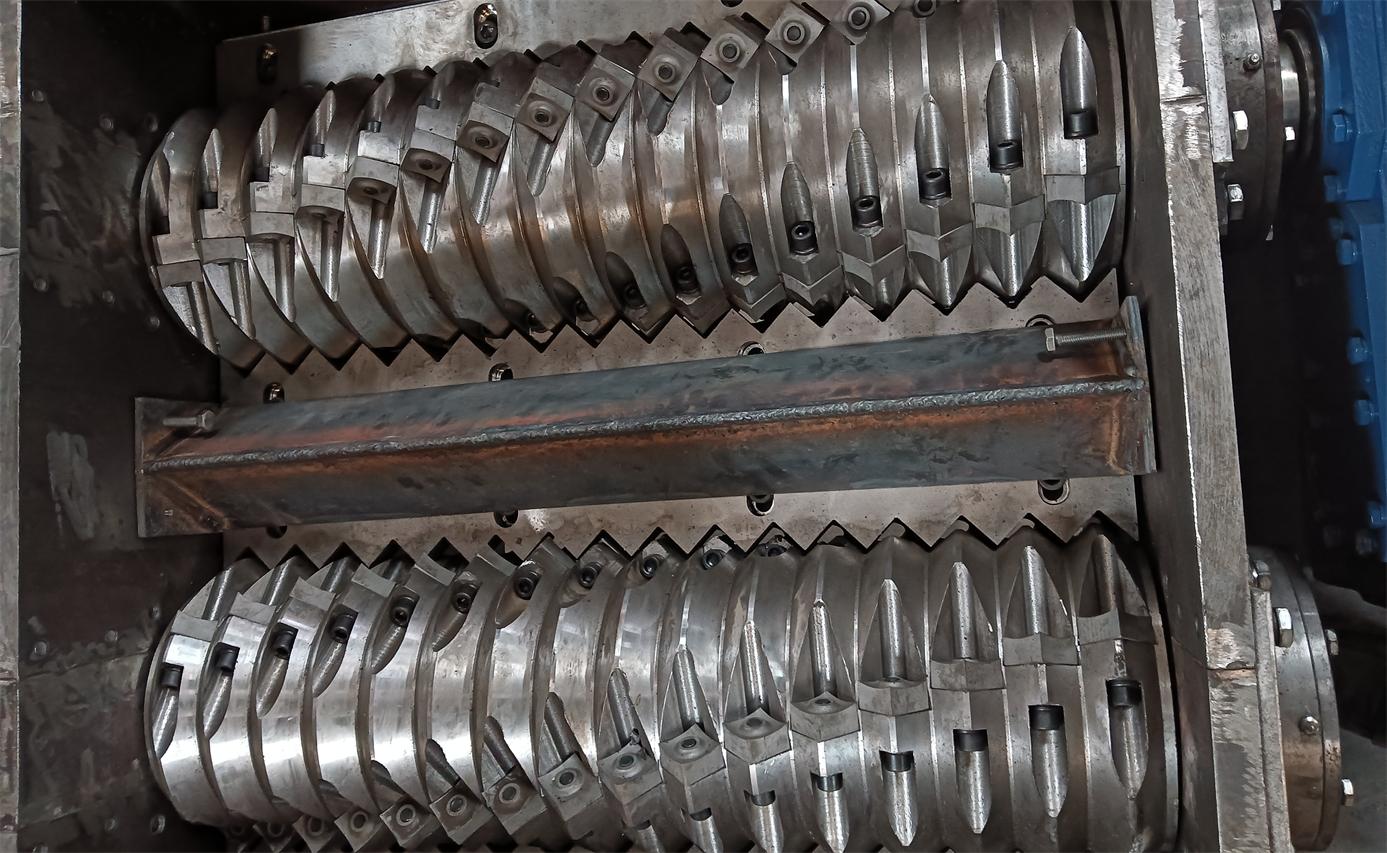
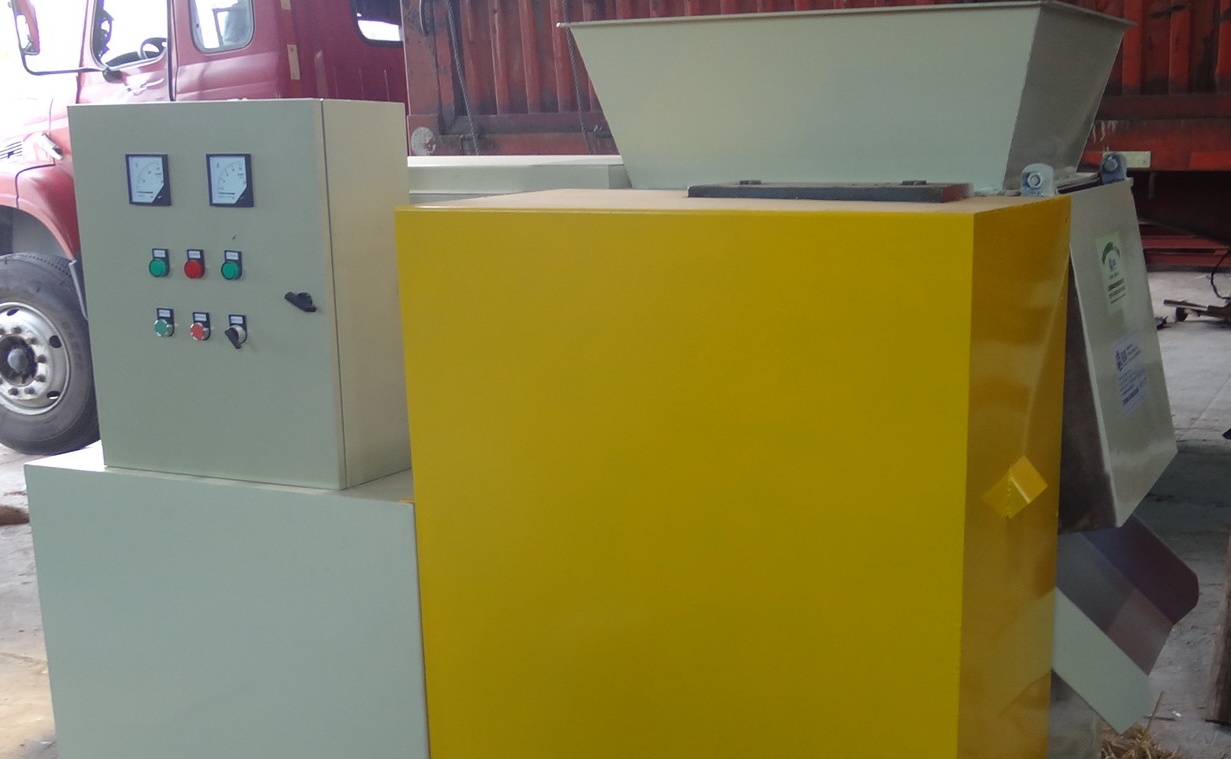
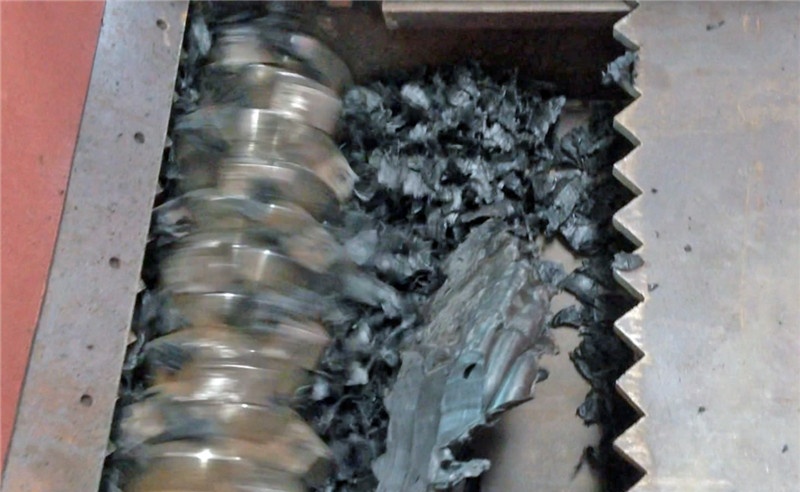
Pre-Processing: Shredders and pre-choppers reduce large items into manageable sizes. Four-shaft and twin-shaft shredders handle everything from refrigerators to lithium batteries, preparing material for downstream separation.
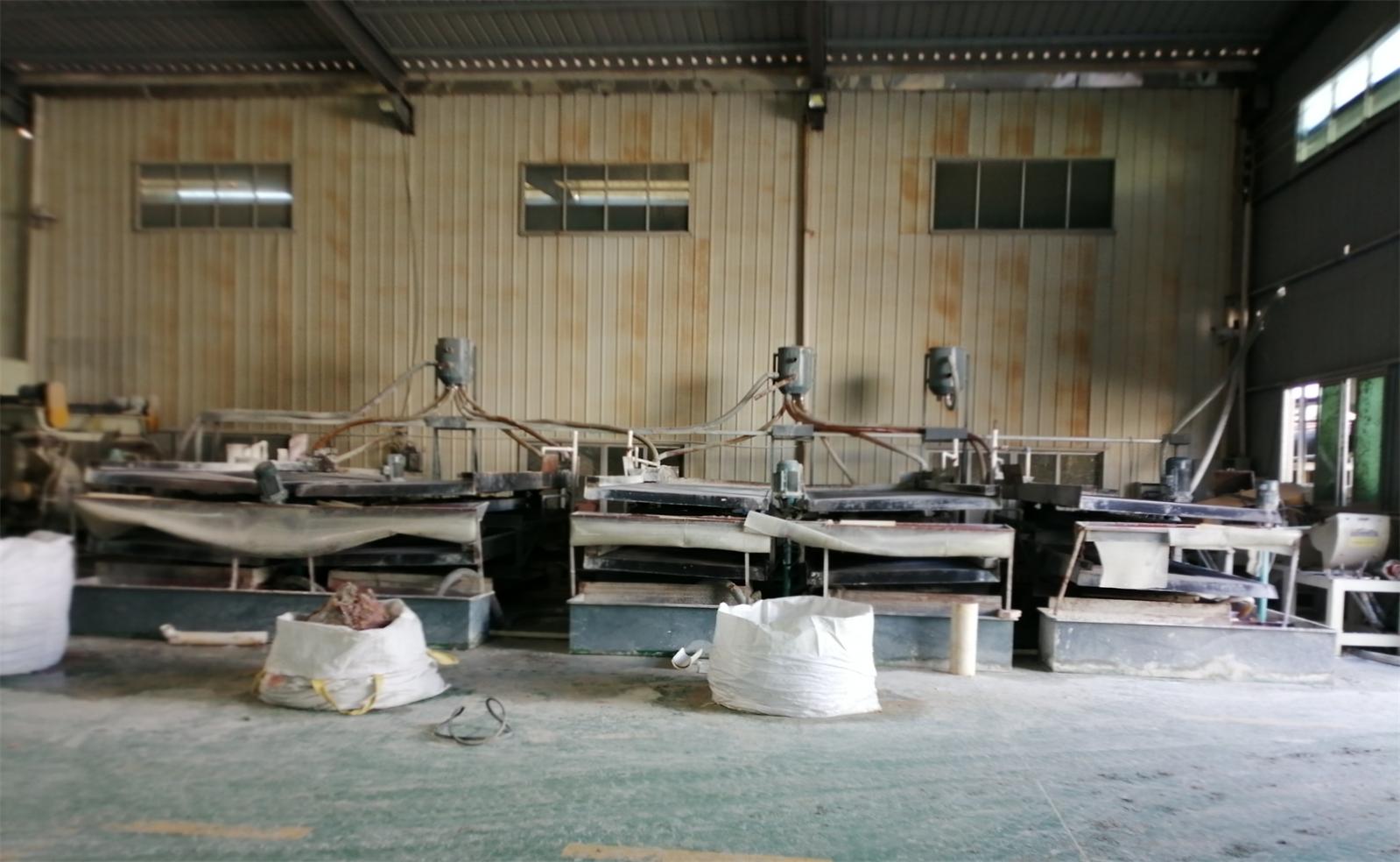
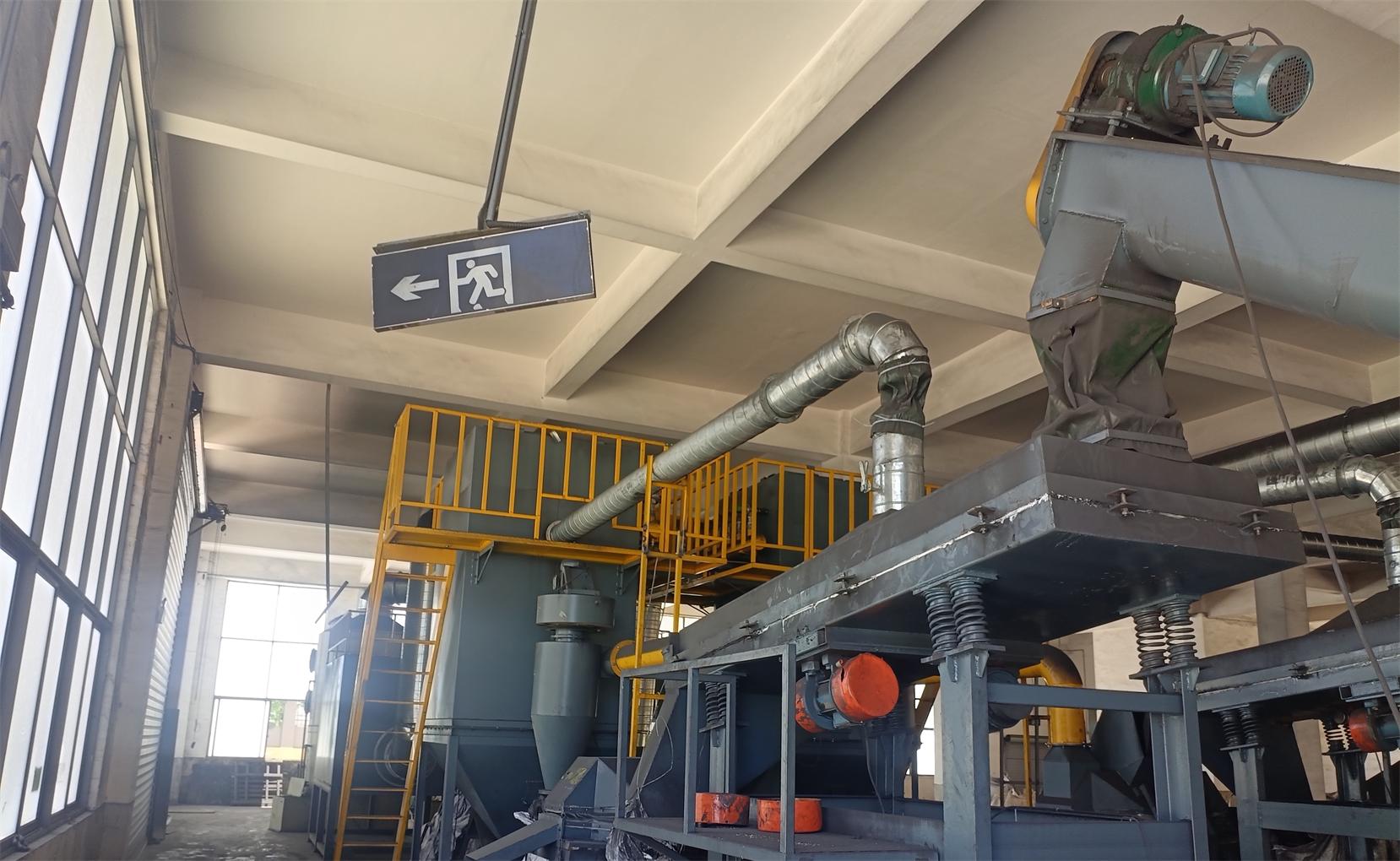
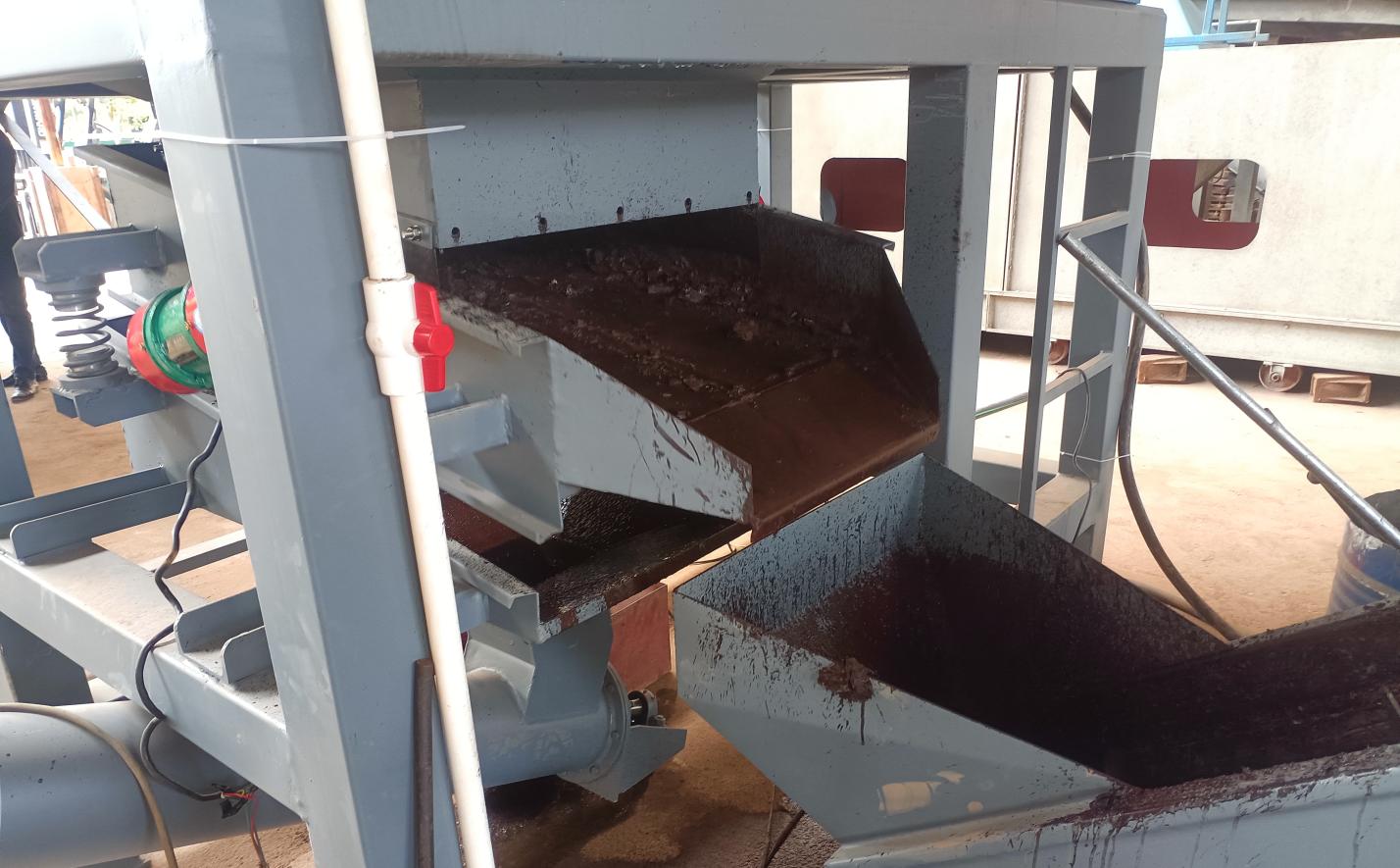
Mechanical Separation: Air separators, vibrating screens, electrostatic separators, and magnetic systems sort crushed material into ferrous, non-ferrous, and plastic fractions. Dry separation systems eliminate water consumption and effluent treatment costs, while wet separation achieves higher purity for certain applications.
Pyrometallurgical Recovery: For battery paste and mixed metal fractions, rotary furnaces and blast furnaces reduce material to crude metal. Lead smelting rotary furnaces, for example, offer higher recovery rates than traditional blast furnaces for paste reduction. Refinery kettle furnaces then purify crude lead to 99.999% purity.
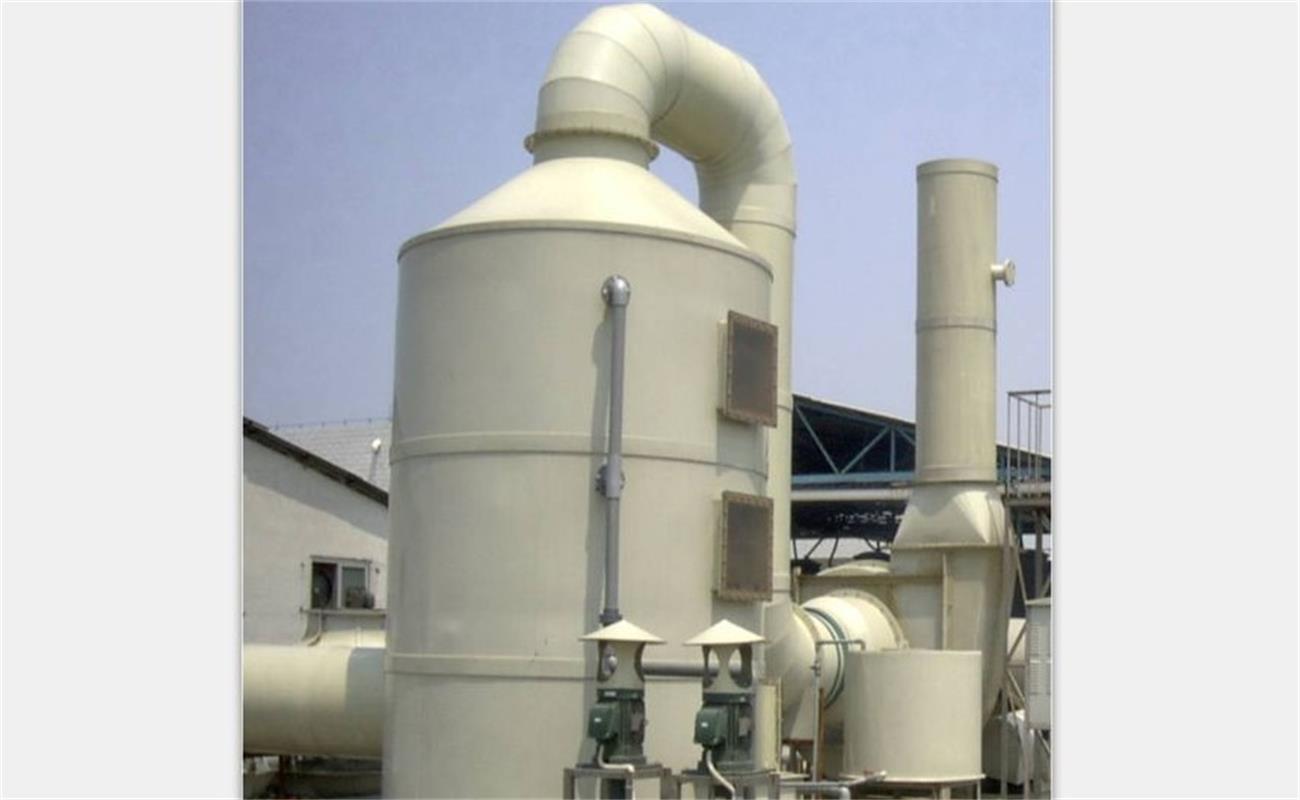
Pollution Control: Modern plants cannot operate without air pollution control systems, water treatment plants, and effluent neutralization equipment. These systems ensure compliance with environmental standards and protect operating licenses.
What Separates Reliable Equipment from Risky Investments
Many first-time buyers make the mistake of choosing equipment based solely on price. In recycling machinery, low upfront costs often translate to high lifetime expenses through poor recovery rates, frequent breakdowns, and inability to meet environmental standards.
When evaluating a recycling equipment supplier, consider these factors:
Technical Experience: Look for manufacturers with deep engineering expertise in your specific waste stream. A supplier who understands the chemical and physical properties of lead paste, lithium black mass, or PCB composition will design better equipment.
Turnkey Capability: The best suppliers offer EPC (Engineering, Procurement, Construction) services — designing the entire plant layout, supplying all machinery, and supervising installation and commissioning. This eliminates integration problems between machines from different vendors.
Proven Export Experience: Recycling regulations, power standards, and operational conditions vary by country. Suppliers with international project experience understand how to adapt equipment for local requirements.
After-Sales Support: Downtime in a recycling plant is expensive. Ensure your supplier can provide spare parts, technical guidance, and troubleshooting support across borders.
From Single Machines to Complete Plants
Not every investor needs a full-scale integrated plant from day one. Some operators start with a specific waste stream — perhaps circuit board recycling equipment or a cable granulator line — and expand as cash flow improves. Others, particularly those with access to large, consistent feedstock supplies, benefit immediately from turnkey plants that handle the complete process from raw waste to refined output.
The modular approach has advantages: lower initial capital requirement, reduced technical complexity, and faster time to revenue. However, integrated plants capture more value per ton of input material by producing higher-purity end products. For example, a lead acid battery plant that stops at breaking and separation sells lead paste and grids to smelters. A plant that adds desulfurization, smelting, and refining captures the full value chain, selling 99.999% pure lead ingots directly to battery manufacturers.
The Value of a True Recycling Partner
Beyond machinery, the most successful recycling operations have partners who contribute market knowledge. Some equipment suppliers help clients source raw material — scrap cables, used batteries, PCB waste — and assist in selling finished products such as copper rice, lead ingots, or aluminum granules. This ecosystem approach de-risks the business model for new entrants.
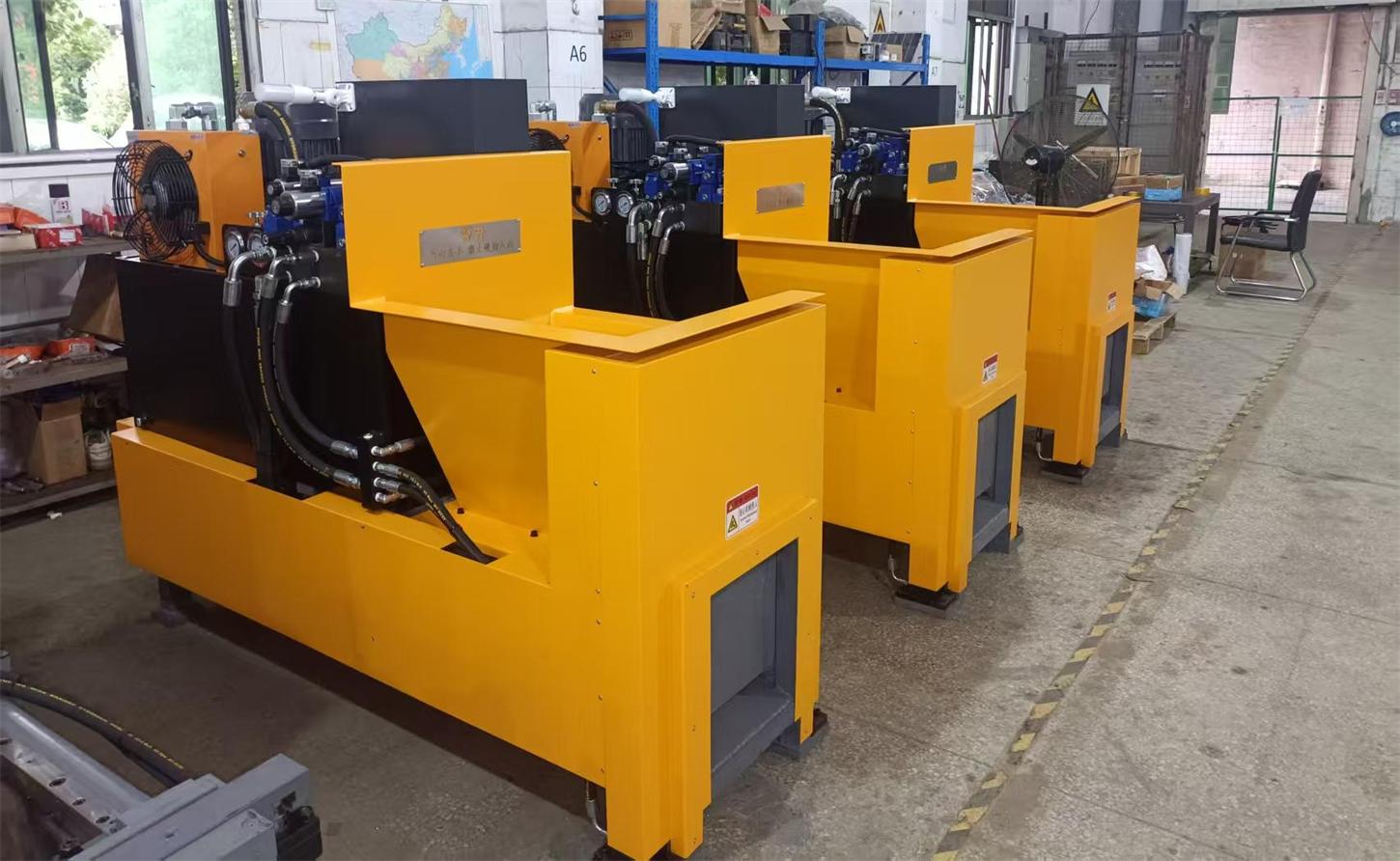
San Lan Technologies, established in 2007 and based in Jiangxi Province, China, has built its reputation on exactly this model. With customers in over 21 countries across Asia, Africa, Latin America, and the Middle East, the company manufactures a comprehensive range of recycling machinery including lead acid battery recycling plants, lithium battery recycling lines, cable granulators, PCB recycling systems, and auxiliary equipment such as shredders, hydraulic presses, and melting furnaces.
What distinguishes experienced manufacturers is their ability to customize plant design based on local feedstock availability, environmental regulations, and target output specifications. A plant designed for Singapore's strict environmental standards differs from one optimized for Africa's logistics constraints. Custom engineering ensures optimal capital efficiency and operating costs.
Ready to evaluate your recycling project? Whether you are planning a lead acid battery recycling operation, a lithium battery recovery line, or a multi-stream e-waste facility, selecting the right equipment partner is the foundation of your success. Request a technical consultation to discuss your feedstock, capacity requirements, and budget — and receive a customized plant proposal tailored to your market conditions.