The world generates over 60 million metric tonnes of electronic waste every year, yet less than 20% is formally recycled. Hidden inside those discarded circuit boards, cables, and batteries are valuable metals — copper, gold, lead, lithium, and aluminum — waiting to be recovered. For entrepreneurs and established recyclers alike, this represents one of the most undervalued opportunities in modern resource management. The key to capturing that value lies in choosing the right recycling equipment from the start.
Did you know? One tonne of mobile phone circuit boards contains more gold than a tonne of high-grade mined ore. Proper recycling infrastructure turns environmental liability into profitable commodity production.
Why E-Waste Recycling Is a Growth Industry
Three powerful forces are driving demand for recycling infrastructure worldwide. First, regulatory pressure is intensifying. Governments across Asia, Africa, Latin America, and the Middle East are implementing Extended Producer Responsibility (EPR) frameworks that mandate formal recycling channels. Second, raw material prices for copper, lithium, and rare earth elements continue to climb, making urban mining economically competitive with traditional extraction. Third, consumer electronics lifecycles are shortening, guaranteeing a growing feedstock of end-of-life devices for decades to come.
For investors entering this space, the economics are compelling. A well-designed recycling plant can achieve payback periods of 2–4 years depending on feedstock costs, local labor rates, and the mix of materials processed. The critical decision is selecting machinery that matches your target waste stream, capacity requirements, and environmental compliance standards.
Essential Equipment Categories for Modern Recycling Plants
No single machine handles every type of e-waste. Successful operations typically specialize in one or two primary feedstocks, then expand as cash flow allows. Below are the four most profitable equipment categories for new and expanding recyclers.
1. Cable Recycling Equipment
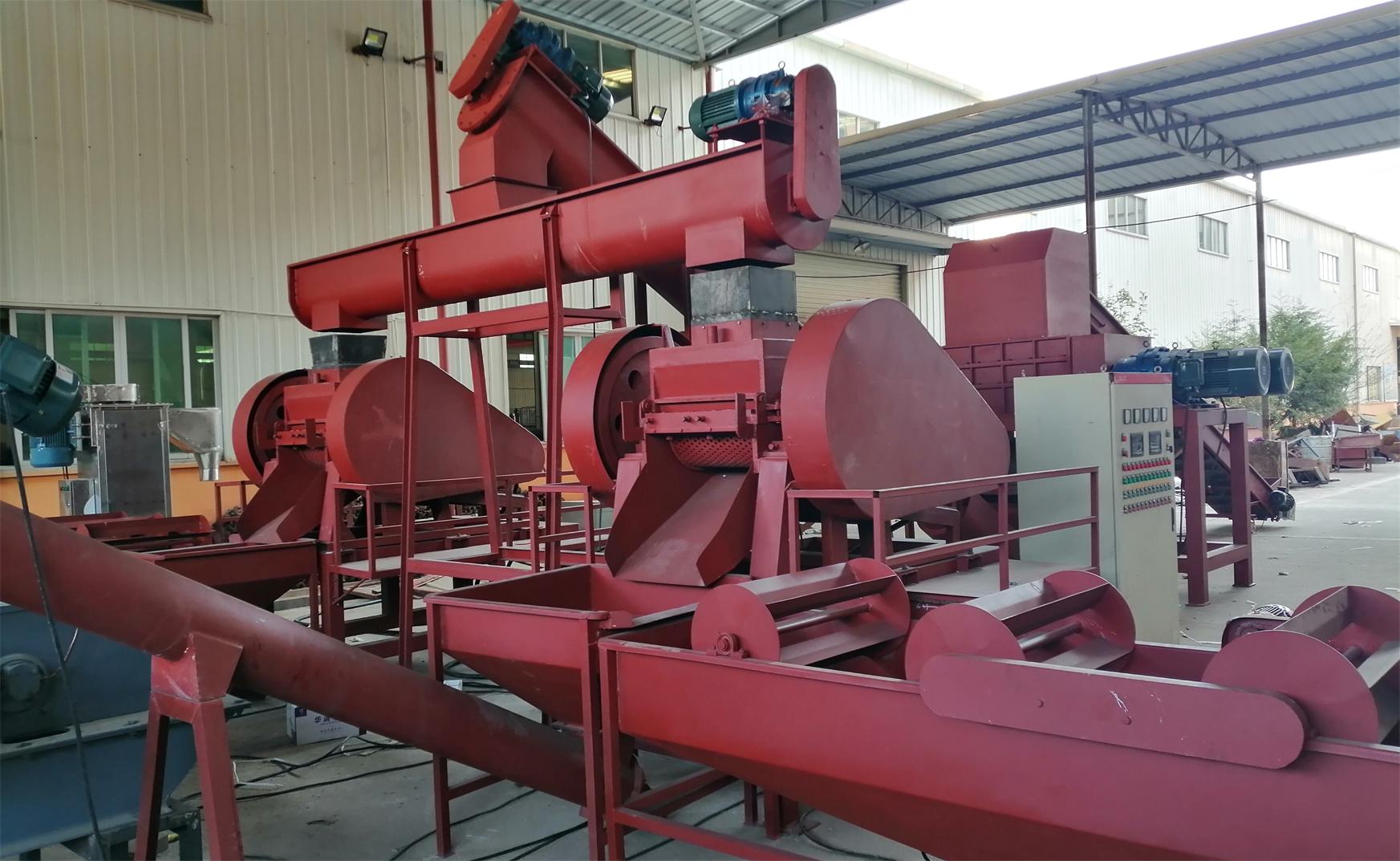
Scrap cable and wire represent one of the highest-margin feedstocks in recycling. Copper prices remain strong globally, and the separation technology is well-established. Modern cable recycling equipment uses a combination of granulators, air separators, and electrostatic separators to recover 99%+ pure copper granules and clean plastic insulation.
Typical processing capacities range from 100 kg/hour for entry-level operations up to 1,200 kg/hour for industrial-scale plants. Dry separation systems dominate the market because they avoid wastewater treatment requirements, though wet separation remains an option for heavily contaminated or jelly-filled cables. Key equipment includes scrap cable strippers for large-diameter wire, compact granulators for mixed cable scrap, and multi-stage separators for fine copper recovery.
2. Circuit Board Recycling Plant
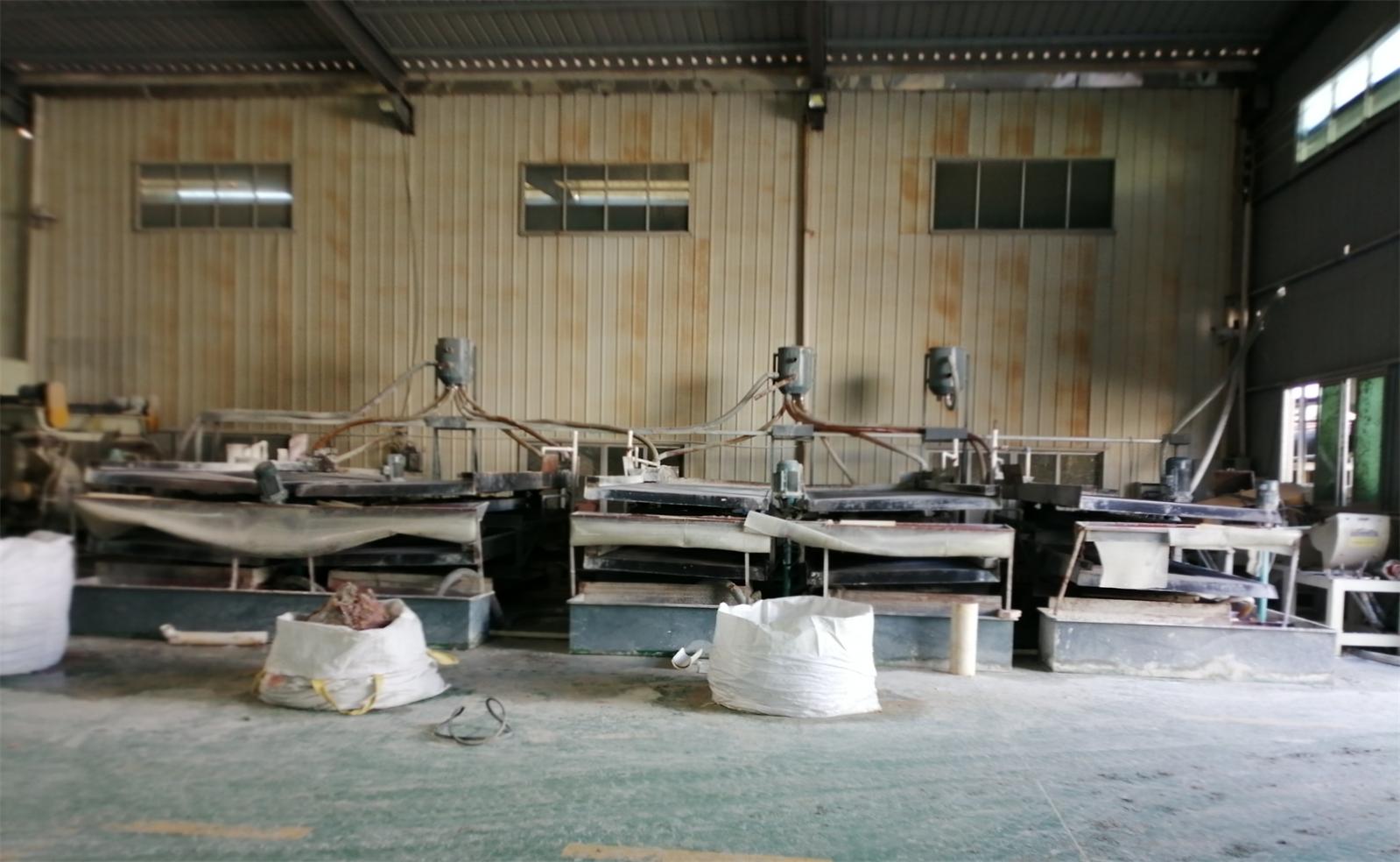
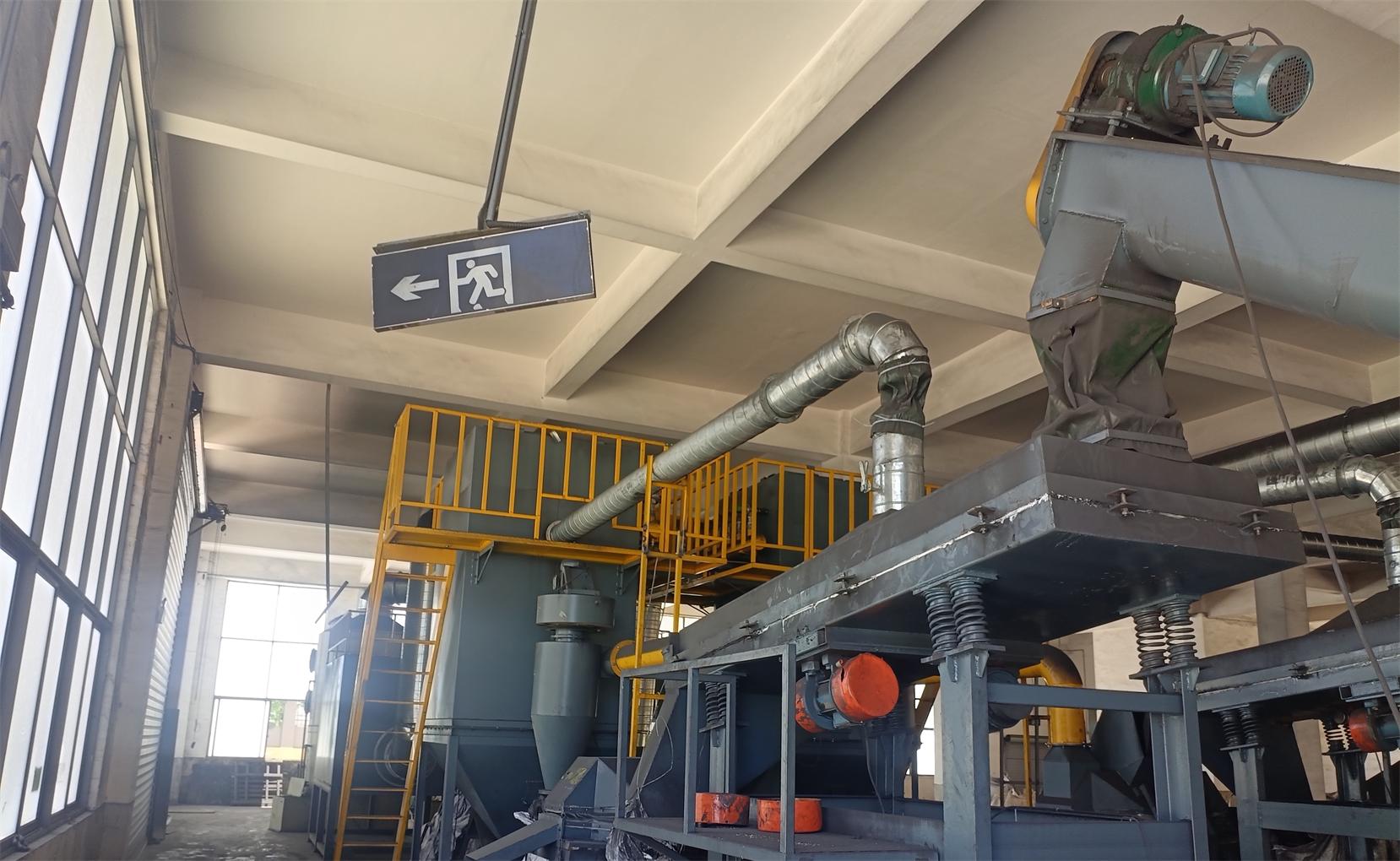
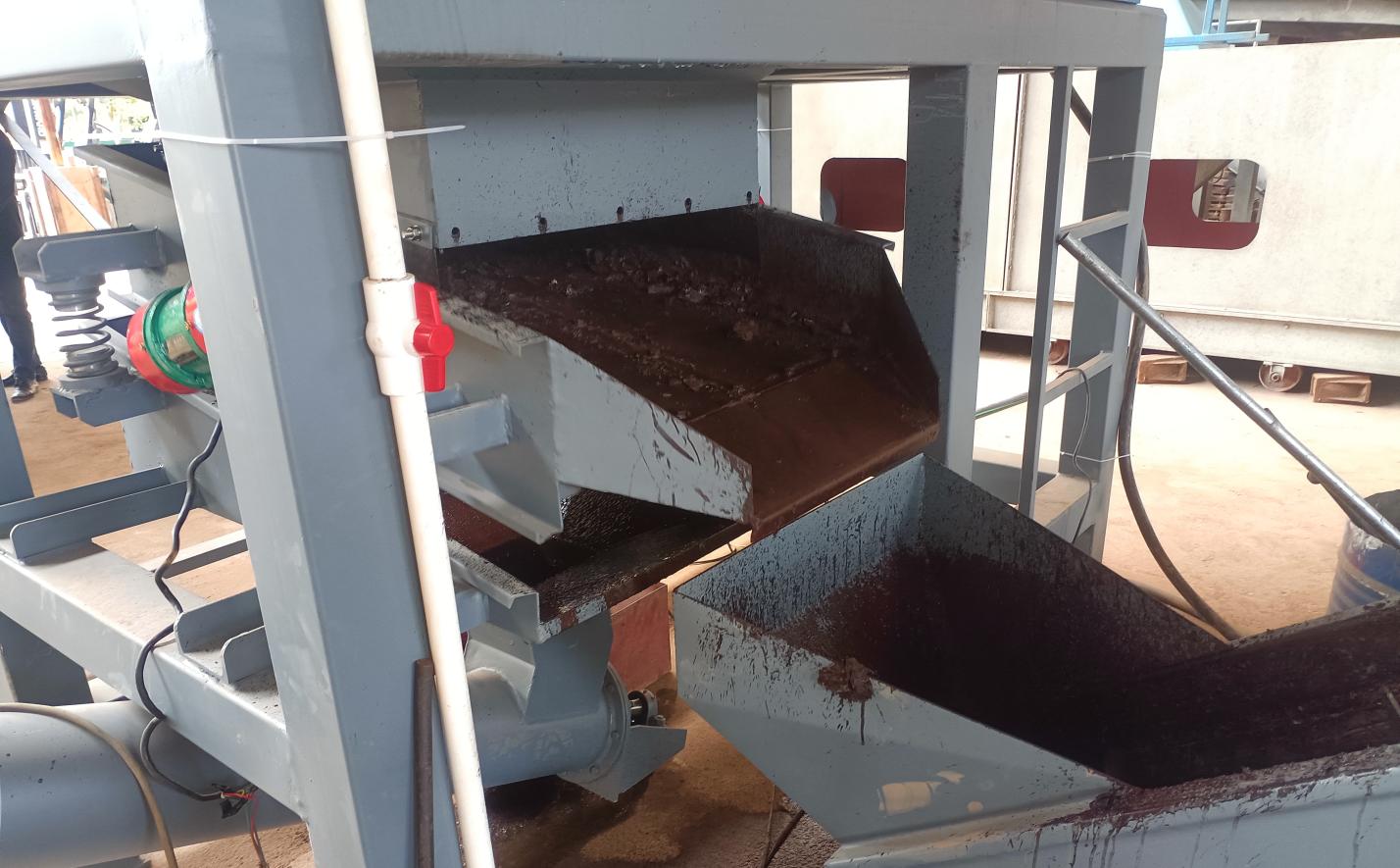
Printed circuit boards (PCBs) are the richest source of precious metals in the e-waste stream. A standard PCB contains copper, gold, silver, palladium, and tin. Circuit board recycling plants use mechanical crushing, grinding, and separation to recover a copper powder concentrate with 96–98% purity, which can be sold directly to smelters.
Capacity options range from 300 kg/hour laboratory or pilot systems to 2,000 kg/hour production lines. Air separation plants are preferred for dry climates and simpler permitting, while wet separation systems achieve slightly higher recovery rates for complex boards with heavy component loading. Modern plants include pulse bag dust collectors to maintain air quality standards.
3. Lead Acid Battery Recycling Equipment
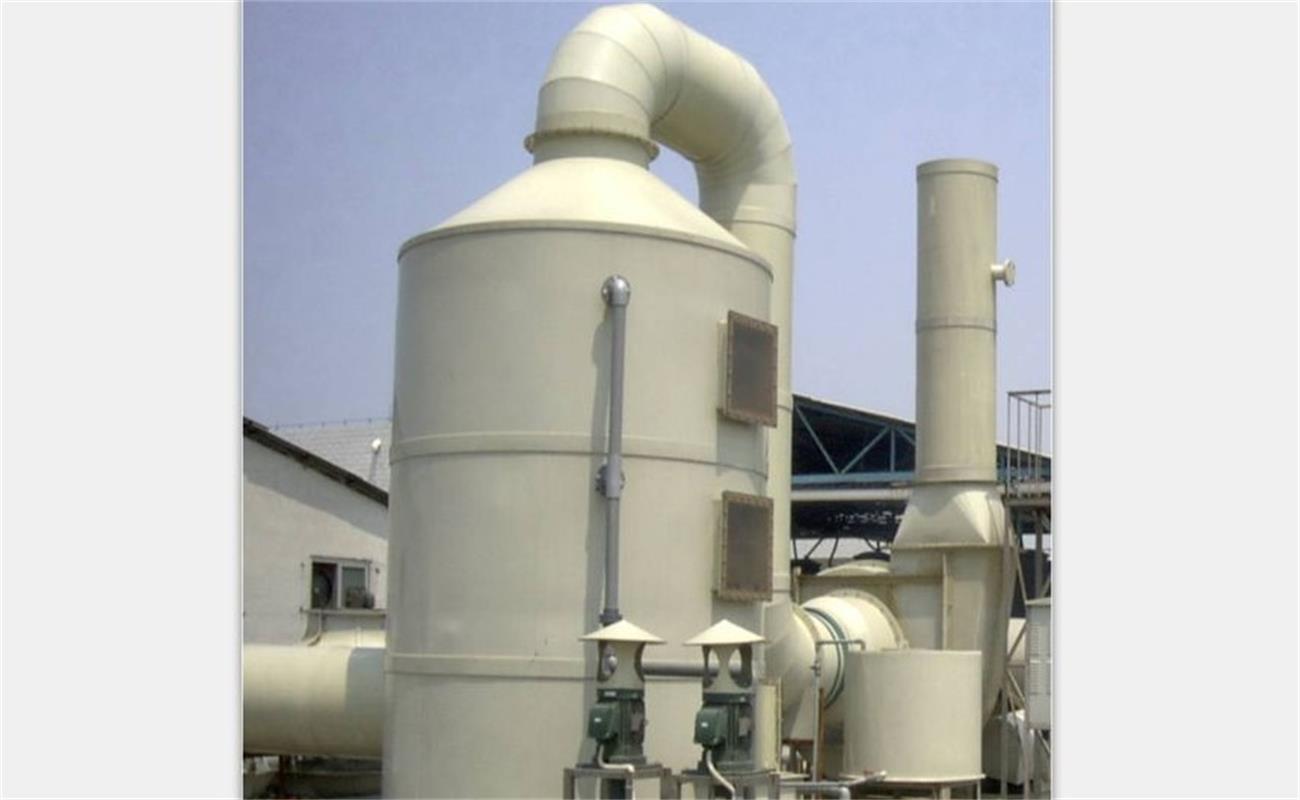
Used lead acid batteries (ULAB) are classified as hazardous waste in most jurisdictions, but they are also one of the most recycled industrial products globally. A complete lead acid battery recycling equipment line includes battery breaking and separation systems, paste desulfurization units, rotary furnaces or blast furnaces for lead smelting, refinery kettles for producing 99.999% pure lead, and integrated pollution control systems.
Standard plant capacities run from 1 MT/hour to 10 MT/hour of battery feedstock. The economics are driven by lead recovery rates — modern blast furnaces achieve 95%+ recovery — and the ability to sell plastic fractions and secondary lead ingots into established commodity markets. Environmental compliance is critical; expect to invest in air pollution control, water treatment, and acid neutralization systems alongside core process equipment.
4. Lithium Battery Recycling Plant
The explosive growth of electric vehicles and portable electronics has created urgent demand for lithium-ion battery recycling capacity. Unlike lead acid batteries, lithium batteries require specialized discharging, pre-crushing, and controlled atmosphere processing to manage fire and thermal runaway risks.
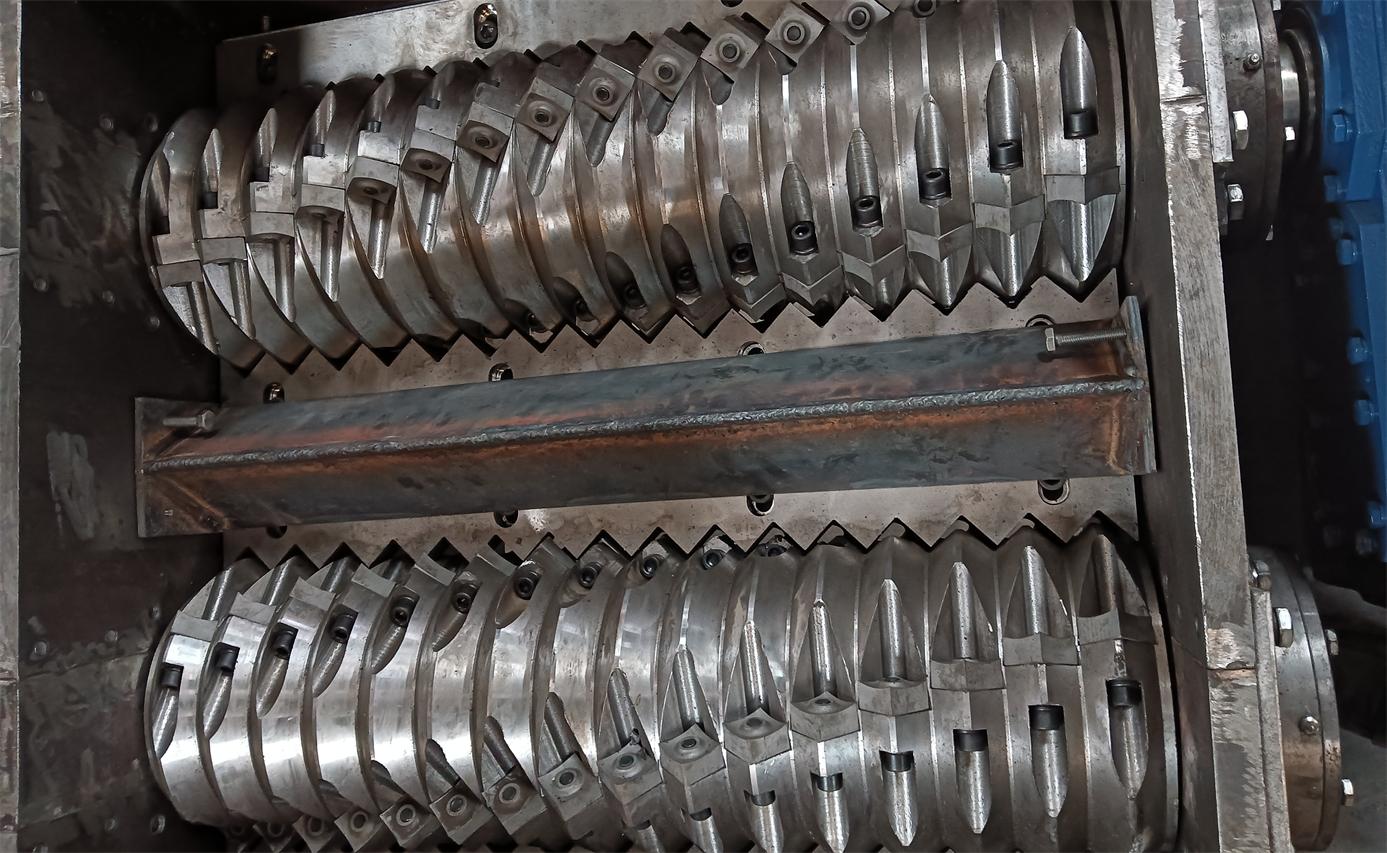
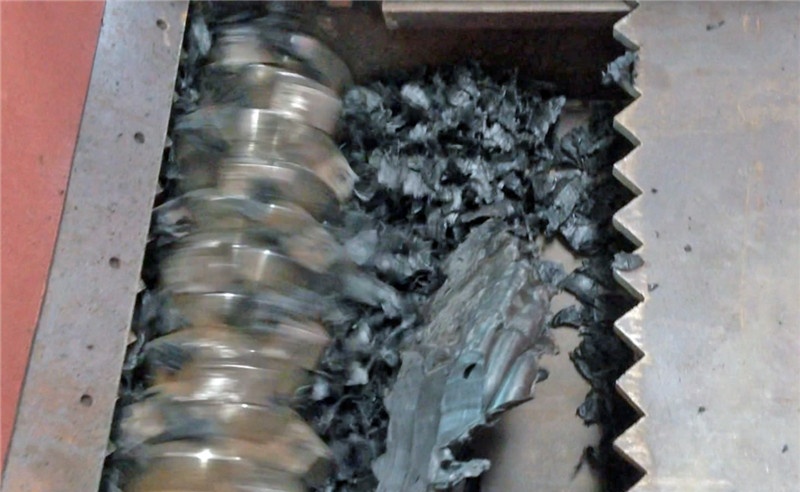
A complete lithium battery recycling plant typically includes an automatic discharging system, pre-crusher, secondary granulator, magnetic separator for steel cases, and fine separation equipment to recover black mass containing nickel, cobalt, and graphite. Capacities from 500 kg/hour to 2,500 kg/hour are commercially available. Air pollution control is mandatory due to fluoride and organic electrolyte vapors released during shredding.
What to Look for in a Recycling Equipment Supplier
Equipment cost is only one variable in total project economics. The supplier you choose directly impacts installation timelines, commissioning success, spare parts availability, and long-term operating costs. Here are the criteria that separate reliable partners from mere traders:
- Technical depth: Look for suppliers with in-house mechanical engineering teams and demonstrated experience in EPC (Engineering, Procurement, Construction) projects, not just equipment trading.
- Customization capability: Your feedstock, local regulations, and site constraints are unique. Off-the-shelf configurations rarely optimize throughput or operating cost.
- Commissioning support: The highest-quality machines underperform without proper installation, operator training, and process tuning. Verify that your supplier provides on-site commissioning.
- Pollution control integration: Environmental permitting is often the longest lead-time item in project development. Choose suppliers who deliver complete systems including dust collection, effluent treatment, and emissions control.
- After-sales parts and service: Downtime in recycling operations is expensive. Confirm spare parts stocking and remote technical support availability in your region.
San Lan Technologies: Engineering Turnkey Recycling Solutions Since 2007
San Lan Technologies Co., Ltd, based in Ganzhou, Jiangxi Province, China, has manufactured recycling equipment for over 17 years. The company serves customers across 21+ countries including Singapore, Colombia, Vietnam, Mexico, Argentina, Korea, Malaysia, South Africa, India, Kenya, Saudi Arabia, and Zambia.
What distinguishes San Lan from commodity machinery traders is its integrated project capability. The engineering team includes master's-level mechanical engineers with 15+ years of e-waste recycling experience. Beyond equipment manufacturing, San Lan supports customers with customized plant design, feedstock sourcing assistance, installation and commissioning, and even product off-take connections for recovered metals.
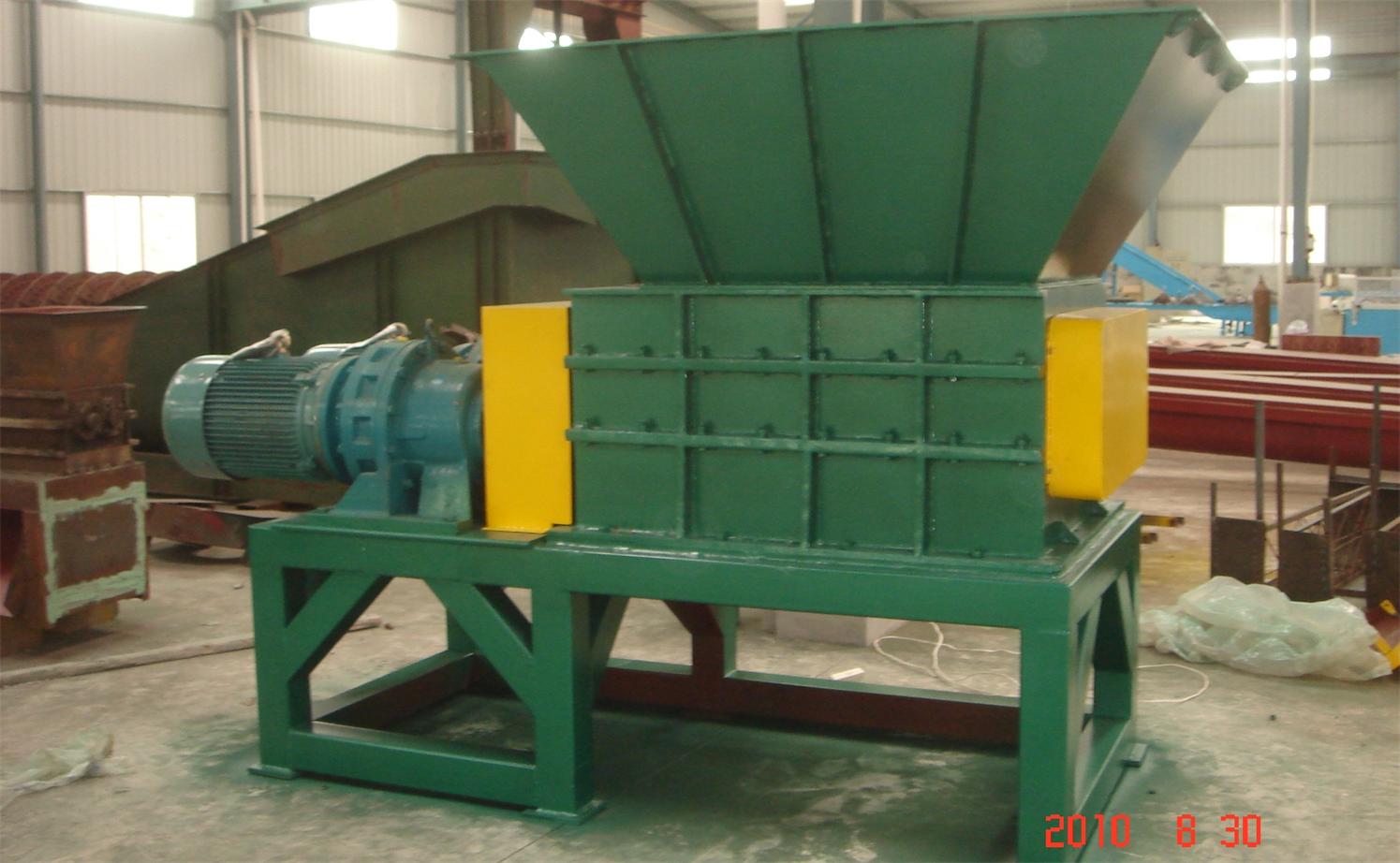
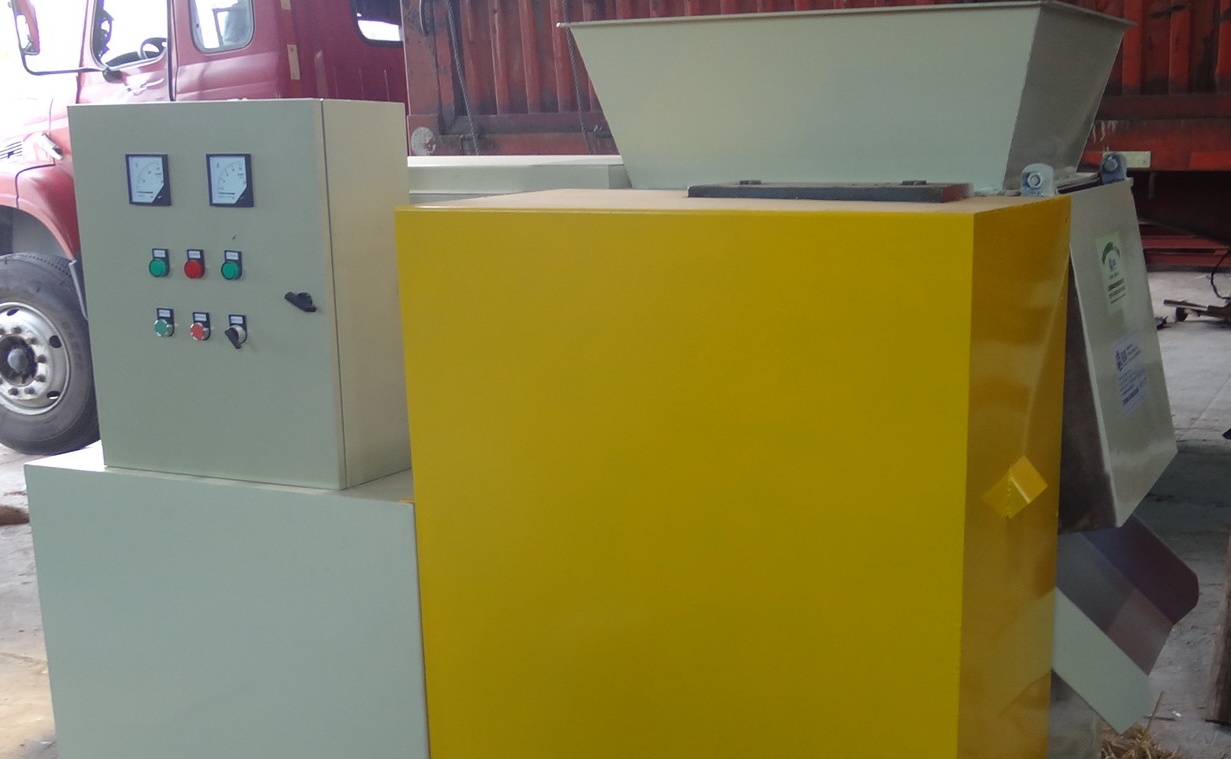
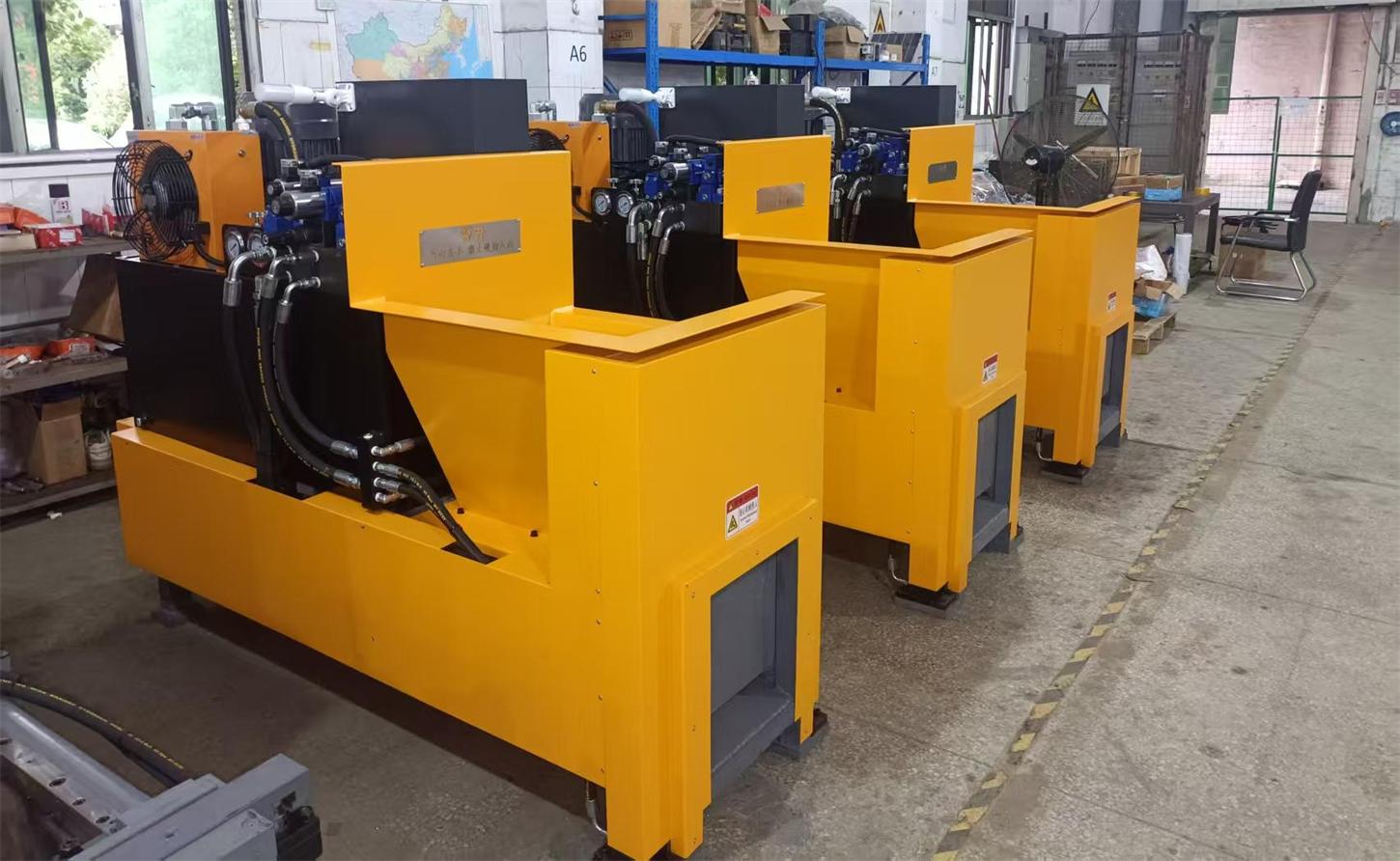
Core product portfolio: Lead acid battery recycling plant, lithium battery recycling plant, circuit board recycling plant, cable recycling plant, refrigerator and AC recycling line, CRT recycling machines, motor recycling equipment, shredders and pre-choppers, hydraulic press machines, metal melting furnaces, and lithium ore extraction plant.
San Lan's equipment covers the full recycling value chain from feedstock preparation through final metal recovery. Turnkey plant capacities are available for both emerging recyclers entering the market and established operators expanding capacity. All systems are designed for compliance with international environmental standards and can be customized for local regulatory requirements.
Conclusion: Start with the Right Equipment Partner
The e-waste recycling sector rewards operators who combine good feedstock access with properly engineered processing equipment. Whether your opportunity lies in cable scrap, circuit boards, lead acid batteries, or lithium-ion cells, the difference between marginal profitability and strong returns often comes down to equipment selection and supplier support.
Before committing capital, evaluate suppliers on their technical capabilities, project track record, and willingness to stand behind commissioning performance. A lower equipment quote that leads to extended downtime or compliance failures is far more expensive than a professionally engineered system from a partner who understands recycling operations from the ground up.
Ready to explore equipment options for your recycling project?
Contact San Lan Technologies to discuss your feedstock, capacity targets, and local regulatory requirements. The engineering team provides free preliminary process design and equipment recommendations tailored to your specific situation.
Email: info@san-lan.com | WhatsApp: +86 139 2377 4083 | Website: www.san-lan.com