Understanding the E-Waste Recycling Landscape
Electronic waste contains precious metals, rare earth elements, and recyclable plastics that make it significantly more valuable than municipal solid waste. A single ton of discarded circuit boards can contain up to 200 grams of gold, along with copper, silver, and palladium. However, extracting these materials efficiently requires specialized machinery designed for specific waste streams.
Successful recycling operations typically focus on one or more core material categories: batteries, cables, circuit boards, and large household appliances. Each category demands distinct processing equipment, and understanding these requirements is essential for building a profitable operation.
Core Recycling Equipment Categories
Essential Supporting Equipment
Beyond the core processing lines, a complete recycling operation requires several categories of supporting machinery:
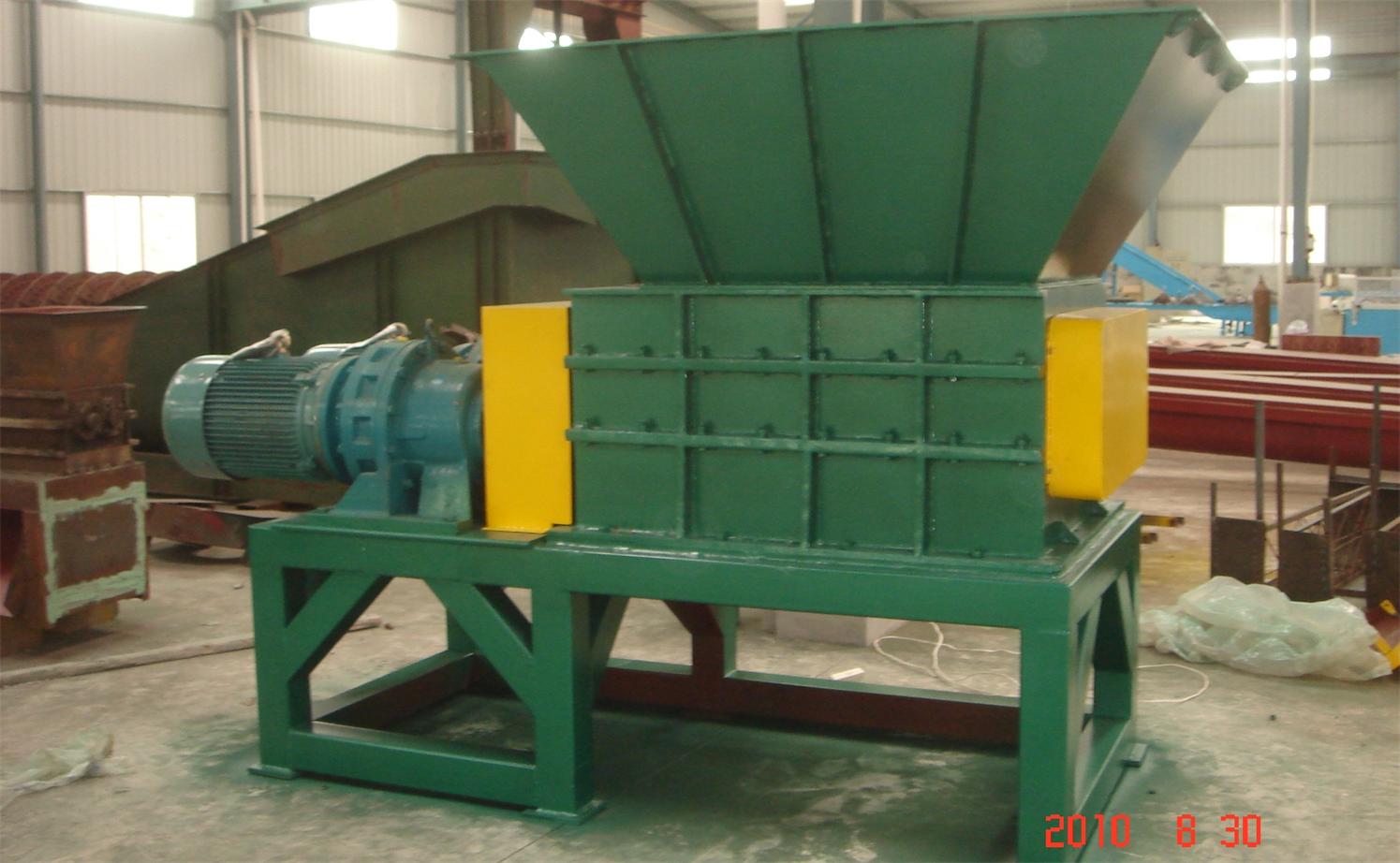
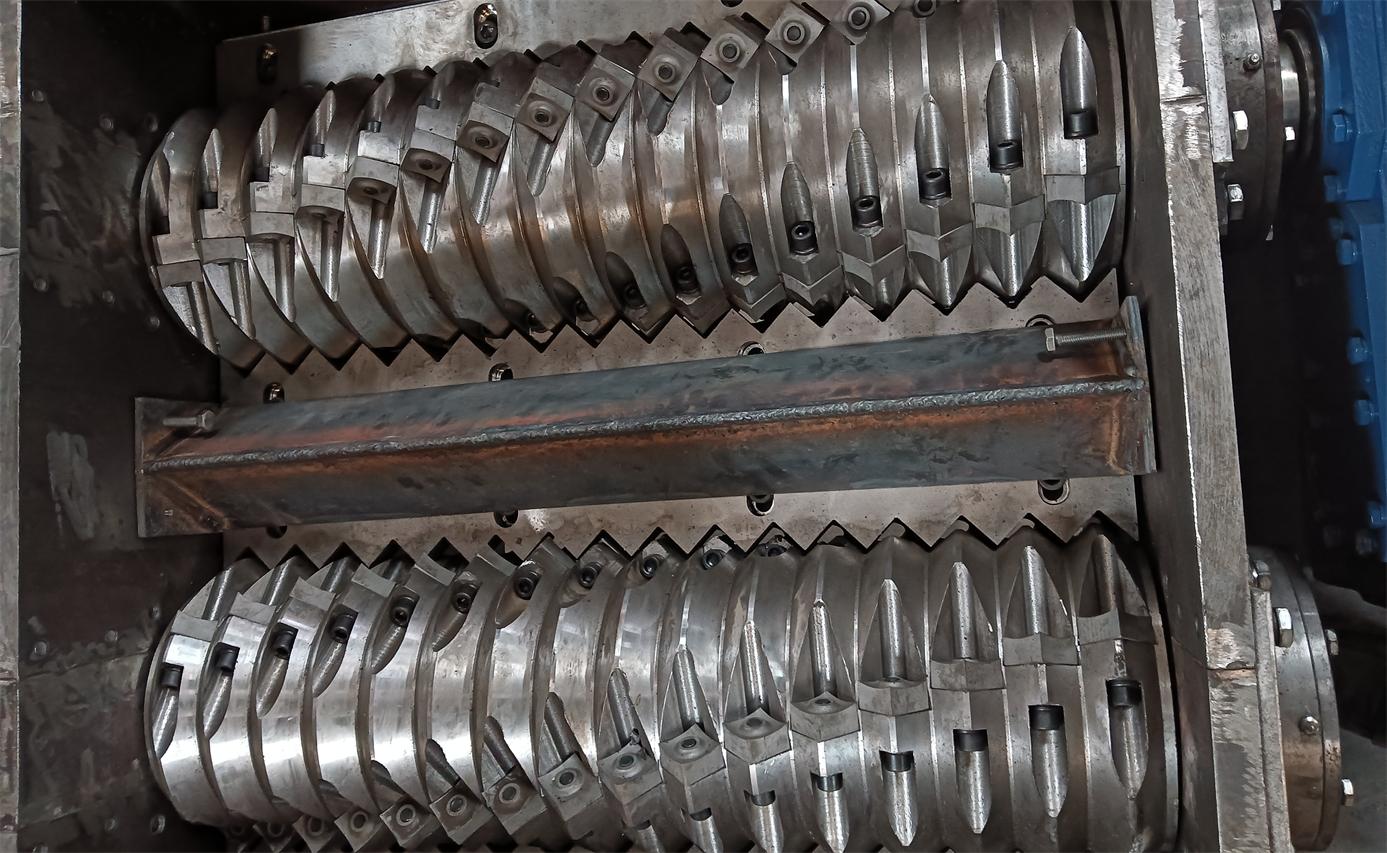
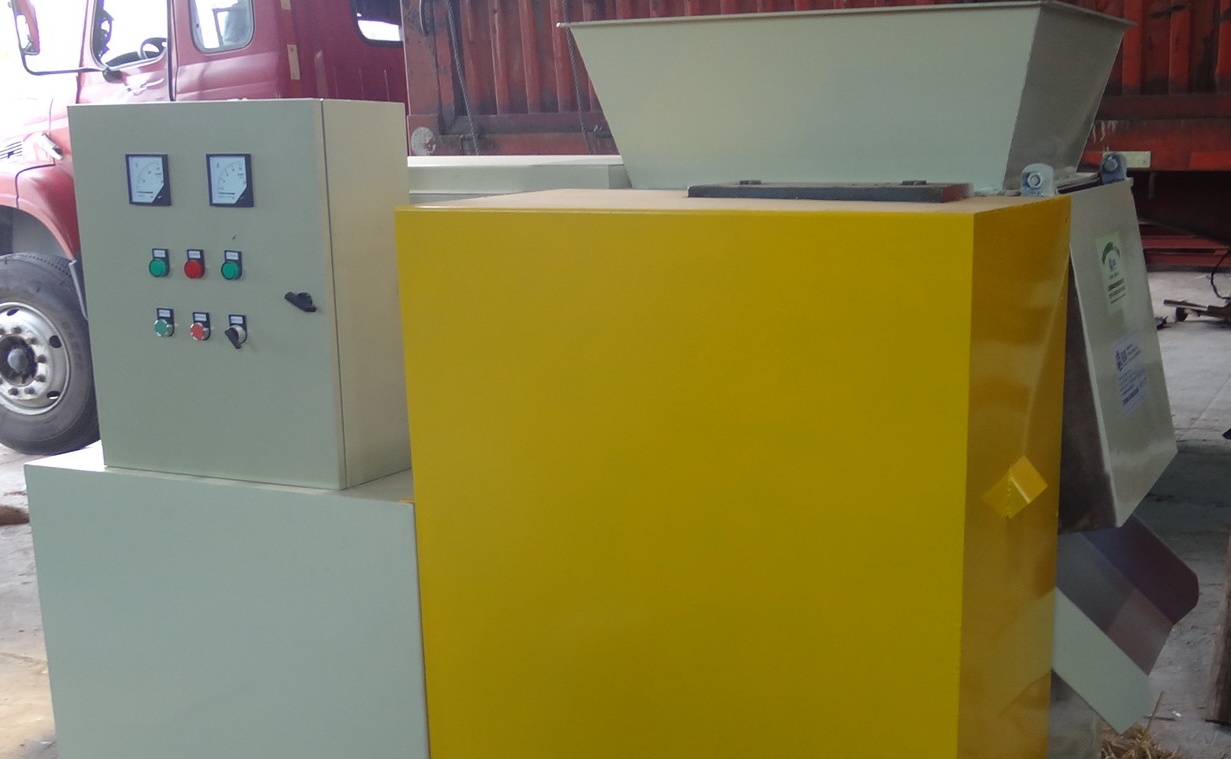
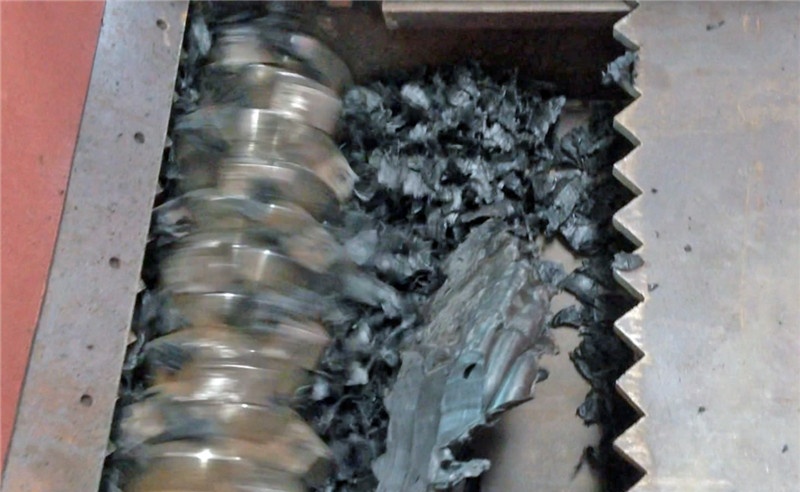
Shredders and pre-choppers break down large e-waste items into manageable sizes. Four-shaft shredders can process 4-6 MT/hour, handling everything from refrigerators to circuit boards. Single and twin-shaft options provide flexibility for different material types and throughput requirements.
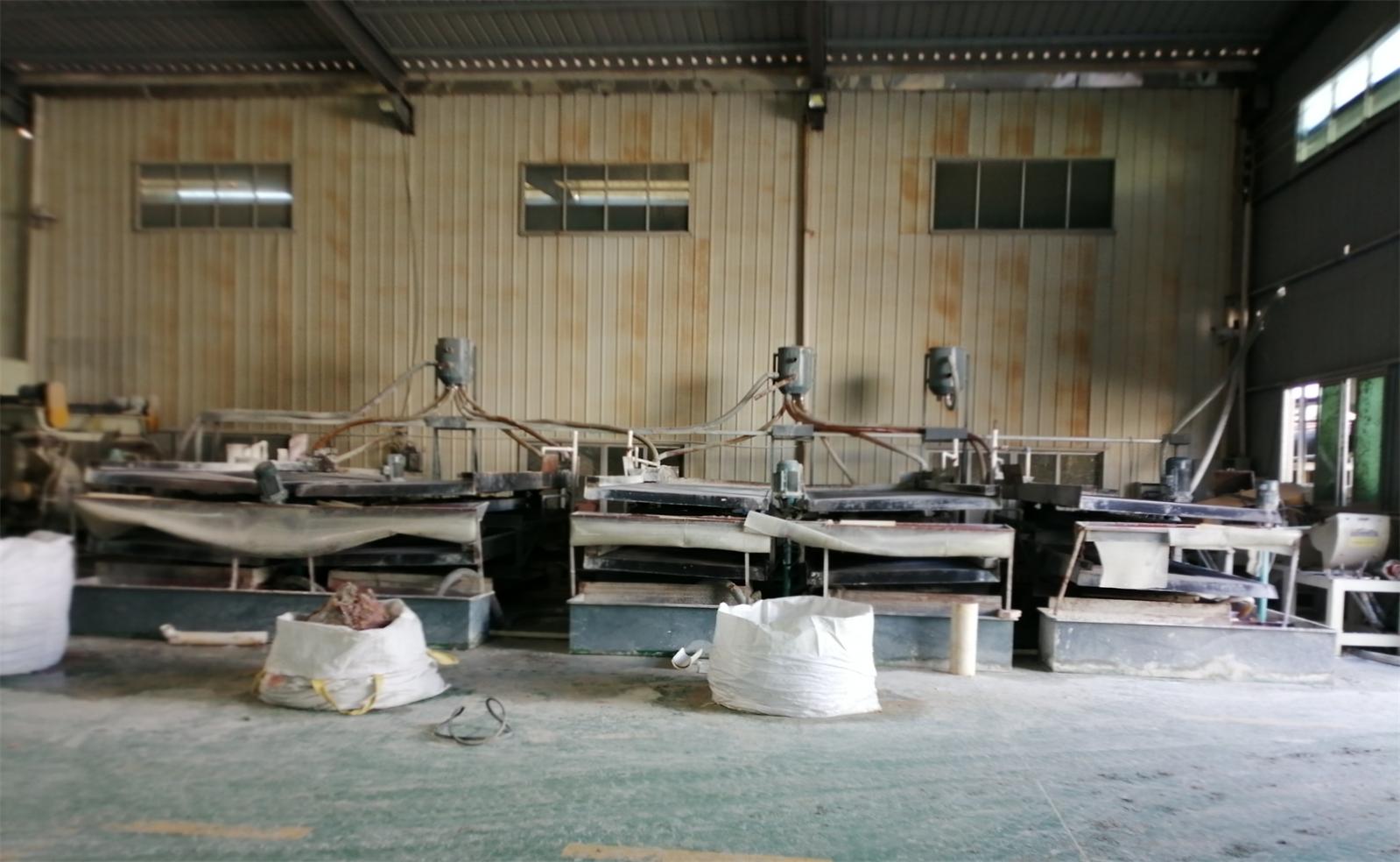
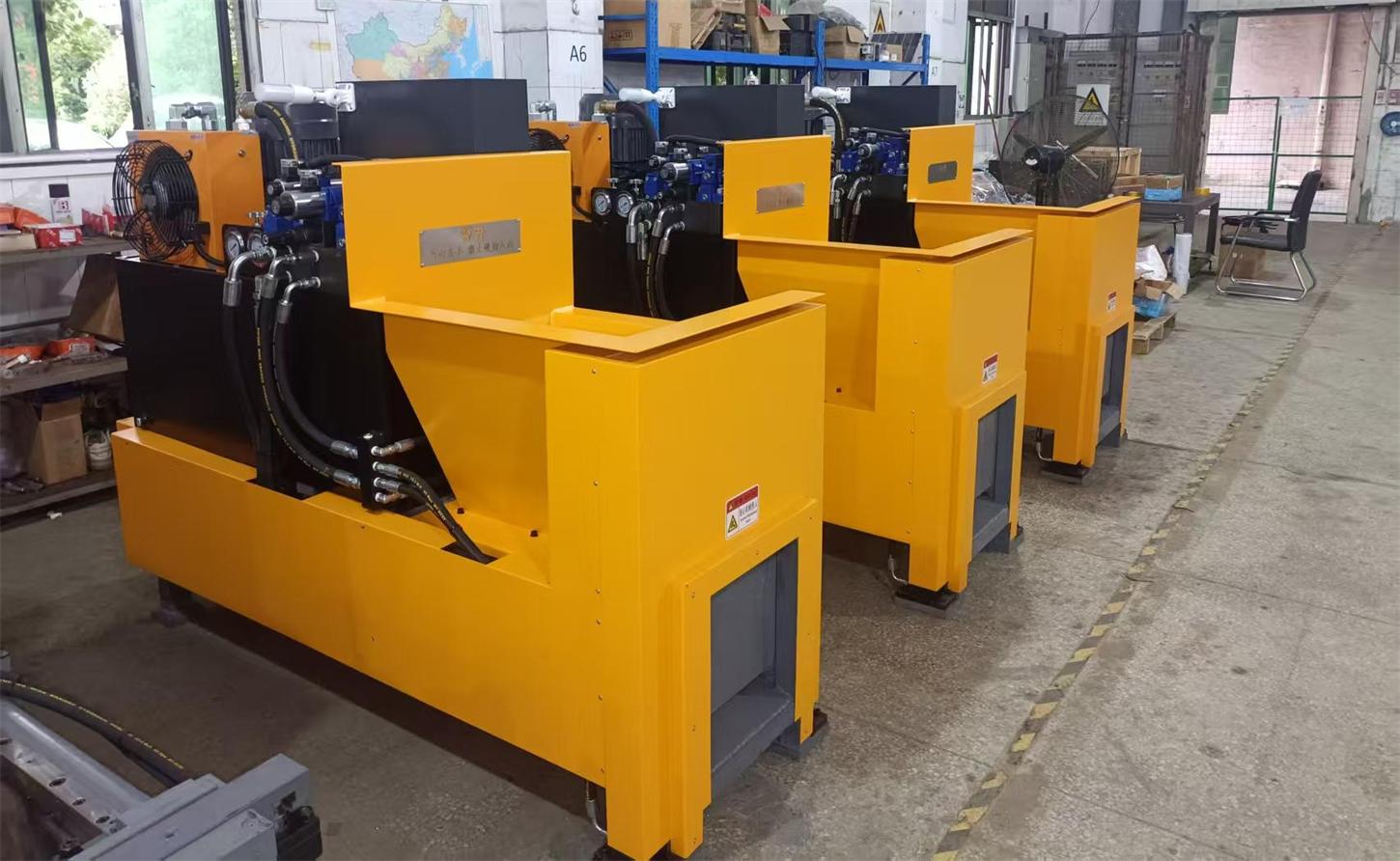
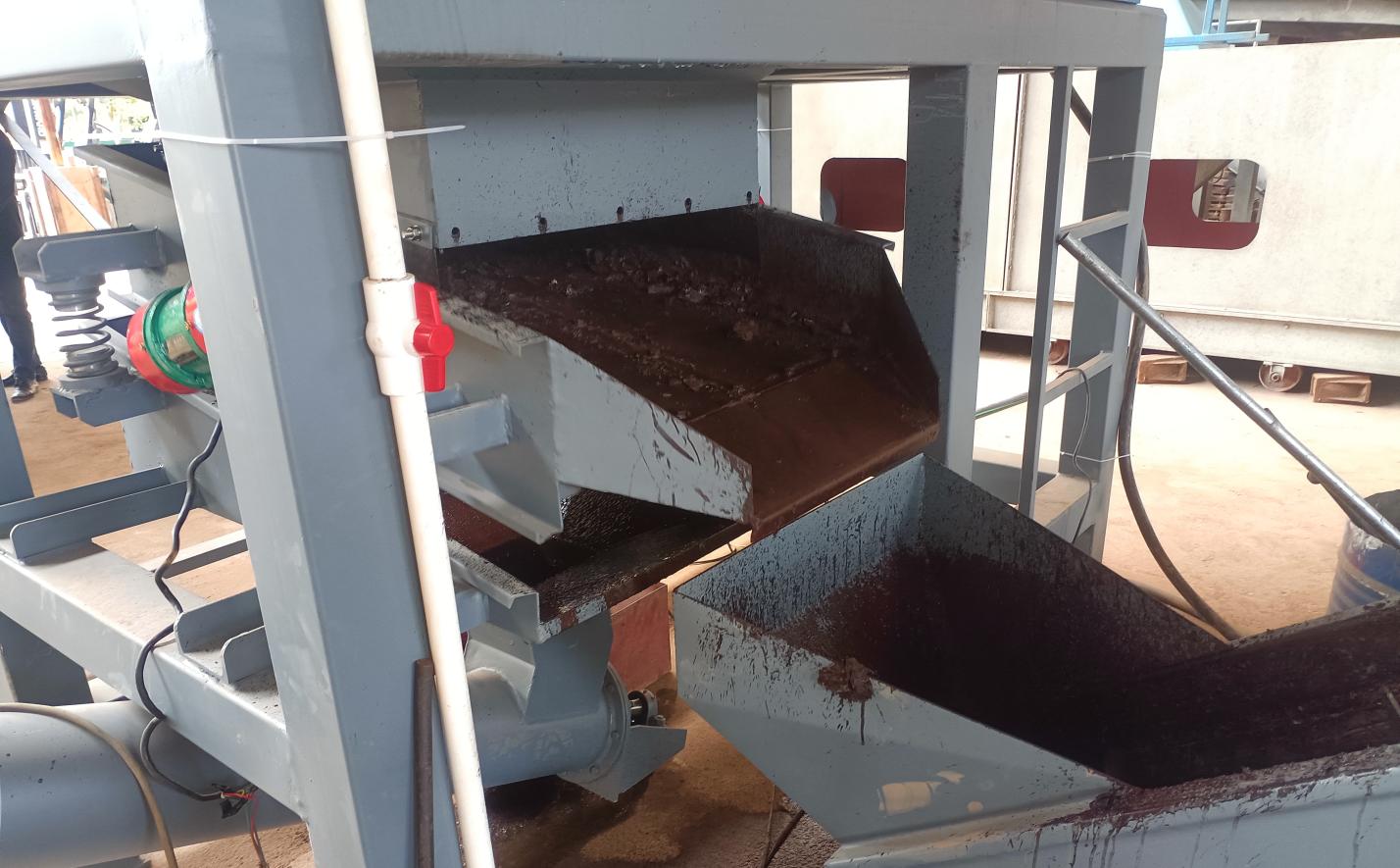
After mechanical separation, additional recovery steps maximize value extraction. Medium frequency induction furnaces melt recovered metals into ingots, while hydraulic briquetting machines compress metal powders into dense blocks for easier transport and smelting.
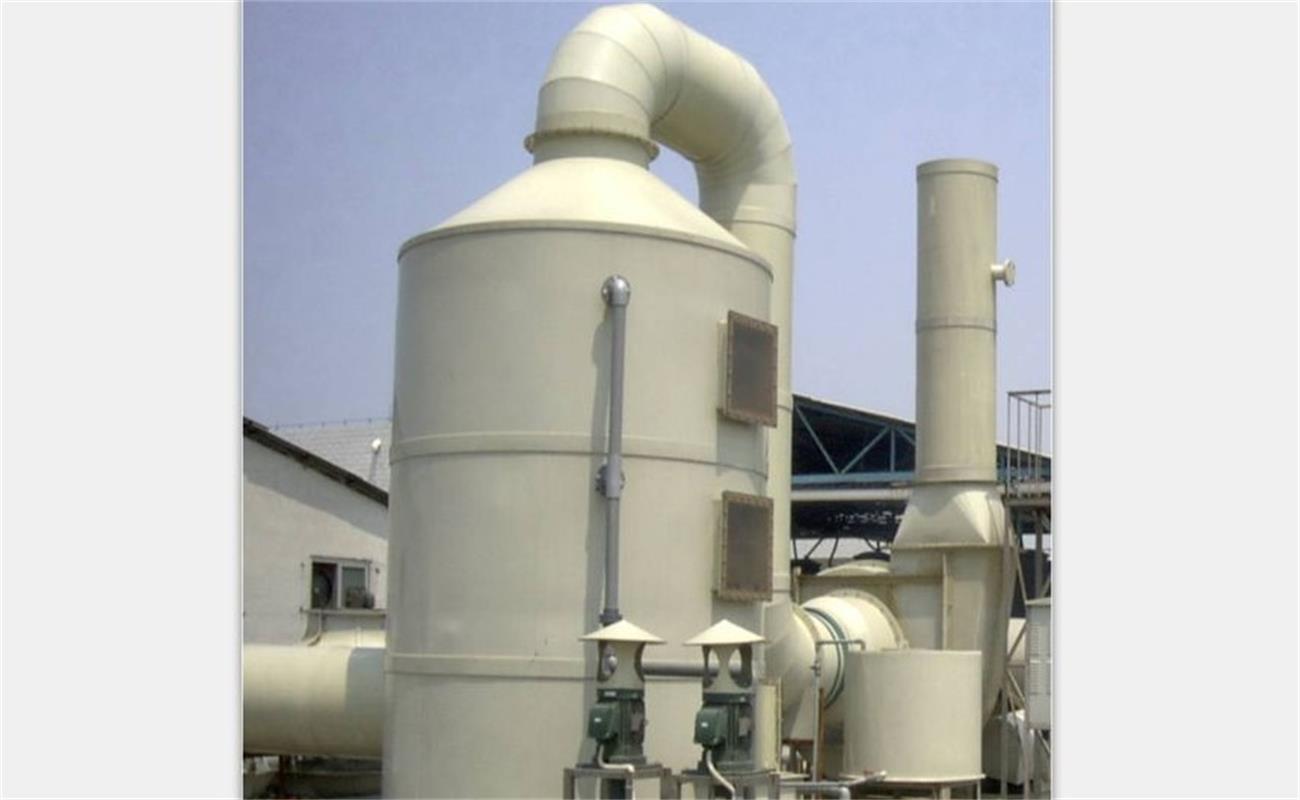
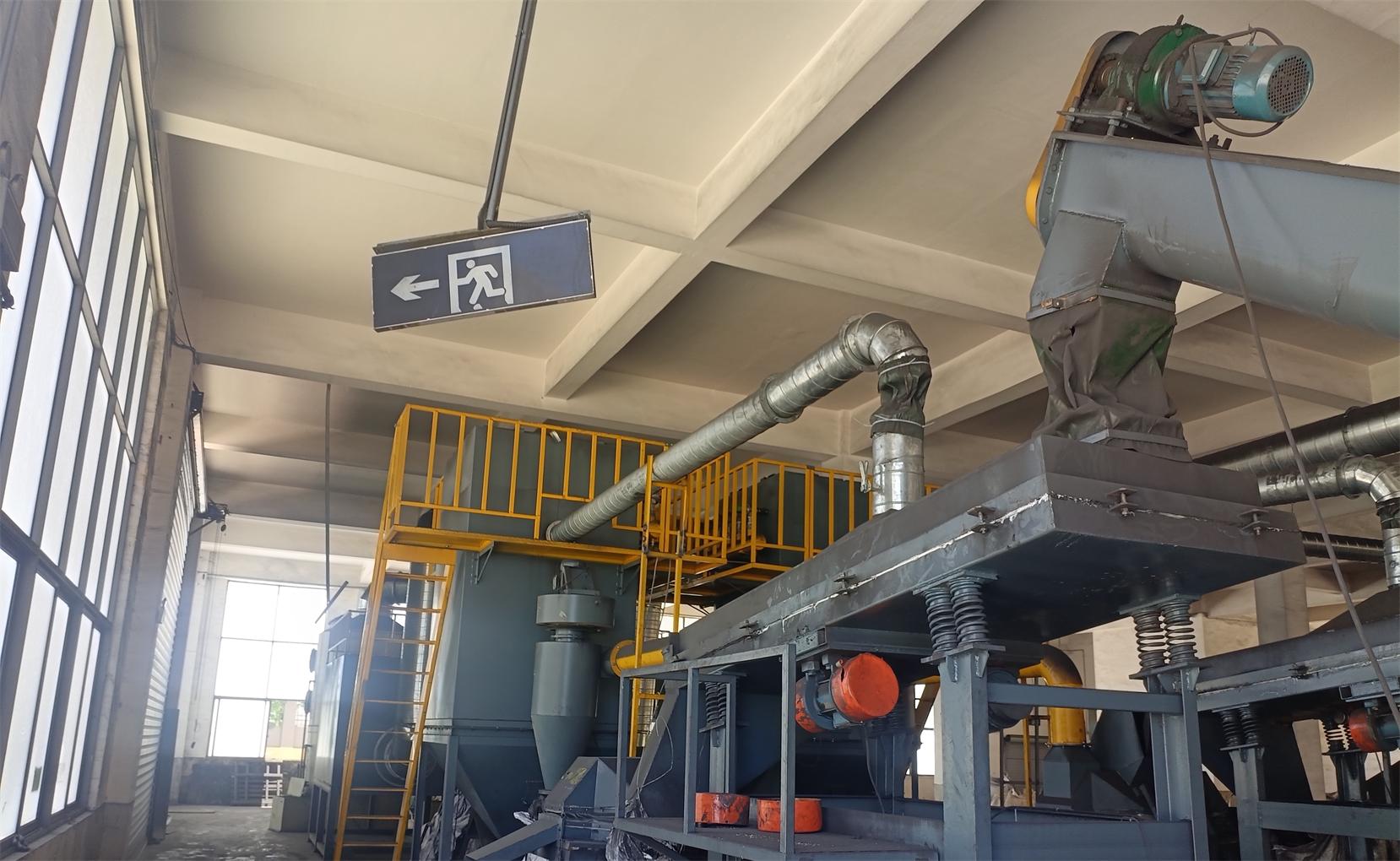
Air pollution control systems and water treatment plants ensure compliance with environmental regulations. These systems capture dust, neutralize acidic gases, and treat process water before discharge or recirculation.
Selecting the Right Equipment Partner
Choosing a reliable equipment supplier can determine the long-term success of your recycling operation. Experience matters significantly in this industry, as does the ability to provide comprehensive project support beyond simply delivering machinery.
Look for manufacturers with demonstrated expertise in EPC (Engineering, Procurement, Construction) projects, who can assist with customized plant design, installation, and commissioning. The ideal partner should also offer ongoing technical support and spare parts availability to minimize downtime.
- Years of experience and proven installation base
- Range of equipment types and customization capabilities
- After-sales support and spare parts availability
- Environmental compliance features built into equipment
- Energy efficiency and operational cost considerations
- Training programs for operators and maintenance staff
Maximizing Profitability Through Smart Equipment Choices
The most successful recycling operations optimize their equipment configuration for their specific feedstock and market conditions. Rather than purchasing the largest available equipment, focus on matching capacity to your reliable waste supply and target output specifications.
Consider starting with one or two core processing lines and expanding as your operation grows. Many successful recyclers begin with cable or circuit board processing, which requires relatively modest capital investment, before adding battery recycling capabilities as volumes and expertise increase.
Material purity directly affects selling prices, so investing in high-quality separation equipment typically pays for itself through premium product pricing. Copper powder at 98% purity commands significantly higher prices than 90% material, and battery black mass with consistent chemistry sells at a premium to recyclers.
Turnkey Solutions for Rapid Deployment
For entrepreneurs entering the recycling industry or companies expanding into new material streams, turnkey solutions offer significant advantages. A complete plant delivered with installation support, operator training, and process optimization can reach profitable operation months faster than piecing together equipment from multiple sources.
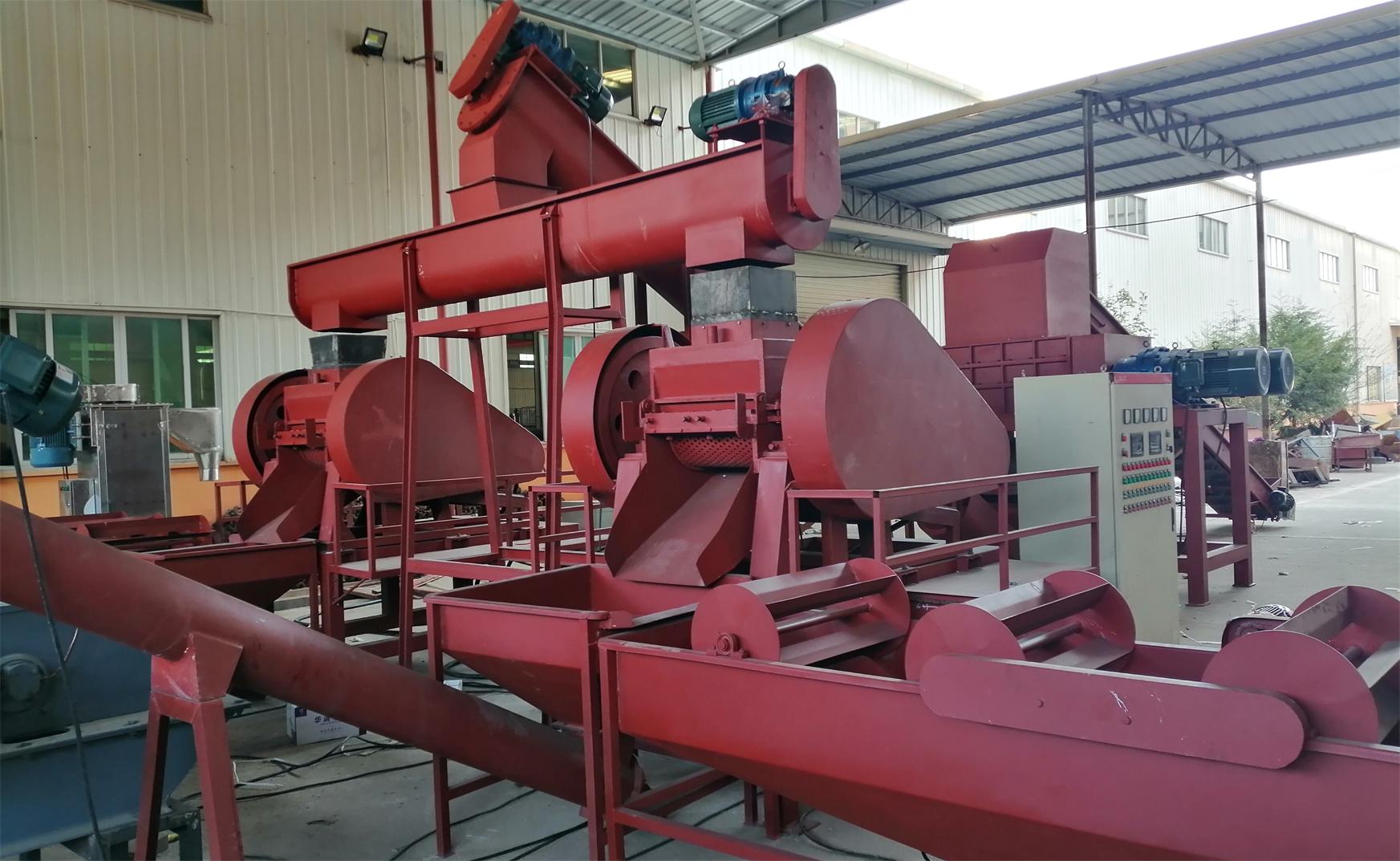
Turnkey providers handle the engineering complexity of matching shredders, separators, conveyors, and environmental controls into an integrated system. They also ensure that equipment capacities are properly balanced, preventing bottlenecks that reduce overall plant efficiency.
Build Your Recycling Success Story
San Lan Technologies Co., Ltd. has been manufacturing e-waste recycling equipment since 2007, serving customers across 21+ countries. Our product range covers lead acid battery recycling plants, lithium battery recycling systems, cable granulators, circuit board processing lines, shredders, and complete environmental control solutions.
With a professional technical team holding master's degrees in mechanical engineering and over 15 years of experience in e-waste recycling machinery, we provide comprehensive EPC services from initial design through installation and commissioning. We also assist customers with waste material sourcing and product offtake connections.
Contact us today to discuss your recycling project requirements and discover how the right equipment partnership can accelerate your path to profitability.