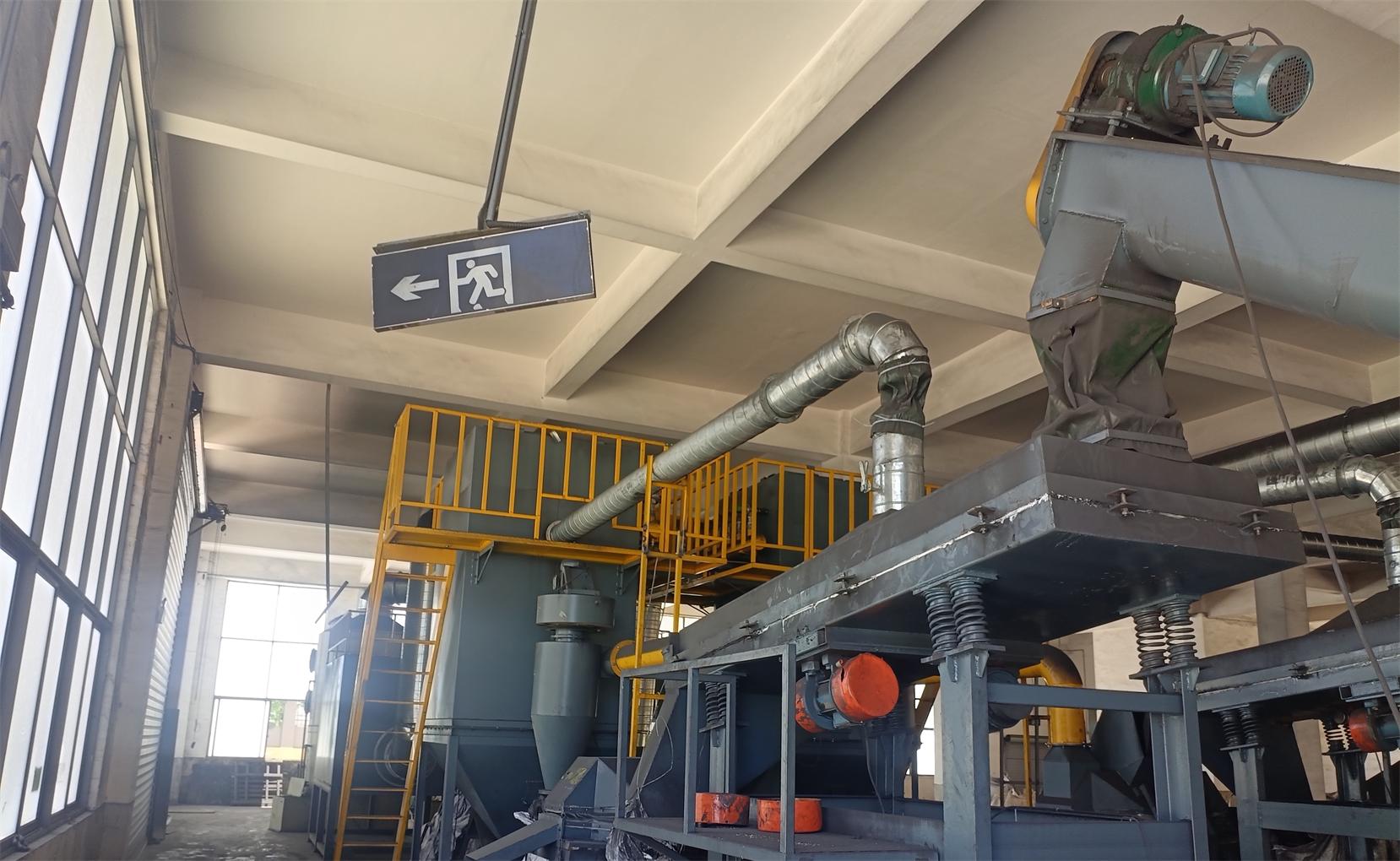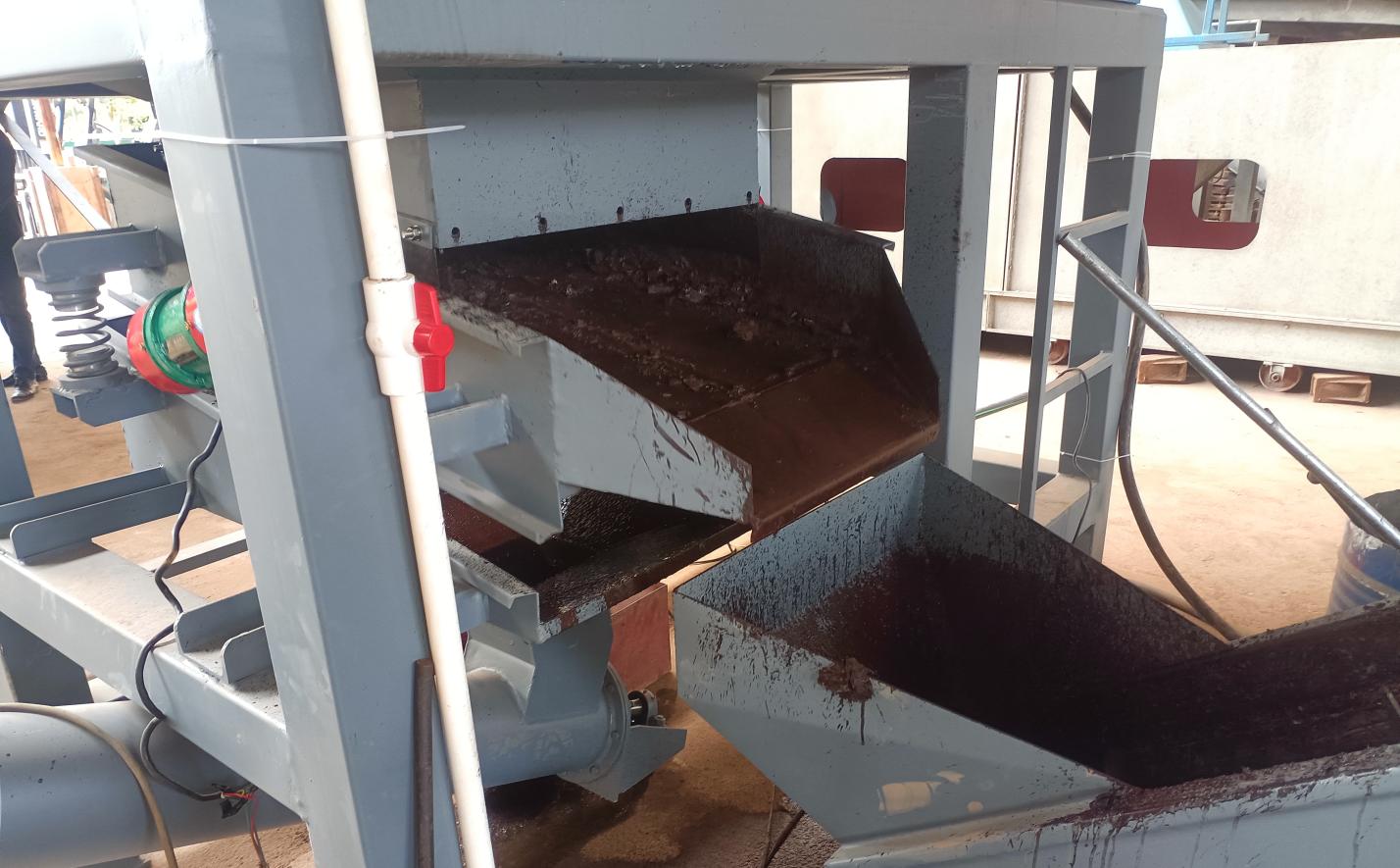
The global surge in electronic waste has created unprecedented opportunities for recycling entrepreneurs. With over 50 million tons of e-waste generated annually worldwide, establishing an efficient recycling operation is not just environmentally responsible—it is a highly profitable business venture. However, success depends heavily on selecting the right recycling equipment supplier who can provide reliable machinery tailored to your specific material streams.
Understanding Your Material Streams
Before investing in any machinery, you must clearly identify the primary waste materials your facility will process. Common e-waste categories include scrap cables and wires, used lead acid batteries, printed circuit boards (PCBs), lithium-ion batteries, refrigerators, air conditioners, CRT monitors, and electric motors. Each material requires specialized processing equipment to maximize recovery rates and profitability.
For instance, scrap cables contain valuable copper and aluminum that can be separated from plastic insulation using granulators and separators. Used lead acid batteries require breaking and separation systems to recover lead paste, lead grids, plastic shells, and acid. Understanding these distinctions ensures you invest in machinery that delivers optimal returns.
Cable Recycling: Capturing Copper Value
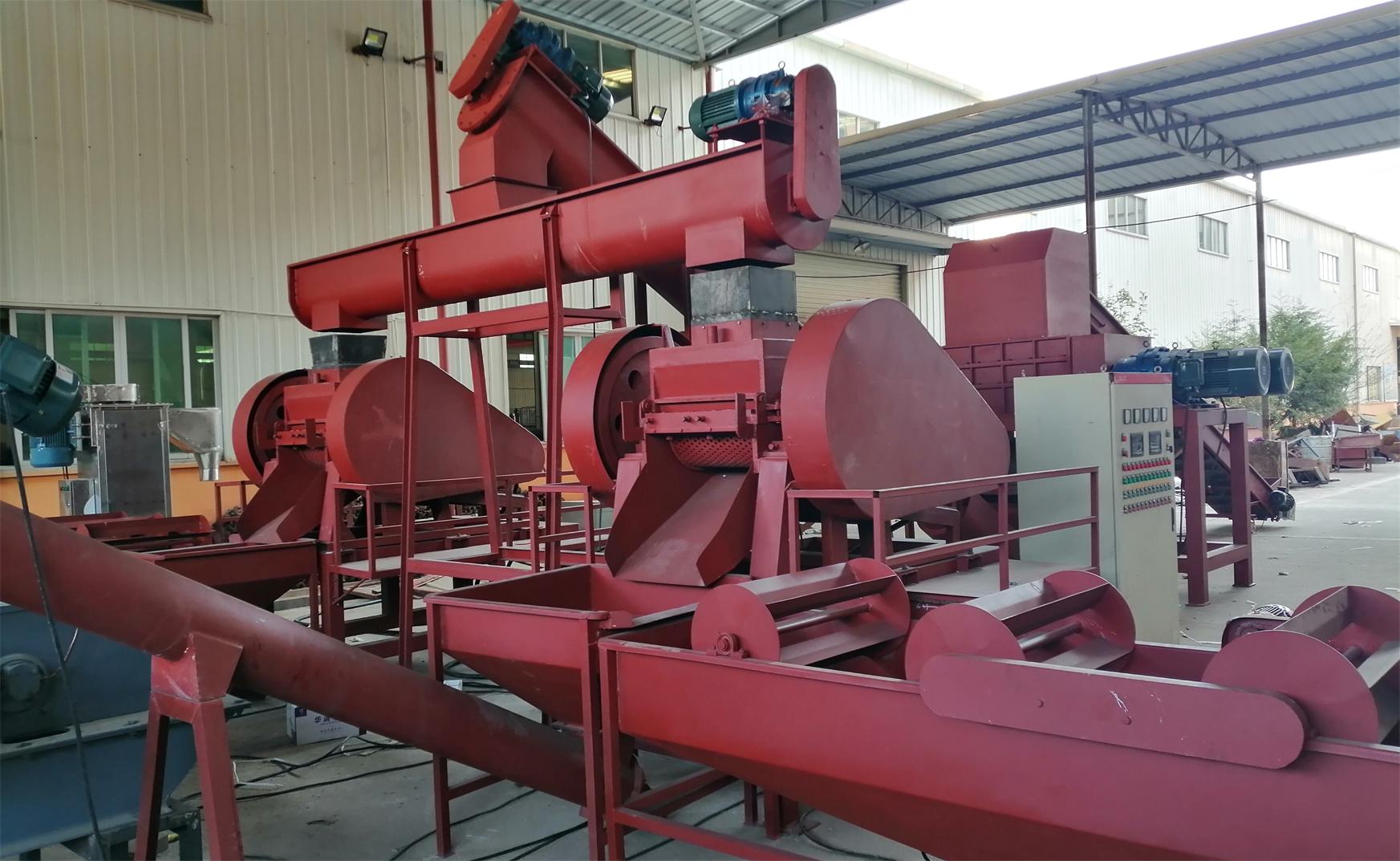
Scrap cables represent one of the most lucrative segments in e-waste recycling due to the high value of copper. A complete cable recycling equipment setup typically includes scrap cable strippers for large-diameter wires, cable granulators for fine crushing and separation, and dry or wet separators to isolate copper from plastic.
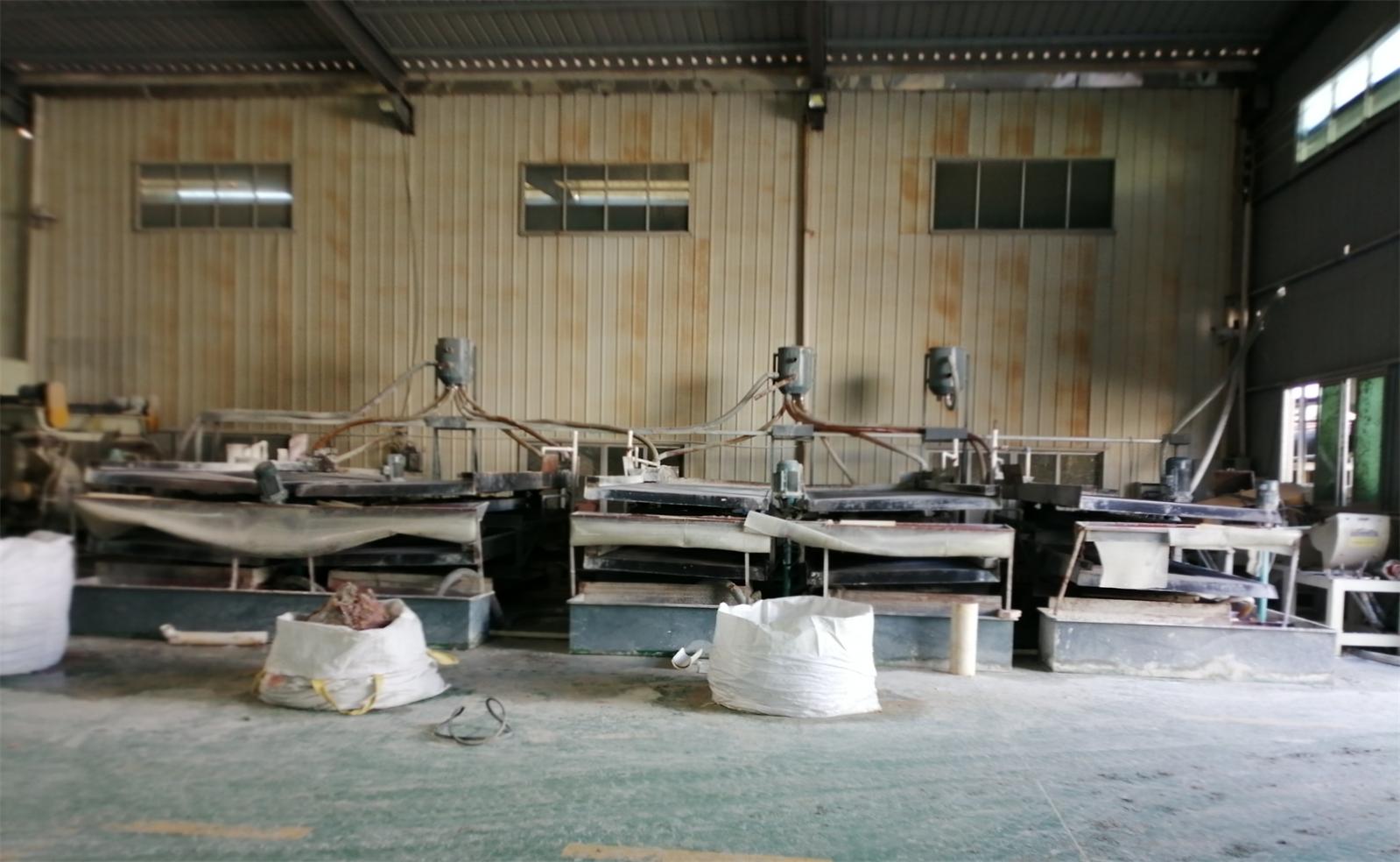
Modern cable granulators can process between 100 kg/hour to 1,200 kg/hour depending on the model. Dry separation systems using air classifiers achieve copper purity levels of 96–98%, while wet separation methods are suitable for processing cables with complex insulation or higher contamination levels. Investing in the right combination of strippers and granulators allows operators to handle everything from thin communication wires to thick industrial power cables.
Lead Acid Battery Recycling: A Complete System Approach
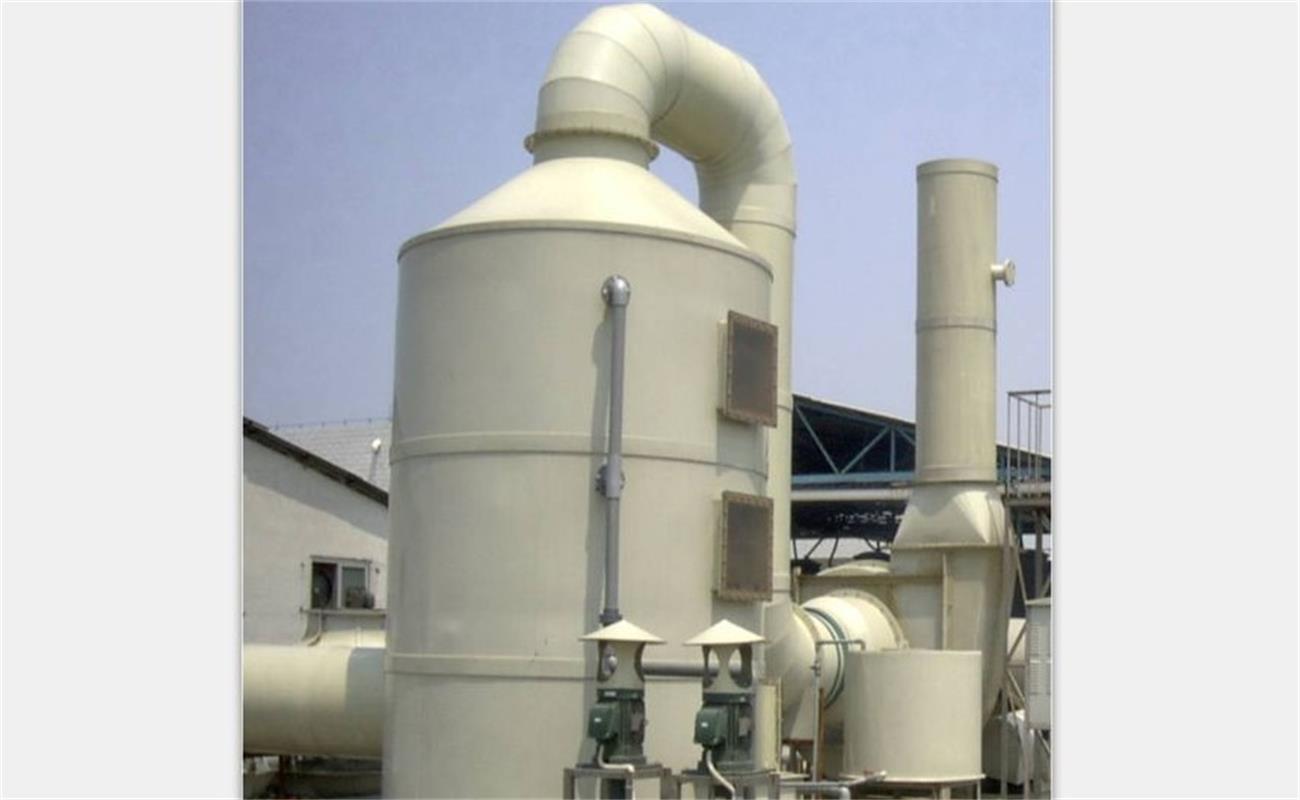
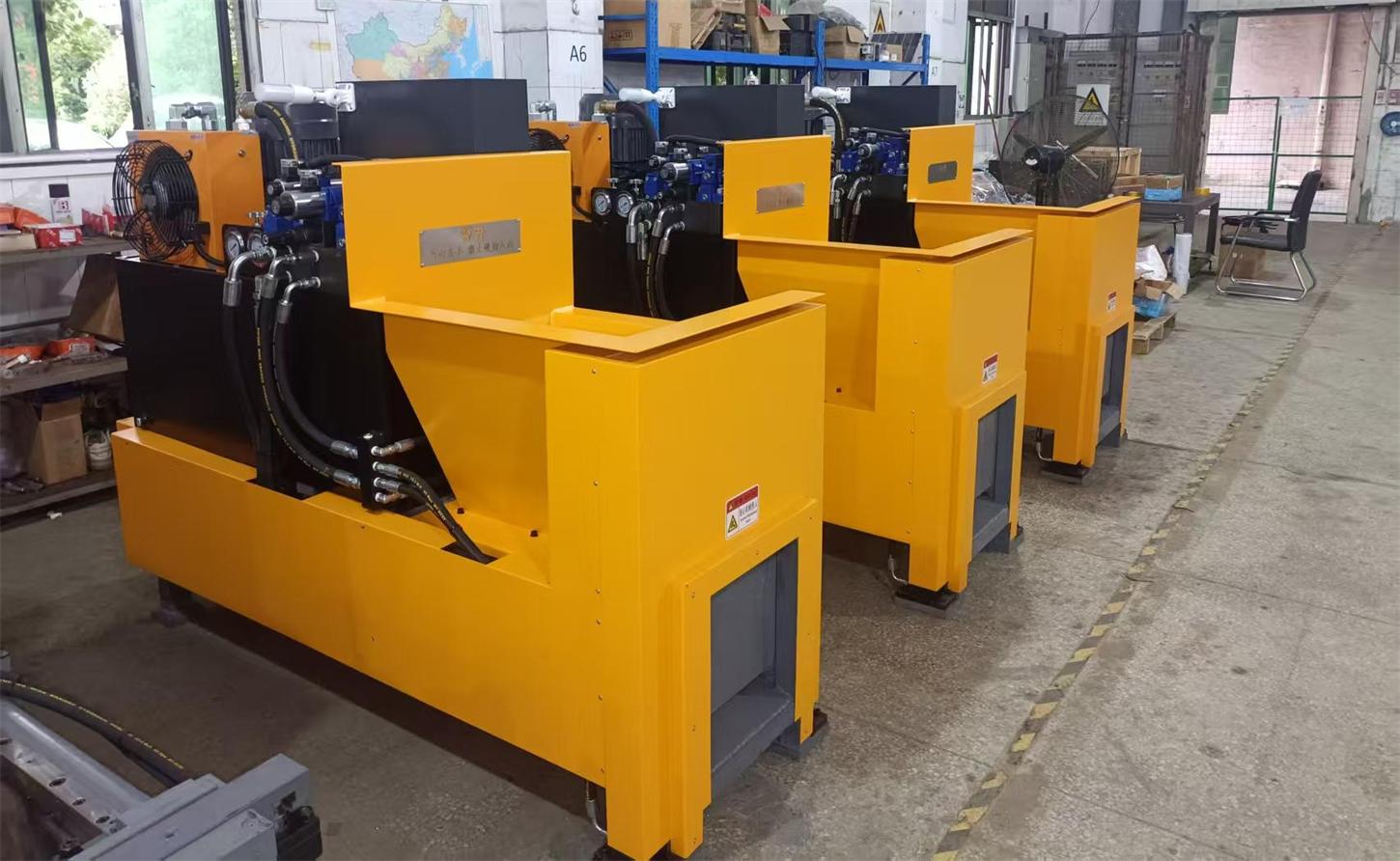
Used lead acid batteries (ULAB) are classified as hazardous waste, making proper recycling equipment essential for both compliance and profitability. A complete lead acid battery recycling equipment line includes battery cutters, breaking and separation systems, filter presses for paste collection, de-sulfurization units, smelting furnaces, and air pollution control systems.
The process begins with cutting batteries to drain acid safely. The breaking and separation system then crushes batteries and classifies the components into lead paste, lead grids, plastic, and hard rubber. Lead paste undergoes de-sulfurization to reduce melting temperatures and emissions before entering rotary furnaces or blast furnaces for smelting. Modern plants achieve lead recovery rates exceeding 95%, with refinery kettle furnaces producing 99.999% pure lead ingots ready for resale.
Circuit Board and Lithium Battery Processing
Printed circuit boards contain precious metals including gold, silver, palladium, and significant amounts of copper. Circuit board recycling plants use mechanical shredding, air separation, electrostatic separation, and wet separation technologies to recover copper powder with purity levels up to 98%. Capacities range from 300 kg/hour to 2,000 kg/hour, making these systems suitable for both small operations and large-scale facilities.
Lithium-ion battery recycling has become increasingly critical as electric vehicle adoption accelerates. Specialized lithium battery recycling plants safely discharge, pre-crush, and granulate waste batteries to recover black mass containing nickel, cobalt, and graphite, alongside separated copper, aluminum, and plastic fractions. Capacities typically range from 500 kg/hour to 2,500 kg/hour, with air pollution control systems ensuring safe handling of potentially harmful gases.
Preprocessing: The Foundation of Efficient Recycling
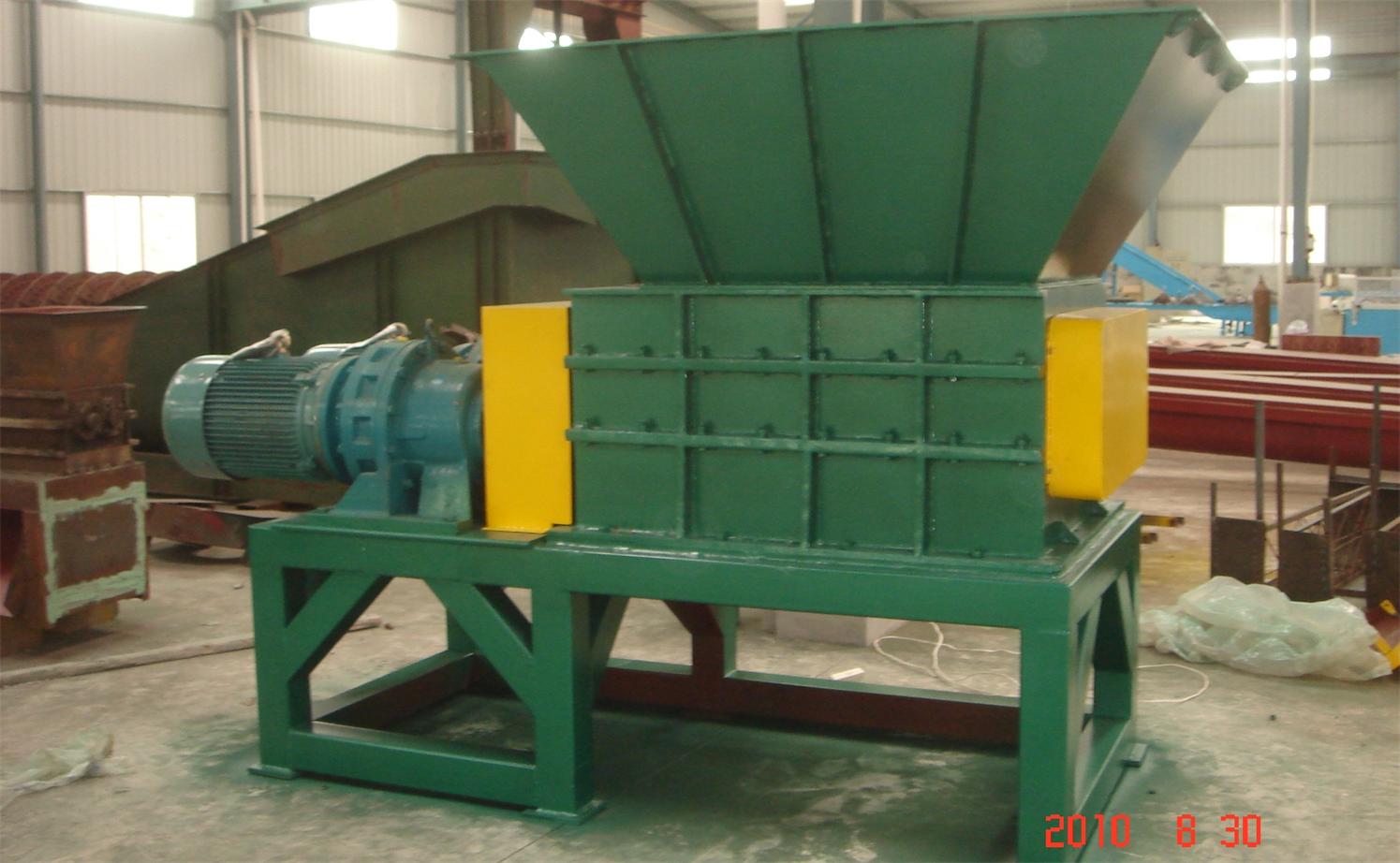
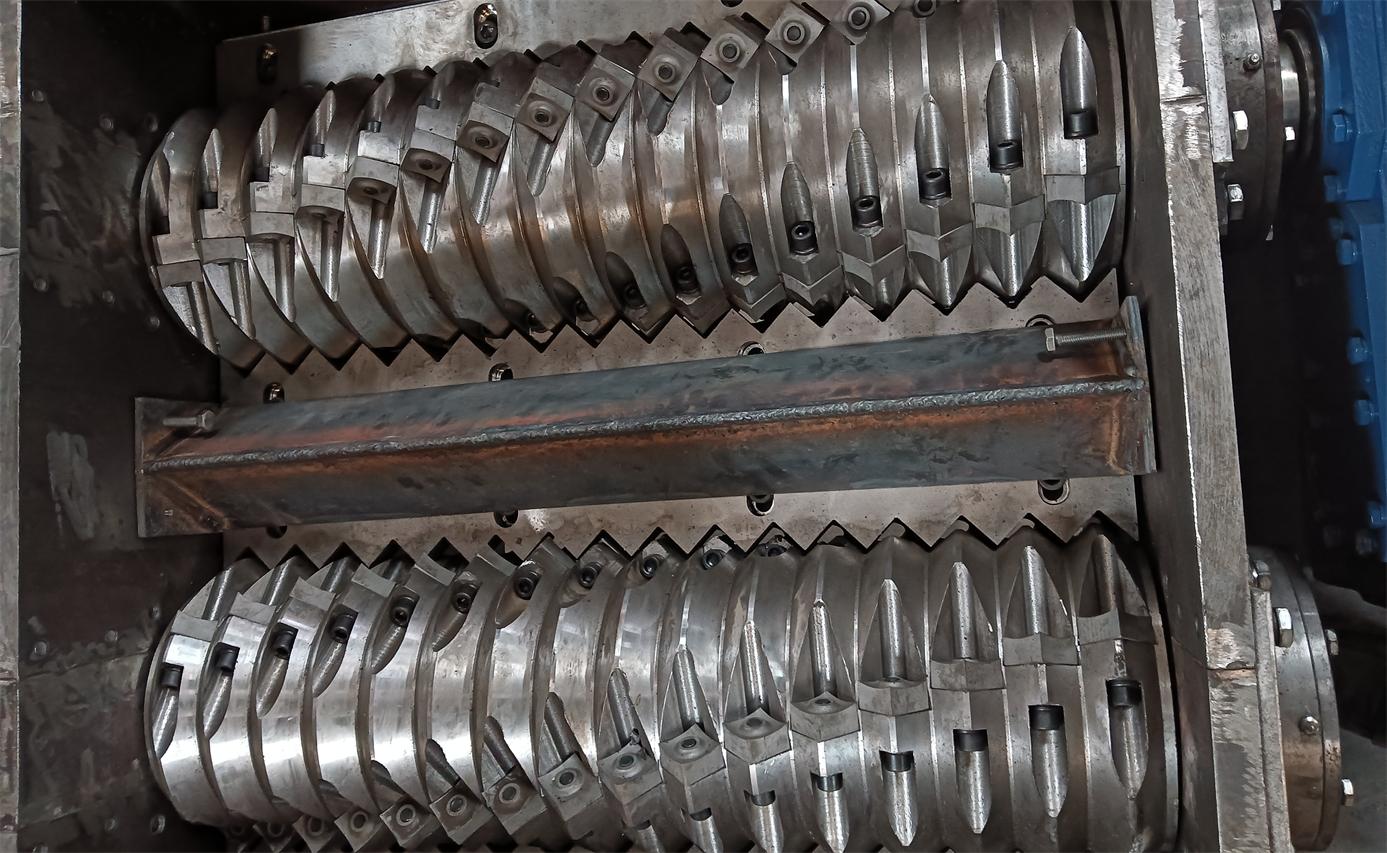
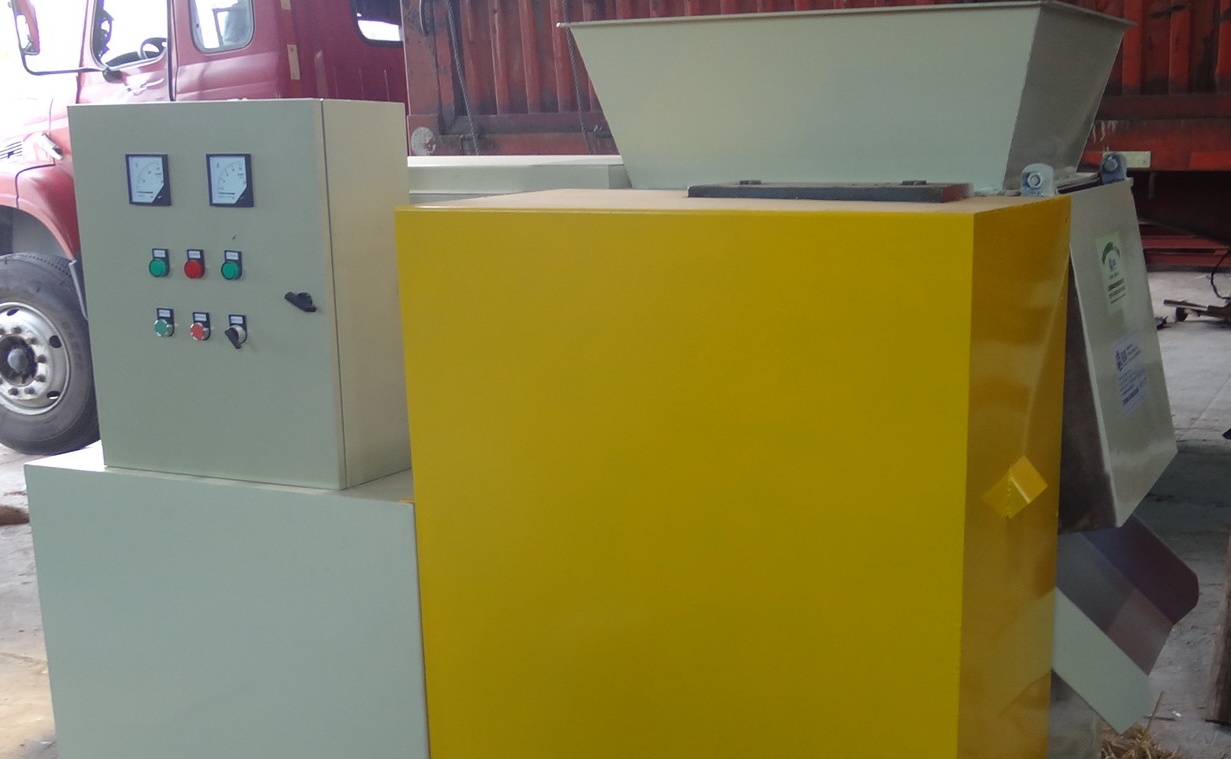
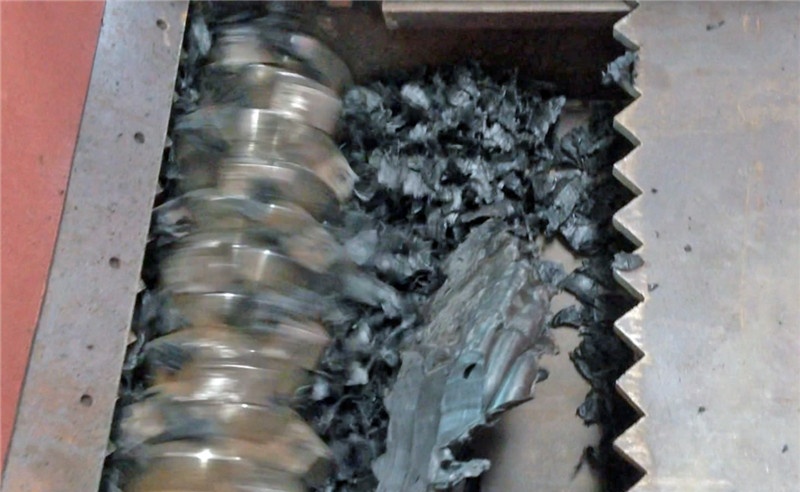
Before specialized recycling, most e-waste requires size reduction. Industrial shredders and pre-choppers form the backbone of any efficient operation. Single-shaft, twin-shaft, and four-shaft shredders handle diverse materials including PCBs, cables, refrigerators, washing machines, batteries, and lithium cells. Capacities range from 200 kg/hour for compact models to 6 MT/hour for heavy-duty four-shaft systems. Selecting the appropriate shredder ensures smooth downstream processing and maximizes overall plant efficiency.
Key Insight: Successful recycling operations integrate multiple processing lines under one roof. Rather than treating cable recycling, battery recycling, and PCB processing as isolated activities, modern plants increasingly combine these streams to capture value across the full spectrum of e-waste materials.
What to Look for in a Recycling Equipment Partner
Choosing the right equipment partner extends far beyond comparing price lists. Experienced manufacturers offer EPC (Engineering, Procurement, Construction) capabilities, delivering turnkey plants with customized design, installation, and commissioning. Look for suppliers with proven international experience, technical teams holding advanced engineering degrees, and demonstrated expertise across multiple recycling domains.
Additional value-added services distinguish leading suppliers from commodity vendors. These include assistance sourcing waste materials such as cable scrap, PCB scrap, and used batteries; support selling recovered products like copper rice, lead ingots, and metal concentrates; and even investor partnership facilitation for plant construction projects. Comprehensive after-sales support including spare parts availability and technical consultation protects your long-term investment.
Conclusion
Building a profitable e-waste recycling operation requires careful planning, quality equipment, and an experienced partner who understands both the technical and commercial aspects of the industry. Whether you are entering cable recycling, lead acid battery processing, circuit board recovery, or lithium battery recycling, investing in proven technology from an established supplier positions your business for sustainable growth in this expanding market.
Ready to start or expand your recycling operation? San Lan Technologies Co., Ltd. has been manufacturing professional WEEE recycling machines and mining equipment since 2007, serving customers across 21+ countries. From cable granulators and lead acid battery recycling plants to circuit board recovery systems and lithium battery processing lines, we provide complete solutions tailored to your capacity and budget. Contact our team today for a free consultation and quotation.