The global e-waste crisis presents both an environmental challenge and a significant business opportunity. With over 50 million tons of electronic waste generated annually, companies that invest in the right recycling infrastructure can turn waste into valuable resources while building a sustainable revenue stream.
Understanding the E-Waste Recycling Market
Electronic waste contains valuable materials including copper, gold, silver, lead, and lithium. A single ton of circuit boards can contain up to 200 grams of gold, making proper circuit board recycling equipment a profitable investment. The key is choosing machinery that maximizes recovery rates while meeting environmental regulations.
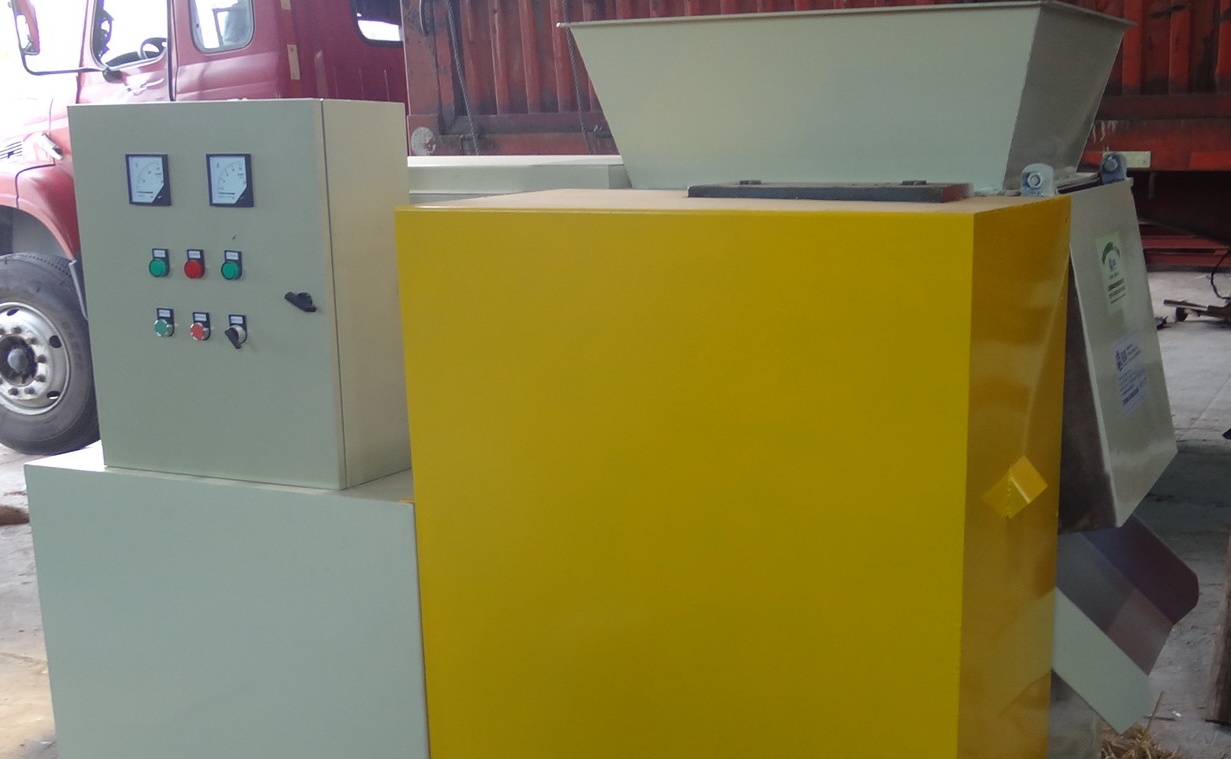
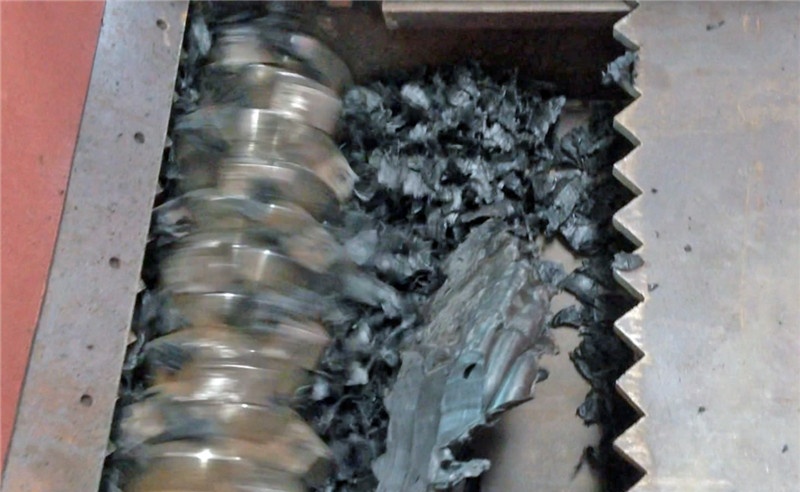
Successful recycling operations require specialized equipment for different waste streams. Cable and wire scrap contains high-purity copper and aluminum. Used lead acid batteries hold recoverable lead and plastic. Lithium-ion batteries from electric vehicles and electronics contain cobalt, nickel, and graphite. Each material stream demands specific processing technology.
Key Equipment for a Complete Recycling Operation
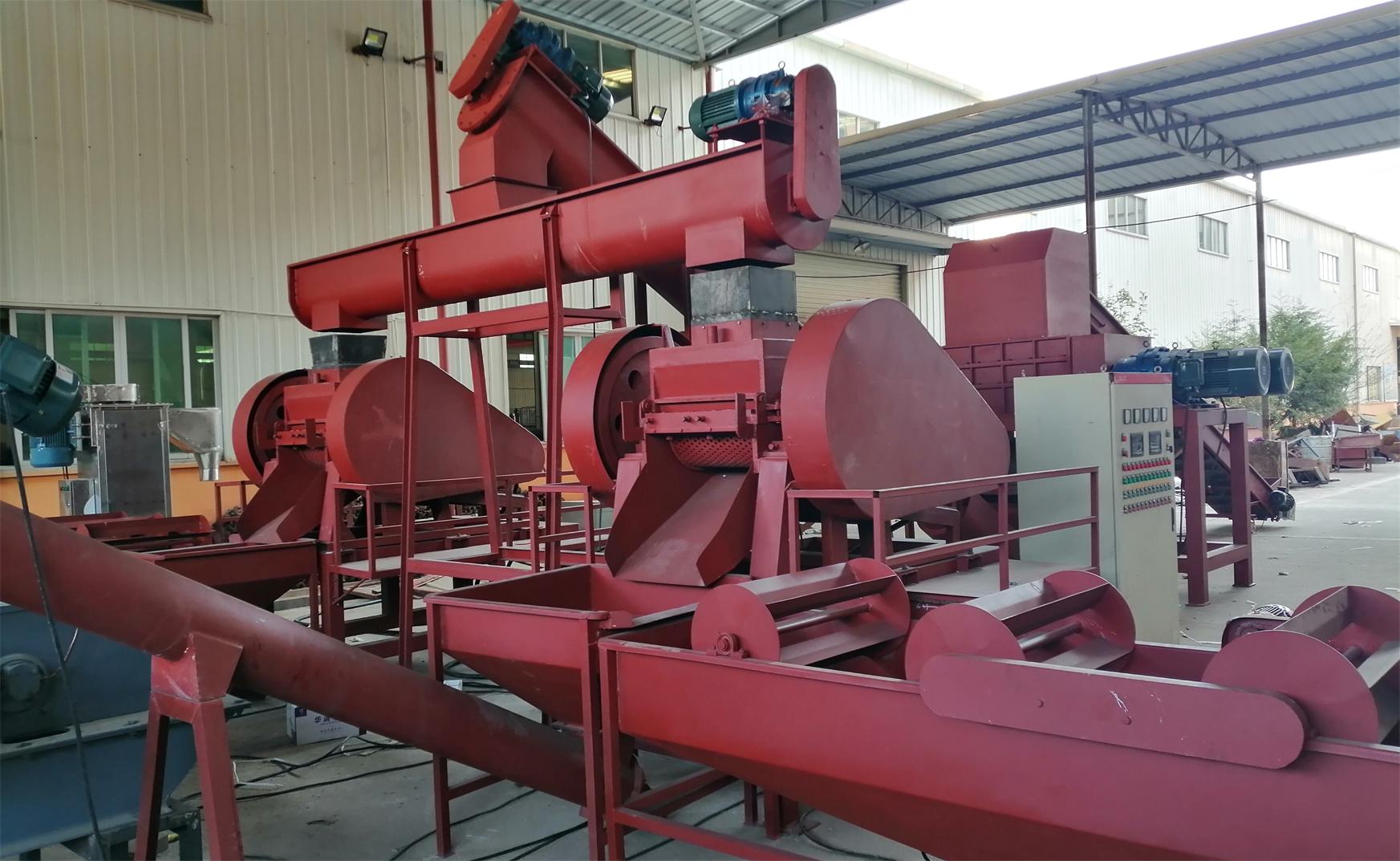
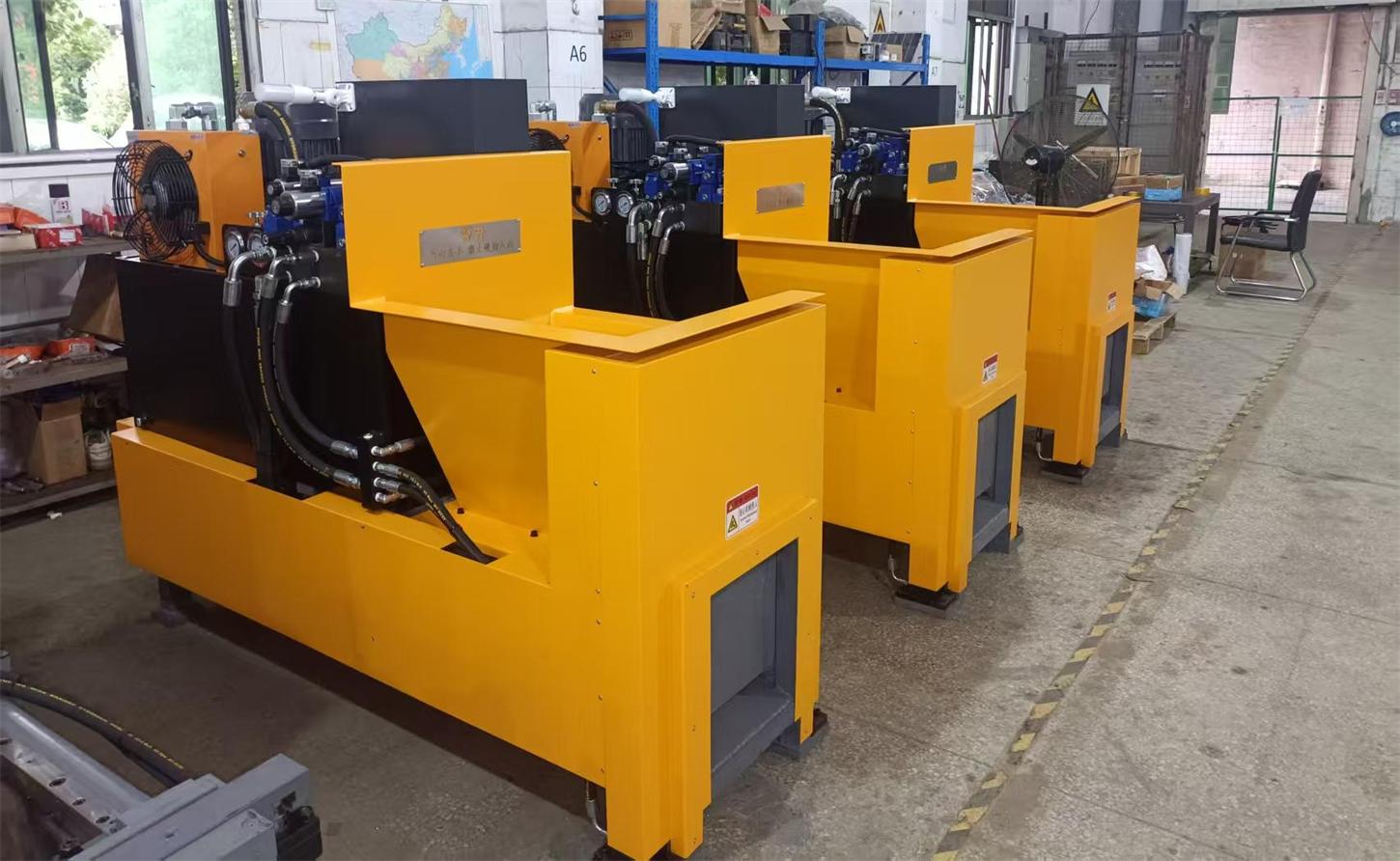
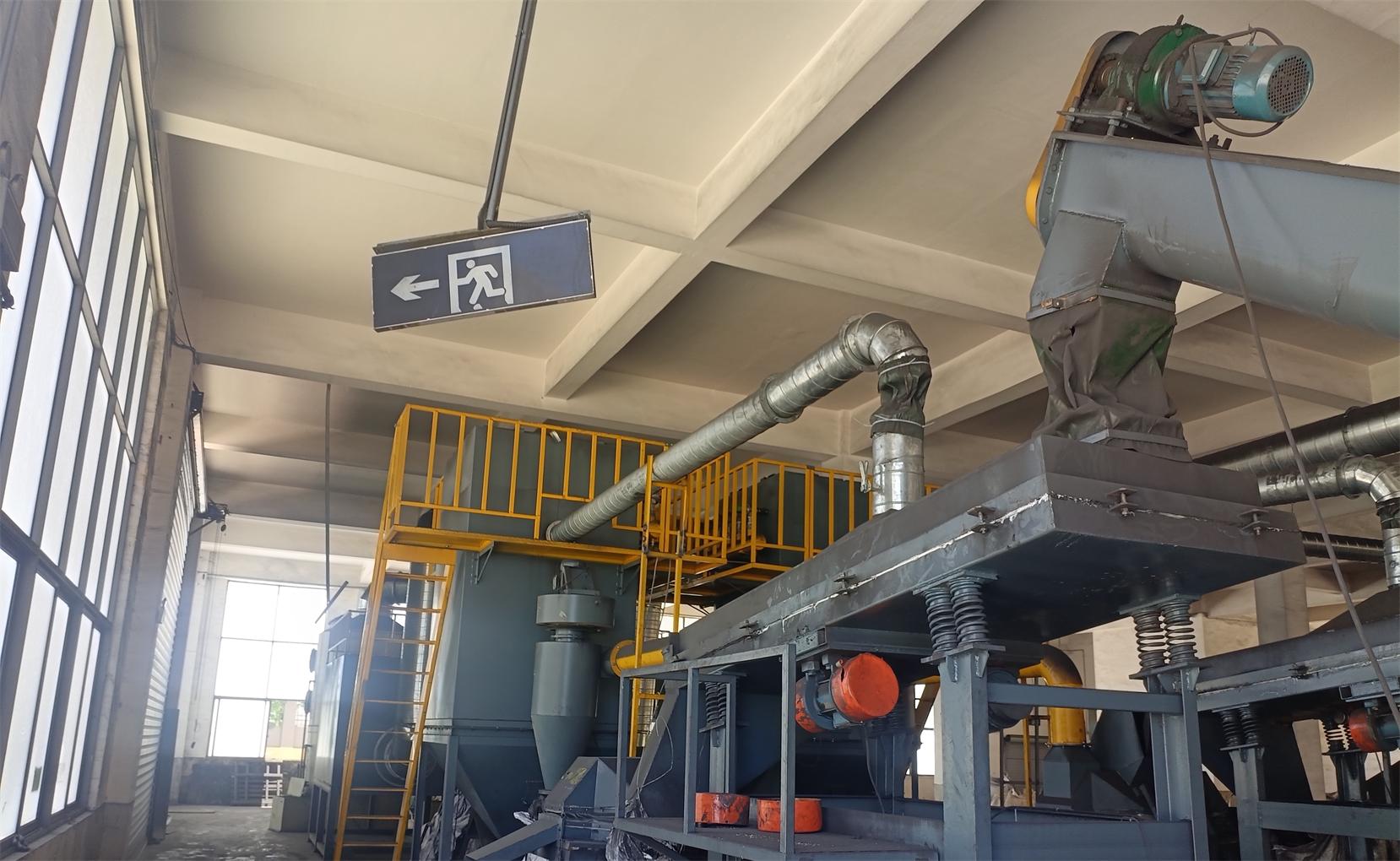
Building a comprehensive recycling facility requires multiple processing lines. Here are the core systems that established operators depend on:
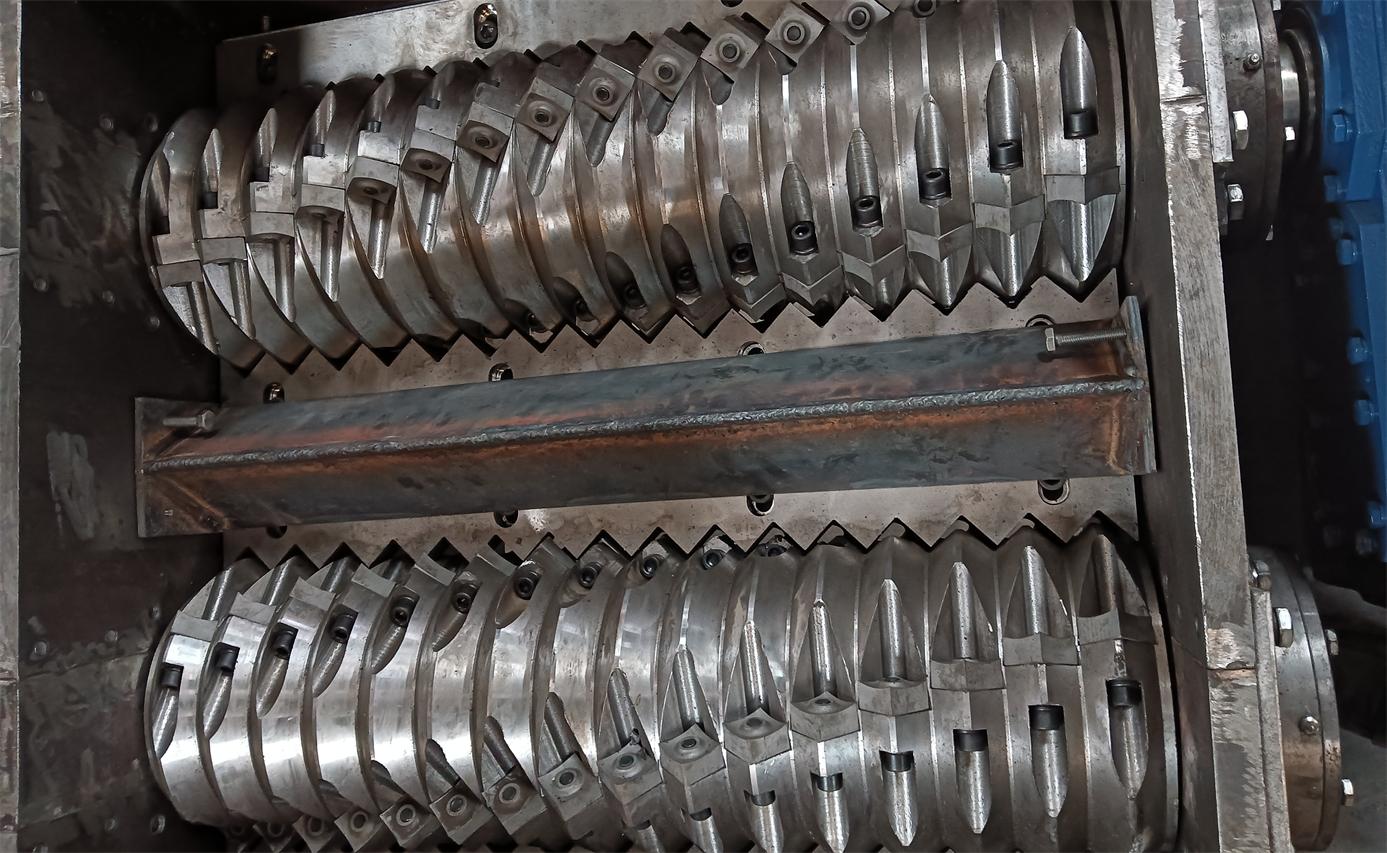
Cable and Wire Processing: Modern cable recycling equipment uses granulation and separation technology to recover copper and aluminum from insulated wire. Advanced systems can process jelly-filled cables, mixed wire scrap, and large-diameter industrial cables with recovery rates exceeding 95%.
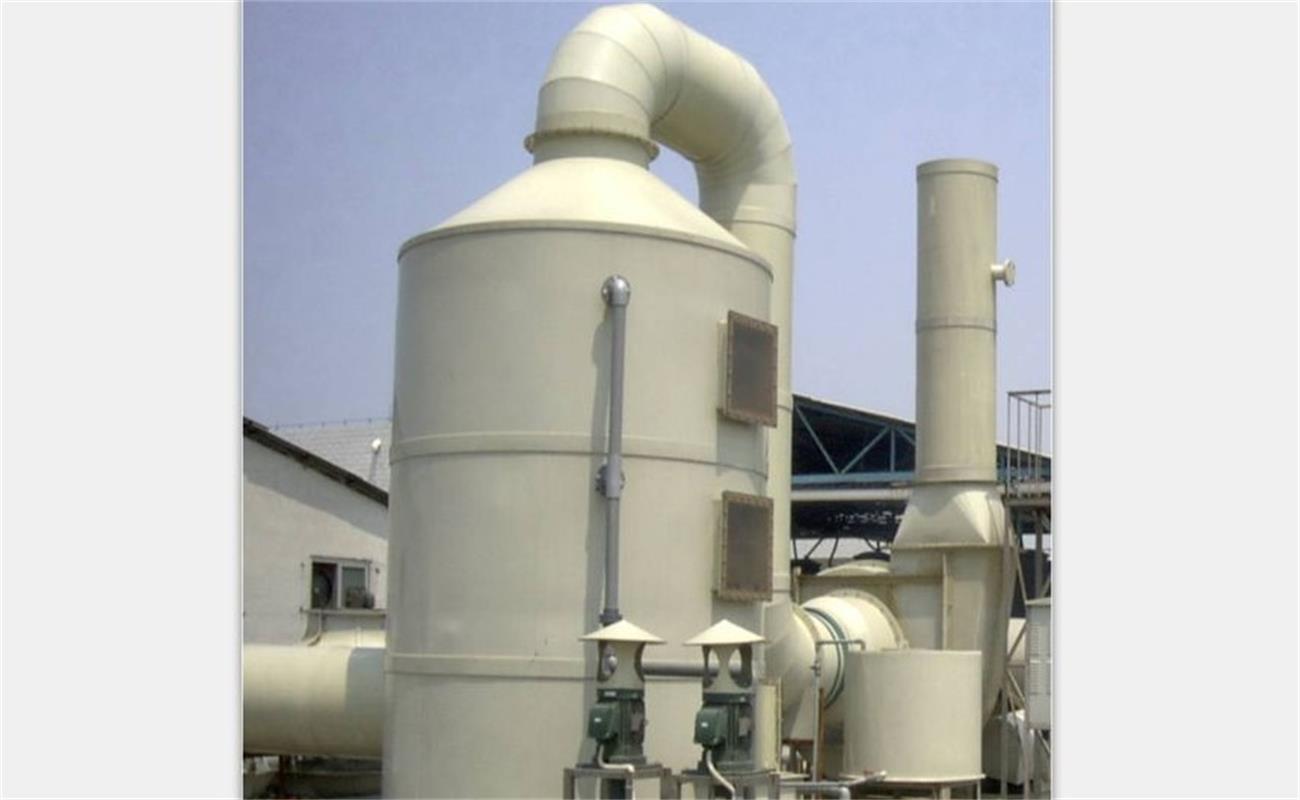
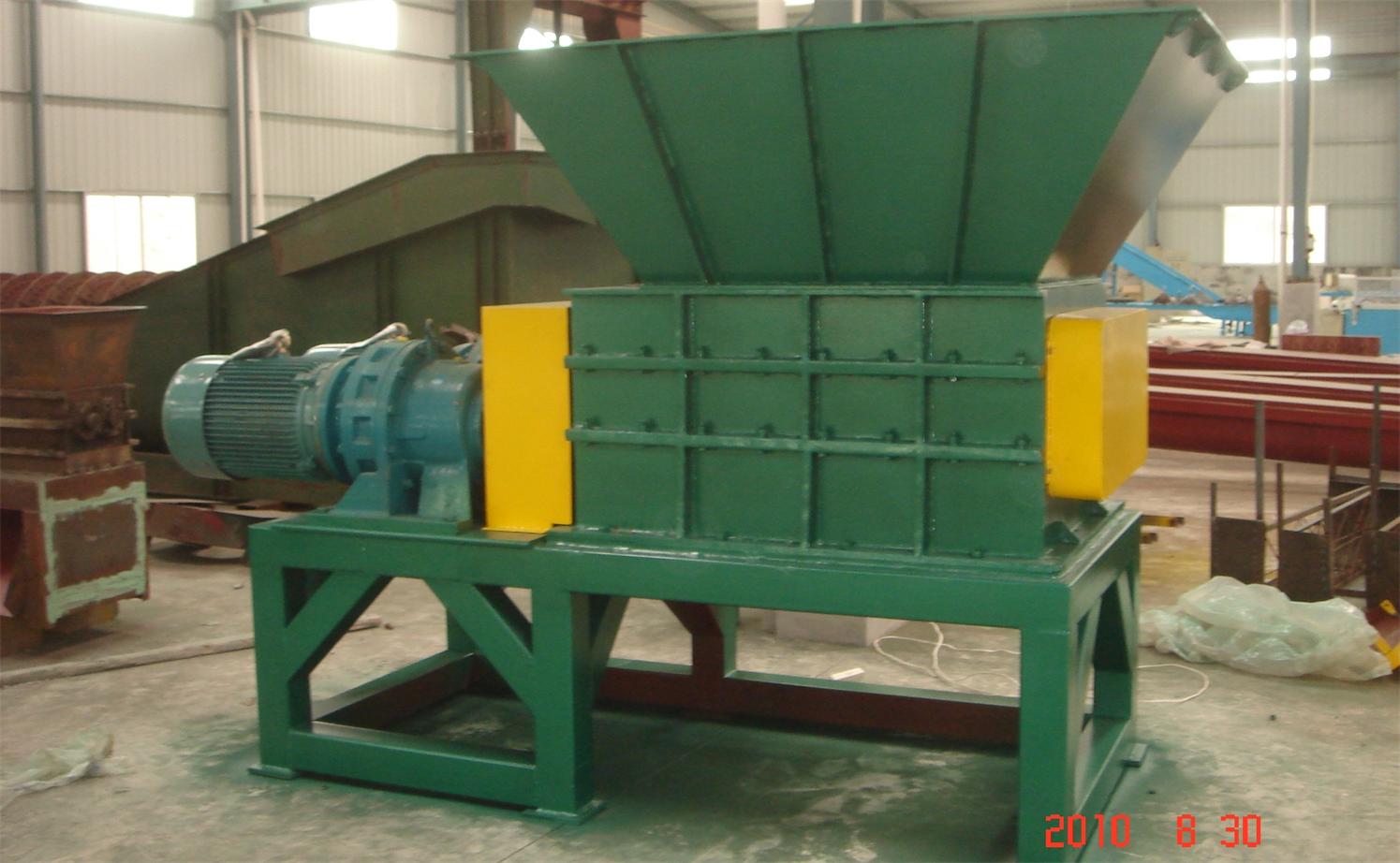
Battery Recycling Systems: Used lead acid battery recycling plants break down batteries to recover lead paste, lead grids, plastic cases, and sulfuric acid. Complete systems include breaking and separation equipment, de-sulfurization units, smelting furnaces, and air pollution control systems. Lithium battery recycling lines recover black mass containing nickel and cobalt, plus separated copper, aluminum, and plastic.
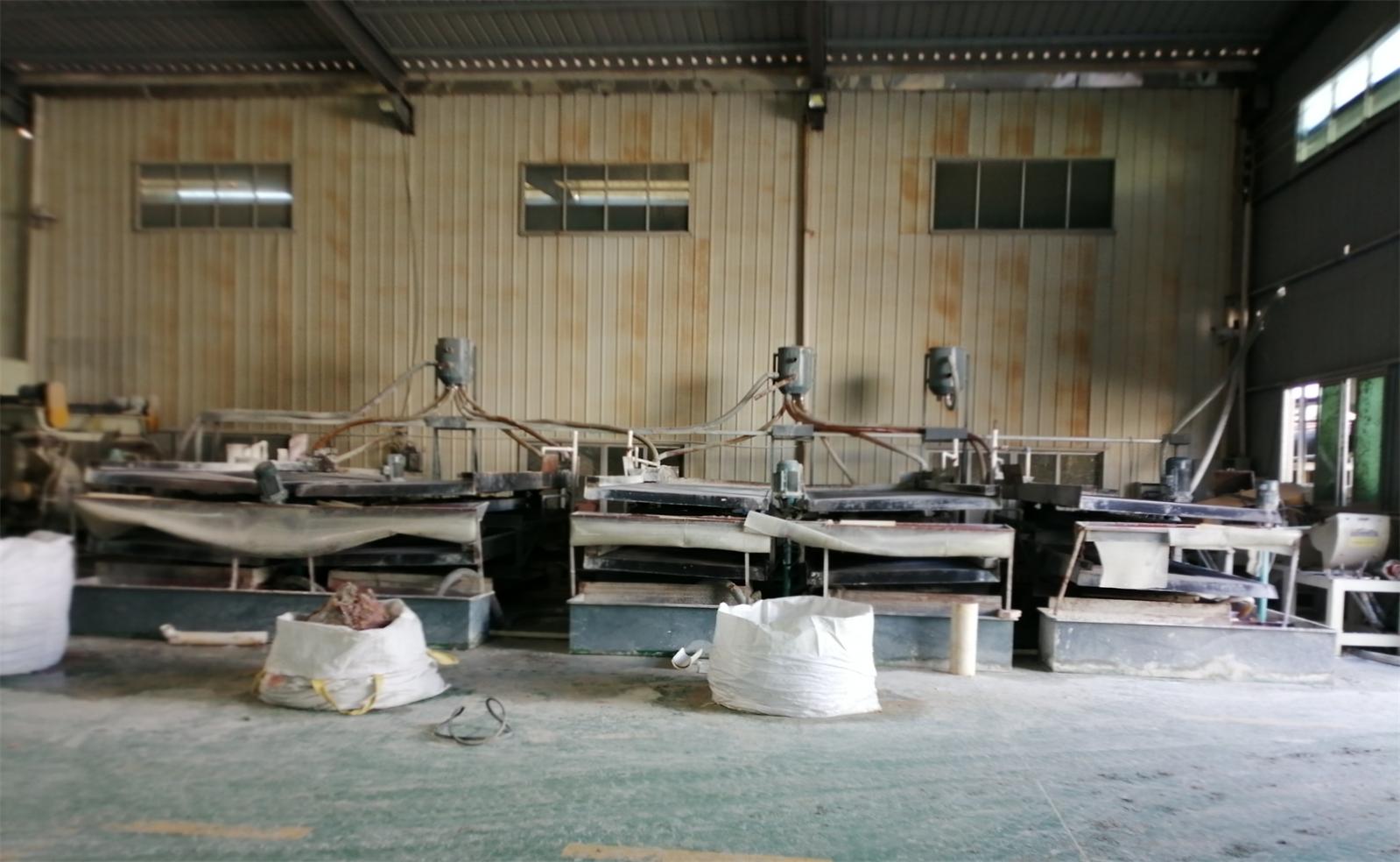
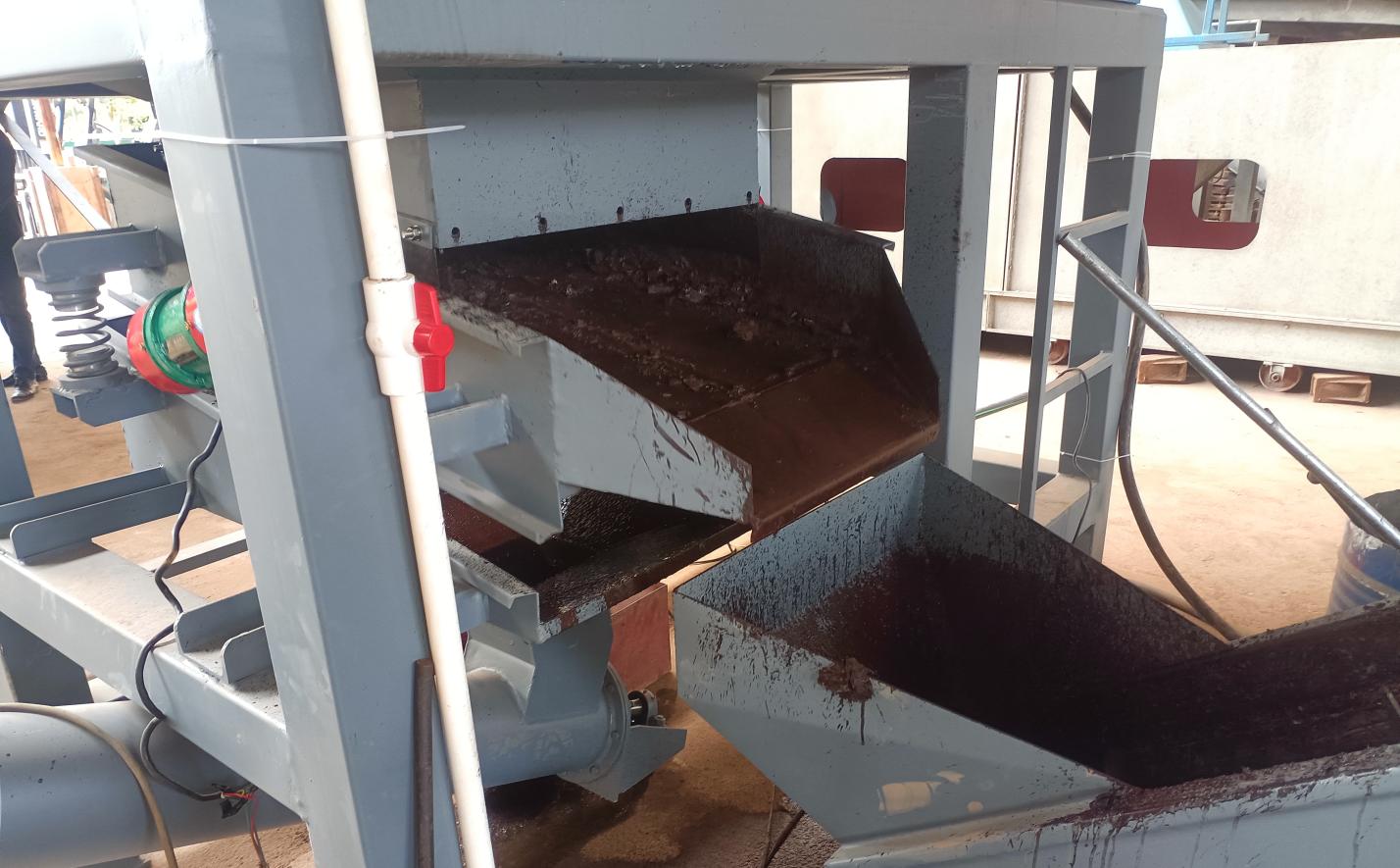
Circuit Board Processing: PCB recycling plants use mechanical crushing combined with wet or dry separation methods to recover copper powder and precious metals. Leading systems achieve copper powder purity of 96-98% with daily capacities ranging from 4 to 48 tons.
What to Look for in an Equipment Manufacturer
Not all recycling equipment suppliers deliver the same value. When evaluating potential partners, consider these critical factors:
Technical Expertise: Look for manufacturers with engineering teams holding advanced degrees in mechanical engineering and over 15 years of direct experience in e-waste recycling machinery design. This depth of knowledge ensures equipment is optimized for real-world operating conditions.
EPC Project Experience: Suppliers who have delivered complete Engineering, Procurement, and Construction projects understand how to design integrated systems that work together efficiently. They can customize layouts for your facility space and material streams.
Proven International Track Record: Manufacturers serving customers across 20+ countries have demonstrated their ability to meet diverse regulatory requirements and operational standards. This global experience translates into more reliable equipment design.
Value-Added Services: Beyond equipment delivery, leading suppliers help customers source waste materials, recruit technical staff, provide operator training, and even assist in selling recovered materials like copper rice, lead ingots, and aluminum.
Maximizing Return on Investment
The profitability of recycling operations depends on three core metrics: throughput capacity, material recovery rate, and operational uptime. High-quality lead acid battery recycling equipment with automated processes reduces labor costs while maintaining consistent output. Systems with capacities from 500 kg/hour to 10 MT/hour allow operators to scale production to match available feedstock.
Environmental compliance is non-negotiable. Modern recycling plants must include air pollution control systems, water treatment facilities, and dust collection equipment. Investing in complete systems that integrate these environmental controls from the start prevents costly retrofits and regulatory penalties.
Getting Started with Your Recycling Project
Launching a recycling operation begins with understanding your local waste stream availability and market demand for recovered materials. Conduct a feasibility study to identify which materials are most abundant in your region and which recovered commodities command the best prices.
Partner with an equipment manufacturer who offers onsite installation, commissioning support, and operator training. The learning curve for recycling equipment operation is significantly reduced when experienced technicians guide your team through initial startup and optimization.
Ready to explore recycling equipment for your operation? San Lan Technologies Co., Ltd has been manufacturing e-waste recycling machinery since 2007, serving customers in 21+ countries with complete processing lines for cables, circuit boards, batteries, and more. Contact our team for a customized solution quote and feasibility assessment for your project.