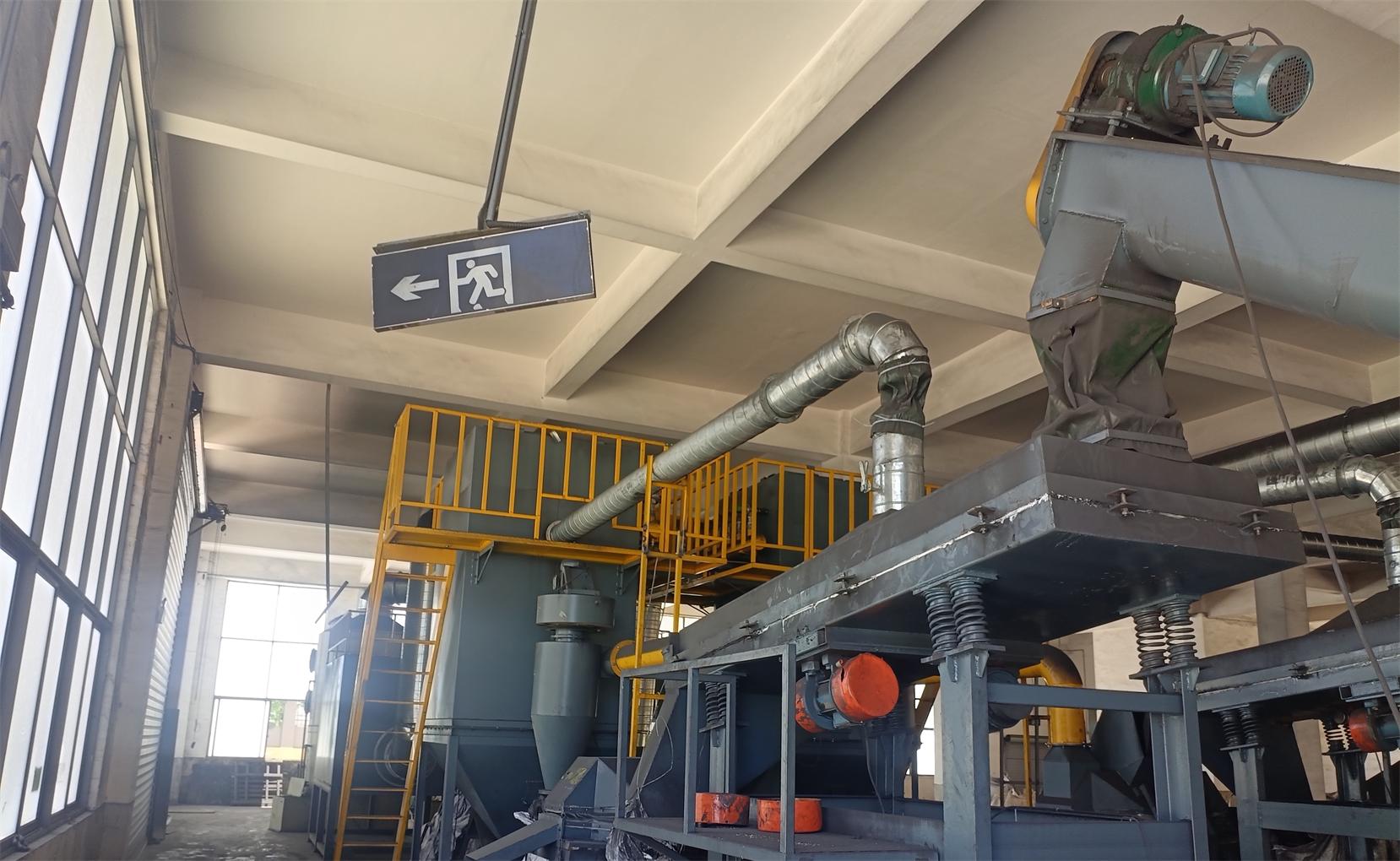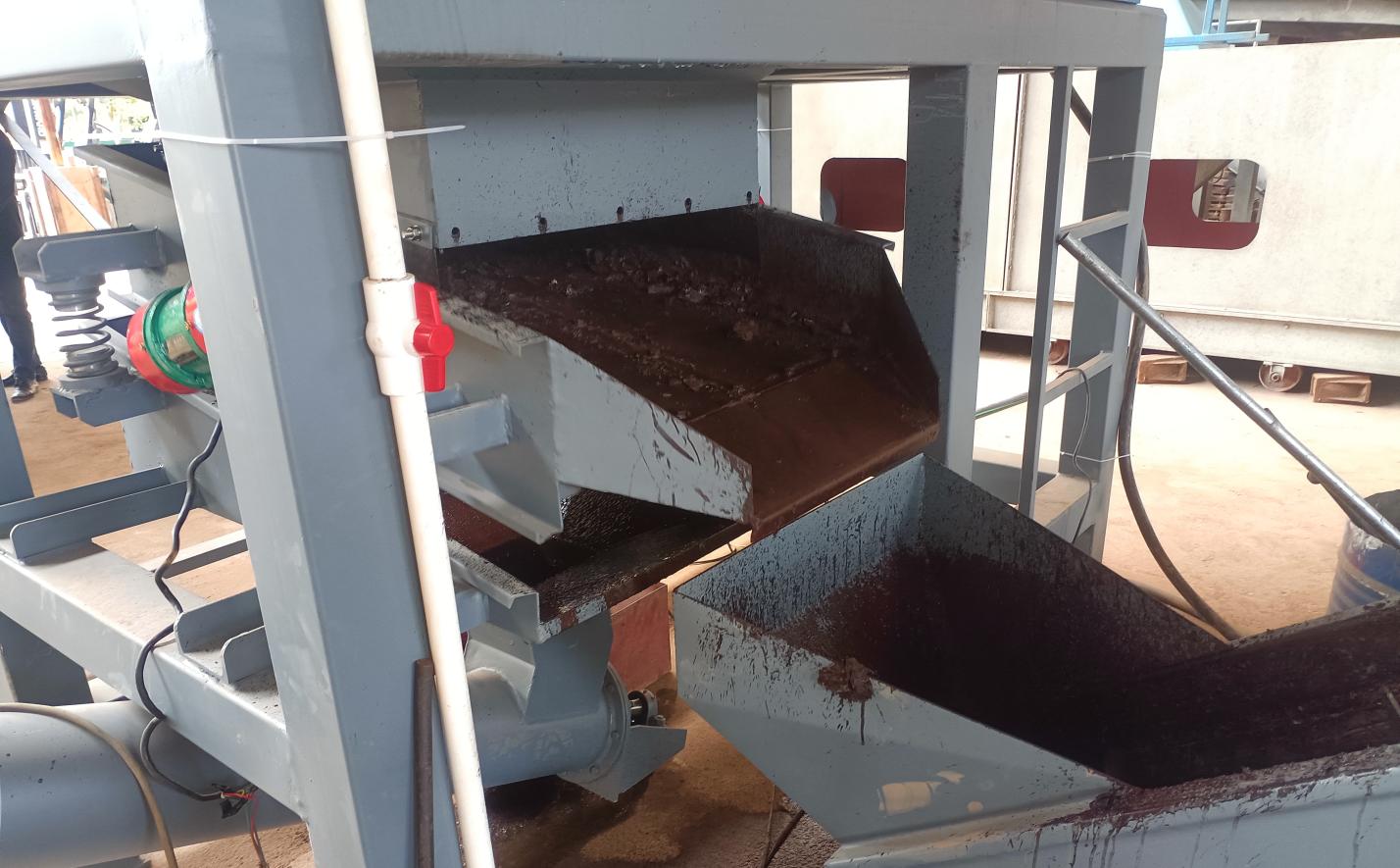
Electronic waste is now one of the most pressing environmental challenges of our time, yet it also represents a genuine business opportunity for operators with the right equipment. Every year, tens of millions of metric tons of discarded electronics pile up in landfills, carrying valuable metals that can be recovered and resold. For entrepreneurs and established scrap dealers, the difference between a struggling side operation and a profitable recycling plant usually comes down to two decisions: which equipment to buy and which manufacturer to trust.
Electronic waste is the fastest-growing waste stream in the world. Discarded smartphones, laptops, batteries, and household appliances contain valuable metals such as copper, gold, silver, lead, and lithium. Without proper processing, these materials pollute landfills and groundwater. With the right equipment, they become high-margin raw materials sold back into manufacturing supply chains.
Governments across Asia, Africa, Latin America, and the Middle East are tightening environmental regulations and offering incentives for formal recycling operations. This policy shift is pushing informal recyclers toward professional plant setups and creating first-mover advantages for early investors.
Used lead acid batteries (ULAB) remain one of the most recycled consumer products globally. A complete lead acid battery recycling equipment line breaks and separates batteries to recover acid, plastic shells, lead grids, and lead paste. The recovered lead can be refined to 99.999% purity and returned to battery manufacturers.
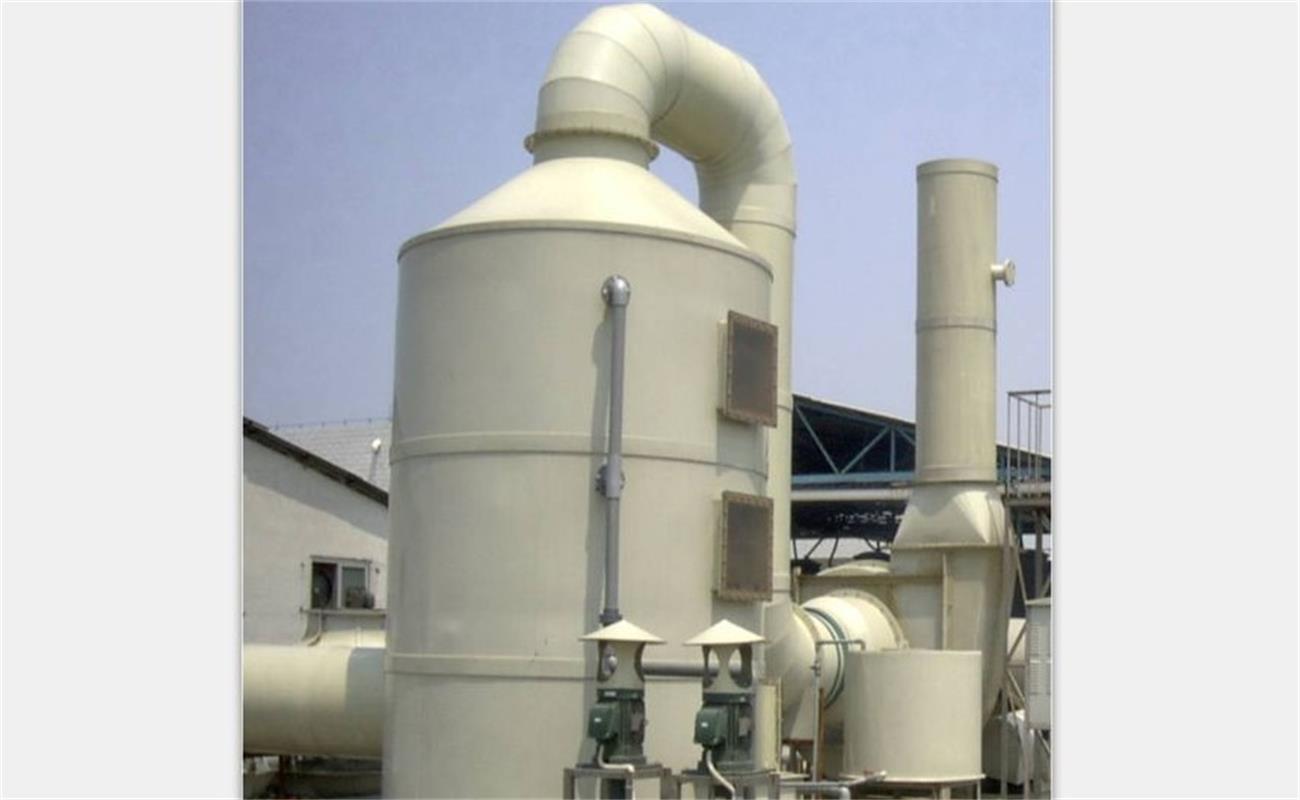
Modern systems include battery breaking and separation, de-sulfurization units, rotary furnaces or blast furnaces for paste reduction, lead refinery kettles, air pollution control systems, and water treatment plants. Capacities typically range from 1 MT to 10 MT per hour, depending on feedstock availability and capital budget.
The electric vehicle and energy storage boom has created an urgent need for lithium battery recycling infrastructure. Spent lithium-ion batteries contain black mass rich in nickel, cobalt, and graphite, plus recoverable copper, aluminum, and plastic separators.
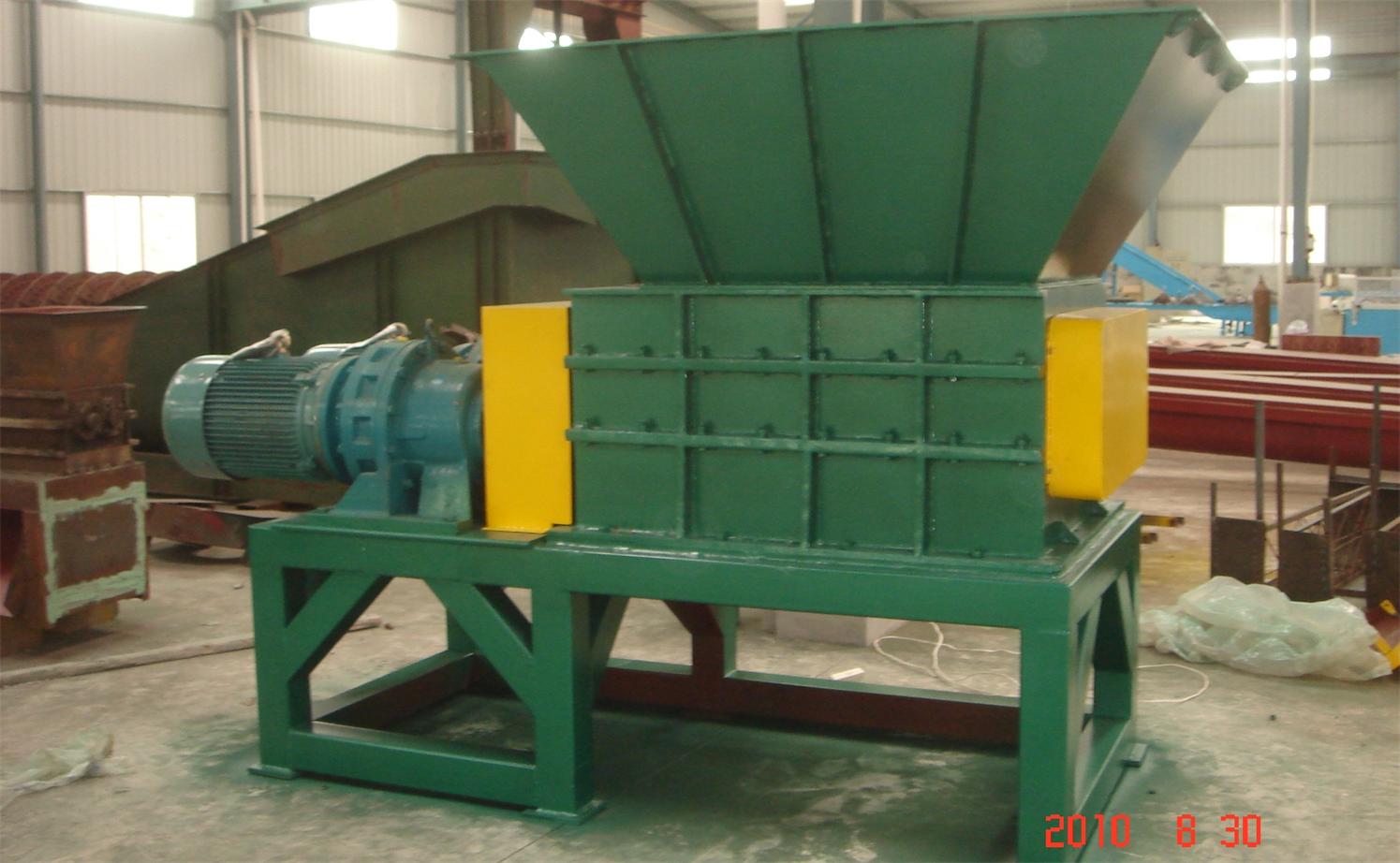
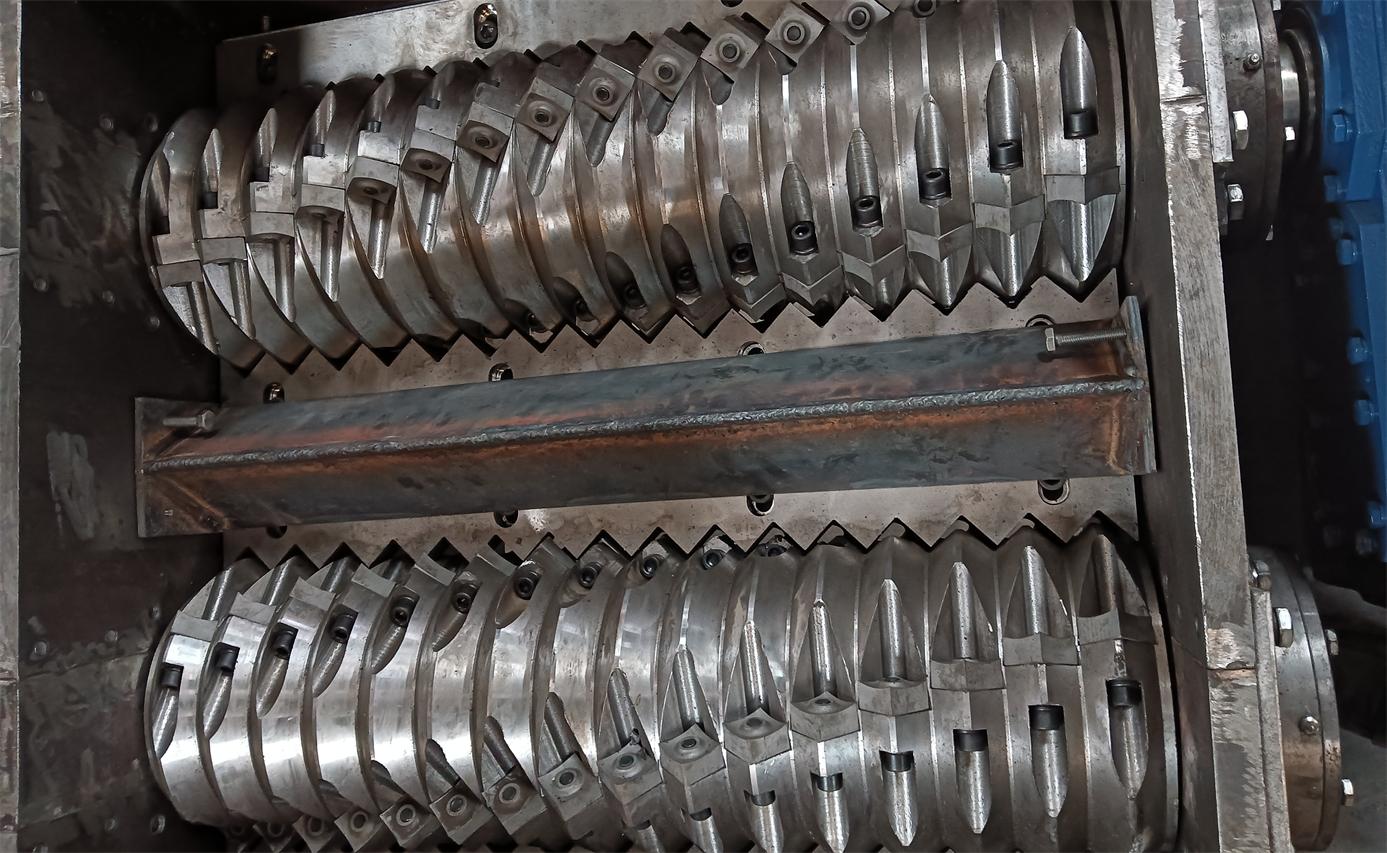
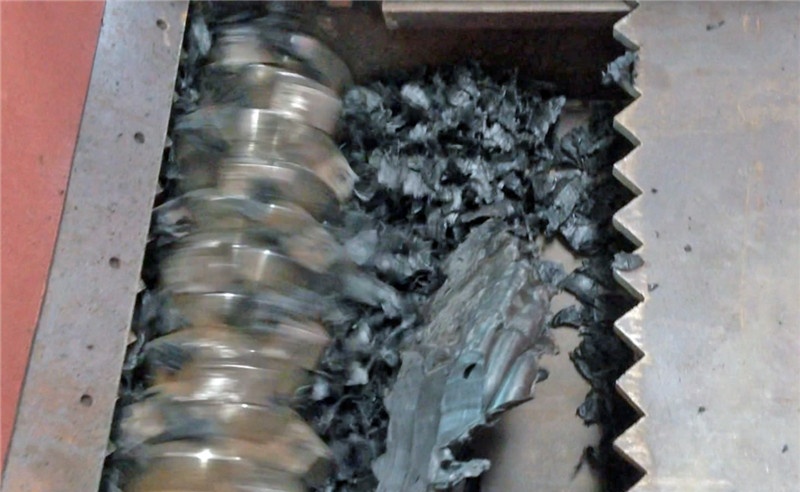
A complete li battery recycling equipment line typically handles 500 to 2,500 kg per hour through a process of discharging, pre-crushing, secondary granulation, black powder separation, and magnetic separation of iron and steel. Auxiliary systems include air pollution control, plastic pneumatic conveying, and hydraulic briquetting for separator films.
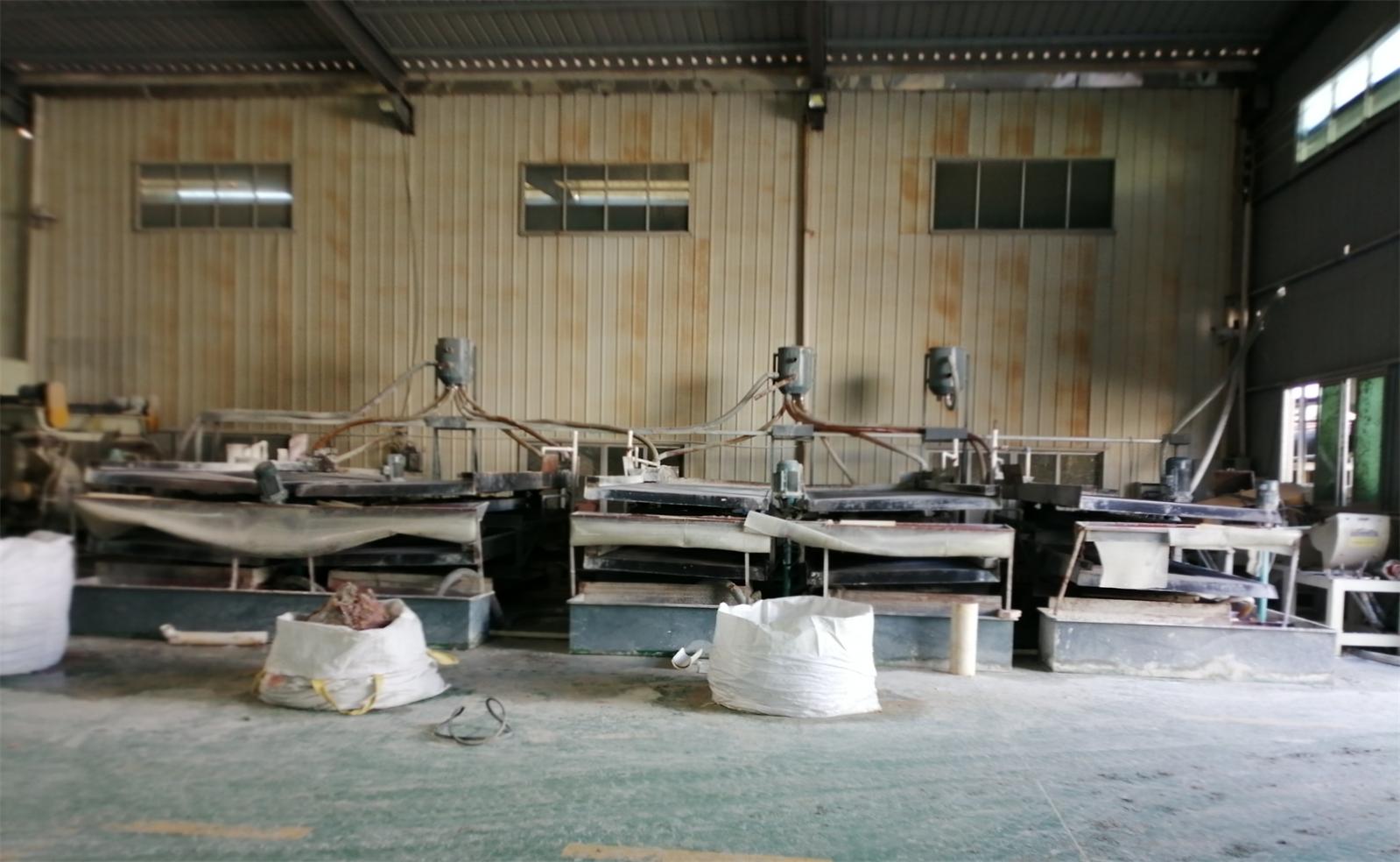
Printed circuit boards (PCBs) from computers, servers, and telecommunications equipment contain copper, precious metals, and rare earth elements. Circuit board recycling equipment uses either dry separation (air separator, electrostatic separator, pulse dust collector) or wet separation (water metal separator) to achieve copper powder purity of 96-98% and recovery rates around 95%.
Plants are available from 300 kg/hour pilot scales up to 2,000 kg/hour industrial lines, making them suitable for both entry-level operators and large-scale processors.
Scrap copper and aluminum cable is one of the most accessible feedstocks for new recyclers. Cable recycling equipment strips or granulates insulated wire to separate metal from plastic insulation. Compact granulators with dry separators are ideal for small yards, while larger plants can process jelly-filled cables and armored industrial wire.
Not all recycling machines are created equal. Before committing capital, evaluate your supplier on these criteria:
Technical Depth and Experience
Look for manufacturers with in-house mechanical engineering teams and at least a decade of field experience. E-waste recycling involves complex material science, safety systems, and environmental compliance. A supplier that only assembles components cannot support you when operational issues arise.
Turnkey Capability
The best suppliers offer EPC (Engineering, Procurement, Construction) project delivery. This means they design the plant layout, manufacture or source equipment, supervise installation, commission the line, and train your operators. Turnkey delivery reduces integration risk and accelerates time-to-revenue.
Environmental Compliance
Air pollution control, wastewater treatment, and dust collection are not optional add-ons. They are core systems that keep your plant operating legally and protect worker health. Verify that the supplier designs and integrates these systems as standard, not aftermarket extras.
After-Sales and Spare Parts
Recycling equipment operates in abrasive, high-wear environments. Ask about spare parts availability, response times for technical support, and whether the supplier keeps critical components in stock.
Proven Export Experience
Suppliers with customers across multiple continents understand international shipping, customs documentation, voltage standards, and regional regulatory differences. This experience saves weeks of delays and prevents costly misconfigurations.
San Lan Technologies Co., Ltd, established in 2007 and based in Jiangxi Province, China, has built its reputation as a leading recycling equipment supplier across more than 21 countries including Singapore, Colombia, Vietnam, Mexico, Argentina, Korea, Malaysia, Indonesia, South Africa, Tunisia, India, Kenya, Saudi Arabia, Philippines, and Zambia.
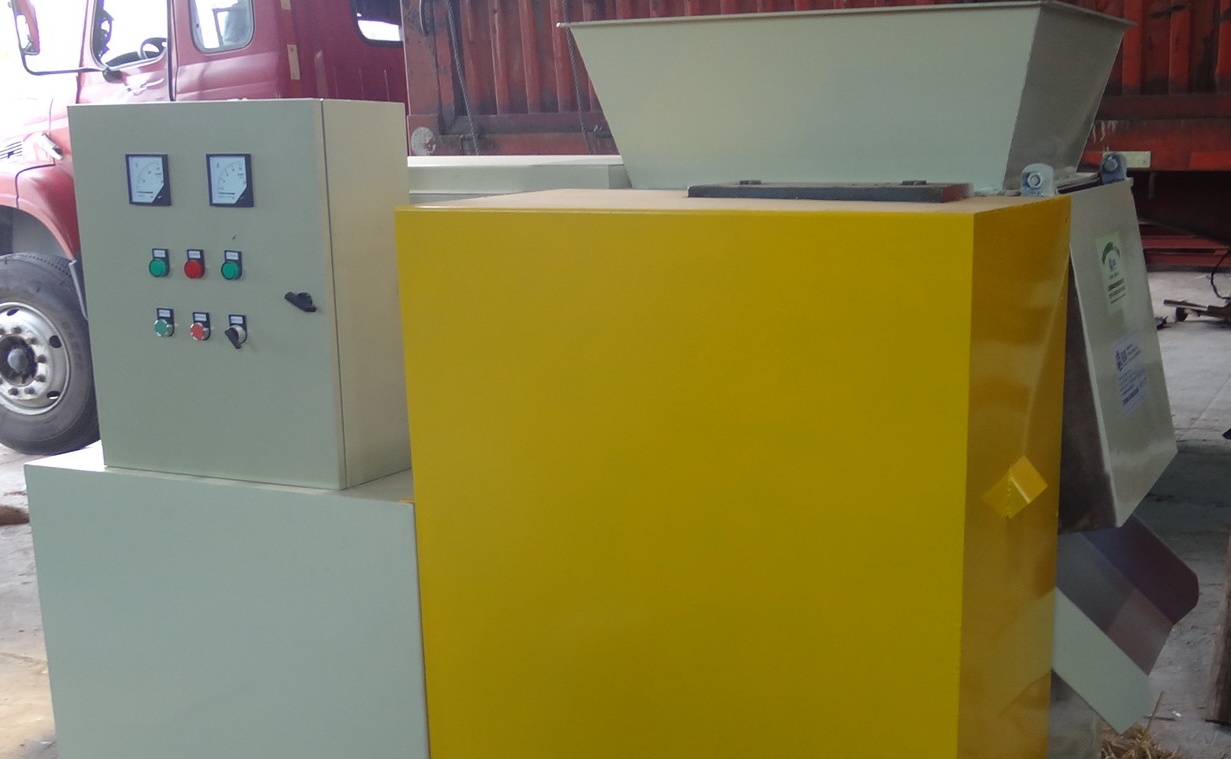
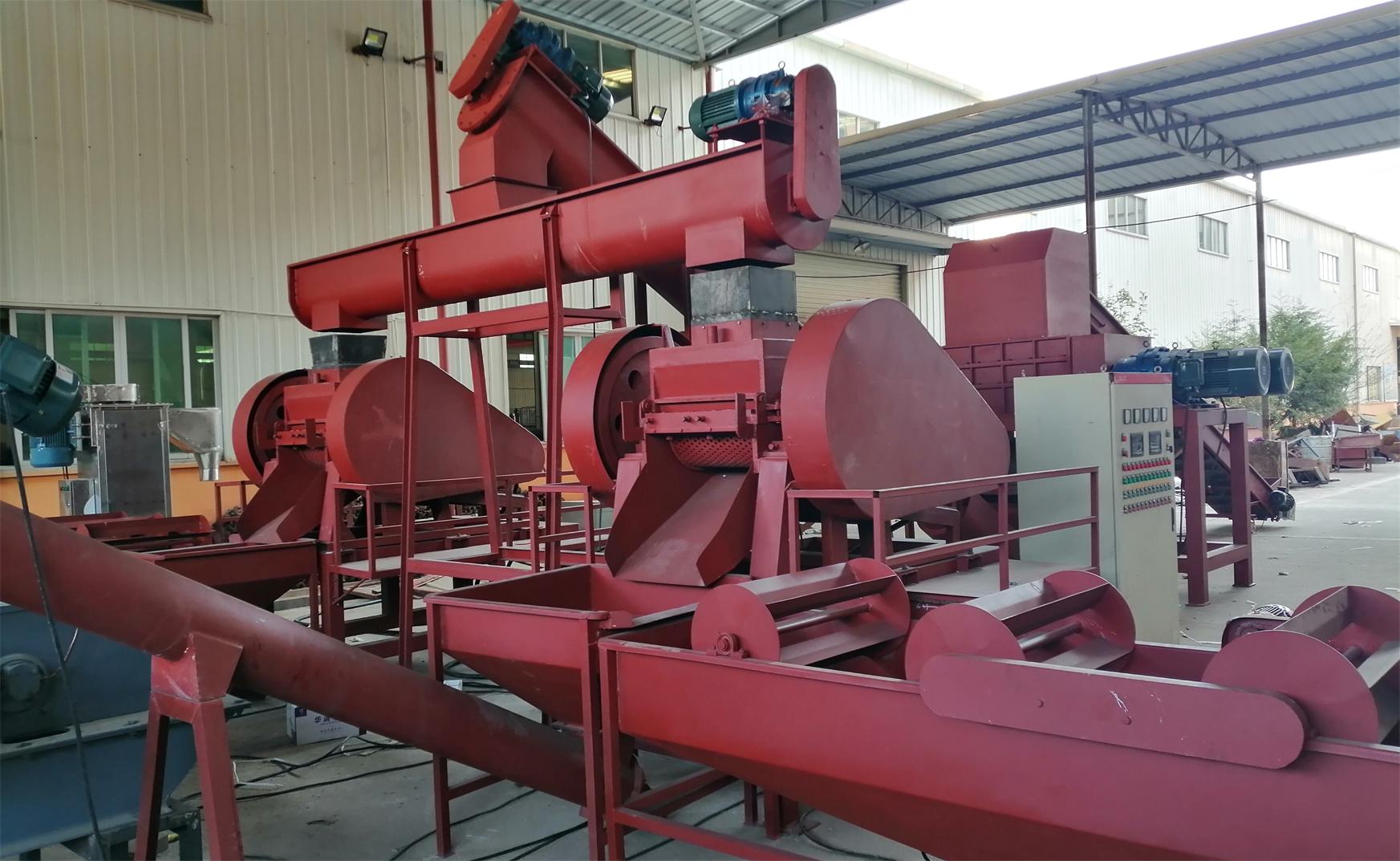
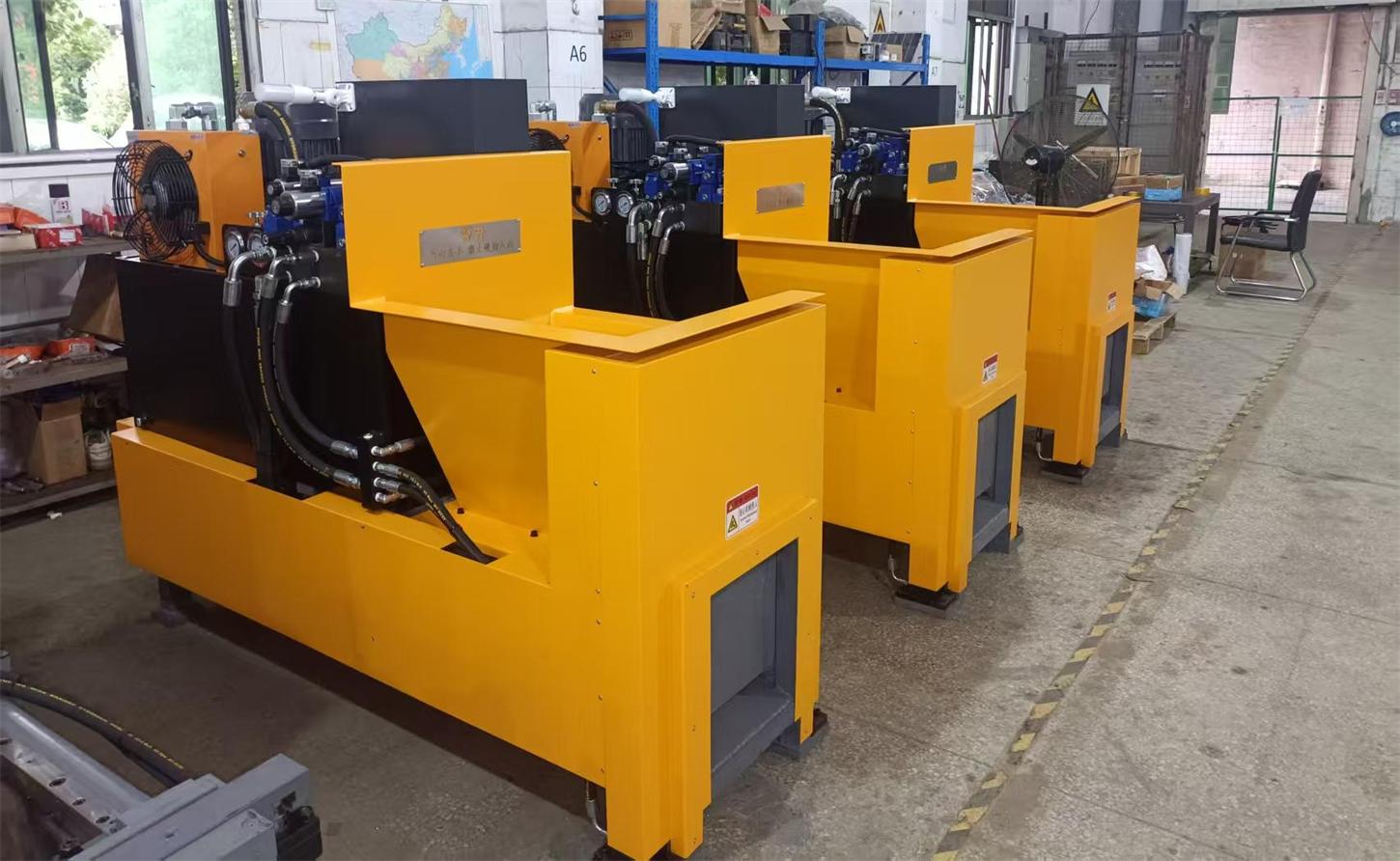
The company manufactures a comprehensive range of e-waste and mining equipment: lead acid battery recycling plants, lithium battery recycling plants, circuit board recycling lines, cable recycling machines, CRT cutters, refrigerator and AC recycling systems, motor recycling machines, shredders and pre-choppers, hydraulic press machines, lamp recycling equipment, and metal melting furnaces.
San Lan's technical team includes mechanical engineers with master's degrees and over 15 years of experience in e-waste recycling machine design. Beyond manufacturing, the company provides value-added services that many competitors cannot match: helping customers source waste feedstock, connecting investors with recycling plant construction opportunities, and assisting with the sale of recovered products such as copper rice, copper powder, and lead ingots.
For entrepreneurs entering the recycling sector, San Lan offers customized plant design, one-stop purchasing, installation and commissioning, and bilingual project management in English and Chinese. This combination of technical capability, export experience, and commercial support makes San Lan a low-risk partner for both first-time recyclers and expanding operators.
- Feedstock Assessment: Survey local availability of scrap batteries, circuit boards, cables, or refrigerators. Secure preliminary supply agreements before ordering equipment.
- Regulatory Licensing: Obtain environmental permits and business licenses. San Lan can advise on typical documentation requirements based on your jurisdiction.
- Plant Design and Quotations: Share your feedstock types, estimated volumes, and budget. A professional supplier will propose equipment configurations with capacity, footprint, and utility requirements.
- Financing and Partnerships: If capital is limited, ask about investor introductions or phased project rollouts starting with one high-margin product line.
- Installation and Commissioning: Plan for on-site supervision, operator training, and a trial production period before commercial operations begin.
- Product Offtake: Line up buyers for your recovered metals, plastics, and concentrates. San Lan can share its network of international offtake contacts.
The e-waste recycling industry is moving from informal collection to professional, automated processing. Companies that invest in reliable equipment and experienced manufacturing partners today will capture market share and margins for the next decade. Whether your focus is lead acid batteries, lithium batteries, circuit boards, or cable scrap, the technology exists to extract maximum value with minimal environmental impact. The critical decision is choosing a partner that can deliver not just machines, but a complete operational foundation.
If you are evaluating recycling equipment for a new project or plant expansion, contact San Lan Technologies to discuss feedstock analysis, plant design, and turnkey delivery options.