How to Build a Profitable E-Waste Recycling Business with Proven Equipment
The global e-waste stream is accelerating. Millions of tons of discarded electronics, batteries, and cables pile up every year, creating both an environmental challenge and a business opportunity. For entrepreneurs and established waste management companies alike, investing in reliable recycling equipment is no longer optional. It is essential for capturing value from waste while meeting tightening environmental regulations.
Starting or expanding a recycling operation requires more than just machinery. You need a partner who understands the full process, from raw material intake to final product sale. This guide explains the key equipment categories, what to look for in a supplier, and how an experienced manufacturer can help you build a profitable, compliant recycling plant.
The Market Opportunity in E-Waste Recycling
Governments across Southeast Asia, Africa, Latin America, and the Middle East are introducing stricter rules for electronic waste disposal. At the same time, raw material prices for copper, aluminum, lead, and precious metals continue to fluctuate, making urban mining an attractive alternative to traditional extraction. Recycling plants that can efficiently recover these materials stand to generate steady returns.
Small workshops often begin with compact integrated systems, while large industrial bases build entire production lines. In either case, the fundamentals remain the same. You need equipment that can handle your specific feed material, operate reliably under local conditions, and produce output that meets market standards.
Essential Equipment for a Modern Recycling Operation
A comprehensive e-waste recycling setup typically covers several material streams. Here are the core categories that most successful plants include.
Lead Acid Battery Recycling
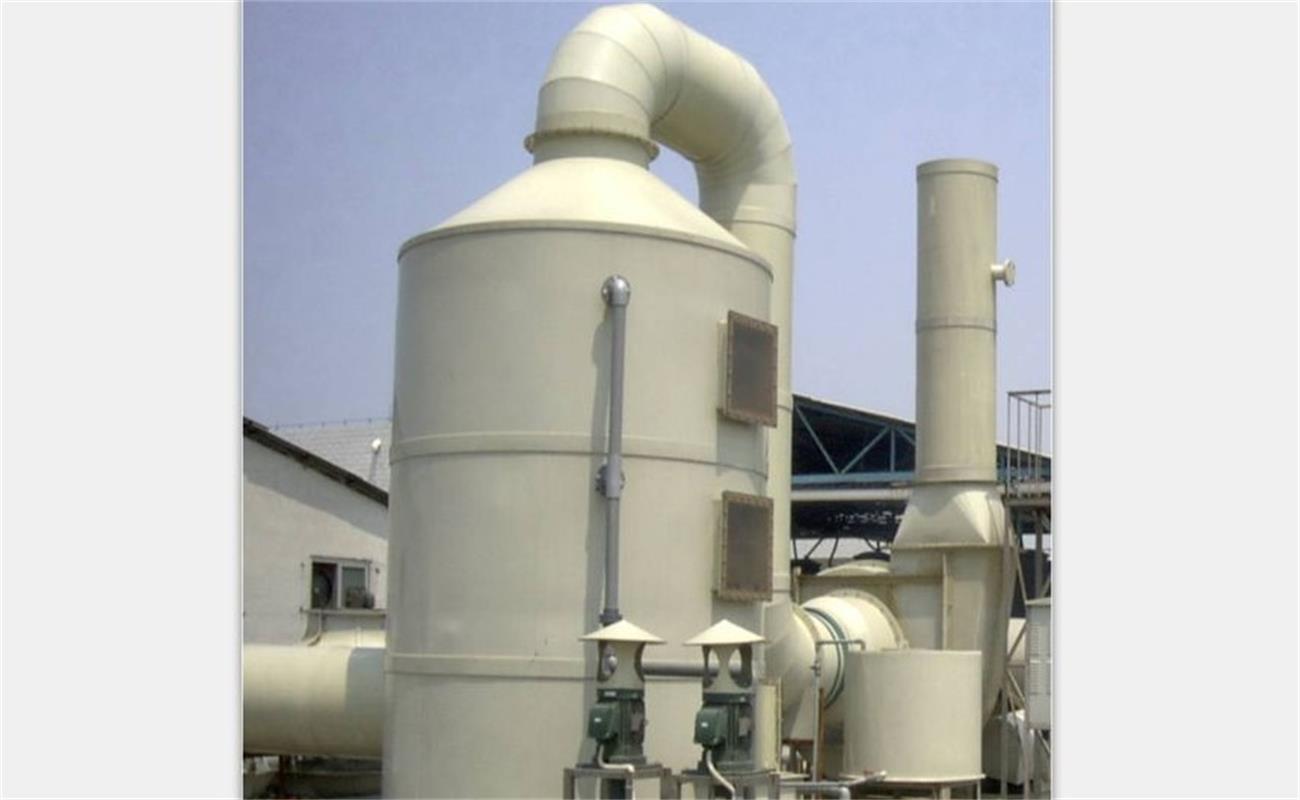
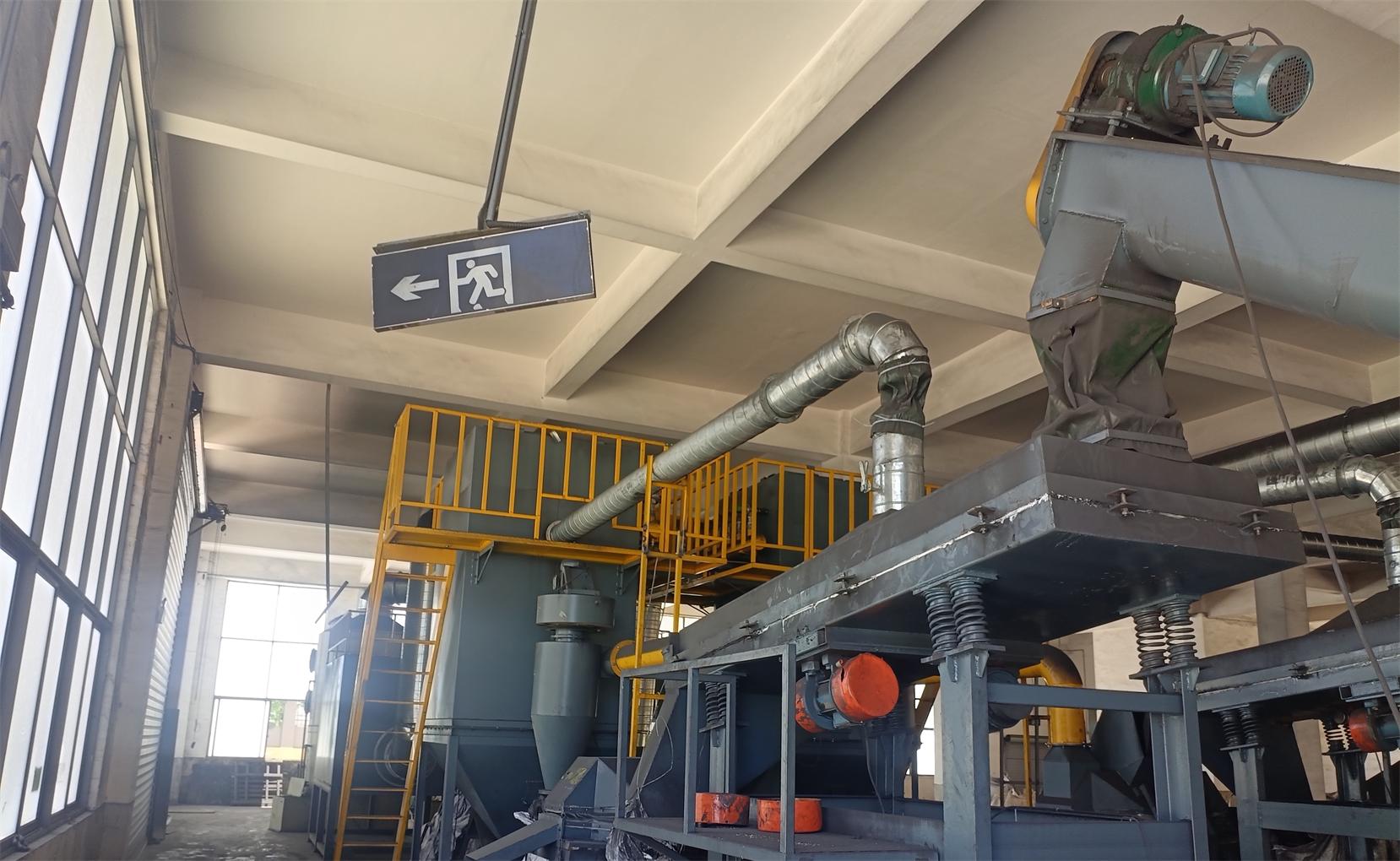
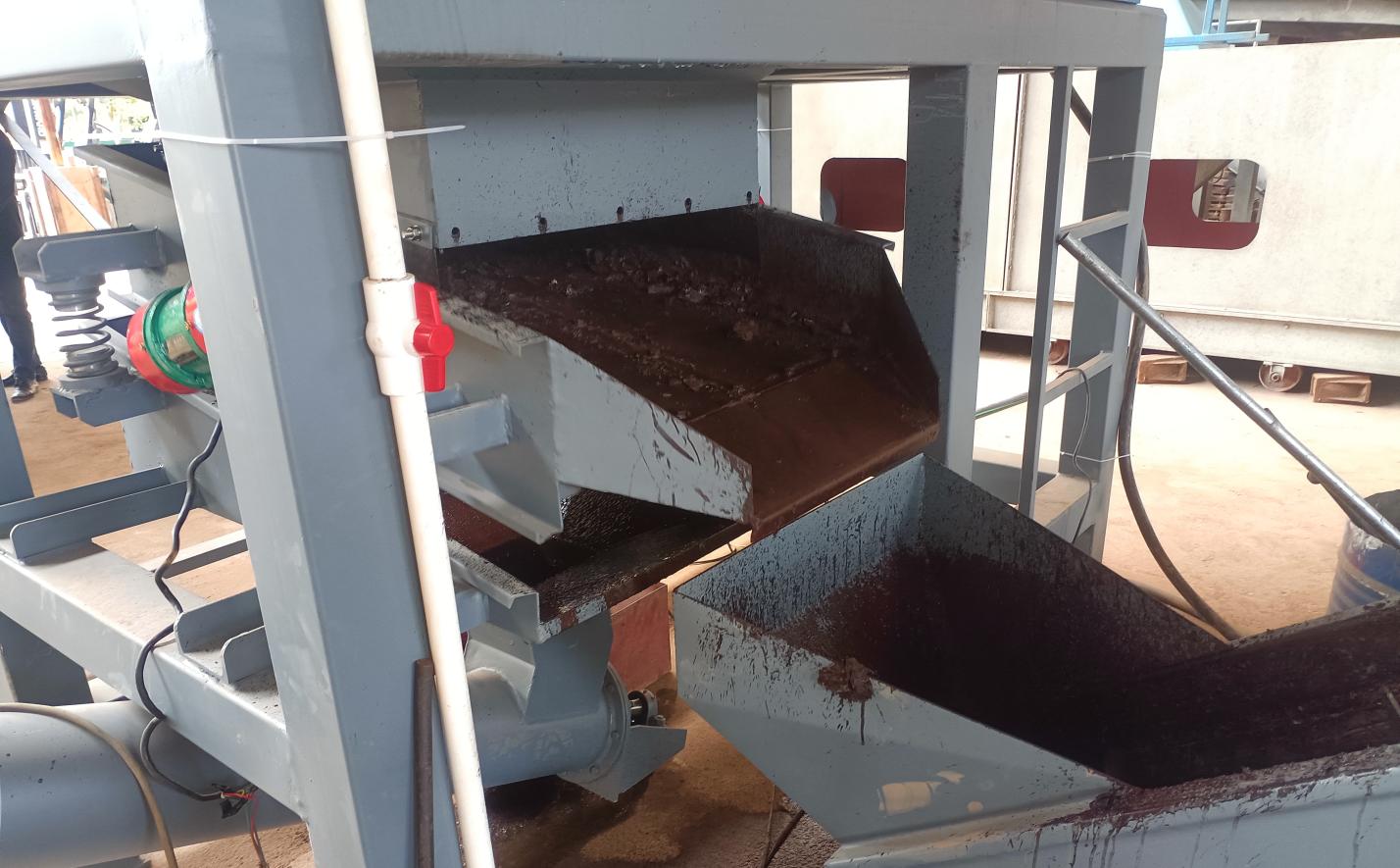
Used lead acid batteries represent one of the most recyclable waste streams. A complete lead acid battery recycling equipment setup breaks and separates batteries to recover acid, plastic shells, lead grids, and lead paste. The paste then goes through smelting in rotary furnaces or blast furnaces, followed by refining to 99.999% purity. Systems with capacities from 1 to 10 MT per hour are available, including pollution control and water treatment units to meet environmental requirements.
Cable Recycling
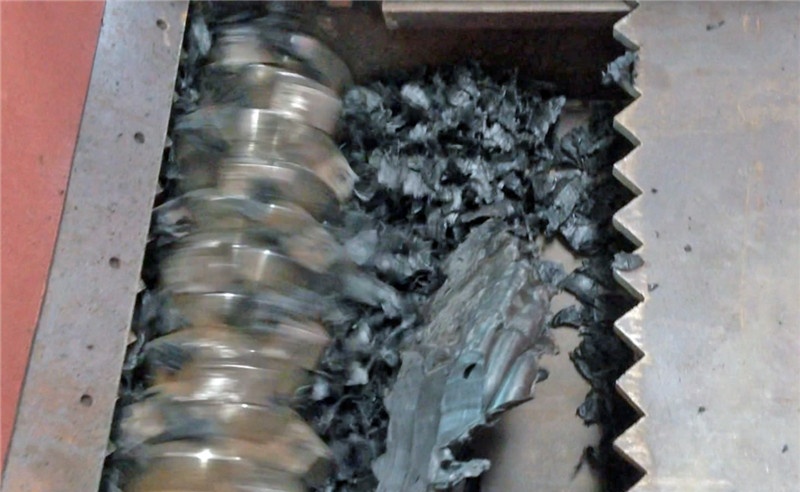
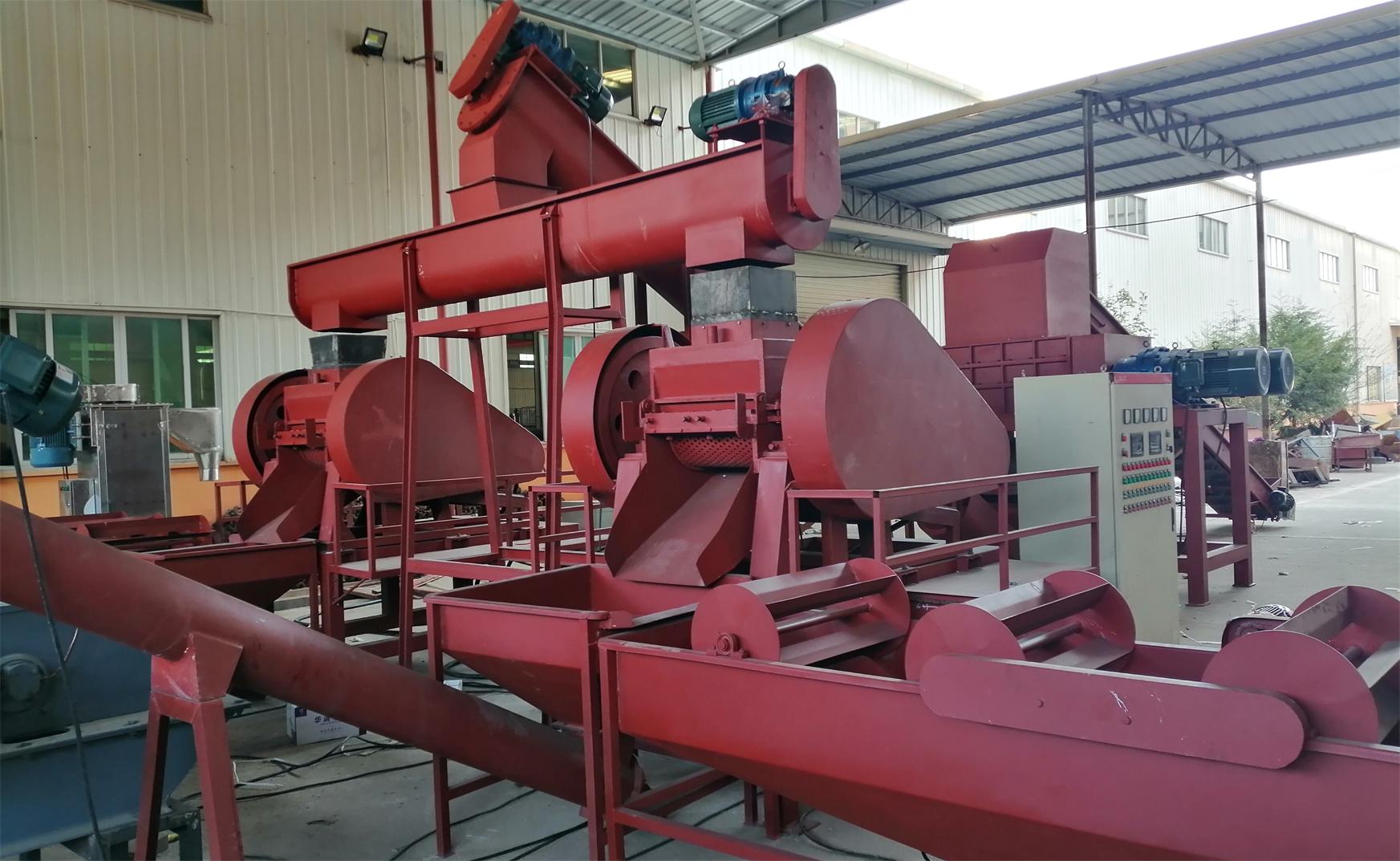
Scrap cables contain valuable copper and aluminum trapped inside plastic insulation. Cable recycling equipment uses granulators and separators to shred the cable and separate metal from plastic. Dry separation systems can achieve copper purity of 96-98% with no dust pollution. Whether you process thin communication wires or thick industrial cables, the right system can turn waste into high-grade copper rice suitable for direct sale to smelters.
Circuit Board Recycling
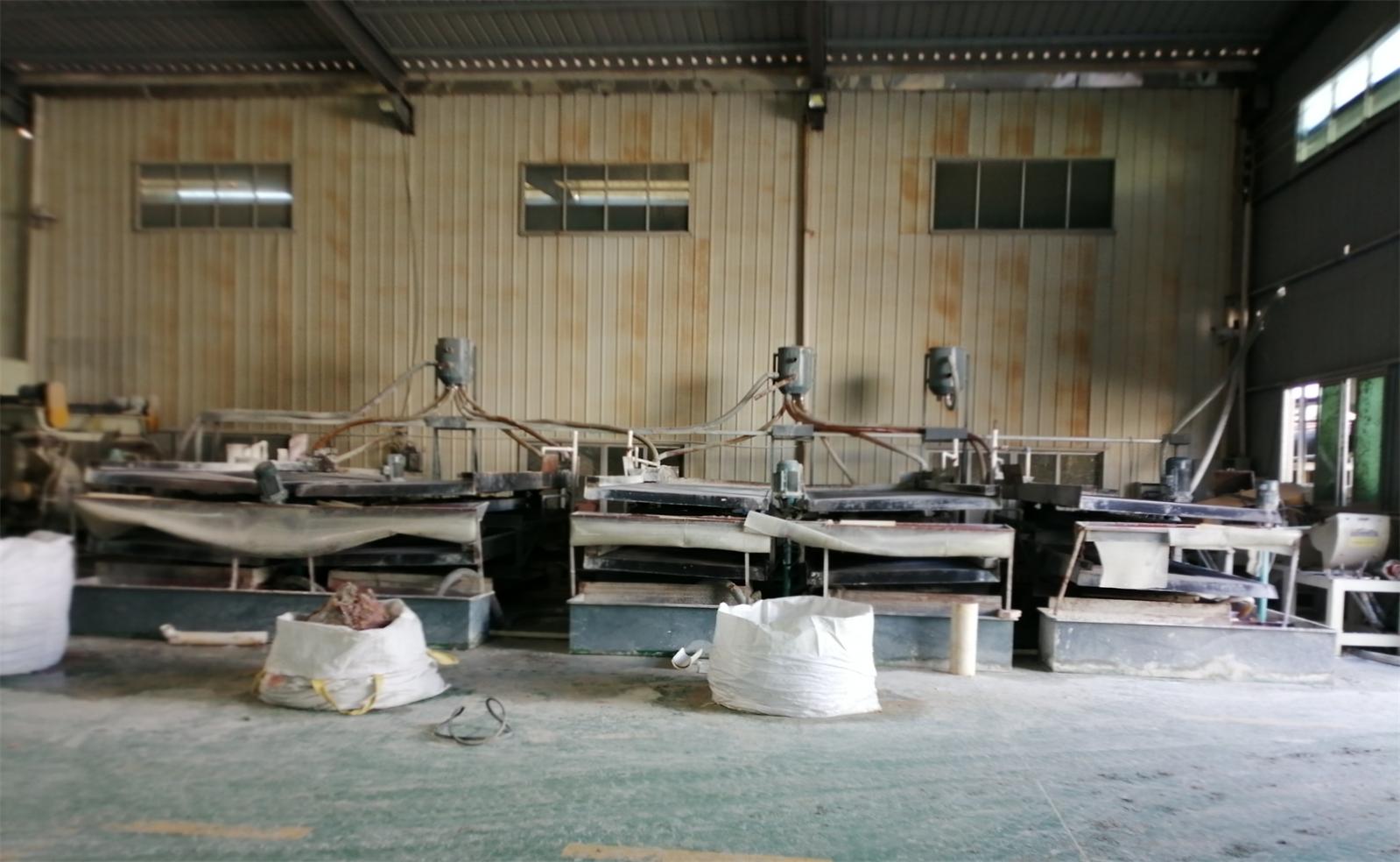
Printed circuit boards contain copper, precious metals, and non-metal resin. Circuit board recycling equipment uses mechanical crushing, air classification, and electrostatic separation to recover metal powder without chemical pollution. Wet separation systems can process PCBs with components still attached, offering flexibility for different feed materials. Capacities range from 300 kg to 2,000 kg per hour depending on the model.
Lithium Battery Recycling
With the electric vehicle revolution underway, spent lithium-ion batteries are becoming a major feedstock. Lithium battery recycling equipment breaks and separates these batteries to recover black mass containing nickel, cobalt, and graphite, plus plastic, copper, and aluminum. Capacity ranges from 500 to 2,500 kg per hour, with integrated air pollution control systems for safe operation.
What Sets a Reliable Equipment Supplier Apart
Choosing the right partner is as important as choosing the right machines. Here are four factors that separate experienced manufacturers from mere traders.
Technical depth. Look for a manufacturer with an in-house engineering team that holds advanced degrees in mechanical engineering and has spent years operating recycling equipment in real conditions. Theory matters, but field experience matters more.
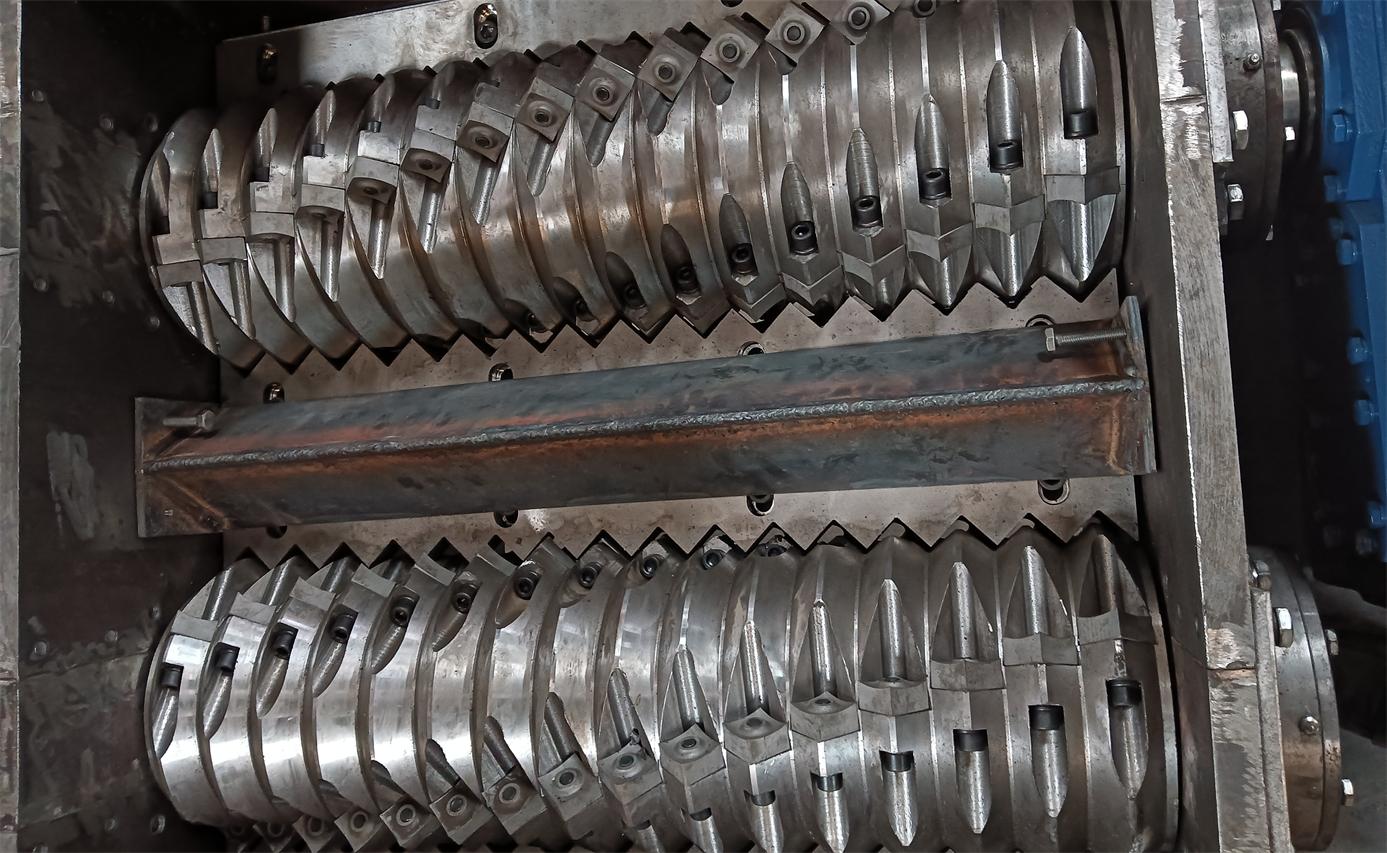
Customization capability. Your feed material, local regulations, power supply, and target capacity are unique. A supplier that only sells standard configurations may leave you with mismatched equipment. Customized design, from shredder blade patterns to control system languages, ensures your plant runs efficiently from day one.
End-to-end project support. Building a recycling plant involves more than unpacking crates. You need help with layout design, installation, commissioning, operator training, and ongoing spare parts supply. Some suppliers even assist with sourcing waste materials and selling recovered products, which can accelerate your path to profitability.
Proven international track record. A supplier with customers in dozens of countries has demonstrated reliability across diverse climates, electrical standards, and regulatory environments. Ask for references in your region.
San Lan Technologies: A Partner with Nearly Two Decades of Experience
Founded in 2007, San Lan Technologies Co., Ltd is a professional manufacturer of WEEE recycling machines and mining equipment based in Ganzhou, Jiangxi Province, China. The company has built a customer base spanning more than 21 countries, including Singapore, Colombia, Vietnam, Mexico, Argentina, Korea, Malaysia, Indonesia, South Africa, Tunisia, India, Kenya, Saudi Arabia, the Philippines, Zambia, and Israel.
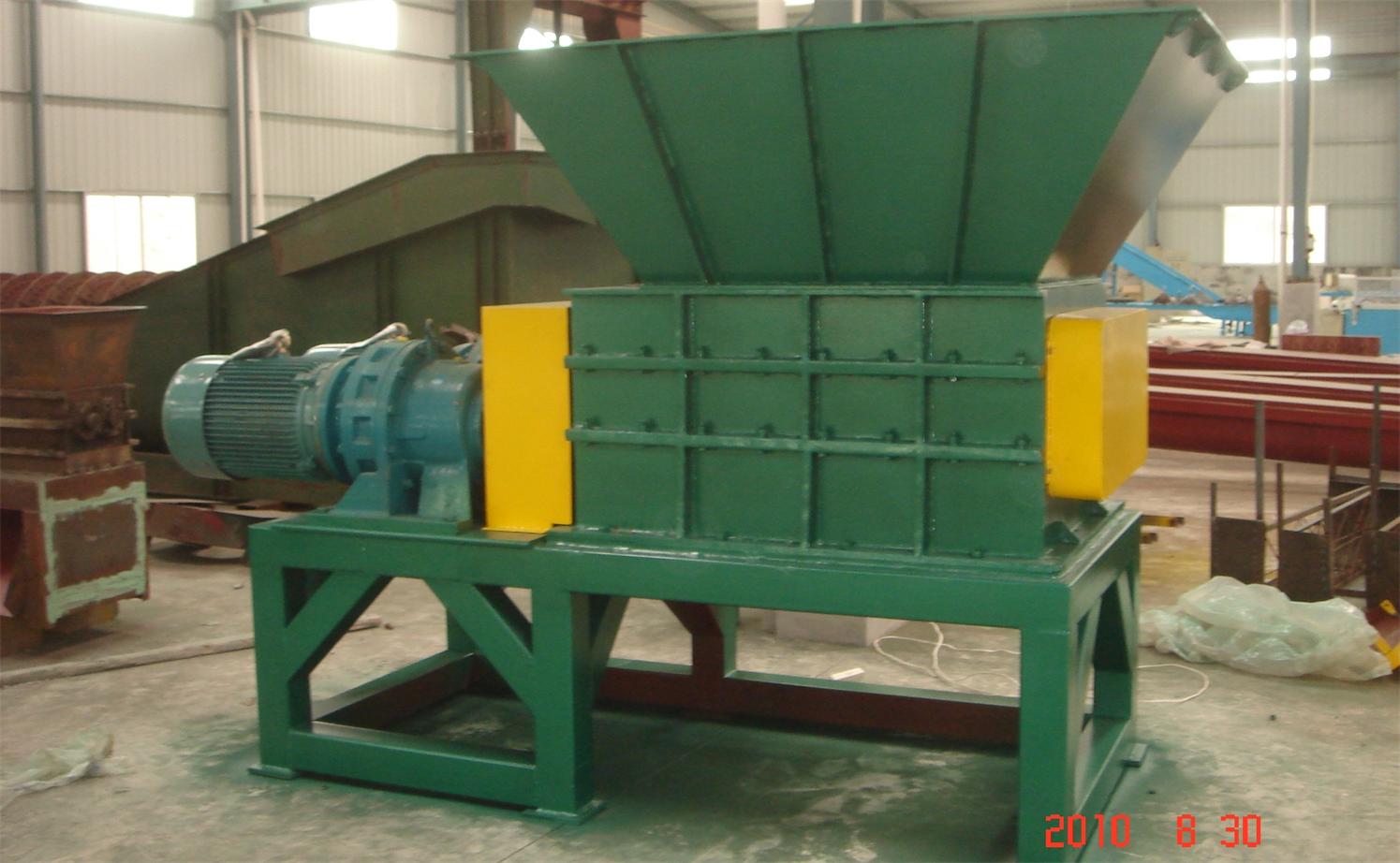
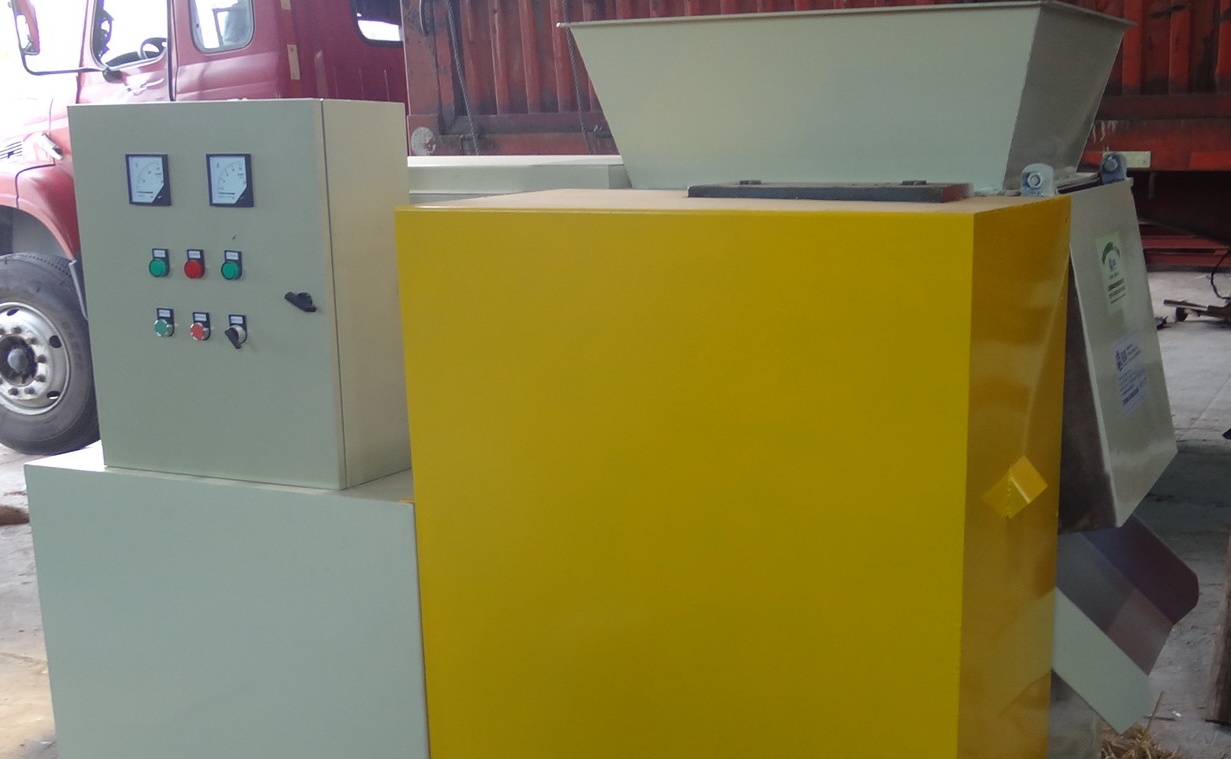
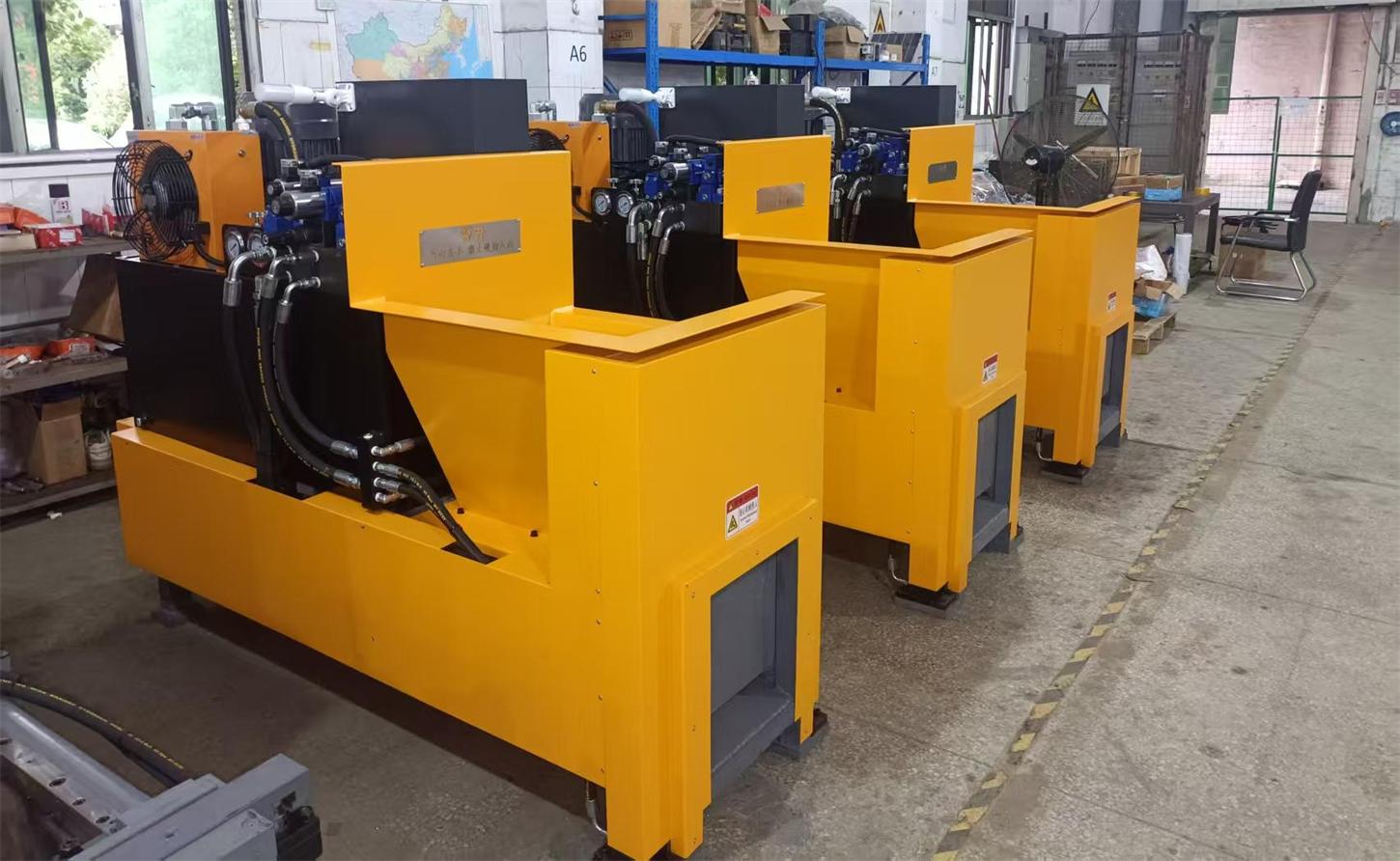
San Lan's product range covers the full spectrum of e-waste recycling needs. This includes lead acid battery recycling plants, lithium battery recycling plants, circuit board recycling plants, cable recycling machines, CRT recycling machines, refrigerator and air conditioner recycling lines, motor recycling machines, shredders and pre-choppers, hydraulic presses, and metal melting furnaces. The company also offers nano ceramic grinding media for mineral processing.
Beyond manufacturing individual machines, San Lan provides EPC project services. This means the company can handle engineering, procurement, and construction for entire recycling plants. Customers receive customized design, one-stop purchasing, installation, and commissioning. San Lan even helps clients purchase waste materials such as cable scrap, PCB scrap, and used lead acid batteries, and assists in selling recovered products like copper rice, copper powder, and lead ingots.
The technical team includes professionals with master's degrees in mechanical engineering and over 15 years of working experience in e-waste recycling machines. The company is essentially bilingual in English and Chinese, which simplifies communication for international clients and reduces the risk of misunderstandings during project execution.
Getting Started on Your Recycling Project
The e-waste recycling industry is entering a period of sustained growth. Choosing the right equipment supplier can mean the difference between a struggling startup and a profitable, compliant operation. If you are planning to enter the recycling business or expand your existing capacity, start by defining your feed material, target capacity, and budget. Then contact a manufacturer that can tailor a solution to your specific situation.
Ready to explore recycling equipment for your project? San Lan Technologies welcomes inquiries from entrepreneurs, investors, and established recycling companies worldwide. The team can provide detailed quotations, layout drawings, and video references from operating plants.
WhatsApp: +86 139 2377 4083
Email: info@san-lan.com
Website: https://www.san-lan.com
Address: Industry park, Shicheng county, Ganzhou city, Jiangxi Province, P.R. China