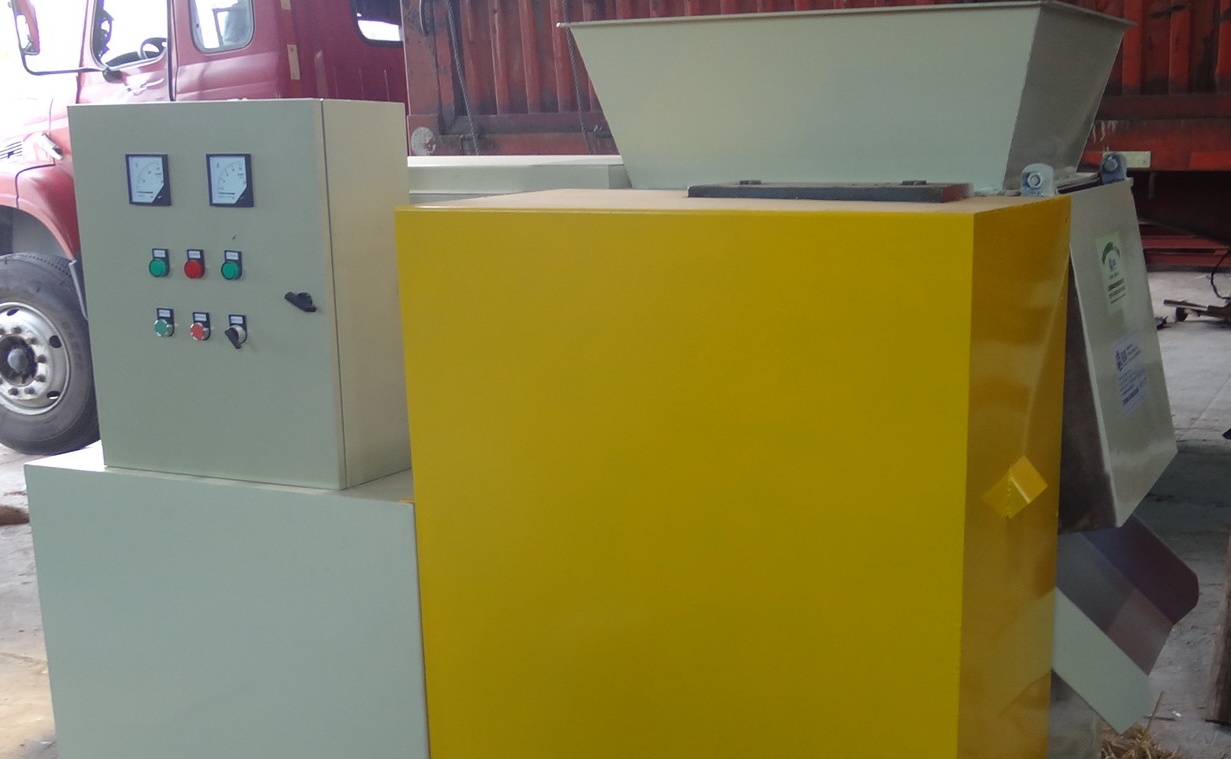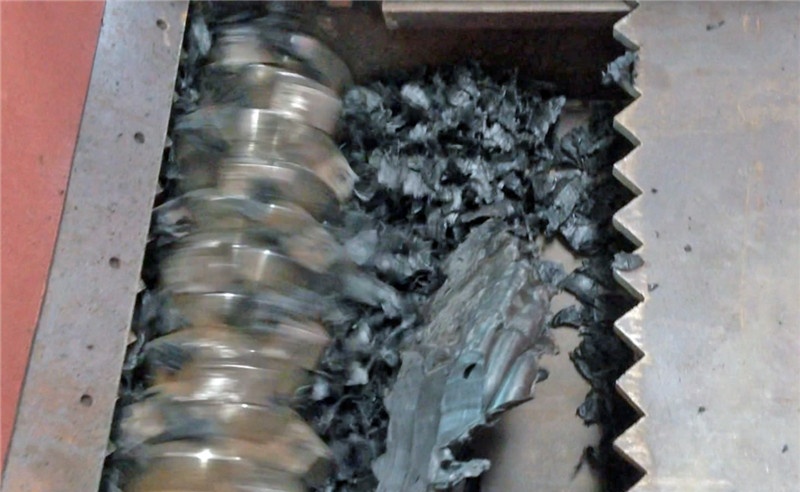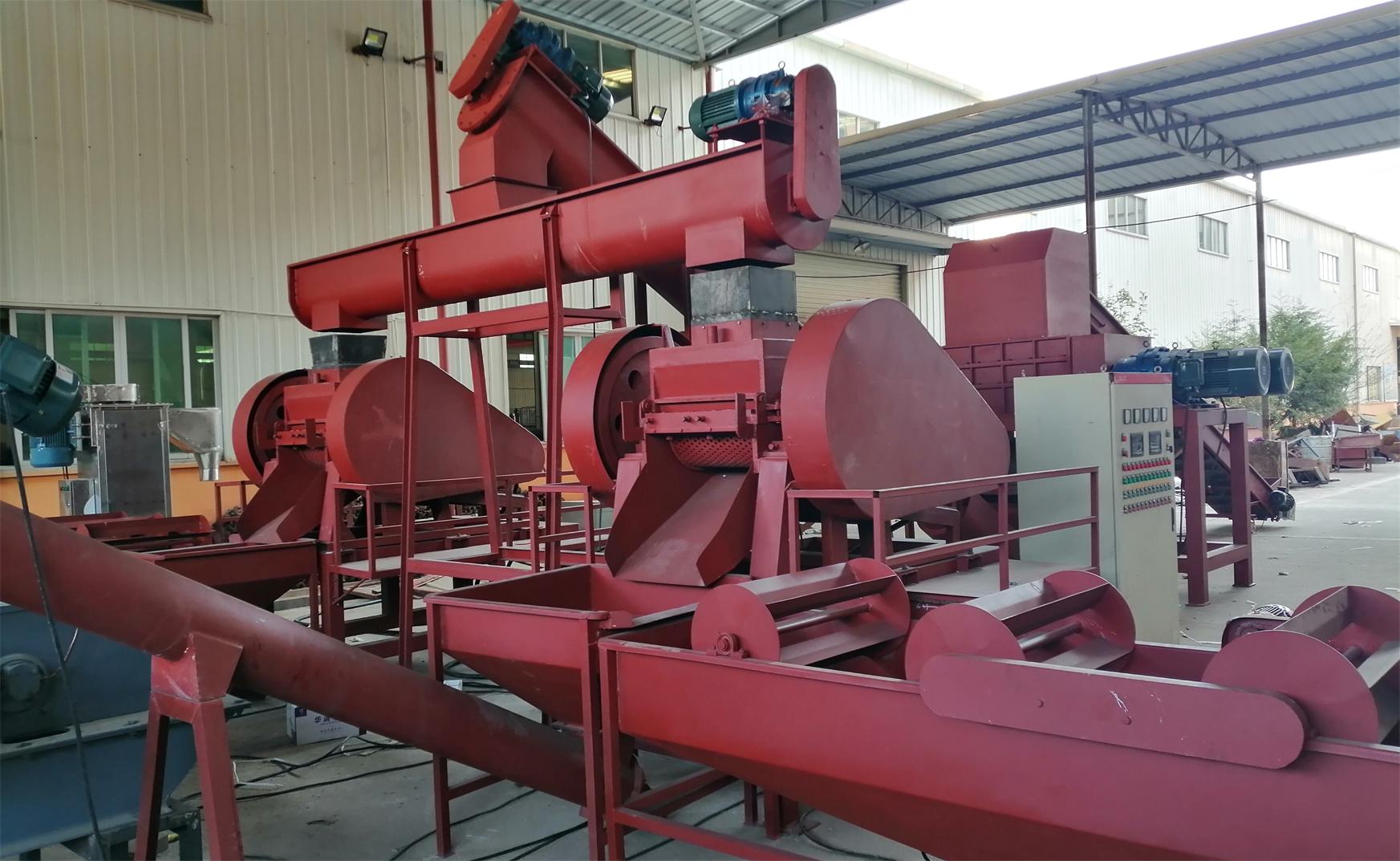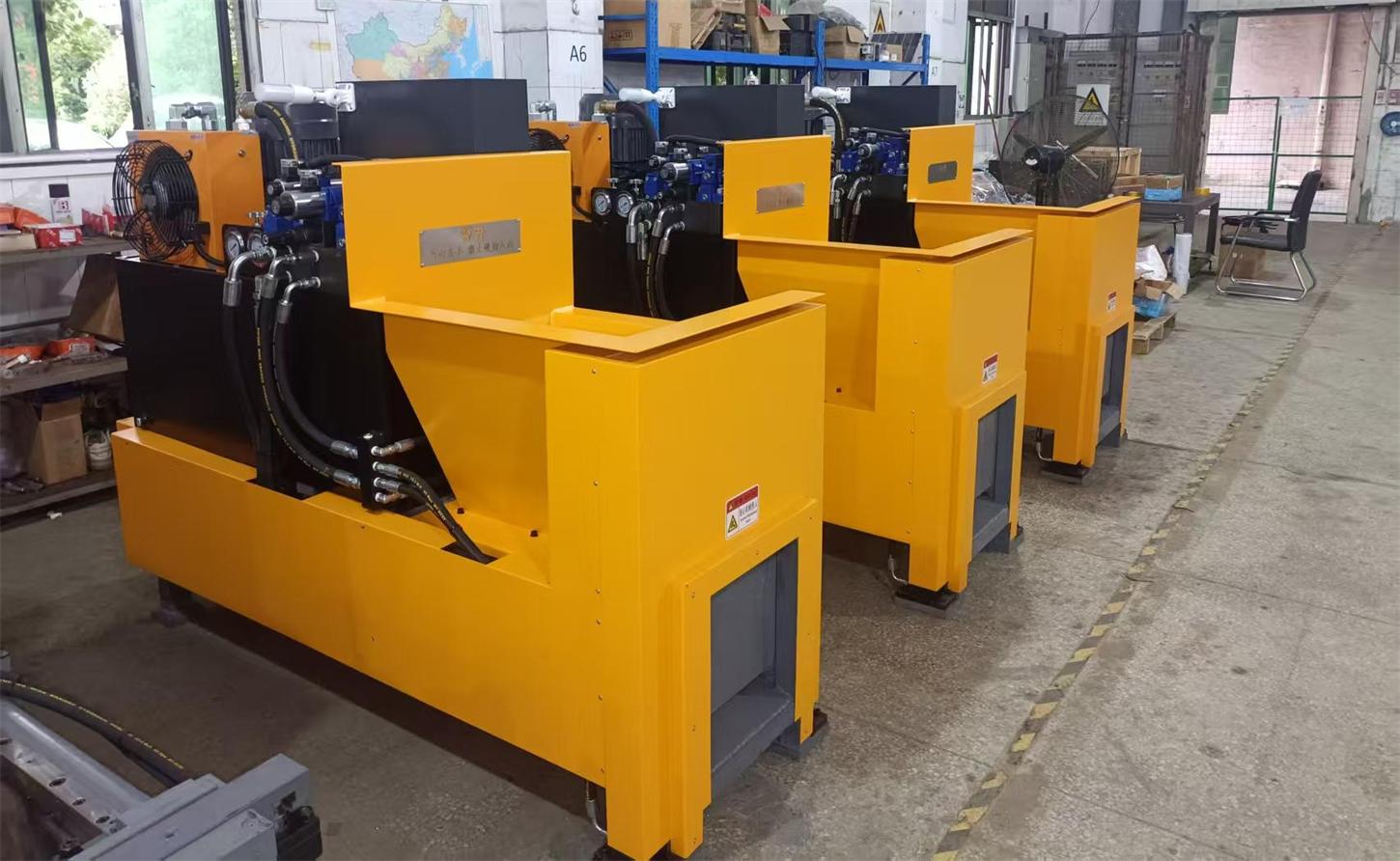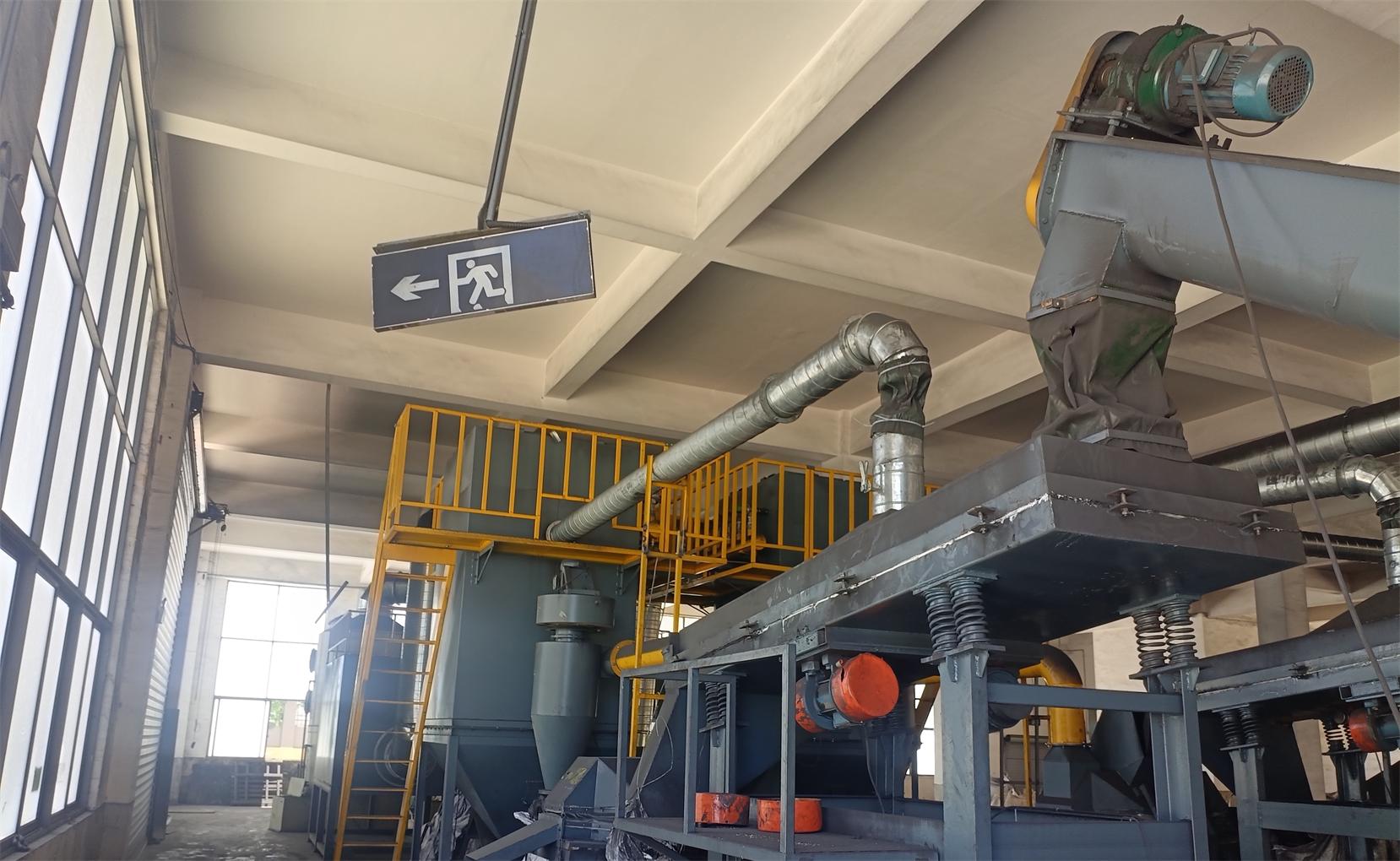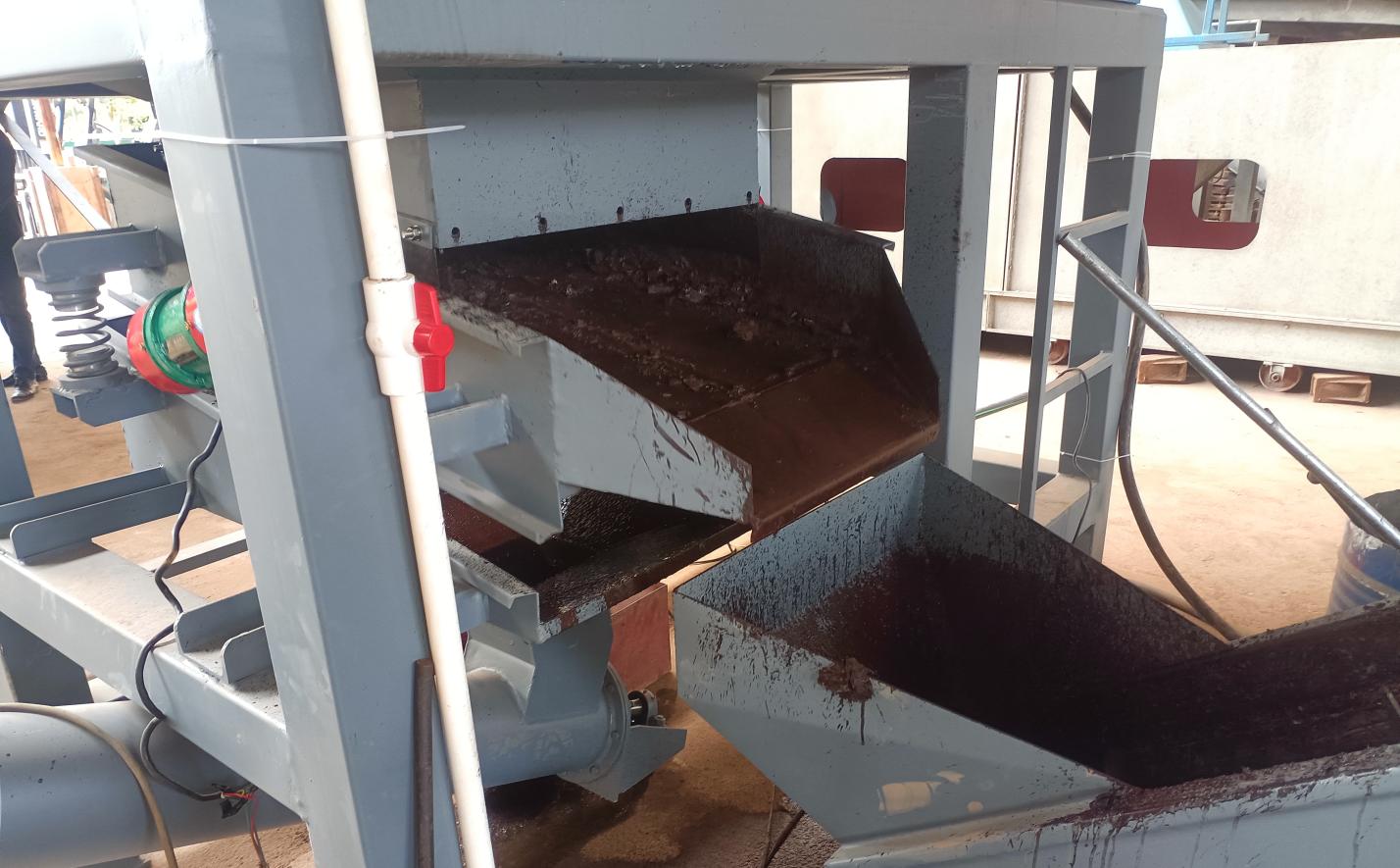
The global surge in electronic waste presents both an environmental challenge and a significant business opportunity. With over 60 million metric tons of e-waste generated annually worldwide, entrepreneurs and investors who enter the recycling industry with the right strategy and equipment can build highly profitable operations while contributing to a sustainable future.
Why E-Waste Recycling Is a High-Growth Industry
Electronic waste is the fastest-growing waste stream on the planet. Discarded smartphones, laptops, batteries, cables, and appliances contain valuable metals such as copper, gold, silver, lead, and lithium. Rather than letting these resources sit in landfills, modern recycling plants can recover them with efficiency rates exceeding 95%.
Governments across the globe are tightening environmental regulations and offering incentives for proper e-waste disposal. This regulatory push, combined with rising raw material prices, has created strong market demand for professional recycling equipment supplier solutions that can process large volumes reliably and profitably.
Core Equipment for a Complete Recycling Plant
Success in the e-waste recycling business depends heavily on selecting the right machinery for your target materials. Below are the essential equipment categories that form the backbone of a comprehensive recycling operation.
Lead Acid Battery Recycling Equipment
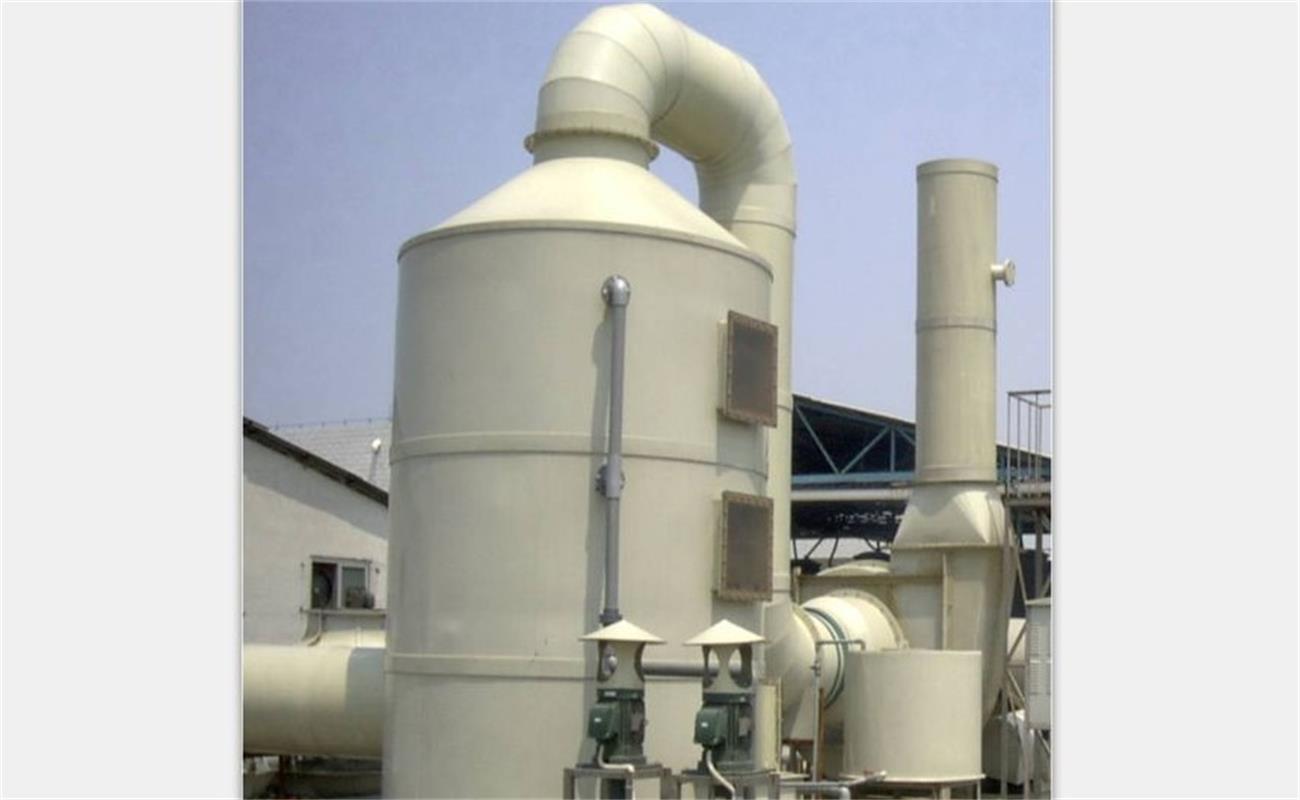
Used lead acid batteries represent one of the most recycled products globally. A complete lead acid battery recycling equipment line typically includes battery cutters, breaking and separation systems, desulfurization units, rotary furnaces for paste reduction, blast furnaces, refinery kettle furnaces, and air pollution control systems. These integrated systems can process 1 to 10 metric tons per hour, recovering lead grid, lead paste, plastic shells, and acid in an environmentally compliant manner.
Cable Recycling Machines
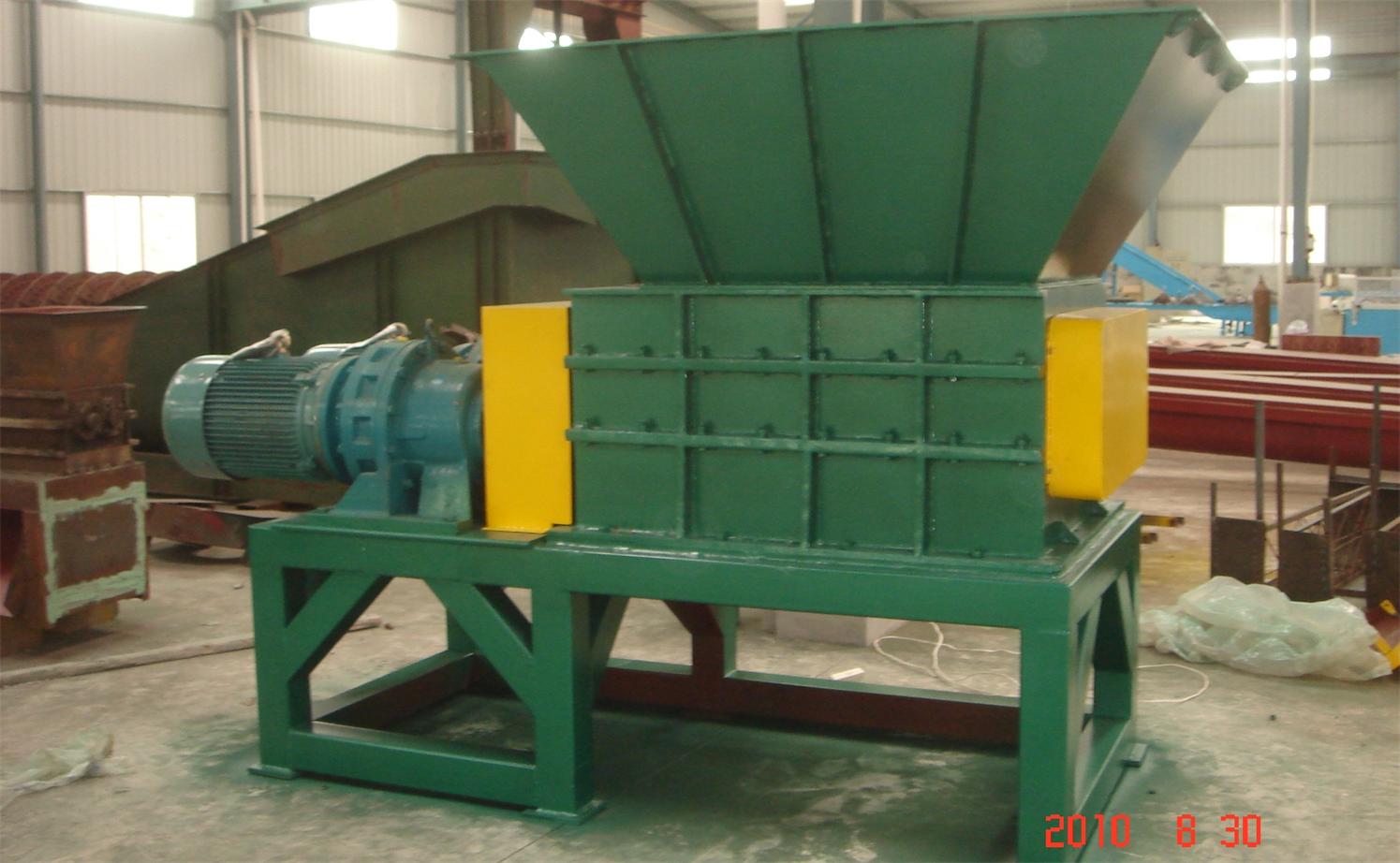
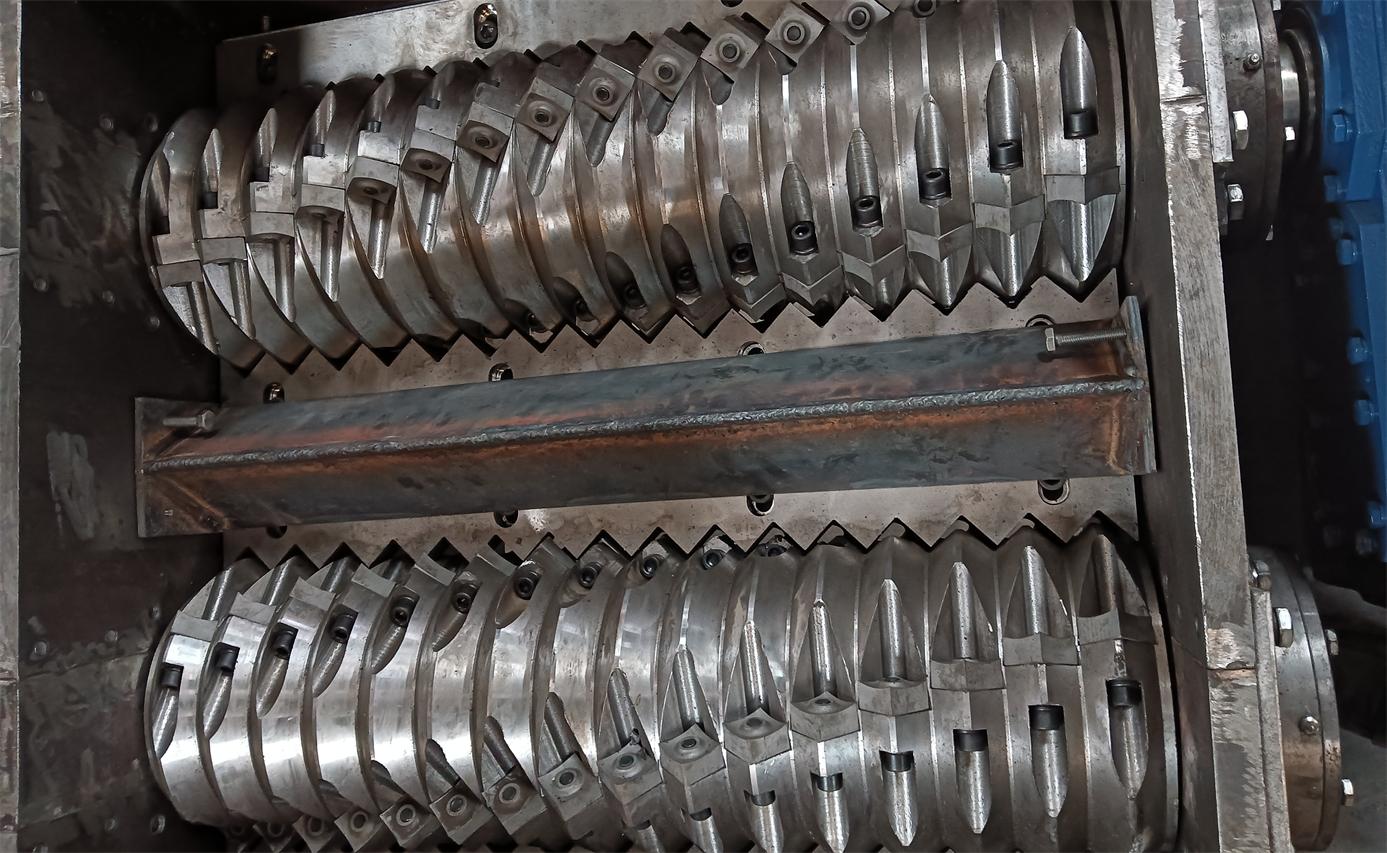
Scrap cables and wires are abundant in construction, telecommunications, and automotive sectors. A high-quality cable recycling machine uses dry or wet separation technology to grind cables into small granules and then separate copper or aluminum from plastic insulation. Capacities range from 100 kg/hour for compact units to over 1,200 kg/hour for industrial-scale plants. Copper purity from advanced granulators typically reaches 96% to 98%, making the operation highly profitable given current copper prices.
Circuit Board Recycling Equipment
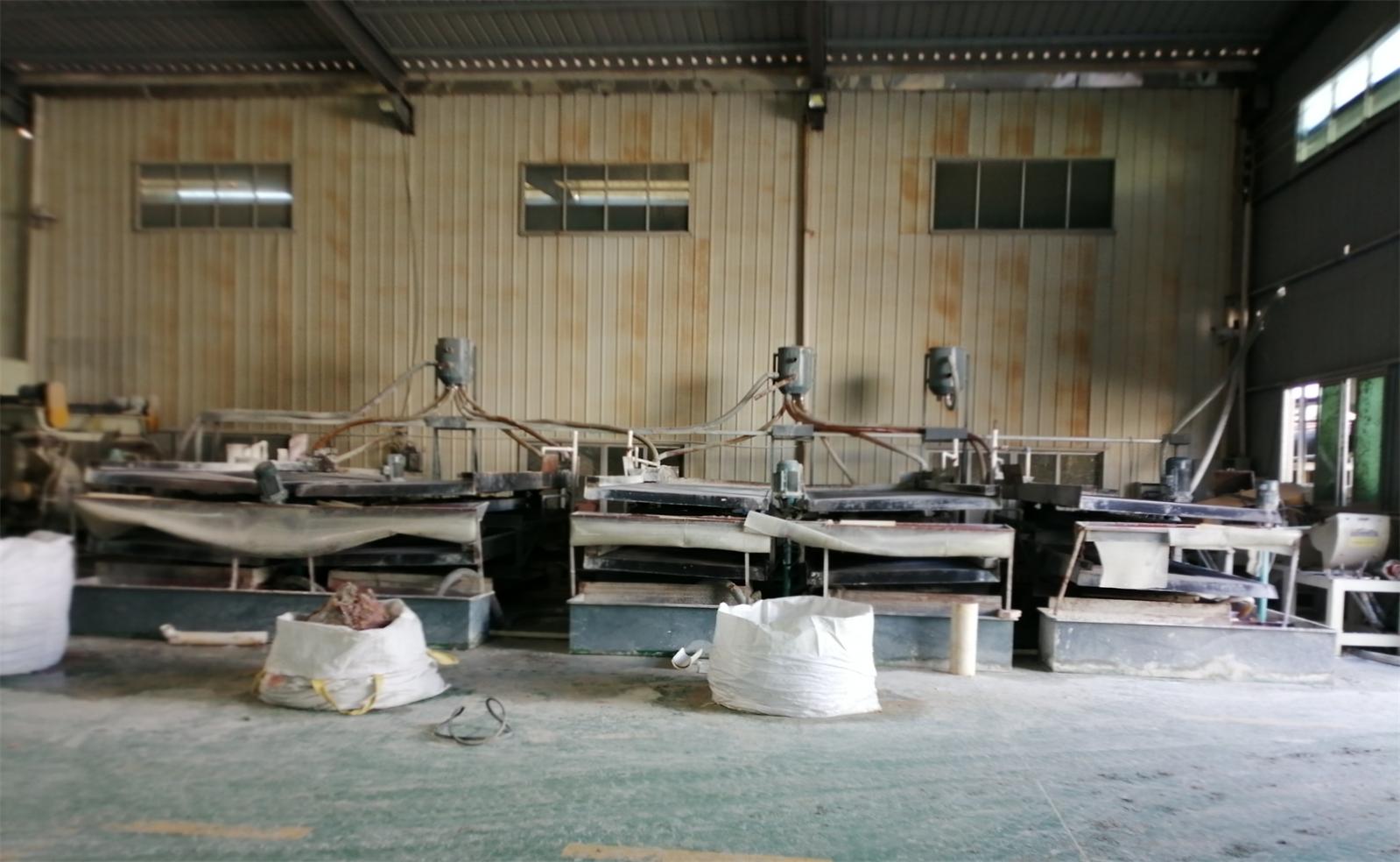
Printed circuit boards (PCBs) contain precious metals including gold, silver, palladium, and copper. Specialized circuit board recycling equipment employs mechanical crushing combined with air separation, electrostatic separation, or wet separation to recover metal powder. Modern plants can handle 300 to 2,000 kg/hour with recovery rates around 95%, producing copper powder with purity levels of 96% to 98%.
Lithium Battery Recycling Plants
As electric vehicles and portable electronics proliferate, spent lithium-ion batteries have become a critical feedstock. Lithium battery recycling plants discharge, pre-crush, and granulate waste batteries to recover black mass containing nickel, cobalt, and graphite, along with copper, aluminum, and plastic. Capacities typically range from 500 to 2,500 kg/hour, with dedicated air pollution control systems ensuring safe handling of potentially harmful gases.
Turnkey Solutions: From Design to Commissioning
Building a recycling plant involves far more than purchasing individual machines. Engineering, procurement, and construction (EPC) expertise is essential for plant layout design, utility integration, environmental compliance, and operational training. Experienced providers offer customized design services, one-stop purchasing centers, installation and commissioning support, and even assistance with sourcing waste materials and selling recovered products such as copper rice, lead ingots, and metal powders.
- Proven experience with EPC projects and customized plant design
- Comprehensive product range covering shredding, separation, smelting, and pollution control
- Technical support team with deep mechanical engineering expertise
- Global installation and commissioning capabilities
- After-sales support including spare parts and operational guidance
Maximizing Profitability and Sustainability
A well-planned recycling plant can generate returns through multiple revenue streams: recovered metals sold to smelters and refineries, plastic granules sold to manufacturers, and environmental credits where applicable. The key to profitability lies in achieving high recovery rates, minimizing energy consumption, and maintaining continuous production with minimal downtime.
Environmental compliance is not optional. Modern recycling plants must incorporate dust collection systems, wastewater treatment, and exhaust gas purification to meet local and international standards. Investing in robust pollution control infrastructure protects both the environment and the long-term viability of your business.
Conclusion
The e-waste recycling industry offers tremendous potential for investors who approach it with the right equipment, technical expertise, and strategic partnerships. Whether your focus is lead acid batteries, scrap cables, circuit boards, or lithium-ion batteries, selecting a reliable equipment supplier with turnkey project experience is the foundation of a successful and sustainable recycling business.
Ready to start your recycling plant? San Lan Technologies Co., Ltd has been manufacturing WEEE recycling machines and mining equipment since 2007. With customers in over 21 countries and a full range of recycling solutions from shredders to complete processing plants, we provide the expertise and equipment you need to turn waste into value. Contact us today to discuss your project requirements.