How to Build a Profitable E-Waste Recycling Business in 2026
Every year, businesses and consumers around the world discard millions of tons of electronic waste. Old batteries, scrap cables, used circuit boards, and end-of-life appliances pile up in landfills, creating both an environmental challenge and a hidden business opportunity. For entrepreneurs and investors willing to look past the surface, e-waste represents one of the most undervalued resource streams in modern recycling.
The shift is already happening. Governments are tightening disposal regulations, raw material prices remain volatile, and industries are under pressure to close the loop on manufacturing. These forces are pushing demand for professional recycling infrastructure higher than ever. Starting an e-waste recycling plant in 2026 is not just an environmentally responsible move—it can be a genuinely profitable one.
Why E-Waste Recycling Continues to Grow
The business case for e-waste recycling rests on two solid foundations: rising waste volumes and increasing resource scarcity.
Traditional disposal methods like open dumping and informal burning are being restricted across Asia, Africa, and Latin America. At the same time, manufacturers need stable supplies of copper, aluminum, lead, and precious metals. Recycling bridges this gap by recovering these materials at a fraction of the cost of virgin mining.
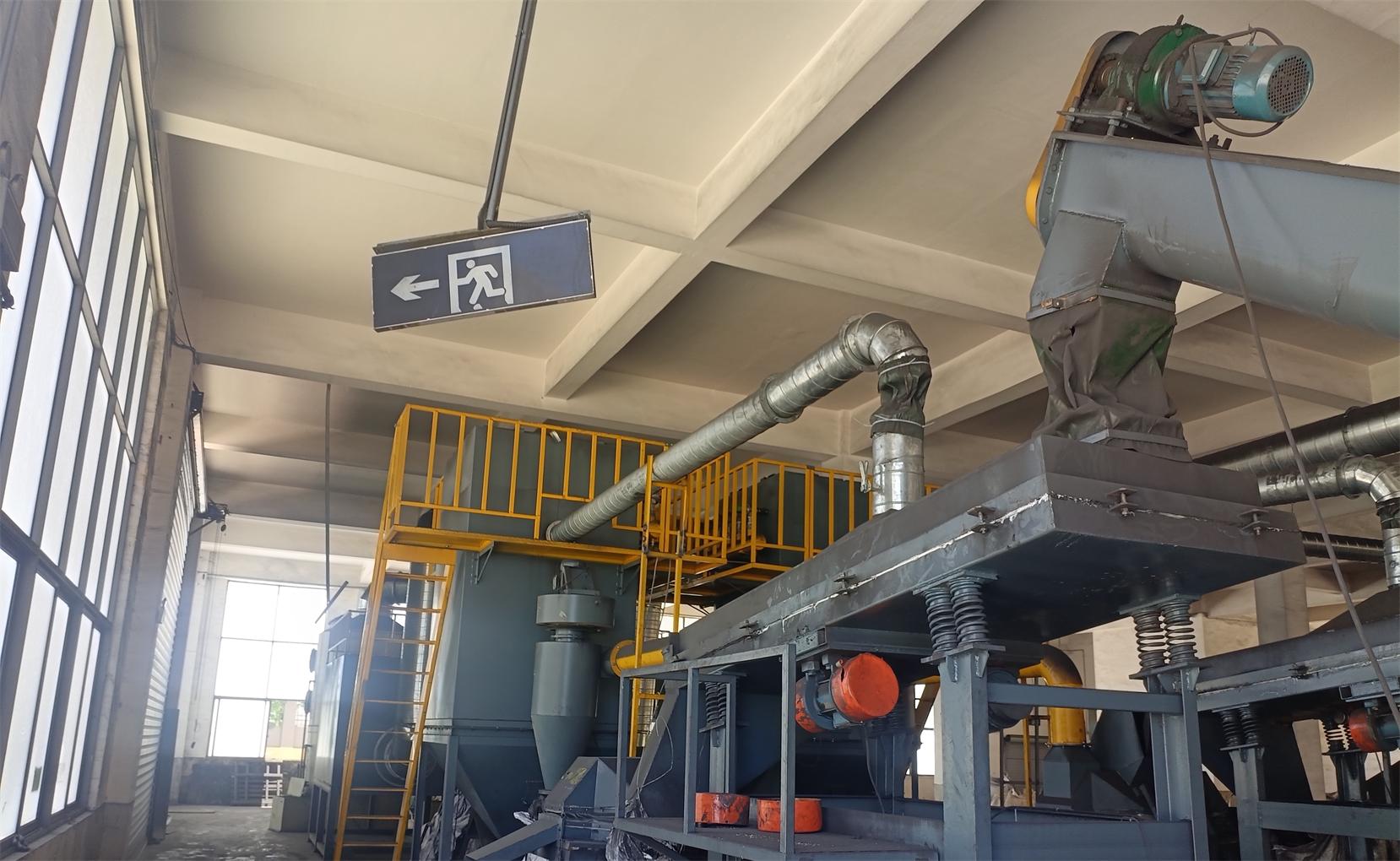
A well-designed recycling plant does not rely on a single output. Lead acid battery recycling, for example, yields lead paste, lead grids, and plastic shells. Lithium battery systems recover black mass, copper, aluminum, and plastic film. Cable recycling separates pure copper or aluminum from insulation. This multi-output model spreads risk and creates several revenue channels from one feedstock source.
Core Equipment That Drives Revenue
Choosing the right equipment is the single most important decision when setting up a recycling operation. Here are the three most in-demand recycling lines today.
Lead Acid Battery Recycling
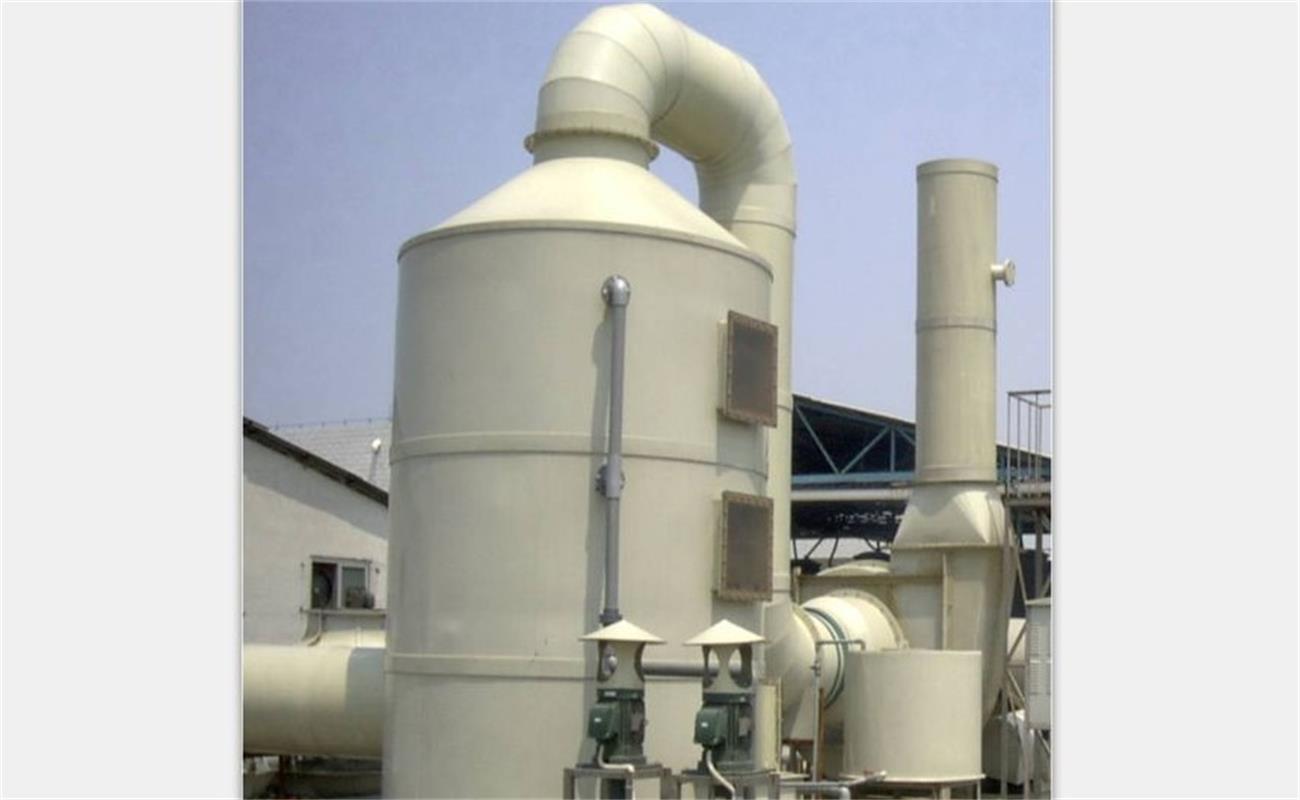
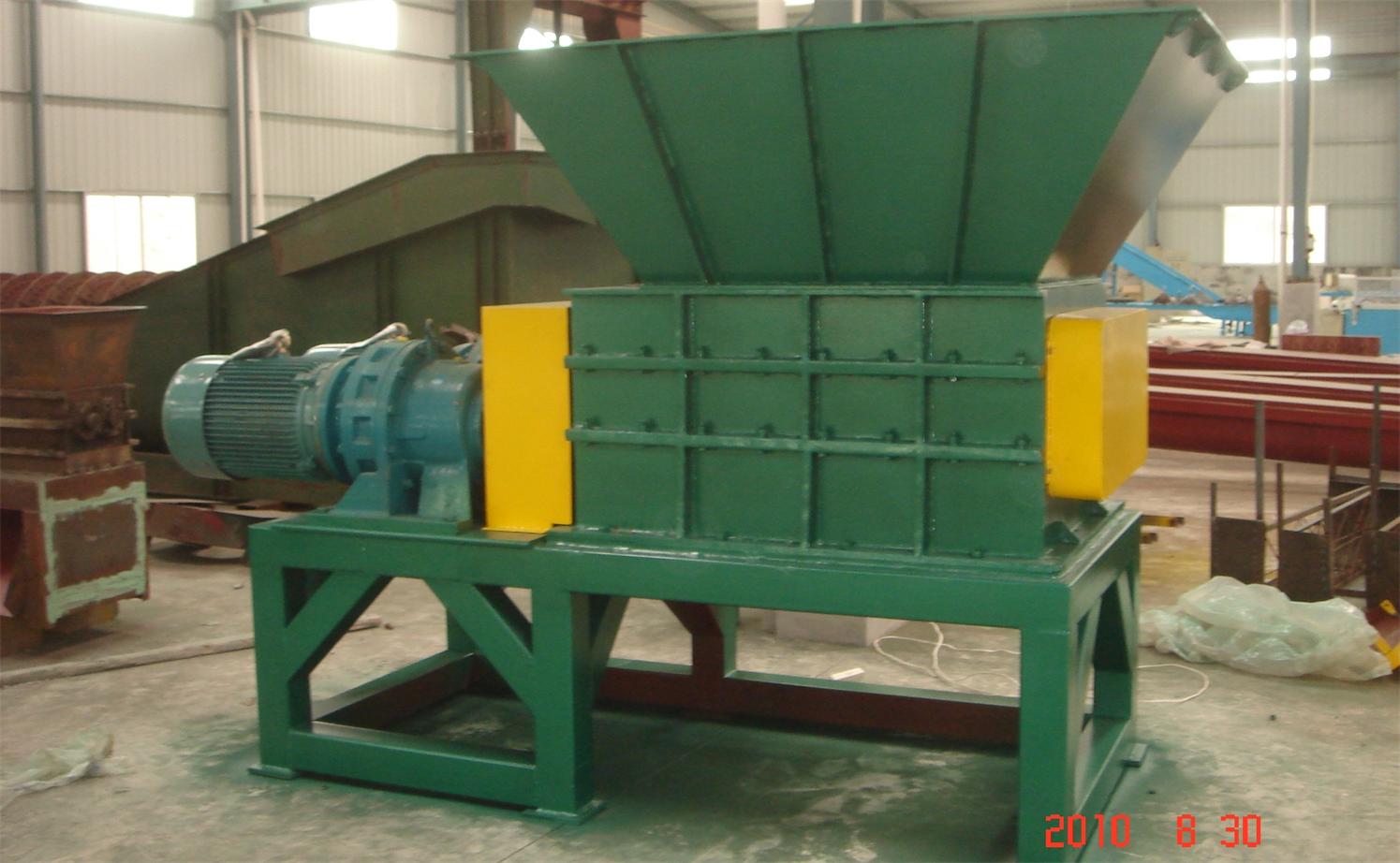
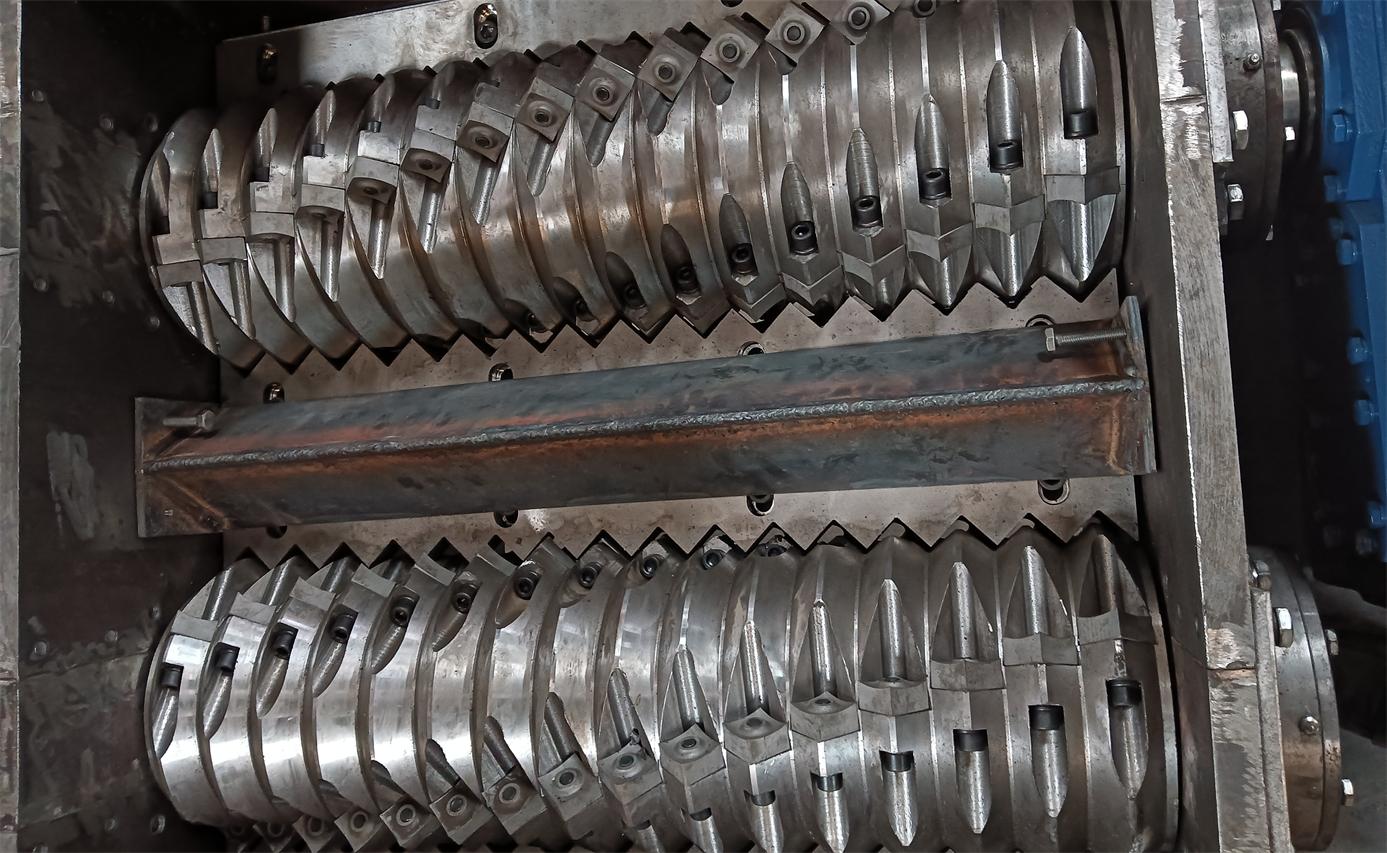
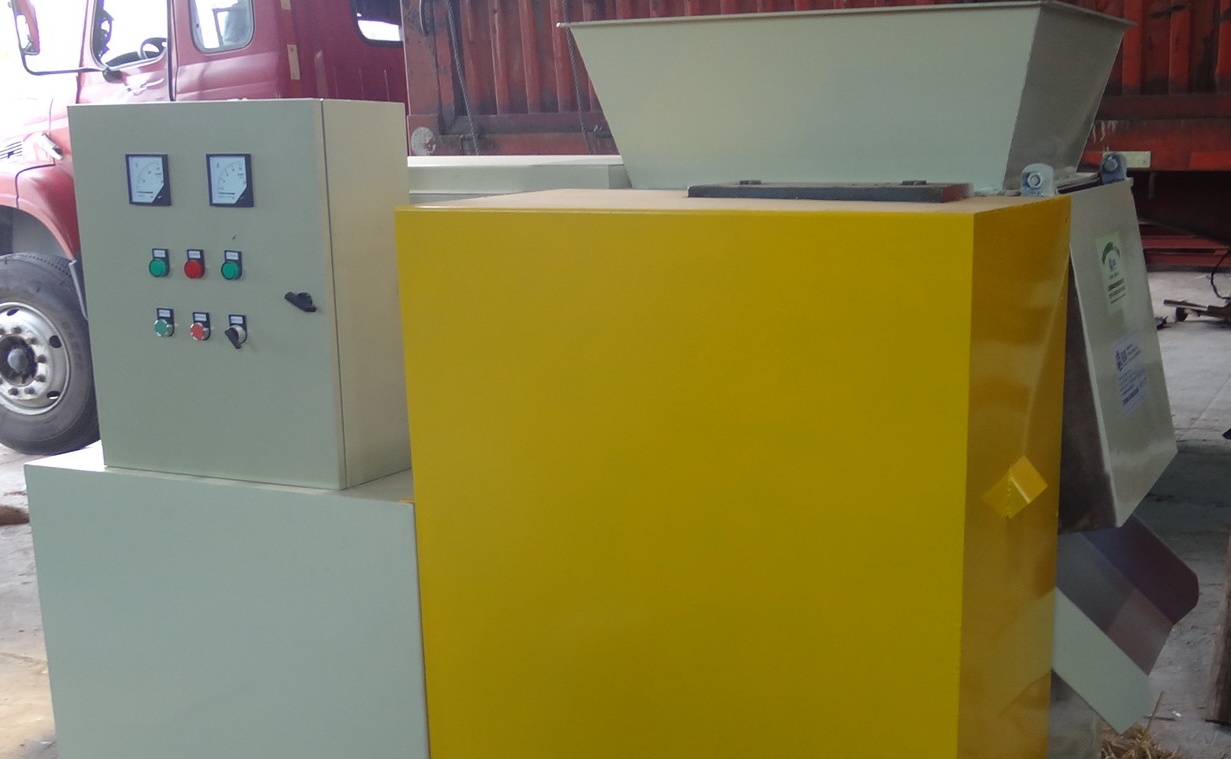
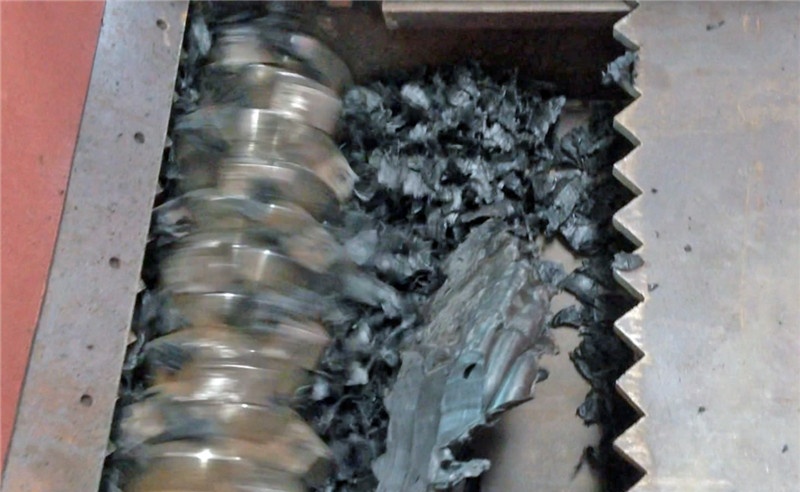
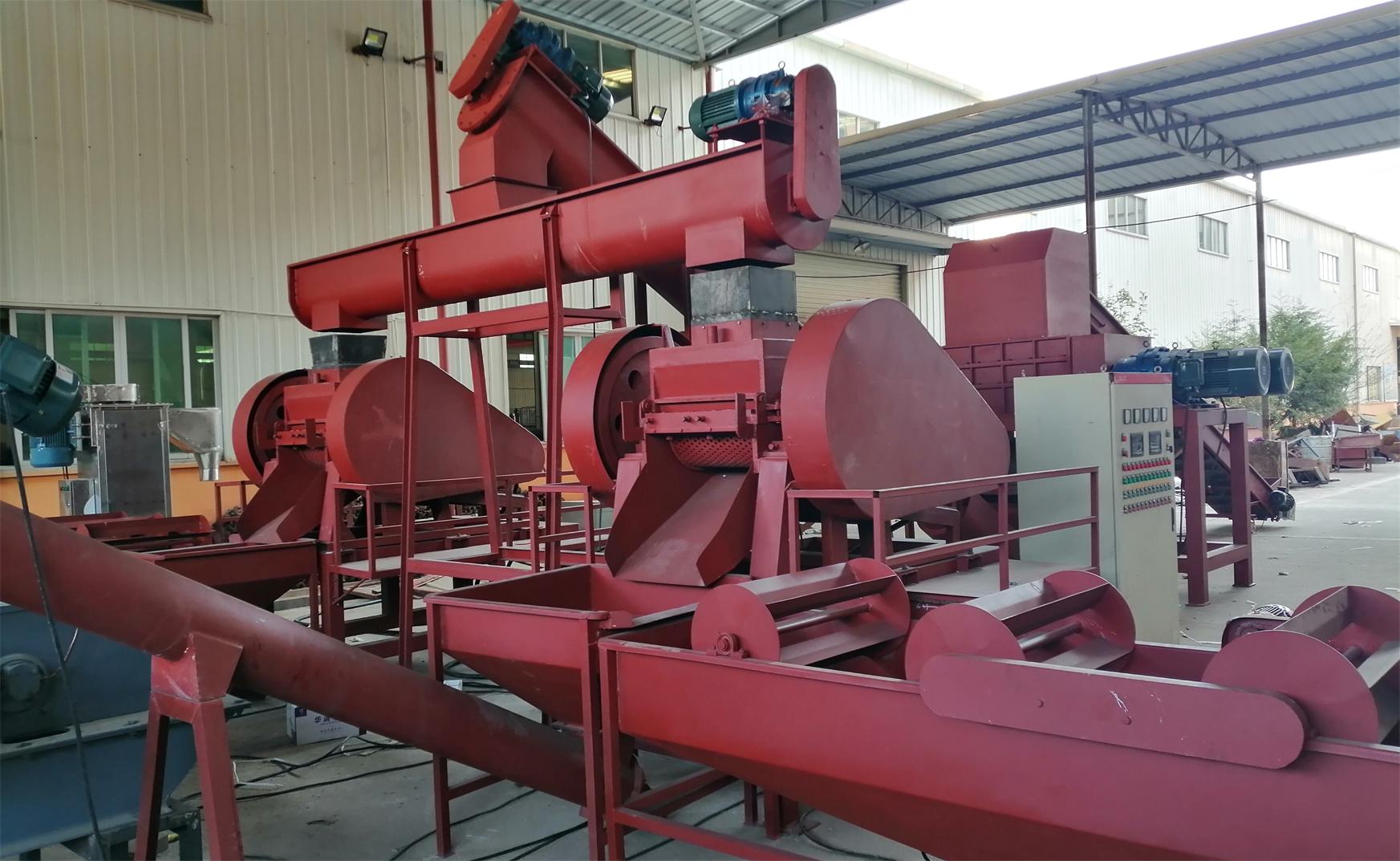
Used lead acid batteries remain one of the most recycled consumer products globally. A complete lead acid battery recycling equipment line typically includes a breaking and separation system, a de-sulfurization unit, a smelting furnace, and an air pollution control system. Modern plants can process 1 to 10 metric tons per hour, recovering acid, plastic, lead grids, and lead paste with high efficiency.
Lithium Battery Recycling
With the explosion of electric vehicles and consumer electronics, spent lithium-ion batteries are becoming a critical secondary resource. A standard lithium battery recycling plant handles capacities from 500 to 2,500 kilograms per hour. The process discharges remaining power, pre-crushes the cells, and then separates black mass containing nickel, cobalt, and graphite from copper, aluminum, and plastic fractions.
Cable and Circuit Board Recycling
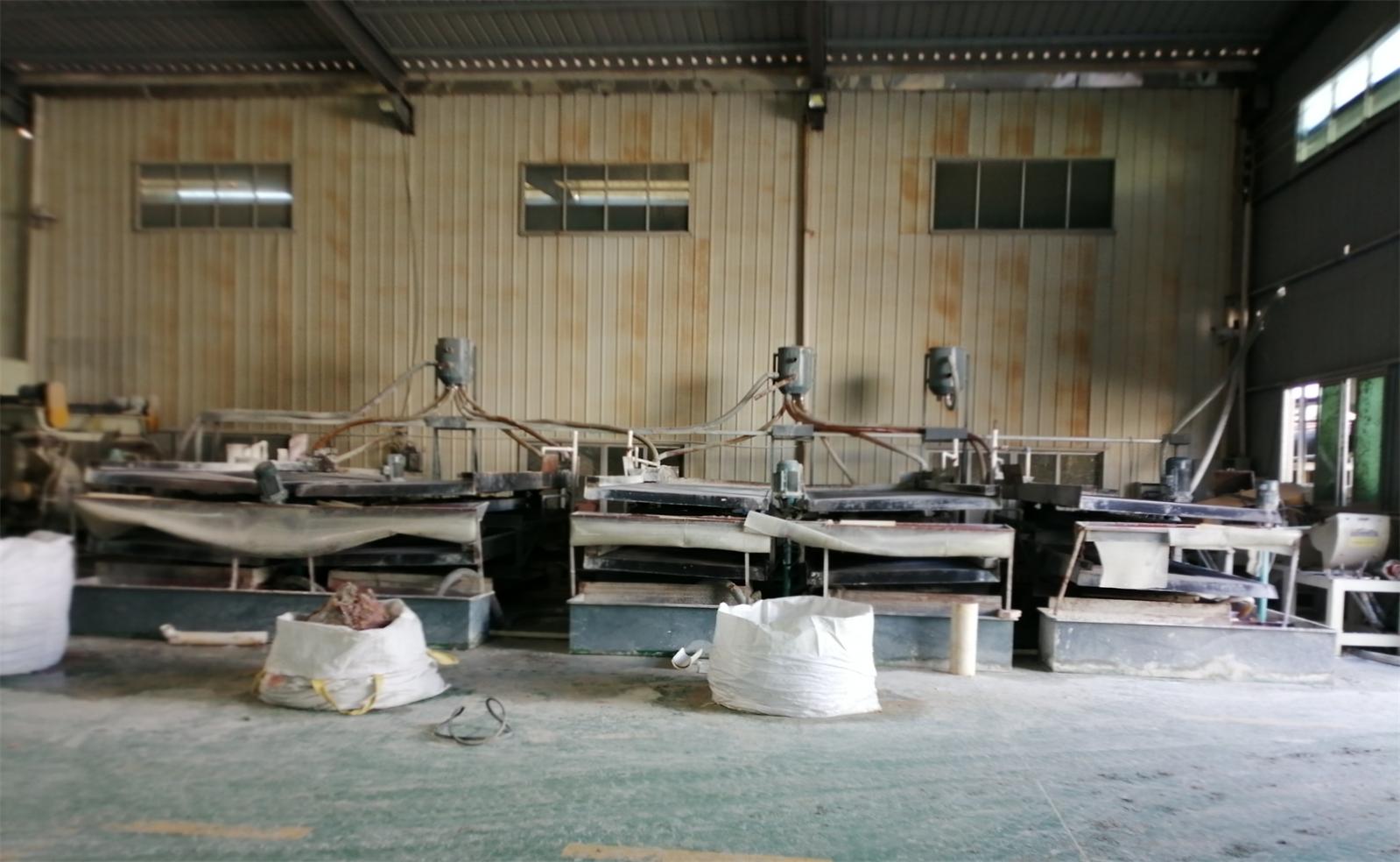
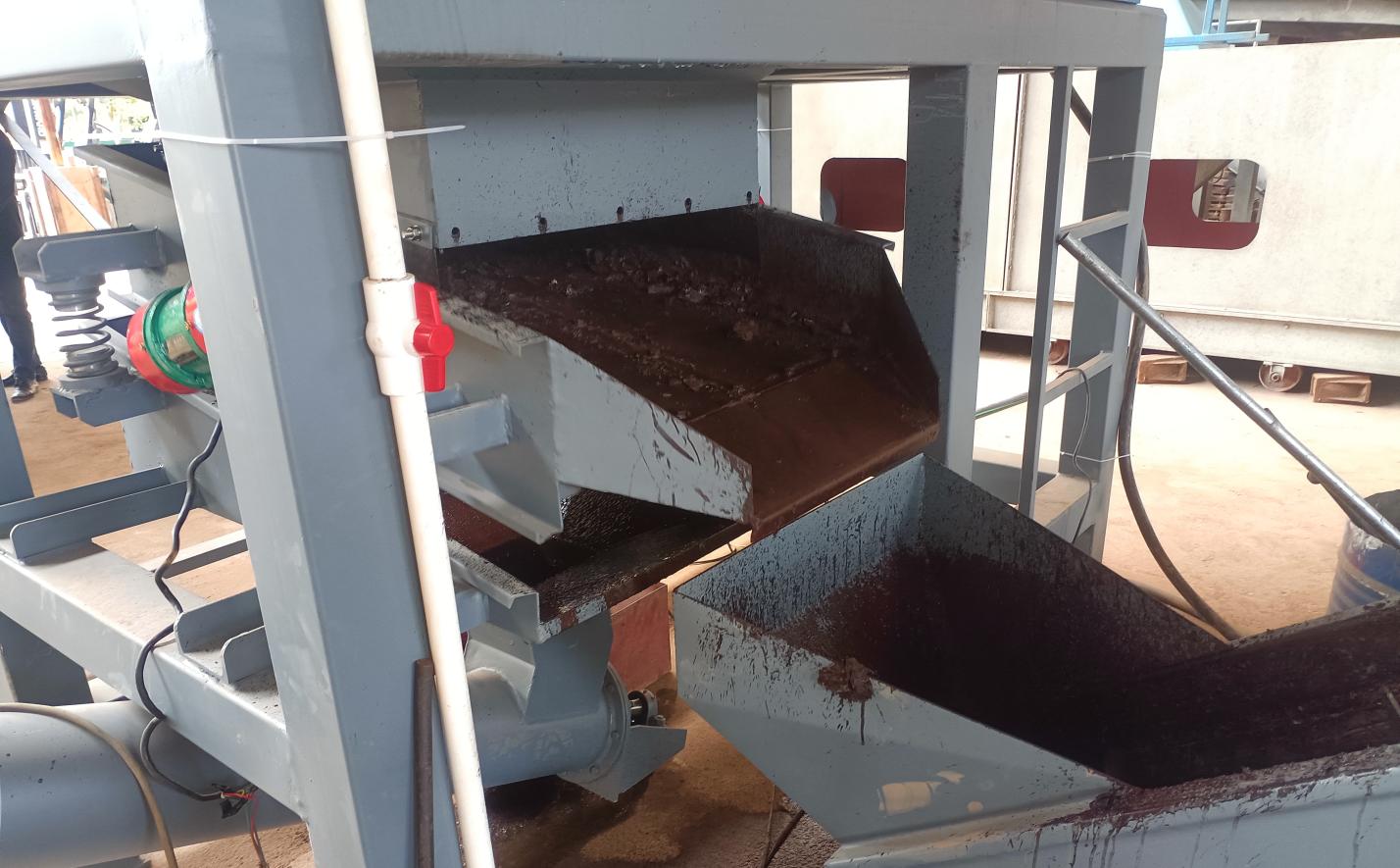
Scrap cable and printed circuit boards contain concentrated metals that are too valuable to waste. Cable recycling equipment uses dry or wet separation to recover copper rice and plastic granules. Circuit board recycling plants apply air separation, electrostatic separation, or water metal separation to extract copper powder with purity levels reaching 96 to 98 percent.
What to Look for in an Equipment Supplier
Buying machines is only part of the equation. A reliable partner should bring project experience, technical depth, and ongoing support.
Look for a supplier with a professional engineering team that understands mechanical design and process integration. EPC capabilities matter because recycling plants involve more than standalone machines—they require layout design, utility planning, pollution control, and commissioning.
Customization is also essential. Feedstock types, local regulations, and target output volumes vary by region. A supplier that offers only fixed configurations may leave you with equipment that does not match your actual operating conditions.
Finally, consider whether the supplier can help beyond equipment delivery. Some manufacturers assist with raw material sourcing, plant construction partnerships, and even end-product sales. These services can shorten your path to production and improve cash flow during early operation.
San Lan: One-Stop Solutions Backed by Experience
San Lan Technologies Co., Ltd. has been manufacturing WEEE recycling machines and mining equipment since 2007. Based in Ganzhou, Jiangxi Province, China, the company serves customers in more than 21 countries, including Singapore, Colombia, Vietnam, Mexico, Argentina, South Africa, India, and Saudi Arabia.
The San Lan engineering team includes mechanical engineering professionals with over 15 years of hands-on experience in e-waste recycling plant design. The company offers full EPC services, from customized design and equipment supply to installation and commissioning.
Value-added services that set San Lan apart:
Help customers purchase waste materials such as cable scrap, PCB scrap, and used lead acid batteries
Open to investor and partnership arrangements for recycling plant construction
Assist in selling output materials like copper rice, copper powder, and lead ingots
Bilingual English and Chinese support for smooth international communication
With essentially bilingual English and Chinese service and a deep understanding of intercultural business environments, San Lan works comfortably with clients across Asia, Africa, Latin America, and the Middle East.
Final Thoughts
E-waste recycling is no longer a niche activity reserved for specialized operators. It is becoming a mainstream industrial business with predictable demand, multiple revenue streams, and strong regulatory tailwinds. Success depends on selecting the right equipment, partnering with an experienced supplier, and designing a plant that matches local market conditions.
If you are evaluating a recycling project in 2026, start by defining your feedstock, estimating your output targets, and speaking with a manufacturer that has already delivered plants in your region. Contact San Lan Technologies today to discuss your project requirements and receive a customized equipment proposal.