Why E-Waste Recycling Is a Smart Investment Now
Every year, millions of tons of electronic devices reach the end of their useful lives. From smartphones and laptops to vehicle batteries and industrial cables, this waste stream contains substantial quantities of recoverable metals including copper, aluminum, lead, lithium, and precious metals. Rather than letting these resources sit in landfills, modern recycling technology enables efficient extraction and purification.
The business case for e-waste recycling continues to strengthen. Raw material prices remain volatile, pushing manufacturers to seek reliable secondary material sources. Environmental regulations worldwide are tightening, making proper disposal not just ethical but legally required. Companies that establish recycling capabilities early position themselves as preferred partners for manufacturers, governments, and waste management firms.
Essential Equipment Categories for a Complete Recycling Operation
Building a comprehensive e-waste recycling facility requires careful equipment selection across multiple waste streams. Here are the core systems that form the backbone of a profitable operation:
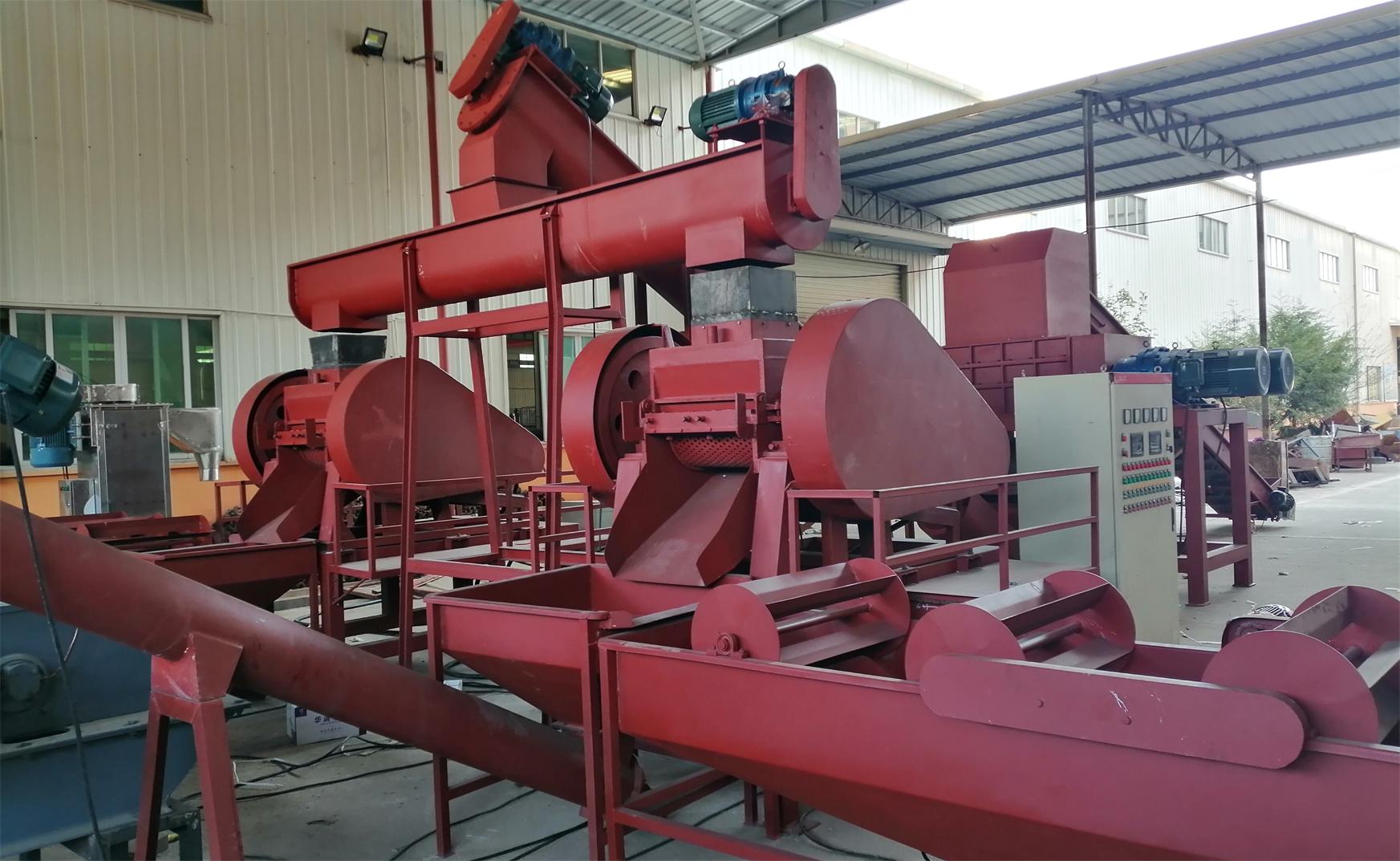
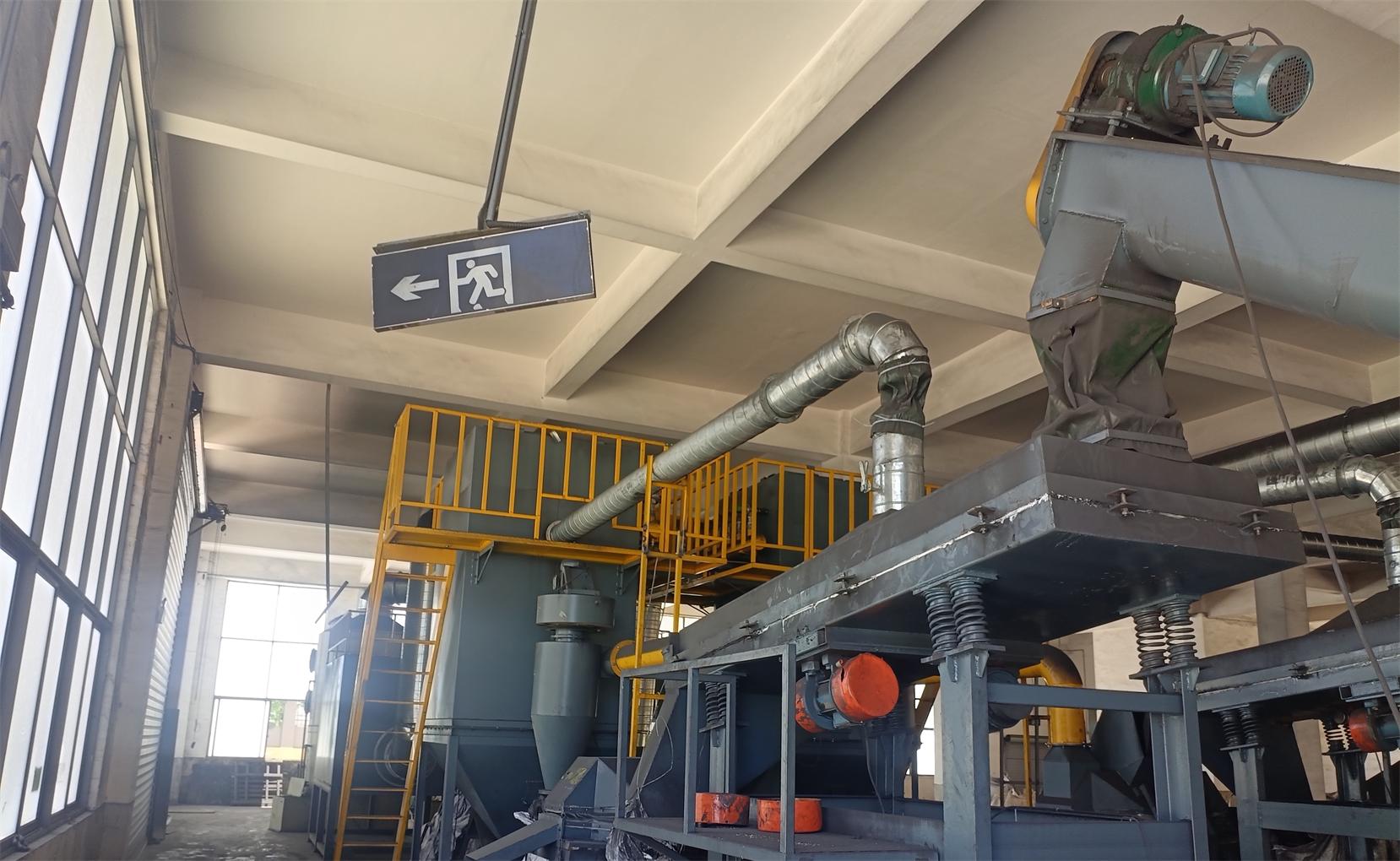
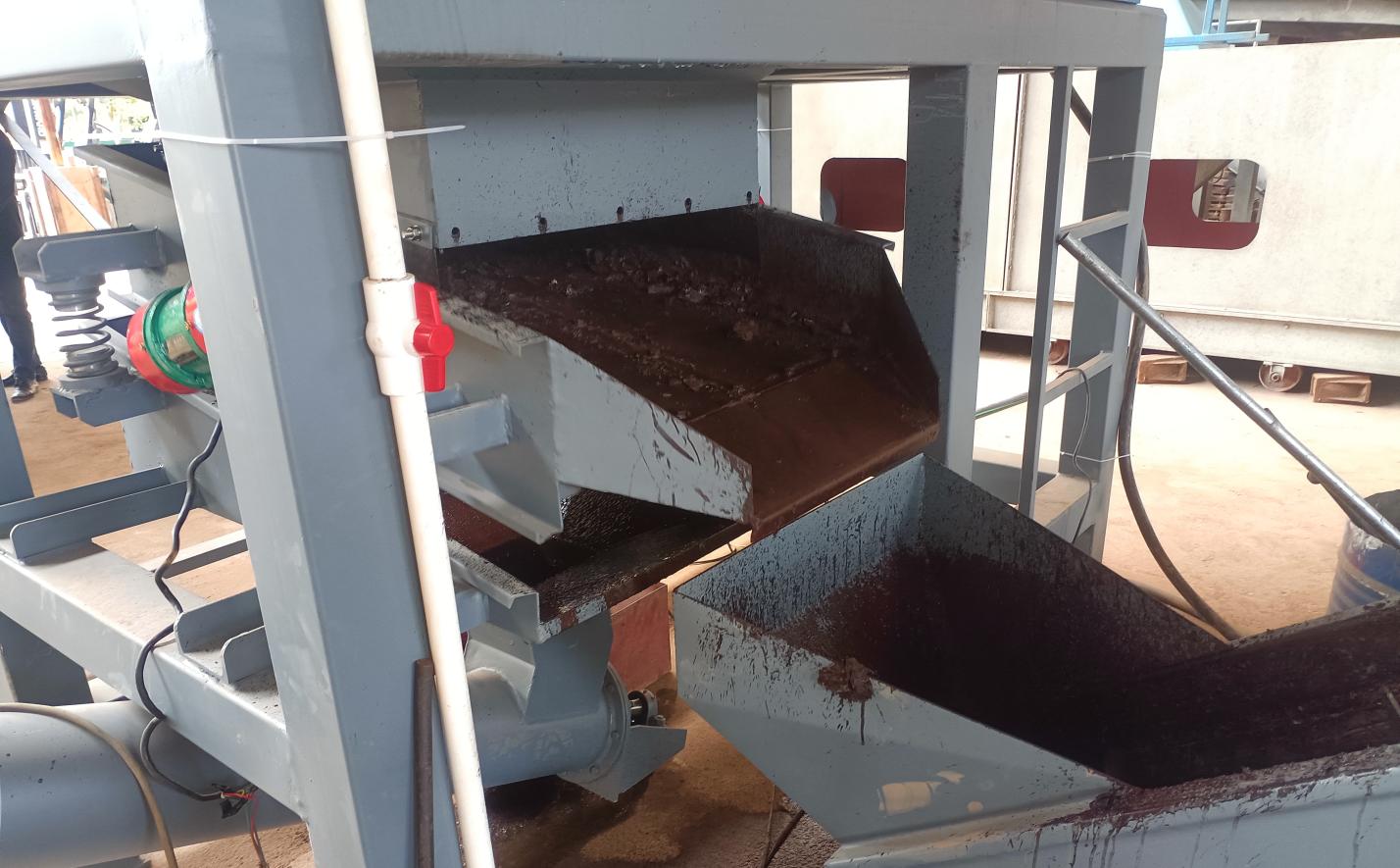
Batteries represent one of the most valuable and environmentally sensitive waste streams. A complete lead acid battery recycling plant typically includes breaking and separation systems, desulfurization units, smelting furnaces, and refinery kettles. These integrated systems can process batteries at capacities ranging from 1 to 10 metric tons per hour, recovering lead grid, lead paste, plastic casing, and acid for resale or reuse.
For the rapidly growing lithium battery market, specialized lithium battery recycling plant equipment handles the unique challenges of these chemistries. Modern systems safely discharge batteries before mechanically separating black mass (containing nickel, cobalt, and graphite), copper, aluminum, and plastic components. Capacities typically range from 500 to 2,500 kg per hour, with proper air pollution control systems to manage emissions.
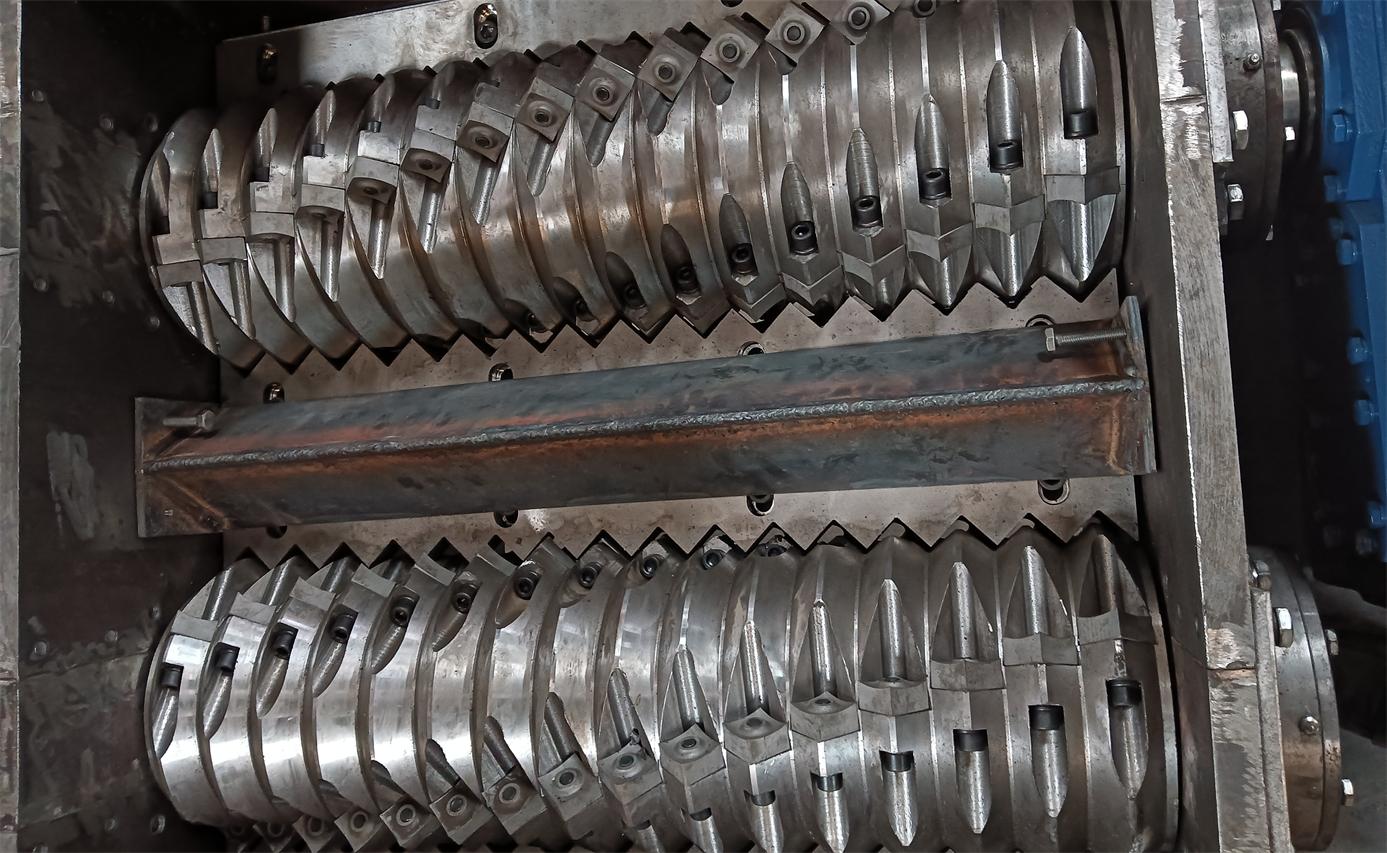
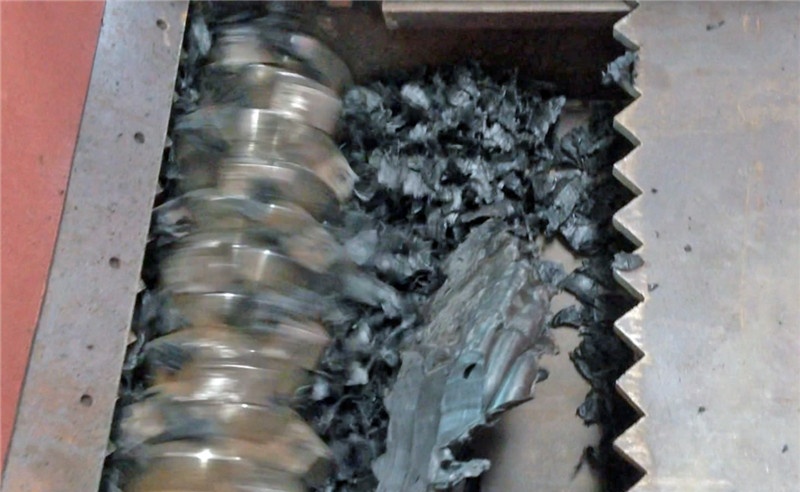
Cable waste continues to accumulate from construction, telecommunications upgrades, and vehicle recycling. A well-designed cable recycling plant uses granulators with dry or wet separators to cleanly separate copper or aluminum from plastic insulation. Depending on the model, these systems handle from 100 kg to over 1,000 kg per hour, producing high-purity metal granules that command premium prices in the market.
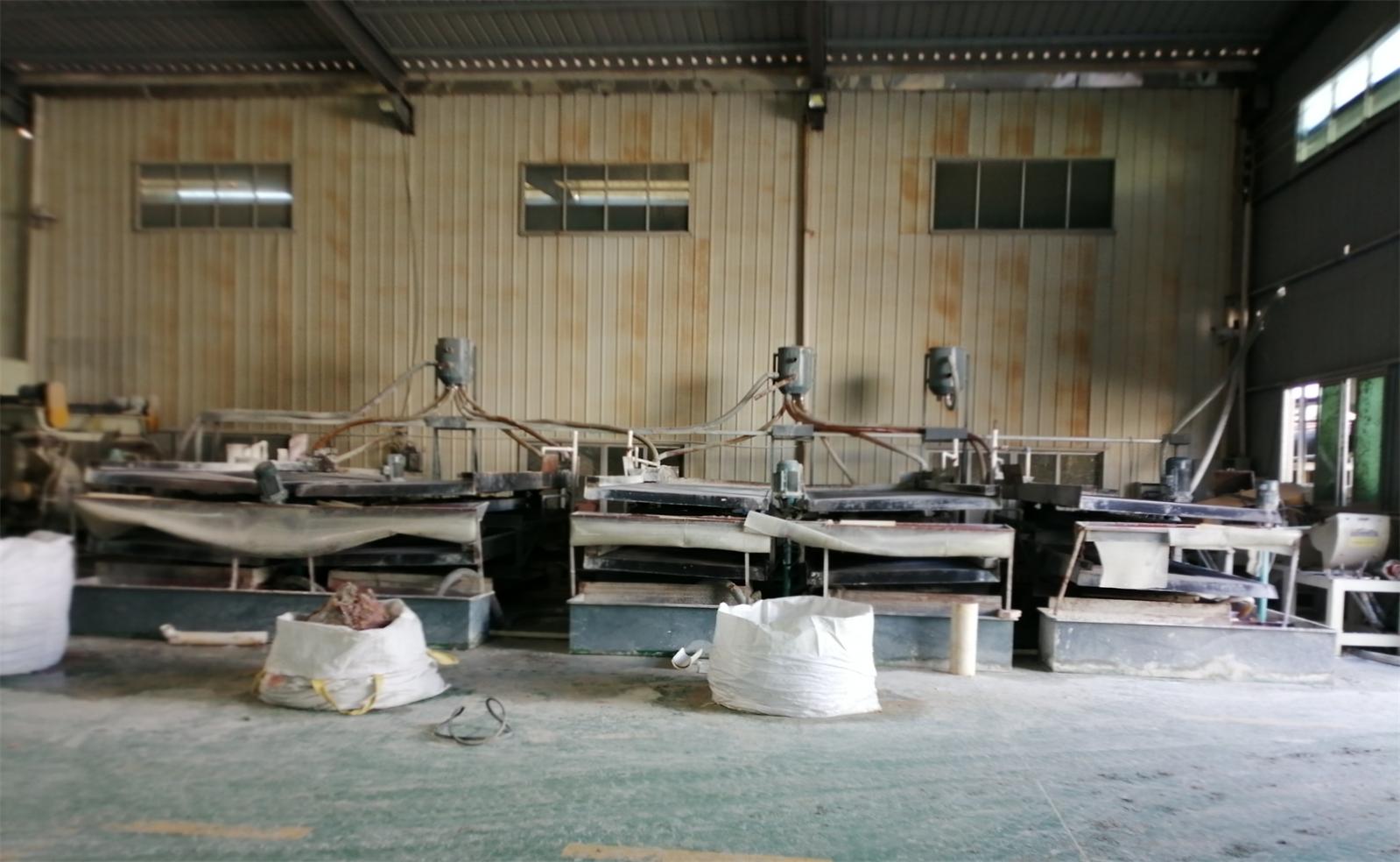
Printed circuit boards from computers, phones, and electronics contain concentrated copper and trace precious metals. Circuit board recycling plant equipment employs mechanical separation through air classifiers, electrostatic separators, or wet separation systems. Advanced plants achieve copper powder purity of 96-98% with recovery rates around 95%, making the process highly economical at scale.
Beyond Equipment: The Value of Turnkey Solutions
Purchasing individual machines is only the beginning of building a successful recycling operation. Many entrepreneurs underestimate the complexity of integrating equipment, optimizing workflows, meeting environmental compliance, and establishing product offtake agreements. This is where experienced equipment manufacturers who offer EPC (Engineering, Procurement, Construction) services provide decisive advantages.
A true turnkey partner handles customized plant design based on your specific feedstock, local regulations, and budget constraints. They coordinate equipment integration, installation, and commissioning. Perhaps most importantly, they provide operator training and ongoing technical support to ensure your plant reaches designed capacity quickly.
Additional value-added services separate exceptional partners from mere equipment vendors. These include assistance sourcing waste materials like cable scrap, used batteries, or PCB scrap; helping establish product sales channels for recovered copper, lead ingots, or plastic pellets; and even connecting investors with recycling plant construction opportunities.
What to Look for in an Equipment Manufacturer
Selecting the right equipment supplier directly impacts your project's profitability, timeline, and long-term operational costs. Consider these critical factors during your evaluation:
- Technical expertise and experience: Look for teams with deep mechanical engineering backgrounds and extensive field experience in recycling applications. The best manufacturers have refined their designs through years of real-world operation.
- Proven international track record: Equipment that performs well across diverse climates, regulatory environments, and feedstock conditions demonstrates robust engineering. Manufacturers with customers in 20+ countries have validated their solutions globally.
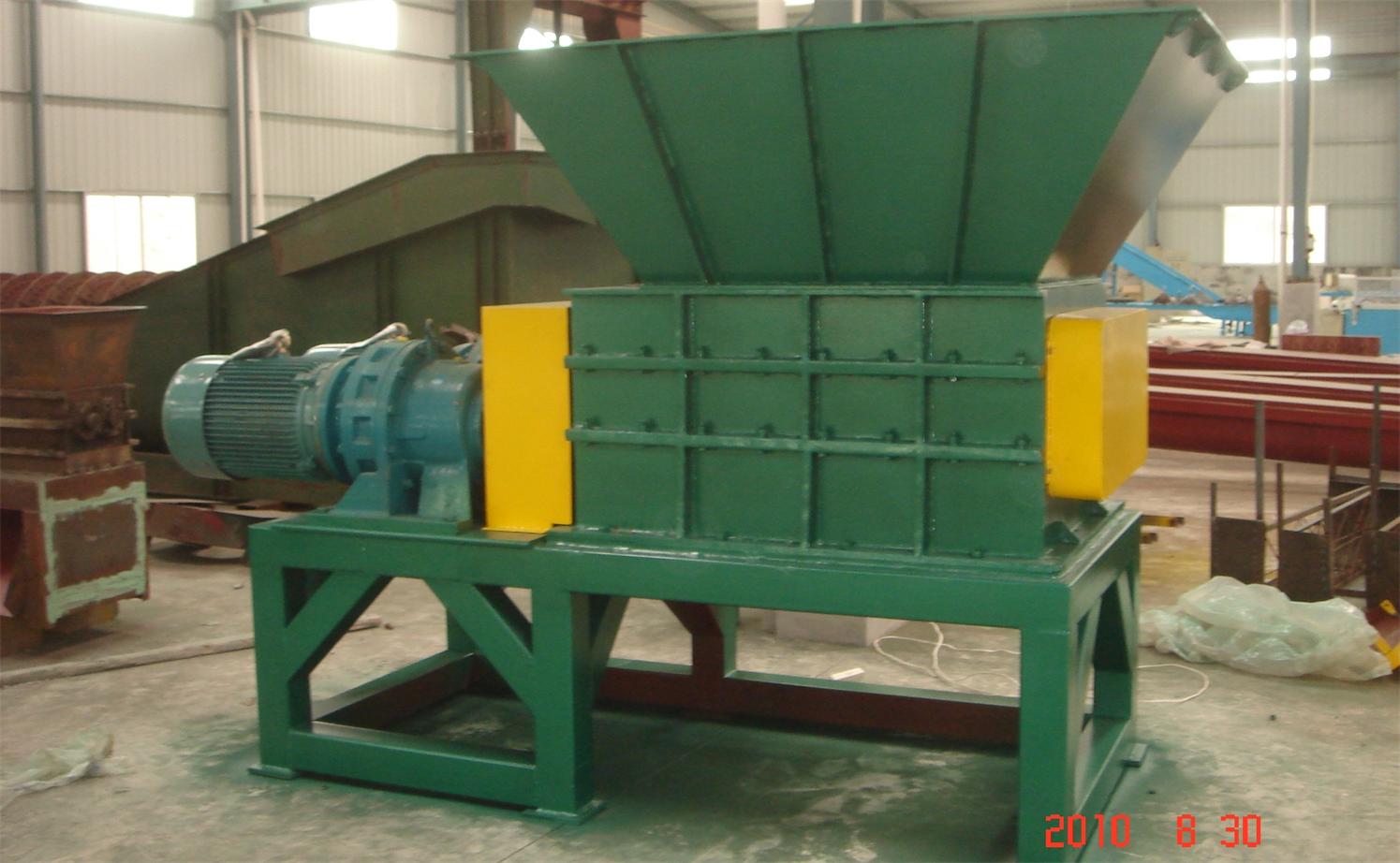
- Comprehensive product range: A supplier offering shredders, pre-choppers, specialized recycling lines, and auxiliary equipment simplifies procurement and ensures compatible system integration.
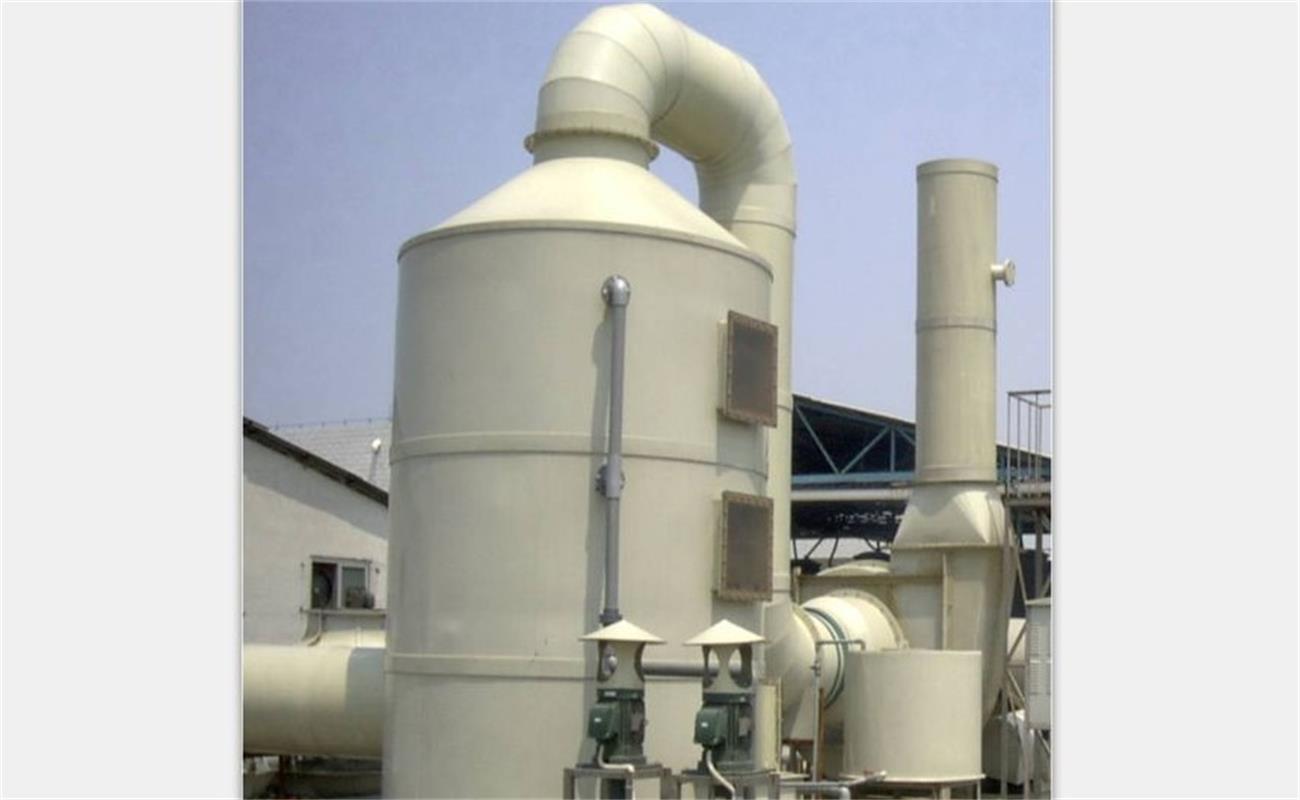
- Environmental compliance focus: Modern recycling must meet strict emissions and effluent standards. Quality equipment includes integrated pollution control systems for air, water, and dust management.
- After-sales support capability: International projects require responsive support for spare parts, technical consultation, and troubleshooting across time zones and languages.
San Lan Technologies: A Partner for Sustainable Recycling Growth
Since 2007, San Lan Technologies Co., Ltd has established itself as a professional manufacturer of WEEE recycling machinery and mining equipment based in Jiangxi Province, China. With customers spanning more than 21 countries across Asia, Africa, the Americas, and the Middle East, the company has demonstrated its ability to deliver reliable equipment and support diverse recycling projects worldwide.
San Lan's product portfolio covers the full spectrum of e-waste recycling needs. Their lead acid battery recycling lines achieve efficient separation of acid, plastic, lead grid, and lead paste with capacities up to 10 metric tons per hour. Lithium battery recycling systems safely process 500 to 2,500 kg per hour while recovering valuable black mass, copper, aluminum, and plastic fractions.
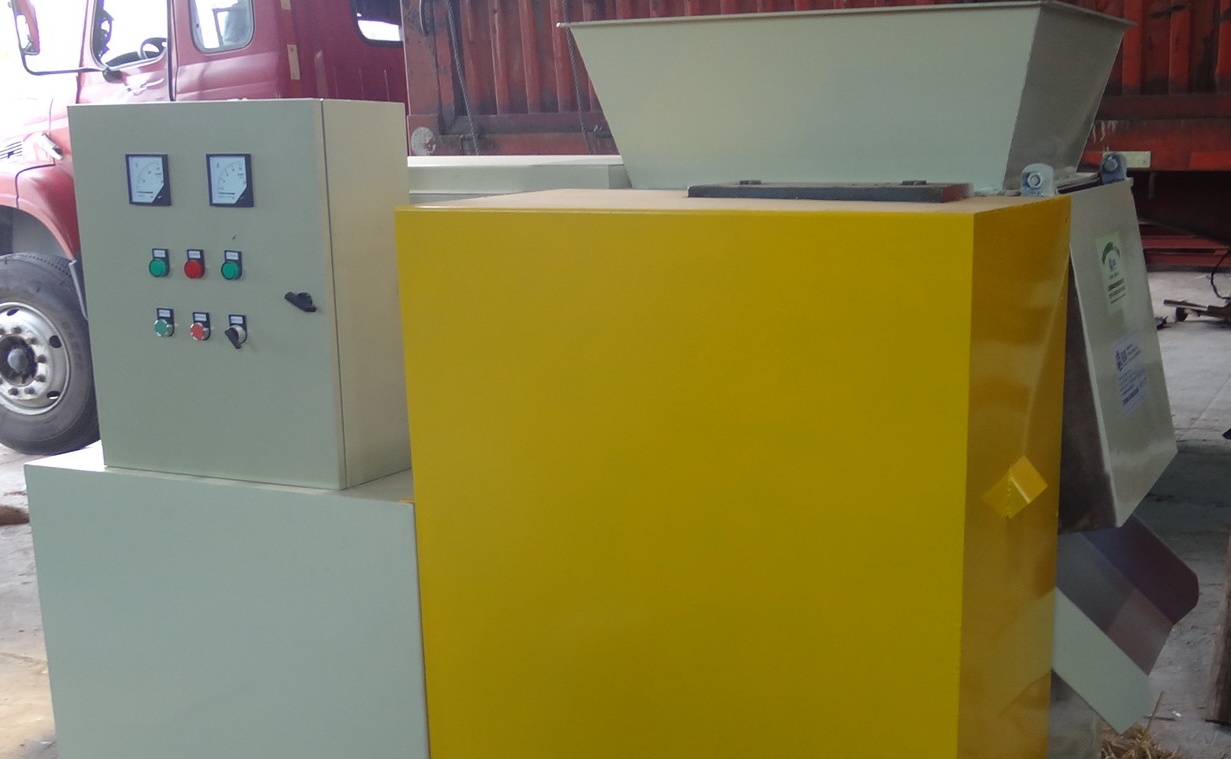
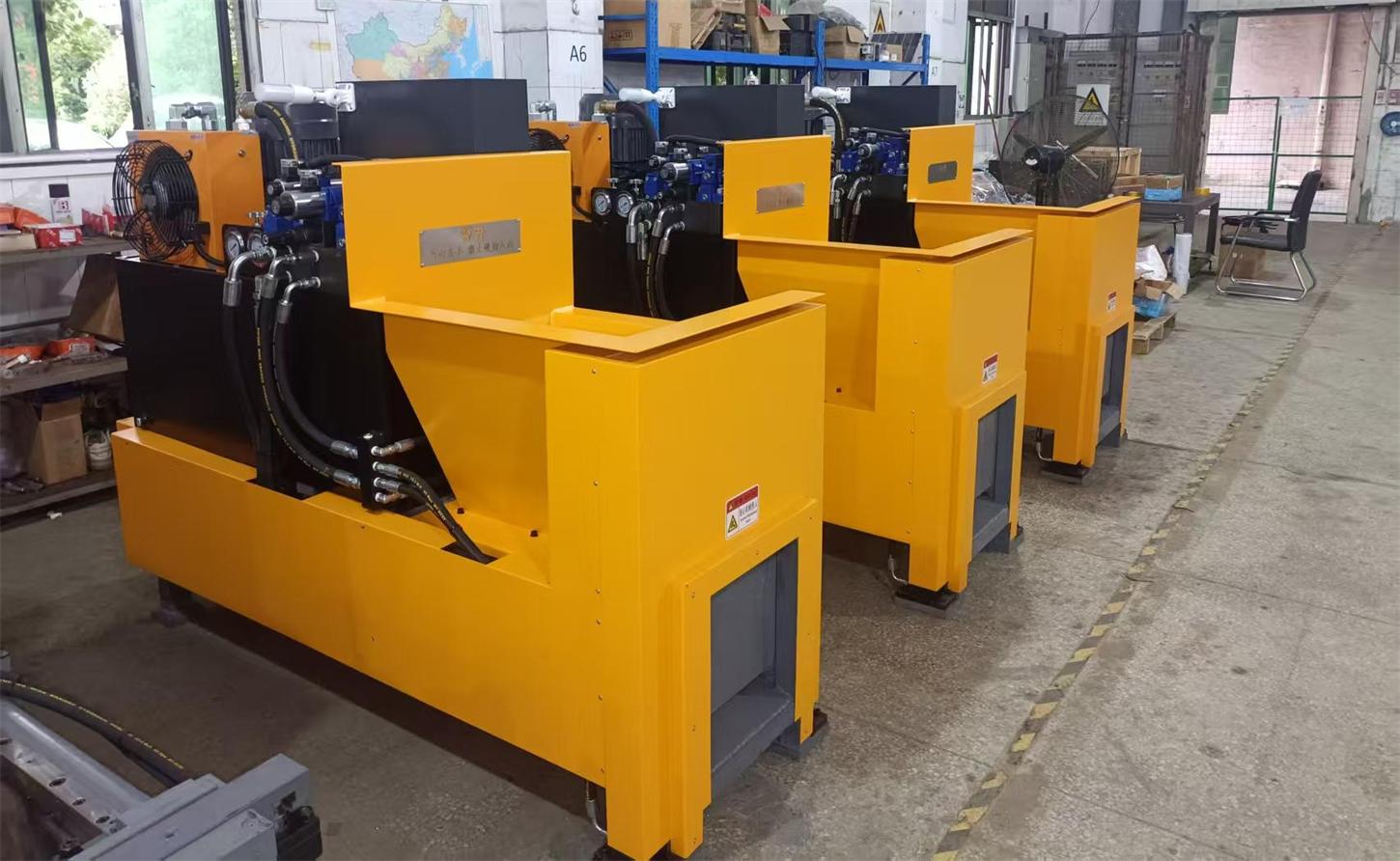
Beyond batteries, San Lan manufactures cable recycling granulators, circuit board separation plants, refrigerator and AC recycling systems, CRT cutters, motor dismantling equipment, and multi-purpose shredders. This comprehensive range enables customers to source complete integrated systems from a single supplier, reducing compatibility risks and simplifying project management.
The company's technical team brings master's-level mechanical engineering expertise combined with over 15 years of hands-on experience in recycling equipment design and optimization. Their EPC project capabilities cover customized plant design, one-stop equipment procurement, installation supervision, and commissioning support. For customers entering the recycling business, San Lan provides practical guidance on waste material sourcing and product sales channels.
Getting Started with Your Recycling Project
Launching a profitable e-waste recycling operation requires methodical planning and the right partnerships. Start by analyzing your local waste stream availability and identifying which materials offer the strongest economic opportunity given transportation costs and market demand for recovered outputs.
Next, evaluate equipment options not just on purchase price, but on total cost of ownership including energy consumption, maintenance requirements, staffing needs, and expected recovery yields. A slightly higher initial investment in proven, efficient equipment typically generates superior returns over the plant's operational life.
Finally, engage potential suppliers early in your planning process. Experienced manufacturers can validate your assumptions, suggest optimal equipment configurations, and identify potential challenges before you commit capital. Their insights often prove invaluable in refining project scope and improving financial projections.
San Lan Technologies offers comprehensive recycling plant solutions backed by nearly two decades of manufacturing experience and a global customer base. From initial consultation through equipment selection, installation, and ongoing support, their team helps transform recycling opportunities into profitable operations.
Contact San Lan Technologies today to discuss your project requirements and receive customized equipment recommendations tailored to your specific waste streams and production goals.