A comprehensive guide to selecting recycling machinery that delivers ROI and environmental impact
The world generates over 60 million metric tons of electronic waste annually, yet less than 20% is formally recycled. This gap represents one of the most significant untapped business opportunities of our time. For entrepreneurs and established companies looking to enter the recycling industry, the challenge is not market demand but selecting the right recycling equipment supplier who can provide reliable, efficient, and compliant machinery. In this guide, we explore the key recycling streams driving industry growth and what separates a mediocre equipment vendor from a true strategic partner.
The Global E-Waste Challenge and Opportunity
Electronic waste is the fastest-growing waste stream globally. Batteries, circuit boards, cables, and discarded appliances contain valuable metals such as copper, gold, lead, lithium, and cobalt. Recovering these materials not only reduces environmental harm but also creates substantial revenue streams. Governments worldwide are tightening regulations around e-waste disposal, making professional recycling operations not just profitable but essential.
Success in this industry depends heavily on the quality of your processing equipment. The right machines maximize metal recovery rates, minimize environmental emissions, and ensure worker safety. Choosing poorly can lead to regulatory fines, low yields, and equipment downtime that erodes profitability.
Key Recycling Streams Driving Industry Growth
Not all e-waste is processed the same way. Each material stream requires specialized equipment designed for its unique physical and chemical properties. Here are the four most profitable segments today:
Used lead acid batteries (ULAB) remain one of the most recycled consumer products globally. A complete lead acid battery recycling equipment setup includes battery breaking and separation systems, desulfurization units, rotary furnaces for paste reduction, refinery kettle furnaces, and air pollution control systems. Properly designed plants can achieve lead recovery rates exceeding 95% while meeting strict environmental standards.
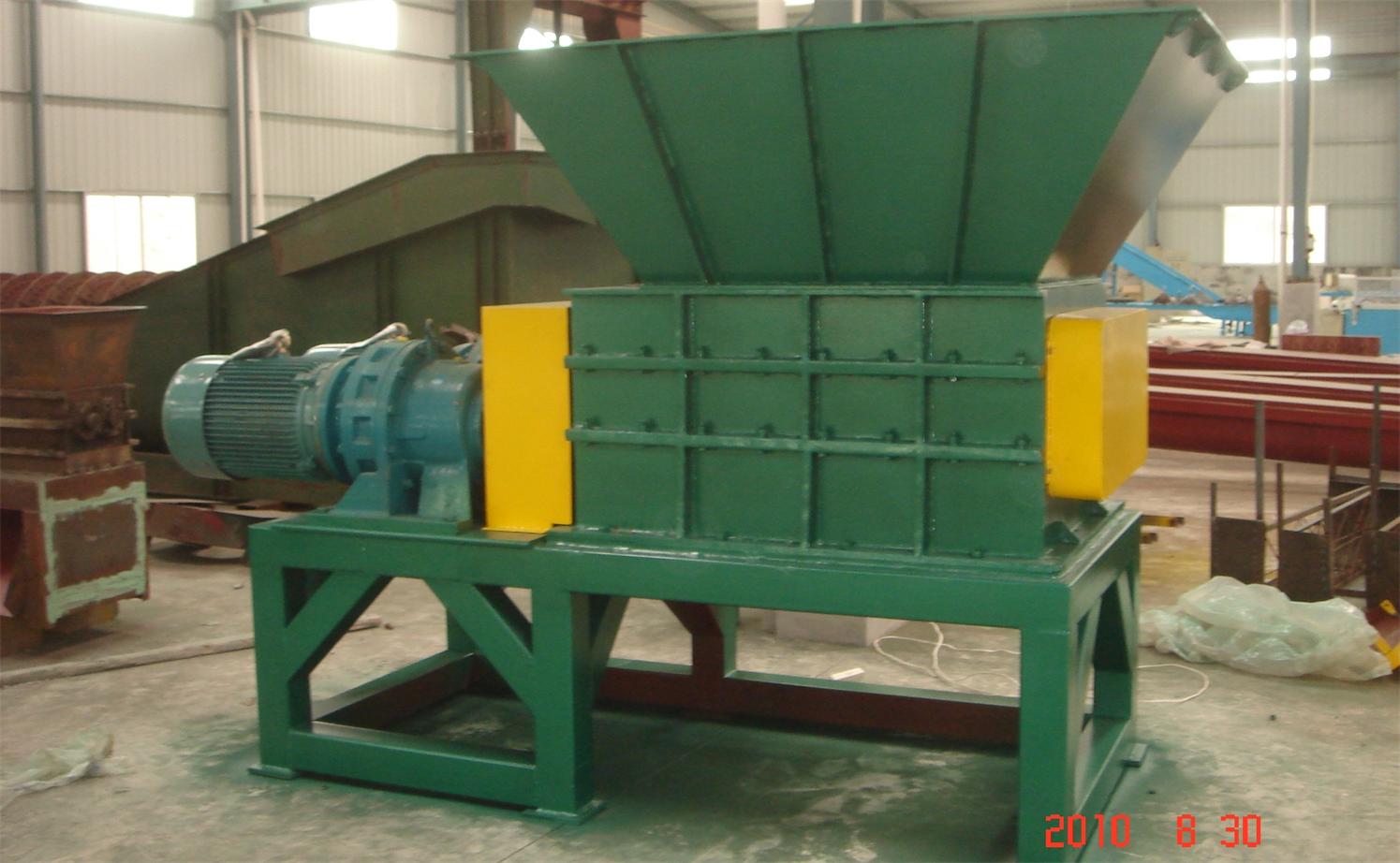
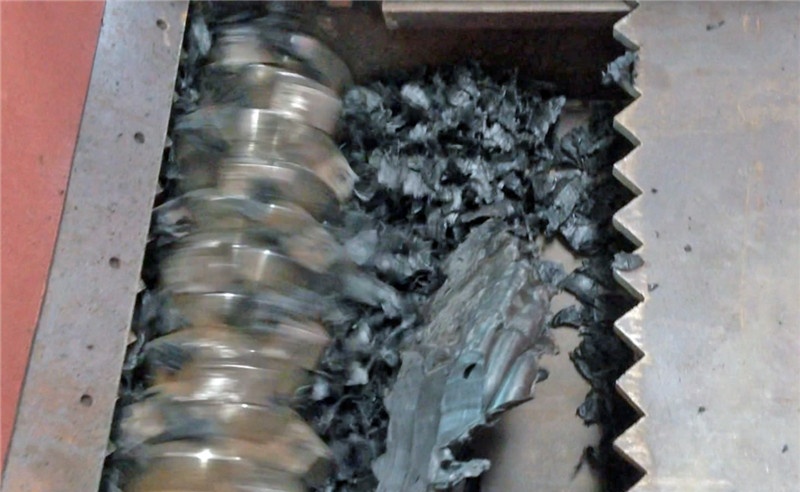
With the electric vehicle revolution accelerating, spent lithium-ion batteries are becoming a critical secondary source of cobalt, nickel, and graphite. Modern lithium battery recycling plants use mechanical crushing and separation to recover black mass, copper, aluminum, and plastic separator films with capacities ranging from 500 to 2,500 kg per hour.
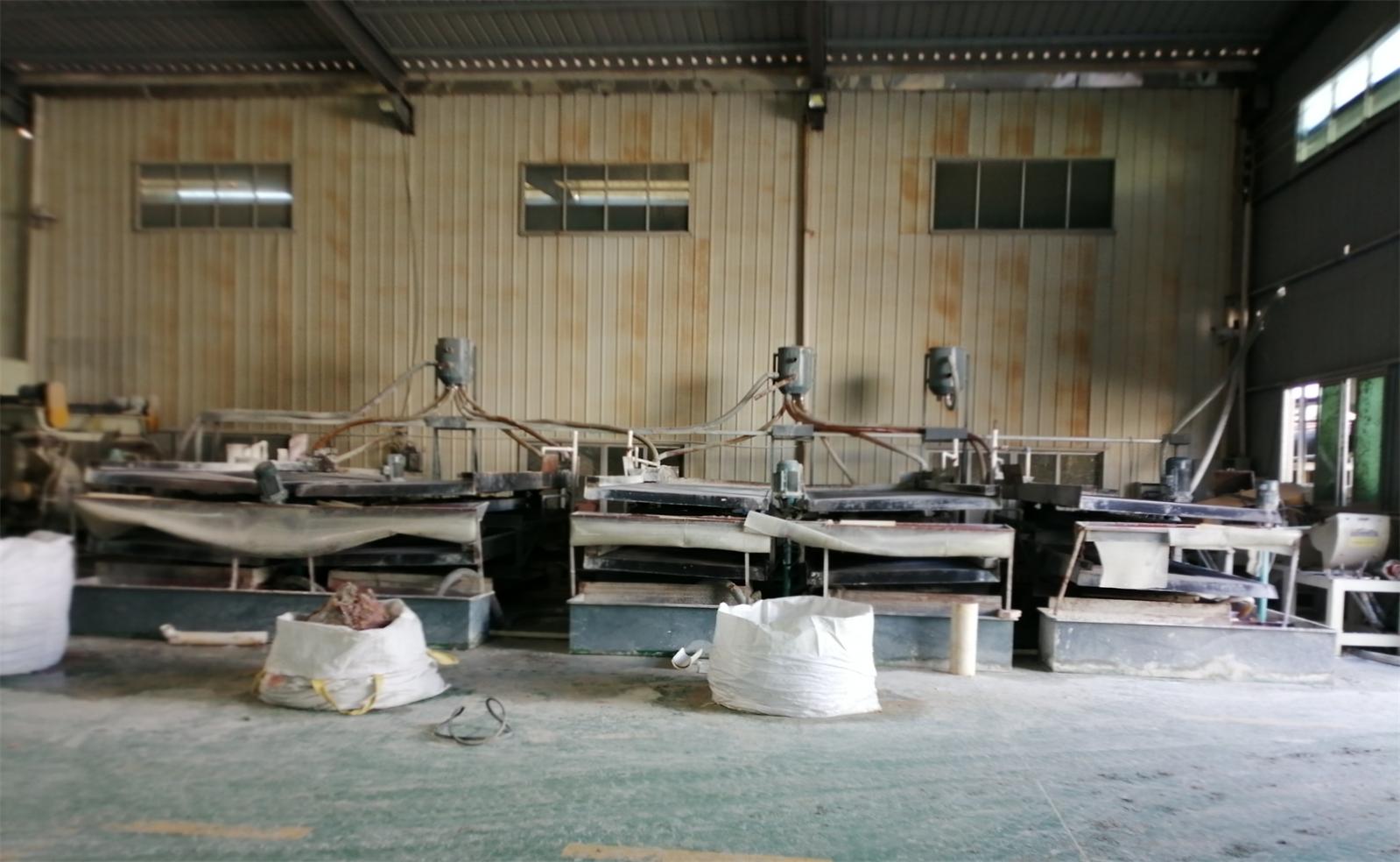
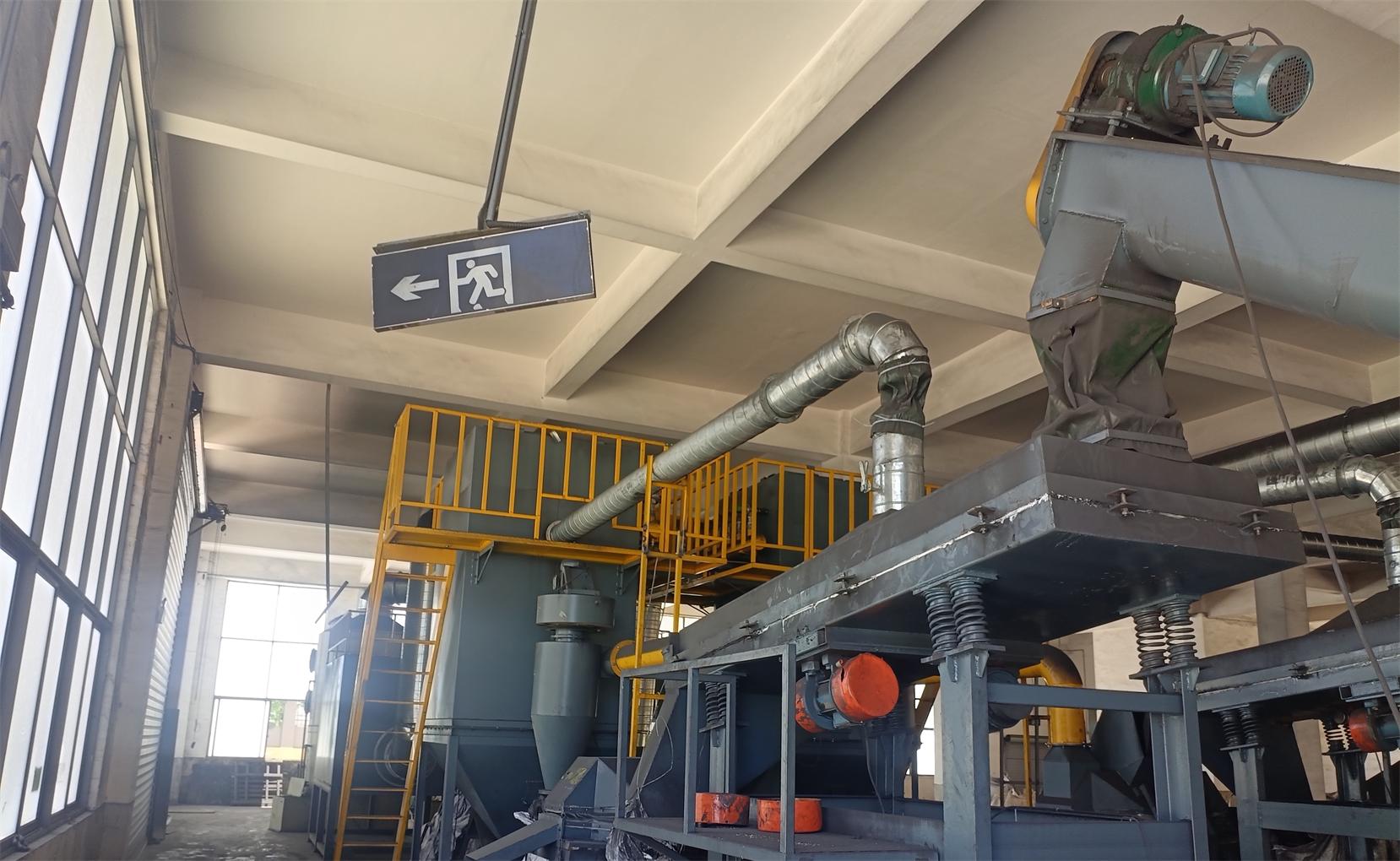
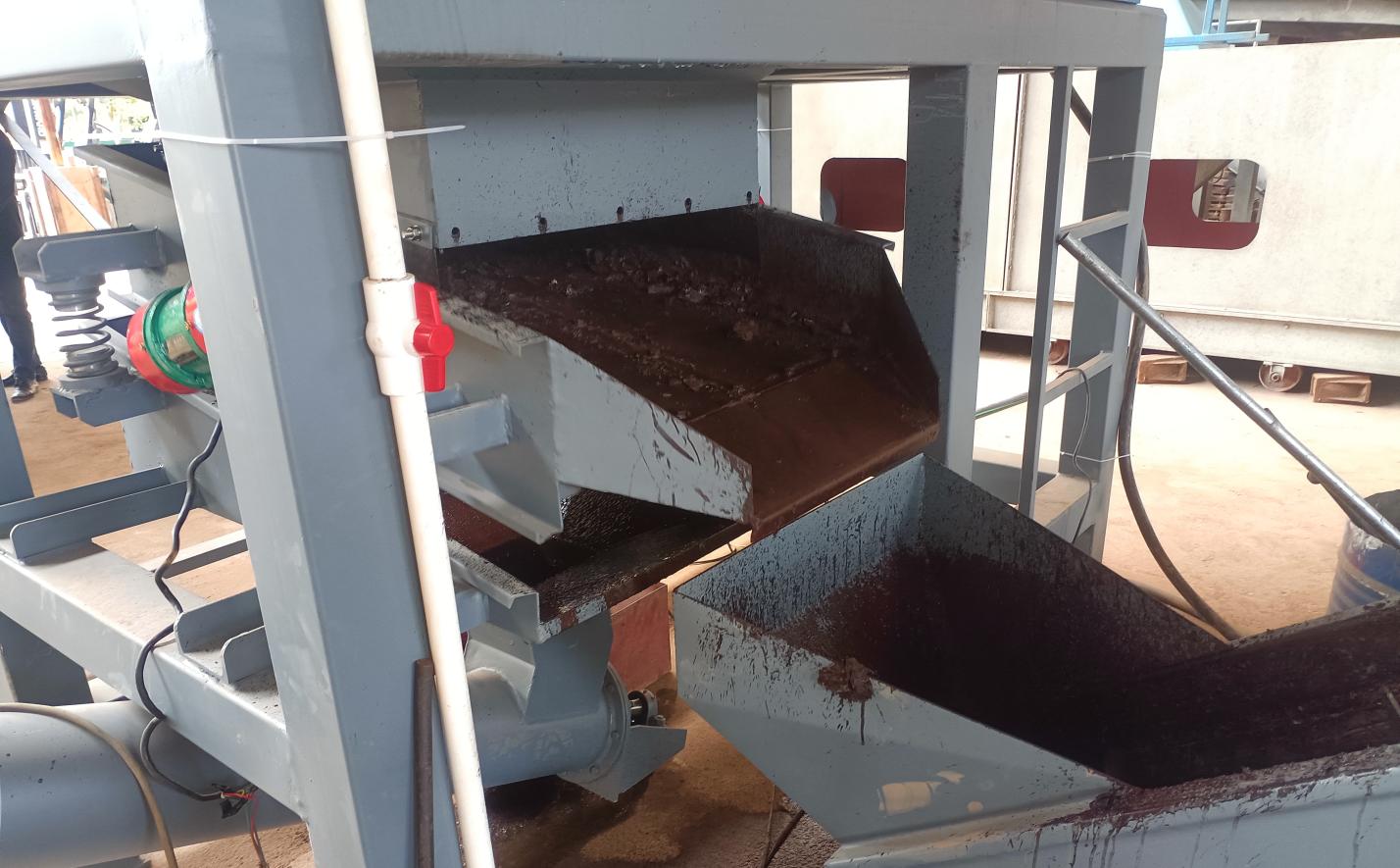
Printed circuit boards (PCBs) contain some of the highest concentrations of precious metals in the e-waste stream. Circuit board recycling equipment uses dry or wet separation methods to extract copper powder with purity levels of 96-98%. Advanced plants can process 300 to 2,000 kg per hour with recovery rates around 95%.
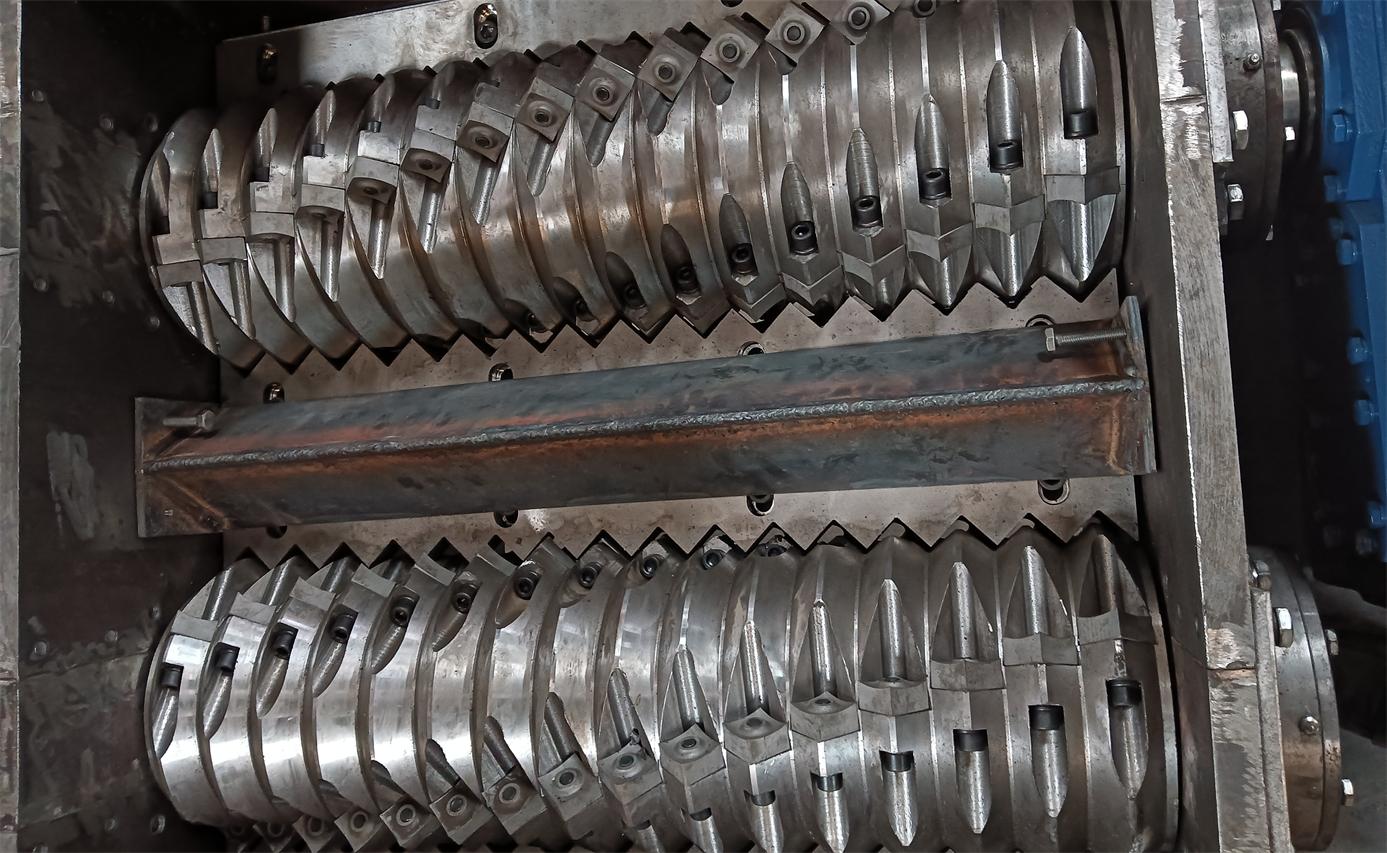
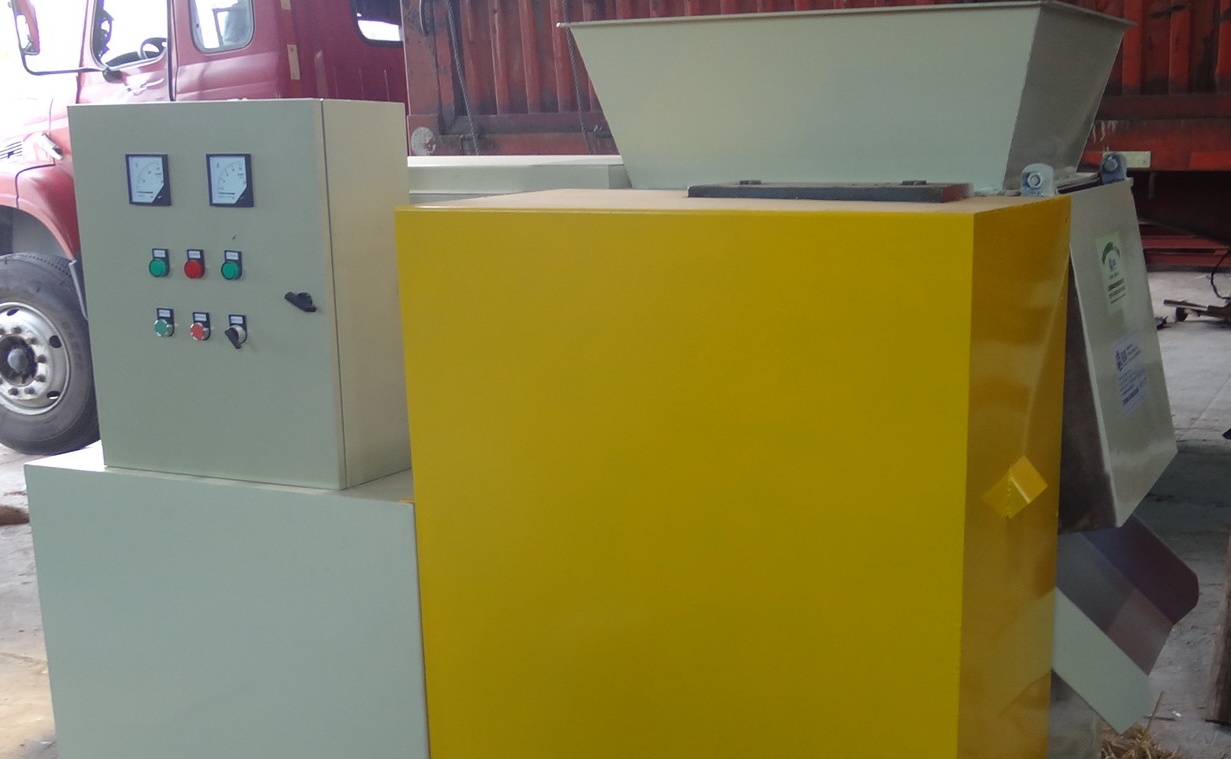
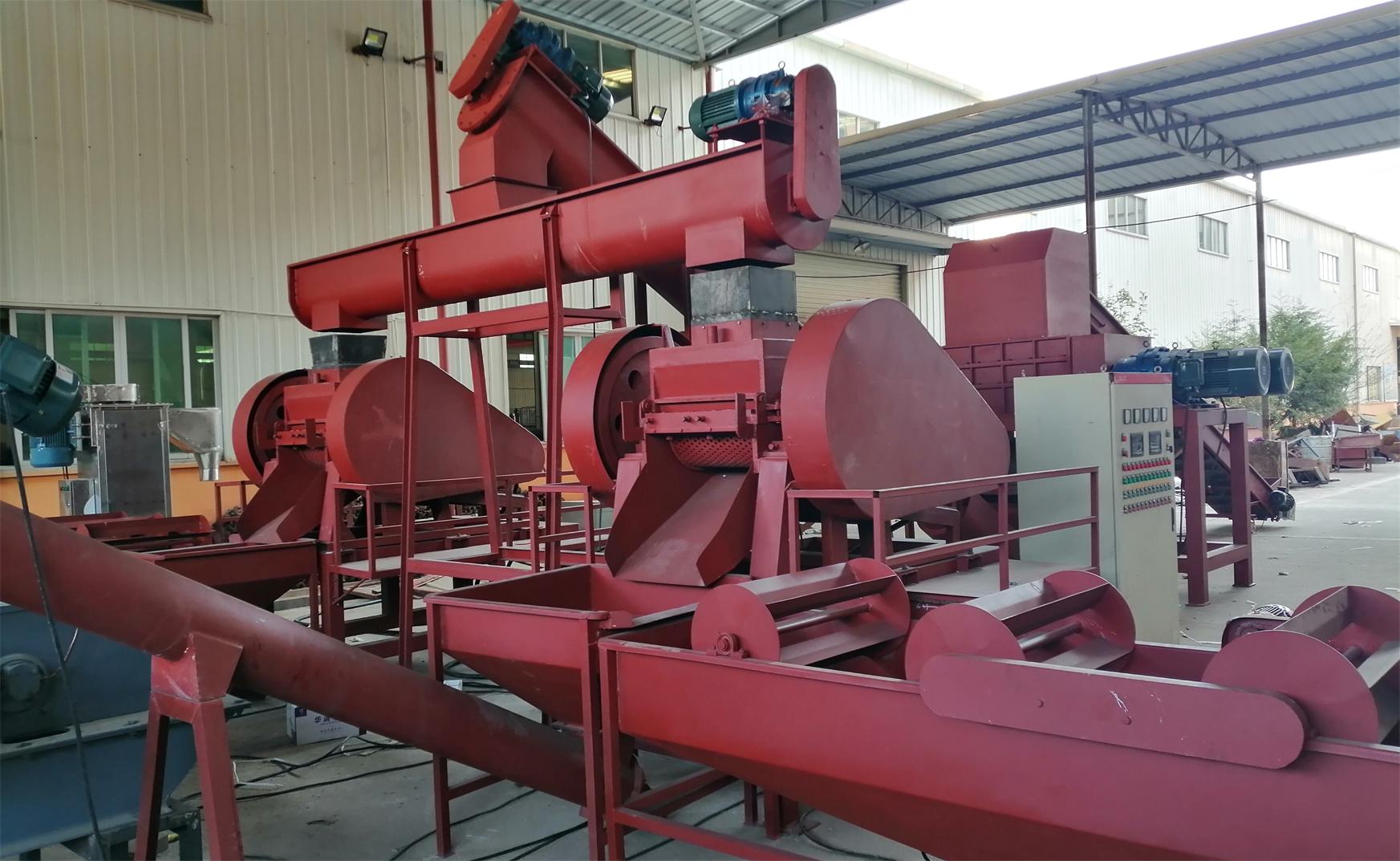
Scrap cables are among the most accessible feedstocks for new recycling businesses. Cable recycling equipment such as wire granulators and stripping machines separate copper and aluminum from plastic insulation efficiently. Compact granulators with dry separators offer an excellent entry point for small to medium operations.
What to Look for in a Recycling Equipment Supplier
Purchasing recycling machinery is a significant capital investment. The supplier you choose will directly impact your operational efficiency, compliance status, and bottom line. Here are the critical factors to evaluate:
- Technical expertise and experience: Look for manufacturers with deep engineering knowledge and proven track records. A team with master's degrees in mechanical engineering and over 15 years of hands-on experience in e-waste recycling machines brings invaluable problem-solving capability.
- EPC project capability: Engineering, Procurement, and Construction (EPC) experience means the supplier can design complete turnkey plants, not just sell individual machines. This ensures seamless integration and optimal plant layout.
- Customization and flexibility: Every recycling operation has different feedstock characteristics, capacity requirements, and local regulations. Your supplier should offer customized design services rather than one-size-fits-all solutions.
- After-sales support: Installation, commissioning, and ongoing technical support are essential. Equipment downtime in recycling operations translates directly to lost revenue.
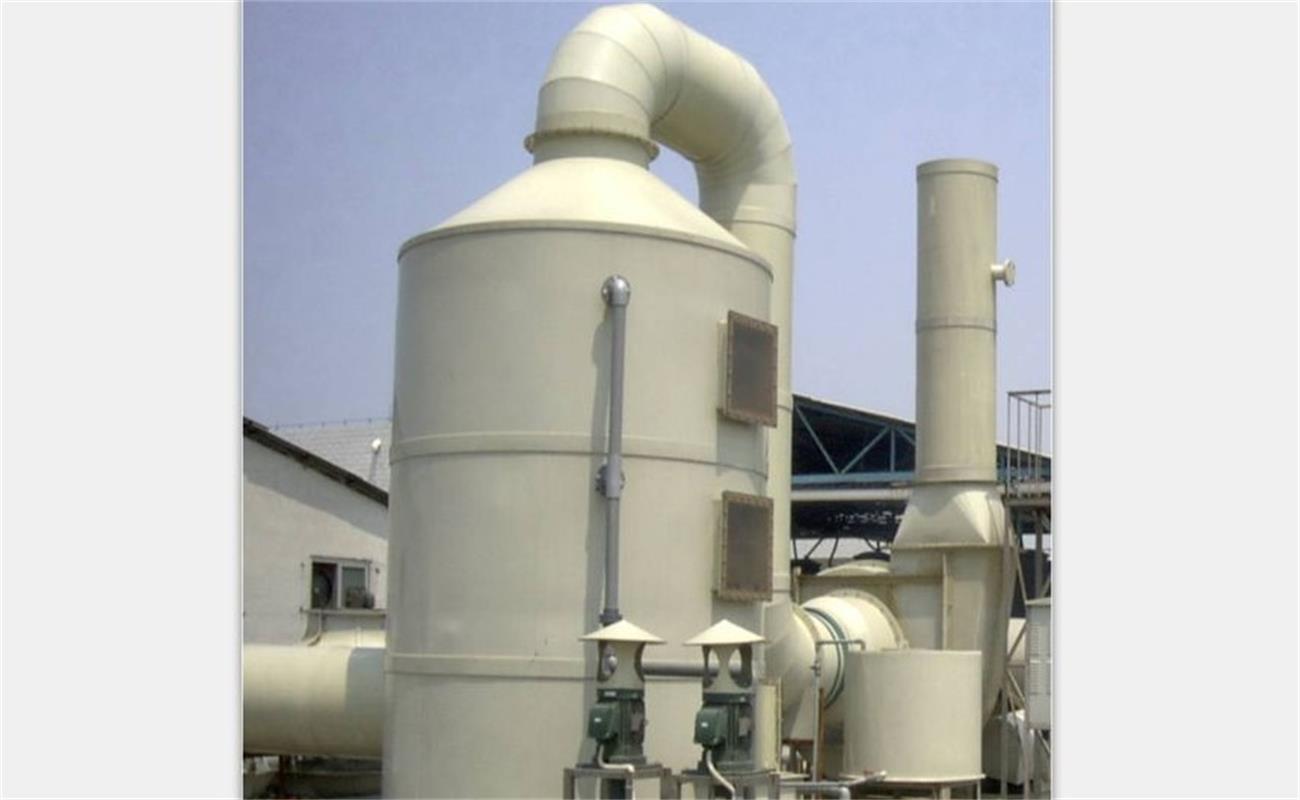
- Environmental compliance: Modern recycling plants must meet stringent air and water quality standards. Ensure your supplier integrates pollution control systems such as air scrubbers, dust collectors, and wastewater treatment plants.
- Global references: A supplier with customers across multiple continents demonstrates reliability and adaptability to different regulatory environments.
San Lan Technologies: A Partner for Long-Term Success
Founded in 2007 and headquartered in Ganzhou, Jiangxi Province, China, San Lan Technologies Co., Ltd has established itself as a professional manufacturer of WEEE recycling machines and mining equipment. With nearly two decades of specialization, the company offers a comprehensive product portfolio that covers virtually every major e-waste recycling stream.
Why San Lan stands out: Unlike generalist machinery manufacturers, San Lan focuses exclusively on e-waste recycling and ore extraction equipment. This specialization translates into deeper engineering knowledge, better-optimized designs, and more reliable performance in demanding recycling environments.
San Lan's product range includes complete lead acid battery recycling equipment lines with breaking and separation systems, rotary furnaces achieving higher recovery rates than traditional blast furnaces, and electric refinery kettle furnaces that save 30-50% energy through near-infrared heating technology. Their lithium battery recycling plants handle 500-2,500 kg per hour, recovering black mass, copper, aluminum, and plastic with integrated air pollution control.
For circuit board processors, San Lan offers both wet and dry separation plants with capacities from 300 to 2,000 kg per hour, achieving copper powder purity of 96-98%. Their cable recycling solutions span from manual scrap cable strippers for small operations to high-capacity granulator plants for industrial-scale processing.
Beyond standard products, San Lan provides value-added services that many competitors cannot match. These include helping customers source waste feedstock such as cable scrap, PCB scrap, and used lead acid batteries; assisting with product sales including copper rice, copper powder, and lead ingots; and even seeking investors and partners for recycling plant construction projects. This ecosystem approach transforms San Lan from a simple vendor into a genuine business development partner.
Proven Global Track Record
San Lan Technologies has delivered equipment to customers in more than 21 countries, including Singapore, Colombia, Vietnam, Mexico, Argentina, Korea, Malaysia, Indonesia, South Africa, Tunisia, India, Kenya, Saudi Arabia, Philippines, and Zambia. This international footprint demonstrates the company's ability to meet diverse regulatory requirements and operational conditions. All team members are essentially bilingual in English and Chinese, with strong cross-cultural communication skills that smooth project execution across borders.
The company's vision is clear: to build the leading international brand in WEEE and e-waste recycling plants through deep customer understanding, win-win cooperation, professional international marketing, and excellent customer relationship management. For recycling entrepreneurs seeking a reliable recycling equipment supplier with both technical depth and business development support, San Lan Technologies offers a compelling partnership proposition.
Conclusion: Invest Wisely, Recycle Responsibly
The e-waste recycling industry offers tremendous potential for profitable and environmentally responsible business growth. However, success depends on making informed equipment choices from the outset. By focusing on specialized recycling streams, evaluating suppliers on technical expertise and EPC capabilities, and partnering with established manufacturers who understand both the machinery and the business of recycling, entrepreneurs can build operations that generate strong returns while contributing to a circular economy.
Whether you are planning a lead acid battery recycling plant, a lithium battery recovery facility, a circuit board processing operation, or a cable recycling business, the quality of your equipment partner will define your operational success. Choose a supplier with proven technology, global experience, and a commitment to supporting your business beyond the initial sale.
Contact San Lan Technologies today to discuss your project requirements. Our engineering team will help you select the optimal equipment configuration and provide a customized solution tailored to your feedstock, capacity targets, and budget.
Get a Free Consultation