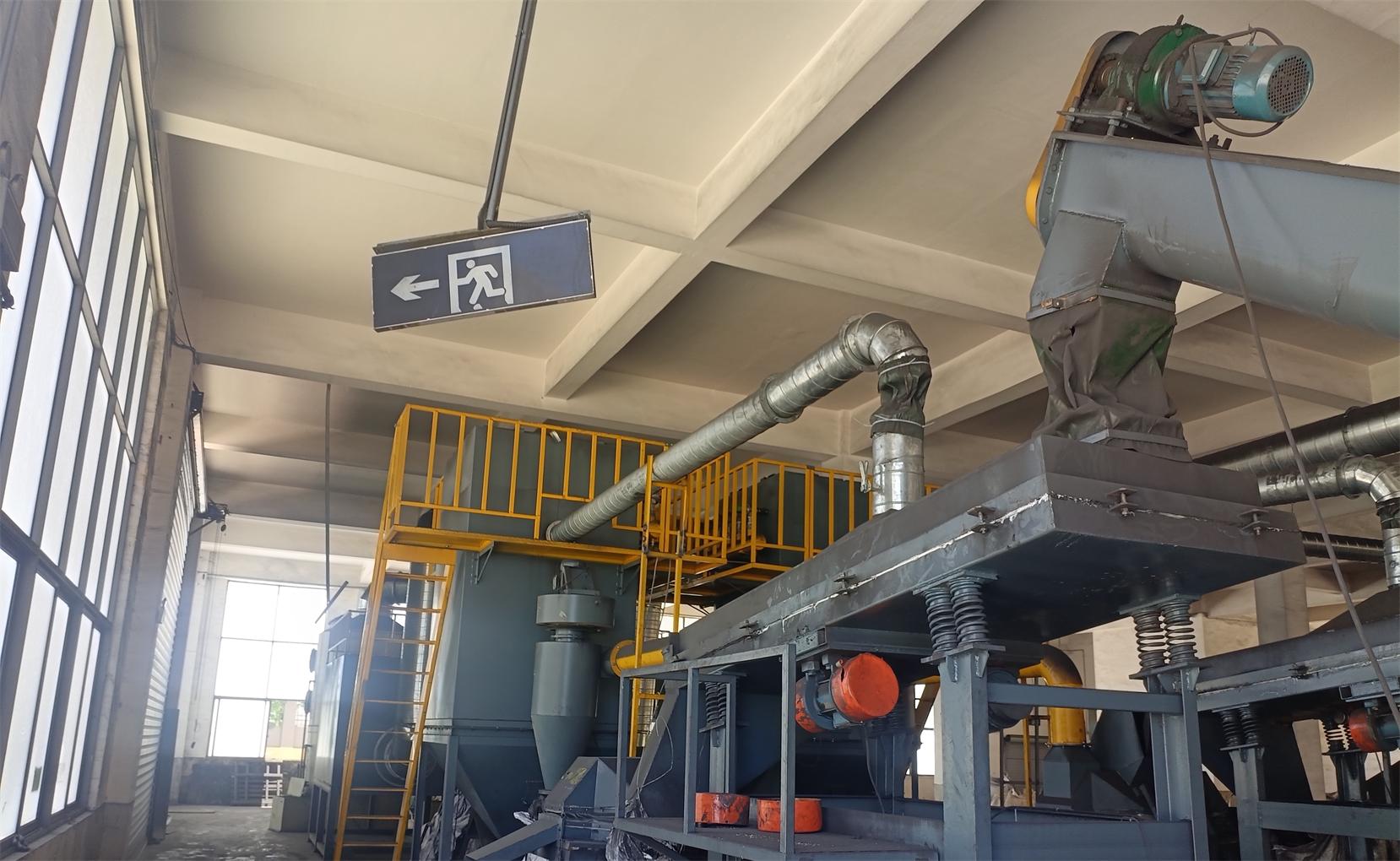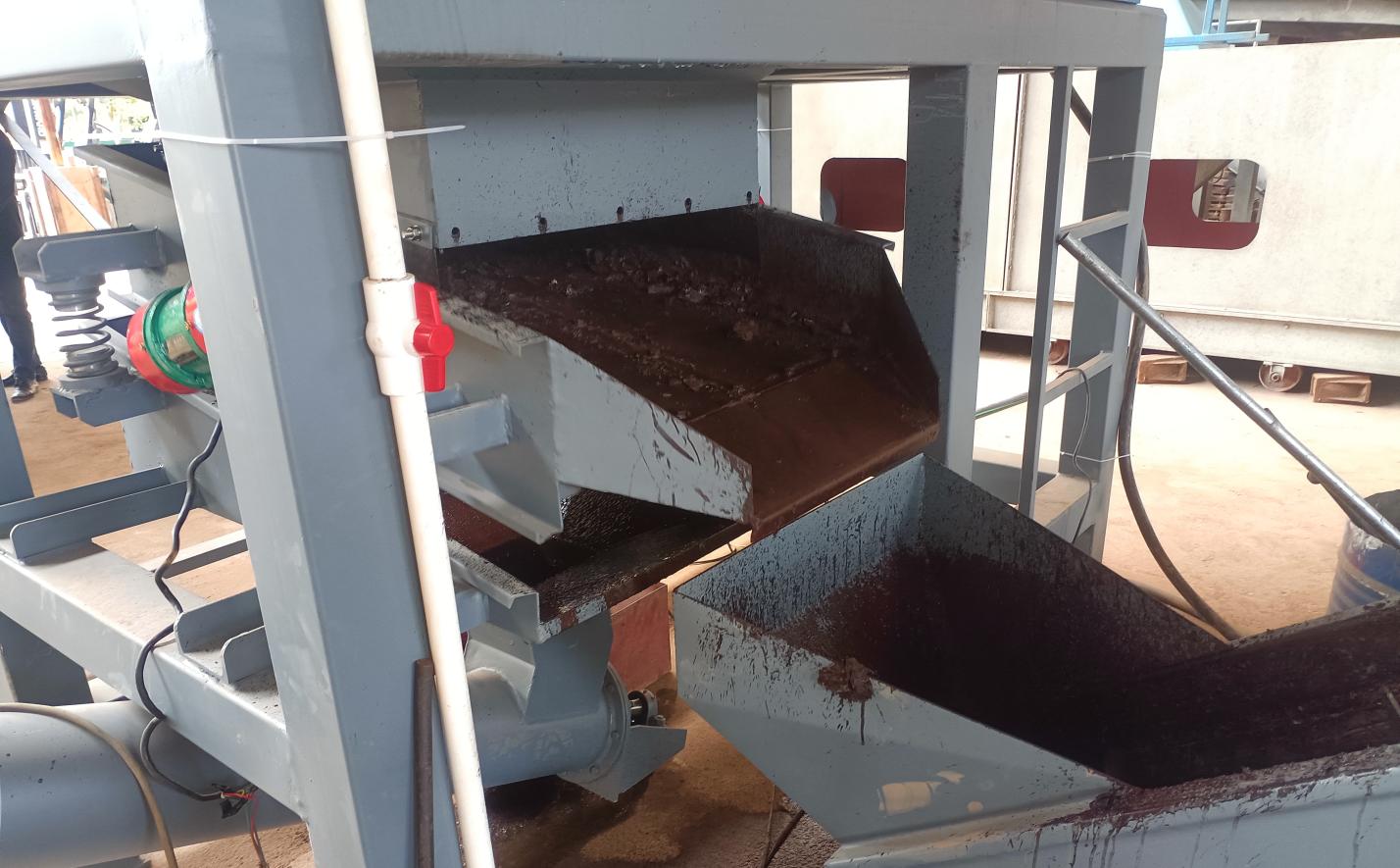
Electronic waste is the fastest-growing waste stream on the planet. Every year, mountains of discarded batteries, circuit boards, cables, and appliances pile up in landfills, leaching toxic materials into soil and water while wasting valuable metals that could be recovered and resold. For business-minded operators, this is not just an environmental problem—it is a supply chain opportunity hiding in plain sight. The companies that build efficient recycling plants today will be the raw material suppliers of tomorrow.
The question is: where do you start?
The Most Profitable E-Waste Streams
Smart recycling businesses focus on material streams where supply is plentiful and recovered commodities command strong prices. Four segments stand out:
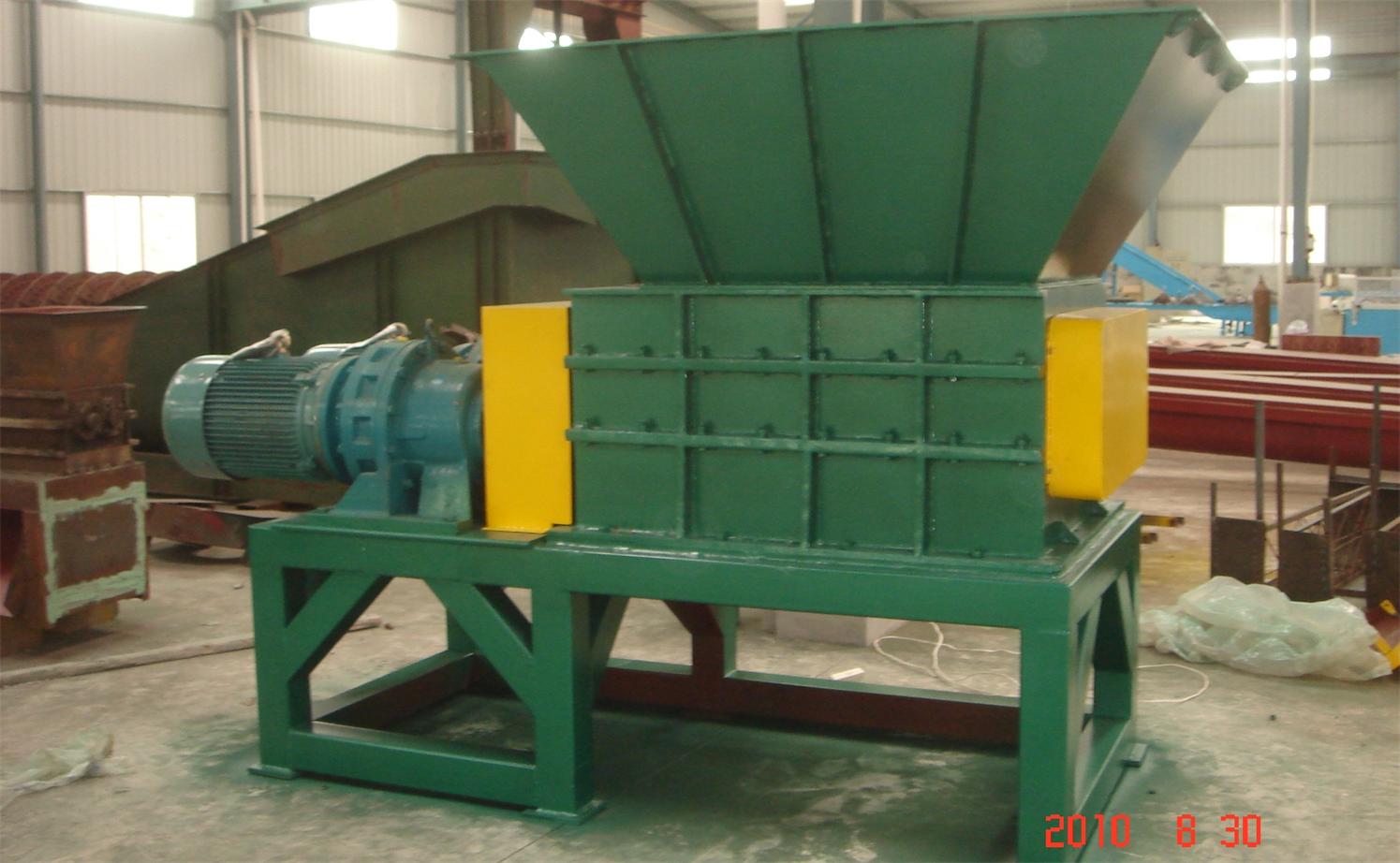
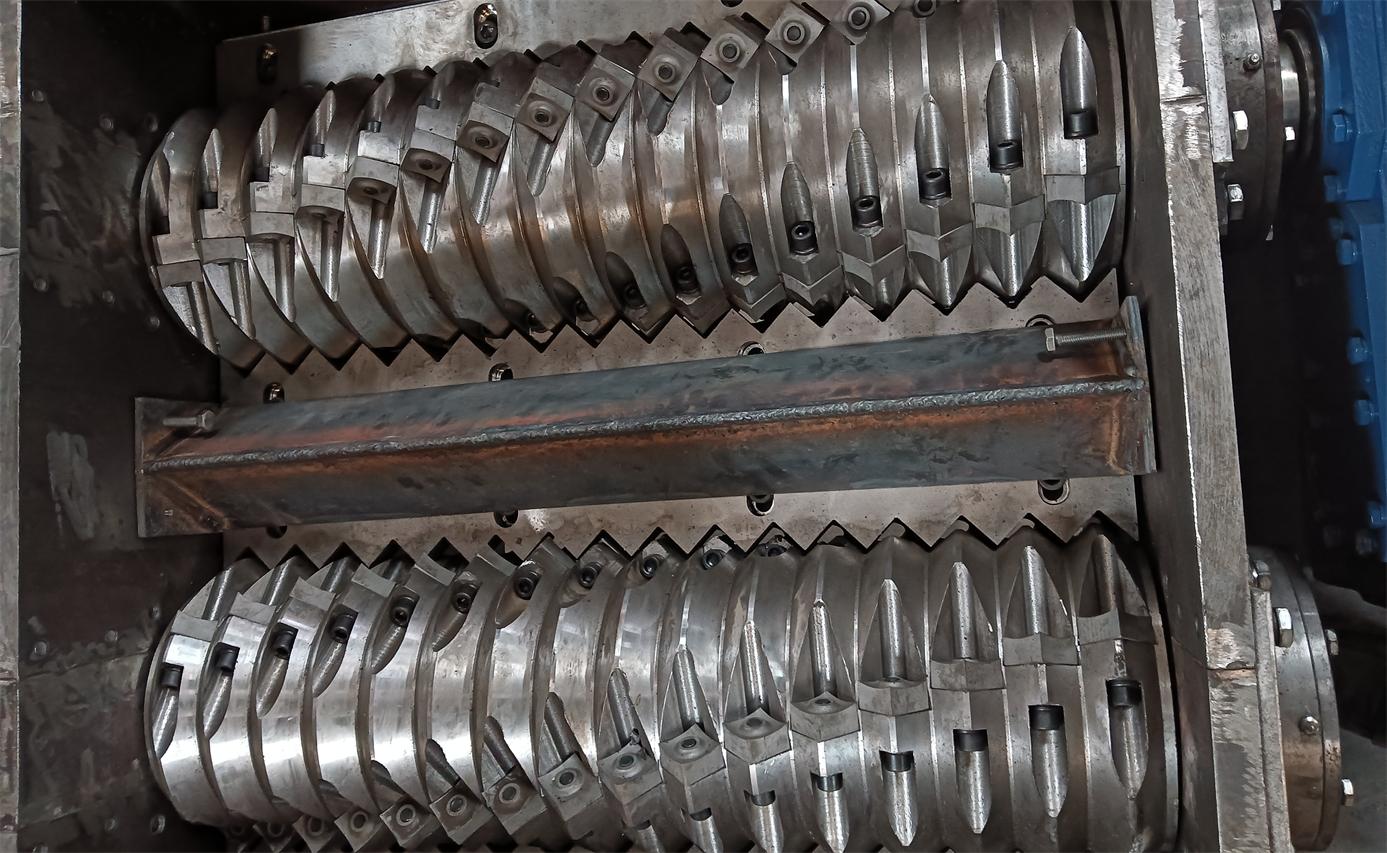
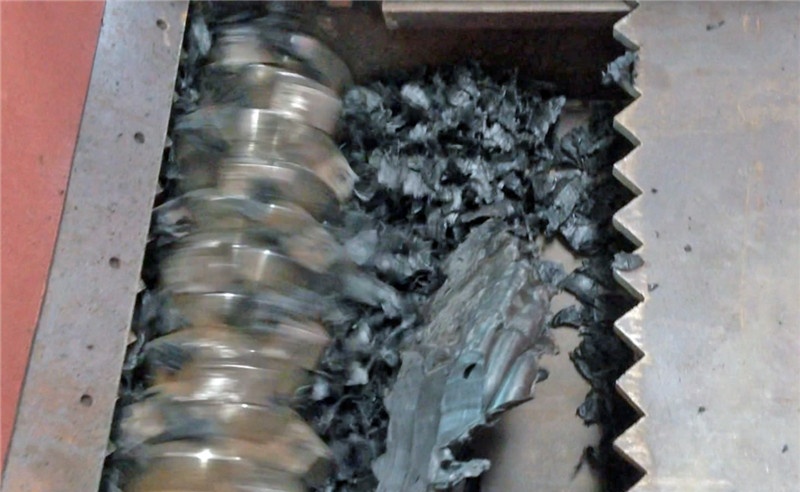
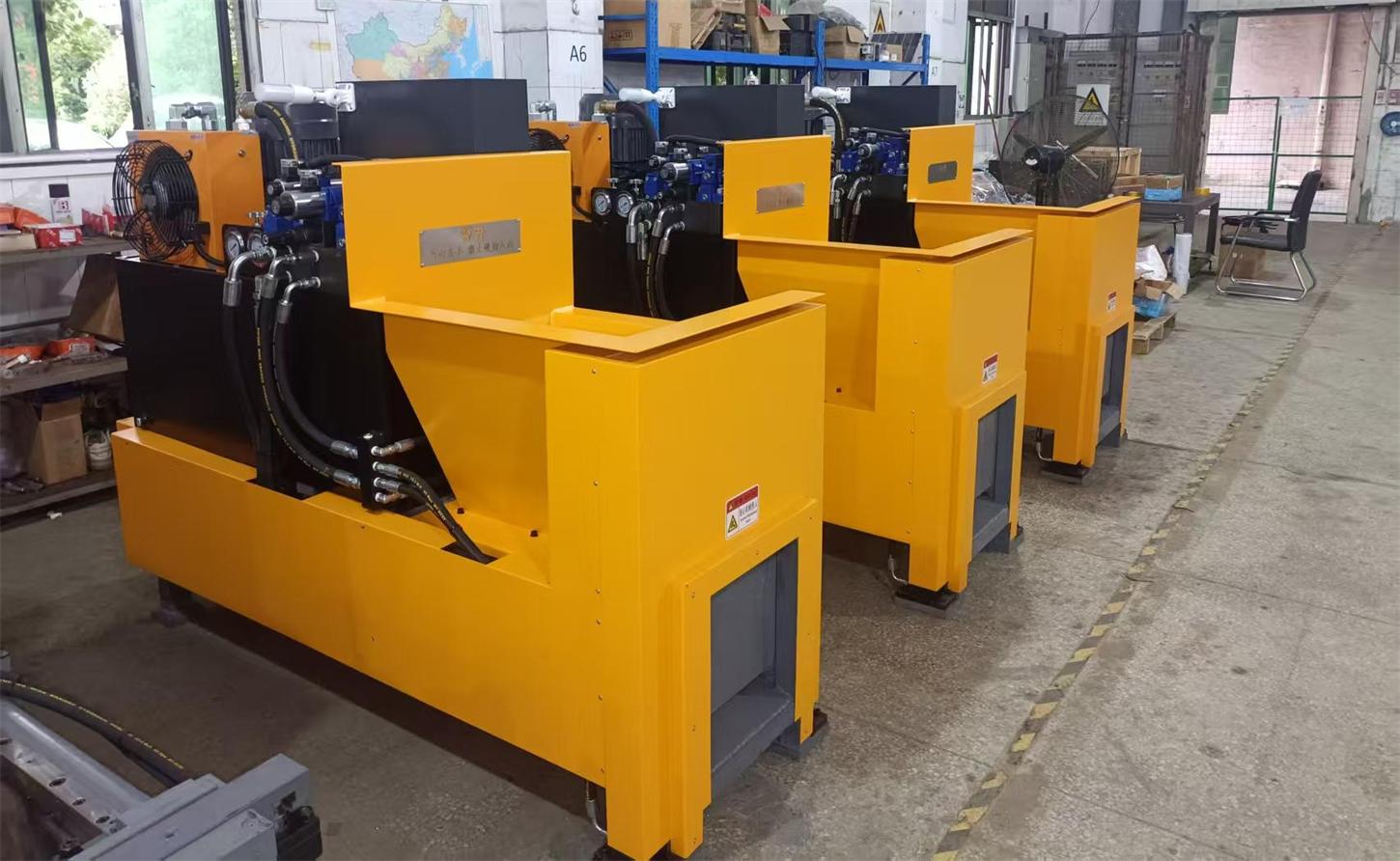
Lithium Battery Recycling: The electric vehicle revolution has created a tidal wave of spent lithium-ion batteries. A properly designed lithium battery recycling plant can break down these batteries and separate them into valuable outputs—black mass containing nickel, cobalt, and graphite, plus clean streams of copper, aluminum, and plastic. Systems processing 500–2,500 kg per hour are now available for operators who want to enter this high-growth market.
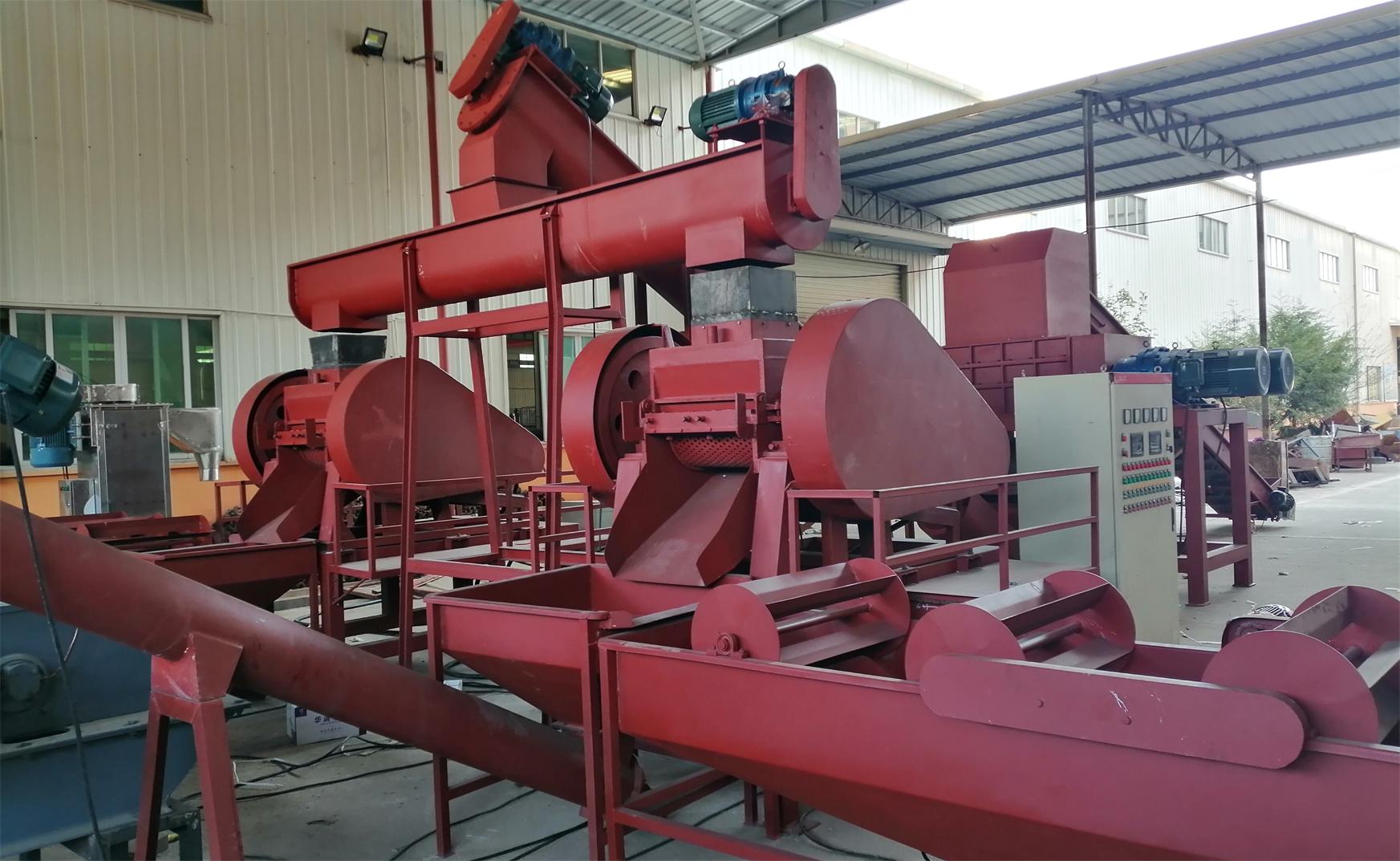
Lead Acid Battery Recycling: The global vehicle fleet and industrial backup power systems generate a steady, massive flow of used lead acid batteries. A lead acid battery breaking and separating plant crushes and classifies batteries into four distinct products: lead paste, lead grids, plastic cases, and even the acid itself. With capacities from 1–10 MT per hour, these plants form the backbone of a profitable secondary lead industry.
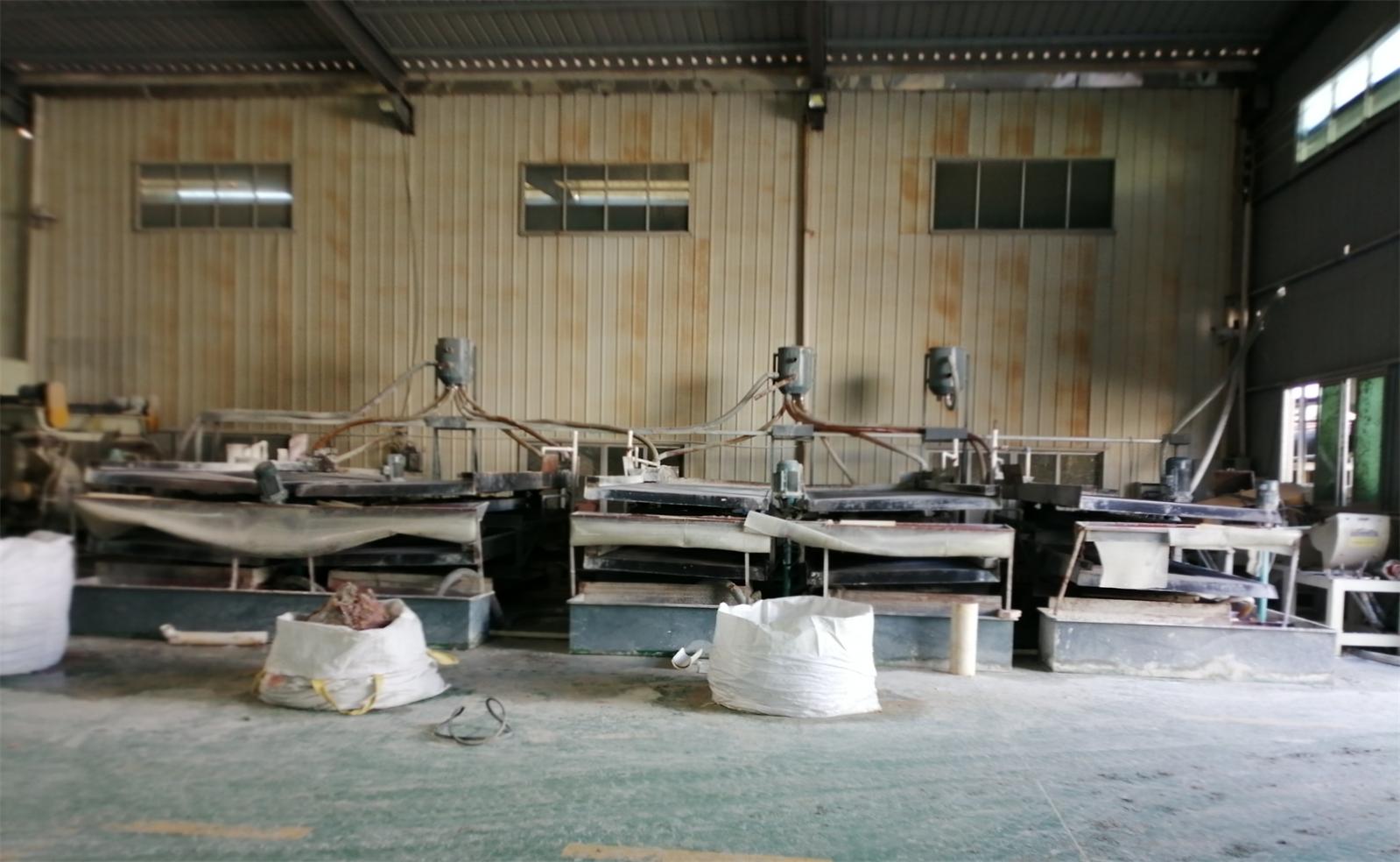
Circuit Board Recycling: Discarded electronics contain printed circuit boards rich in copper and precious metals. Advanced circuit board recycling equipment uses either dry air separation or wet water-based separation to produce copper powder with purity levels reaching 96–98%. The right plant configuration turns what looks like trash into a concentrated feedstock for metal refiners.
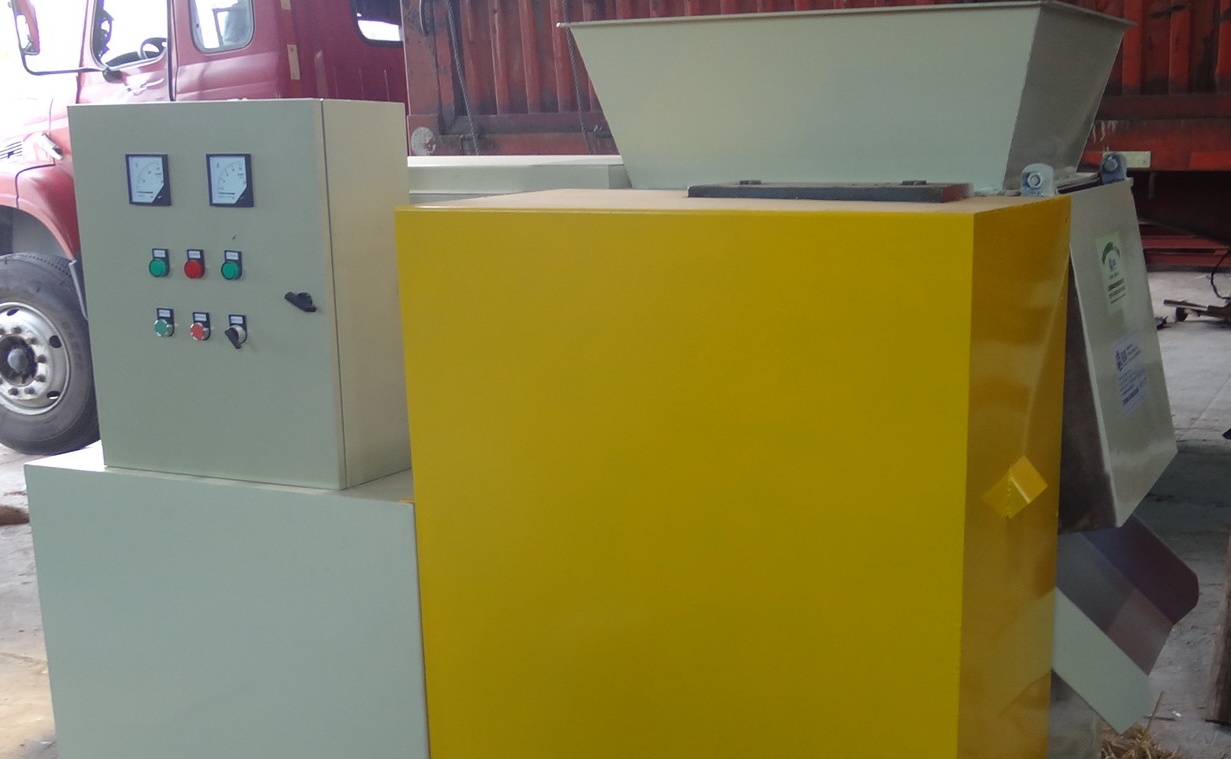
Cable Recycling: Scrap electrical cable is one of the most accessible waste streams for new entrants. For smaller-scale operations, the cable recycling machine wcd-200c offers a compact granulator solution that separates copper or aluminum from plastic insulation. The result—clean copper granules known as "copper rice"—sells at near-market rates with minimal processing complexity.
What Separates a Good Equipment Supplier from a Great One
Buying recycling machinery is not like buying a standard industrial product. Your supplier needs to understand material science, environmental compliance, and plant economics. Here is what to demand:
Real Engineering Depth: Recycling equipment must withstand abrasive materials, corrosive chemicals, and continuous operation. Look for manufacturers whose technical teams have deep credentials. San Lan Technologies, founded in 2007, employs mechanical engineers with over 15 years of hands-on experience designing WEEE recycling systems.
True Turnkey Capability: The best partners offer full EPC (Engineering, Procurement, Construction) project delivery. That means customized plant layout, equipment selection, installation, commissioning, and operator training—delivered as a single accountable package.
Value-Added Business Support: Equipment is just the beginning. A valuable partner helps you source feedstock (whether cable scrap, used batteries, or PCB waste), and connects you with buyers for your recovered outputs like copper powder, lead ingots, and aluminum fractions.
International Track Record: Recycling regulations and operational conditions vary dramatically by country. A supplier with active installations across more than 21 nations—from Southeast Asia to Latin America to Africa—brings practical knowledge that no brochure can replace.
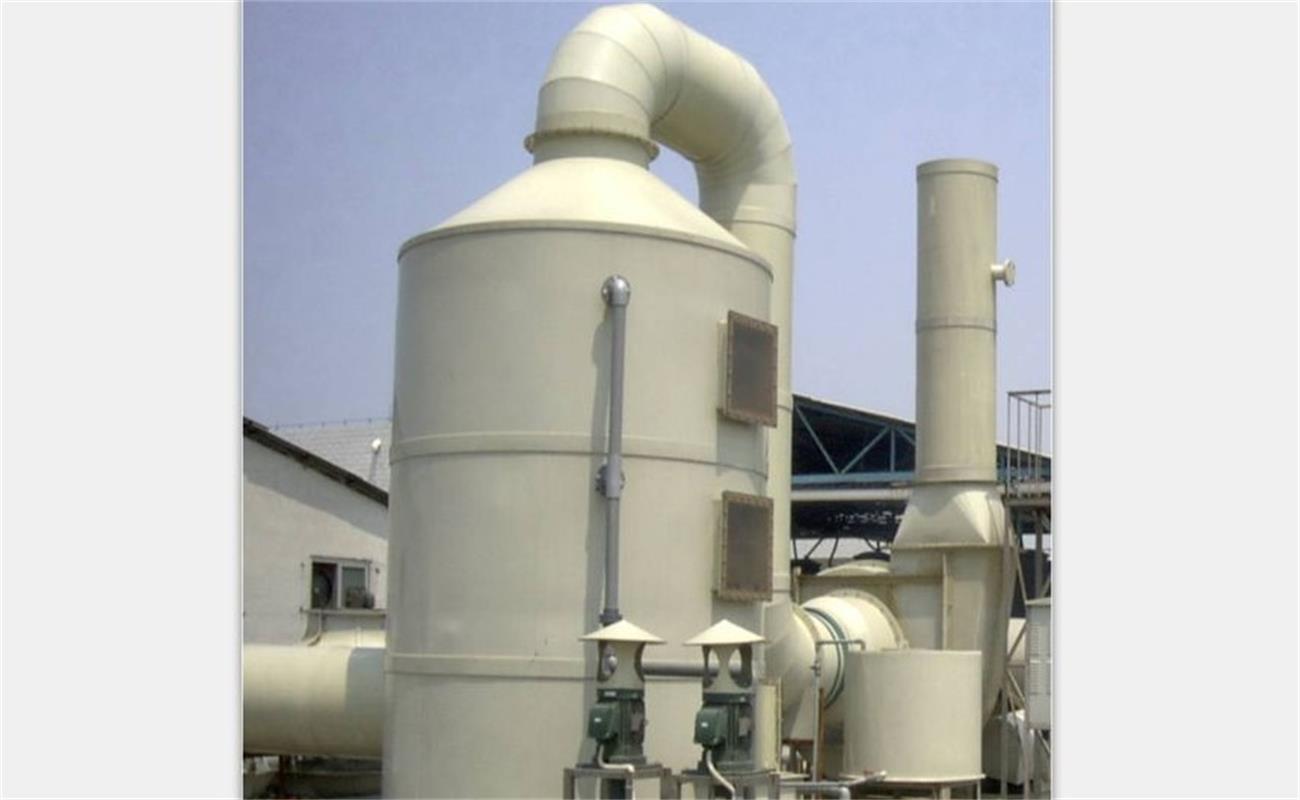
Integrated Environmental Systems: Modern recycling plants must meet strict emissions and effluent standards. Look for suppliers who bundle air pollution control systems, wastewater treatment, and dust collection into their plant designs, not as afterthoughts.
The Bottom Line
The e-waste recycling sector is moving from a niche environmental activity to a mainstream industrial operation. Raw material scarcity, rising mining costs, and tightening environmental laws are all pushing in the same direction: recovered materials will become an increasingly important part of the global supply chain.
Whether your interest lies in lithium battery recycling, lead acid battery processing, circuit board recovery, or cable granulation, the foundation of a profitable plant is the same—proven equipment, experienced engineering support, and a partner who understands the full business cycle.
Ready to Start Your Recycling Project?
San Lan Technologies Co., Ltd designs and manufactures complete recycling plants and equipment for the full spectrum of e-waste and WEEE materials. With turnkey solutions, international project experience, and comprehensive customer support, we help operators turn waste streams into revenue streams.
Contact us today to discuss your recycling project requirements. Email: info@san-lan.com | WhatsApp: +86 139 2377 4083