How to Build a Profitable E-Waste Recycling Business: A Complete Equipment Guide
The e-waste recycling industry is expanding rapidly, driven by rising electronic consumption, shorter device lifespans, and stricter environmental regulations worldwide. For entrepreneurs and investors looking to enter this sector, understanding the right equipment, processes, and plant setup is critical to long-term success. From core machinery selection to turnkey plant solutions, this guide covers the essential elements you need to launch a recycling operation that delivers both profit and environmental responsibility.
Why E-Waste Recycling Is a High-Opportunity Sector
Electronic waste contains valuable recoverable materials including copper, gold, silver, aluminum, and rare earth elements. Circuit boards from computers and mobile devices often hold higher metal concentrations than natural ore deposits, making them a rich source of secondary raw materials. Yet, despite this inherent value, a significant portion of e-waste still goes unrecycled globally. This gap creates a substantial business opportunity for well-equipped recycling plants.
Beyond the economics, regulatory pressure is accelerating demand for formal recycling infrastructure. Governments worldwide are enforcing Extended Producer Responsibility (EPR) frameworks, mandatory recycling targets, and stricter environmental compliance rules. These policies ensure that e-waste recycling is not just a green initiative—it is a legally mandated, rapidly expanding industry with predictable long-term demand.
Core E-Waste Recycling Equipment Every Plant Needs
Circuit Board Recycling Equipment
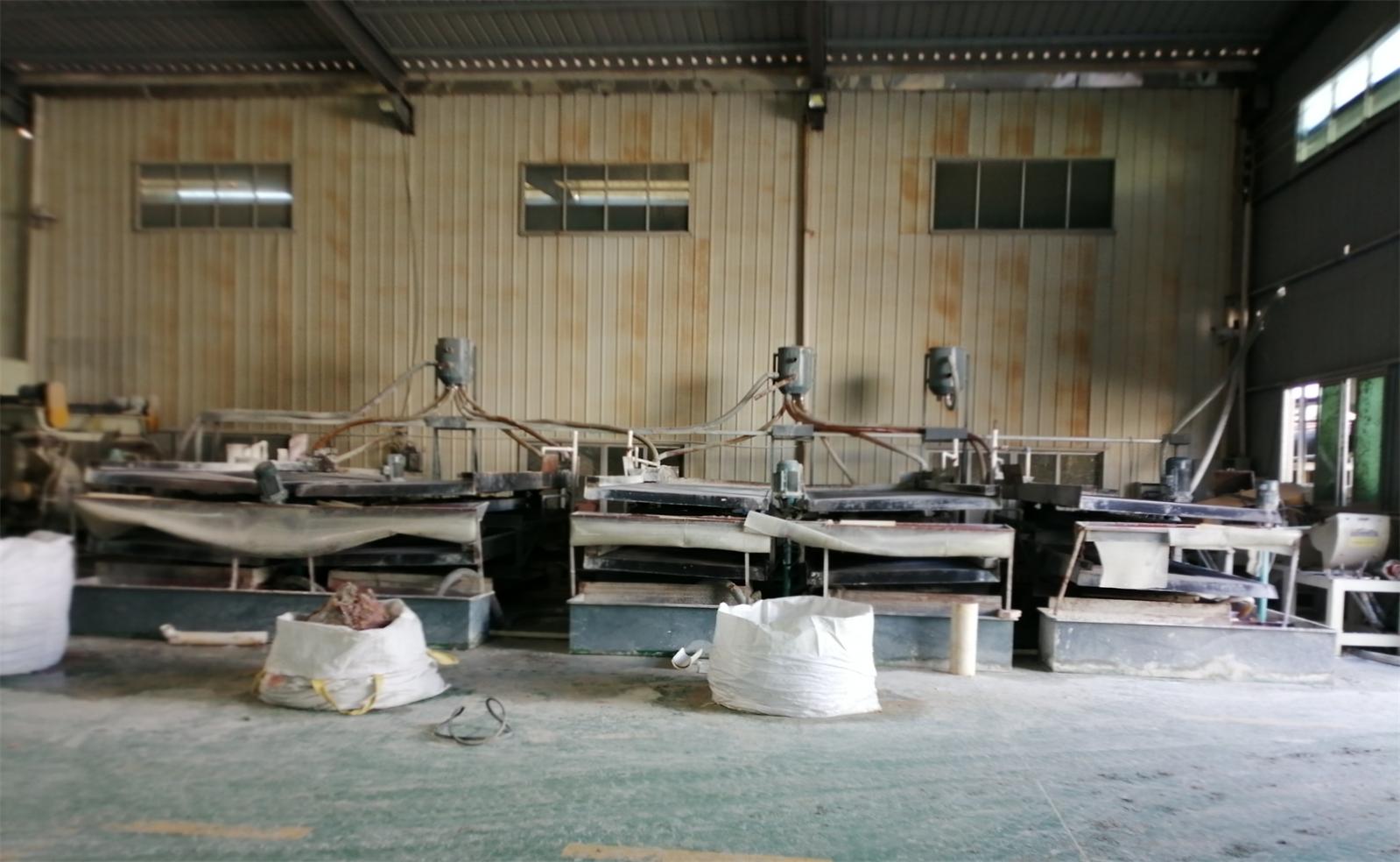
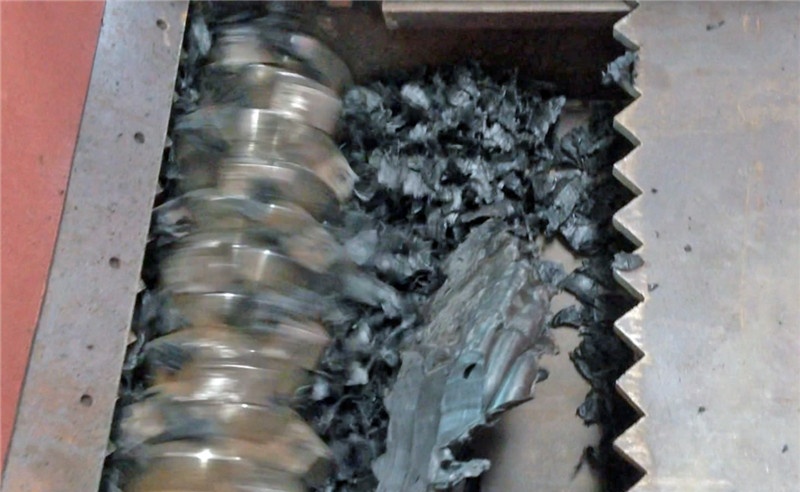
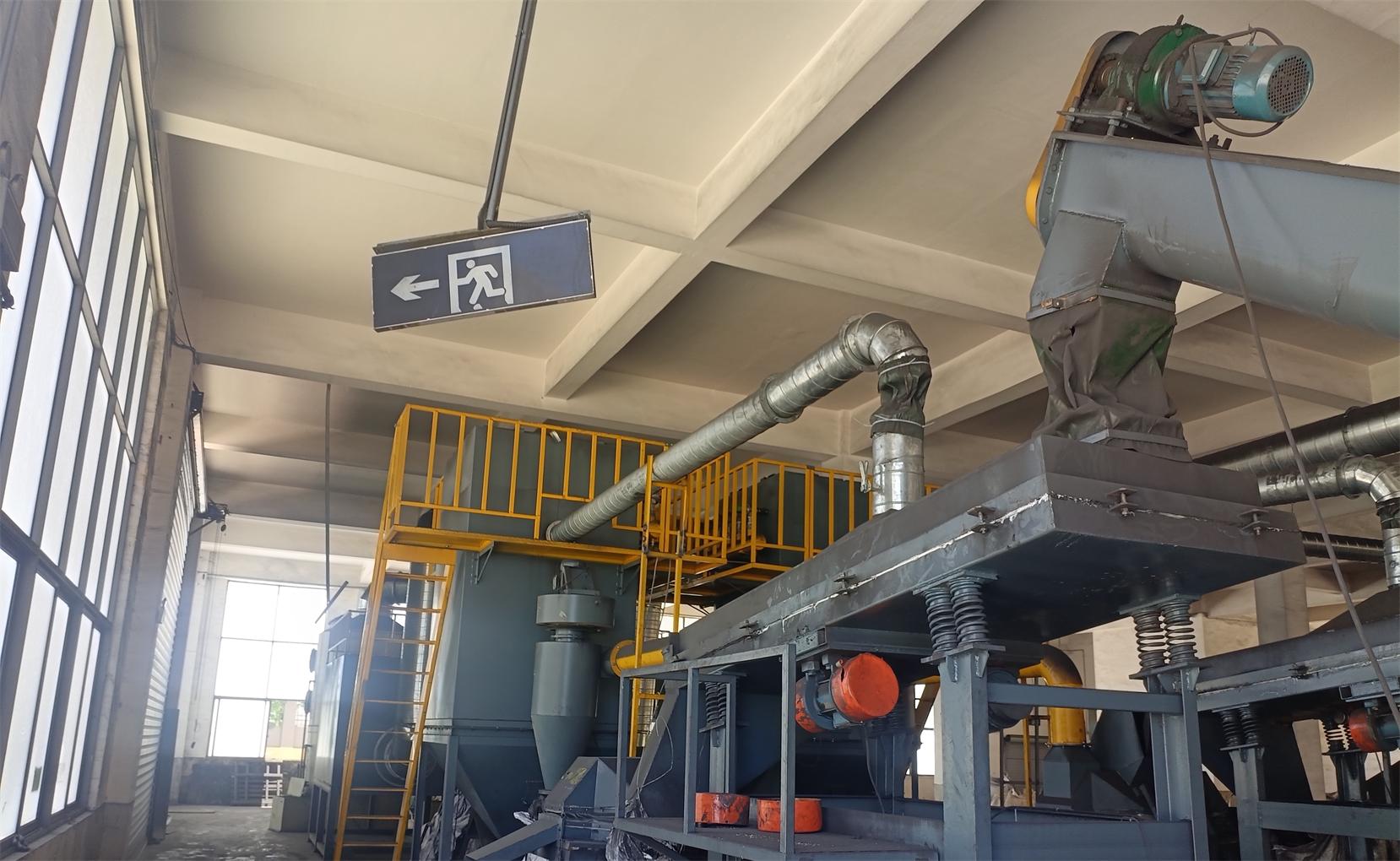
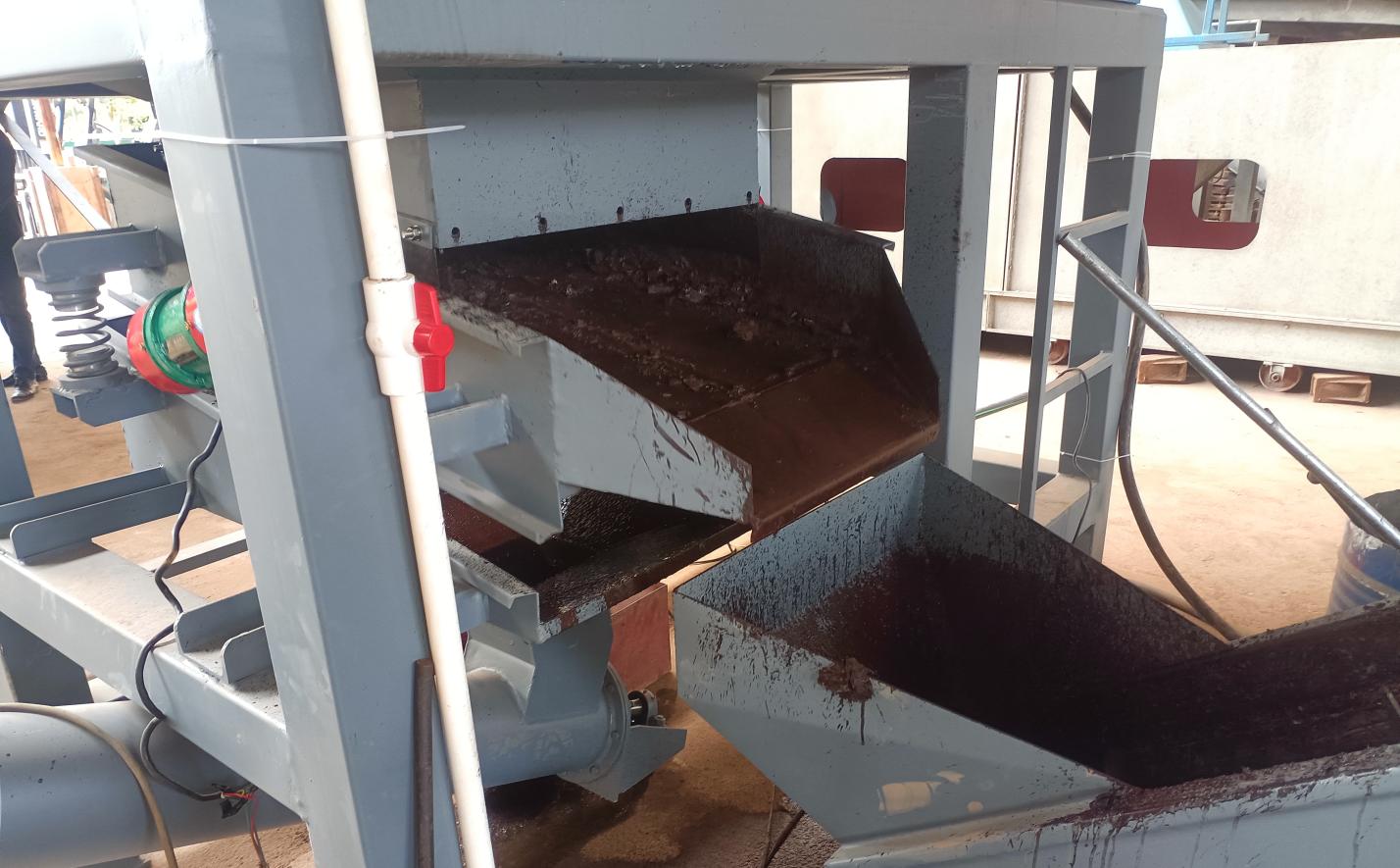
Printed circuit boards (PCBs) are among the most valuable components in e-waste, containing copper, precious metals, and rare materials. A professional circuit board recycling equipment line typically includes crushing systems, separation units, and dust collection systems. Modern plants can process 300–2,000 kg per hour, achieving copper powder purity of 96–98% with recovery rates up to 95%. Both dry and wet separation technologies are available, allowing operators to choose based on local environmental regulations and feedstock characteristics.
Lead Acid Battery Recycling Equipment
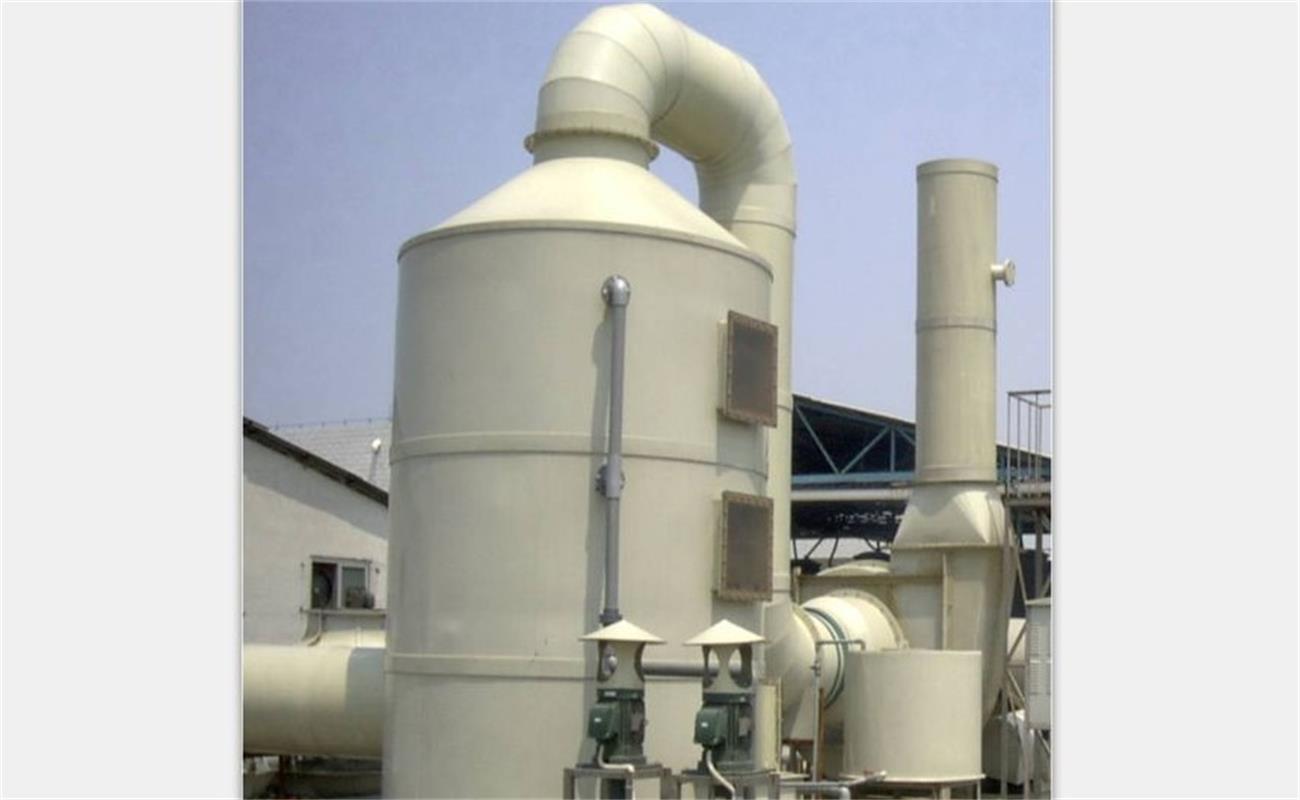
Used lead acid batteries (ULAB) represent one of the most hazardous yet profitable recycling streams. A complete lead acid battery recycling equipment line includes battery breaking and separation systems, rotary furnaces for paste reduction, blast furnaces, lead refinery kettles, de-sulfurization units, filter presses, water treatment plants, and air pollution control systems. Capacity typically ranges from 1–10 MT per hour for breaking and separation, with lead recovery rates exceeding 95%. Properly designed systems recover acid, plastic shells, lead grids, and lead paste—turning hazardous waste into valuable commodities while meeting strict environmental standards.
Cable Recycling Equipment
Scrap cables and wires are a consistent, high-volume feedstock for recycling operations. Cable recycling equipment includes scrap cable strippers for large-diameter wires and compact cable granulators with dry separators for fine copper recovery. These systems separate copper or aluminum from plastic insulation with high efficiency, producing clean copper granules ready for smelting or direct sale. Depending on the model, cable recycling machines can process from 100 kg to over 1,000 kg per hour, making them suitable for both small operators and large-scale plants.
Advanced Recycling Solutions for Specialized Streams
Lithium Battery Recycling Plant
With the explosive growth of electric vehicles and consumer electronics, lithium-ion battery recycling has become one of the fastest-growing segments. A complete lithium battery recycling plant safely discharges, pre-crushes, and separates waste batteries to recover black mass (containing nickel, cobalt, and graphite), plastic, copper, and aluminum. Capacities range from 500–2,500 kg per hour, with integrated air pollution control systems to handle harmful gases. Custom designs are available to match specific feedstock types and local regulatory requirements.
Refrigerator and AC Recycling Machines
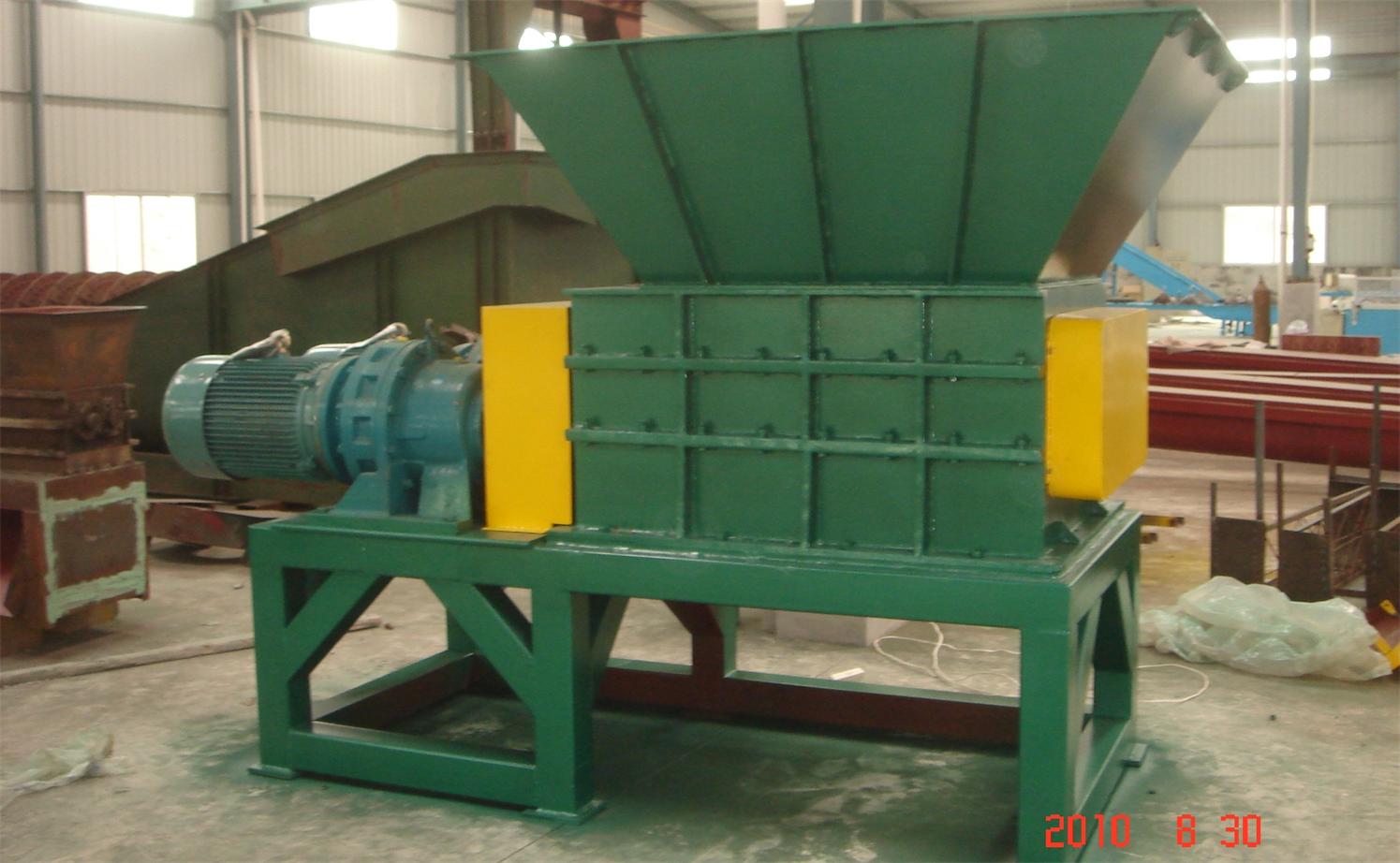
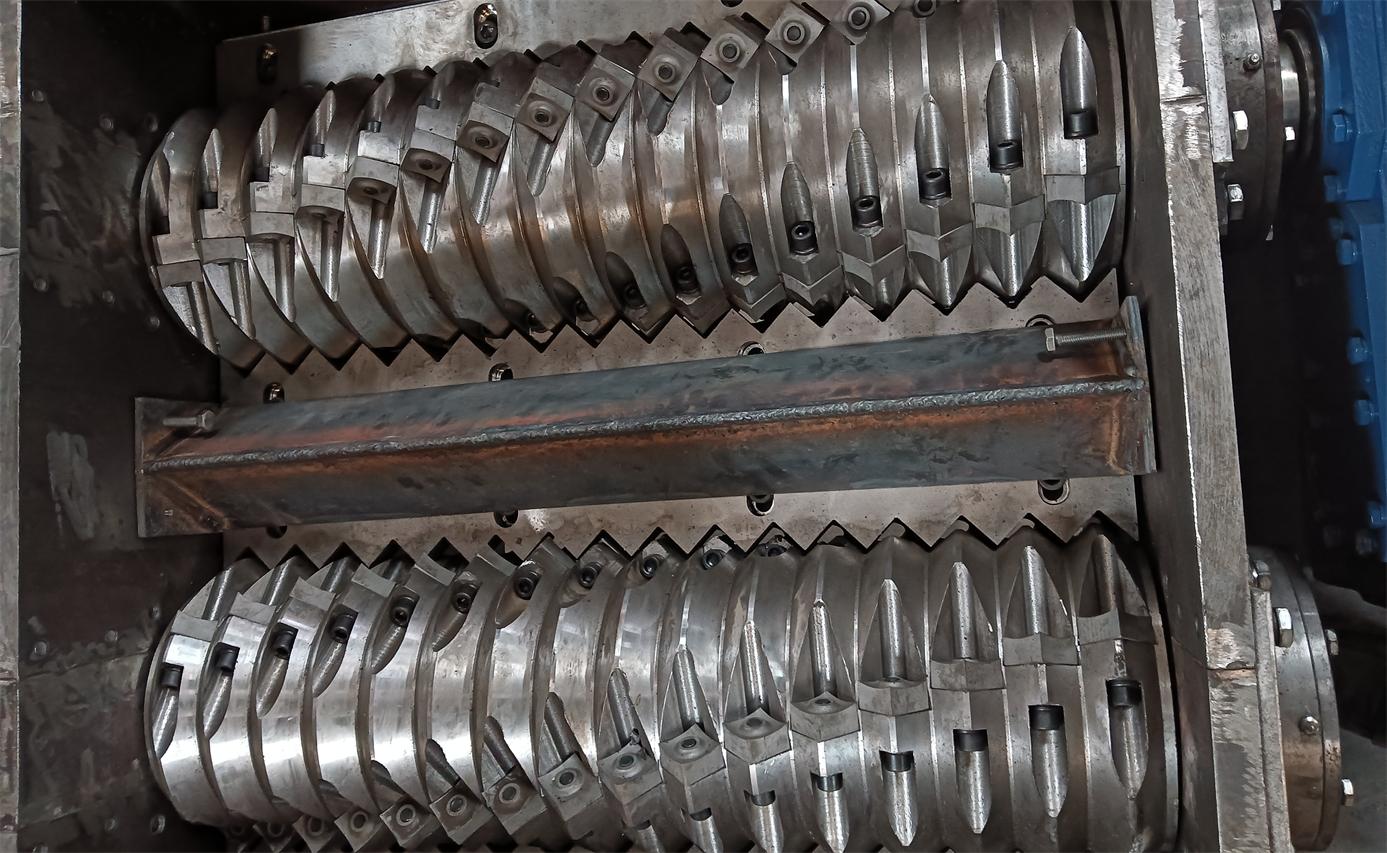
End-of-life refrigerators and air conditioners require specialized handling due to refrigerants and insulating foams. A refrigerator shredding and separating plant can process 20–30 units per hour, recovering iron (≥95%), copper/aluminum (≥90%), plastics (≥90%), and polyurethane foam (≥90%). Refrigerant extraction machines safely recover R404A, R407C, R410A, R134A, and other refrigerants for reuse or proper disposal, ensuring compliance with ozone-depleting substance regulations.
CRT and Lamp Recycling
Although declining in volume, CRT monitors and fluorescent lamps still require safe recycling to prevent mercury and lead contamination. CRT cutters use ni-chrome heating wires or diamond blades to separate panel and funnel glass while collecting phosphor powder. Lamp recycling machines crush fluorescent tubes and capture mercury via HEPA and activated carbon filters, processing up to 350 tubes per hour.
Plant Design and Turnkey Solutions
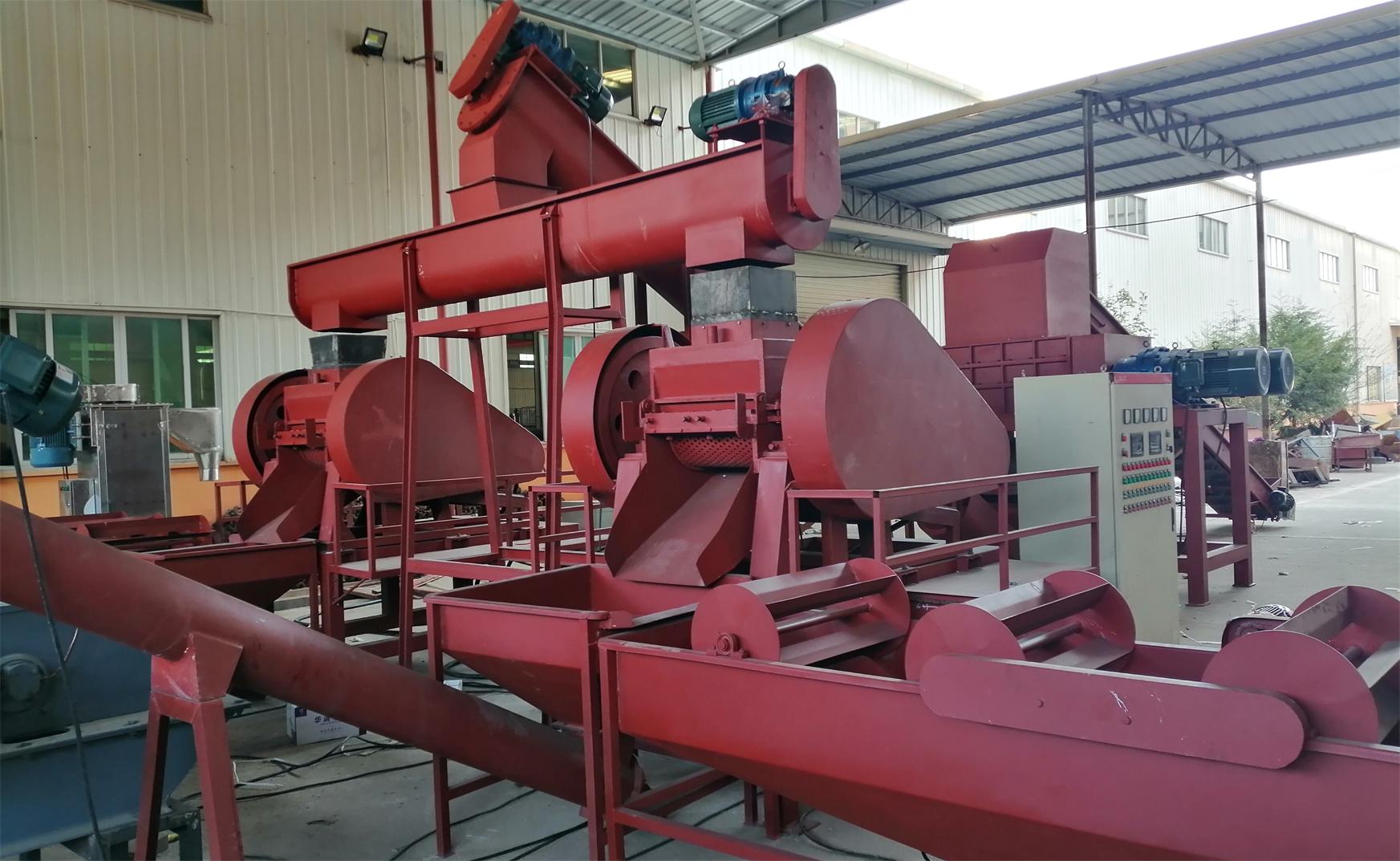
Building a successful recycling plant requires more than individual machines—it demands integrated system design, proper material flow, environmental controls, and regulatory compliance. Experienced manufacturers offer turnkey EPC (Engineering, Procurement, Construction) solutions that cover customized plant design, equipment supply, installation, commissioning, and operator training.
Key considerations for plant design include:
- Feedstock analysis: Understanding the types and volumes of waste you will process
- Process flow optimization: Ensuring efficient material movement from receiving to final product packaging
- Environmental controls: Air pollution control systems, wastewater treatment, and dust collection
- Safety systems: Fire suppression, emergency stops, and hazardous material handling protocols
- Scalability: Designing for future capacity expansion as your business grows
Choosing the Right Equipment Supplier
Selecting a reliable equipment supplier is one of the most important decisions you will make. Look for manufacturers with:
- Deep technical expertise and proven experience in e-waste recycling machinery
- Ability to provide customized solutions based on your specific feedstock and capacity requirements
- Comprehensive after-sales support including installation, commissioning, and spare parts supply
- International project experience across diverse regulatory environments
- Strong environmental compliance track record
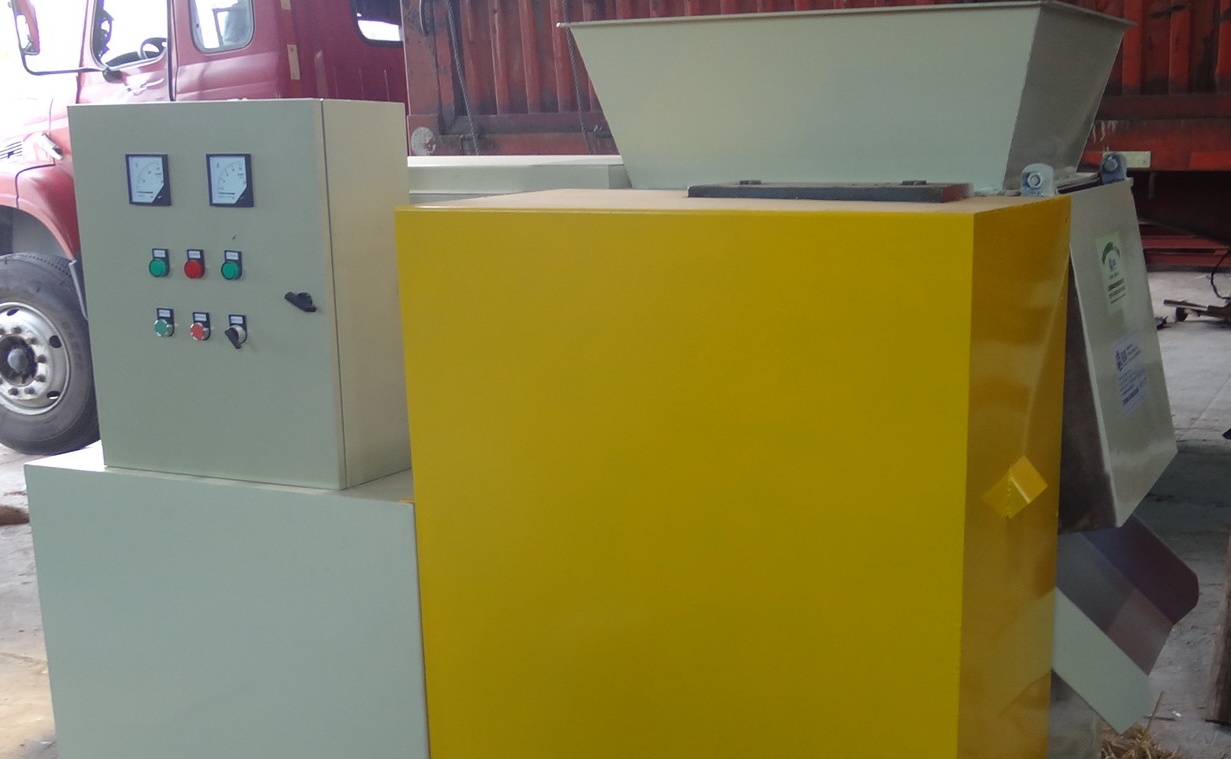
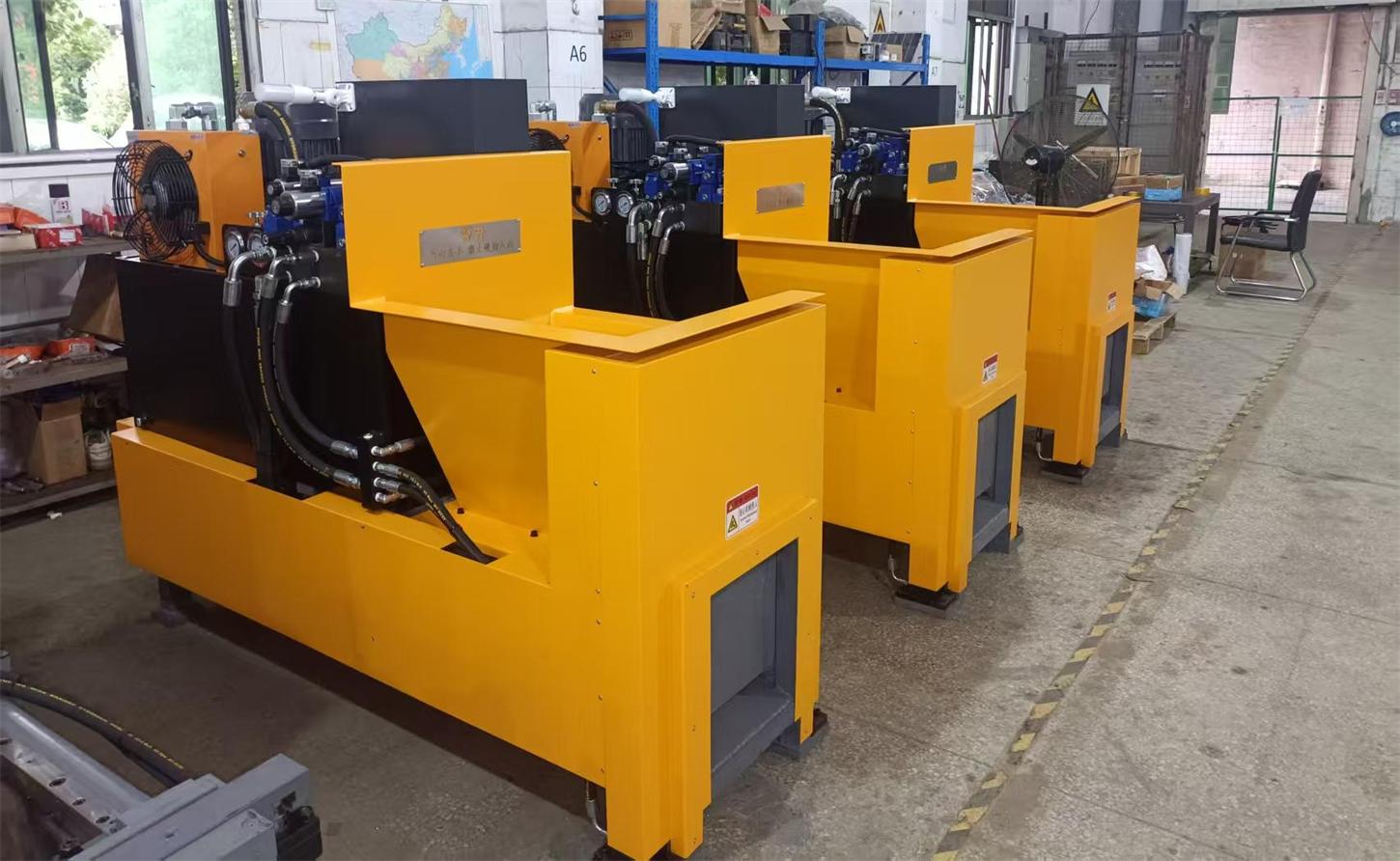
San Lan Technologies Co., Ltd, established in 2007, has supplied recycling equipment to customers in over 21 countries including Singapore, Colombia, Vietnam, Mexico, Argentina, Korea, Malaysia, Indonesia, South Africa, Tunisia, India, Kenya, Saudi Arabia, Philippines, Zambia, and Israel. Their product range covers lead acid battery recycling plants, lithium battery recycling plants, circuit board recycling equipment, cable recycling machines, shredders, hydraulic presses, and specialized solutions for refrigerators, CRTs, motors, and lamps.
Getting Started: From Planning to Production
Launching an e-waste recycling business follows a clear path:
- Market research: Analyze local feedstock availability, competition, and regulatory requirements
- Business planning: Define your target materials, processing capacity, and revenue model
- Equipment selection: Choose machinery matched to your feedstock and output goals
- Site preparation: Design your plant layout with proper environmental and safety controls
- Installation and commissioning: Work with experienced technicians to ensure optimal performance
- Operations and optimization: Continuously improve recovery rates and operational efficiency
Conclusion
E-waste recycling is a high-growth industry with strong fundamentals: rising waste volumes, valuable recoverable materials, and tightening regulations that favor formal recycling operations. Success depends on choosing the right equipment, designing efficient processes, and partnering with experienced suppliers who can support you from initial planning through long-term operations.
Whether you are starting with cable recycling, building a lead acid battery processing plant, or creating a comprehensive multi-stream e-waste facility, investing in proven, high-quality recycling equipment is the foundation of a profitable and sustainable business.